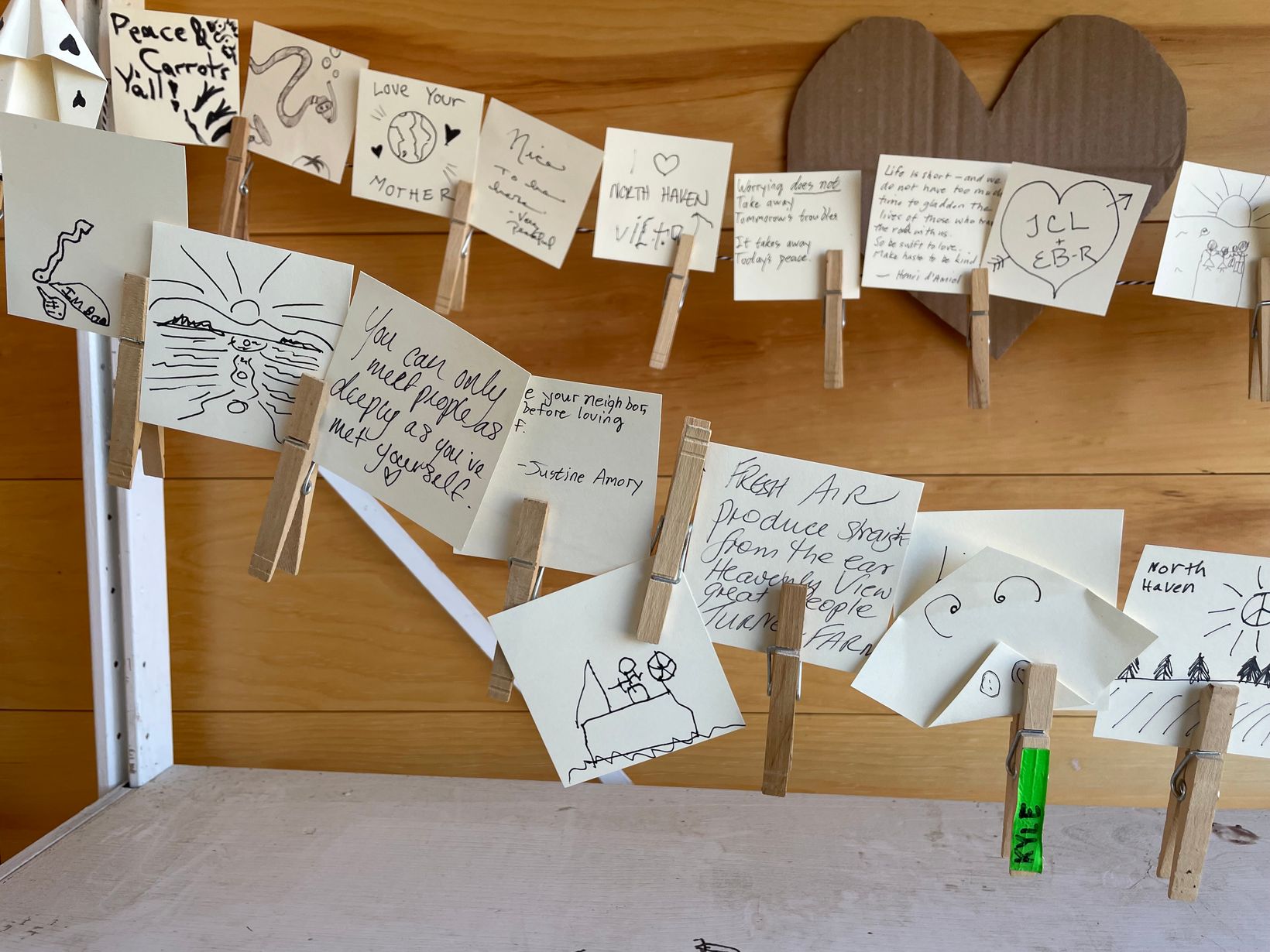
A thousand islands and pots
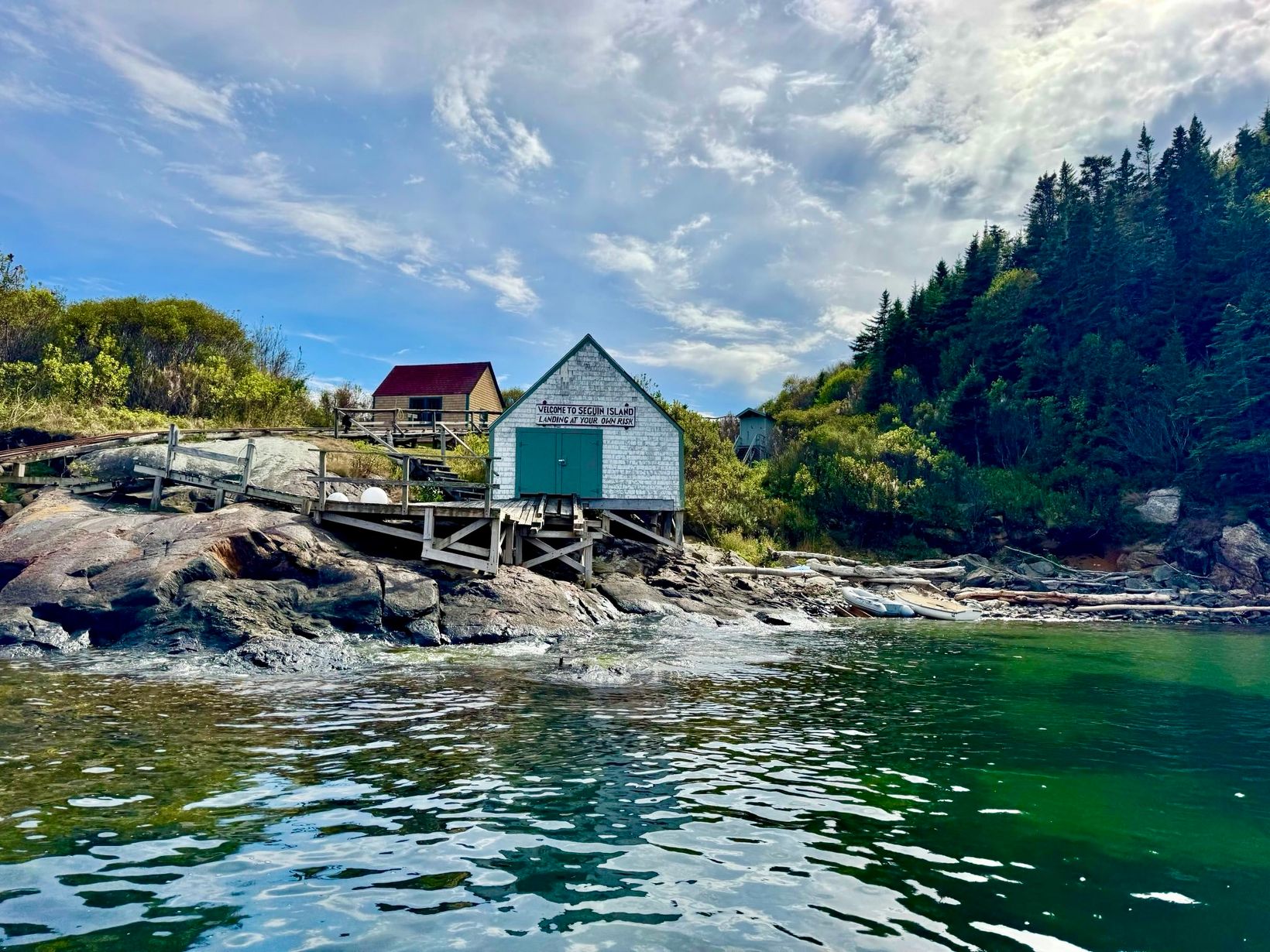
Once the waves caused by Hurricane Erin have subsided, we leave our hiding place and sail back to the US. We pass the Bay of Fundy, home to the world’s largest tidal range. In sync with the moon, the water level there fluctuates by up to 16 meters. The tidal range in Yarmouth was already impressive.
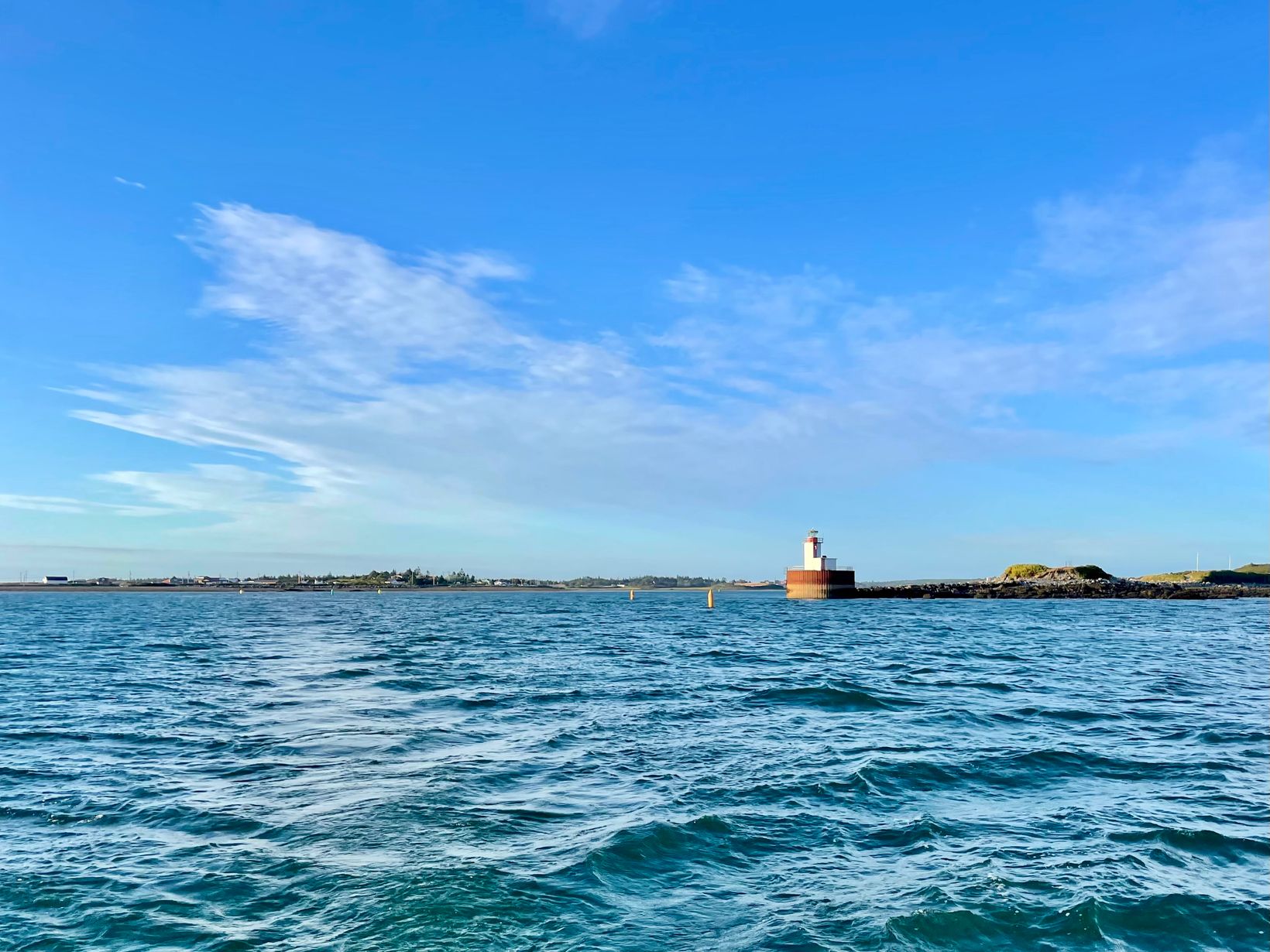
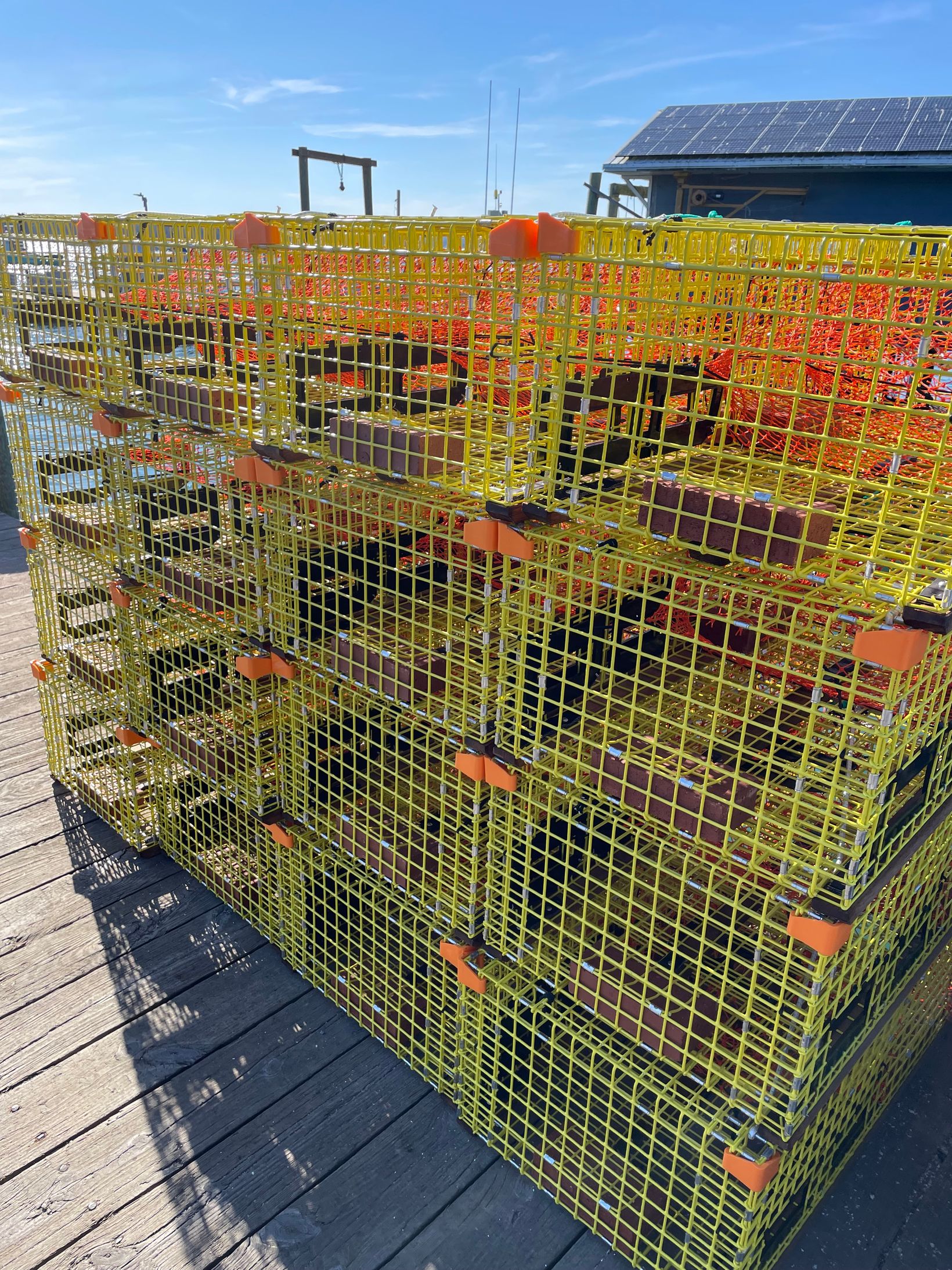
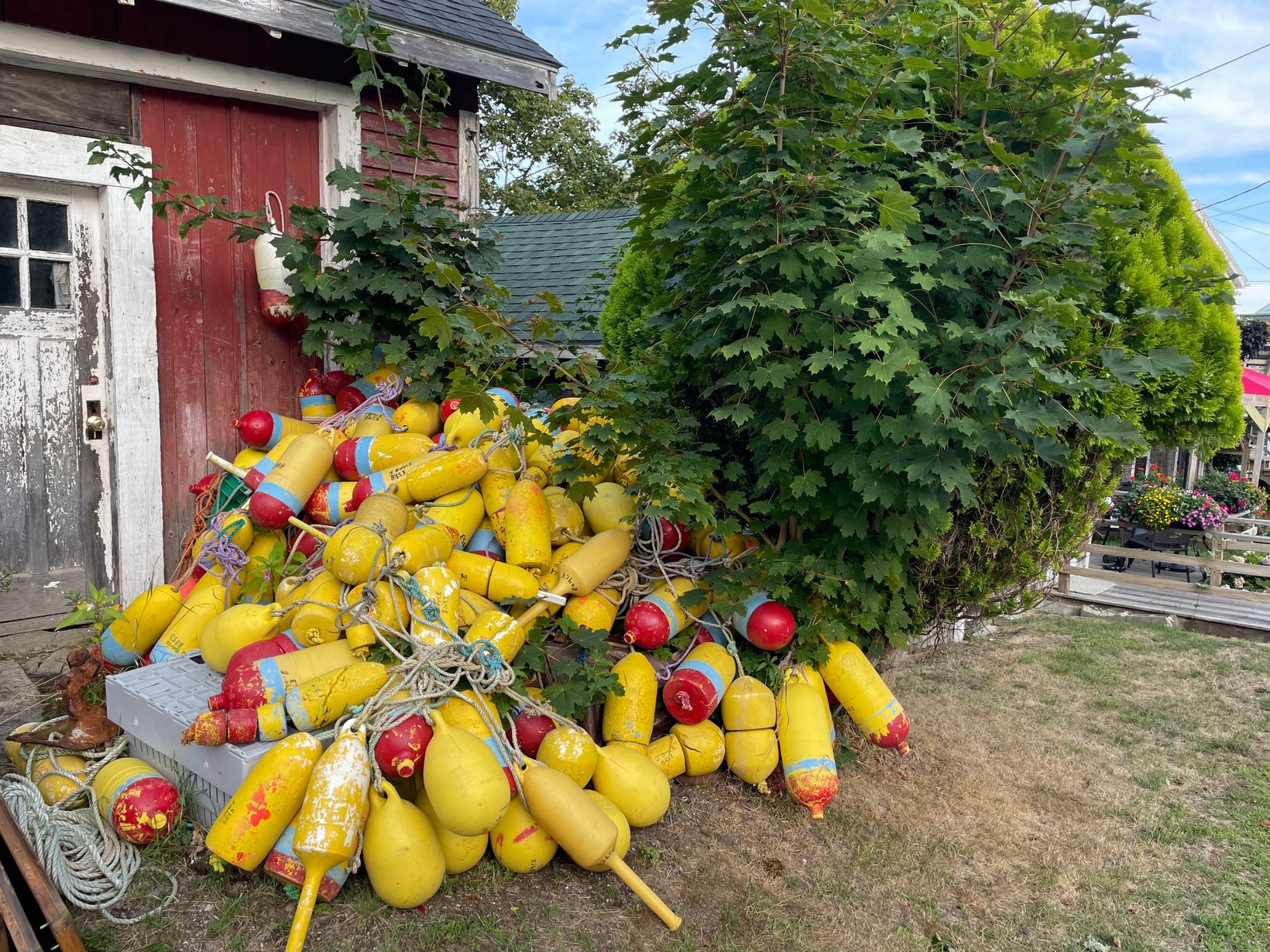
We skim across the bay, letting the current carry us back and forth on our way to Bar Harbor, Maine. Long before we reach the coast, we come across the first fishing buoys. Even at a depth of 100 meters, lobster pots hang from the buoys. The fishermen navigate between them in their agile boats, checking to see if they have caught anything. Like bumblebees, they shuttle back and forth erratically, lighting their way through the thick fog with glaring headlights. Within the first few meters, we’ve already experienced two essential Maine attractions for sailors: fog and lobster pots.
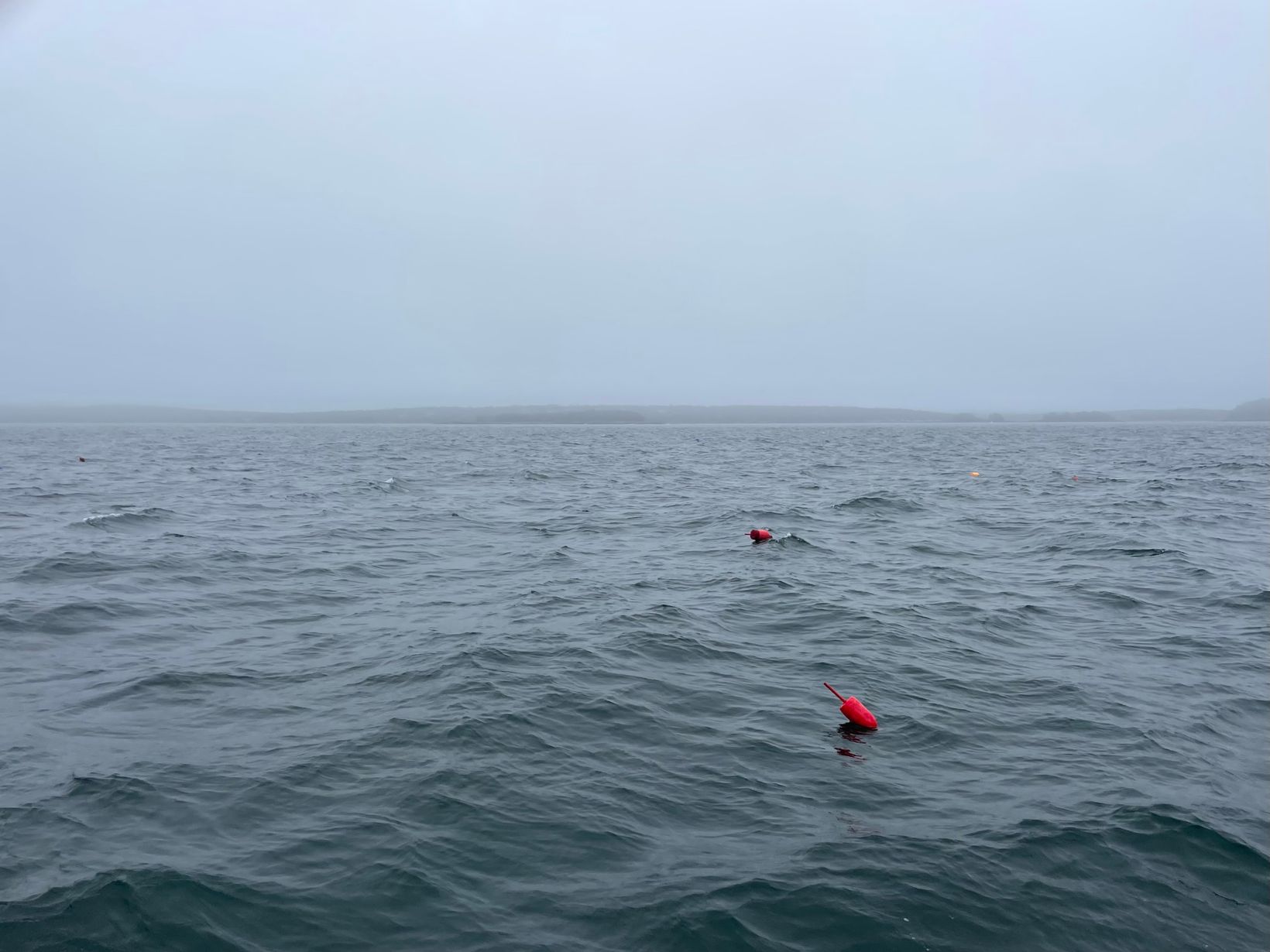
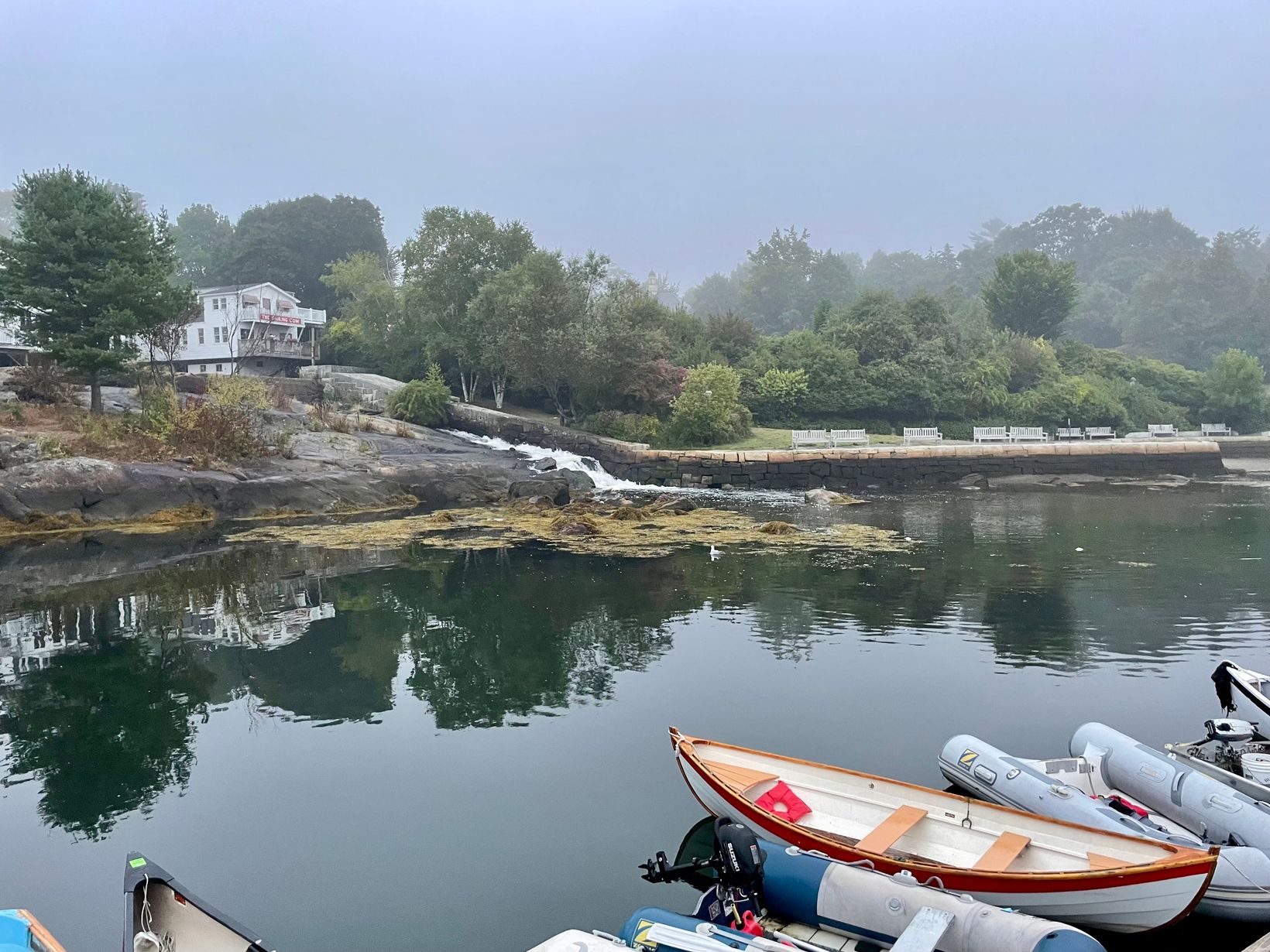
We are spared the fog for the rest of our time in Maine, but we can hardly get around the fishermen’s buoys, they are so densely placed. Getting around in this area becomes quite a strenuous affair. At least if you want to avoid the lines between the buoys getting tangled around the rudder and propeller and bringing the boat to an abrupt standstill. Sailing in Maine means zigzagging.
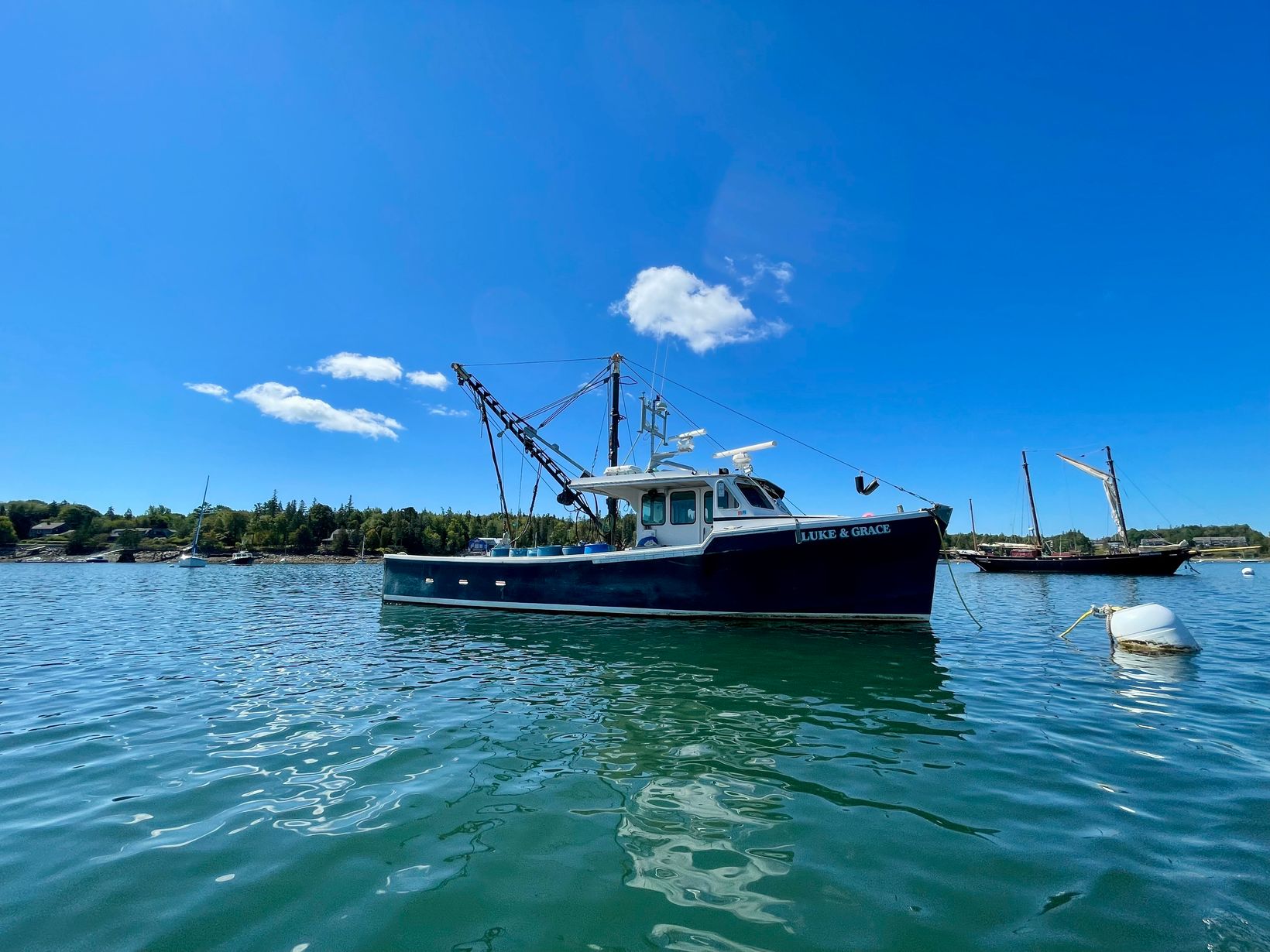
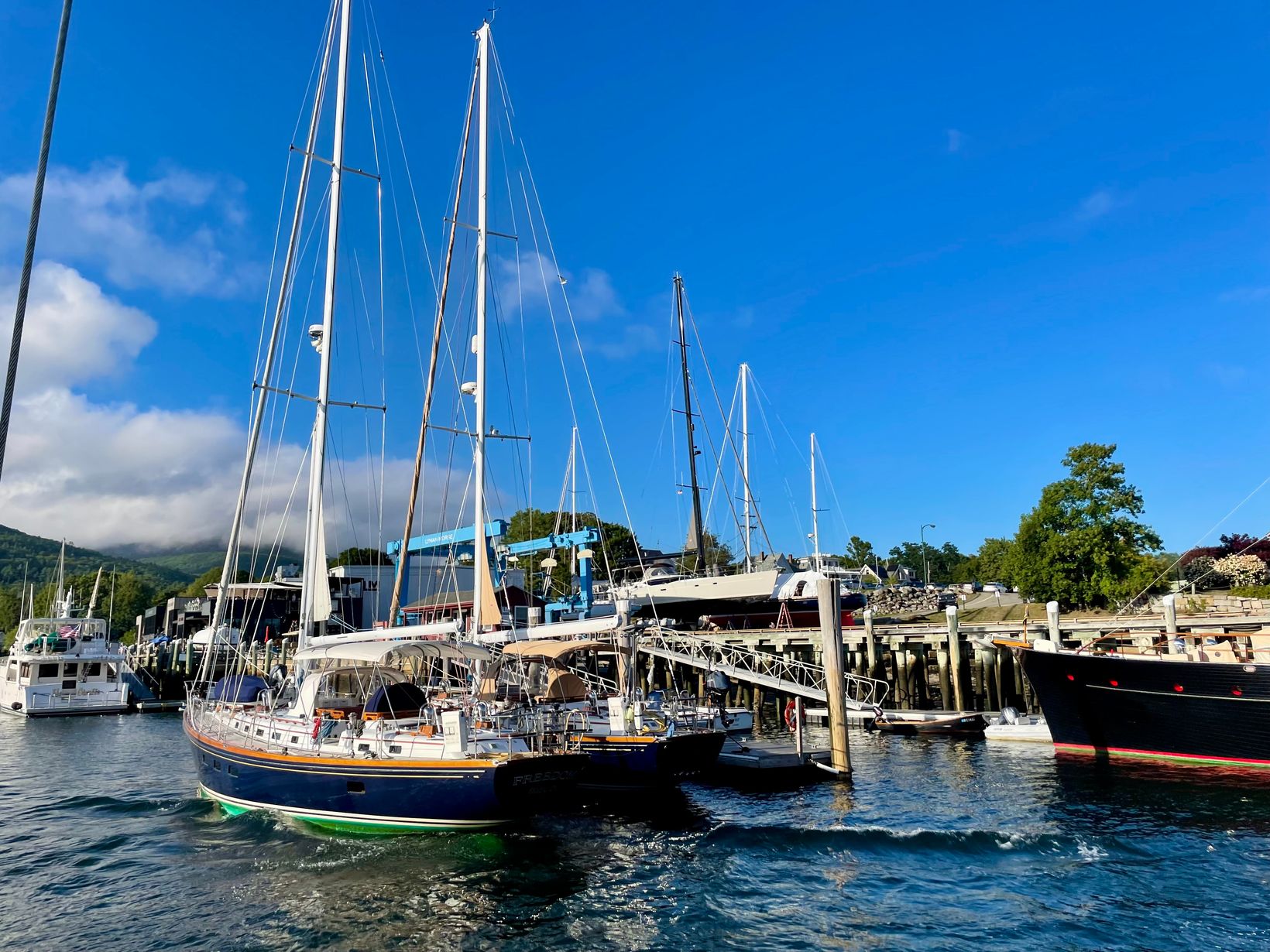
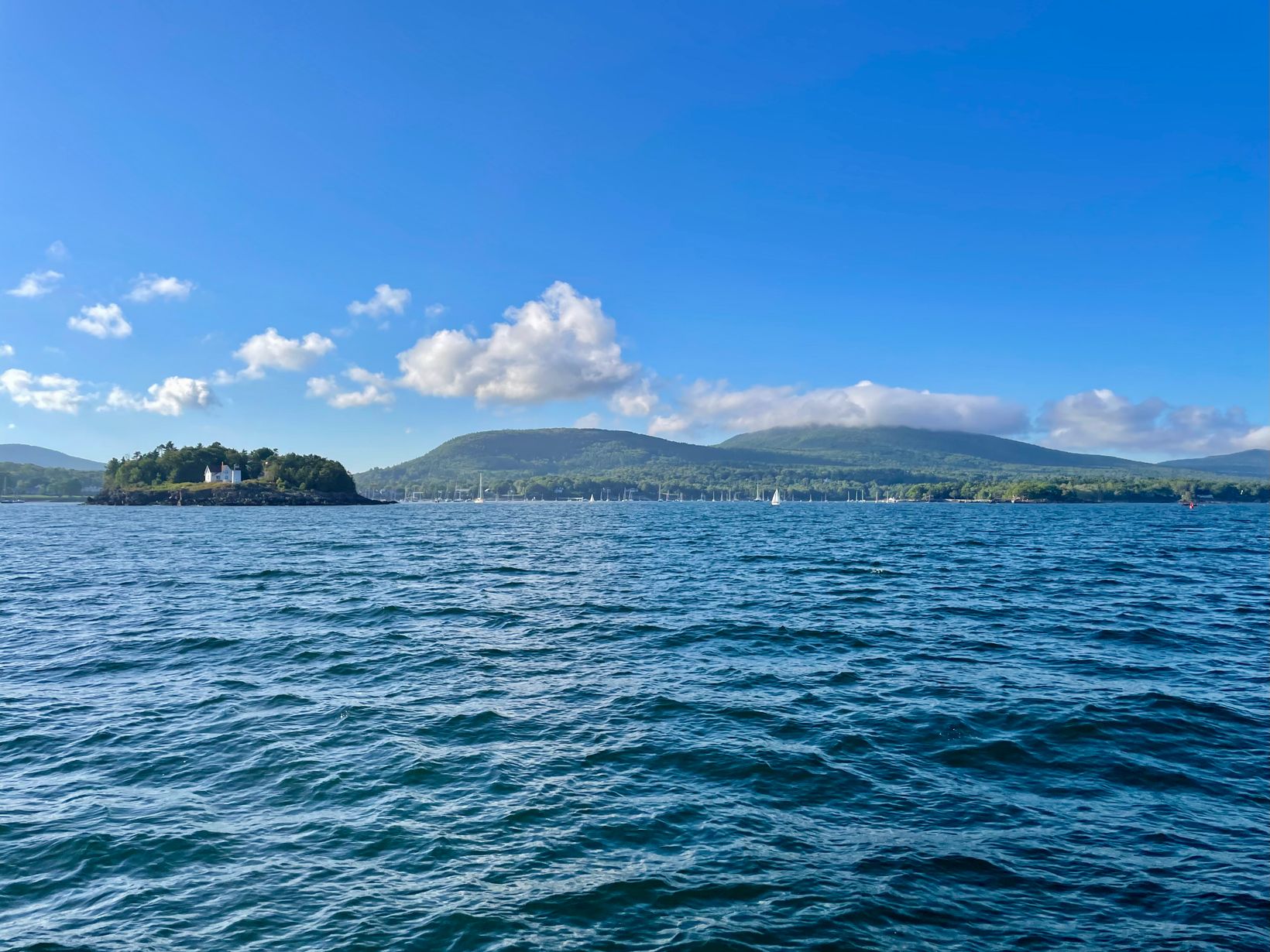
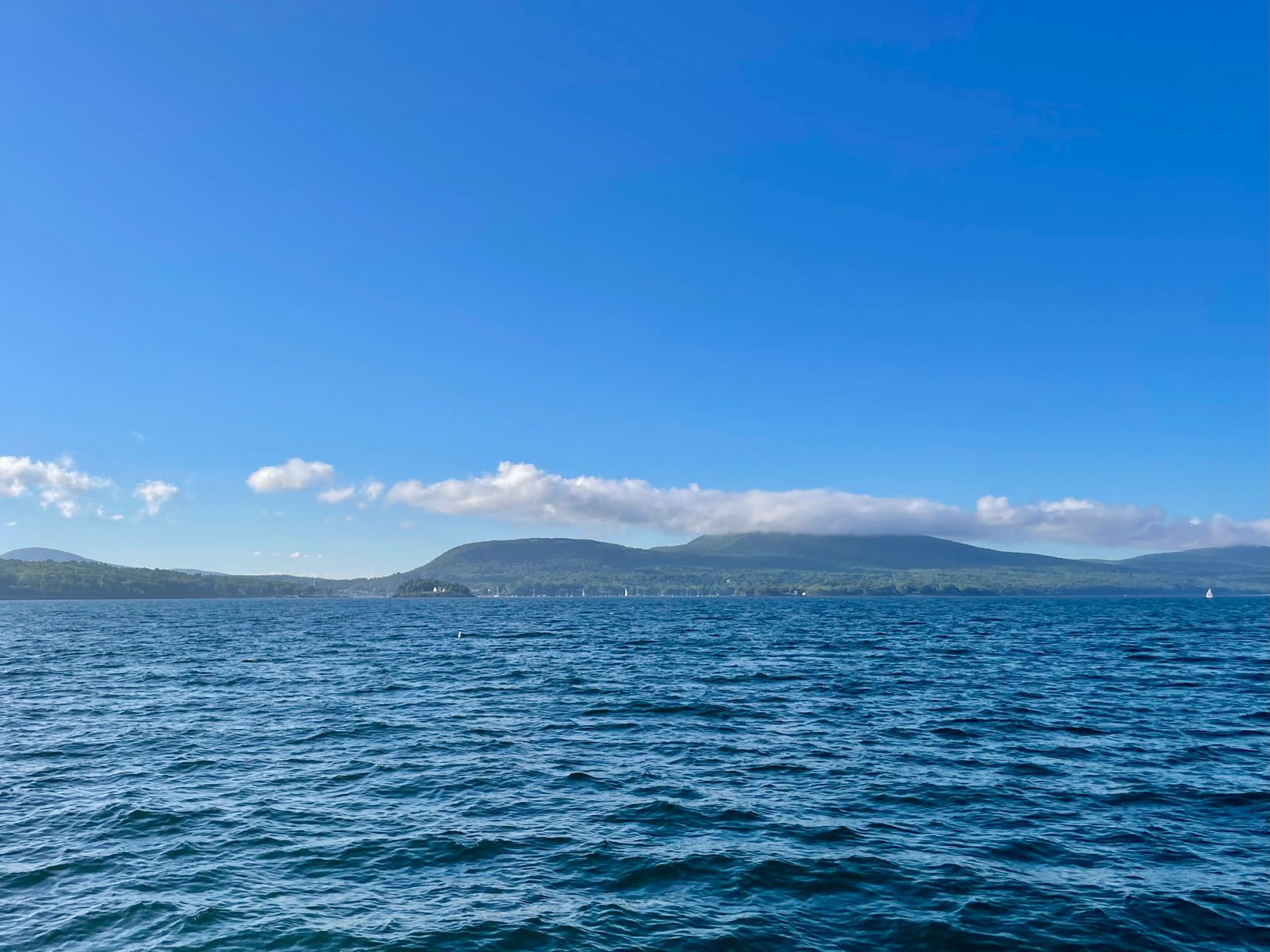
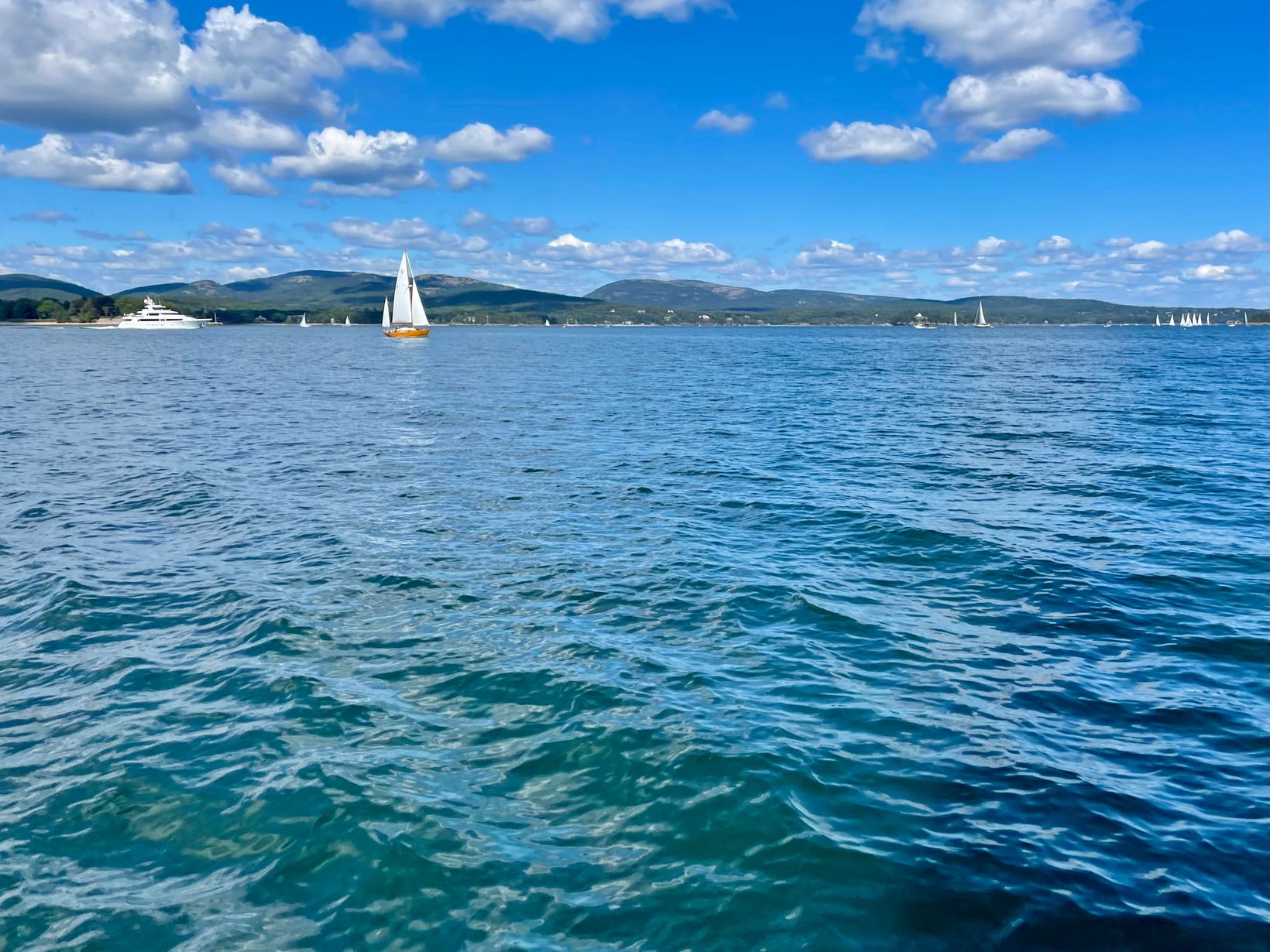
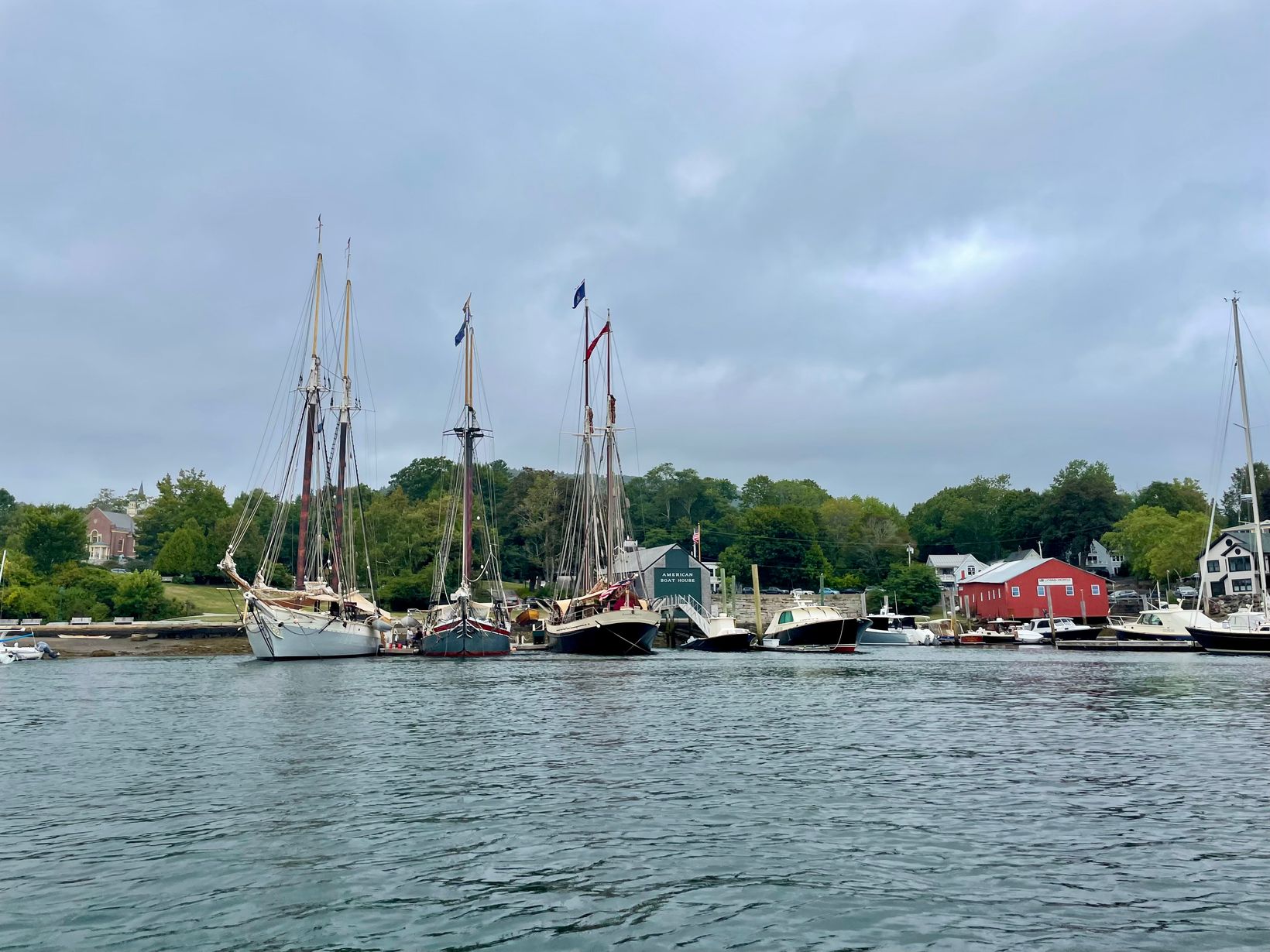
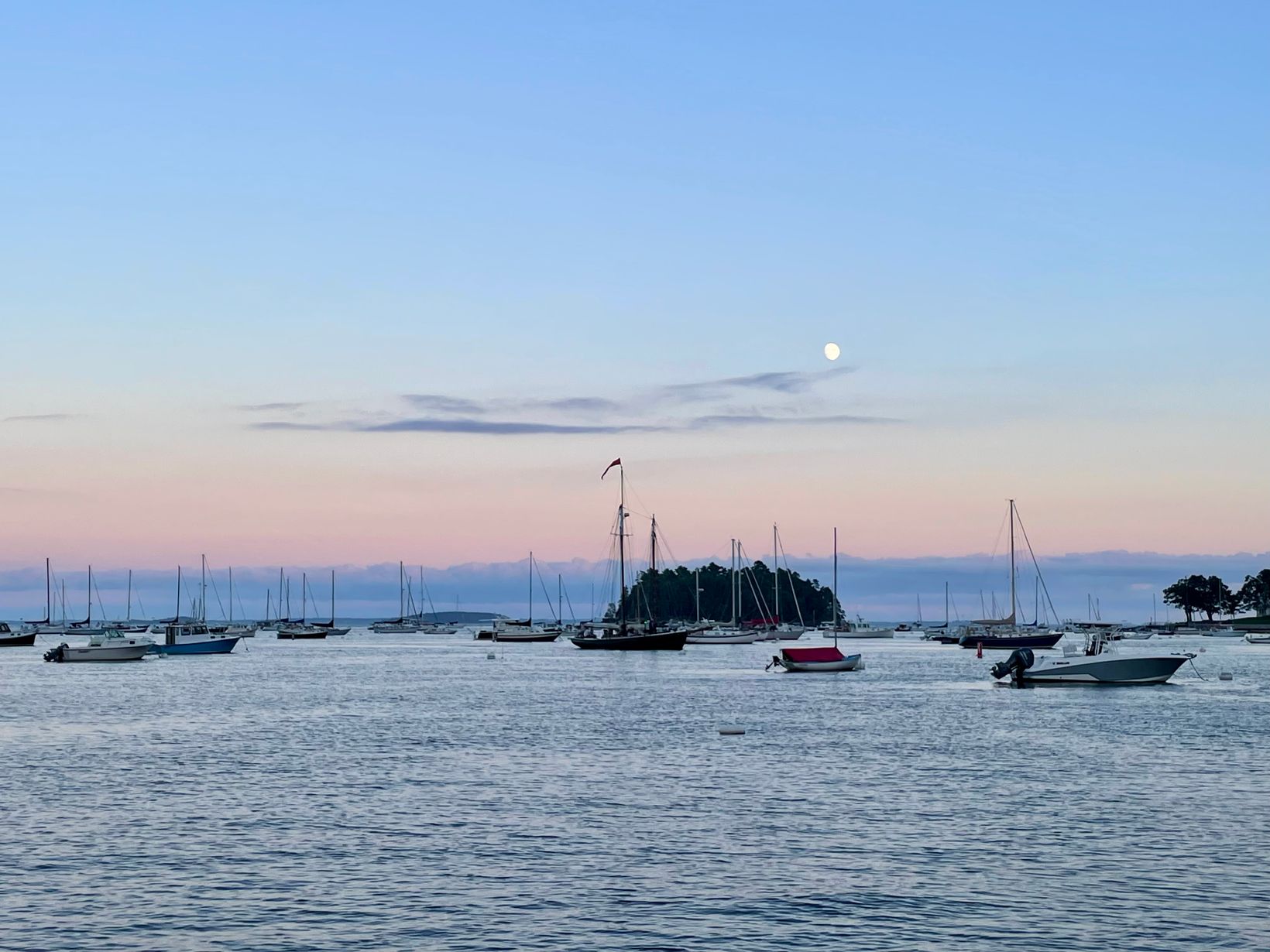
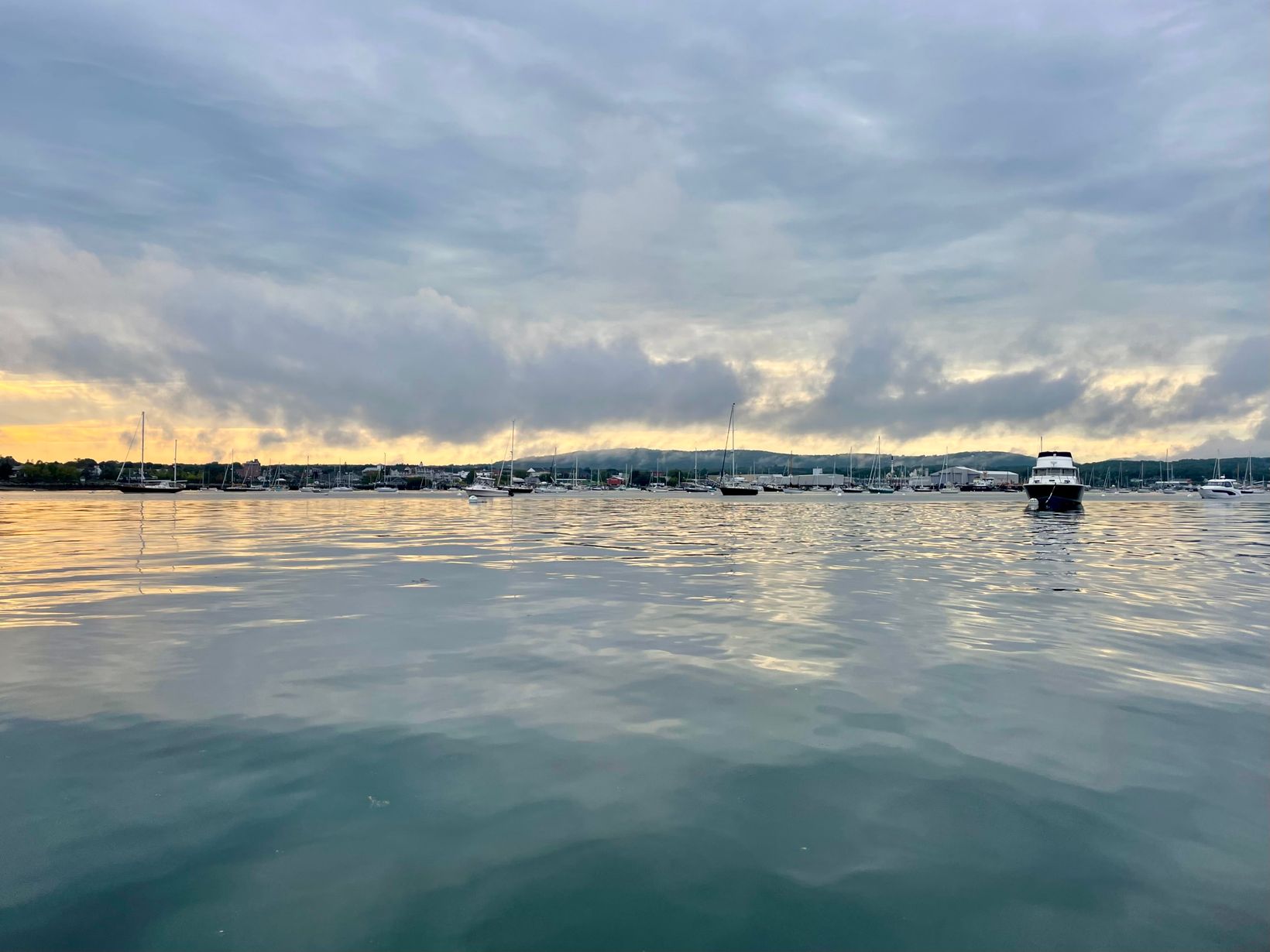
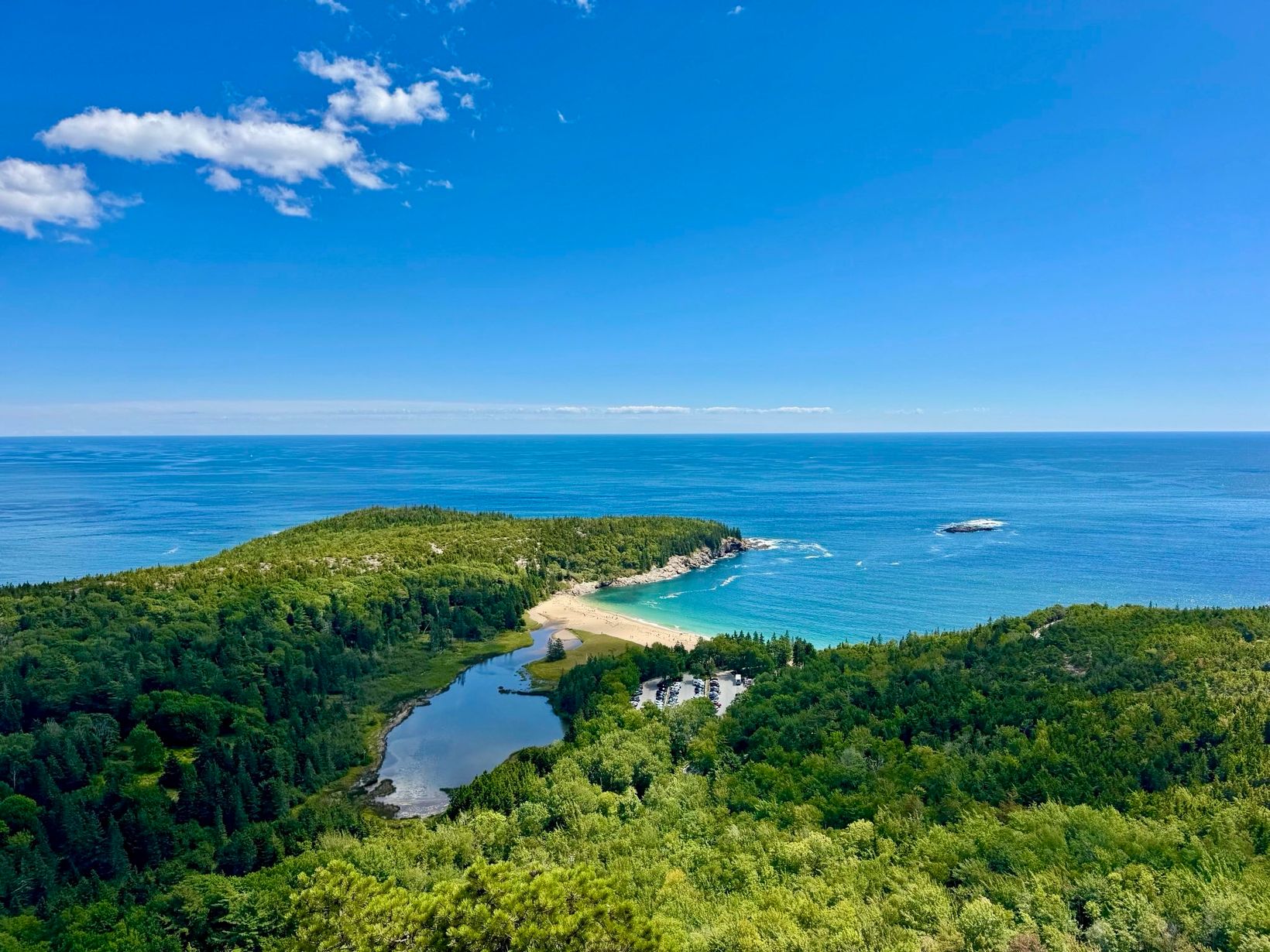
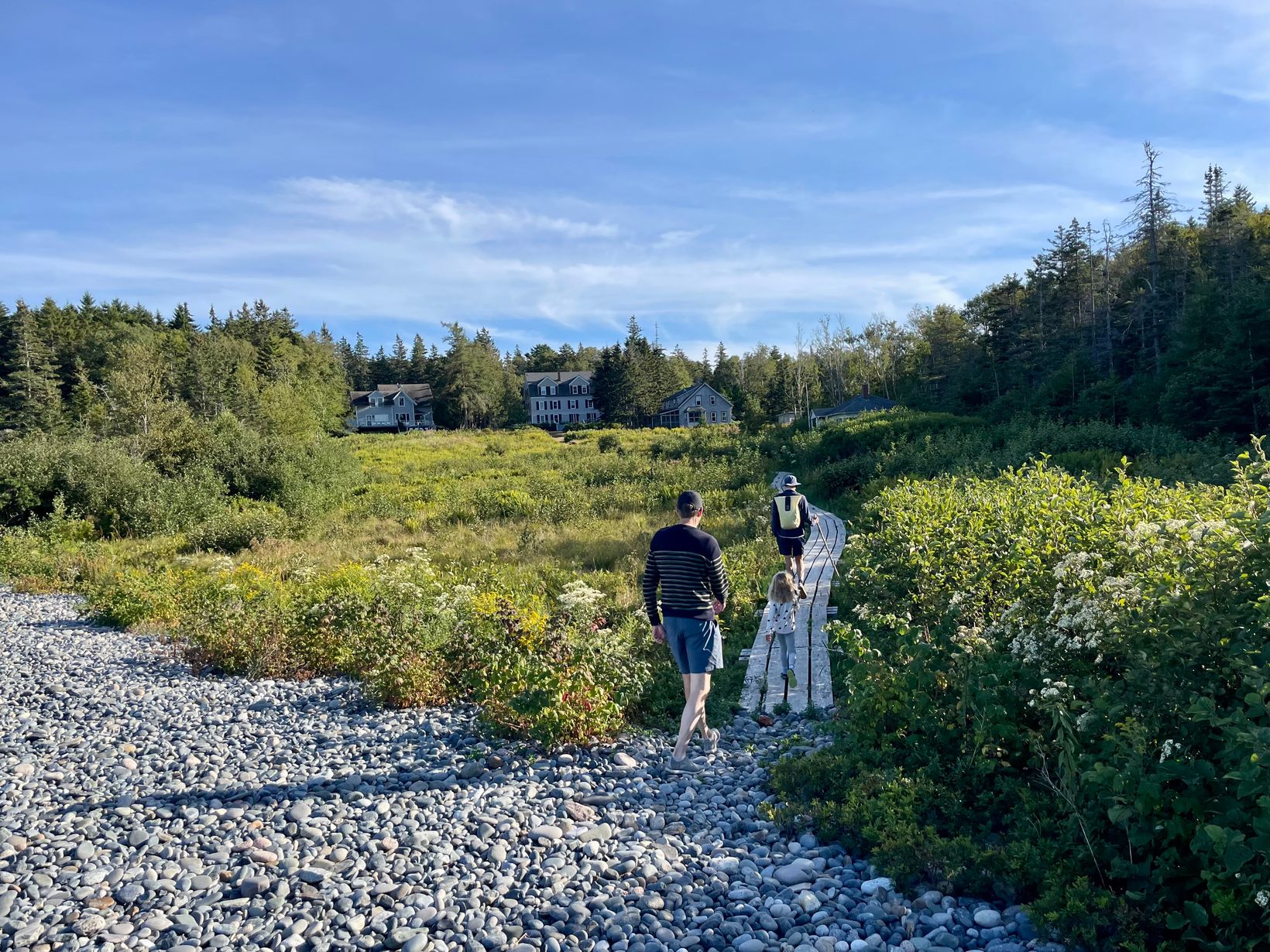
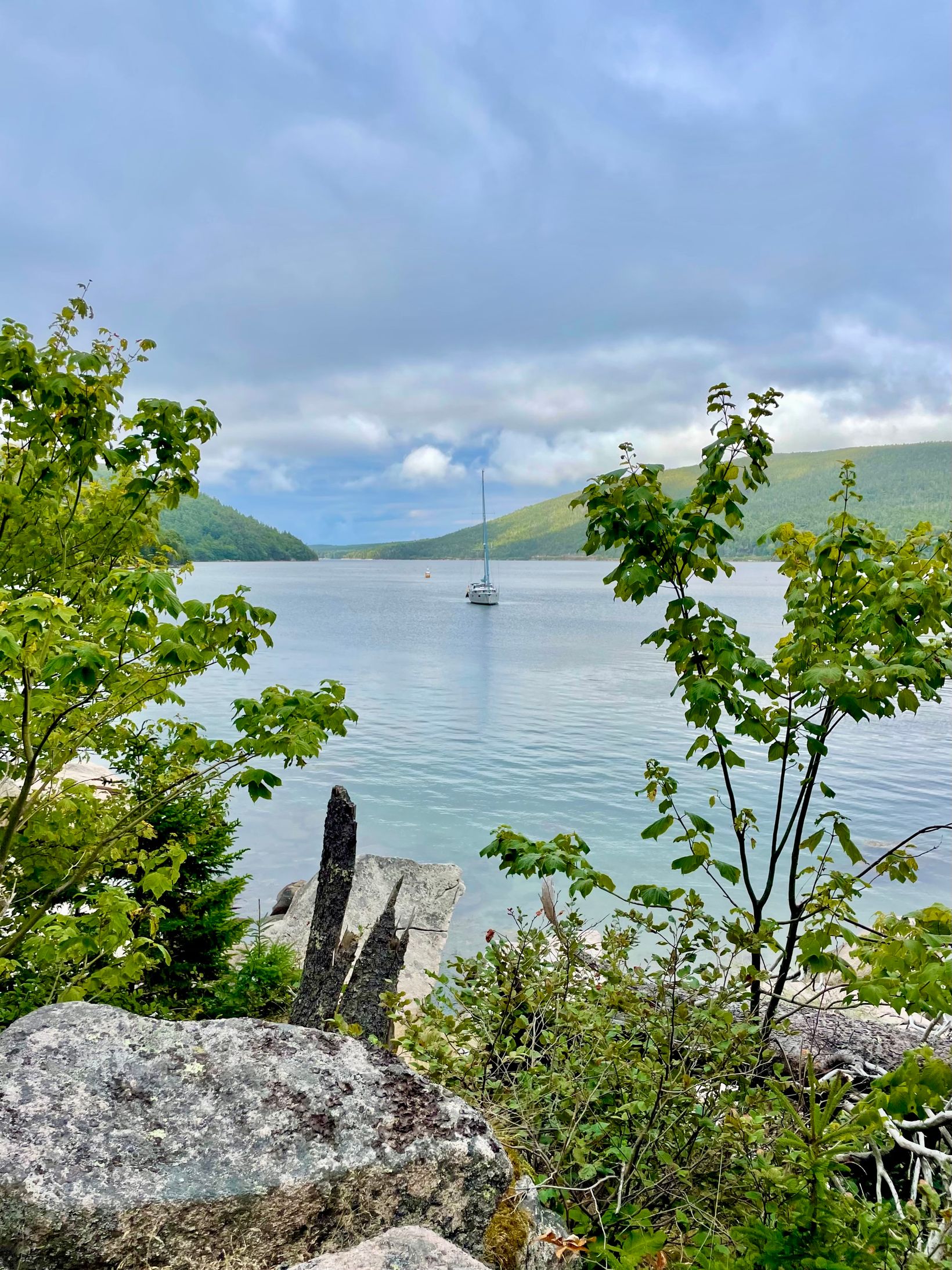
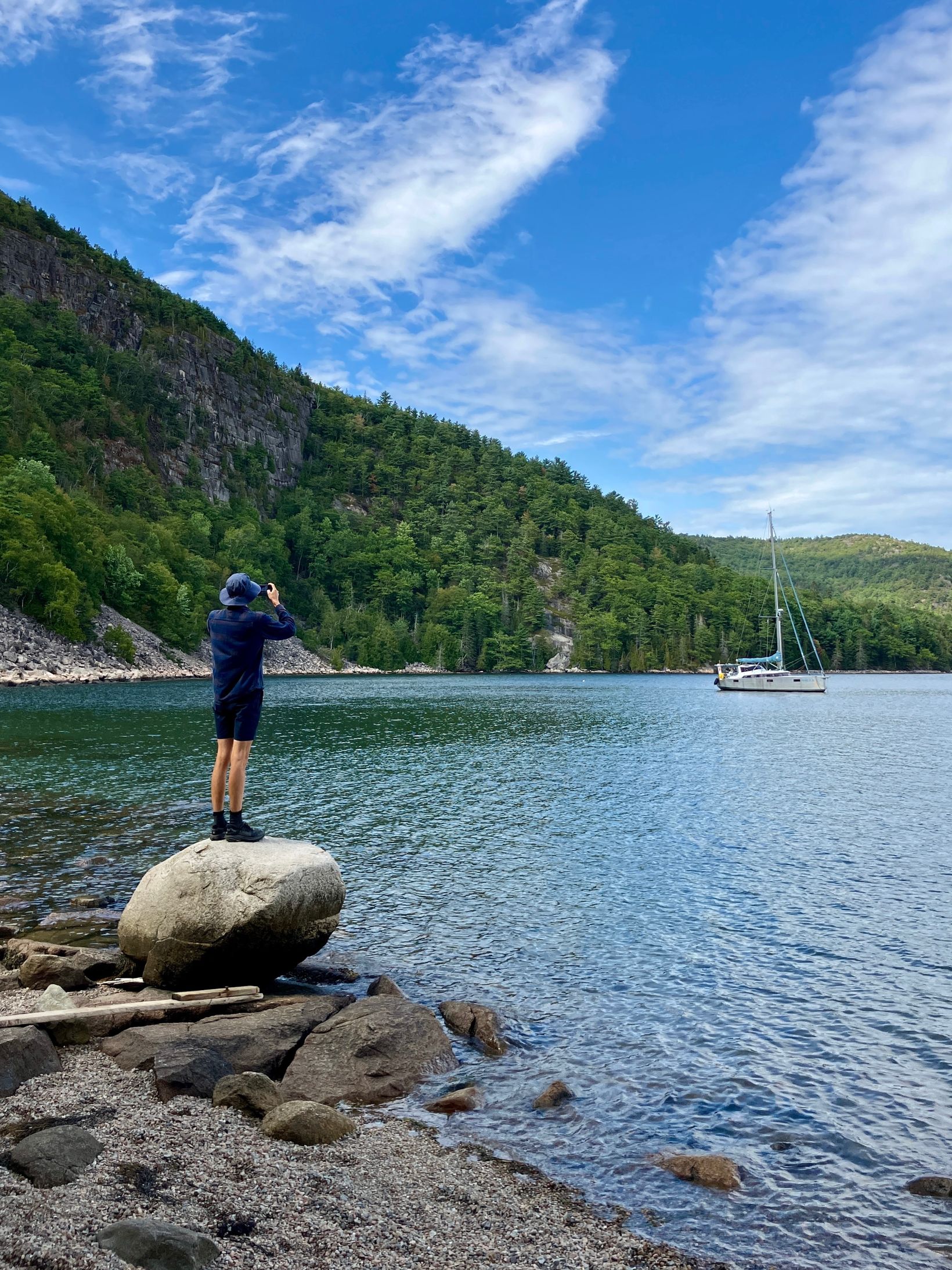
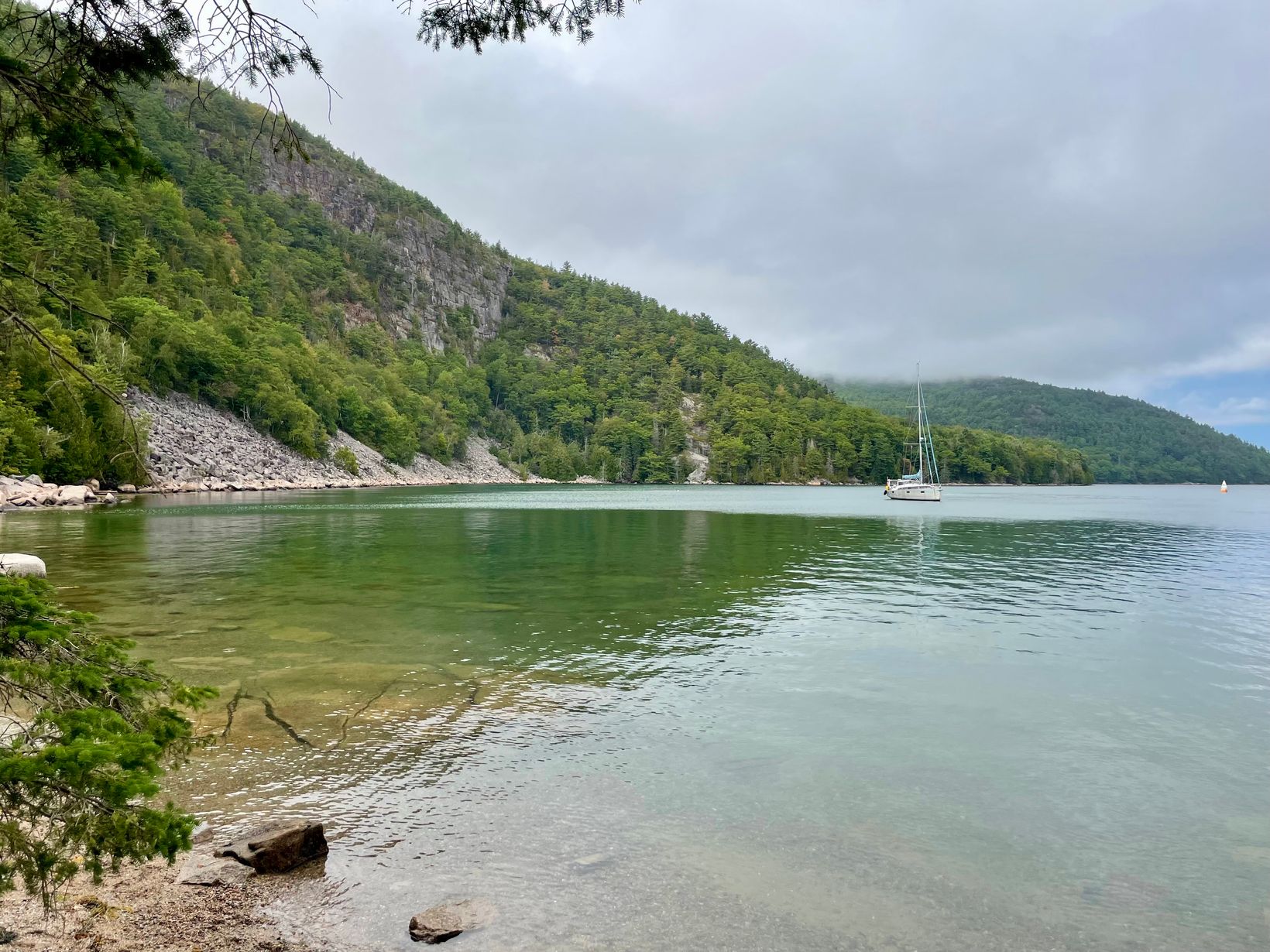
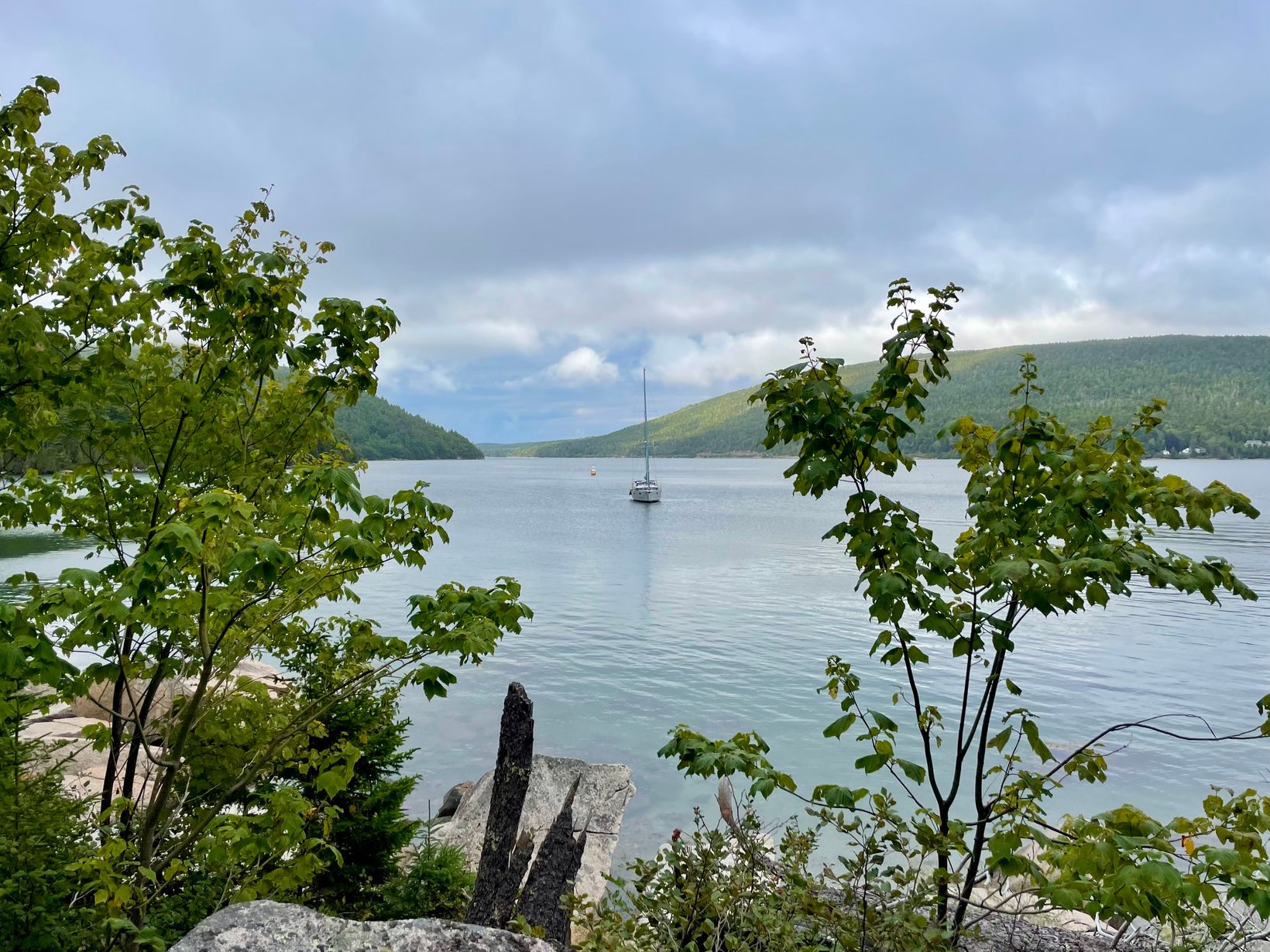
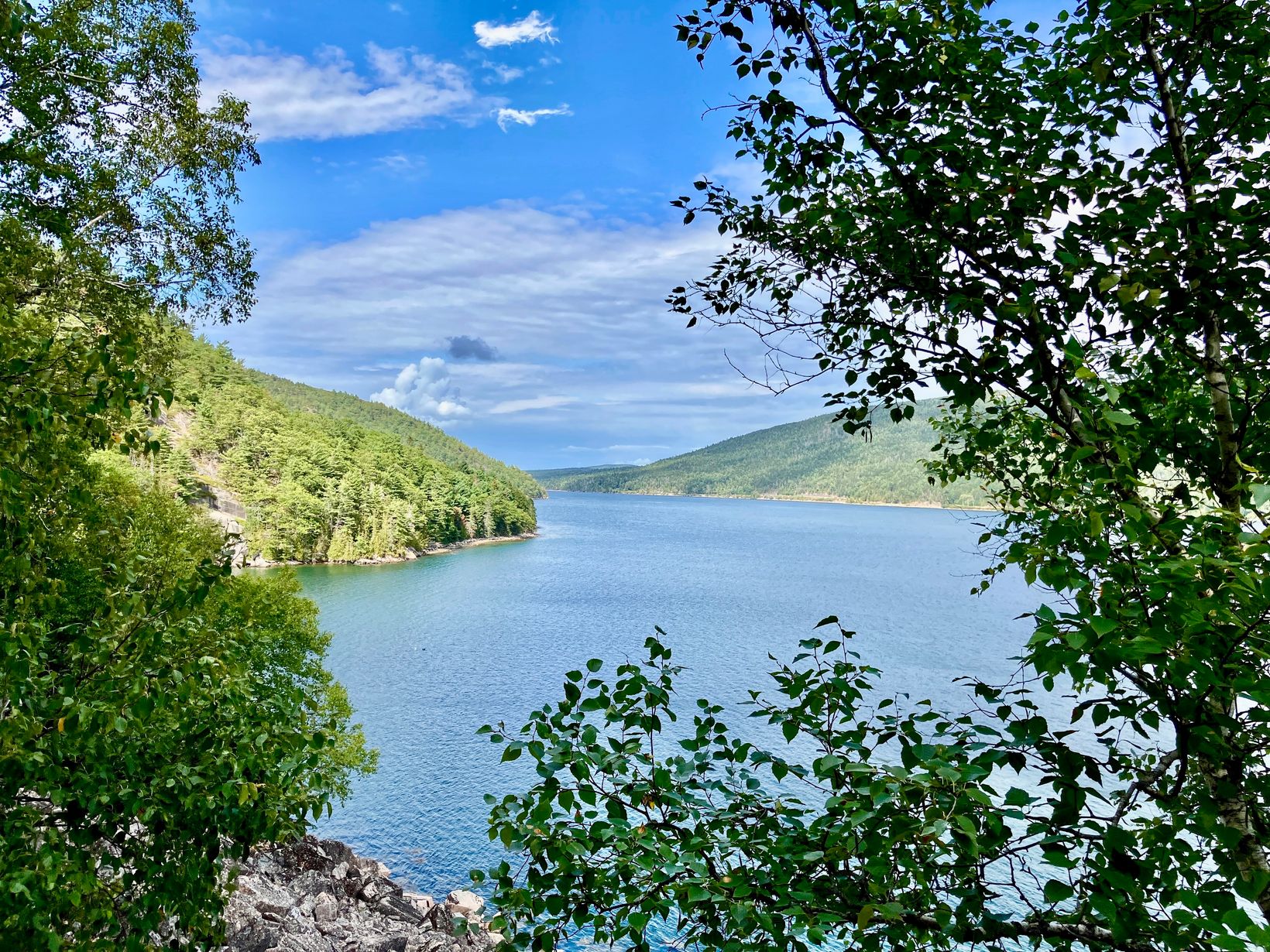
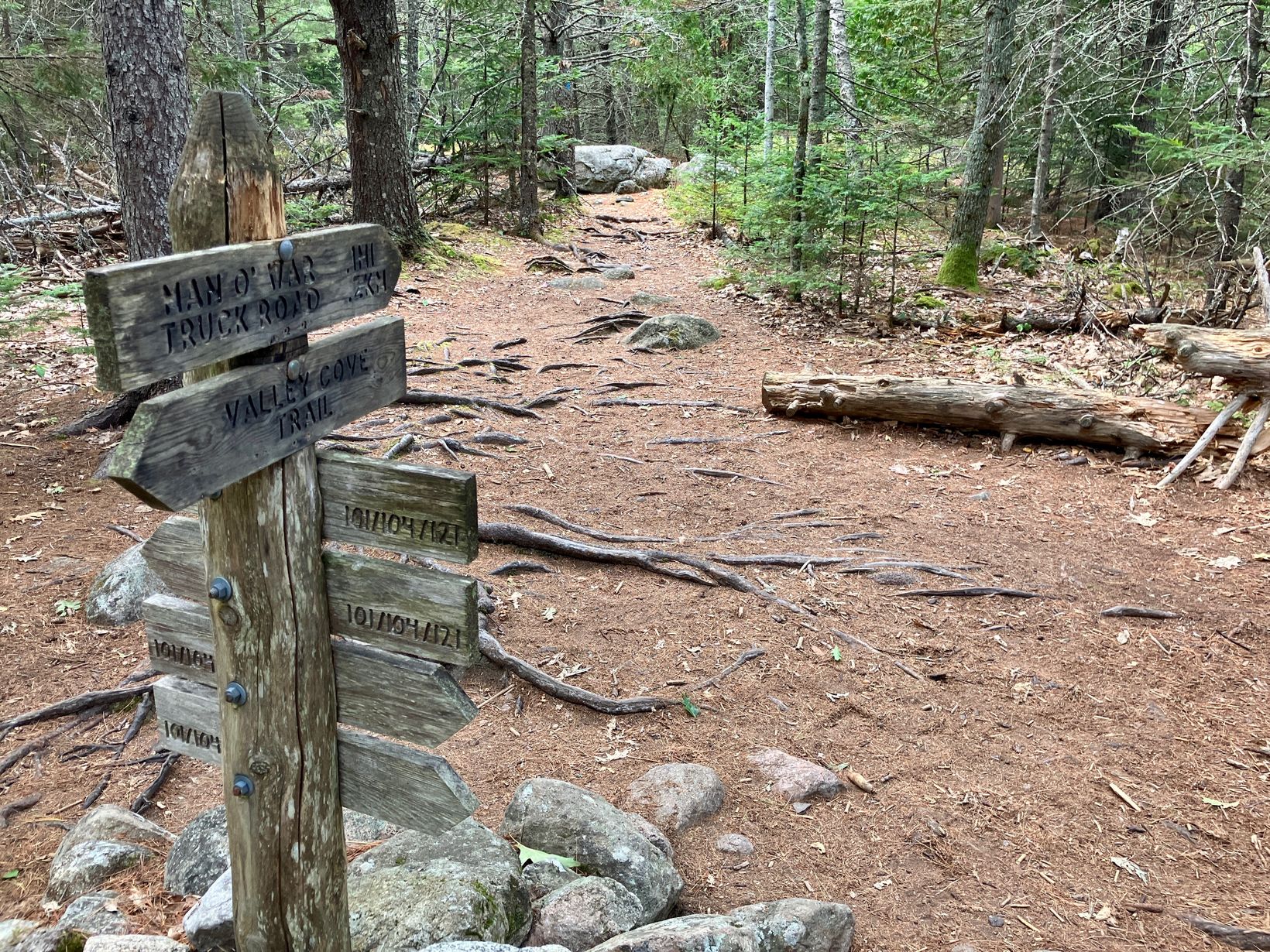
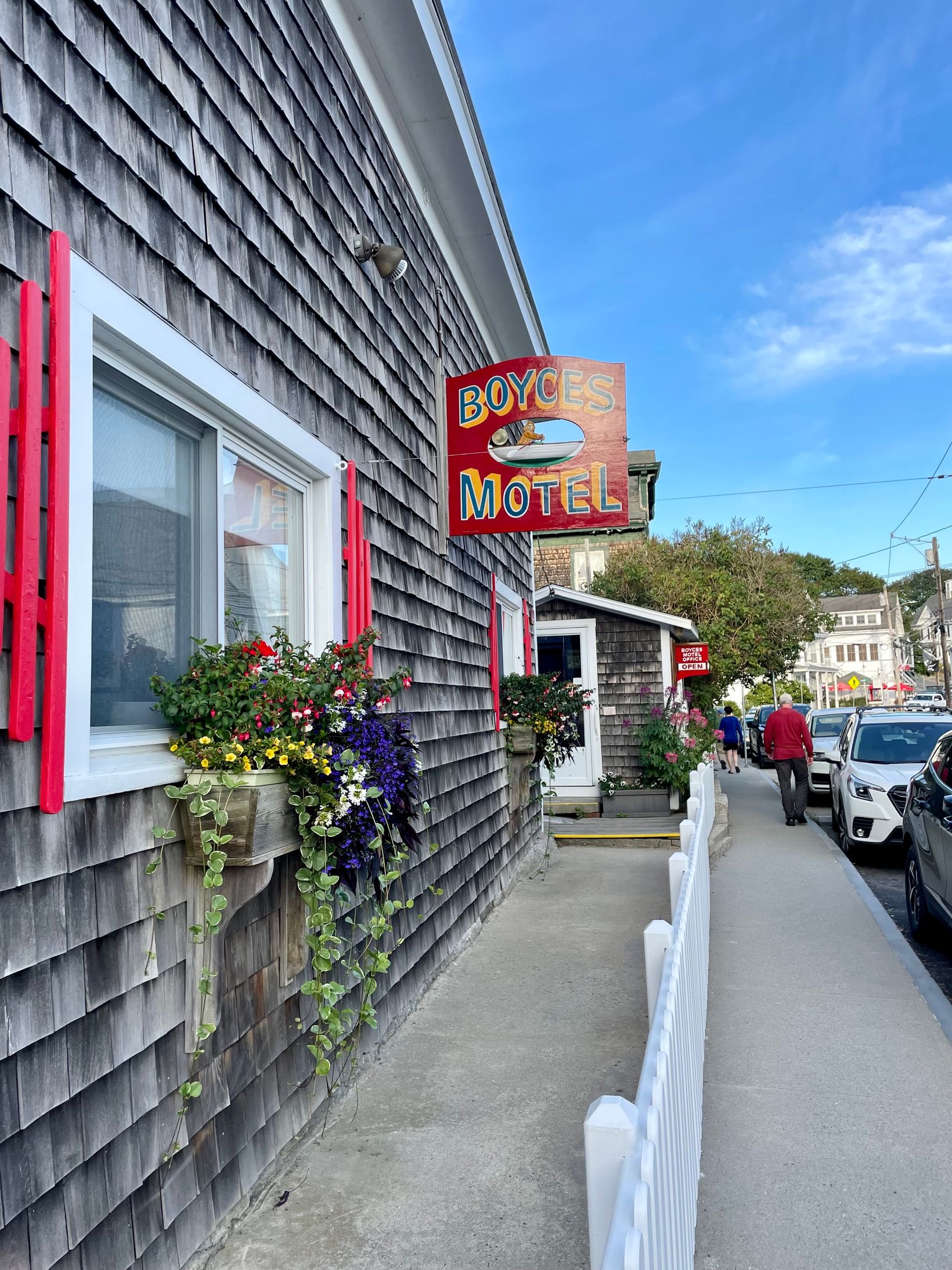
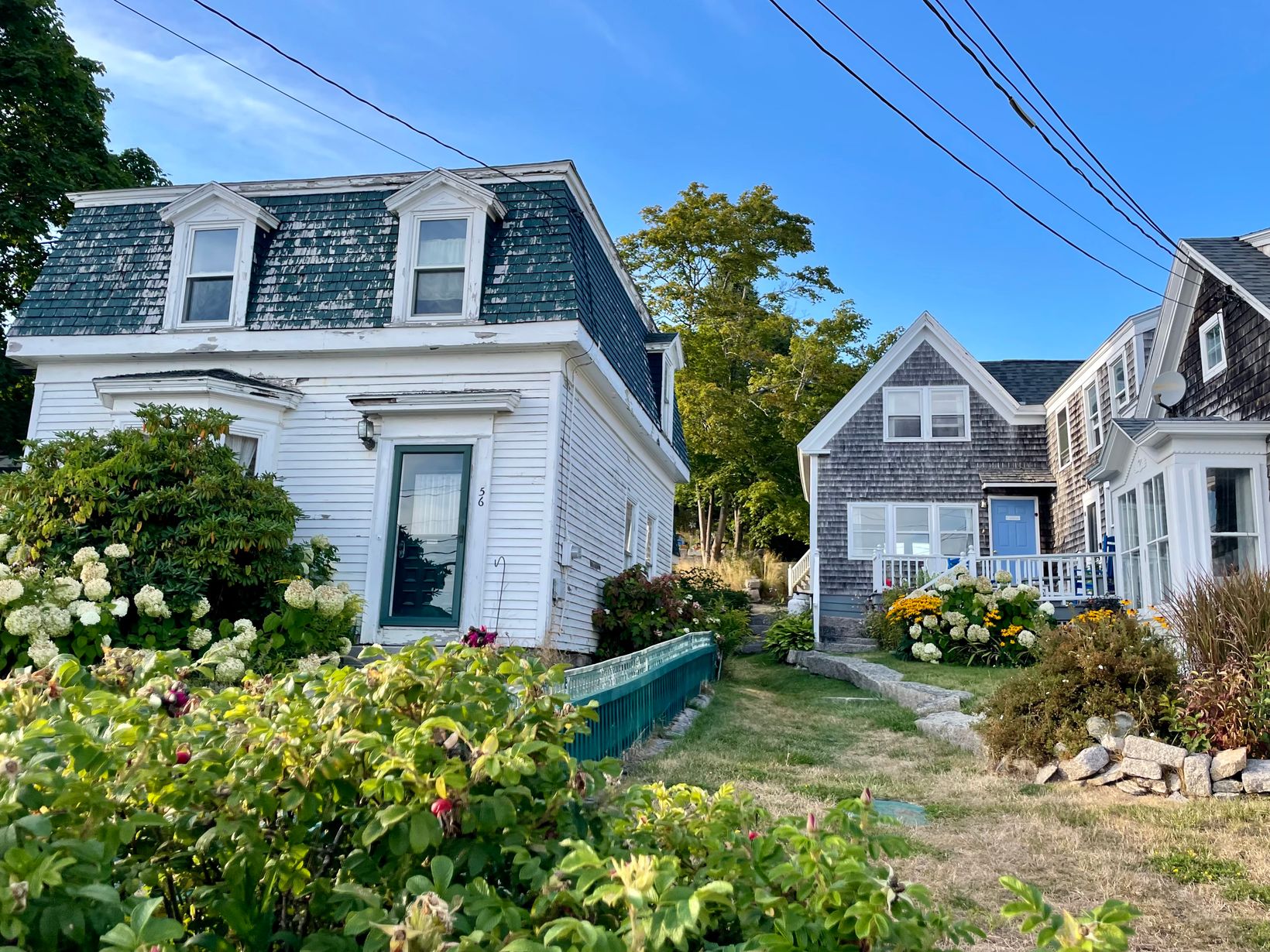
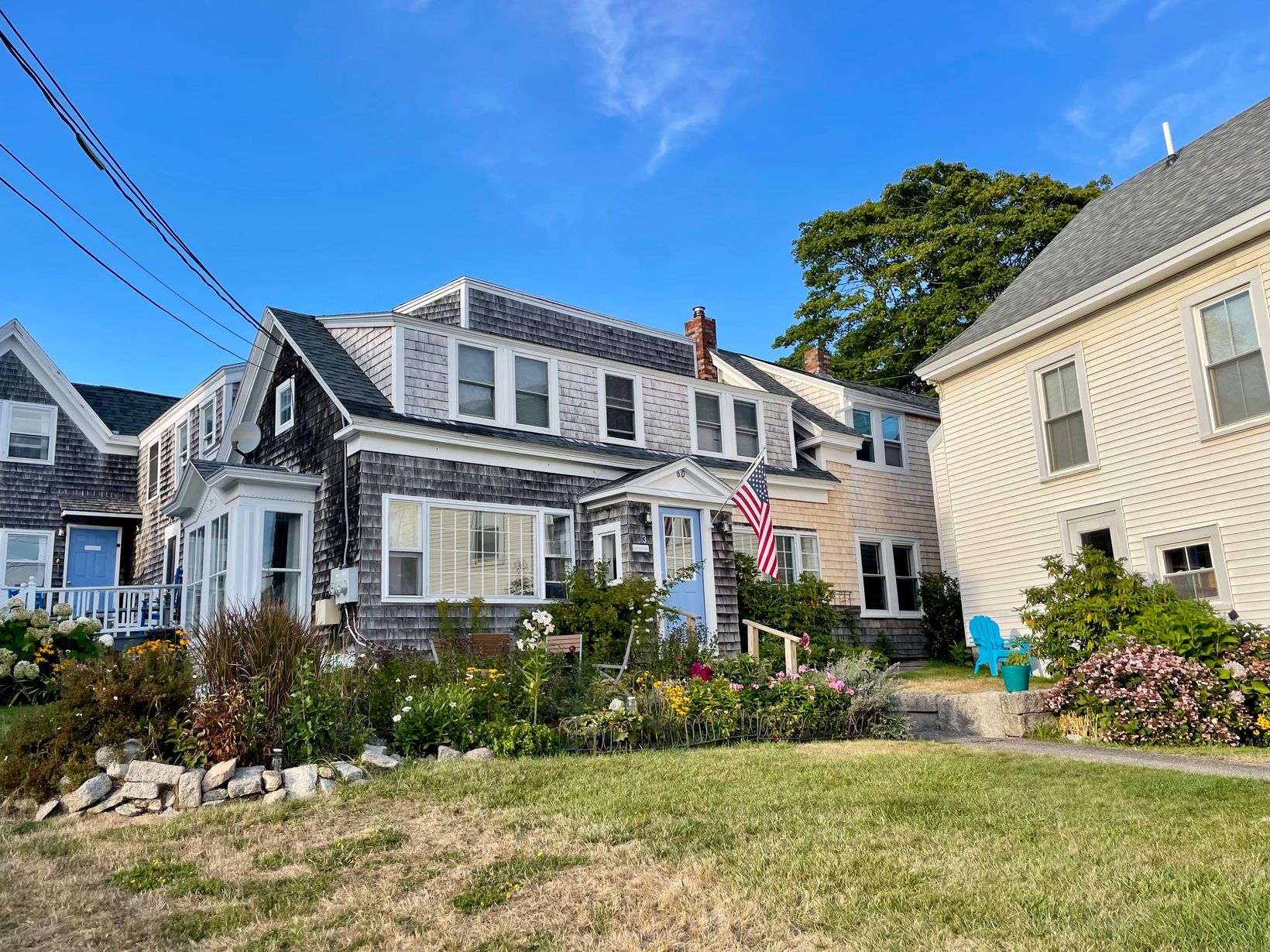
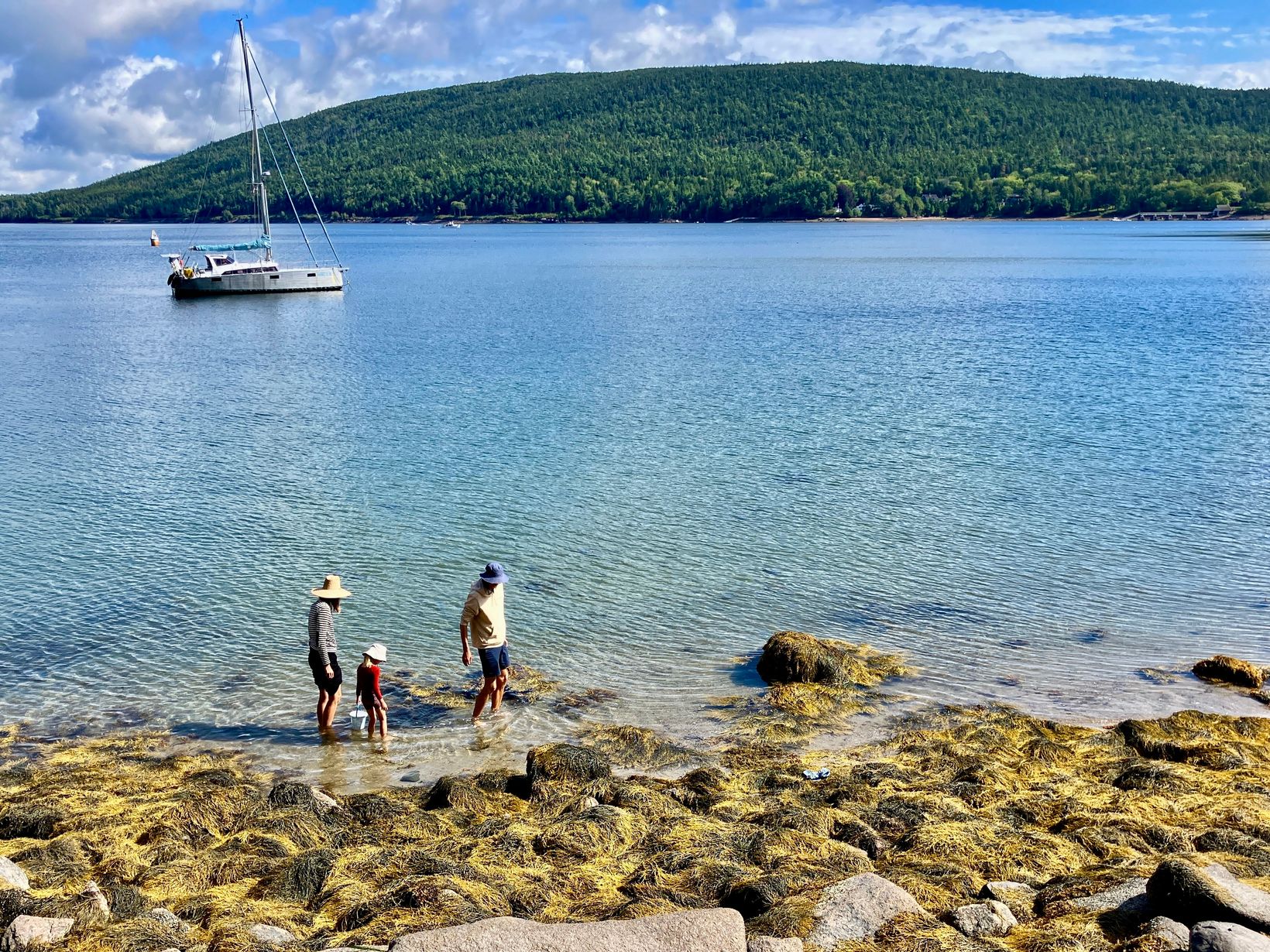
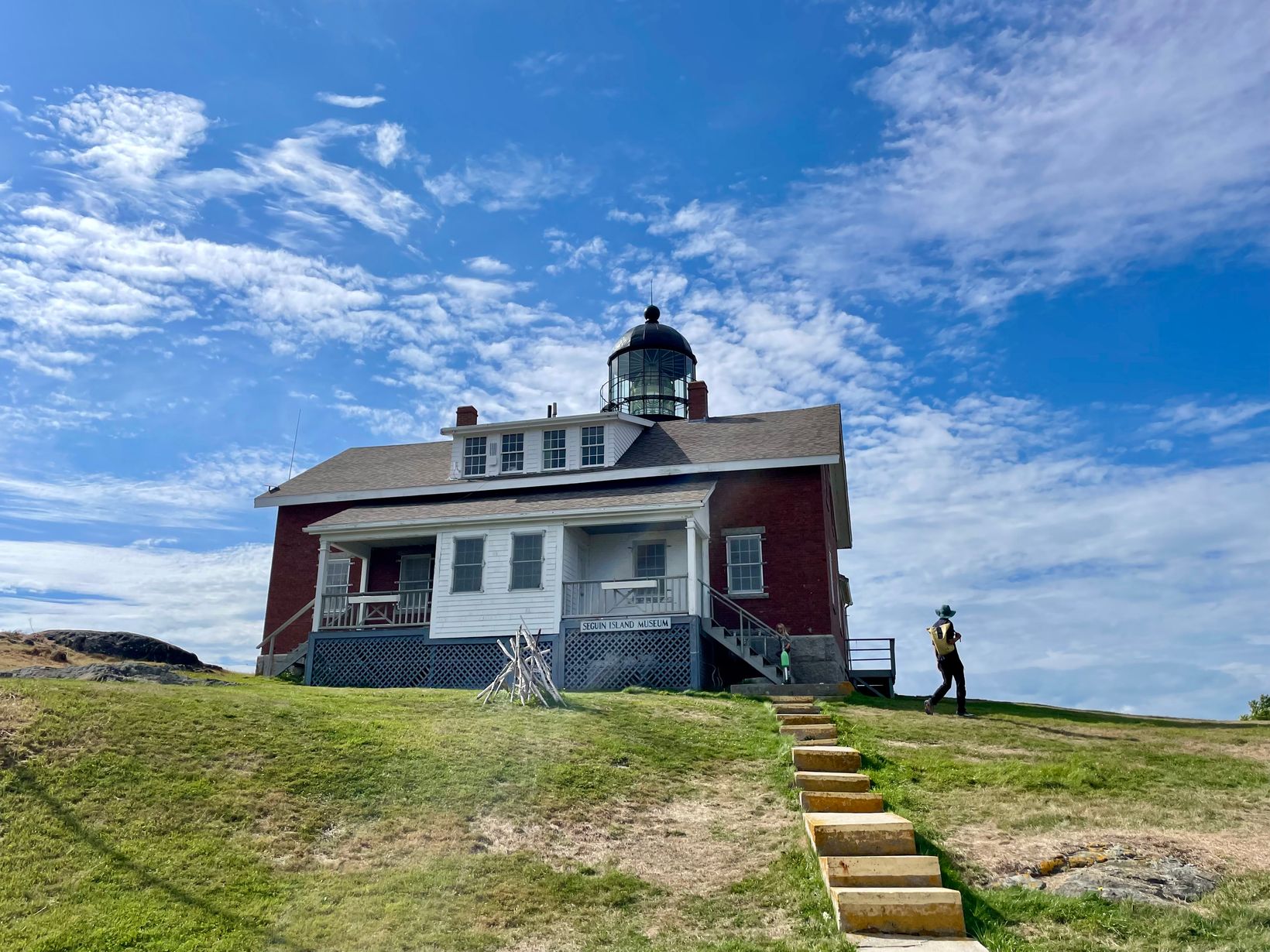
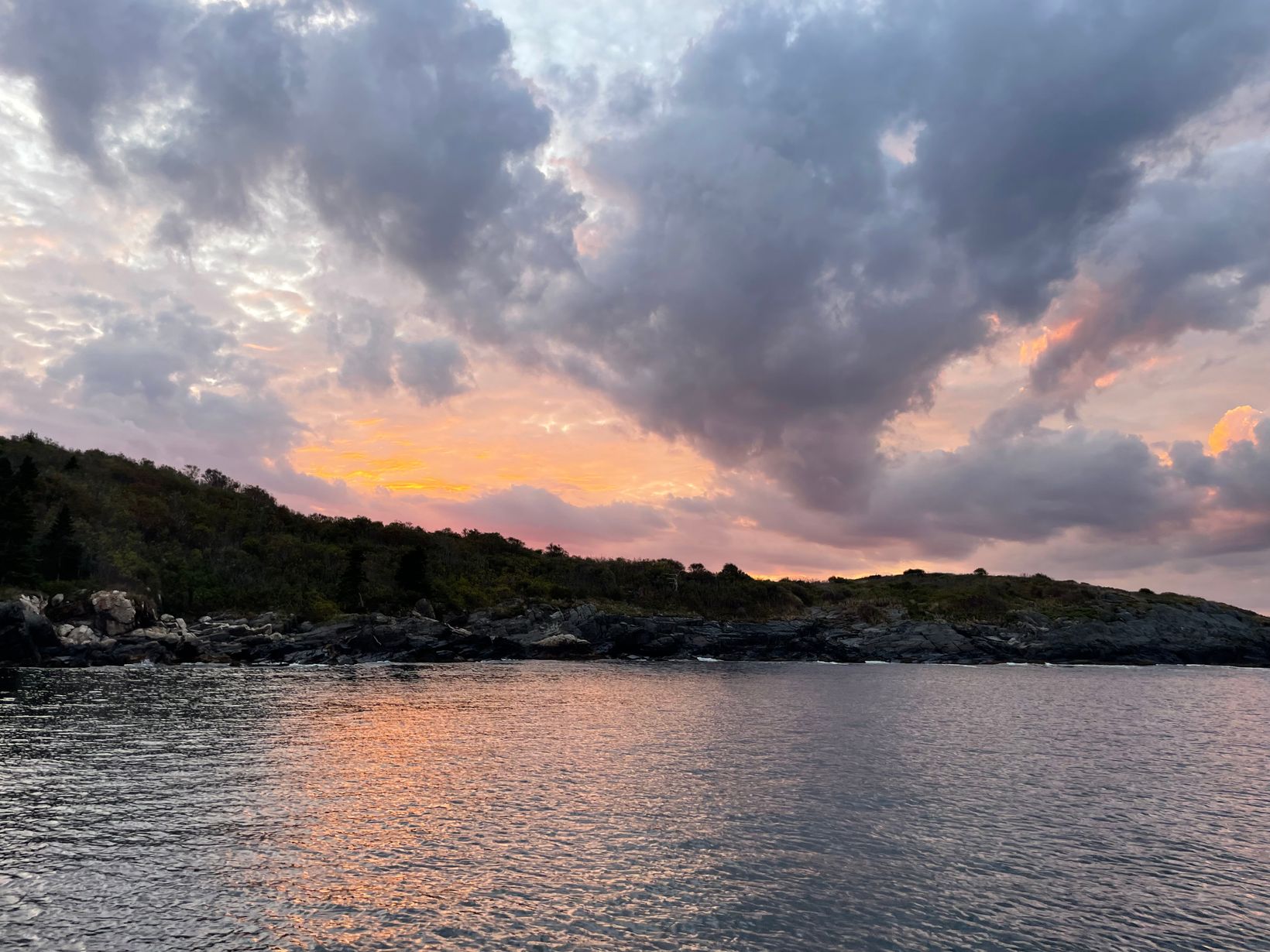
So sailing itself may not be the best experience in Maine, but everything else around certainly is. For example, the endless islands in all shapes and sizes. Most of them are accessible and can be explored on your own. There are also countless fantastic anchorages in beautiful natural surroundings, such as Valley Cove. On land, there are varied hiking trails and stunning vistas, such as those at the Beehive in Acadia National Park. The area’s small harbors are either down-to-earth fishing ports, such as on Cranberry Island, or picturesque tourist spots full of charm and old schooners, such as in Camden.
Beehive Hike:
Cranberry Island:
Valley Cove:
Southwest Harbor:
Buckle Island:
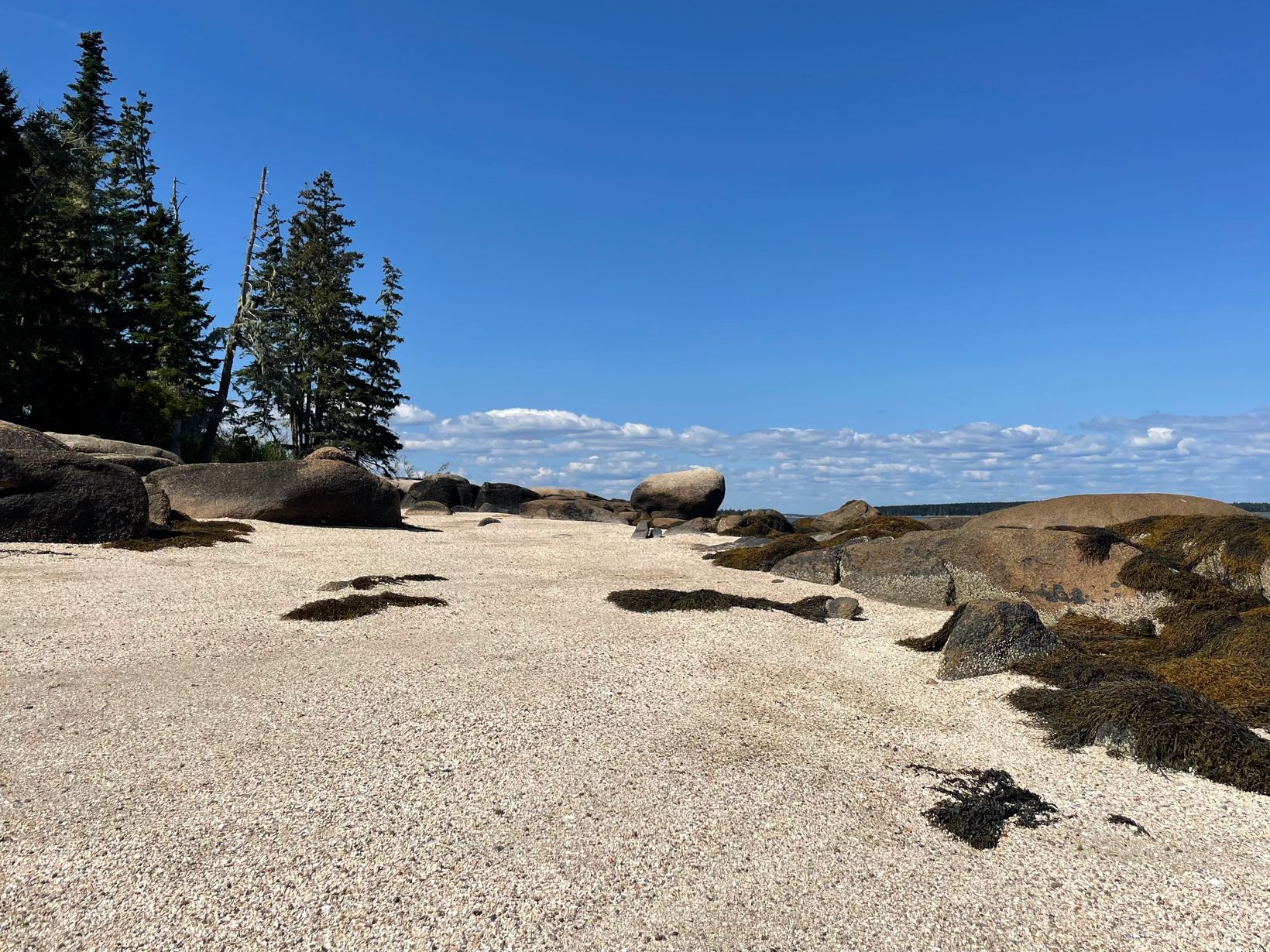
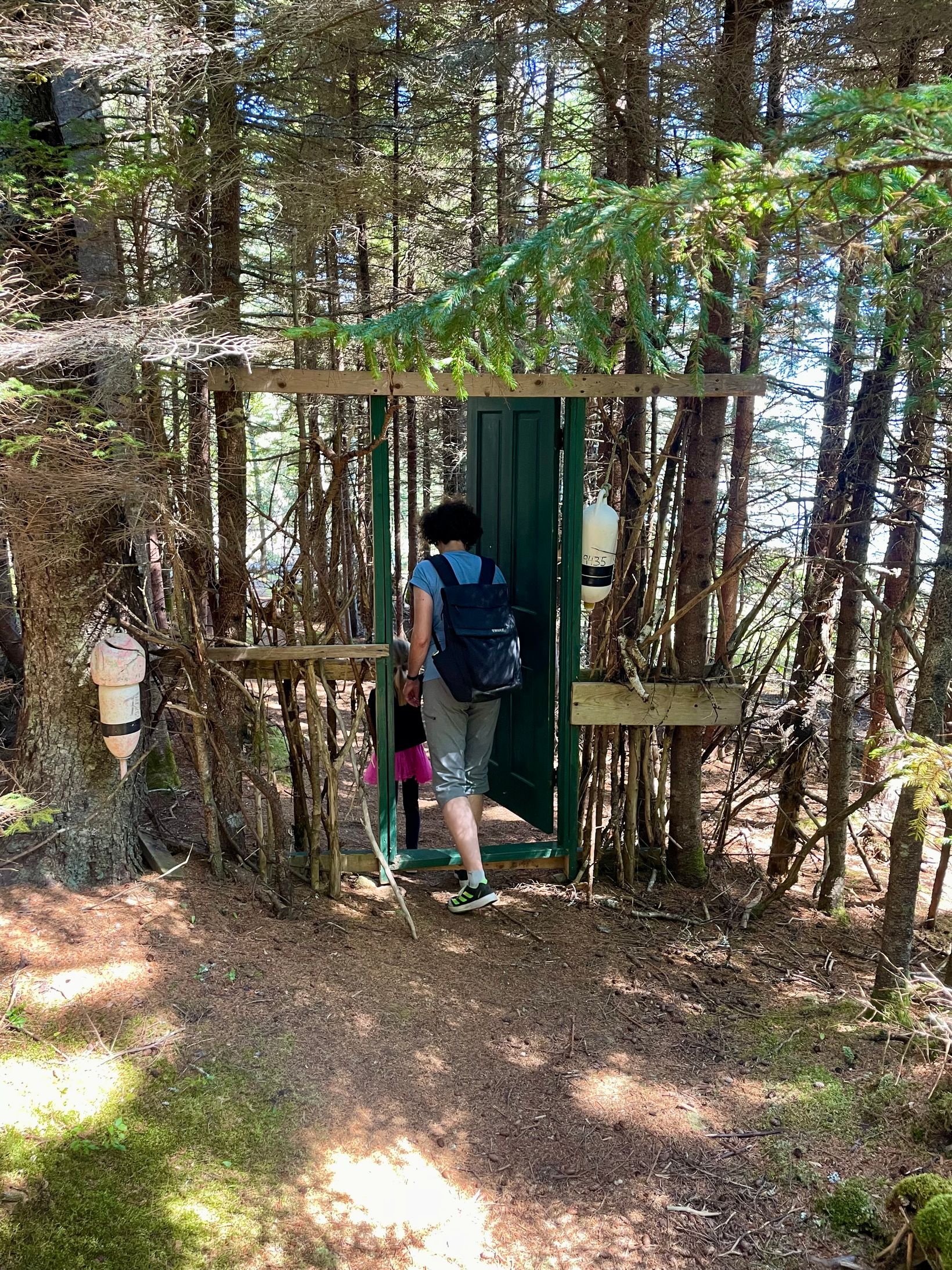
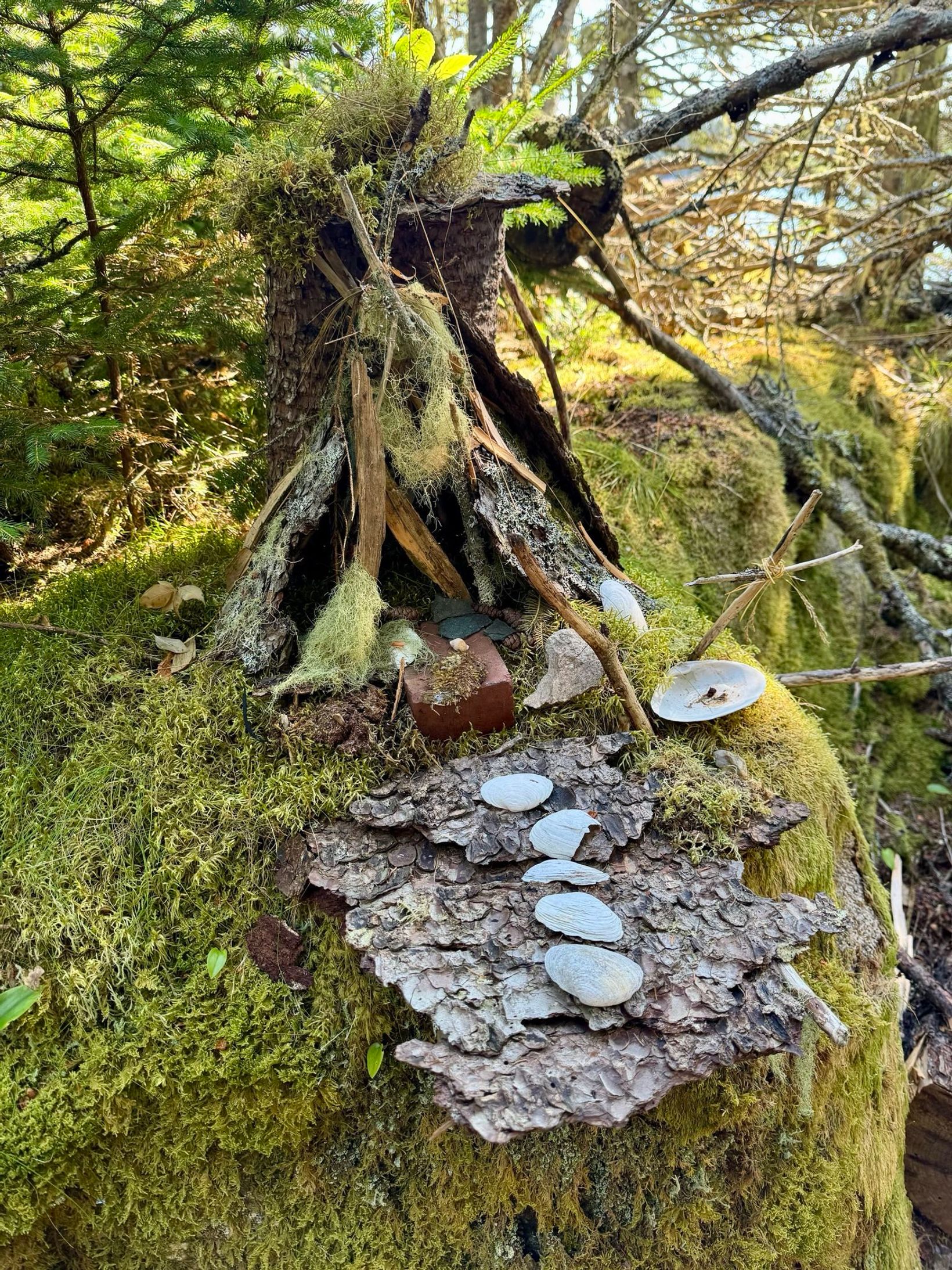
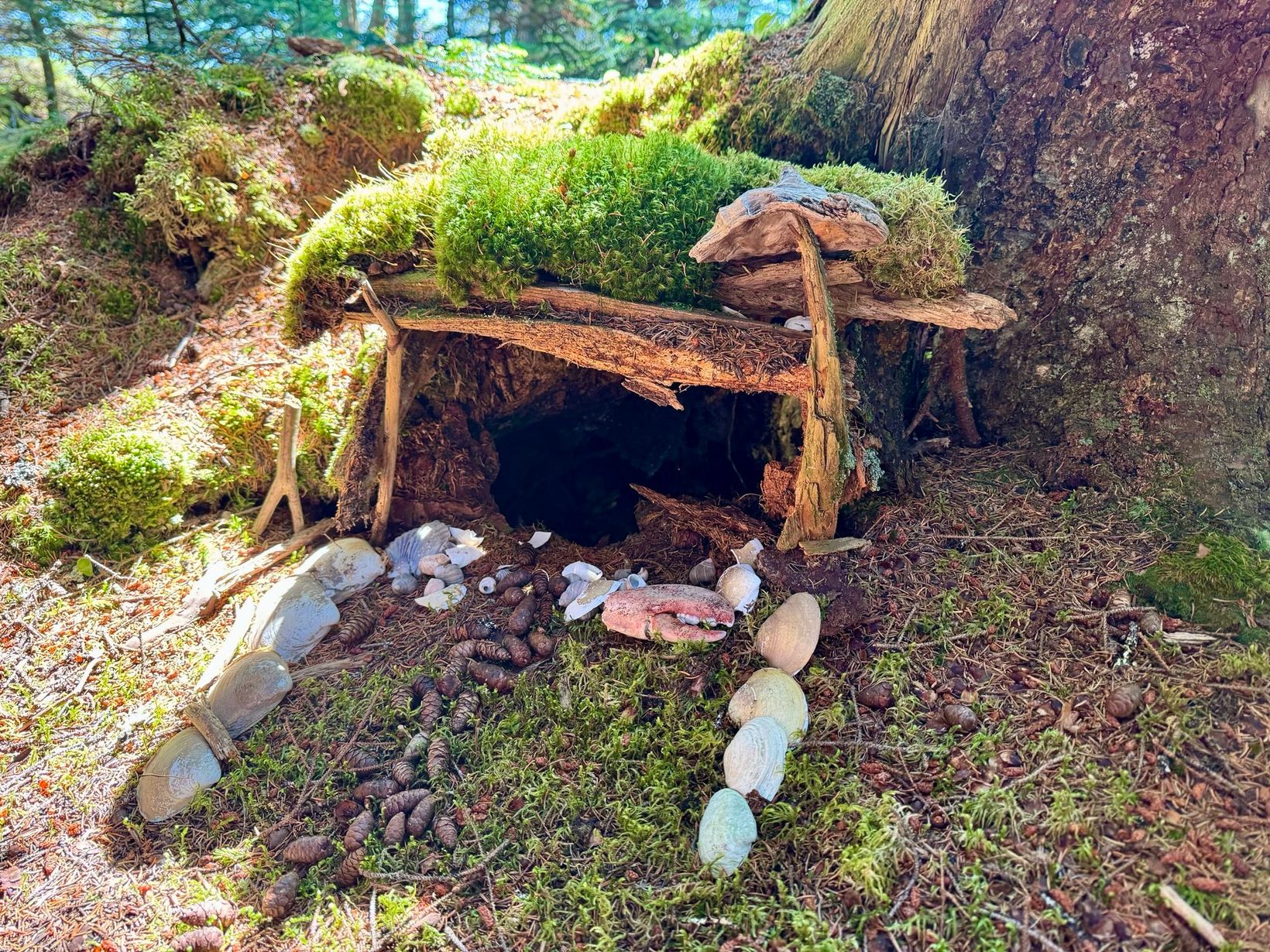
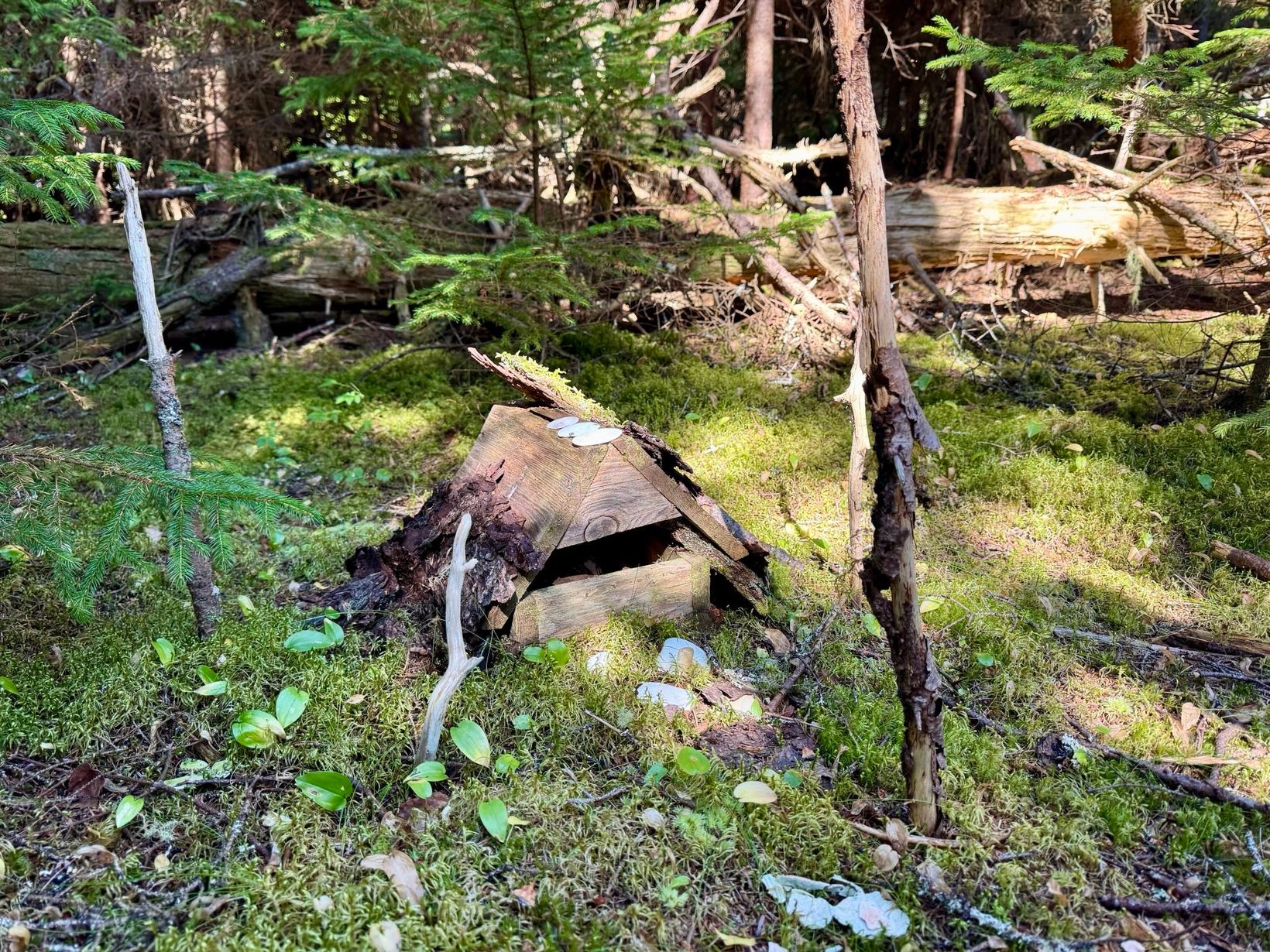
Duck Island:
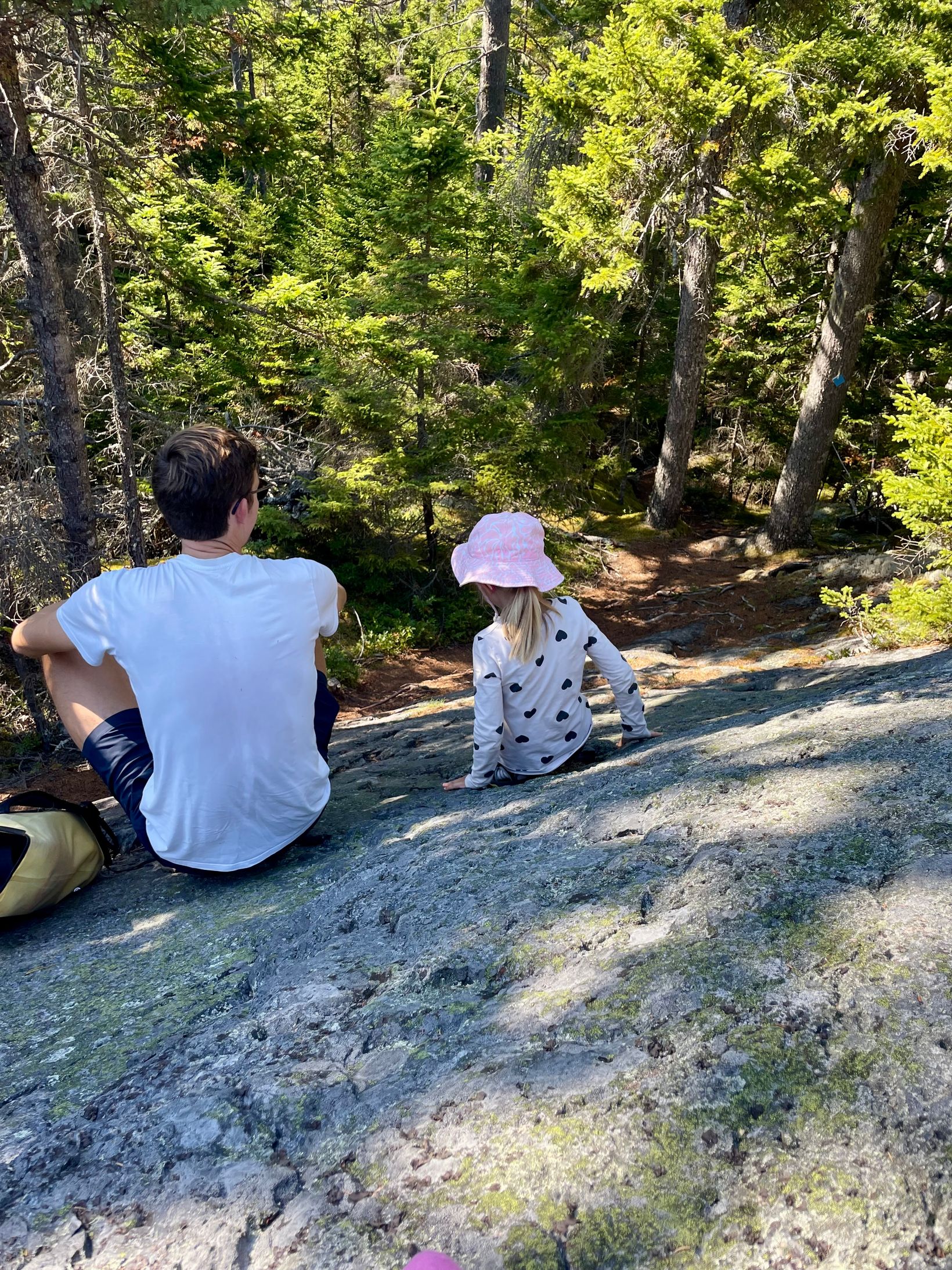

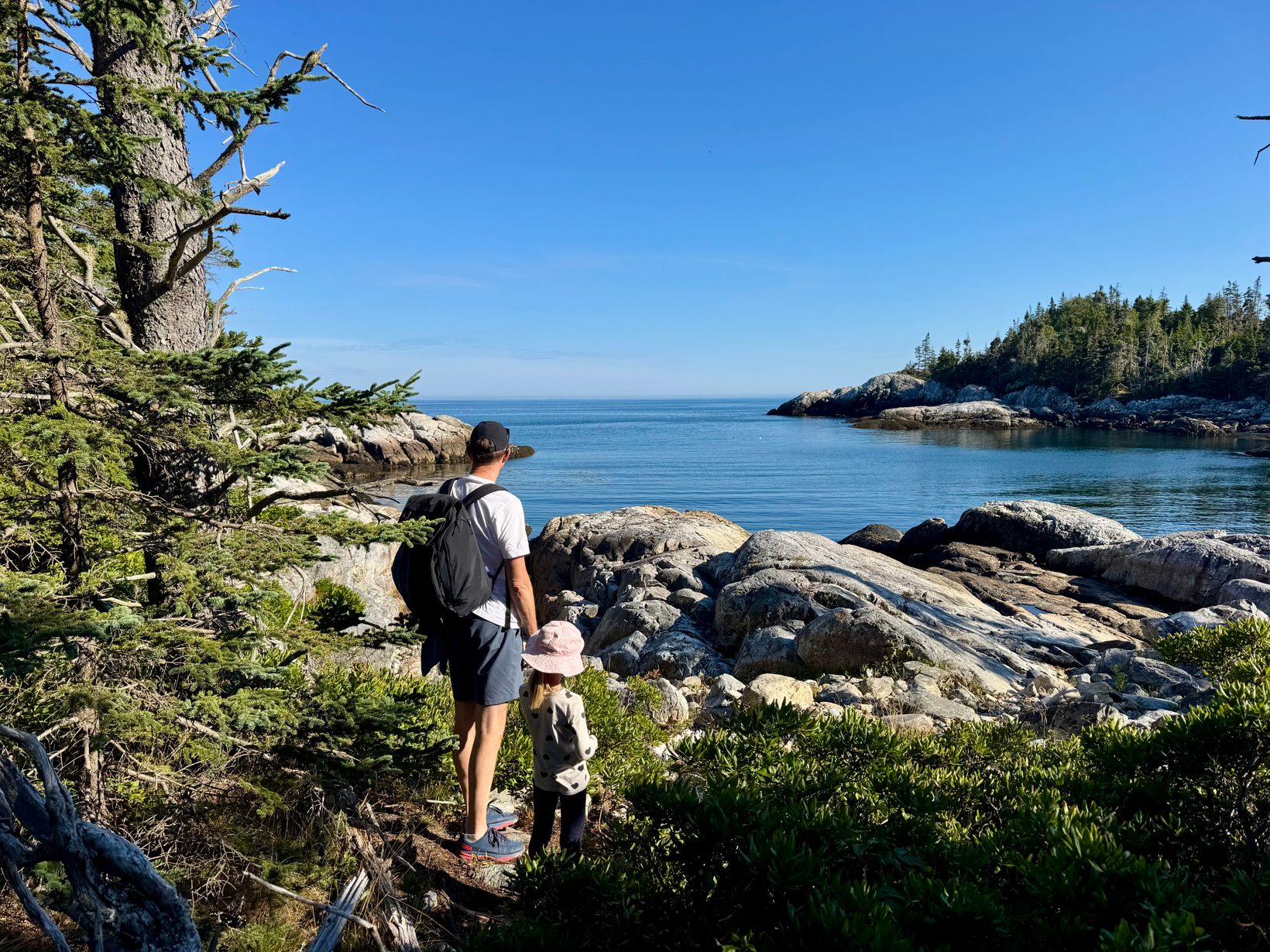
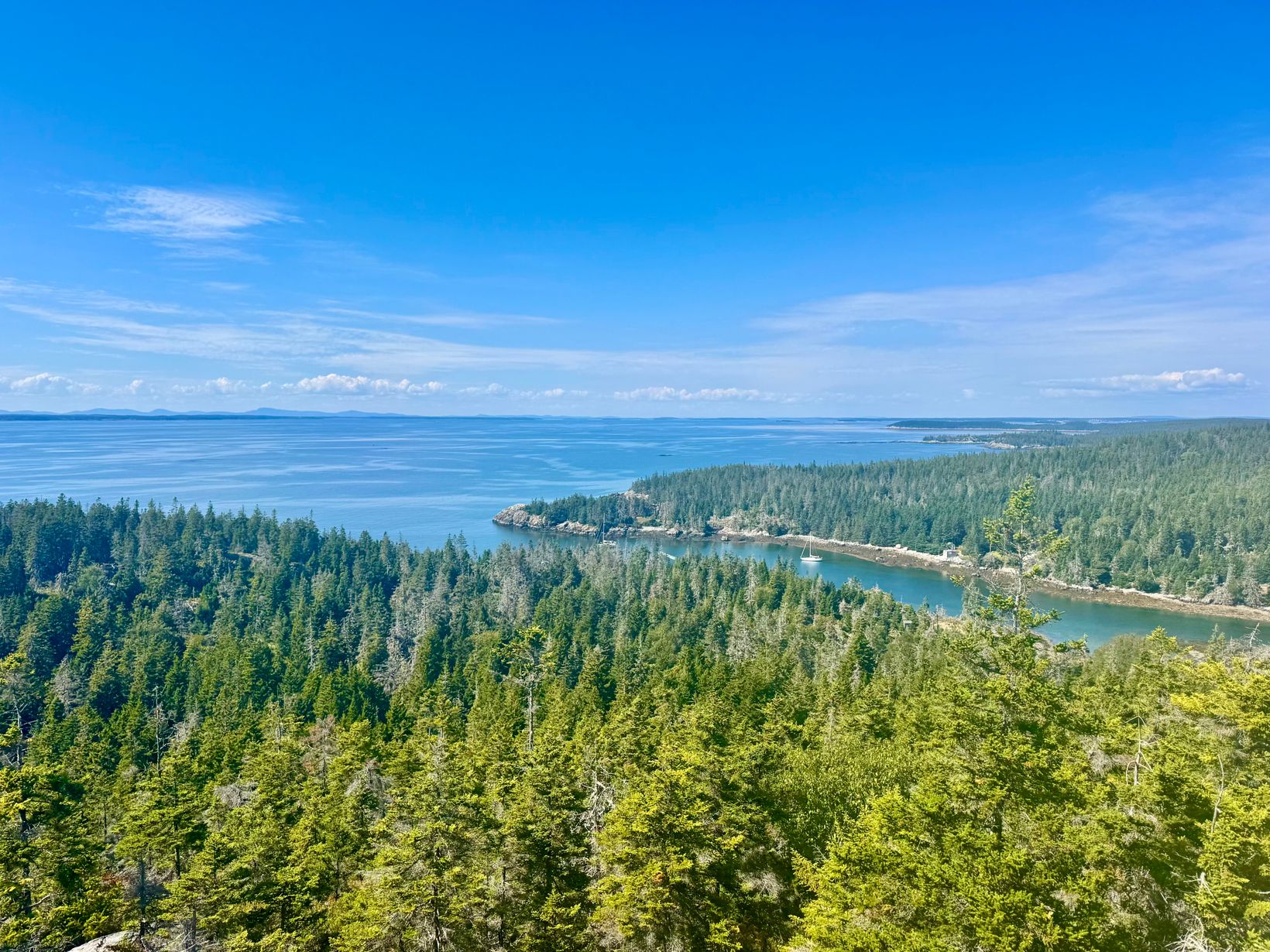
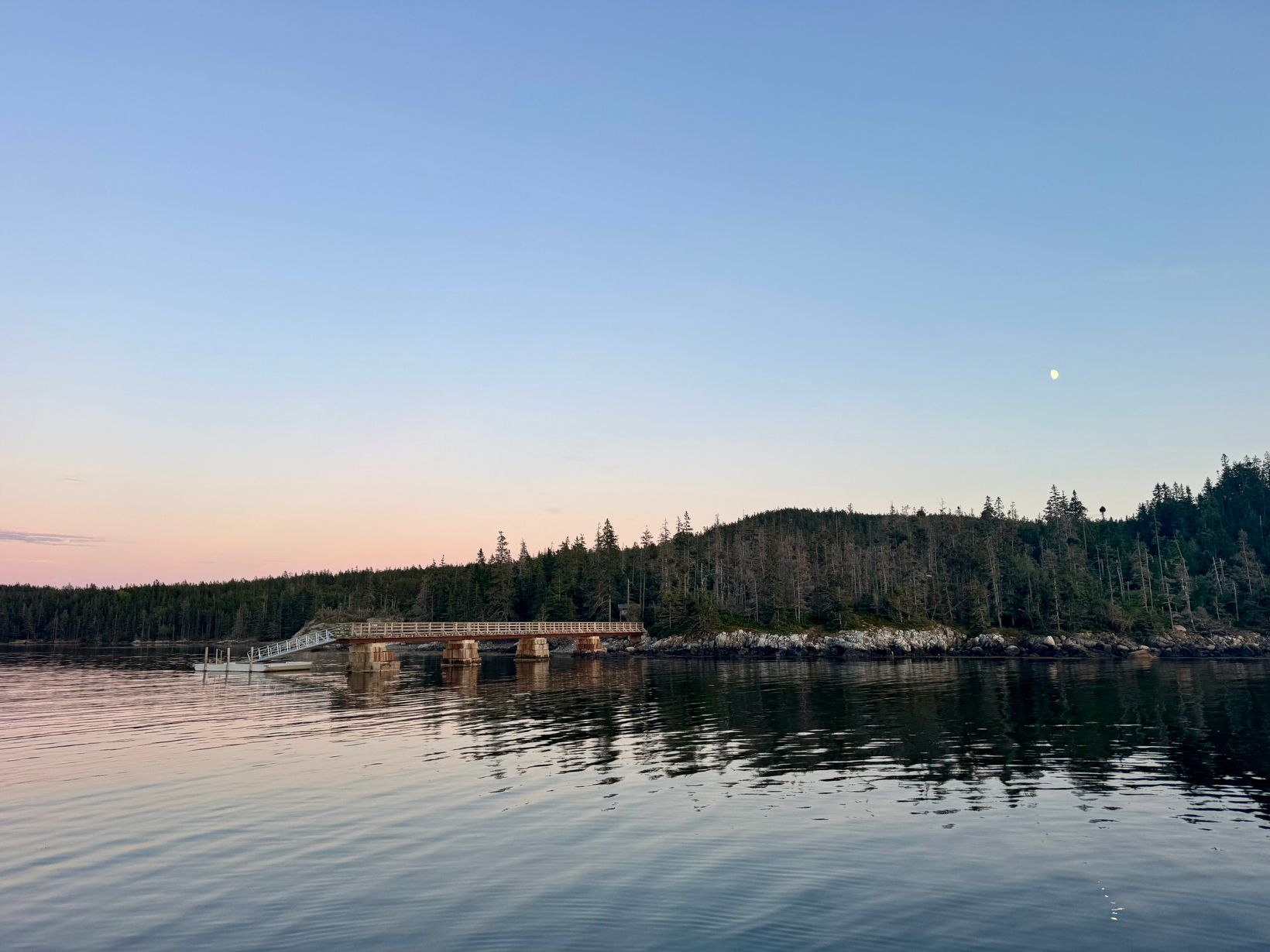
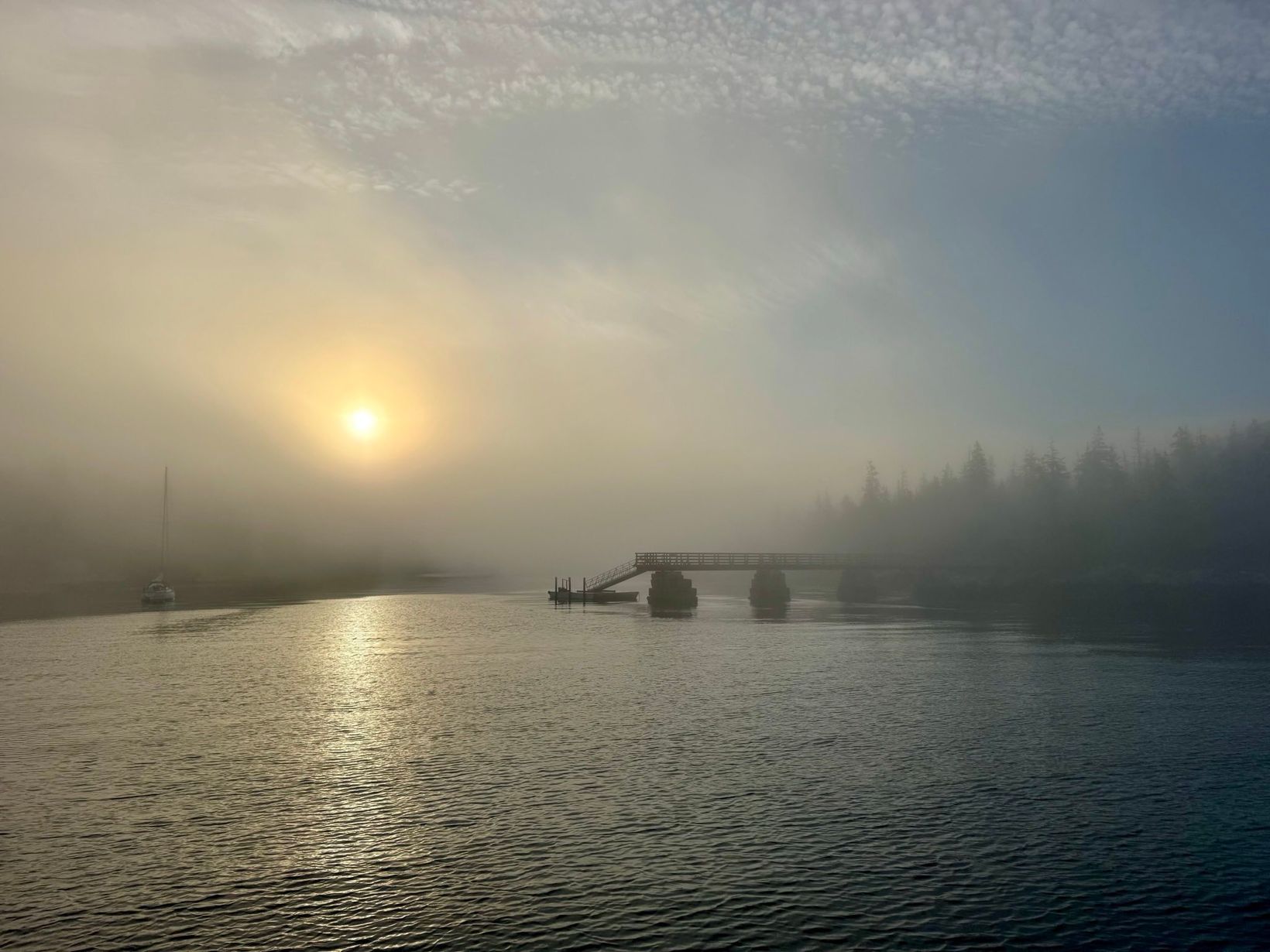
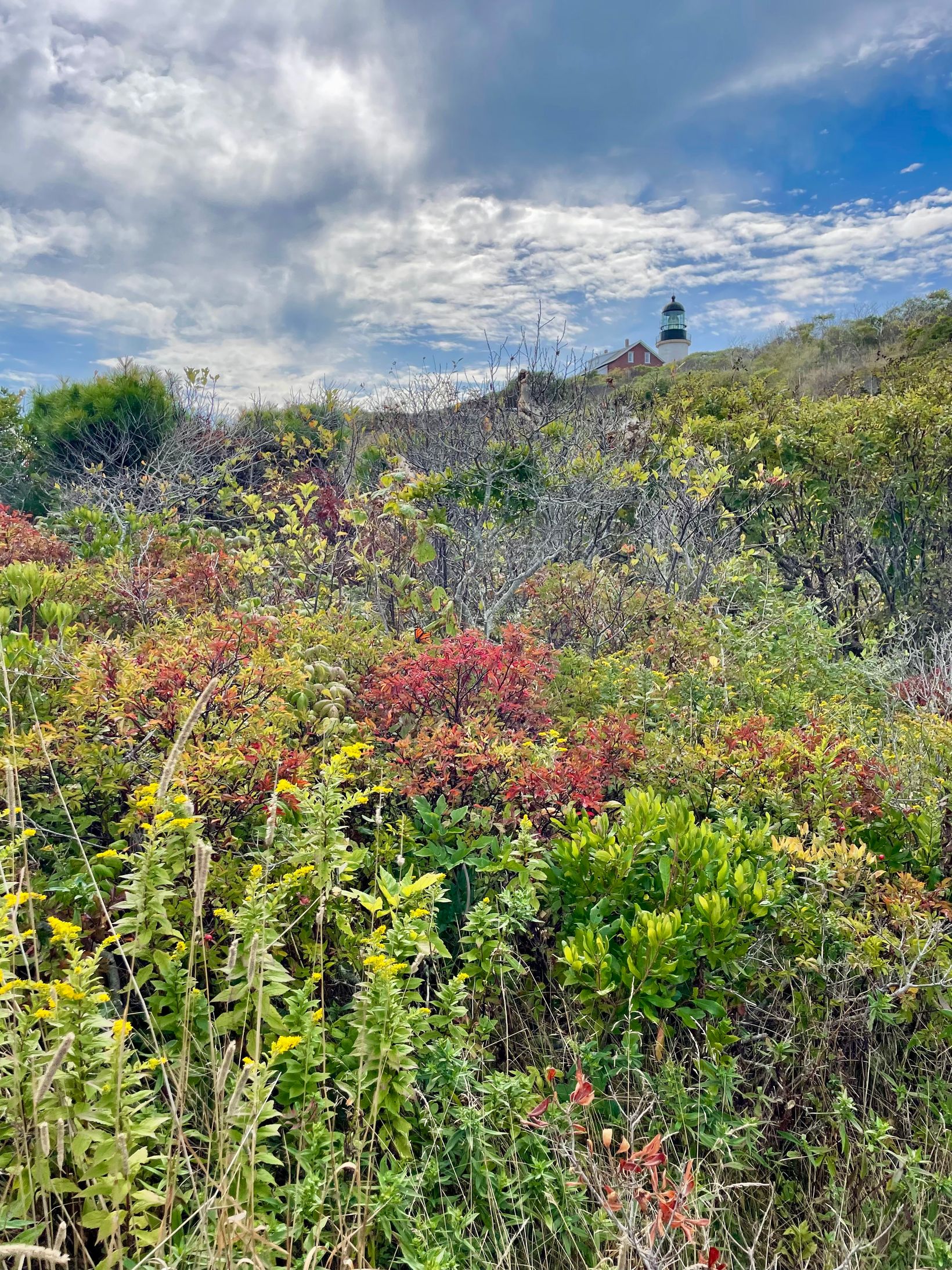
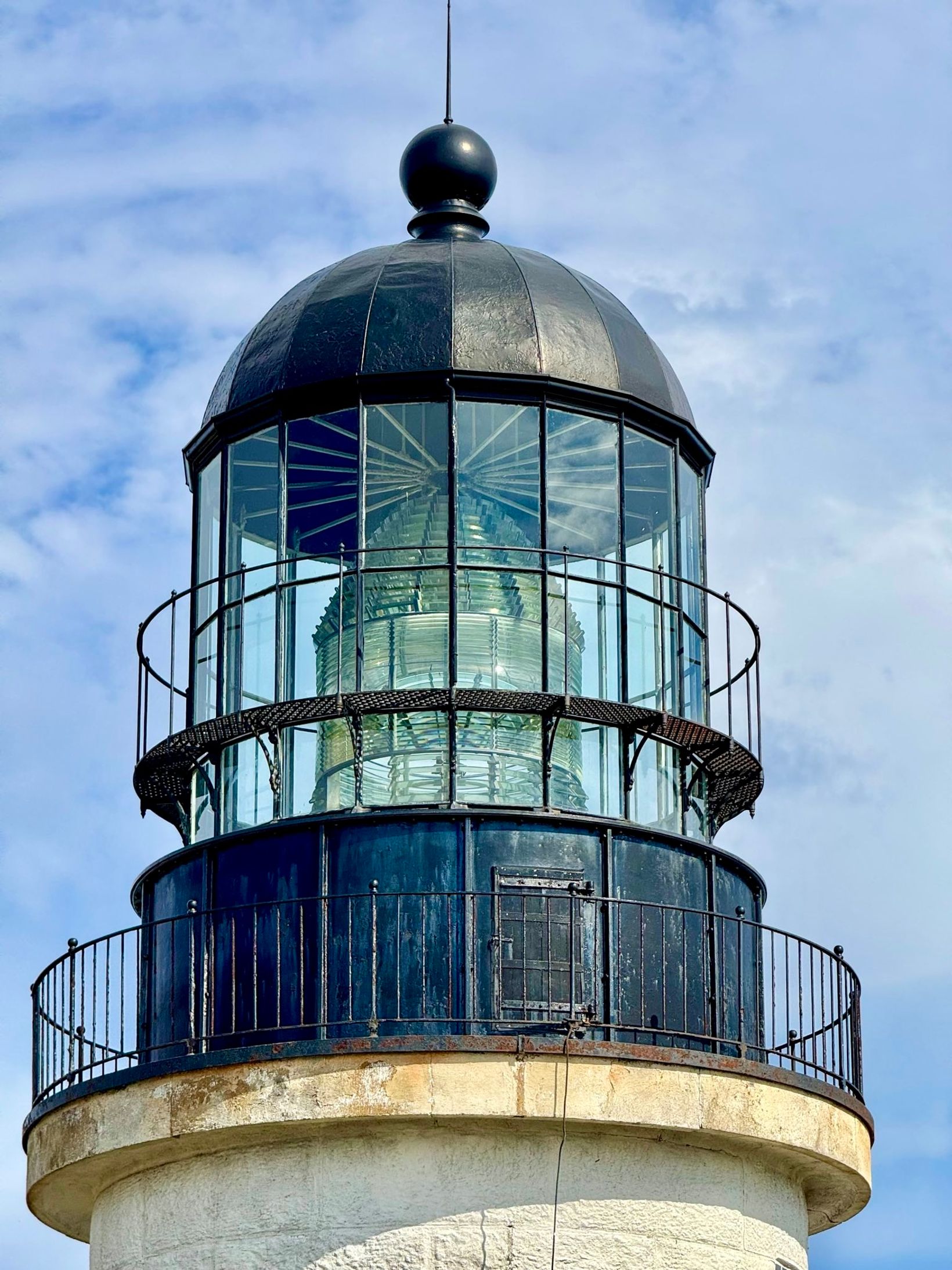
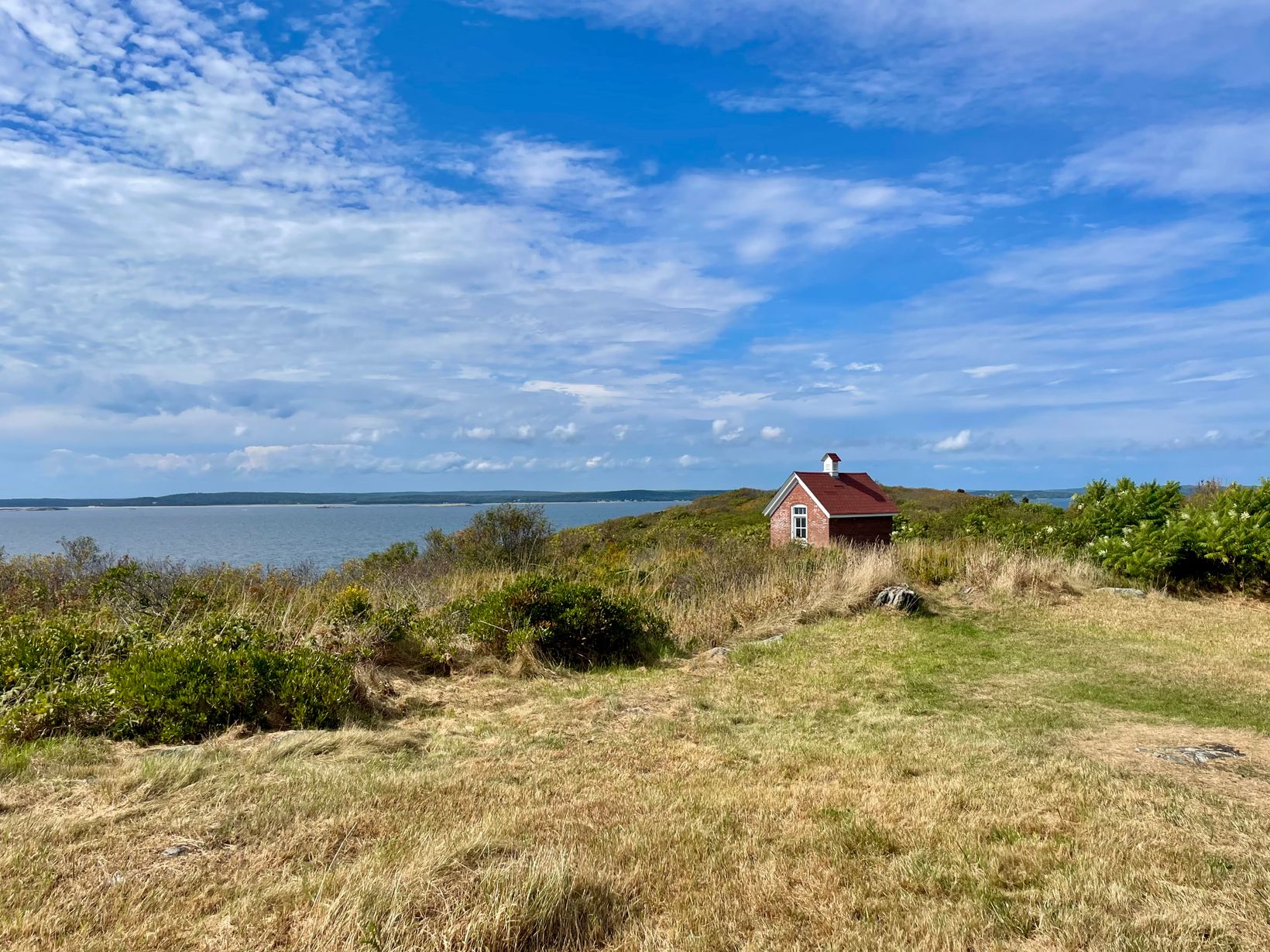
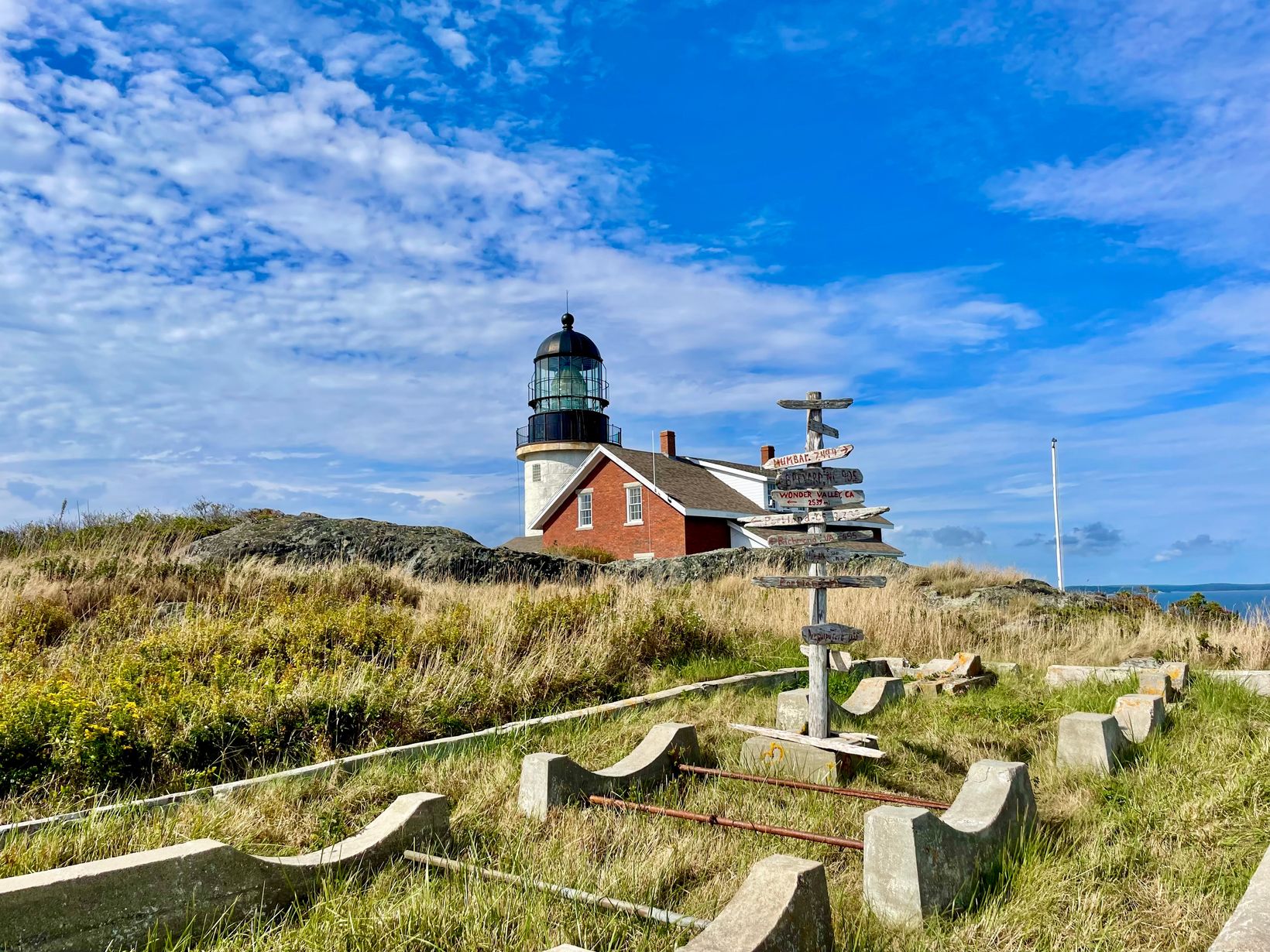
Seguin Island:
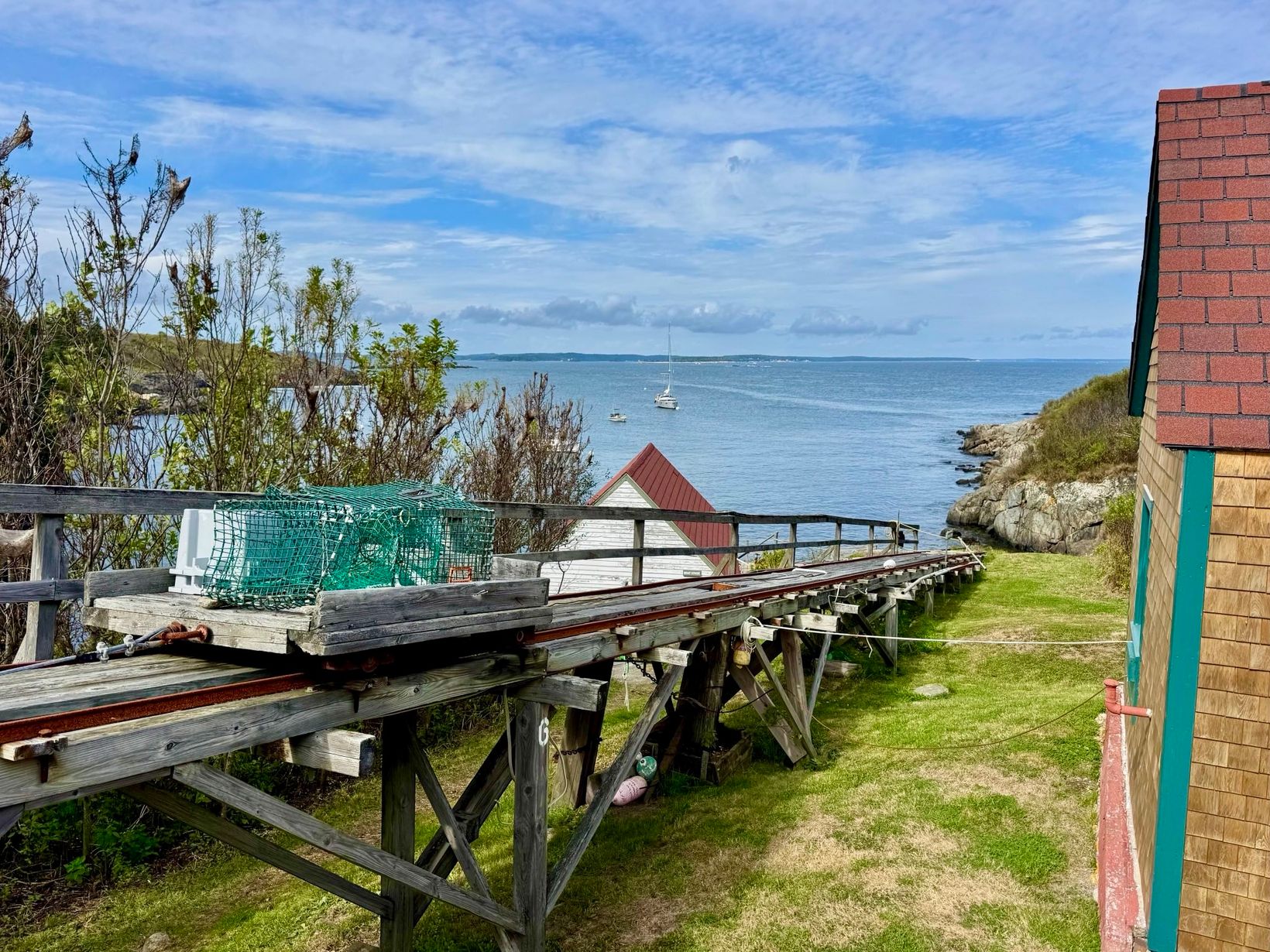
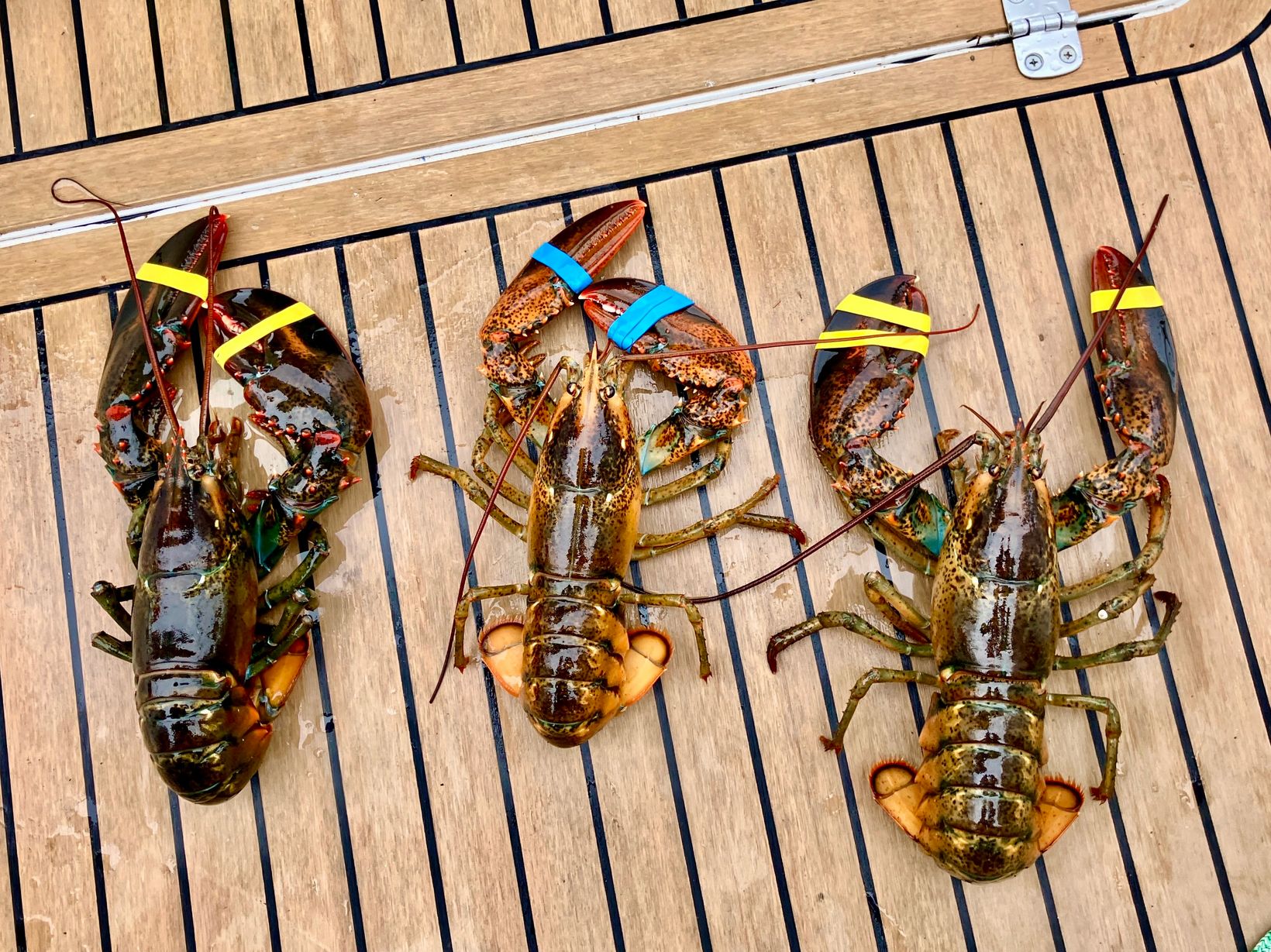
Lobsters are a story unto themselves. They are everywhere: in lobster pots on the seabed, on T-shirts and souvenirs, on every menu, in the storage boxes on the fishing boat armada that sets out to sea at dawn, in every supermarket, and in the region’s economic figures. Because without lobsters, Maine would not be what it is. Nine out of ten of the lobsters eaten in the U.S. come from Maine and are caught by over 5,000 local fishermen. Despite declining numbers, lobsters remain an important source of income. We contribute to the high demand by eating lobster diligently — as a roll, in risotto, in ravioli, or as surf and turf. In the process, we learn things like the difference between hard- and soft-shell lobsters and how to properly take the animals apart.
Our lithium batteries can also be professionally taken apart. For a few weeks now, the BMS, the system that manages the battery bank, has been reporting erratically high temperatures. This is unfortunate, because it means that the batteries can no longer be charged – neither by solar power nor by the generator. It turns out that our batteries are from a faulty batch in which the temperature sensor malfunctions. Nevertheless, we imagine that we can still make it to Florida, where the manufacturer has someone who can replace the sensors. But then the situation escalates. The BMS shuts down completely and the engine control panel goes black. Fortunately, the generator and engine communicate directly with each other, so we are able to reach Rockport unscathed.
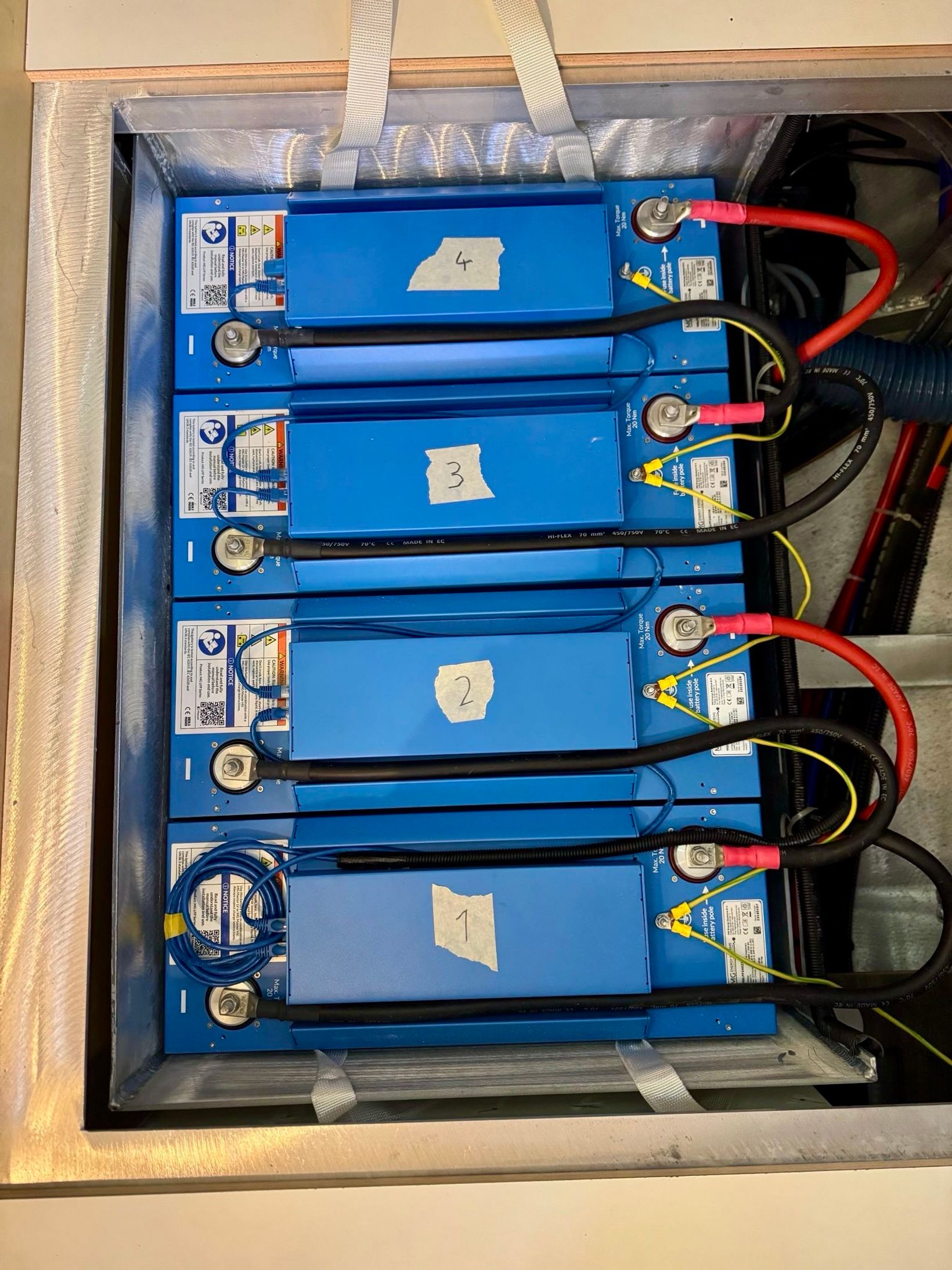
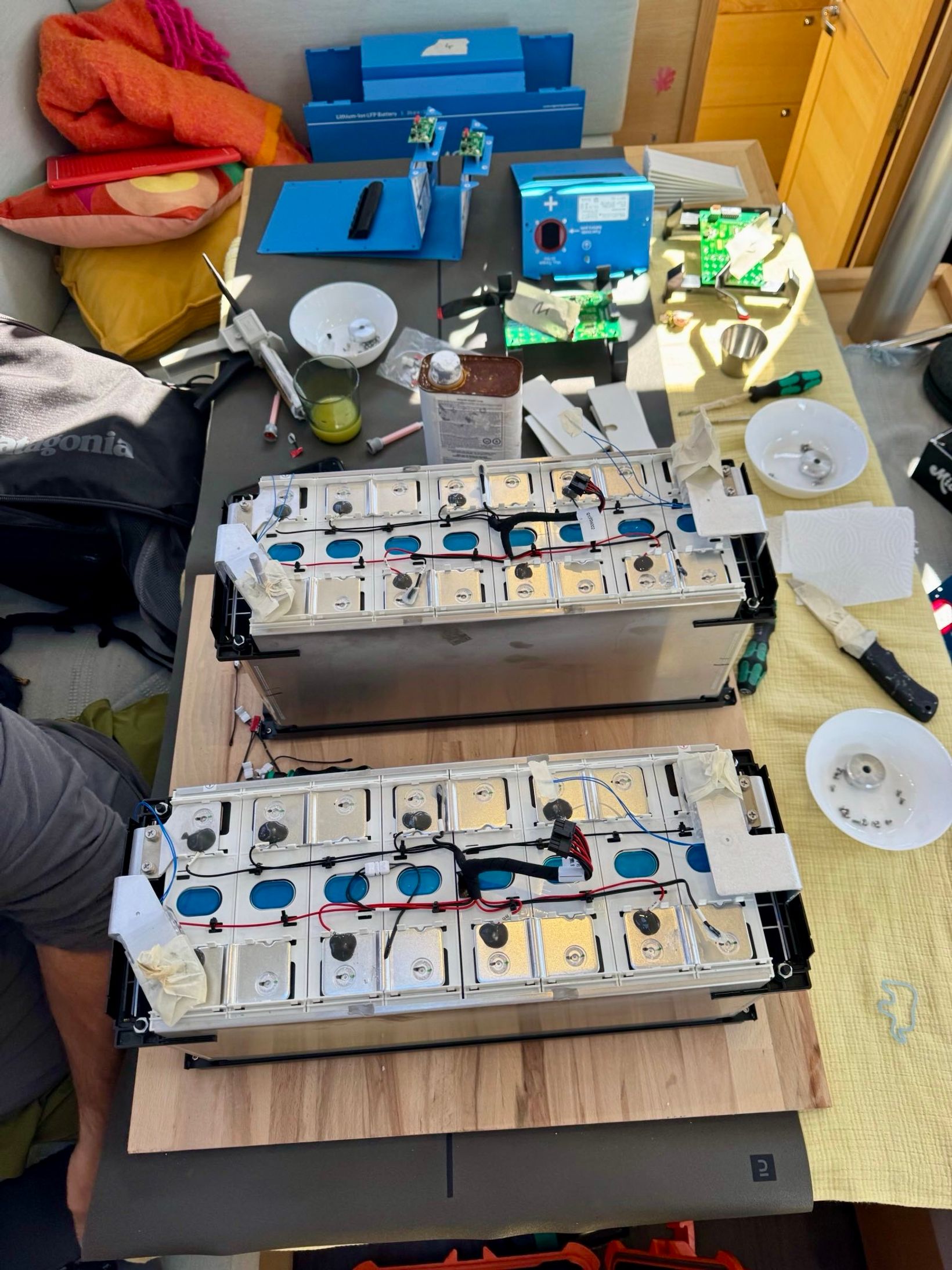
As luck would have it, help arrives just when you need it most. After making a few phone calls, we find out that there is someone in the neighboring town who can help us. As soon as the replacement parts arrive by mail, a technician will help us replace the sensors. The whole thing means five days of waiting and five hours of fiddly work. Then the problem is solved, and we can skip the stop in Florida. Now, however, we have to hurry because our flight to Germany is booked.