Under the Sea
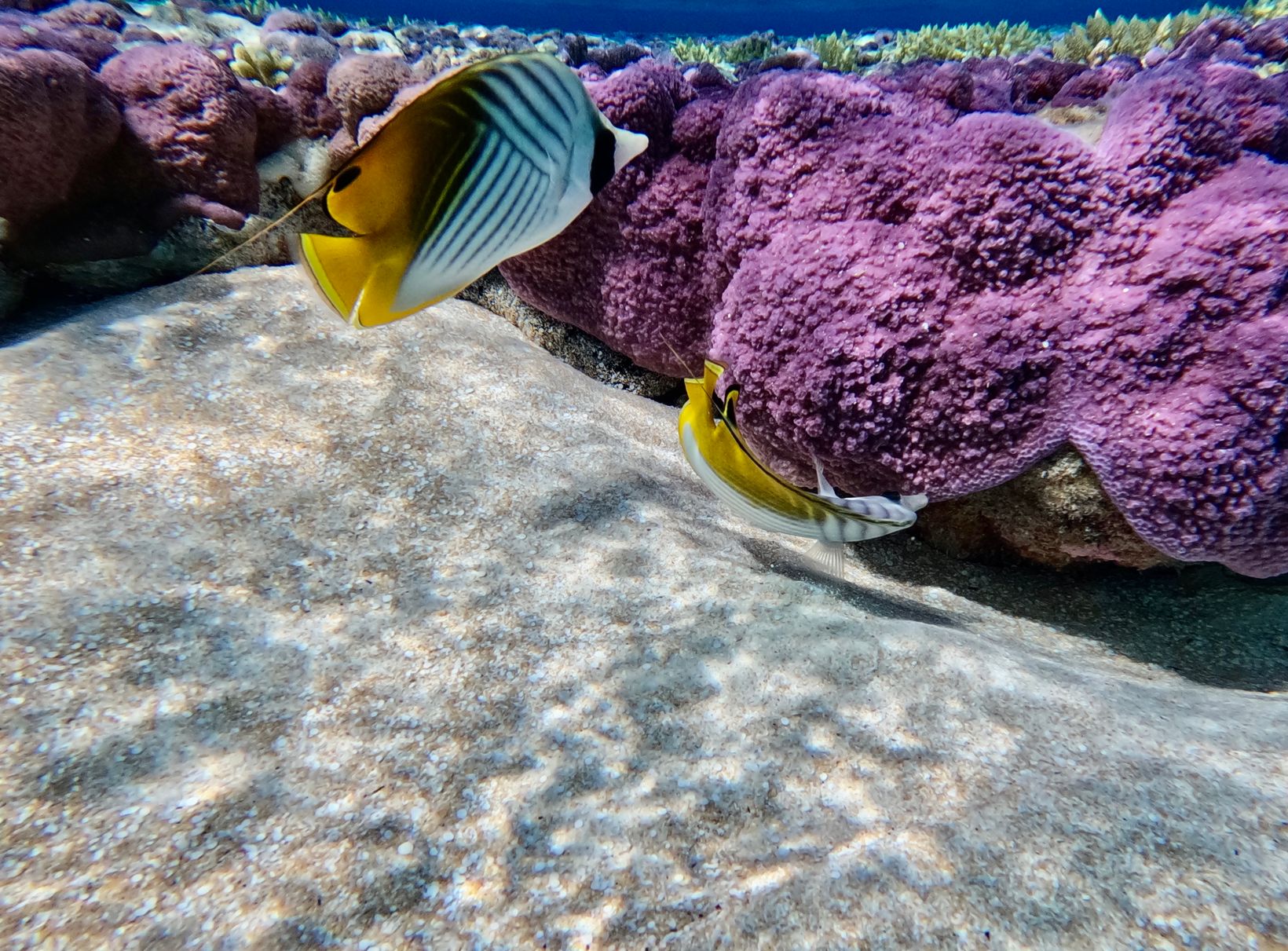
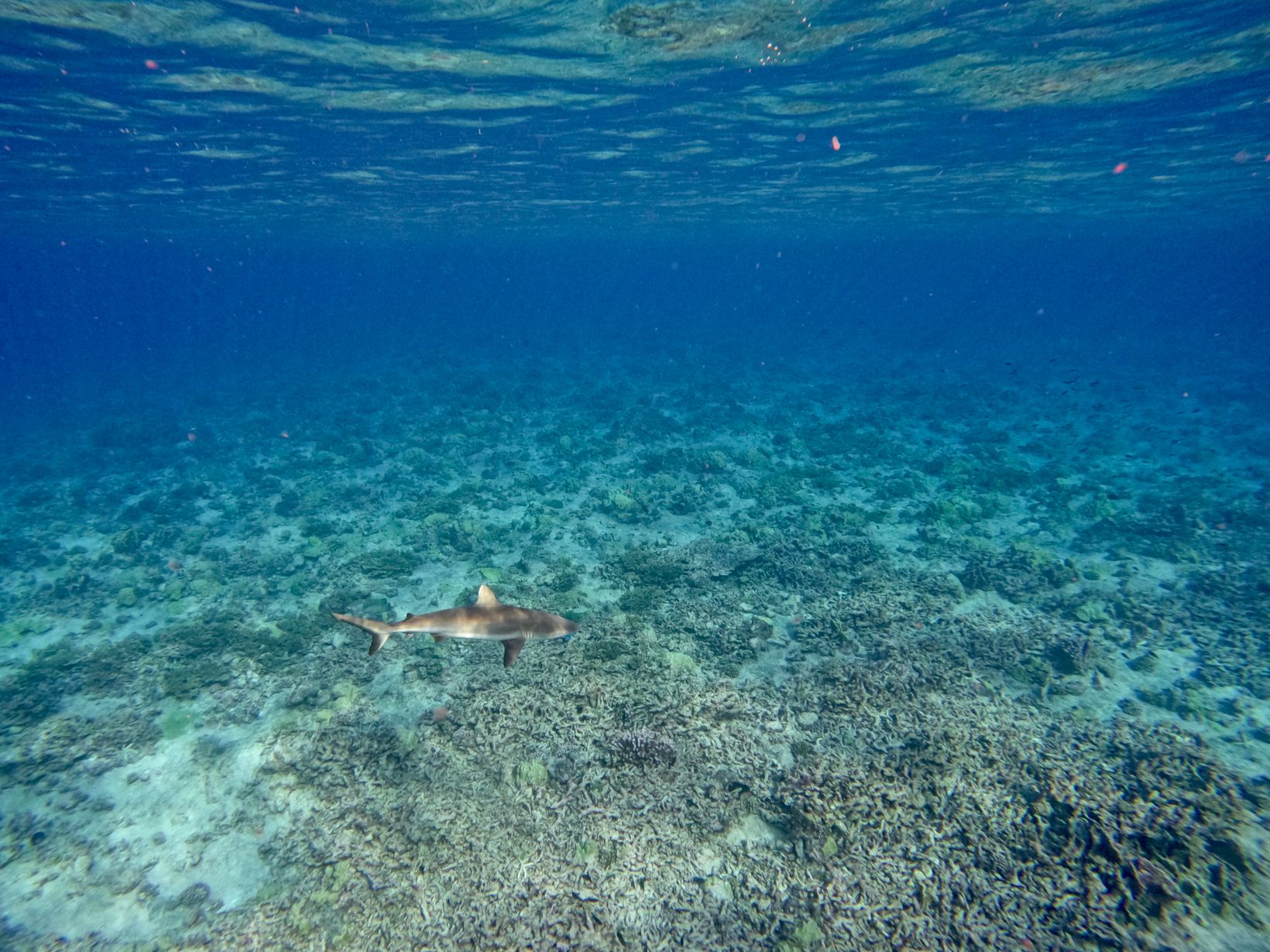
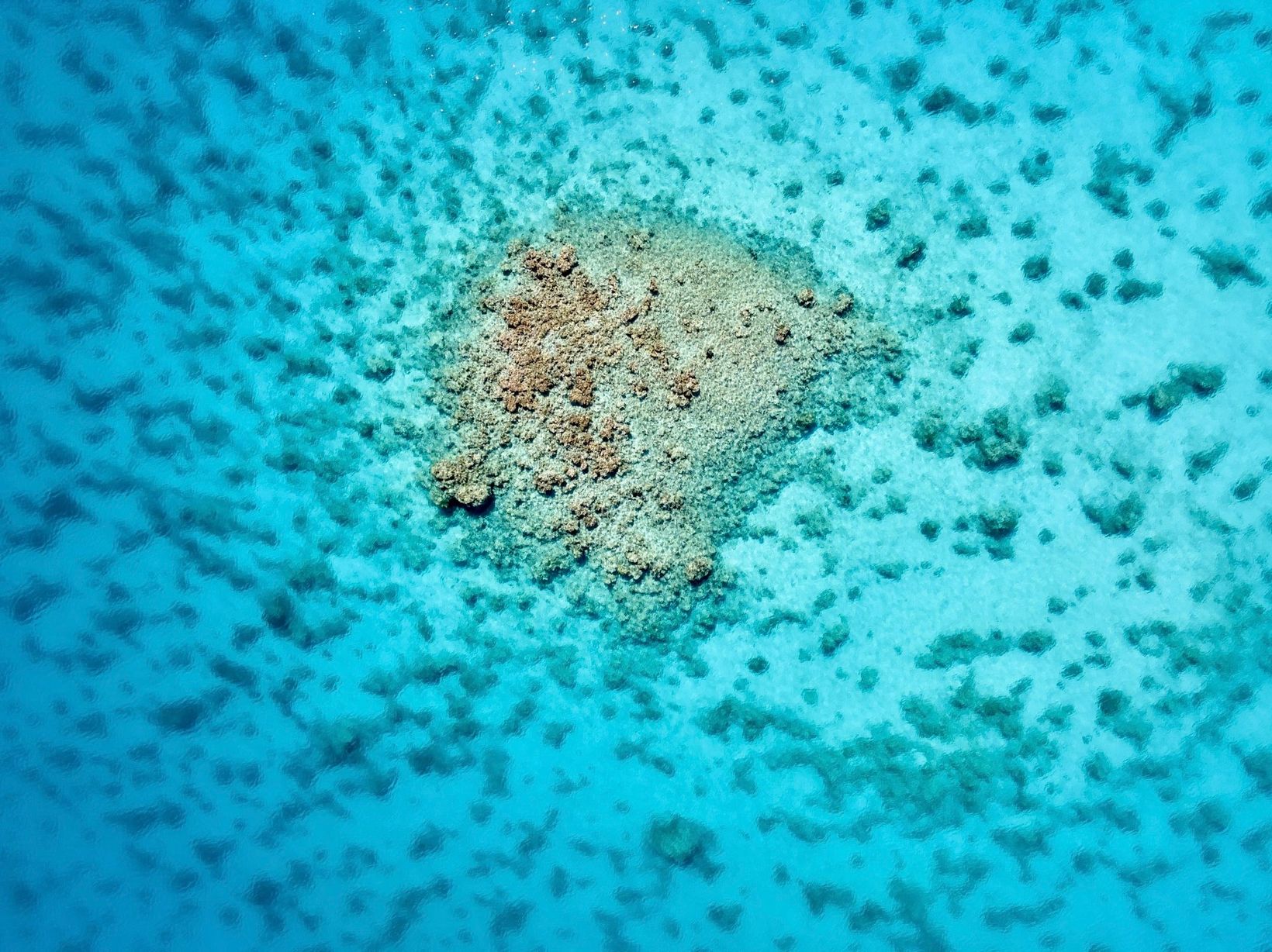
You don’t have to get wet to explore the underwater world of the Tuamotus. To see coral, colorful fish, and sharks, simply look down into the water from above.
Visibility extends many meters deep. Even from above, coral reefs, fish, and even passing reef sharks stand out in crystal-clear detail. Those who finally dip their heads underwater find themselves in a giant aquarium. Sometimes the water is so clear that you forget you’re below the surface.
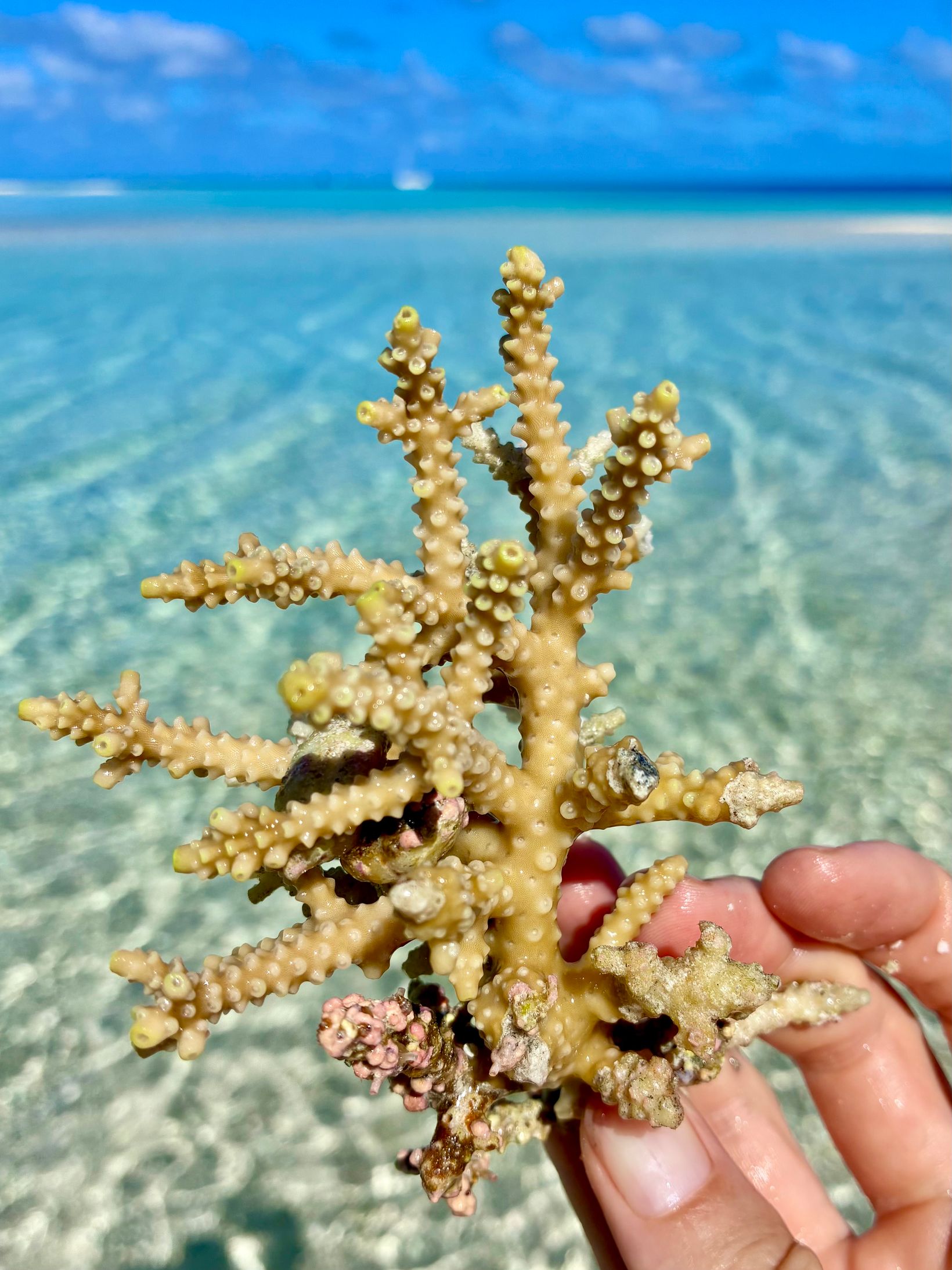
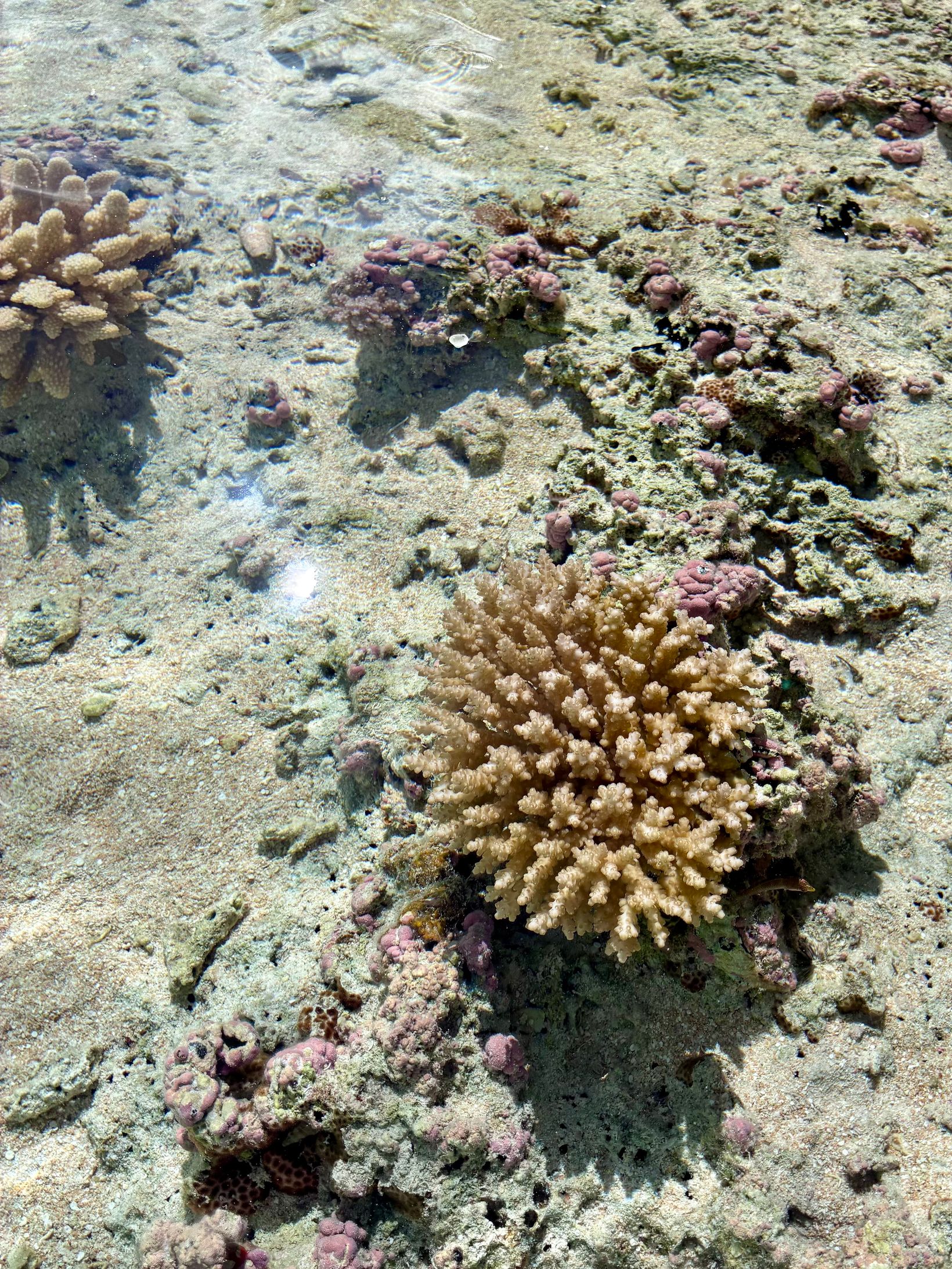
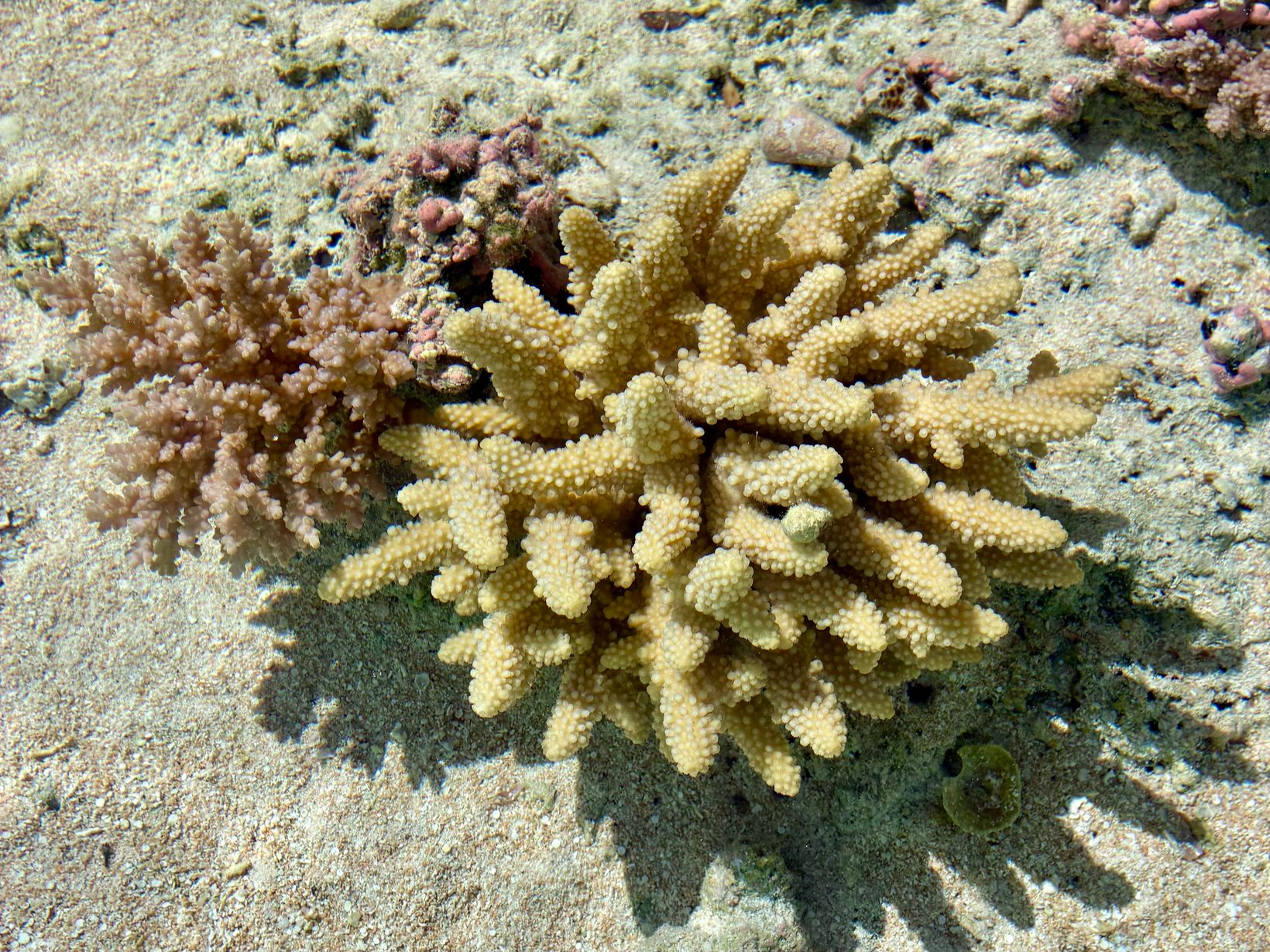
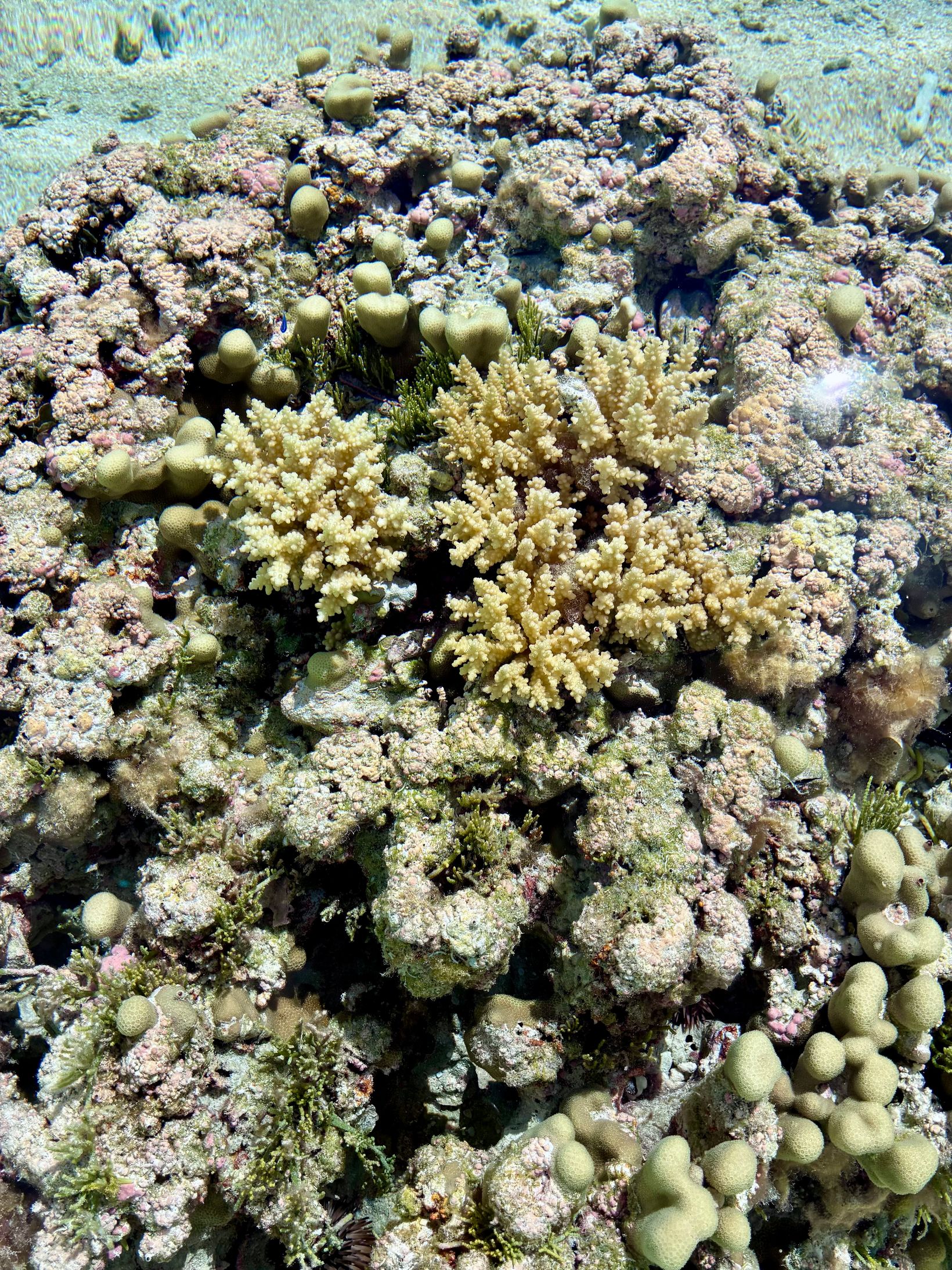
The underwater world of the atolls is almost impossible to describe in words. The Caribbean may boast similar beauty, but French Polynesia has a magic all its own: the water is crystal clear, the tropical sun makes the colors glow, and an endless variety of fish swim among the corals.
Nature shows its playful side. Each time, we discover new fish in the brightest colors, with the most amazing patterns and wild shapes. It’s as if children with vivid imagination had picked up brushes and a palette and invented each fish from scratch. Except this diversity doesn’t come from a sketchbook—it’s real. It’s all real. Still, we often have to pinch ourselves.
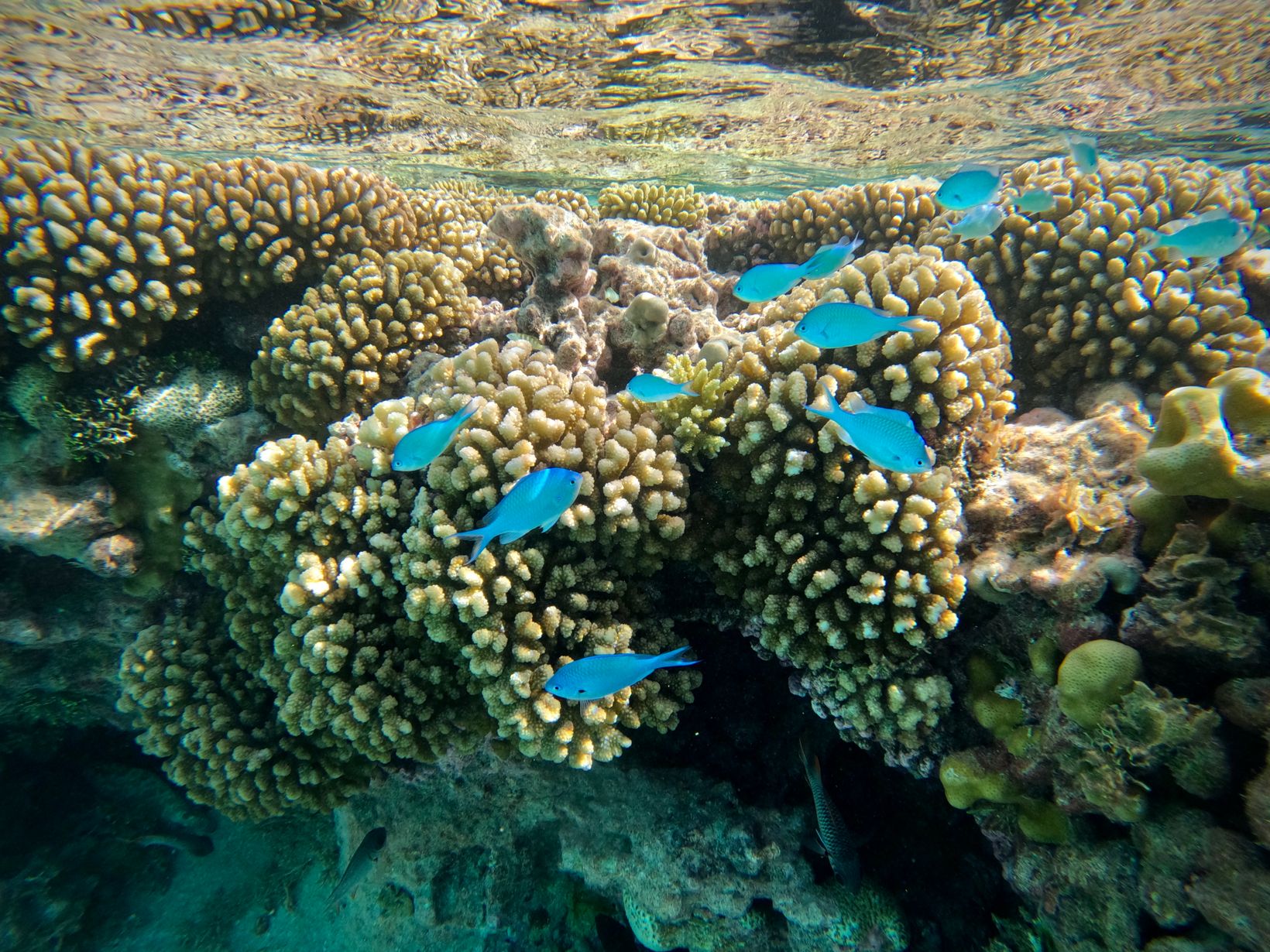
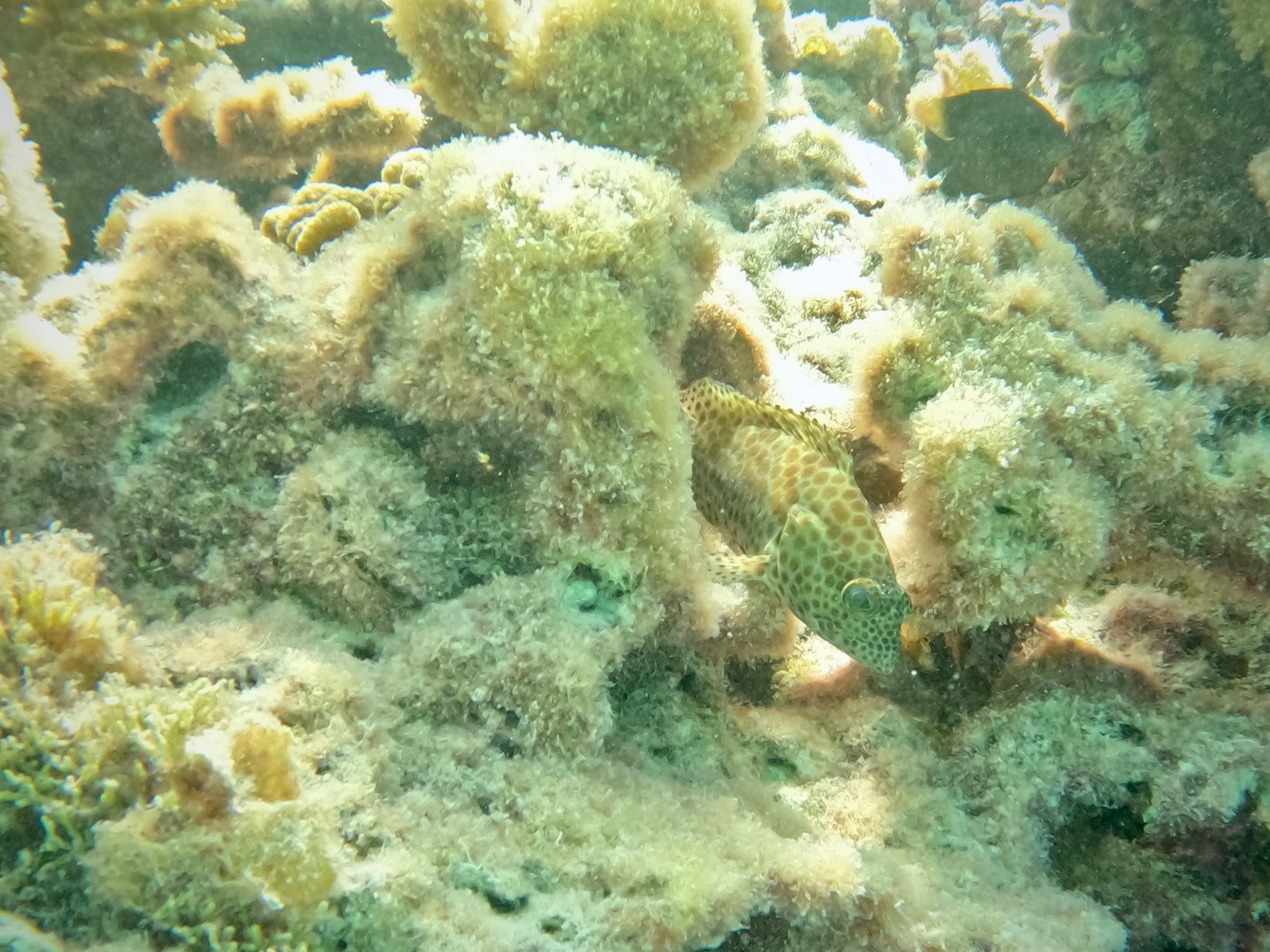
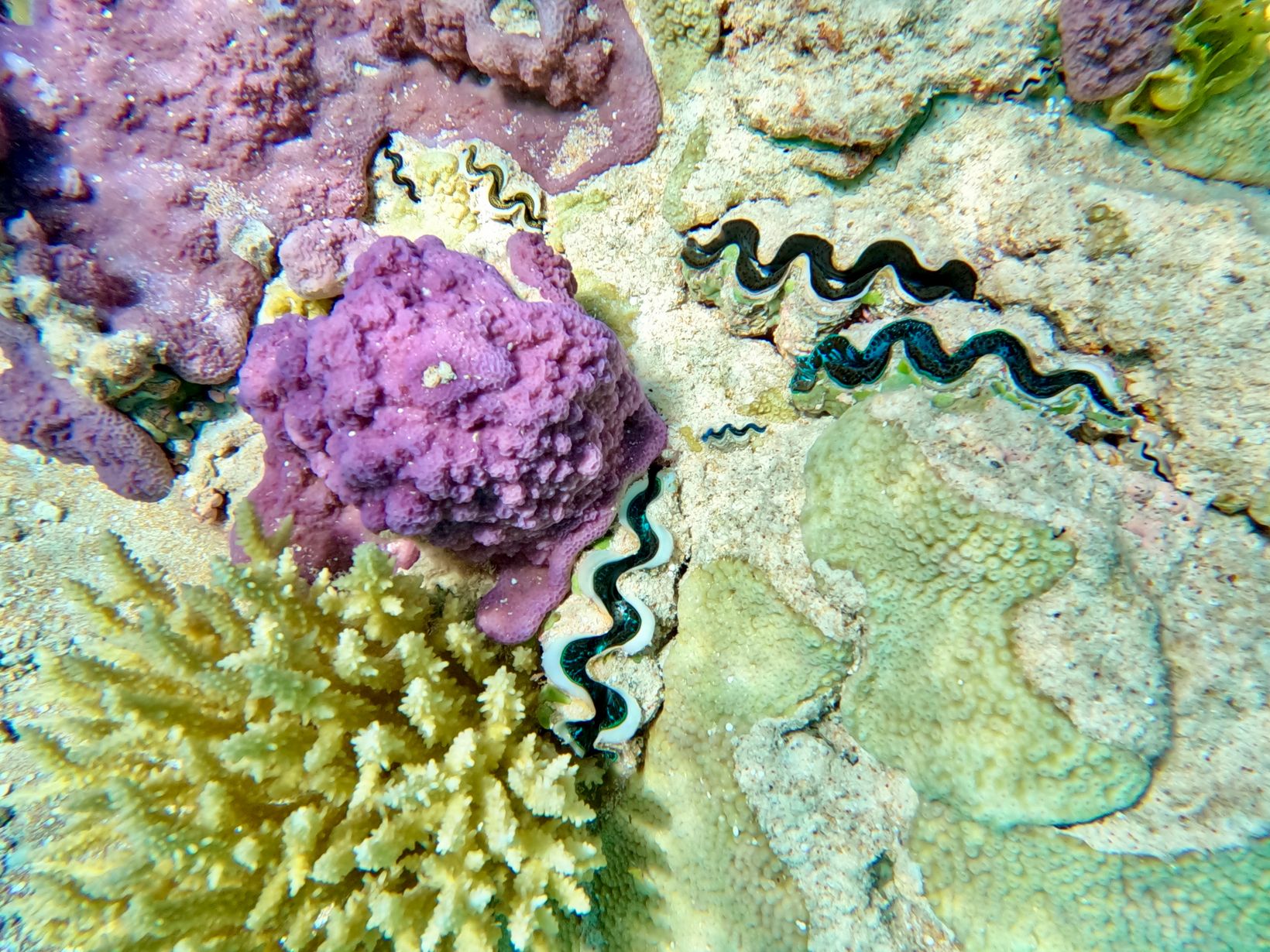
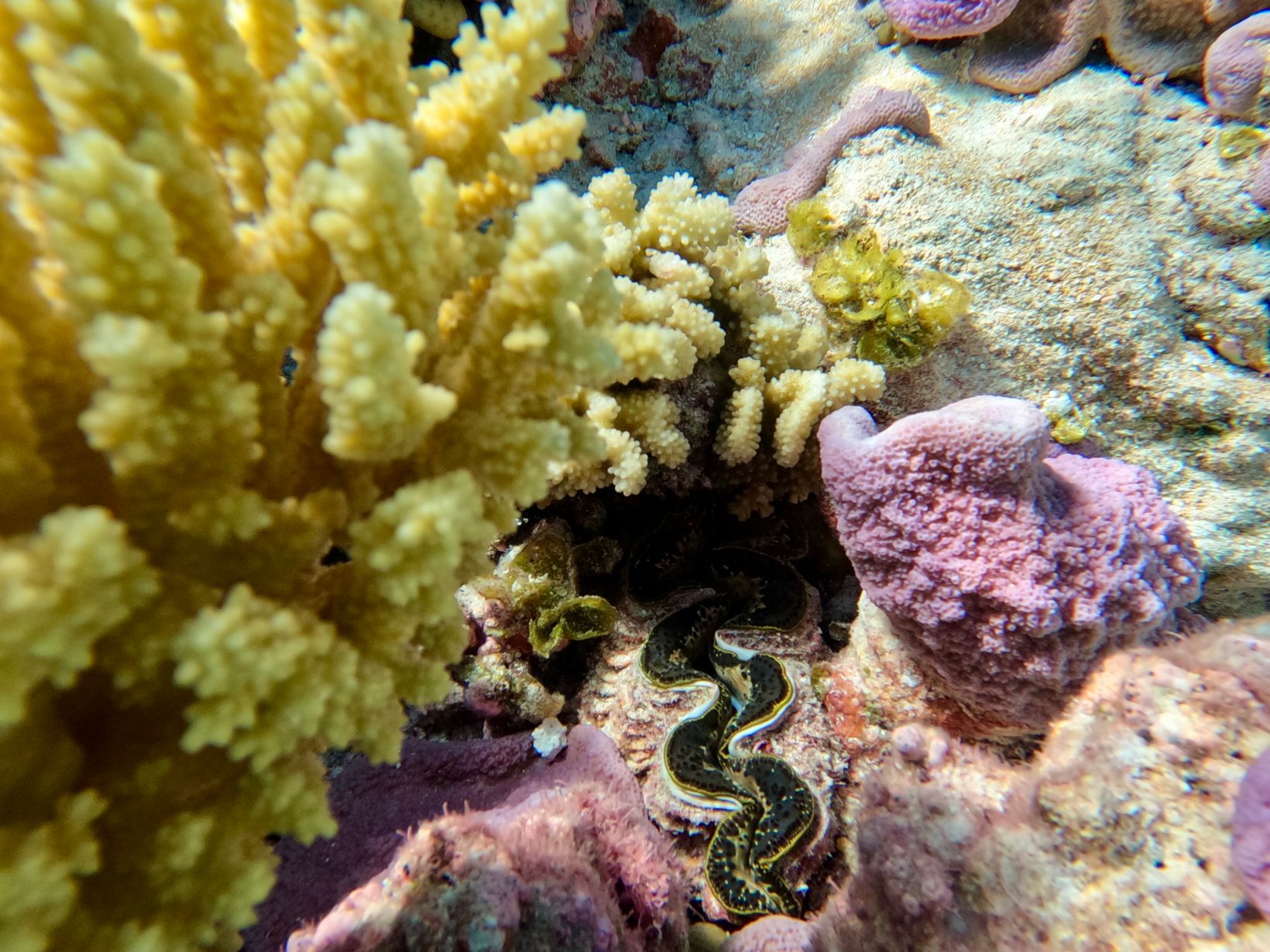
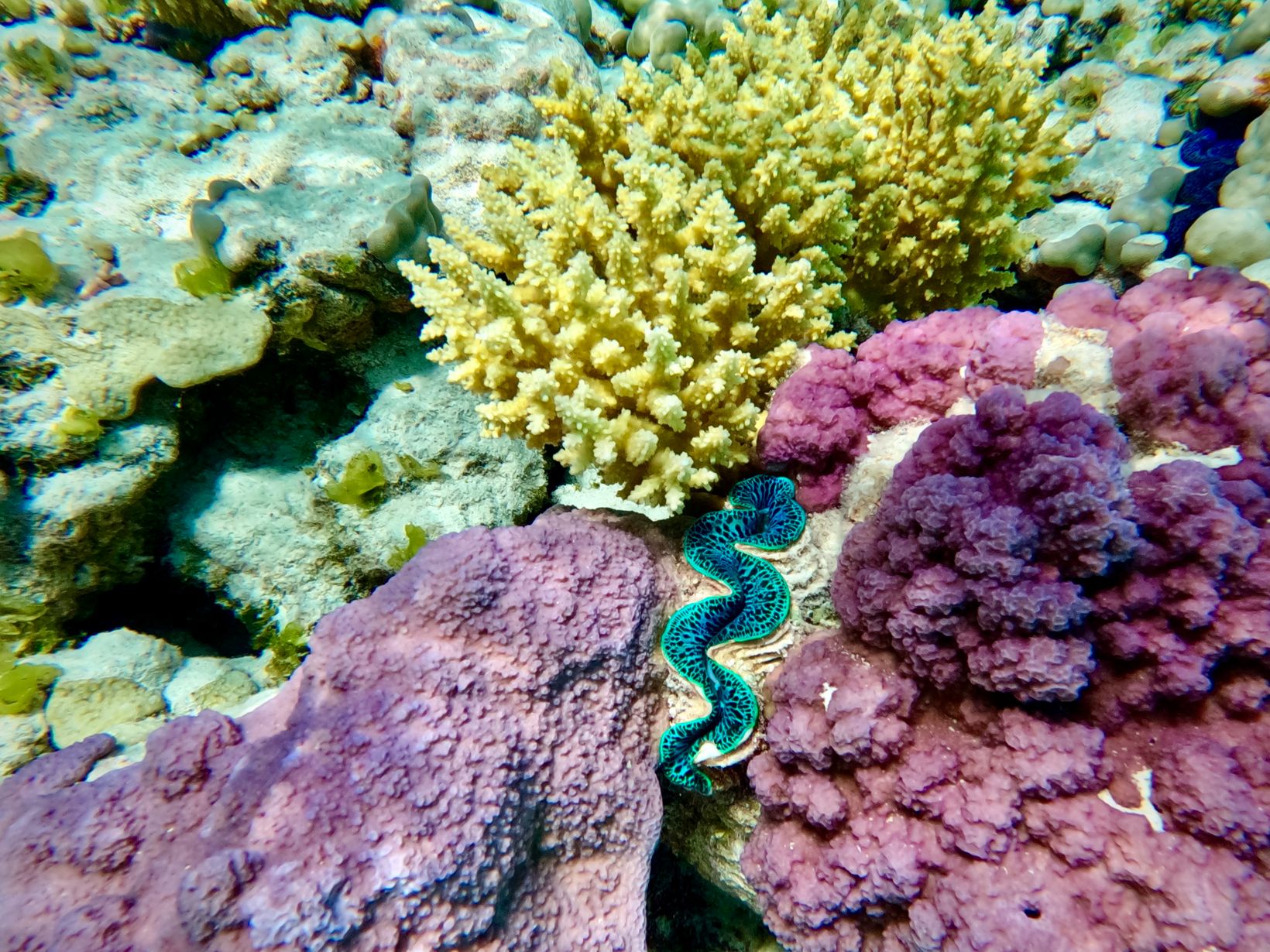
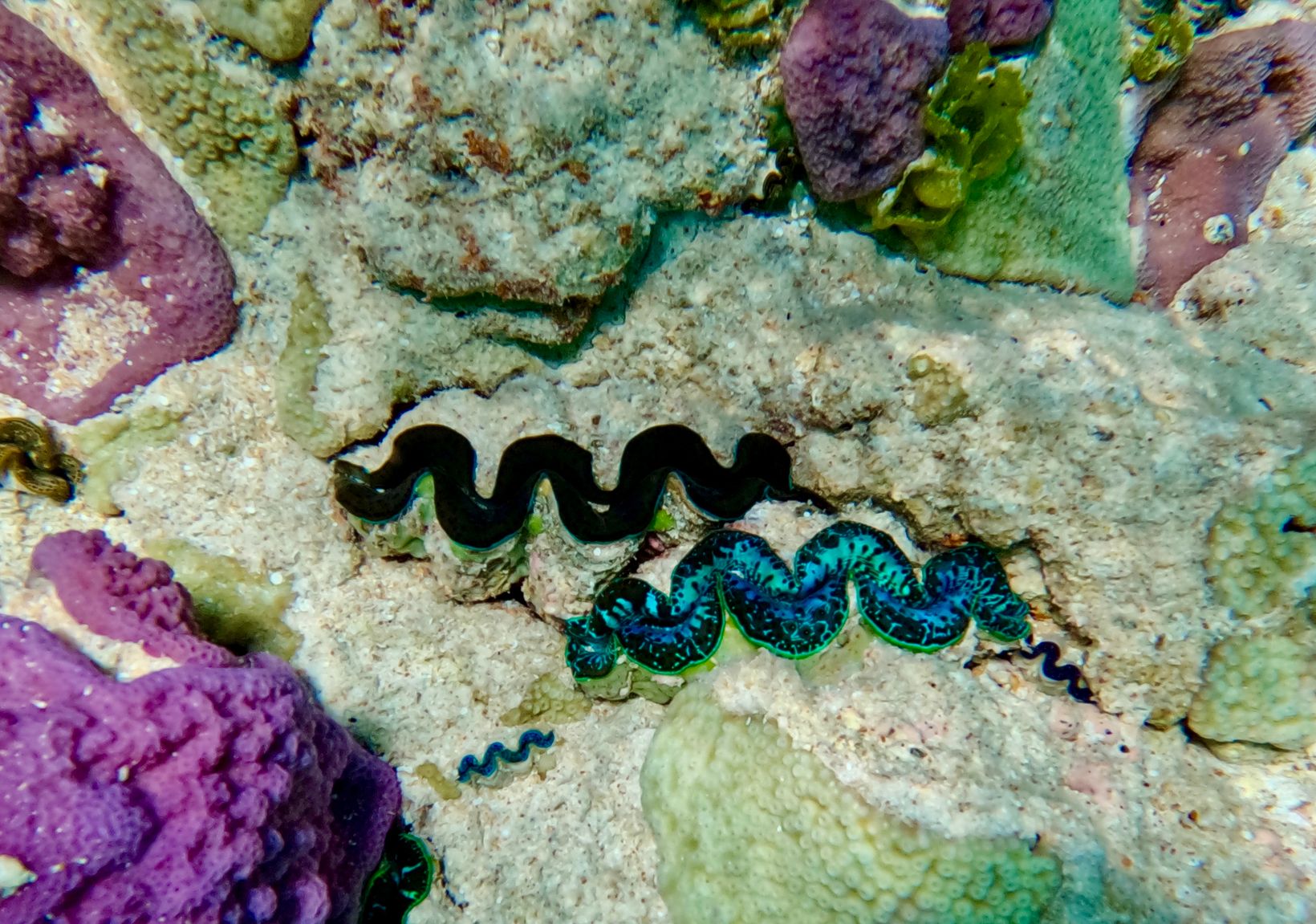
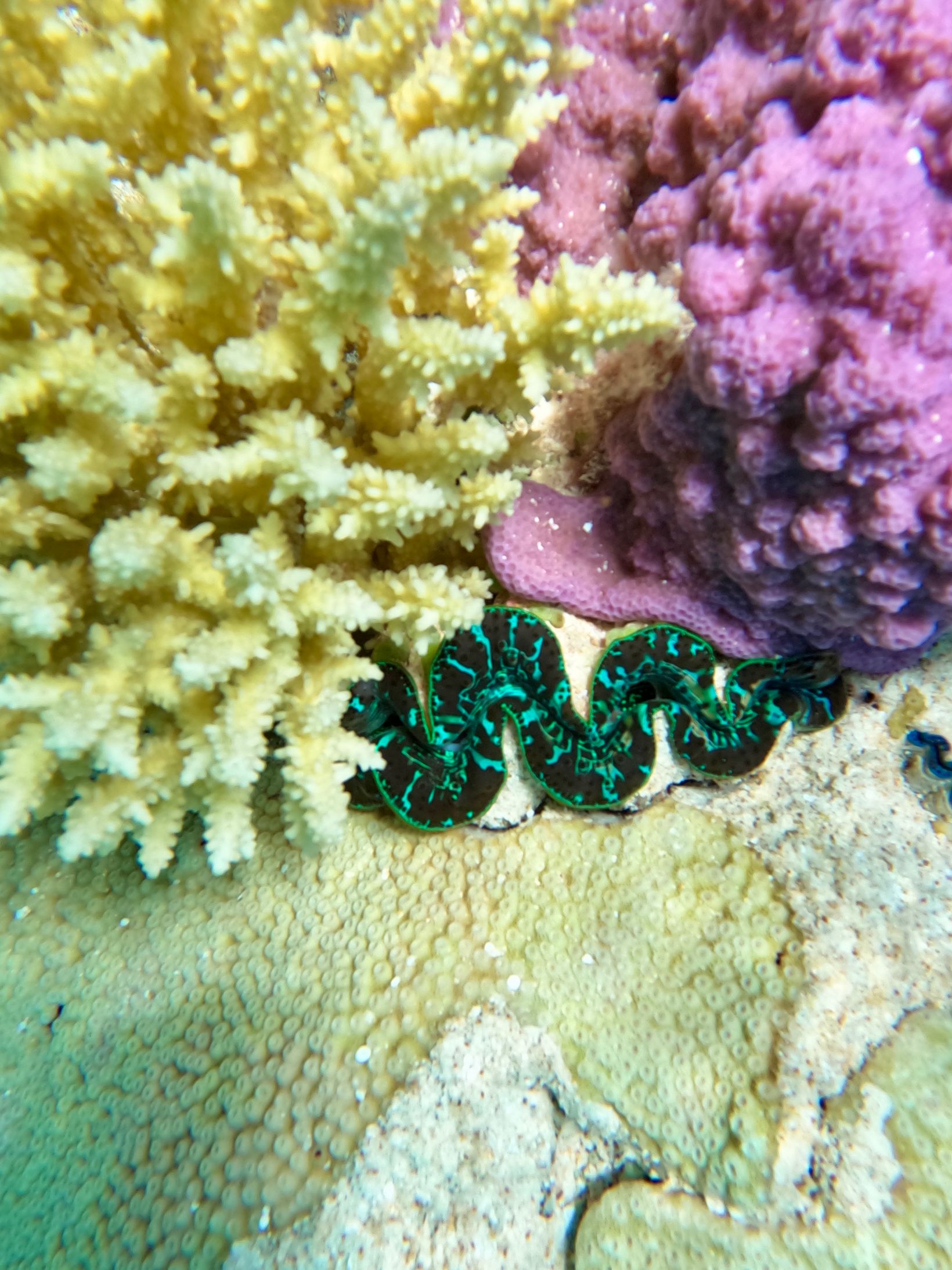
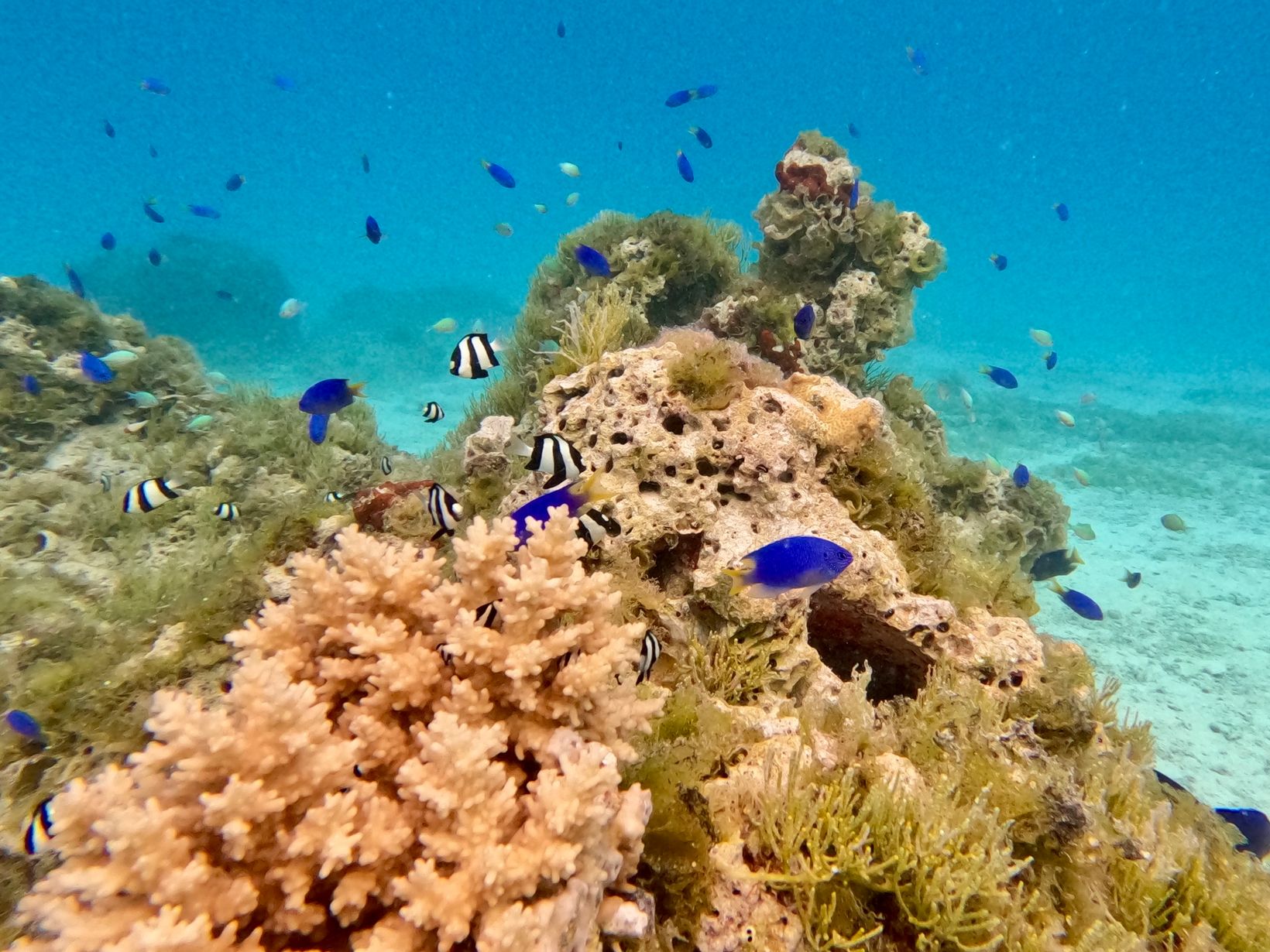
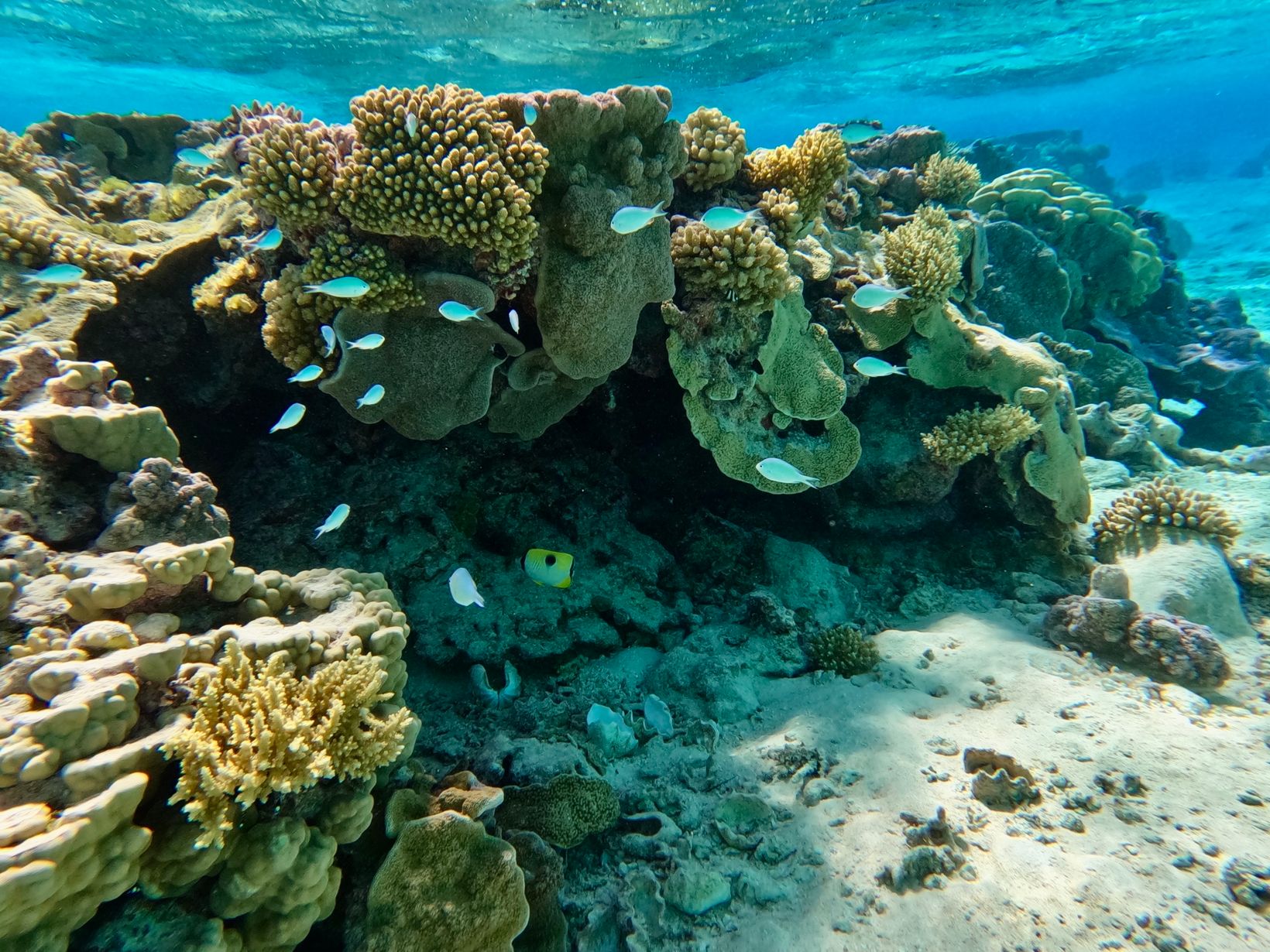
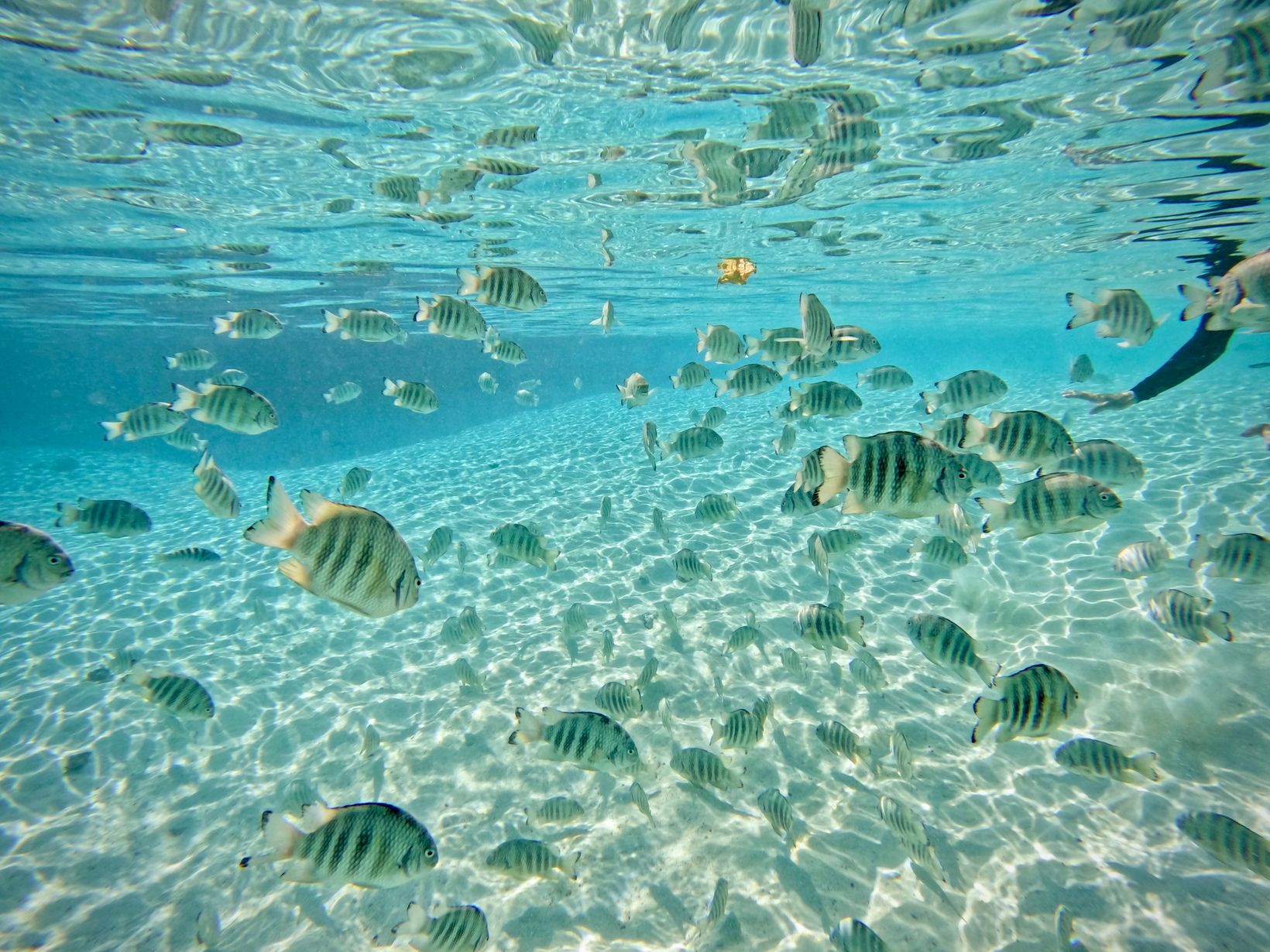
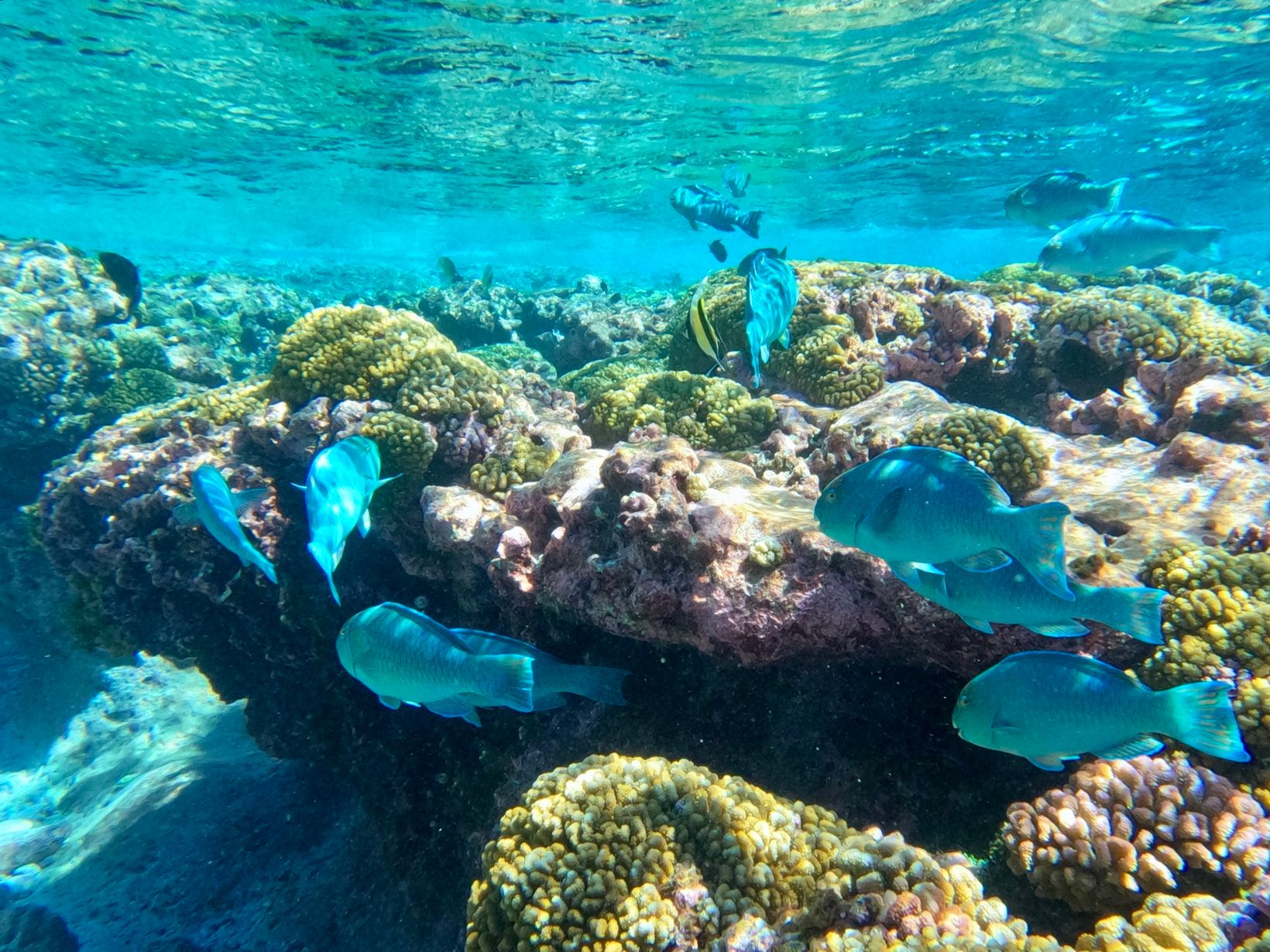
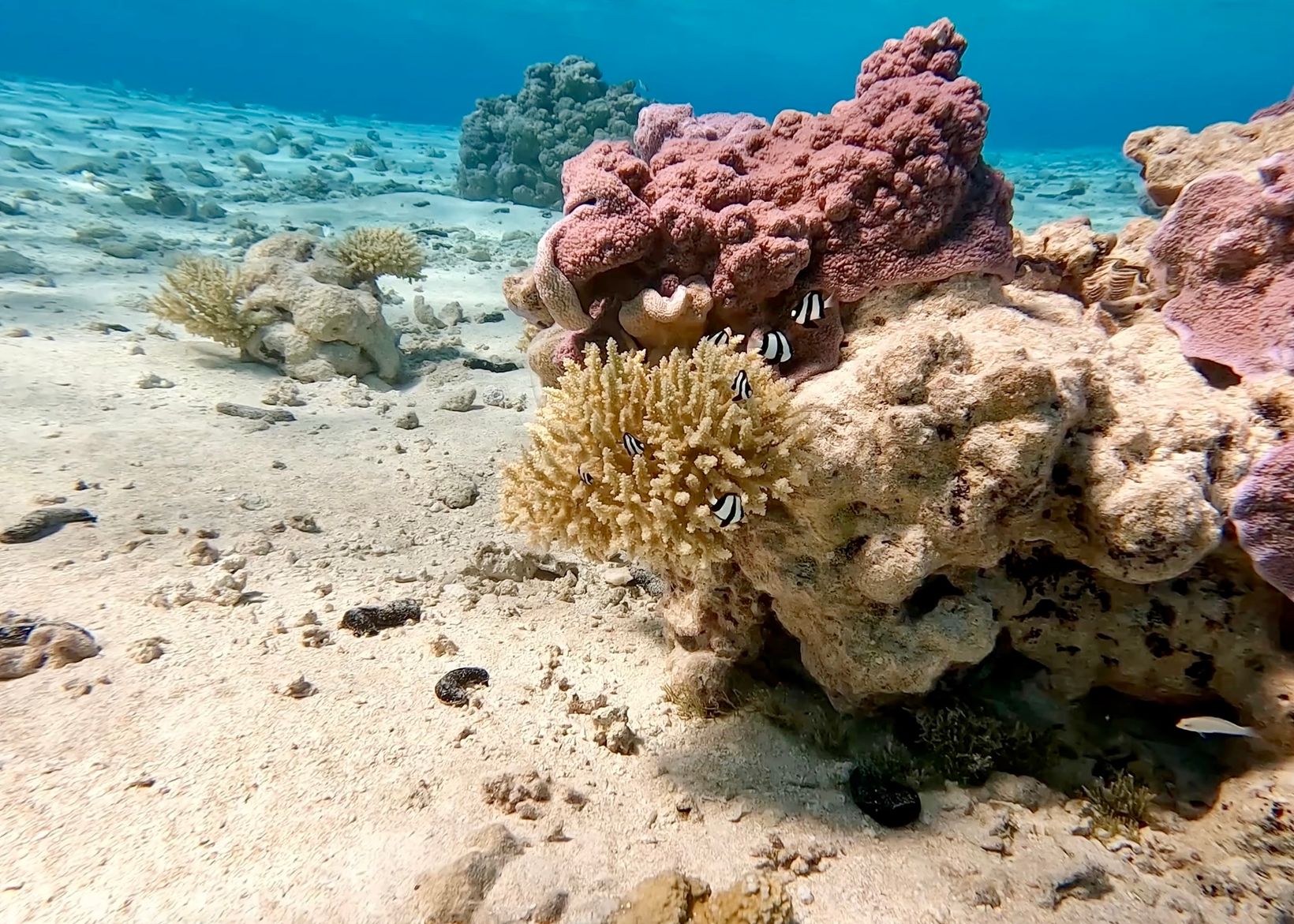
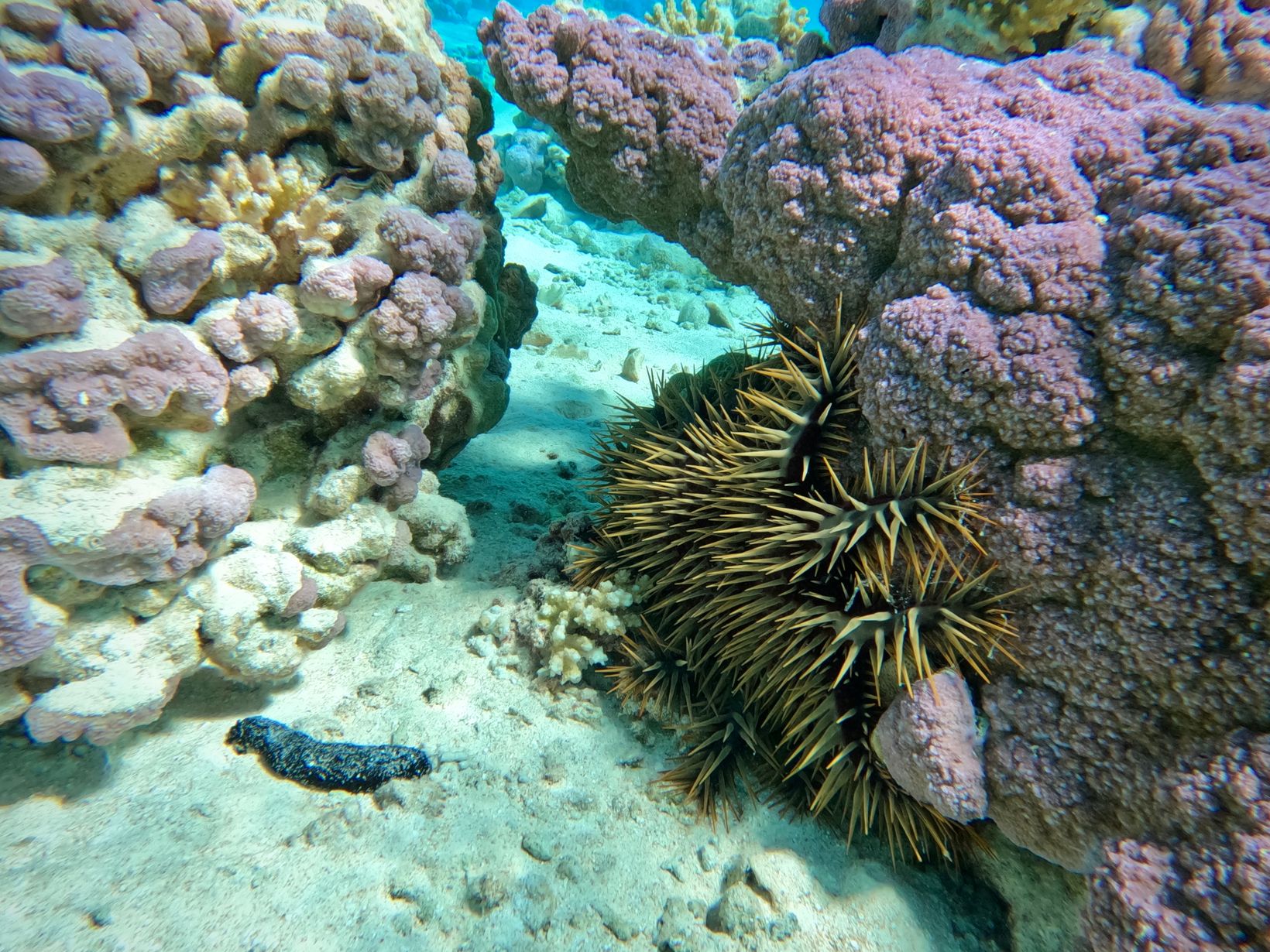
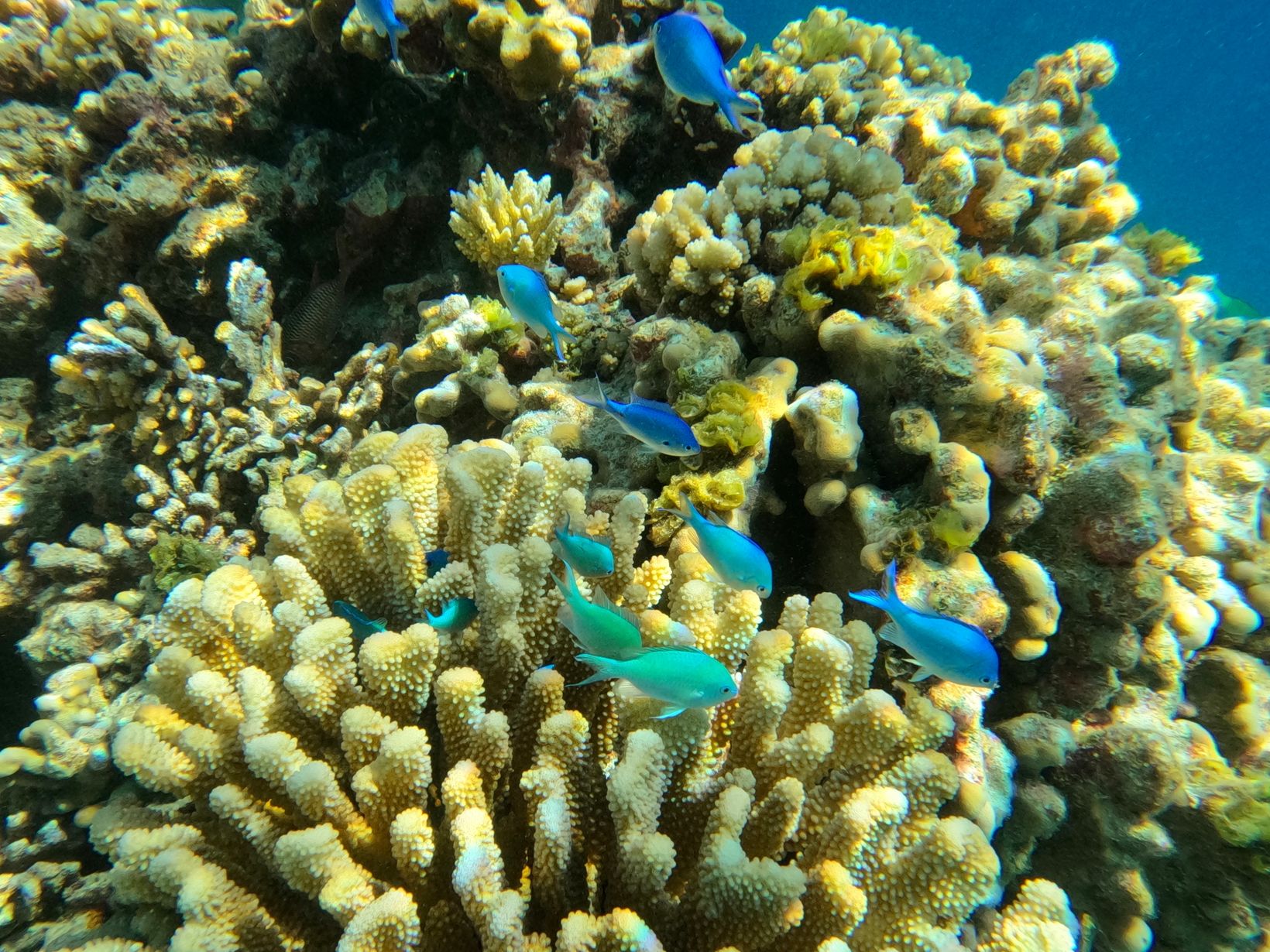
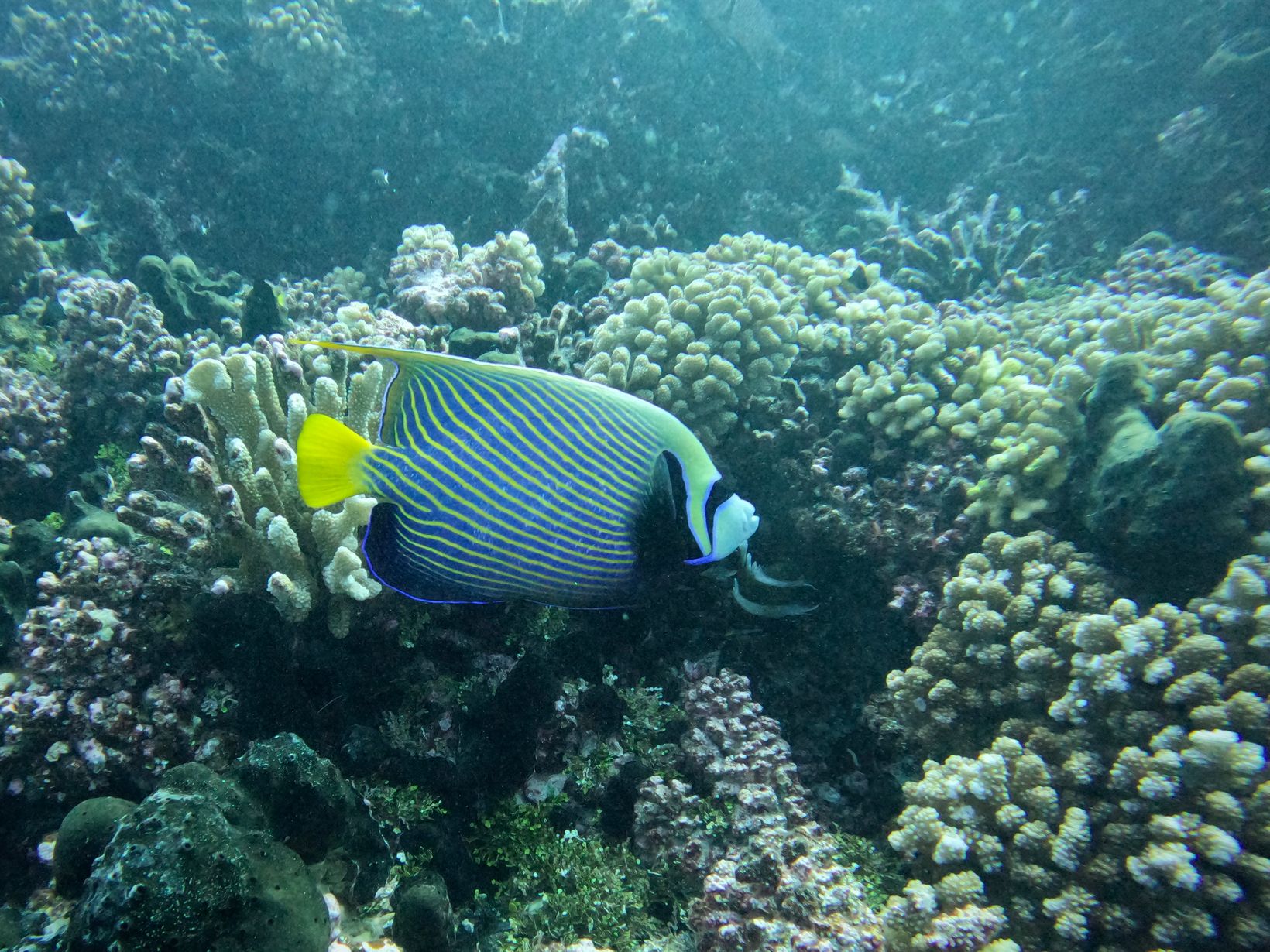
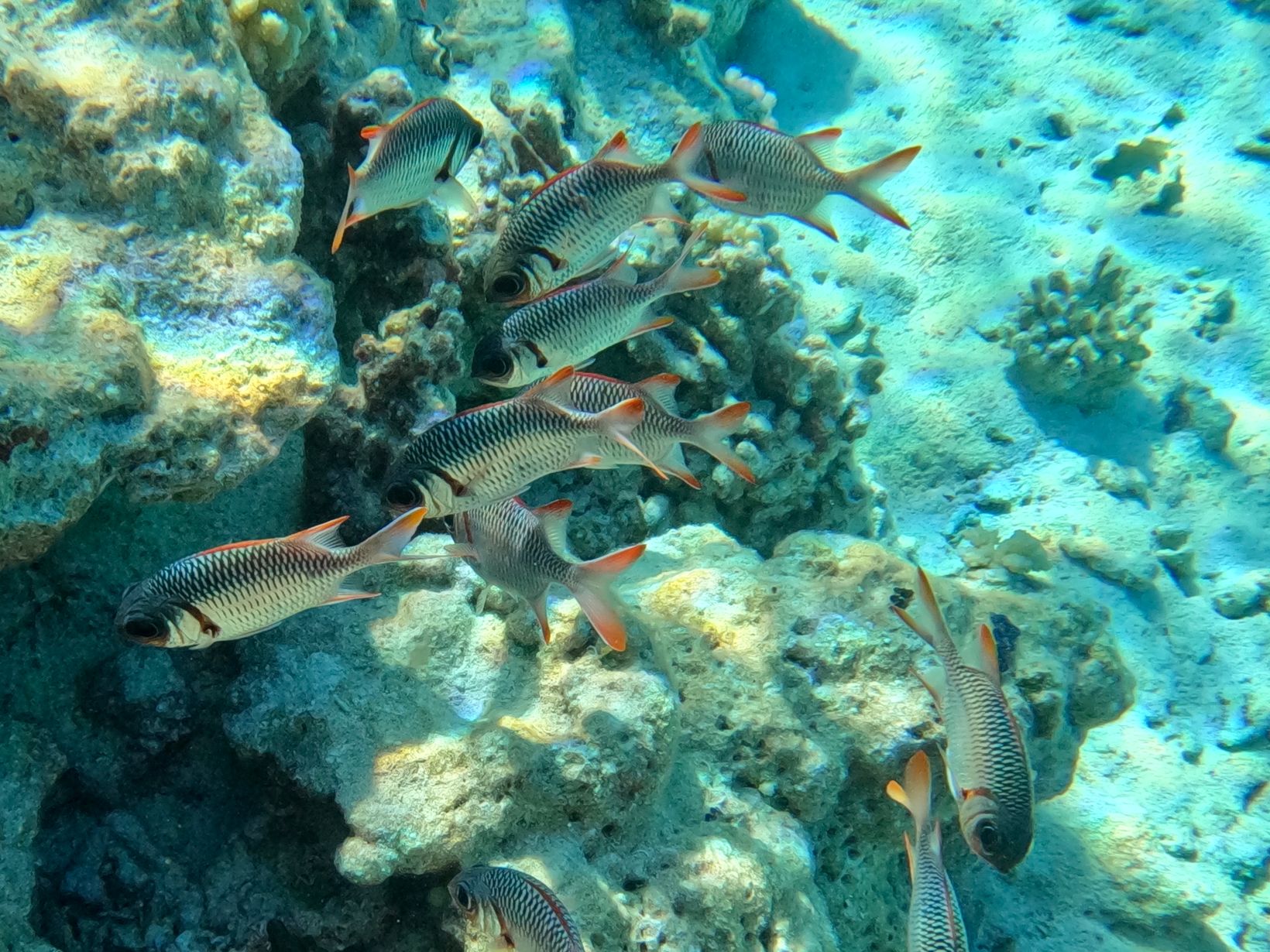
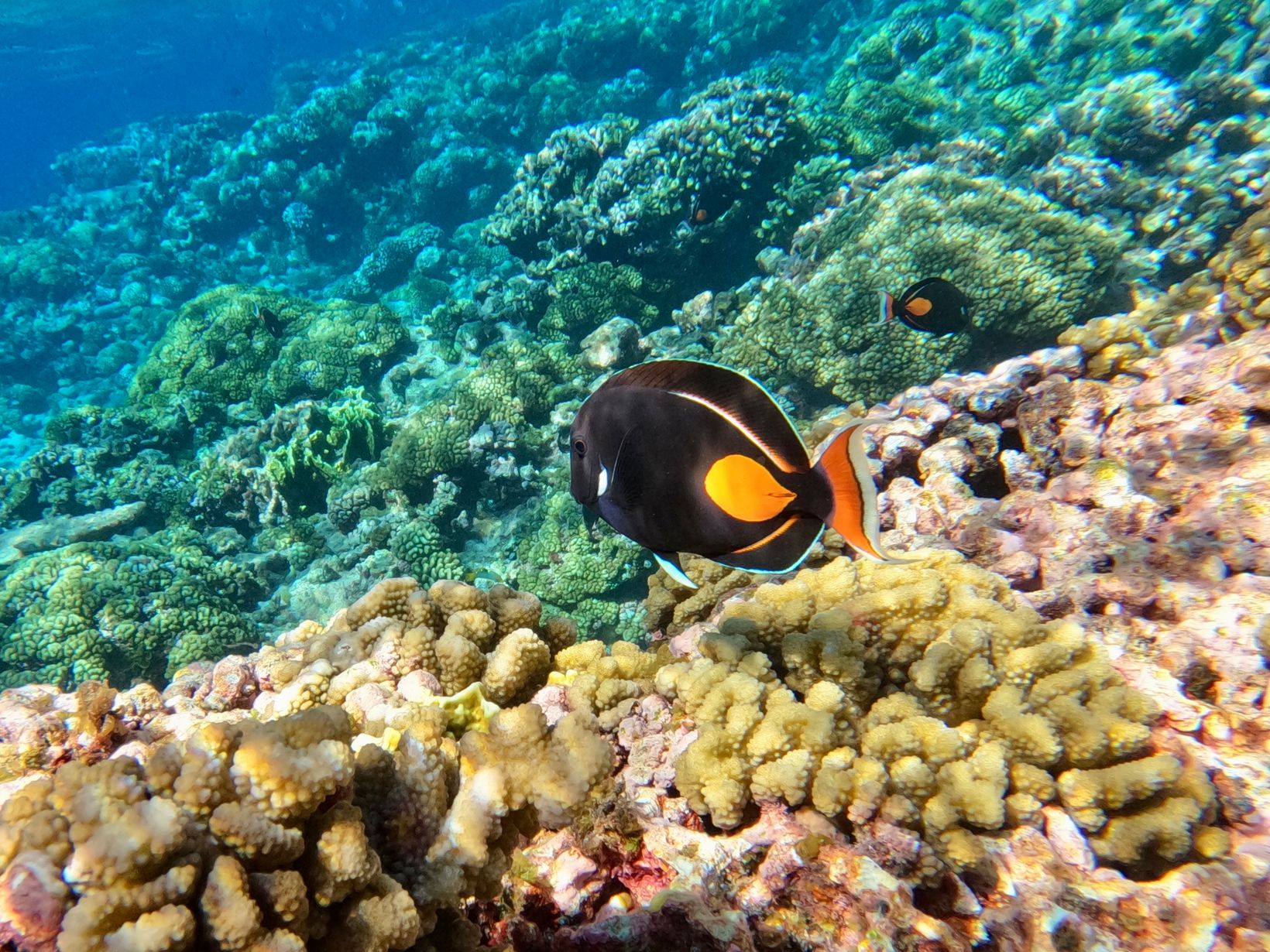
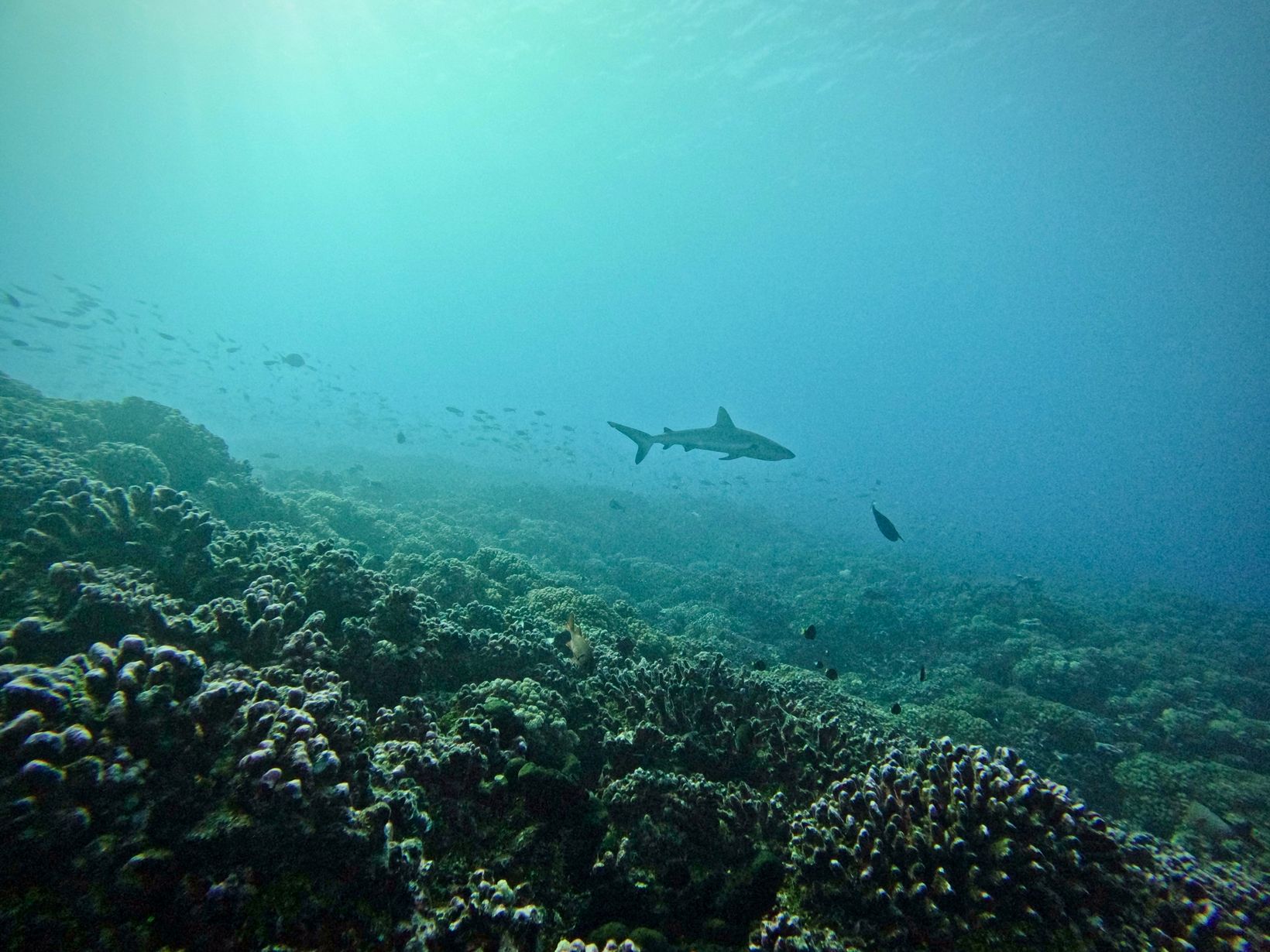
Each atoll offers something different. In one, sharks dominate, while in another, it is manta rays. Elsewhere, corals form amazing underwater gardens. Despite their differences, all atolls follow the same basic pattern. The outer reef drops steeply into the depths at the seaward edge of the atoll ring. There, the larger marine creatures swim in the open ocean or through a rugged landscape of cave-like coral structures.
The water inside the atolls’ large lagoons is rarely deeper than 20 to 30 meters. Large coral heads rise up from the sandy seabed. By boat it is best to sail around them; with a mask and snorkel, you’ll find a wealth of marine life there.
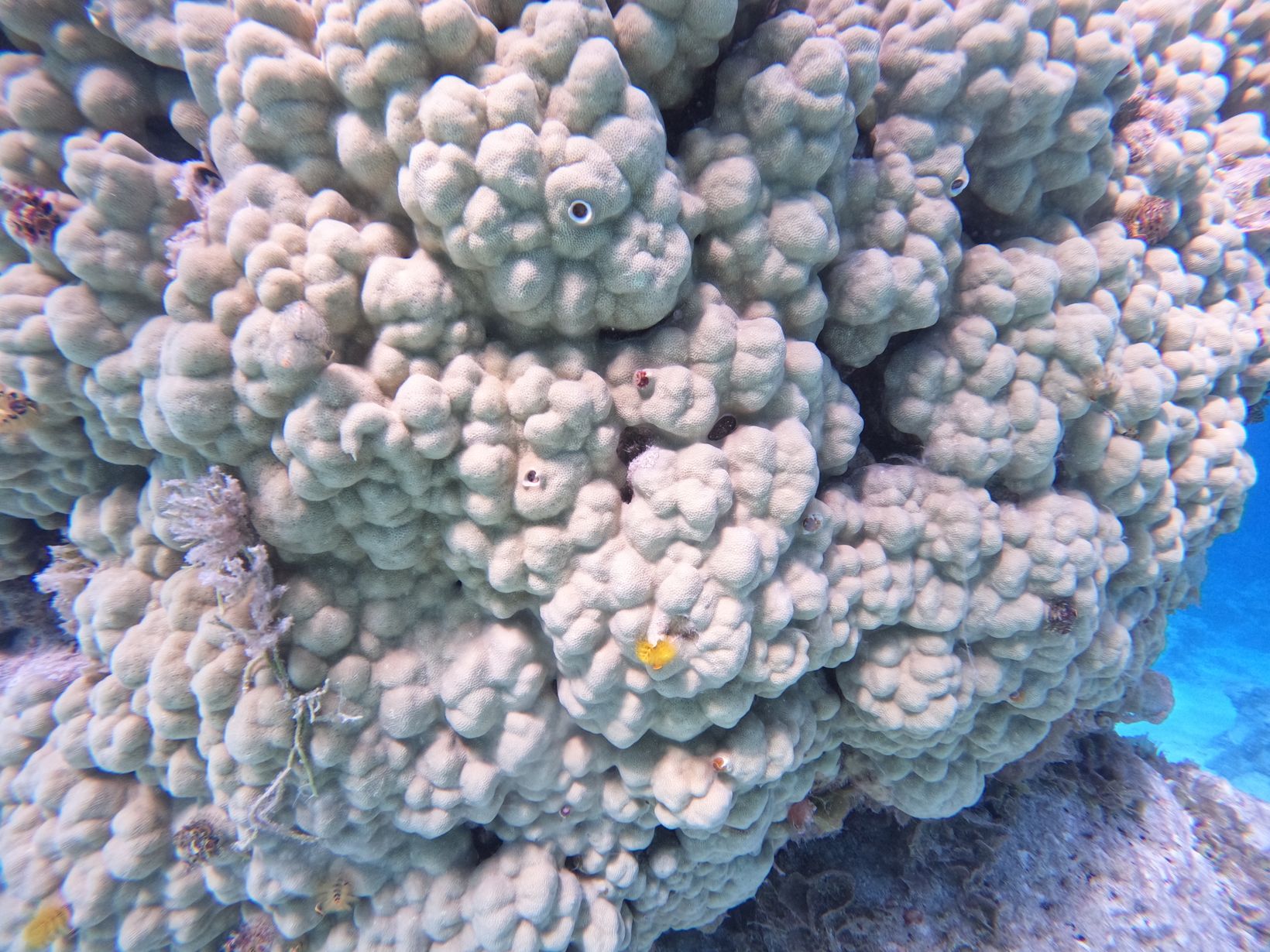
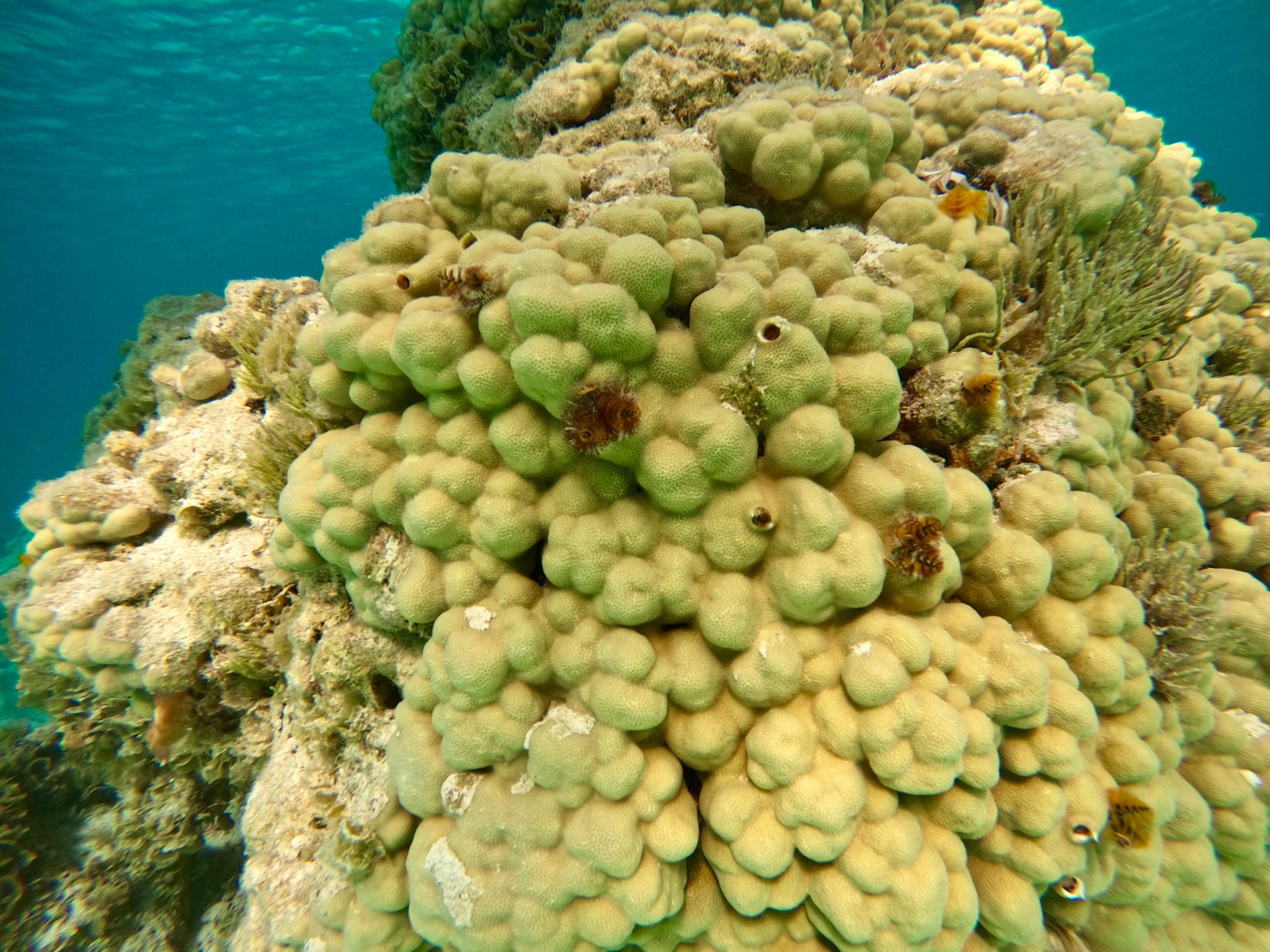
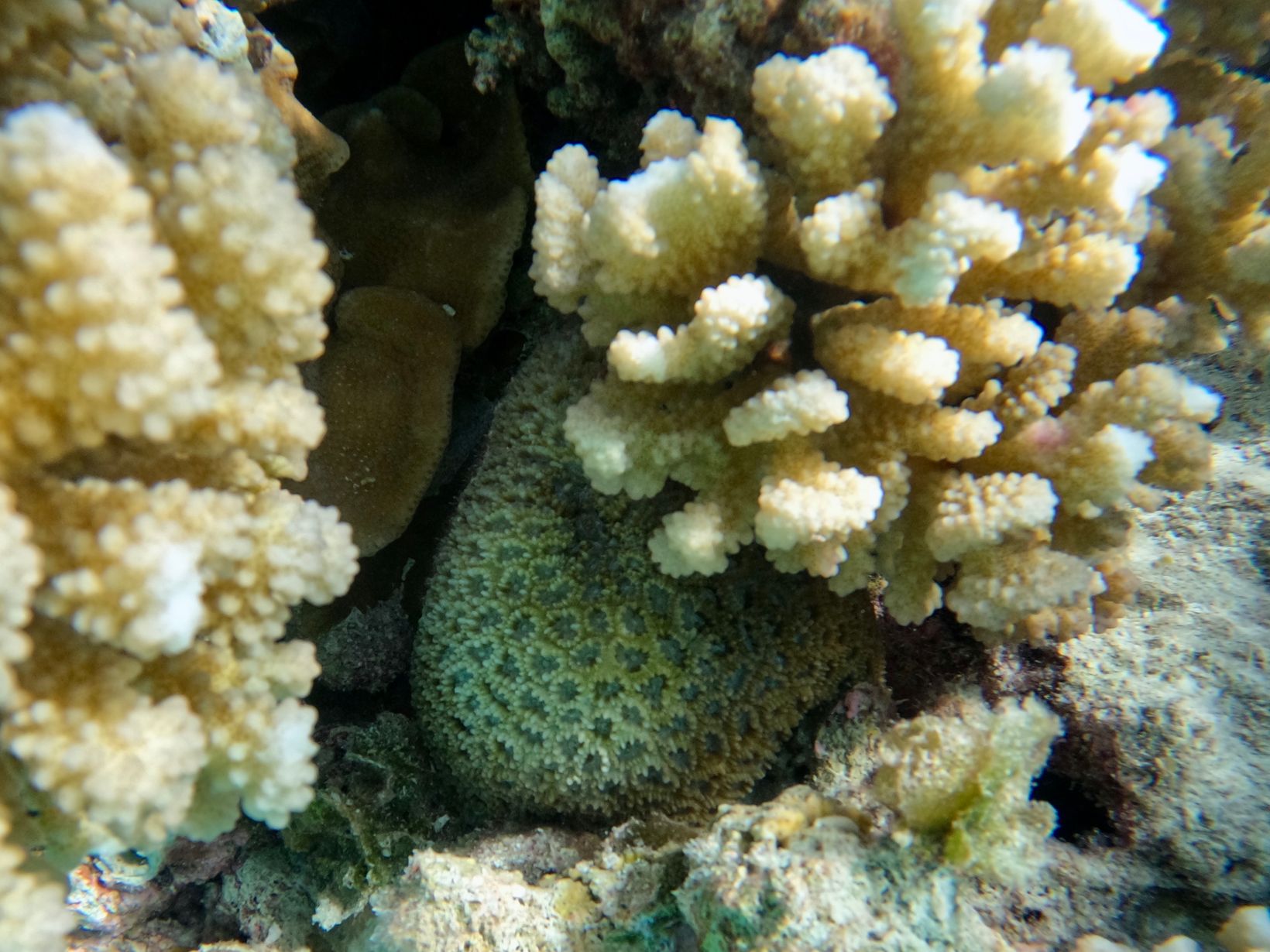
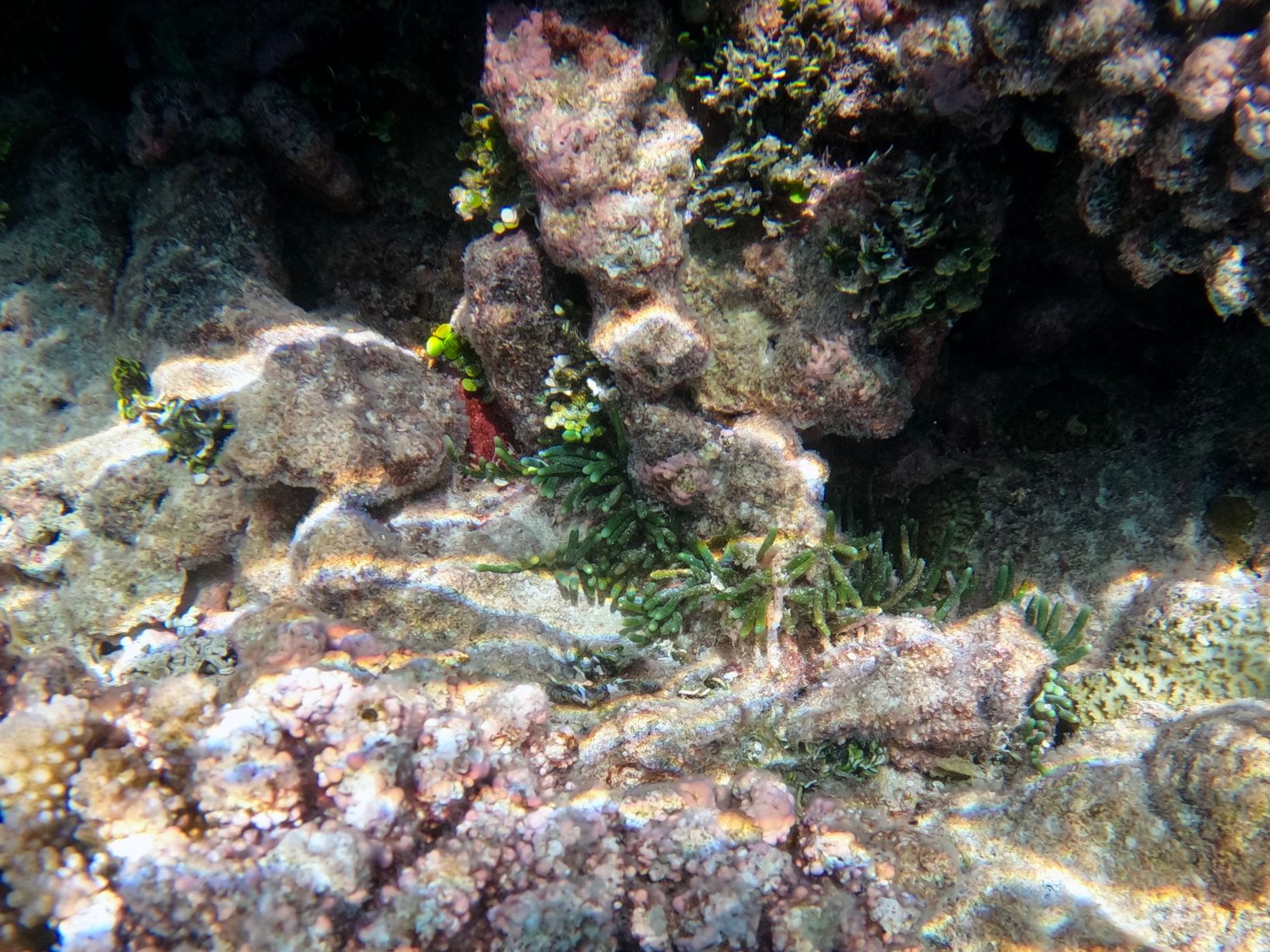
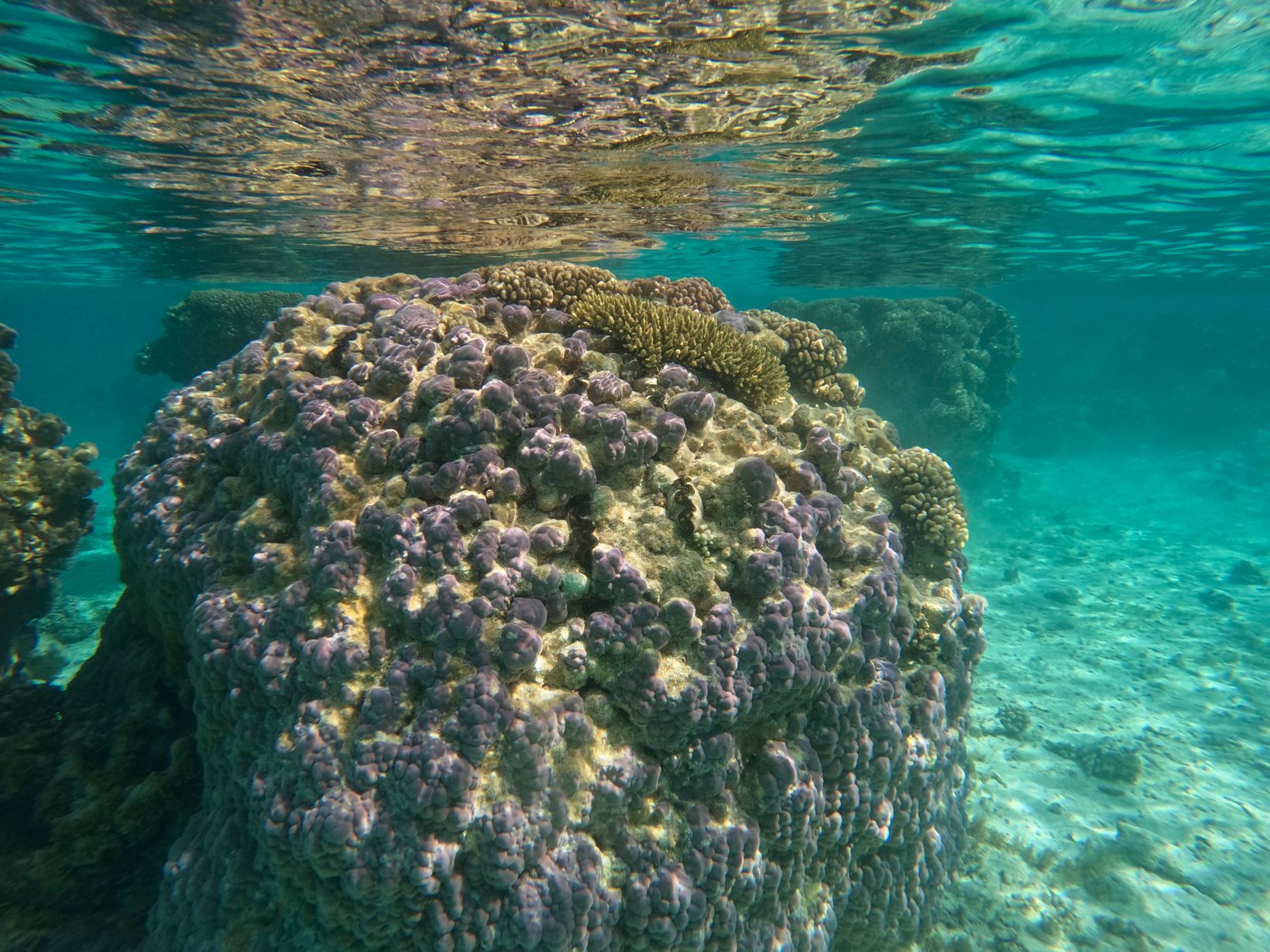
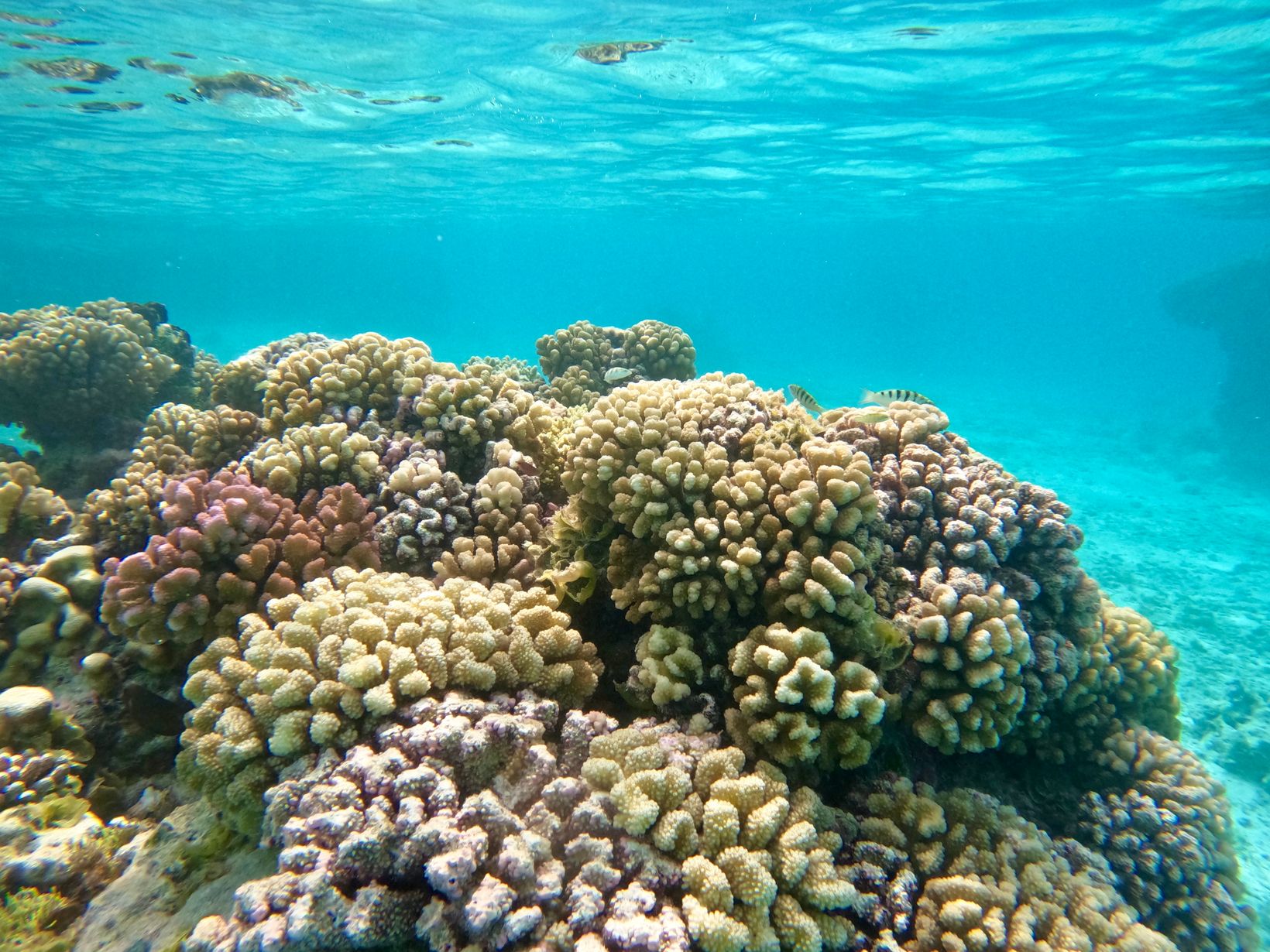
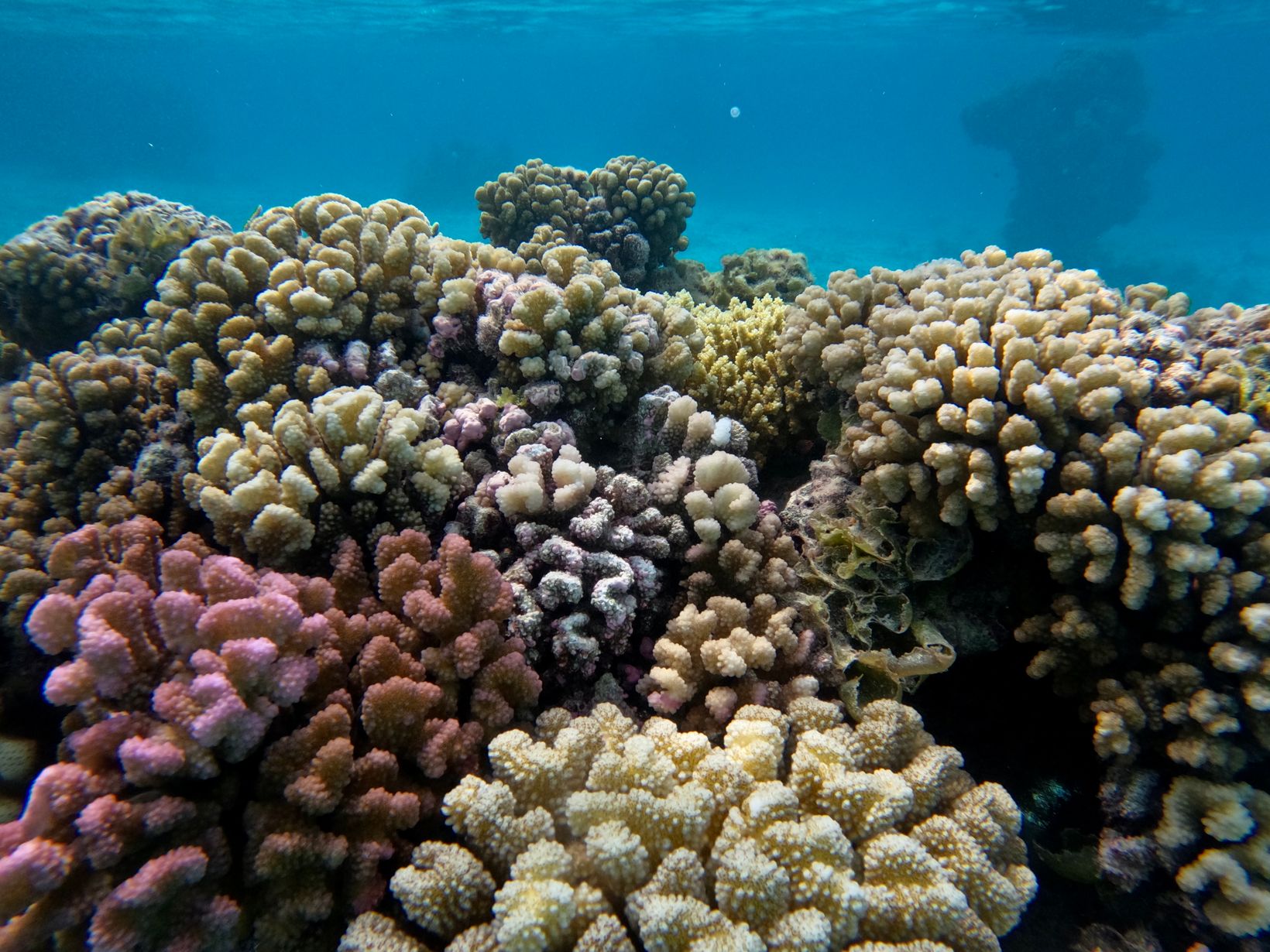
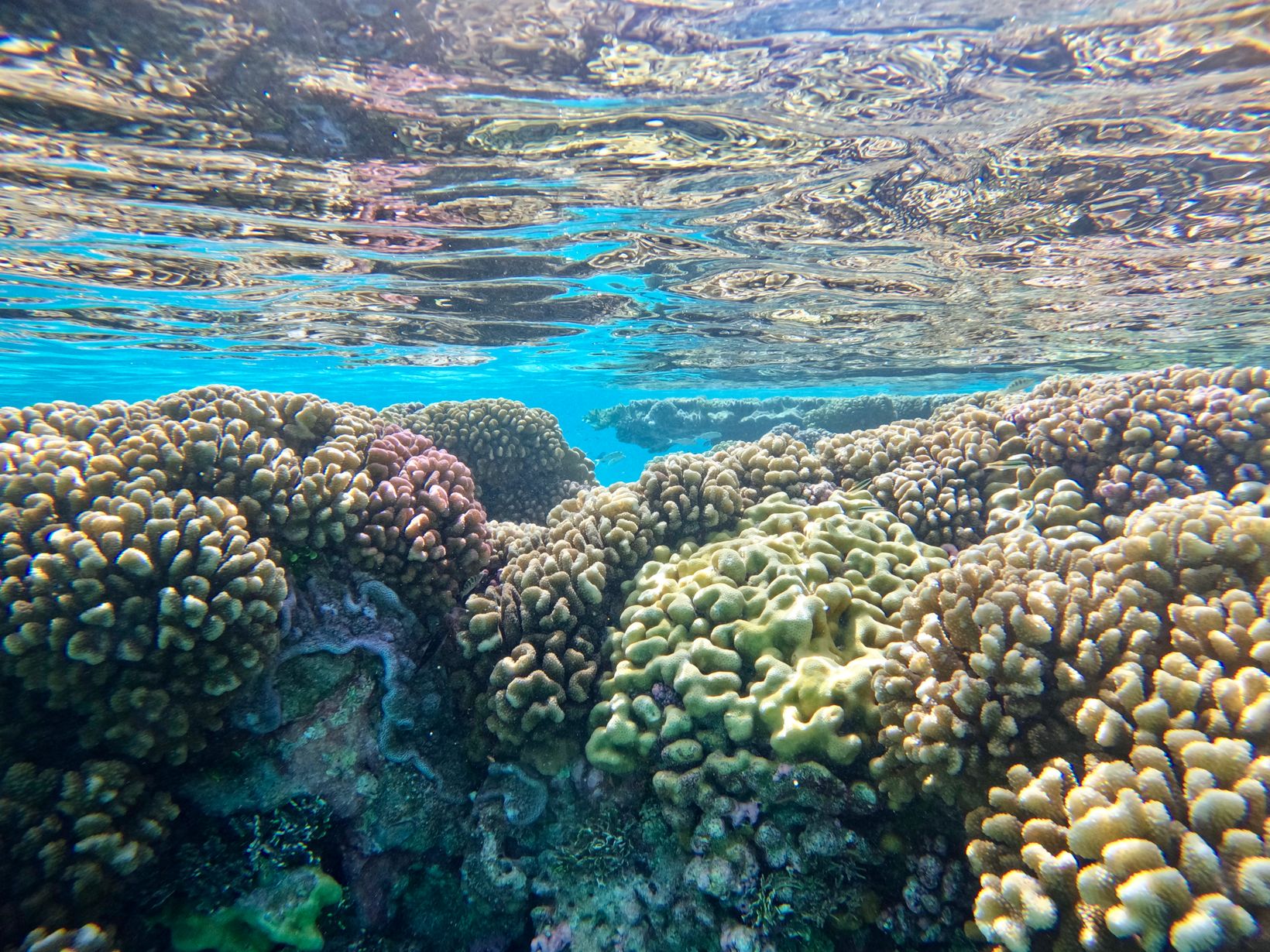
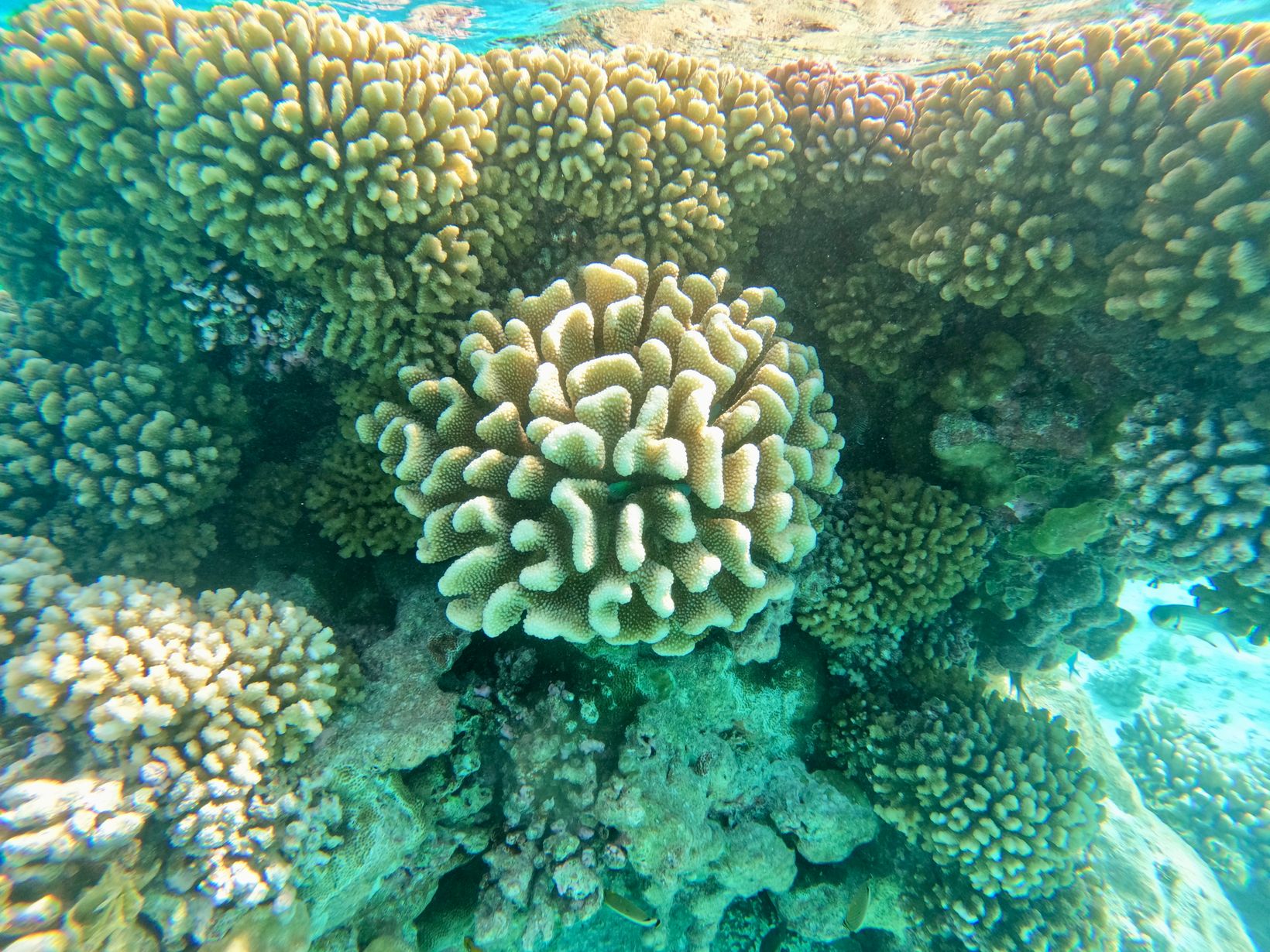
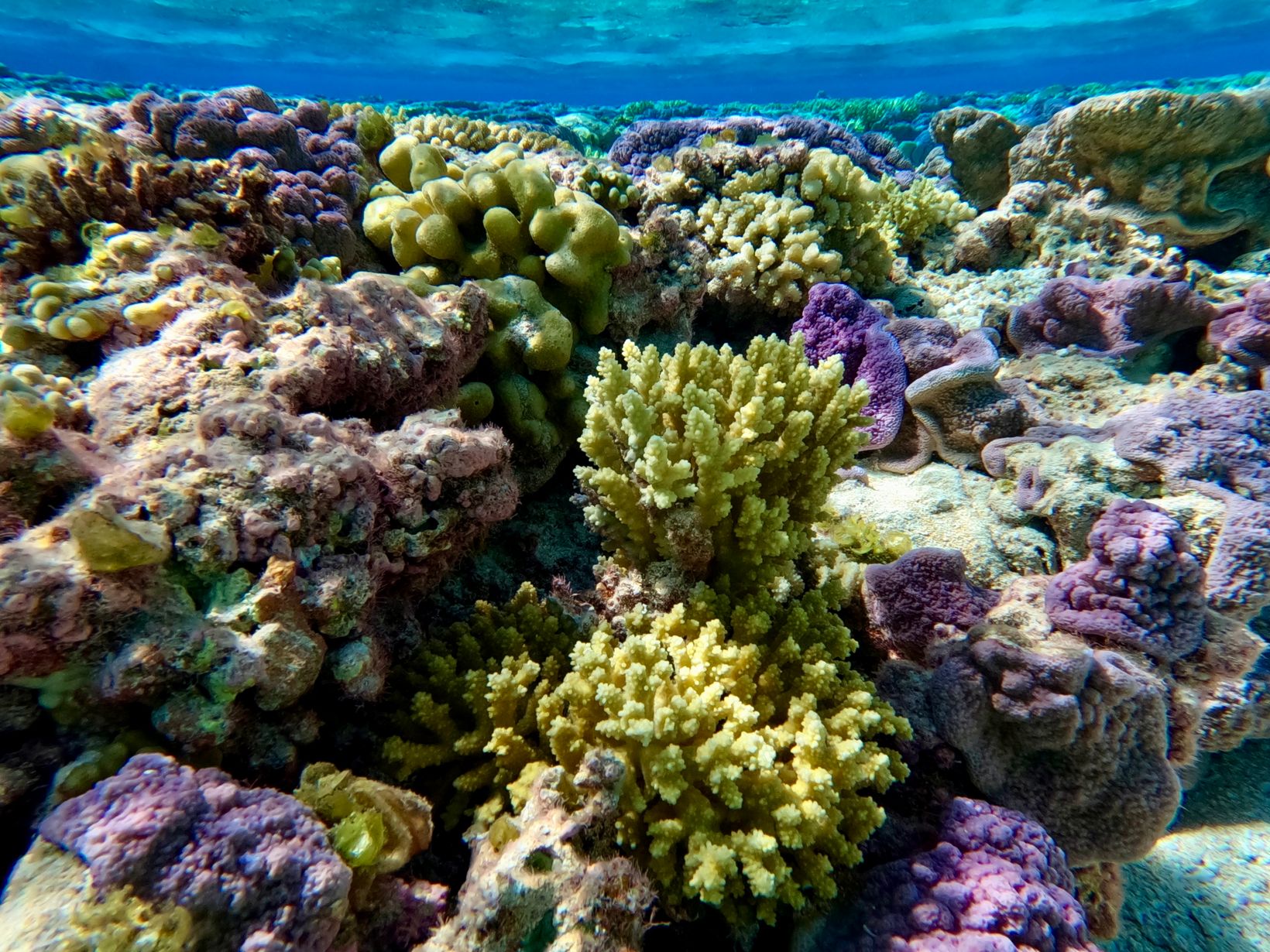
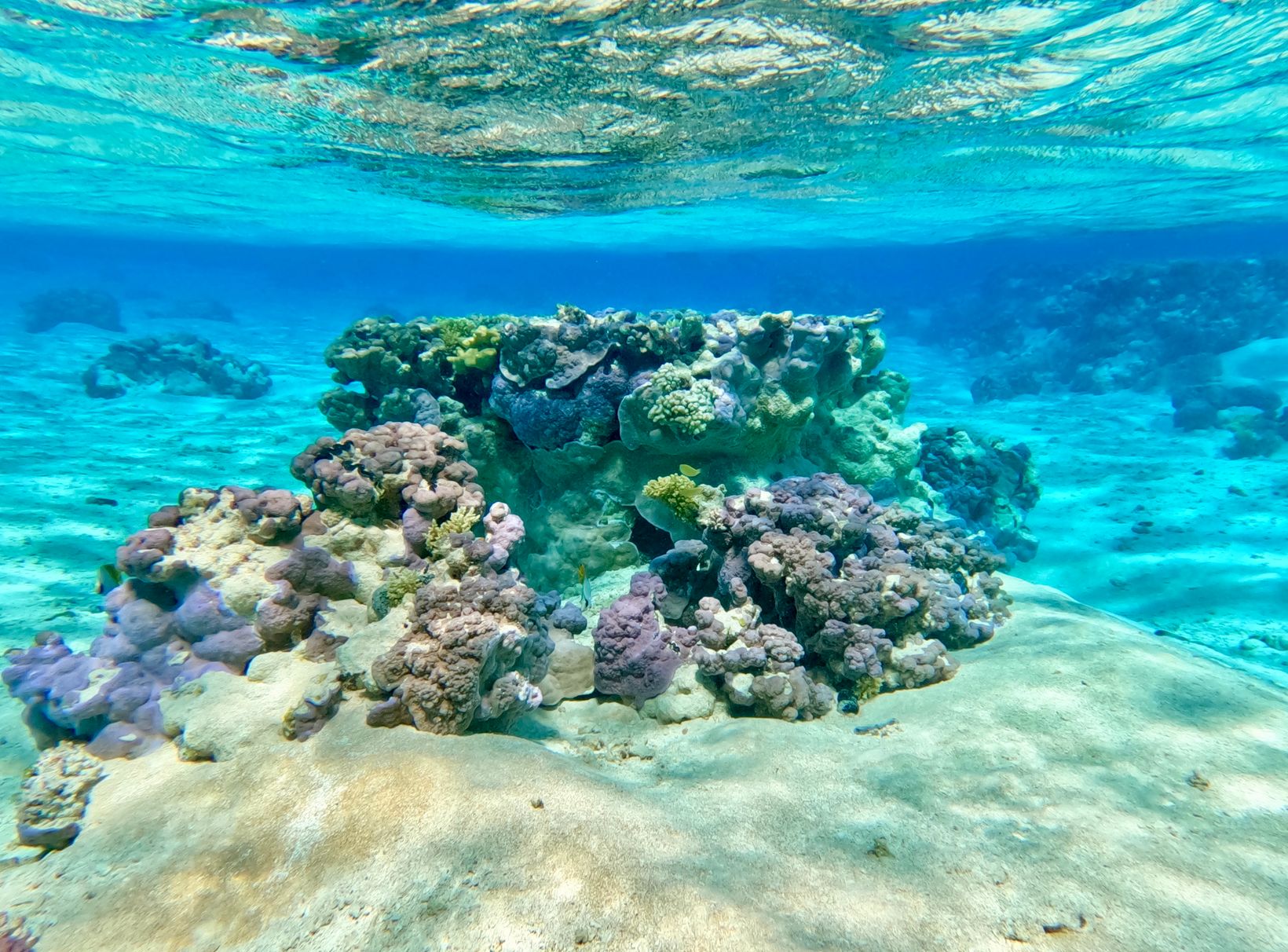
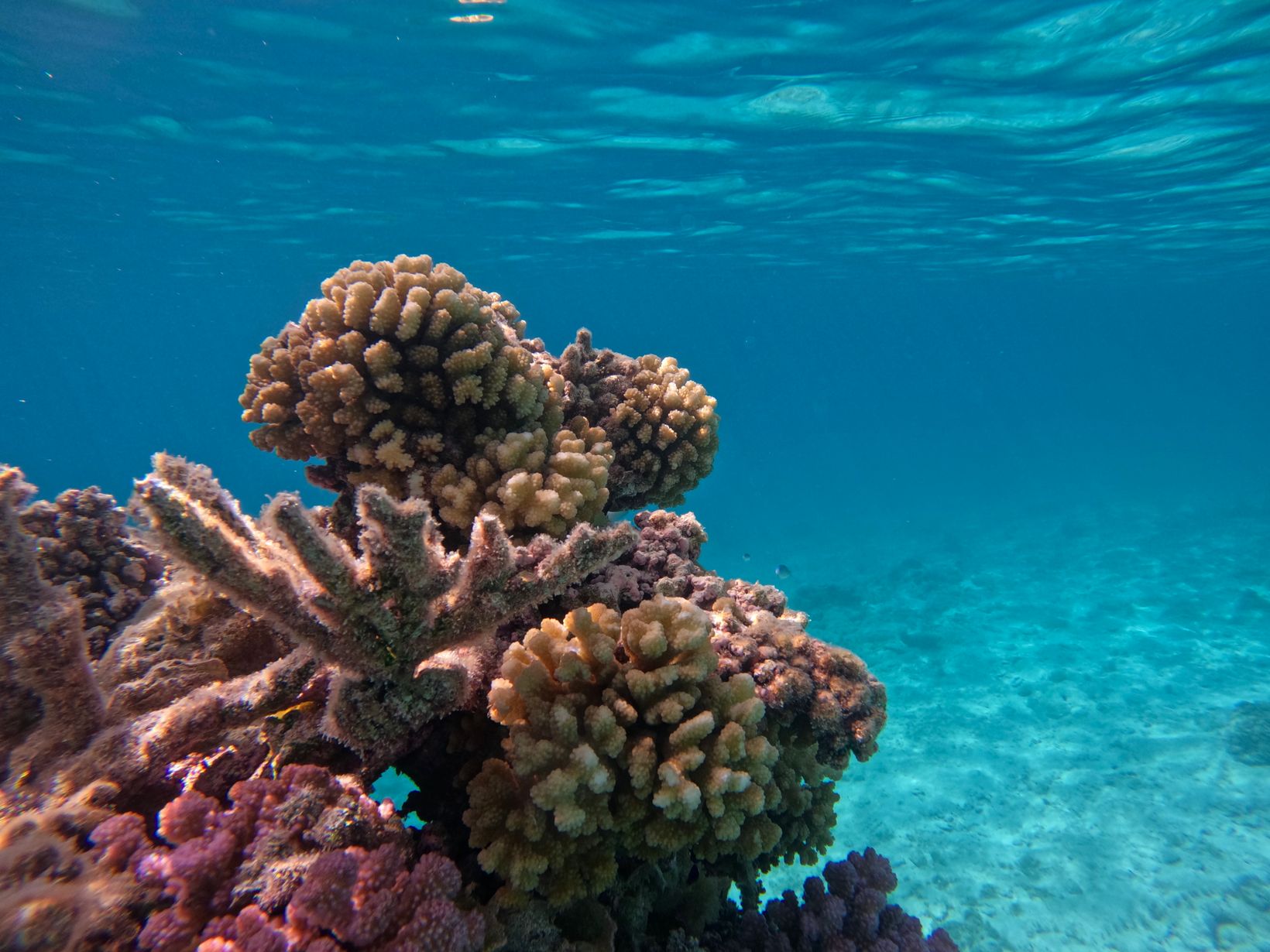
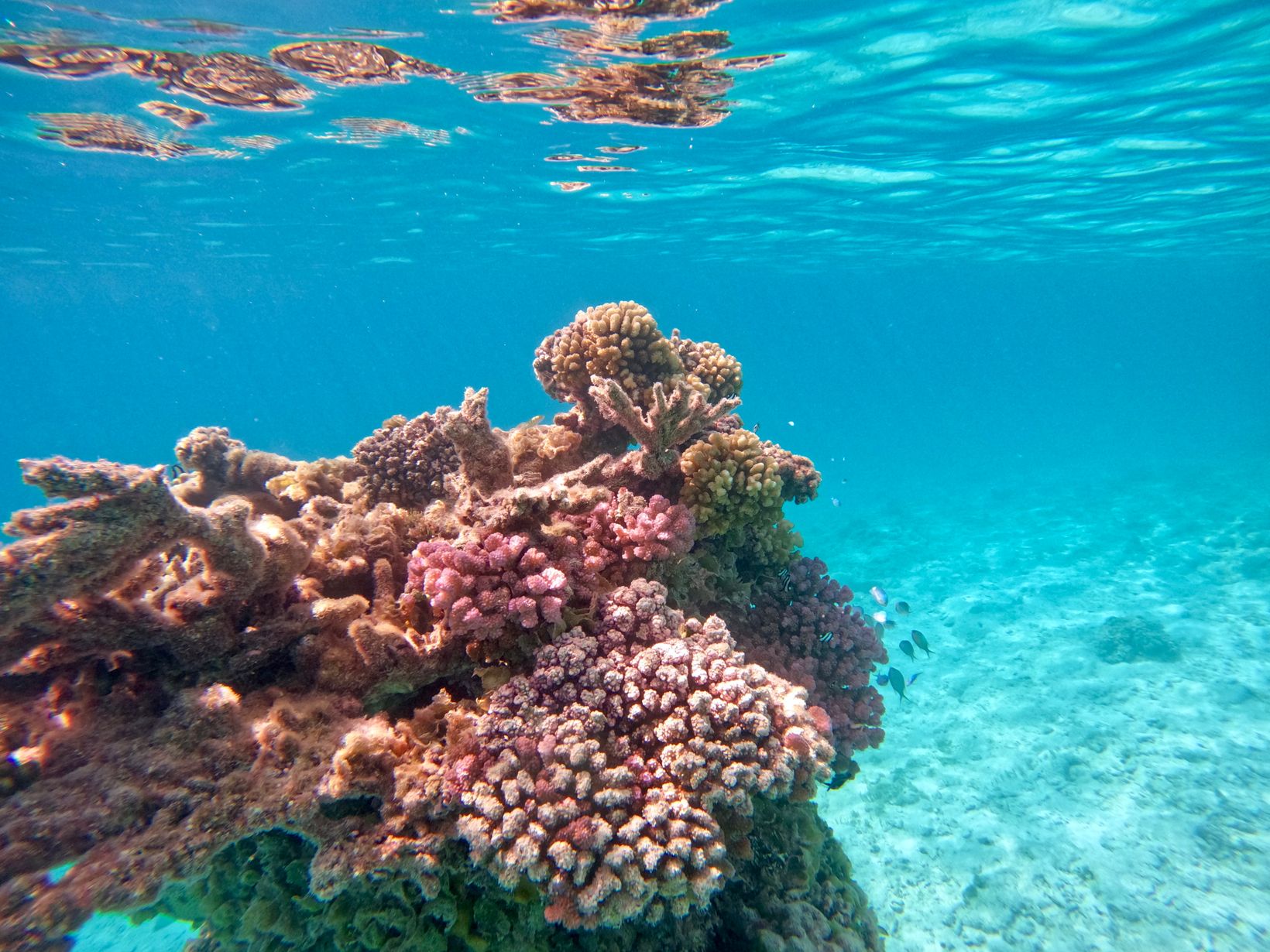
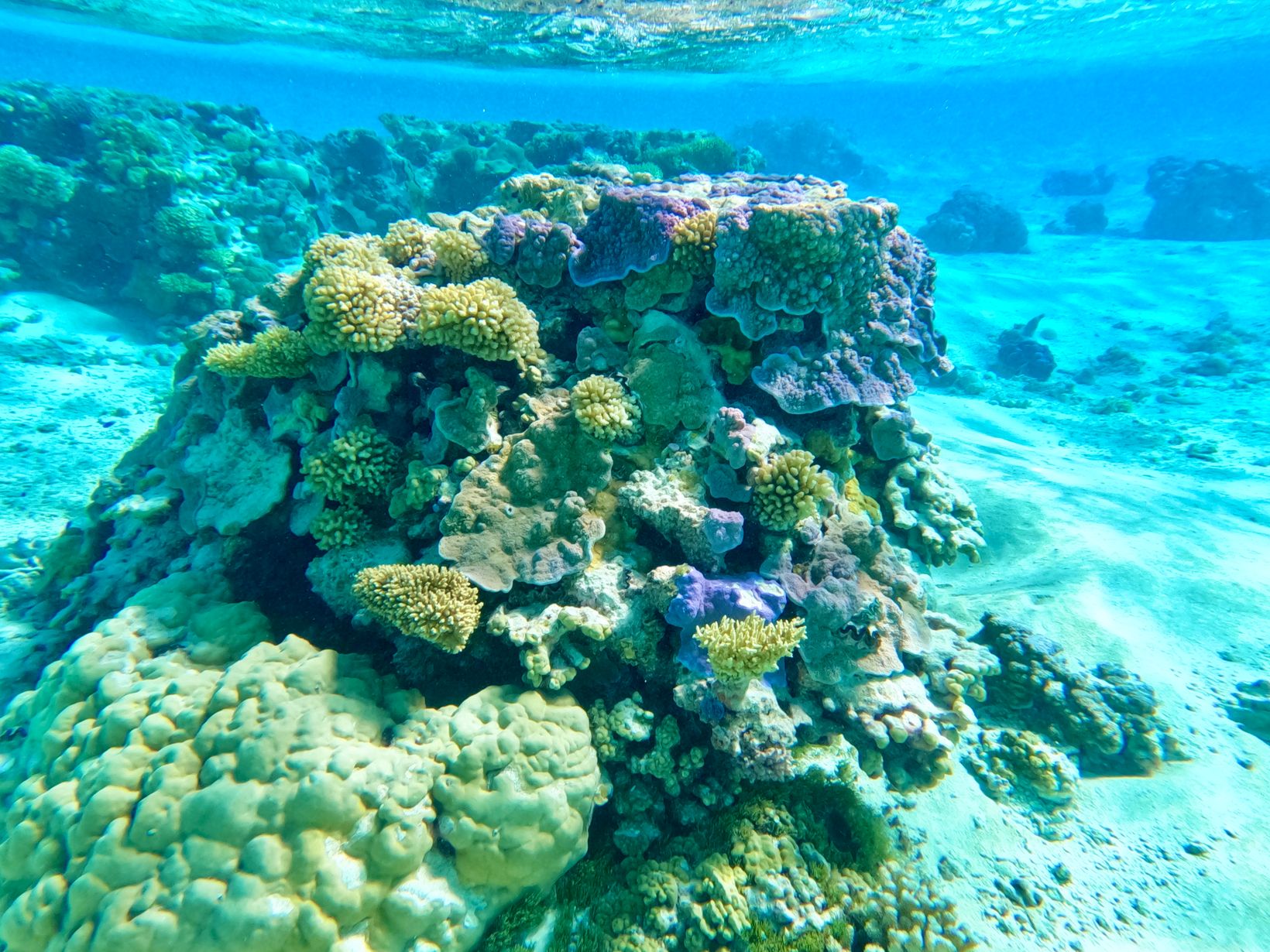
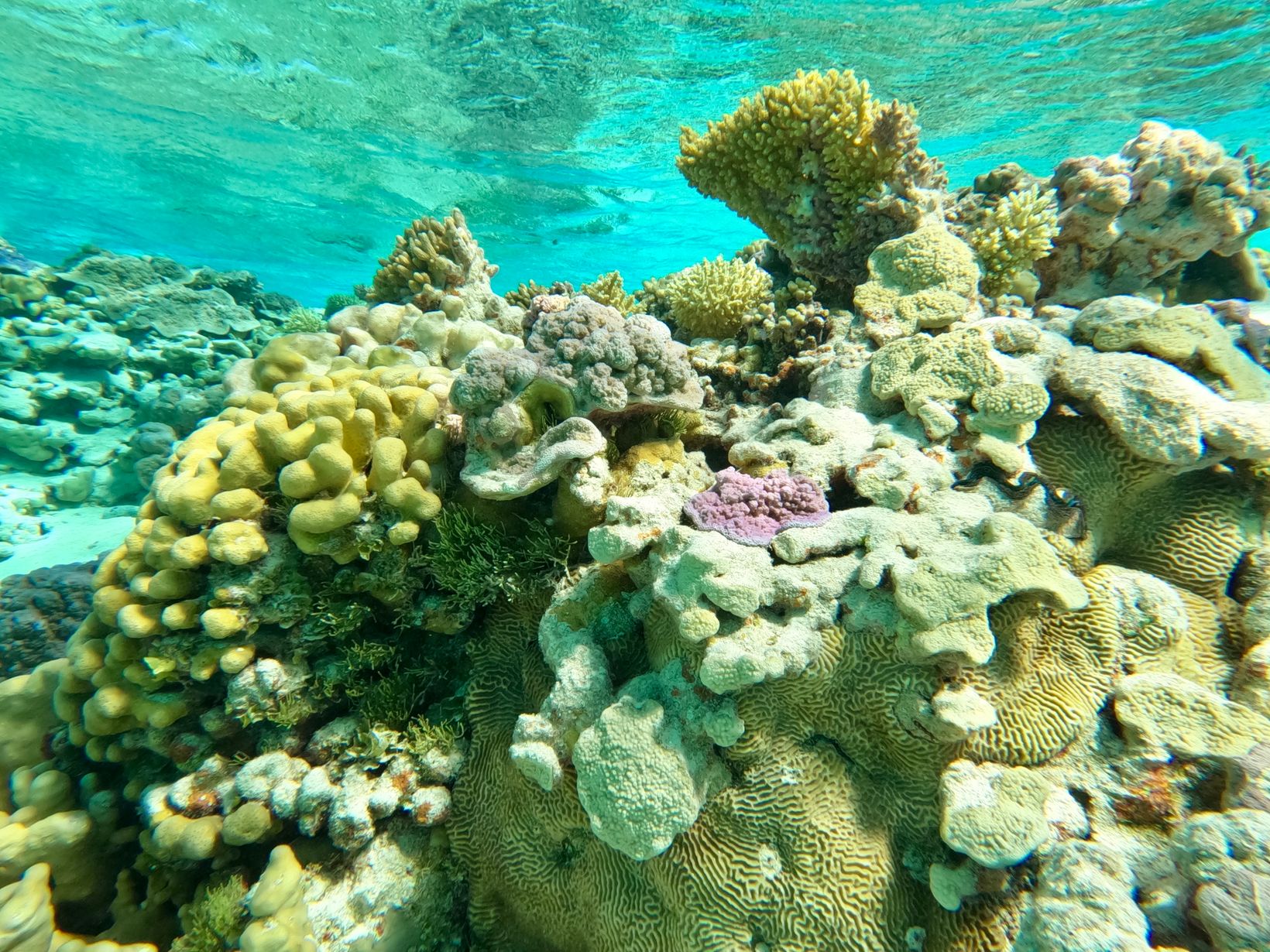
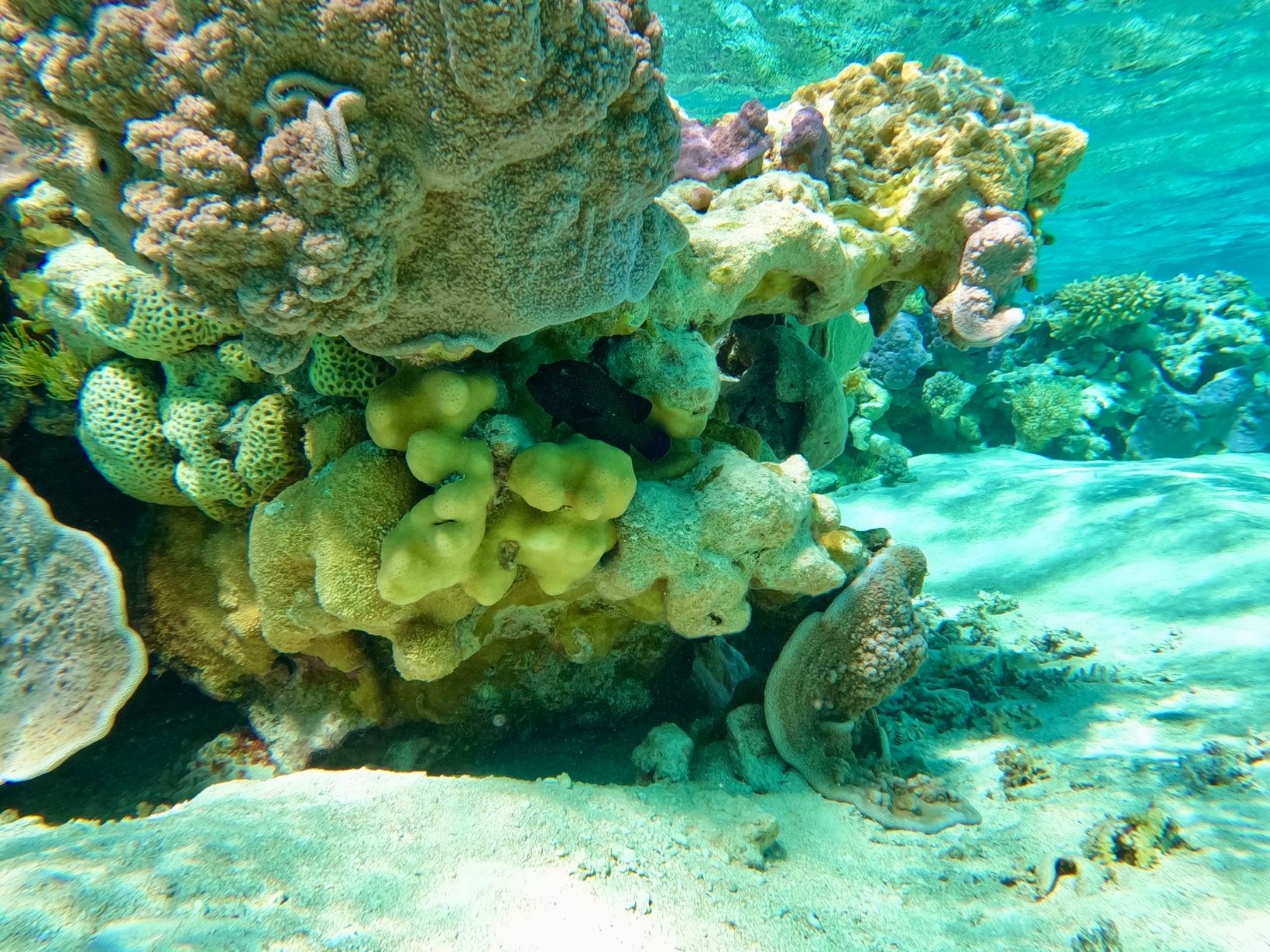
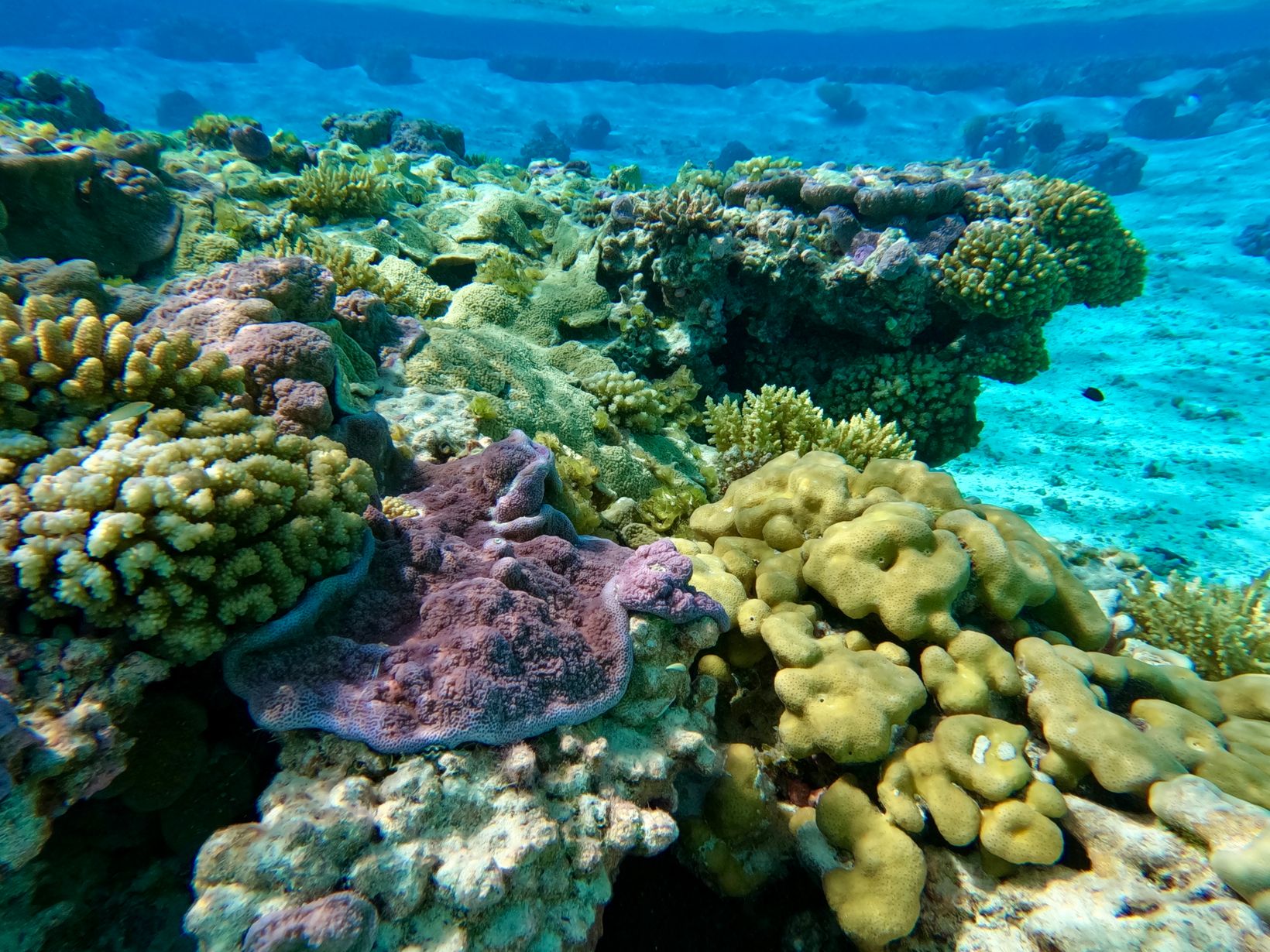
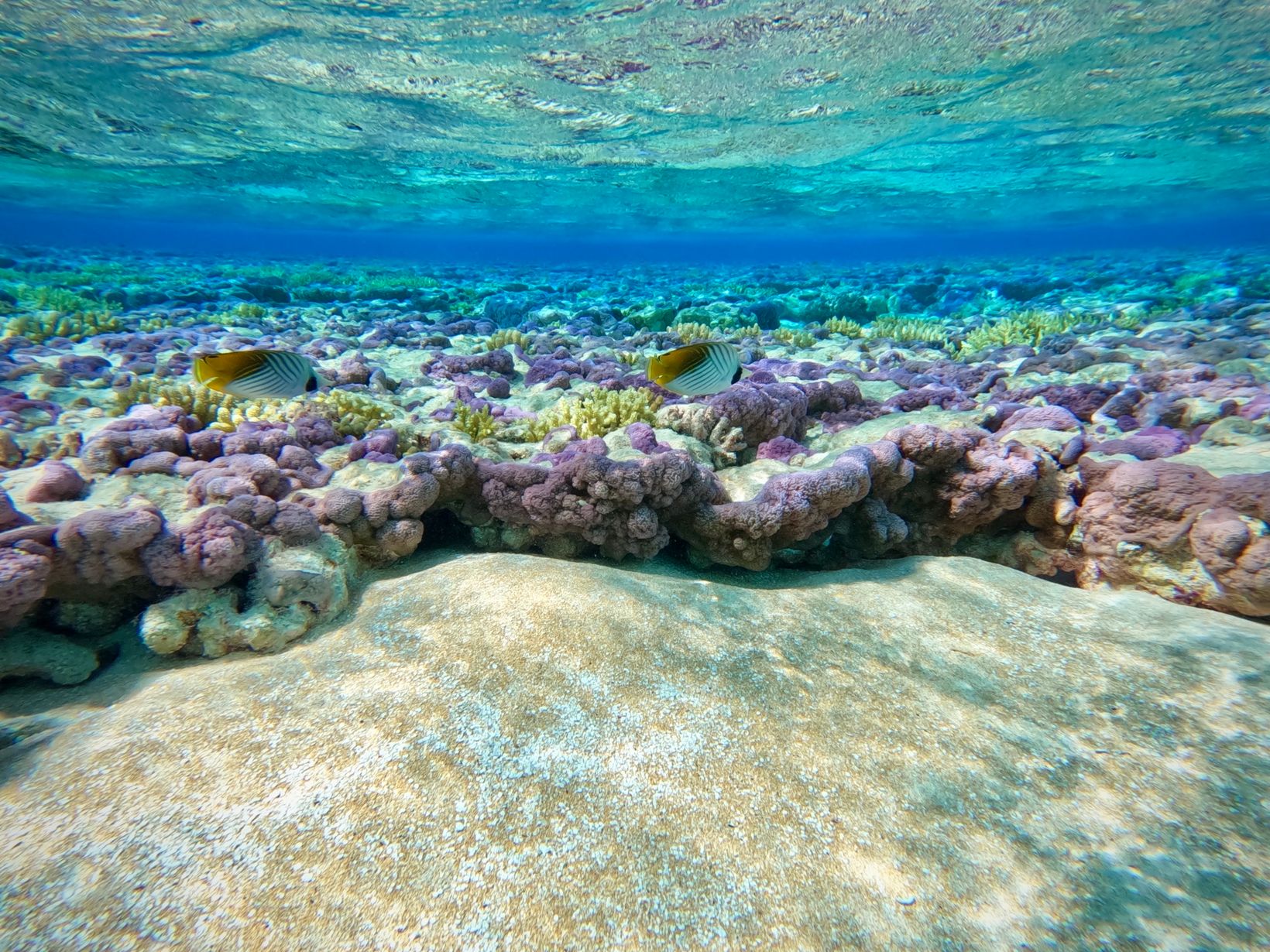
But the most amazing thing of all are the cuts. Every day, vast amounts of water surge through the openings in the atoll’s ring. This constant current creates unique formations. In the deeper areas, you can find rays, turtles, giant napoleon fish, lemon sharks, and reef sharks. The space between the corals in the shallower areas teems with small, brightly colored fish.
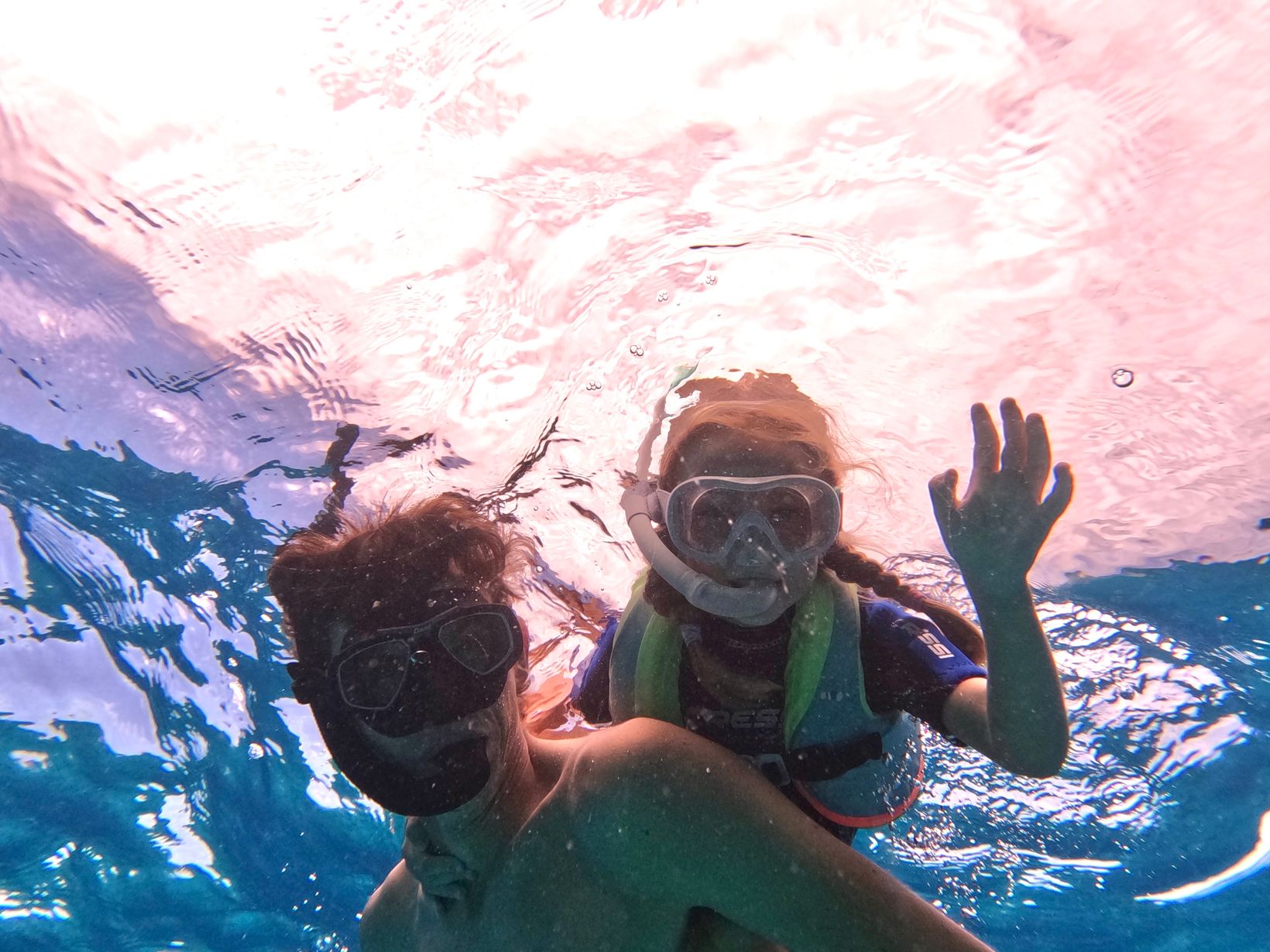
Despite the relatively warm water, we usually wear wetsuits. If you float in one spot for a long time while snorkeling or just let yourself drift through the cut, you’ll start to feel cold—even in the warm waters of the South Pacific. The only way to warm up is to swim against the current. But that’s not always doable, even with fins. You can’t swim against a current of about six knots. That’s why planning is essential; we take advantage of slack water or the incoming current. After all, we don’t want to end up in the open ocean. We take the dinghy as far out of the pass as the waves allow on any given day, then let the current carry us back in.
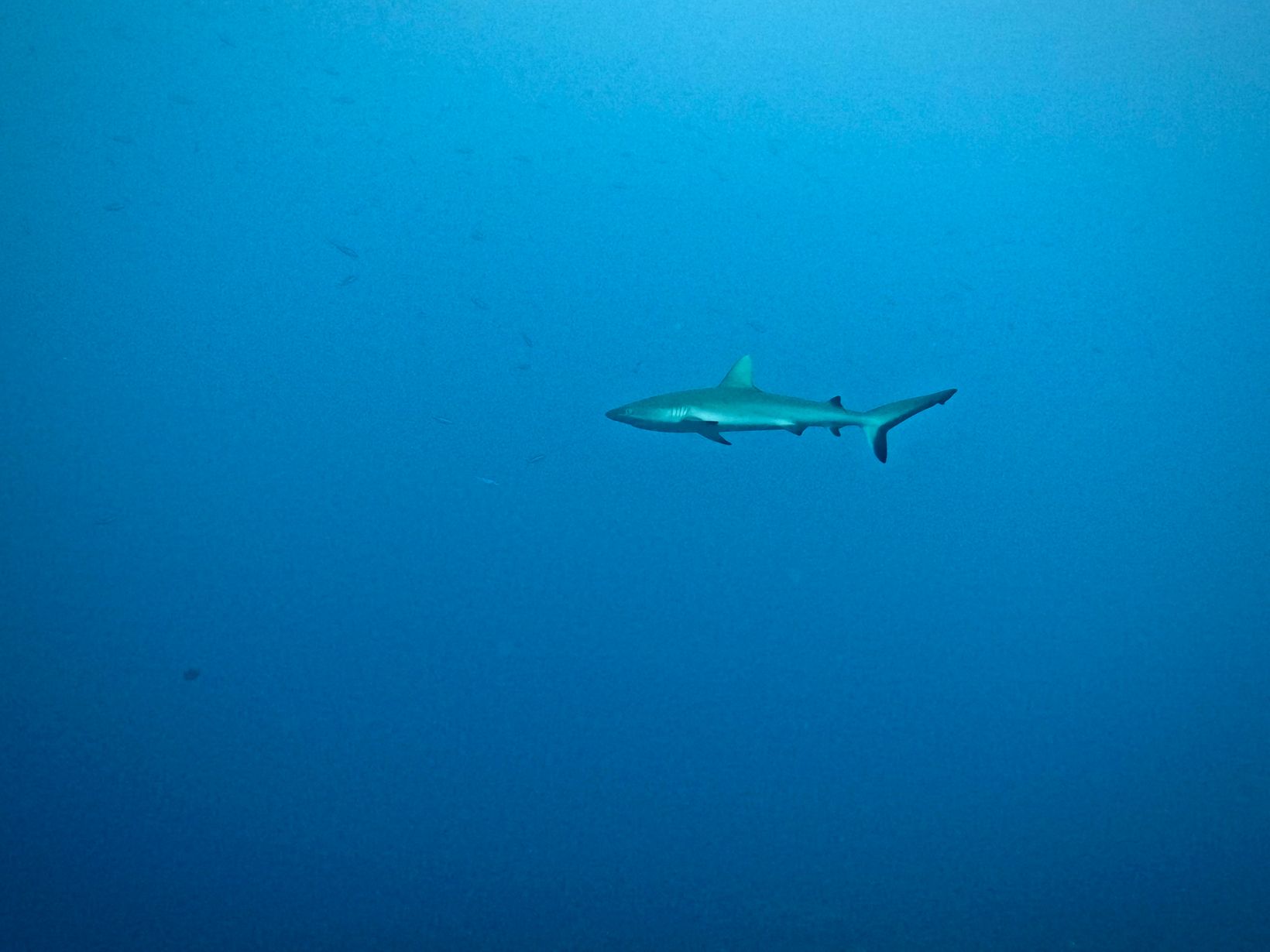
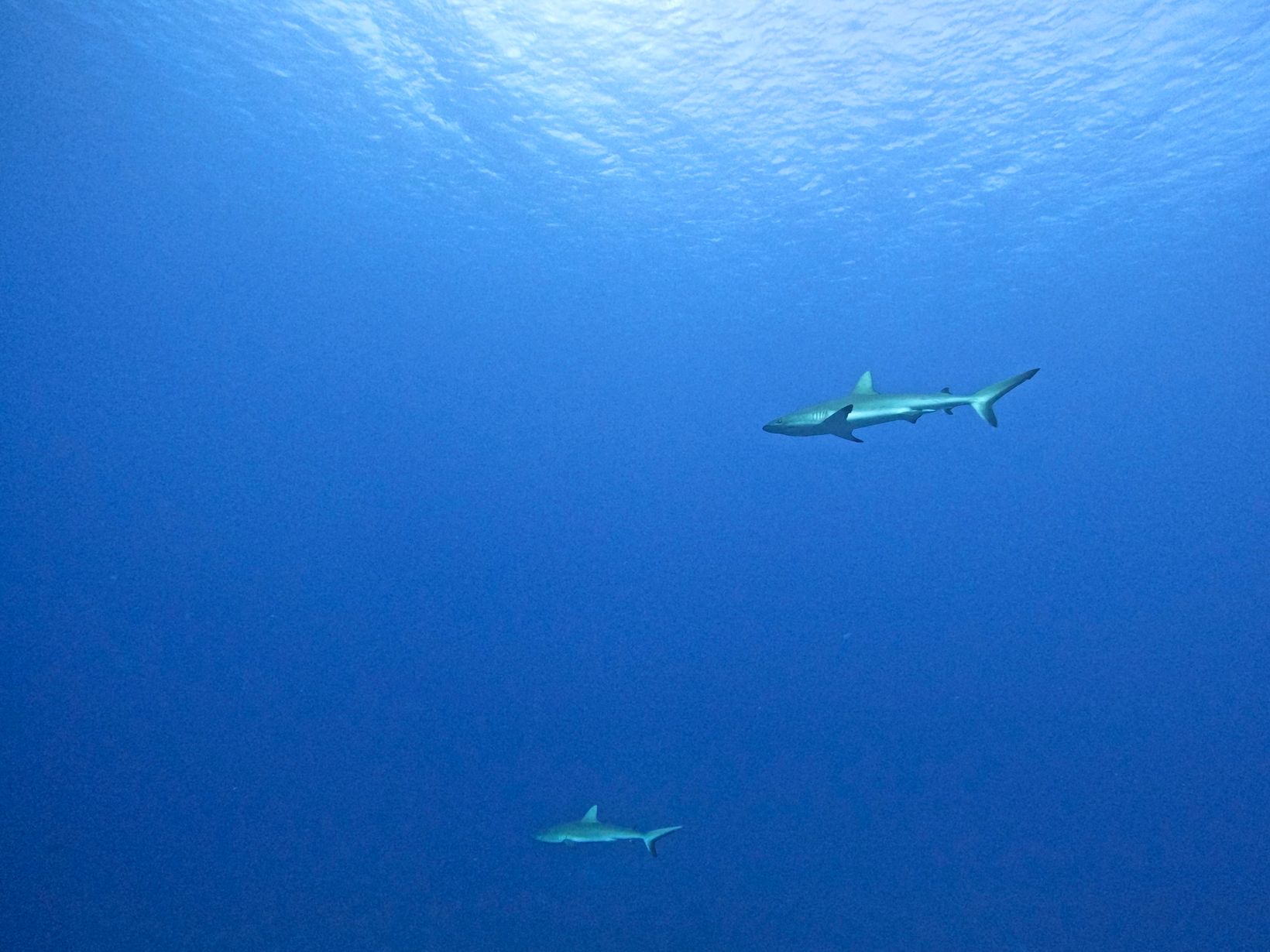
Fakarava holds a special place in the Tuamotu diving program. Two things make it an underwater highlight for tourists: the abundance of gray reef sharks and blacktip reef sharks in the “Wall of Sharks,” and the annual breeding ritual of the groupers. For almost all sharks, moving through the water is essential for survival. Thanks to the current in the cut, they don’t have to do much. They simply hover in place while the water moves around them. The sharks gather in Fakarava especially in July during the full moon. That’s when thousands of groupers come here and, as if on command, release their eggs into the water. The current disperses the eggs perfectly. The sharks have a feast of snapper. And the divers, in turn, have a blast watching them. Two local dive schools offer day and night tours. We stick to the day trips, during which the sharks show no appetite for feeding and peacefully swim their formations.