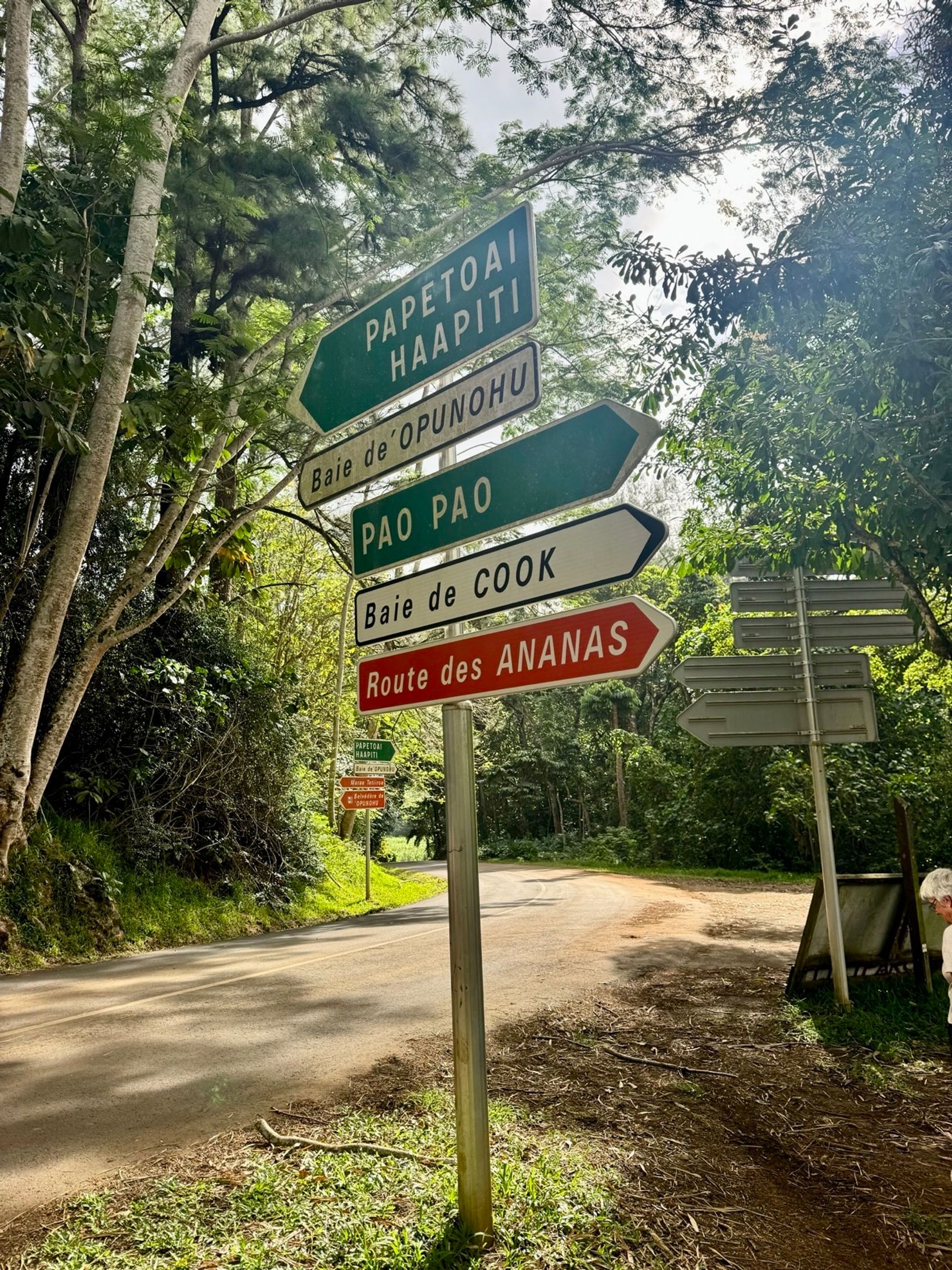
Sign of the Pineapple
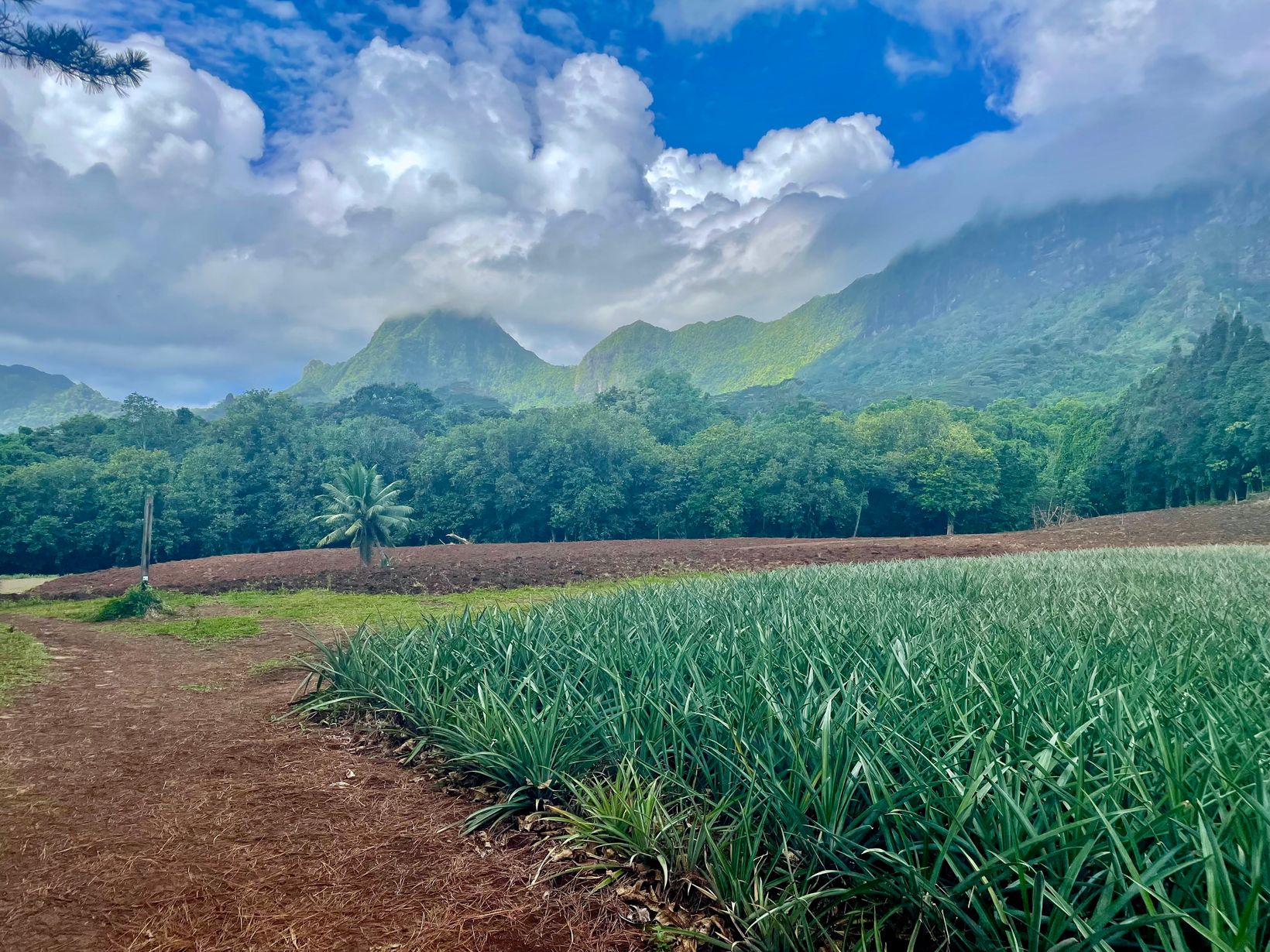
The Society Islands are home to an abundance of tropical fruits. However, when it comes to pineapples, Moorea reigns. The tradition of cultivating the ‘Queen of Tahiti’ pineapple dates back many years.
Rotui is the go-to fruit juice brand in French Polynesia. Based in Moorea, it supplies every corner shop, no matter how small, on every island. Pineapple juice, known as ‘Painapo’, is at the heart of its production. However, the product range has since expanded significantly, and the company now invites visitors to take a tour of the factory, followed by a tasting session in the gift shop. In addition to various juices, alcoholic beverages are also available for tasting, including sparkling wine and wine, which are made from pineapples.
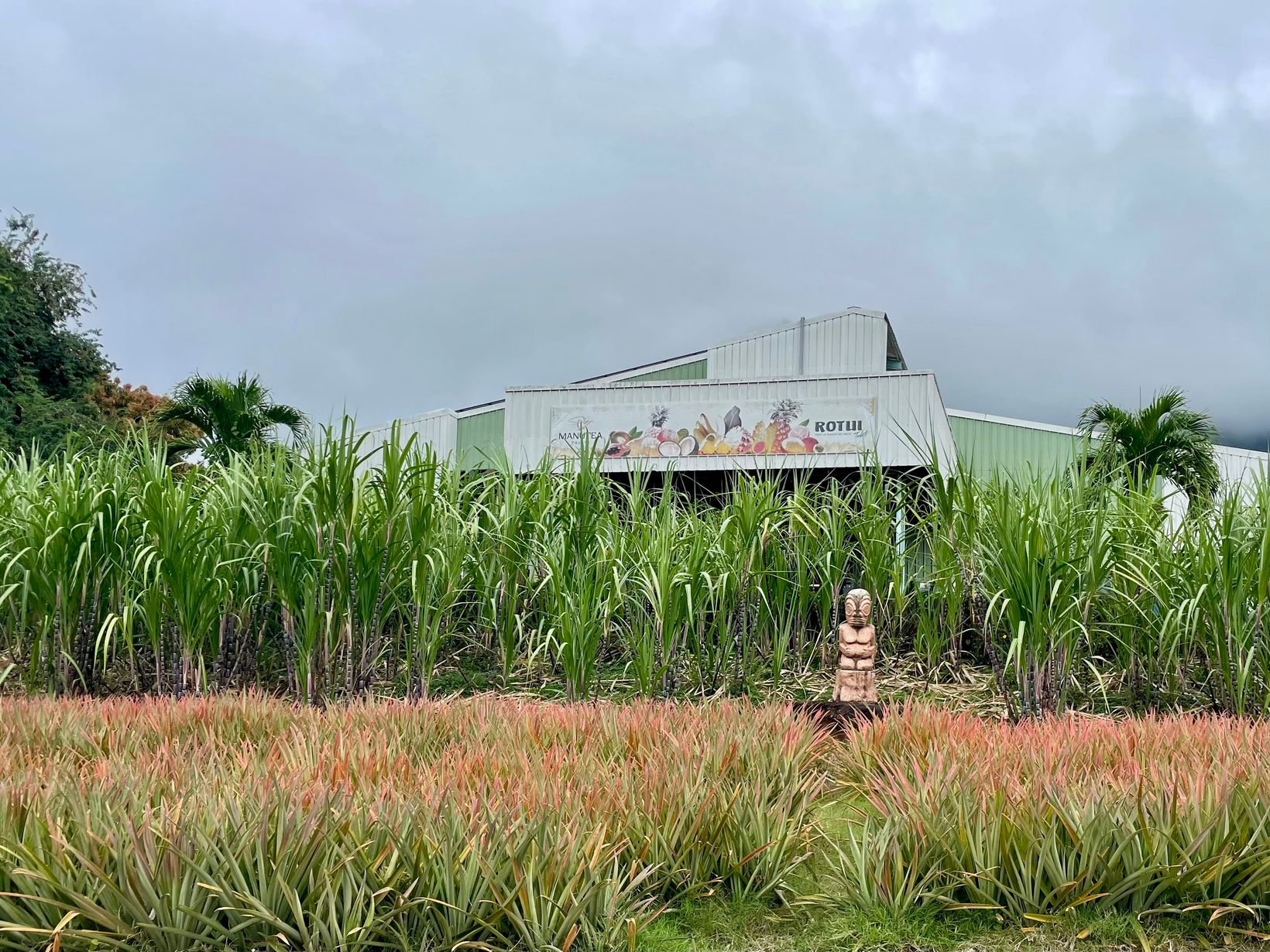
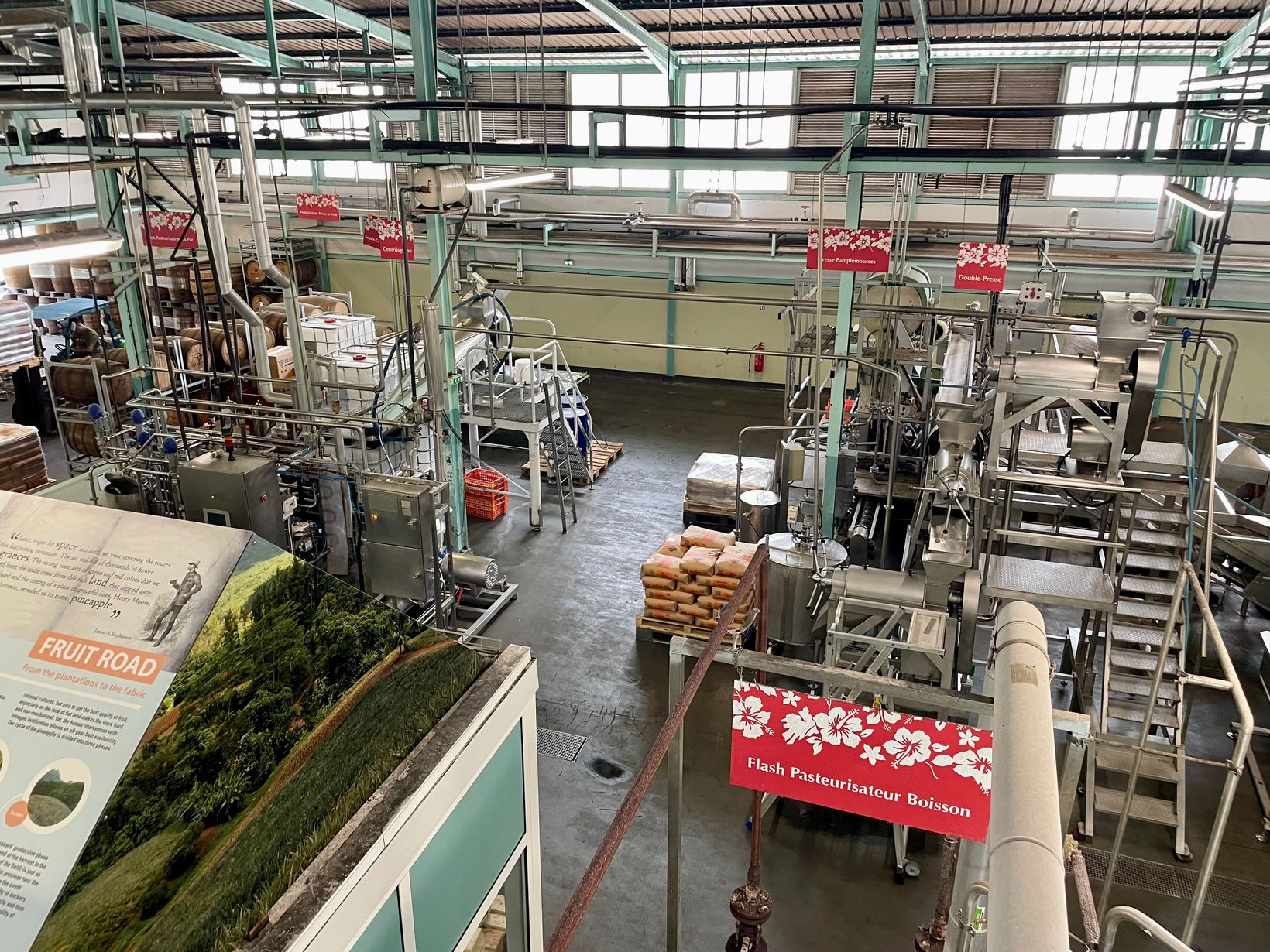
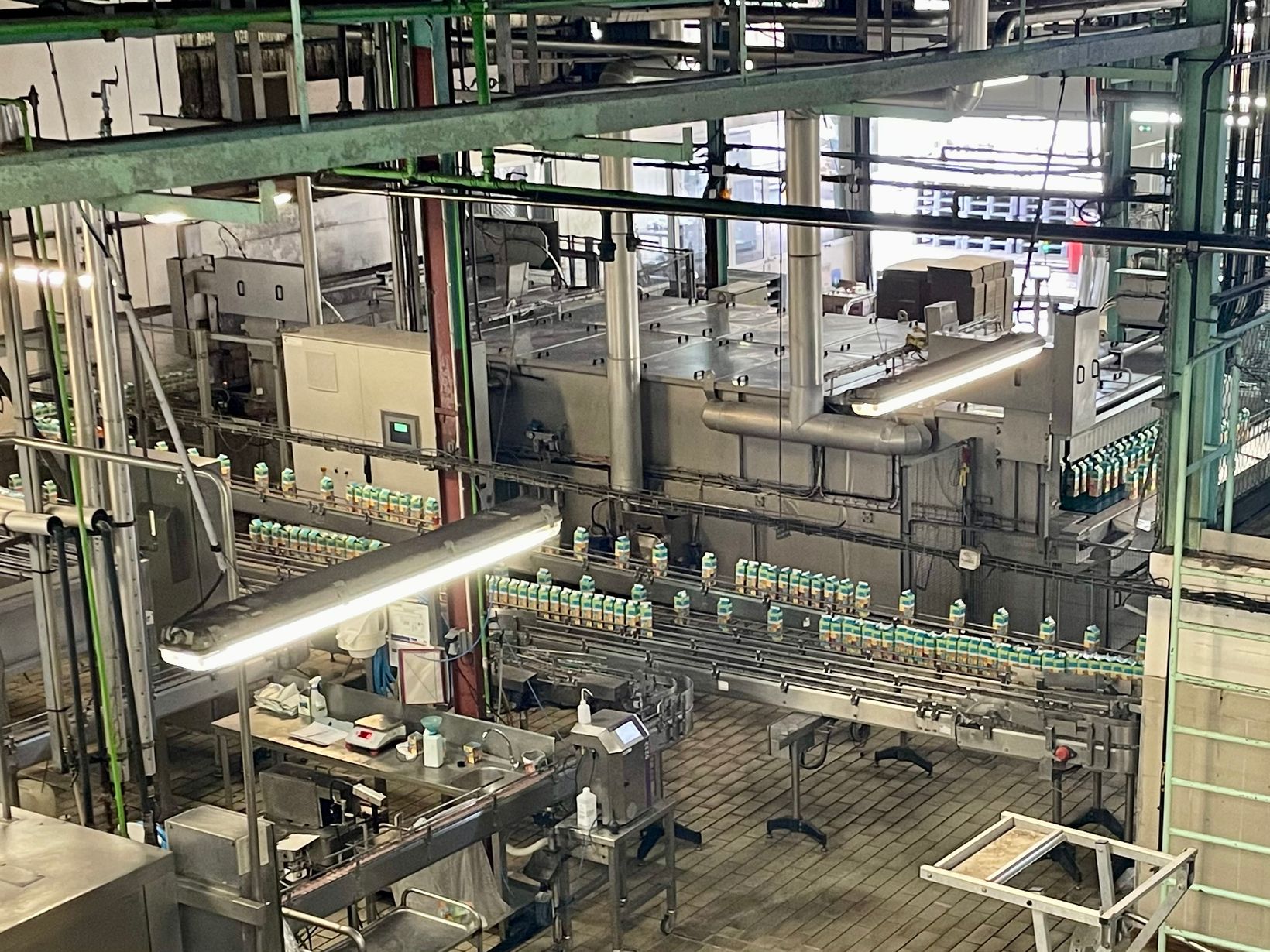
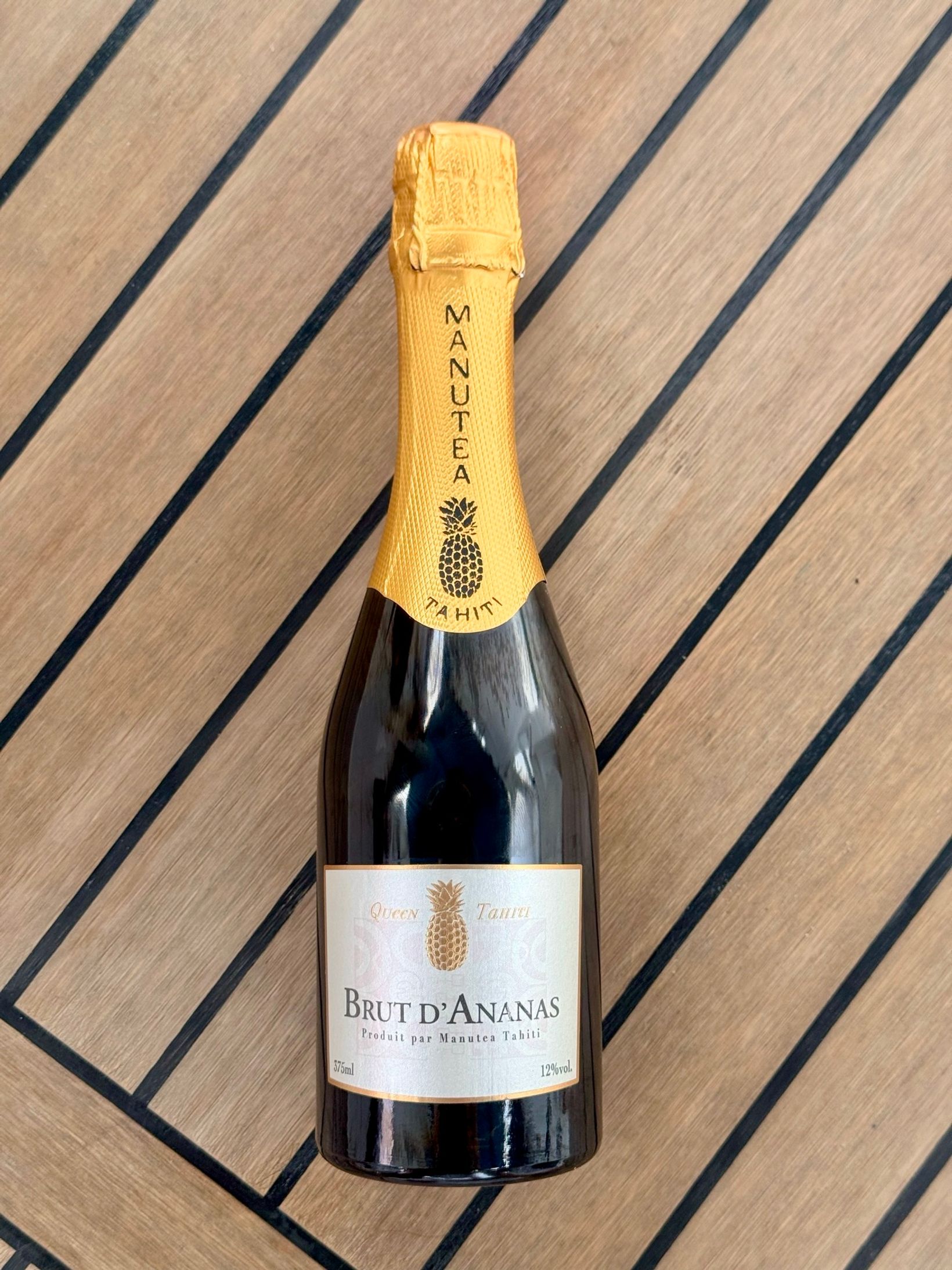
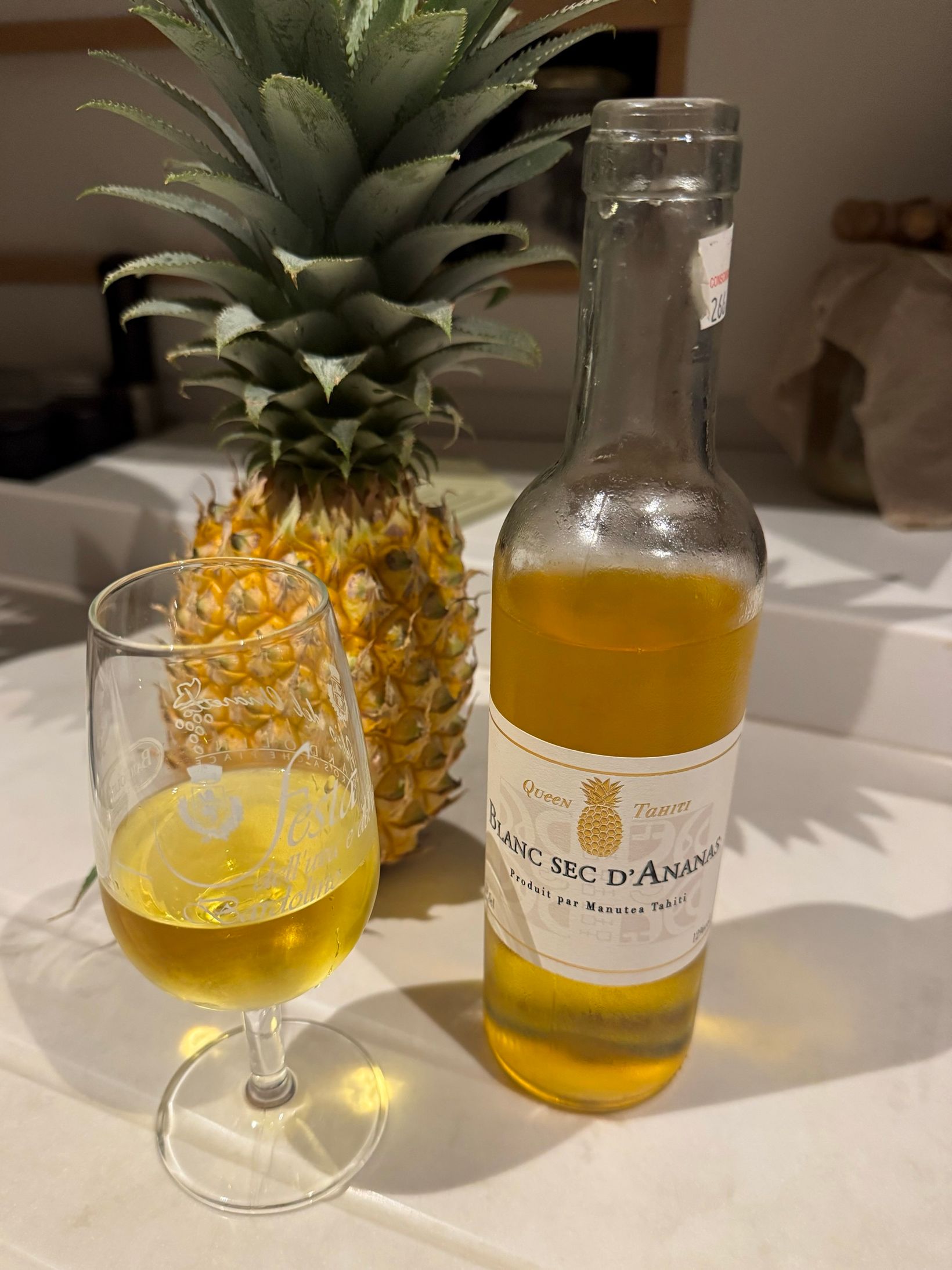
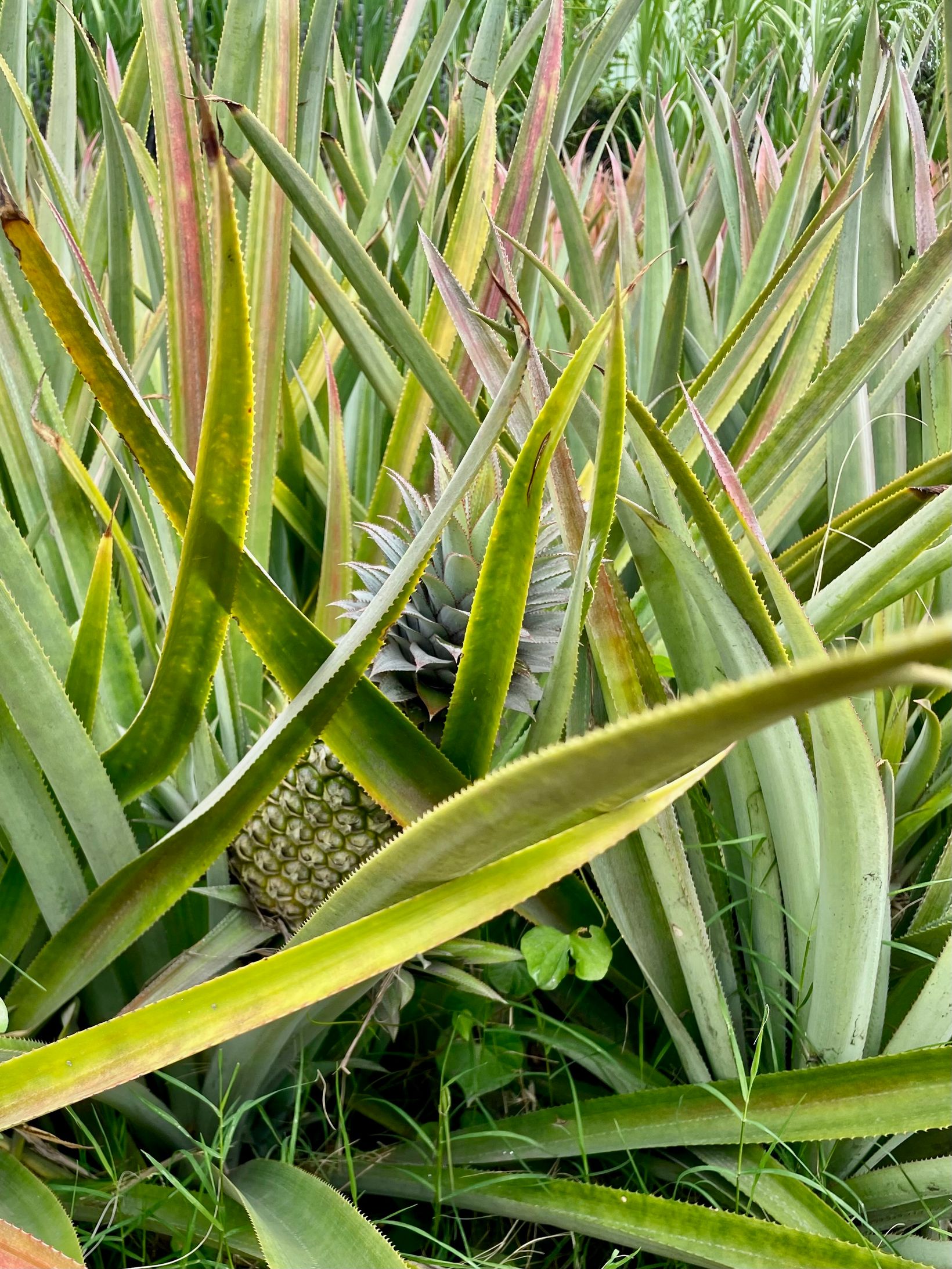
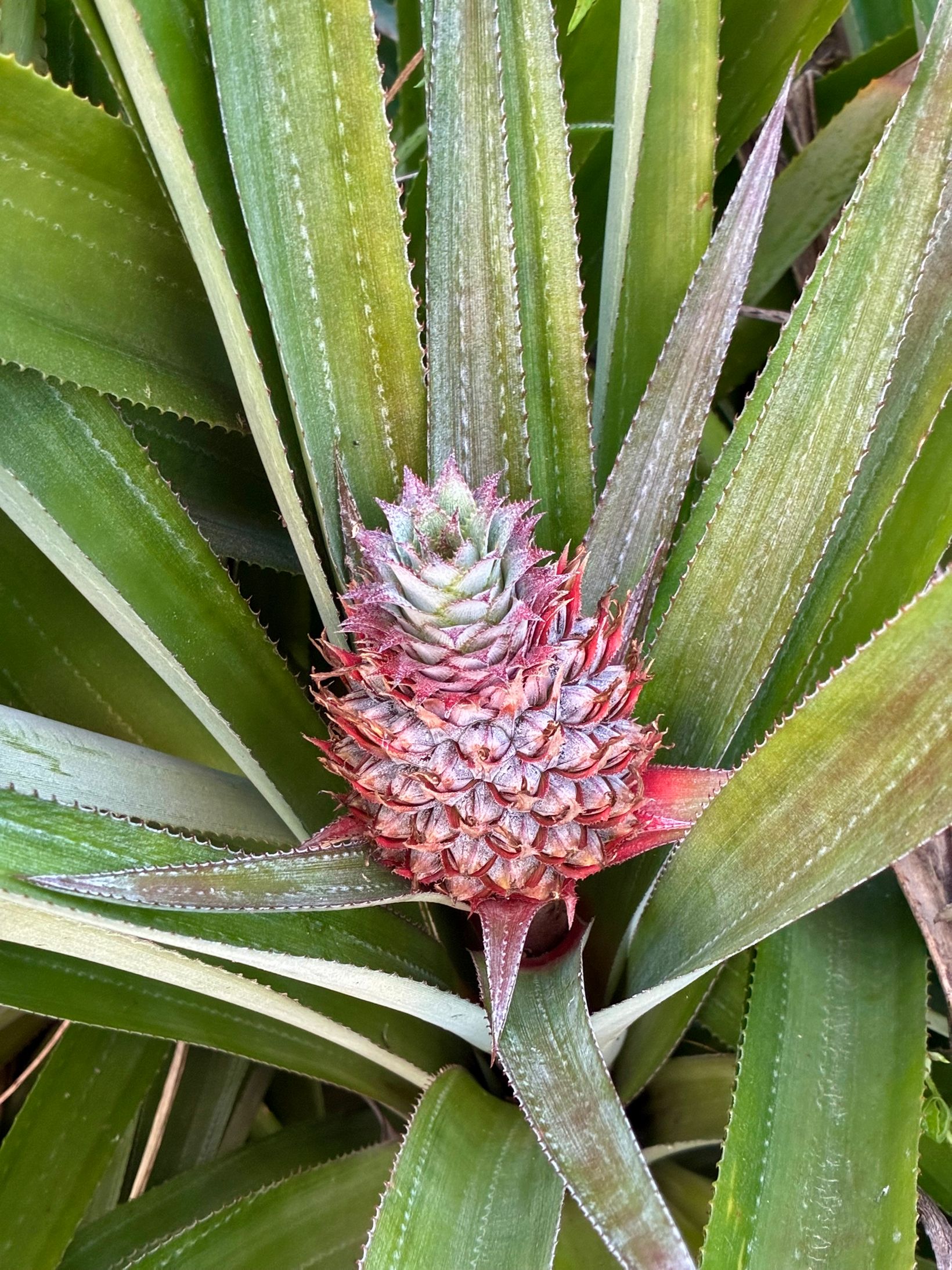
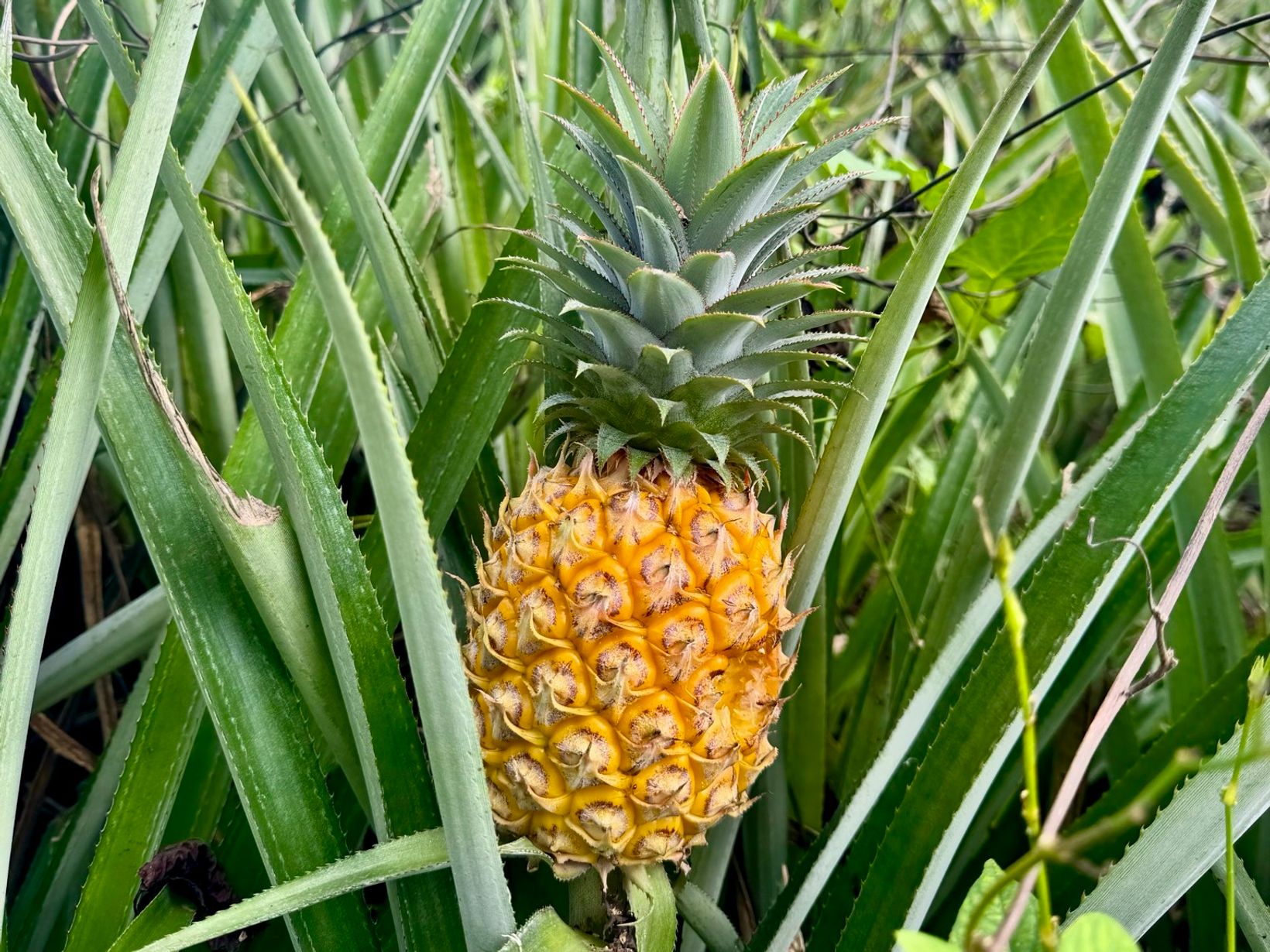
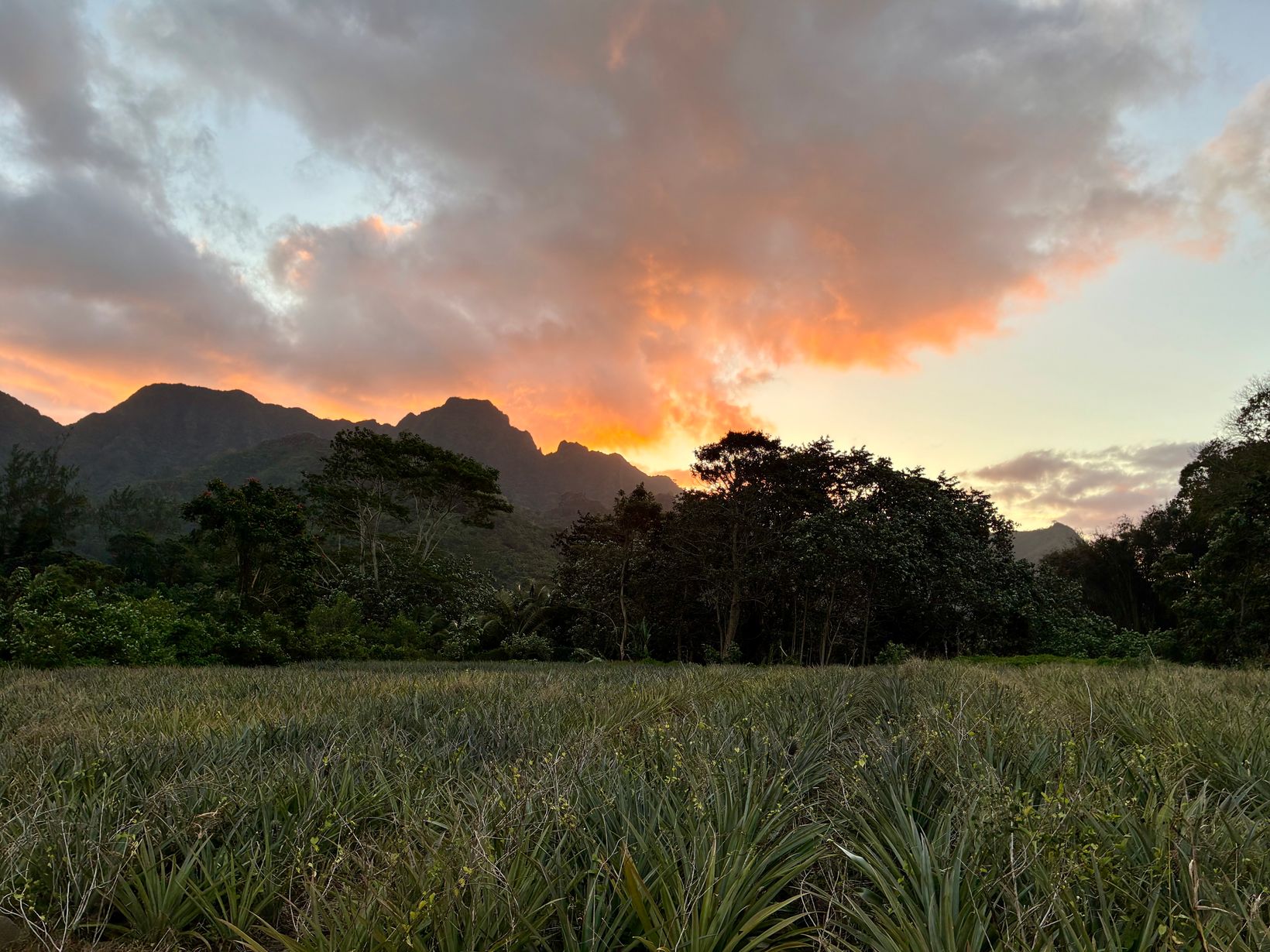
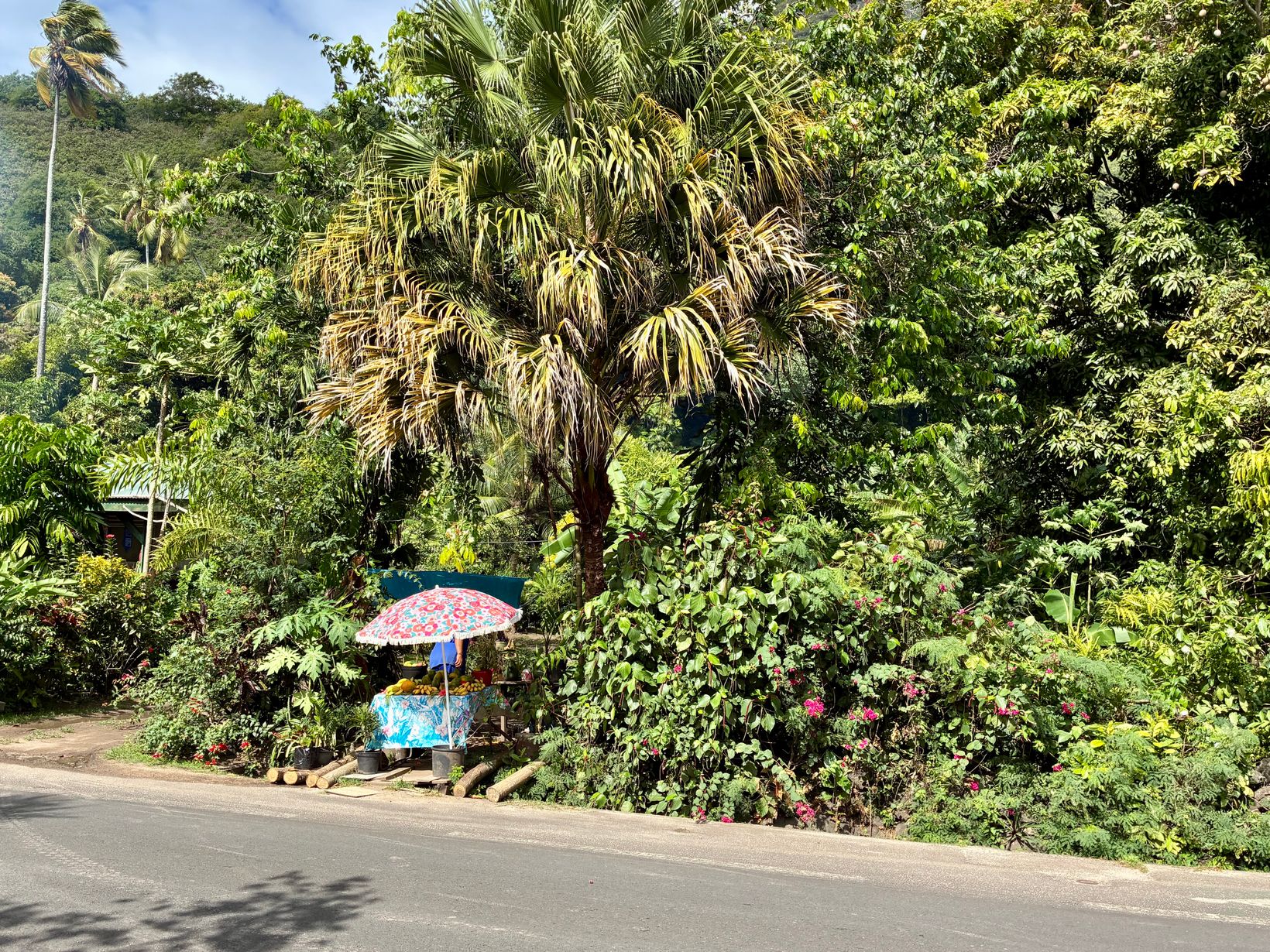
Although Rotui has achieved near-cult status, like Hinano, the Mooreens are at odds with the company. Pineapples and other fruits flourish on the island, yet the company continues to import more and more from abroad. The company has been paying local farmers the same price per kilogram for years, causing one family after another to give up farming. The island now fears the end of its icon.
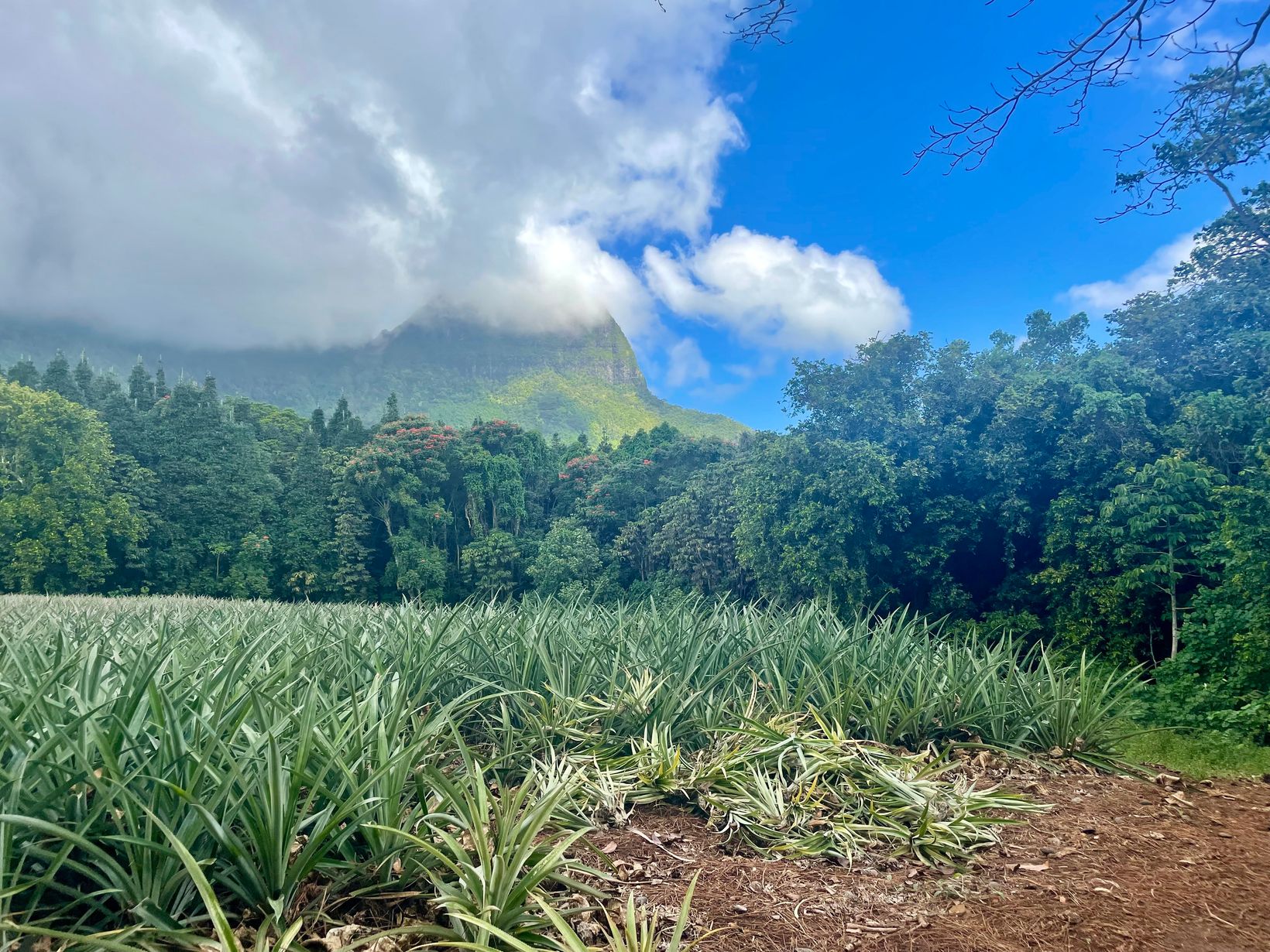
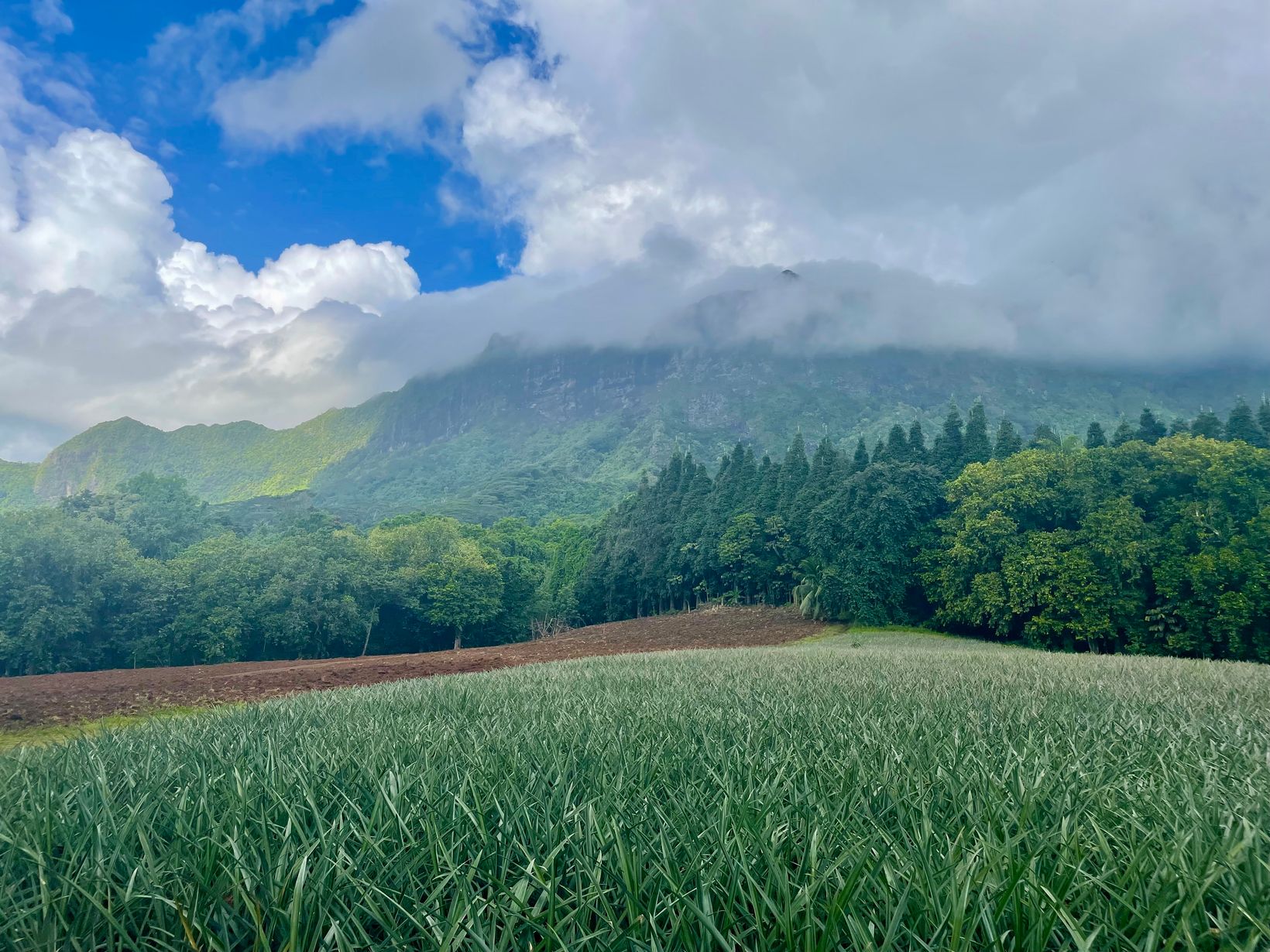
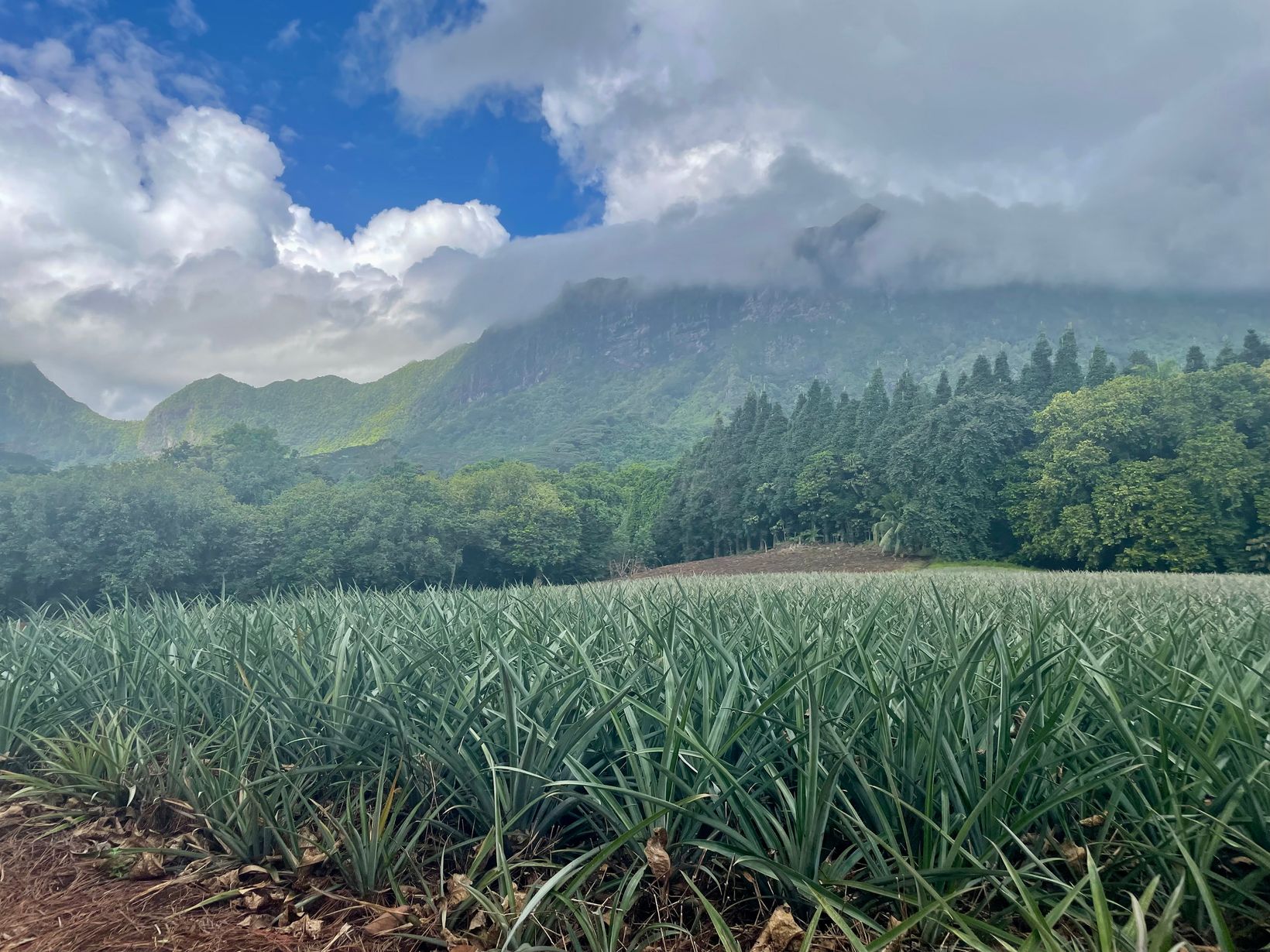
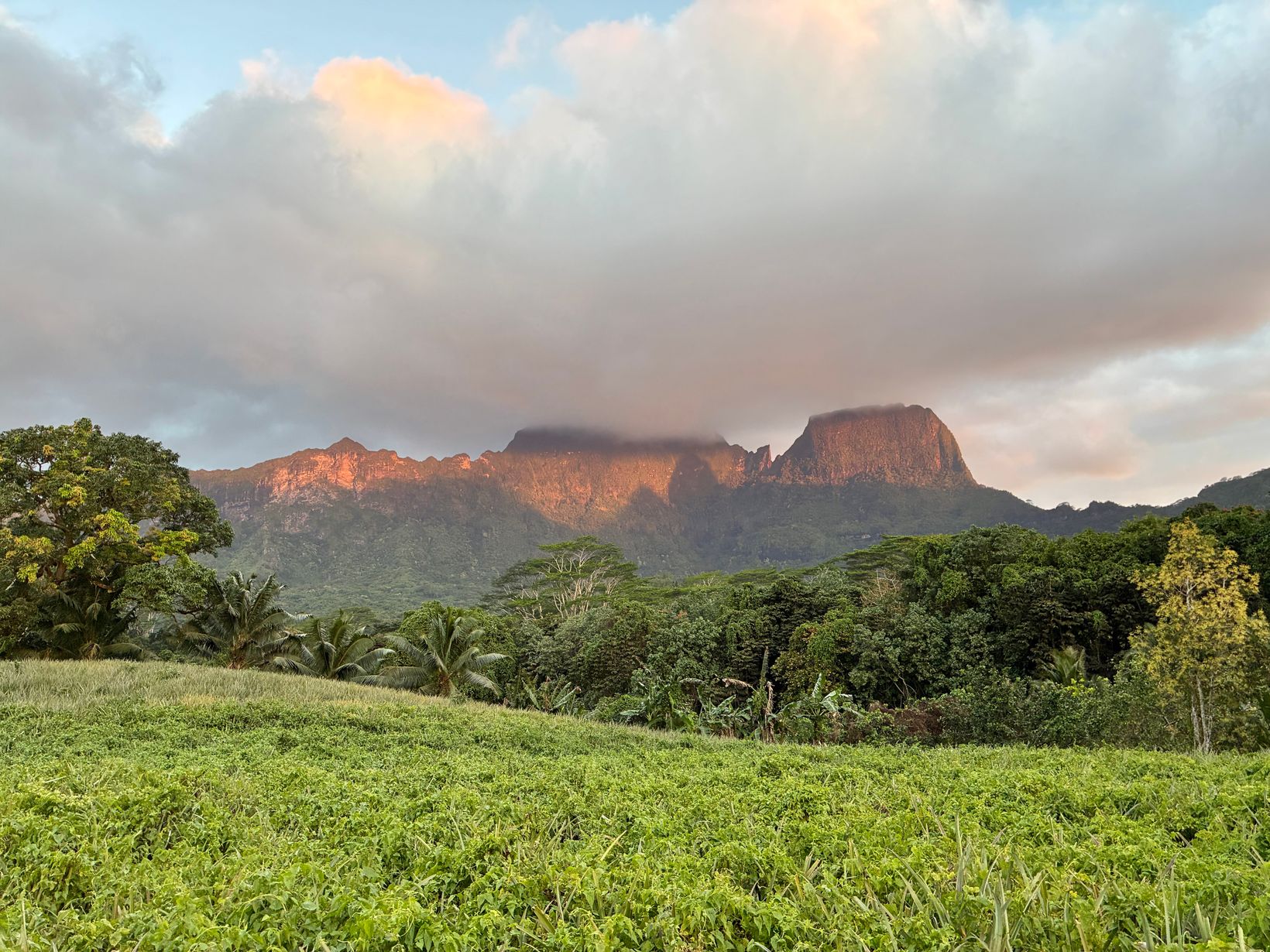
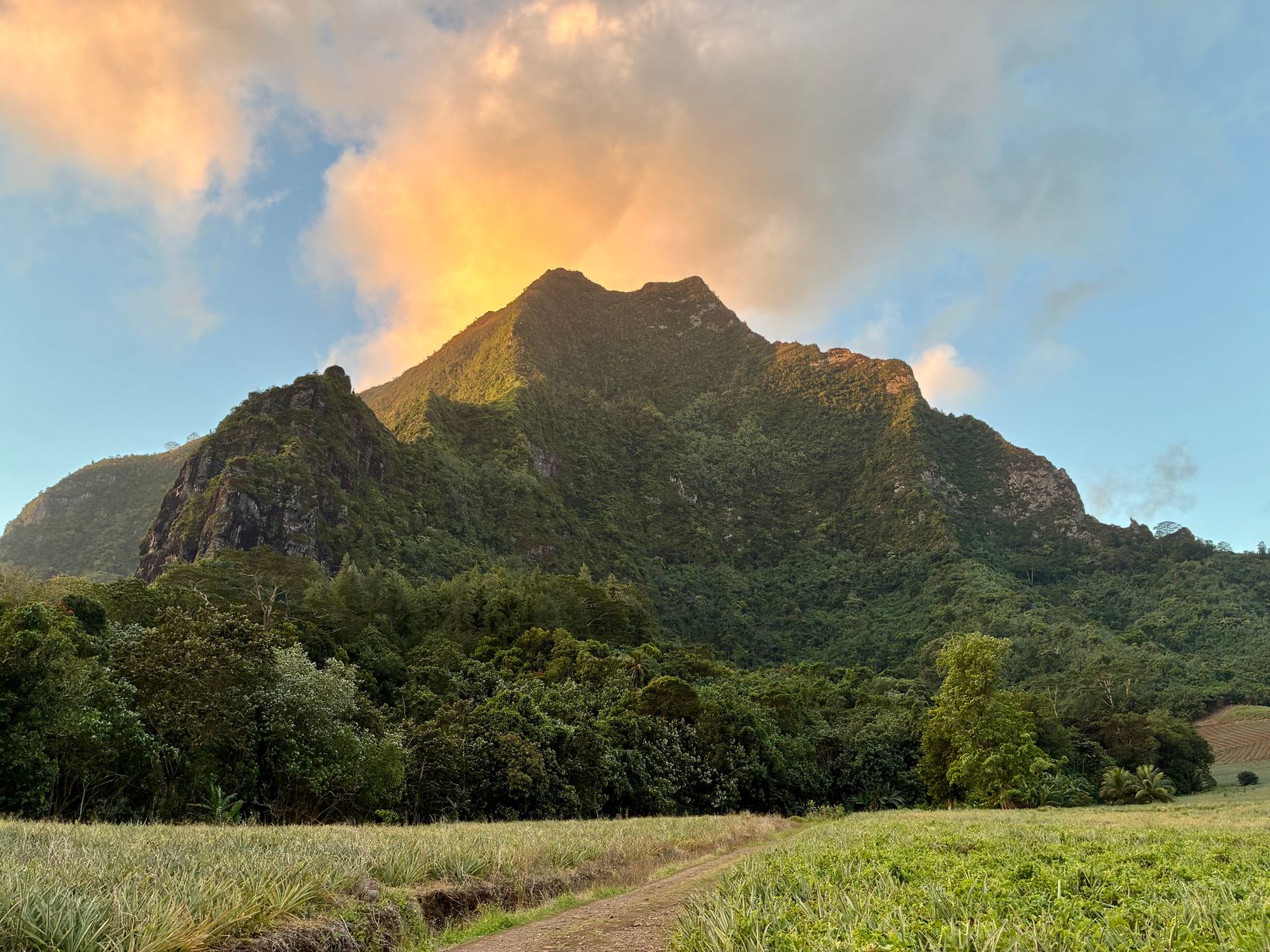
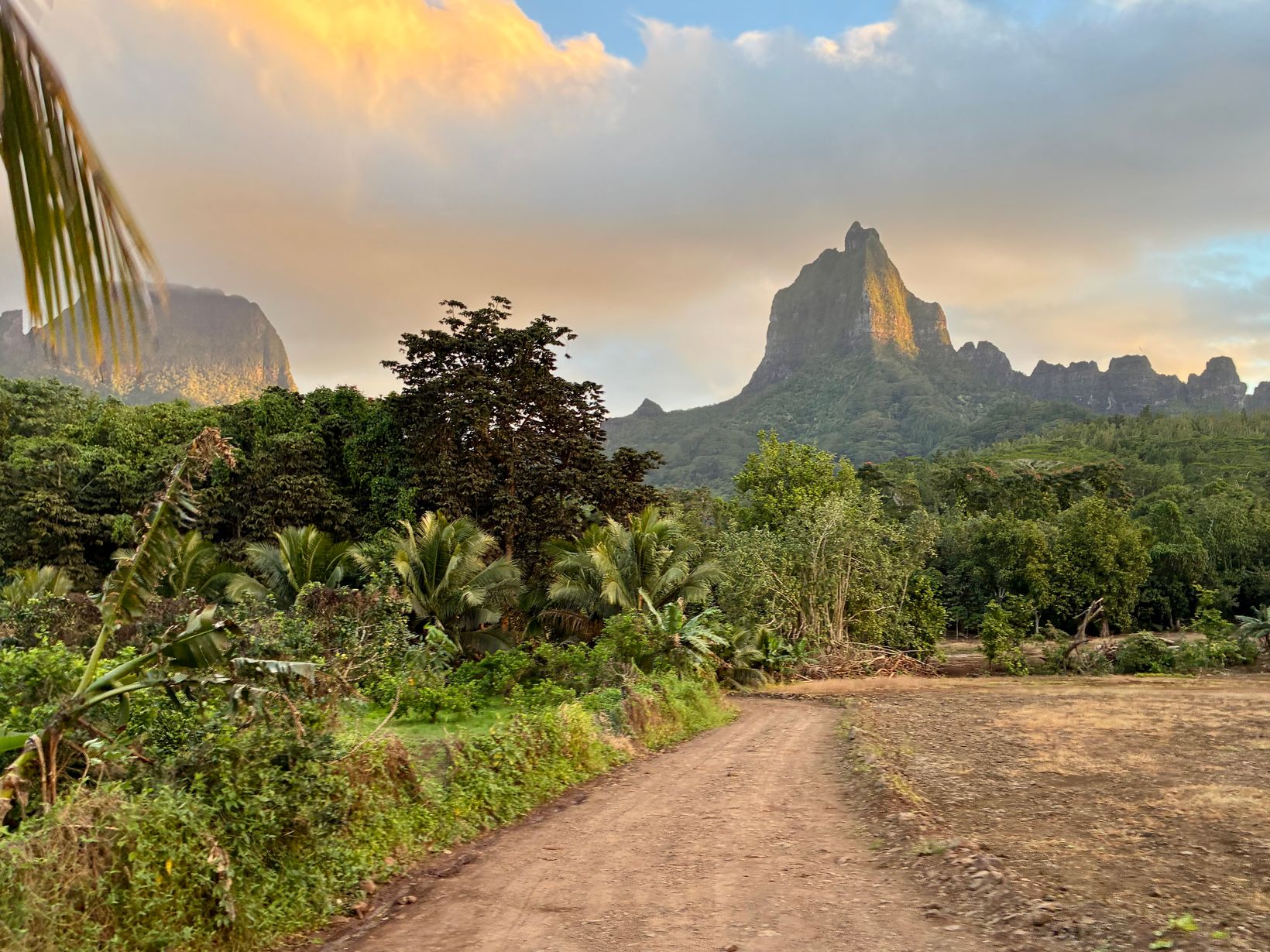
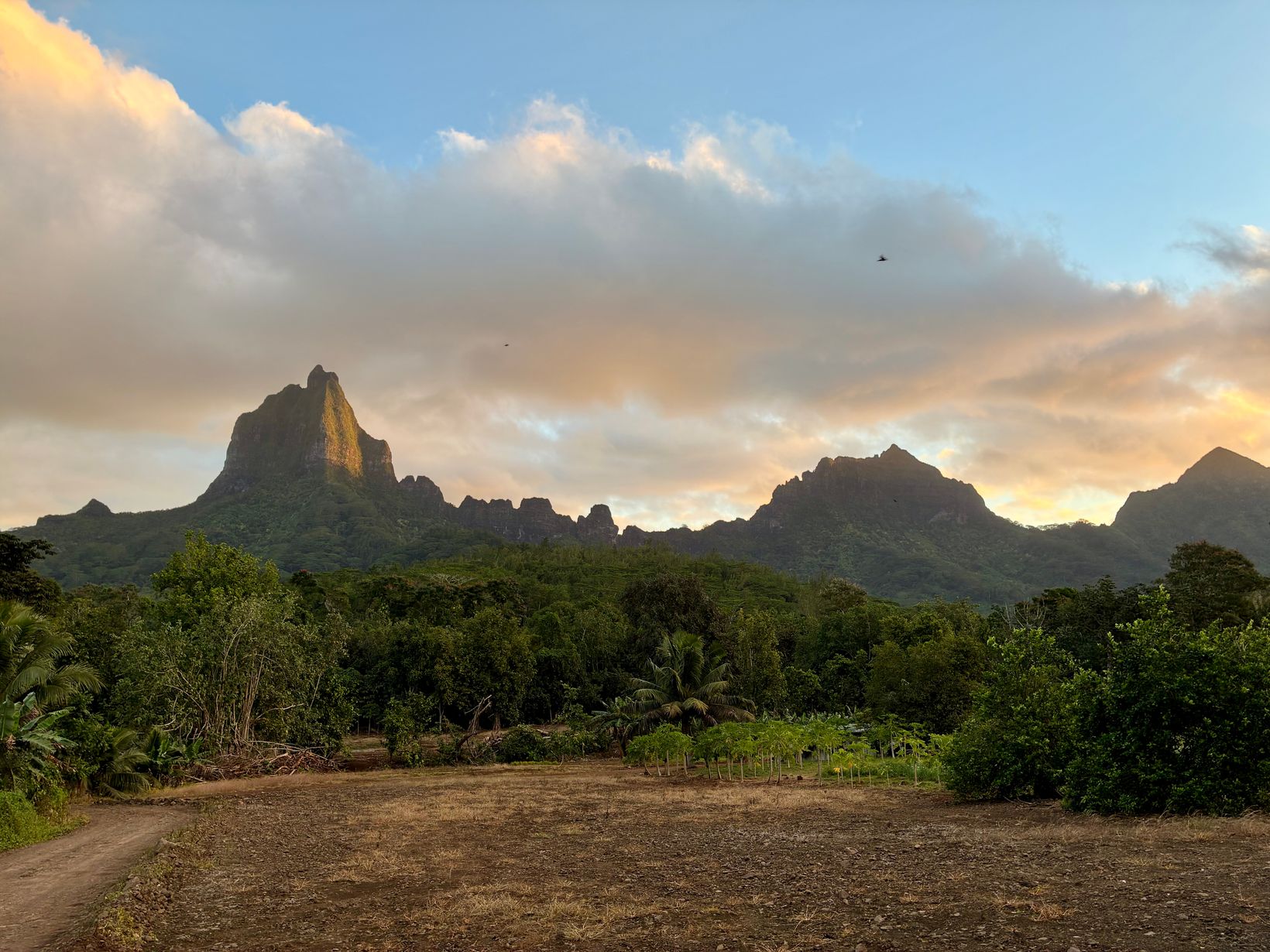
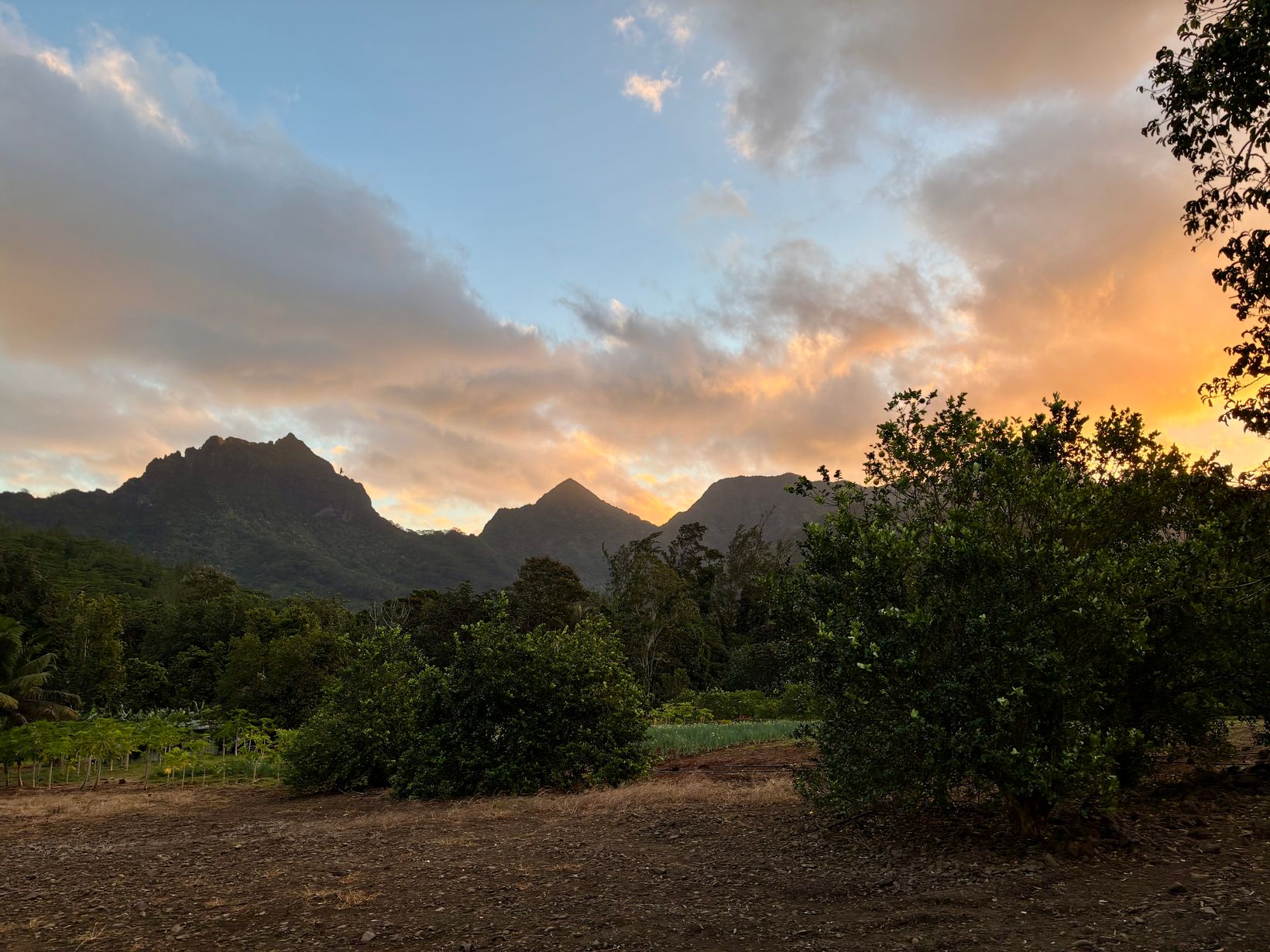
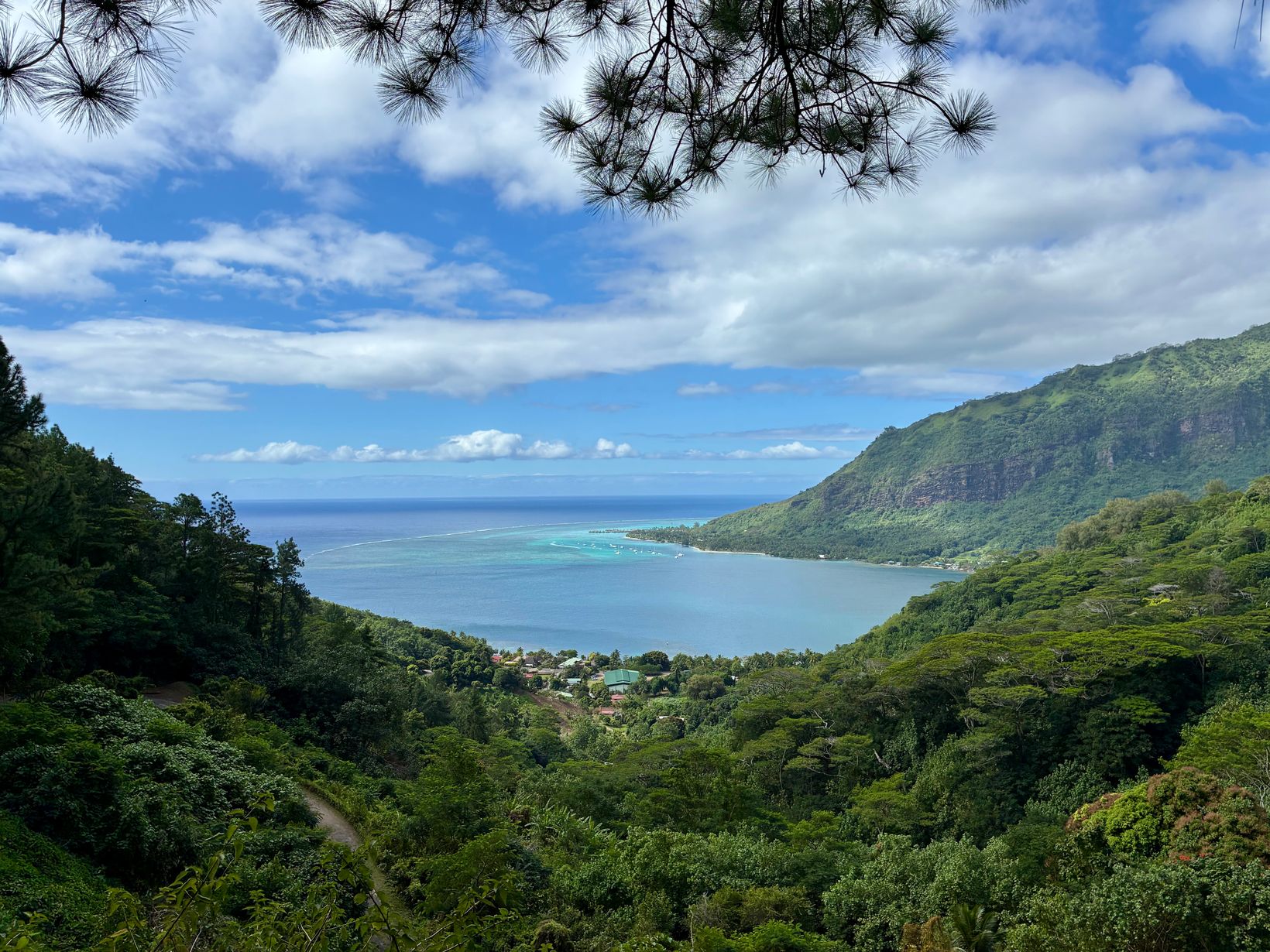
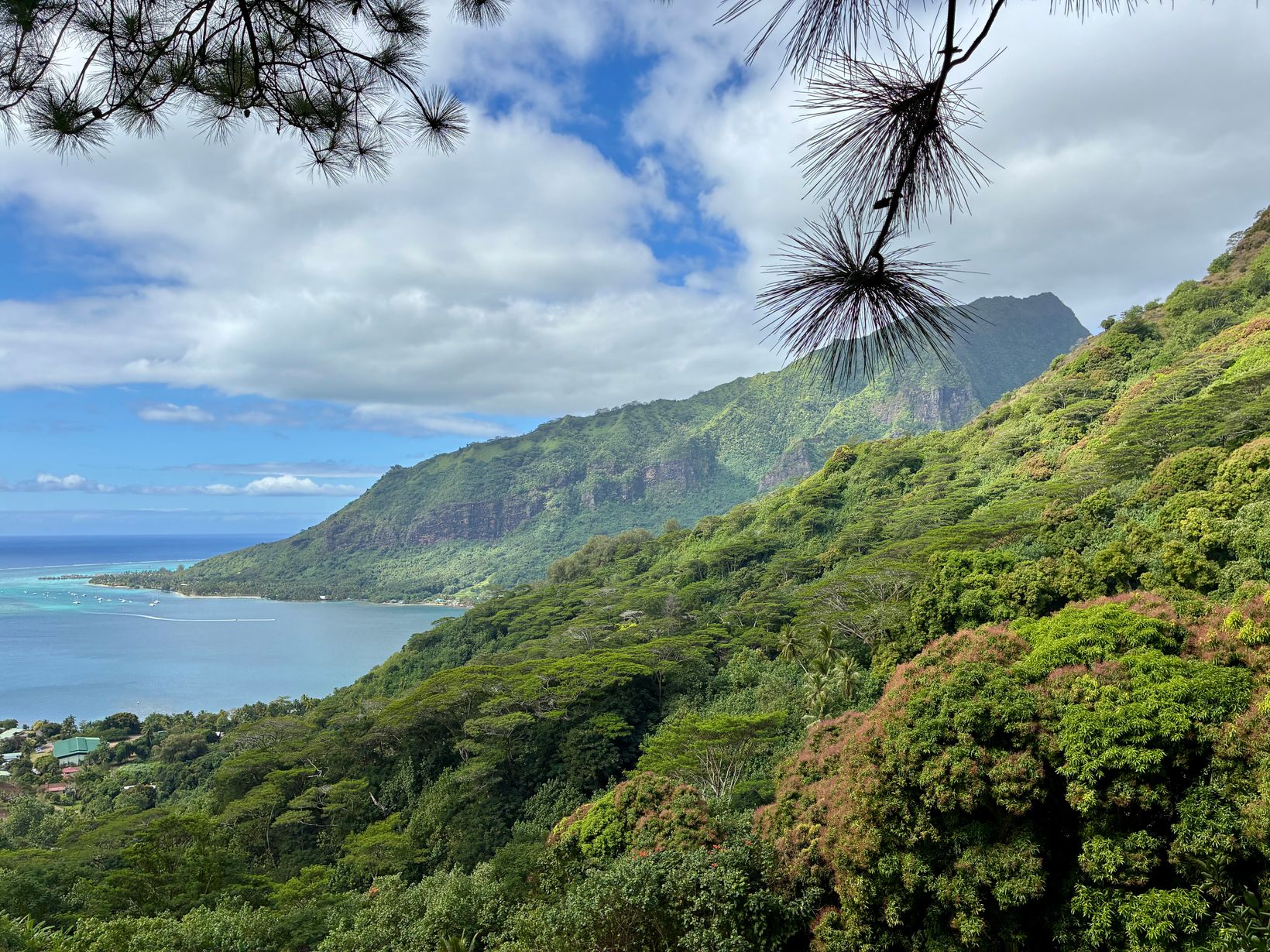
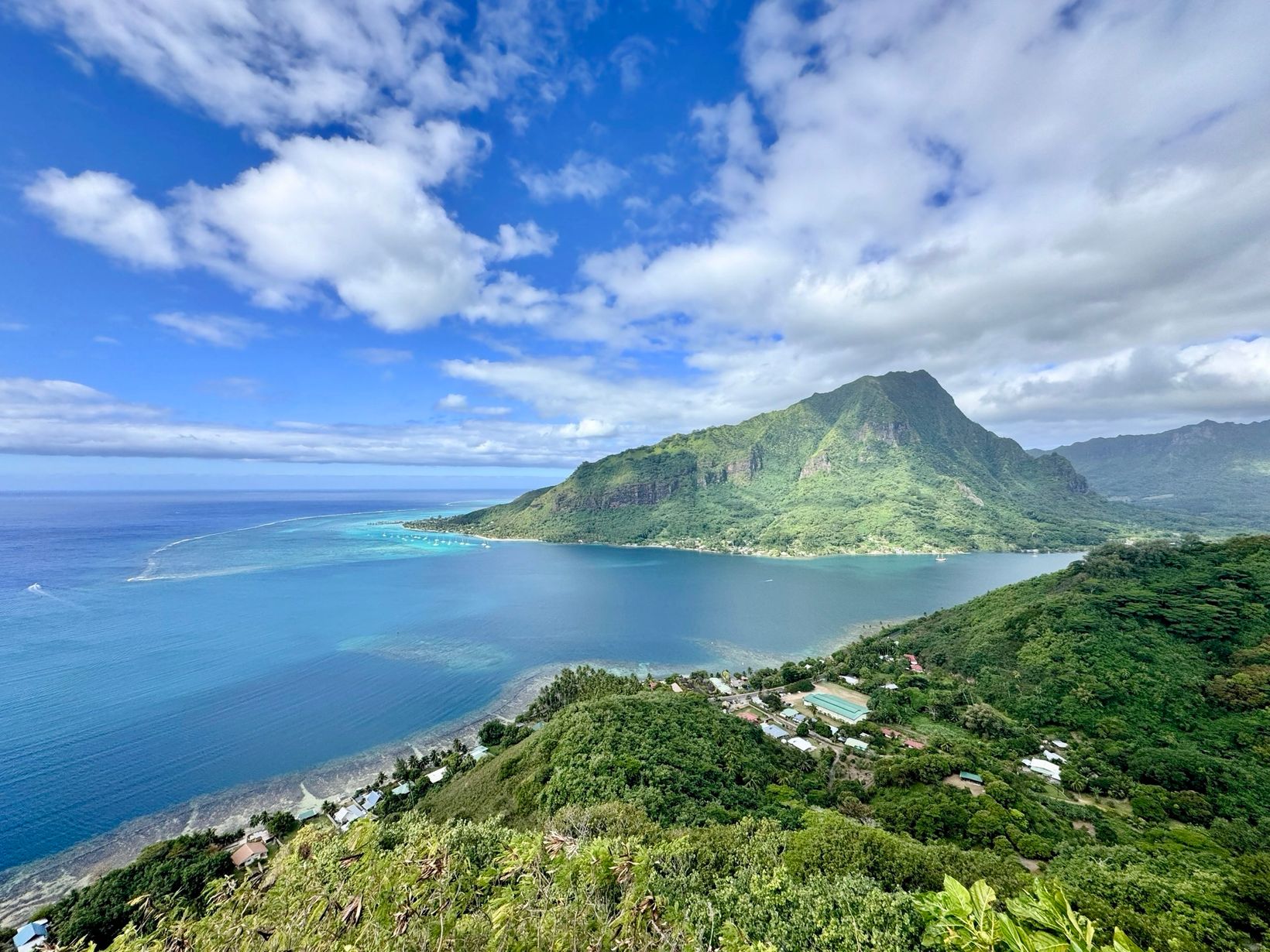
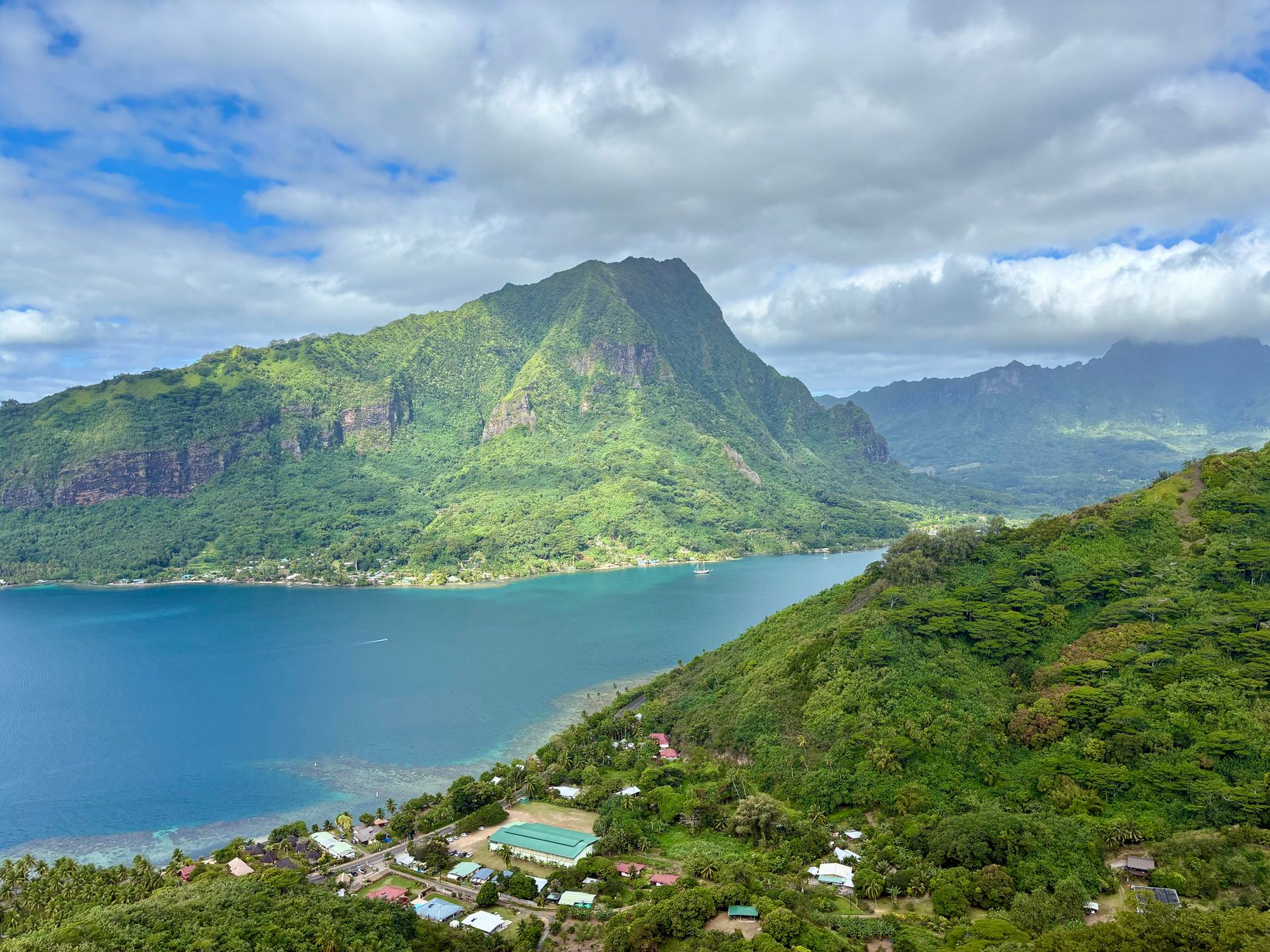
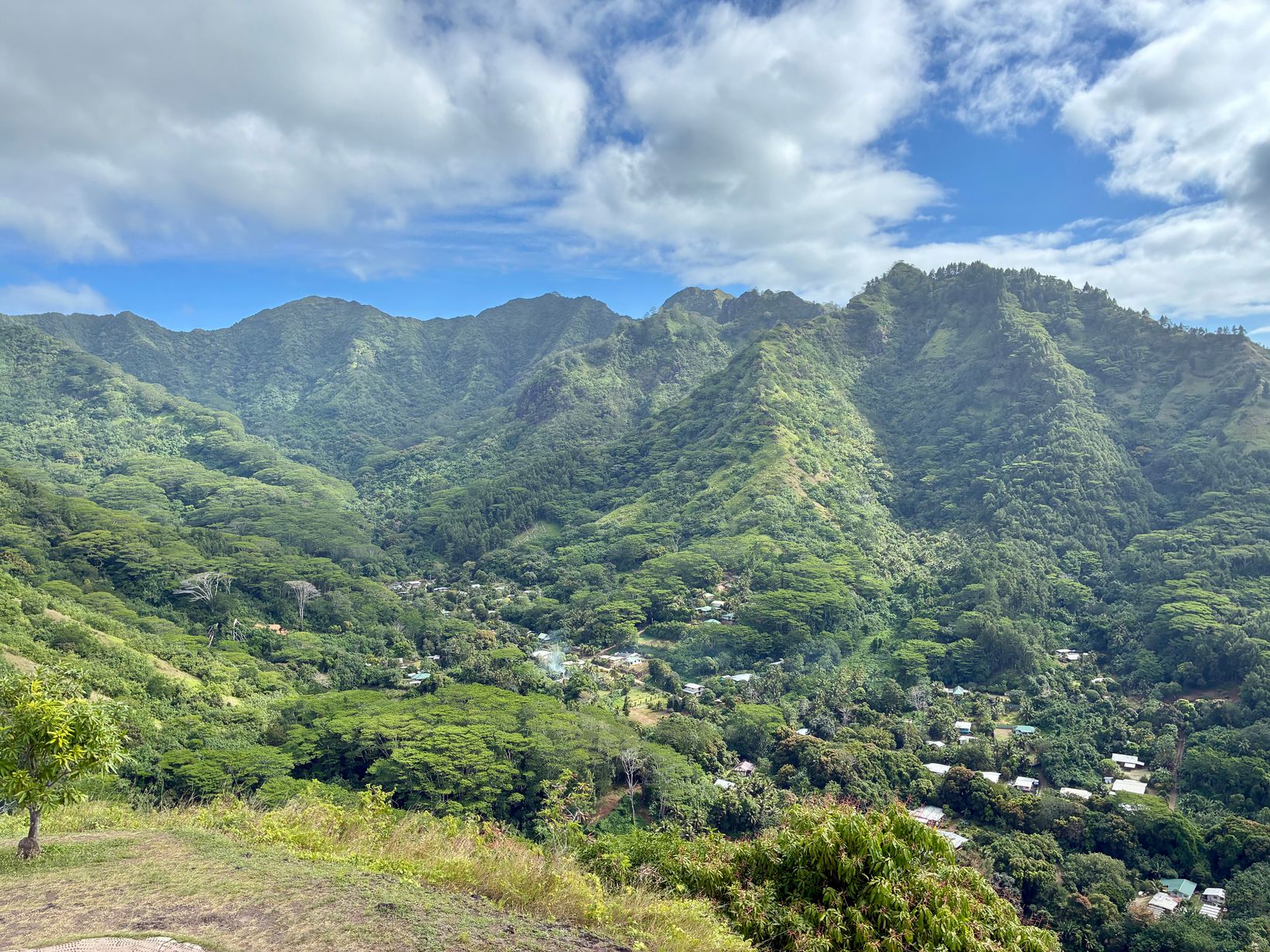
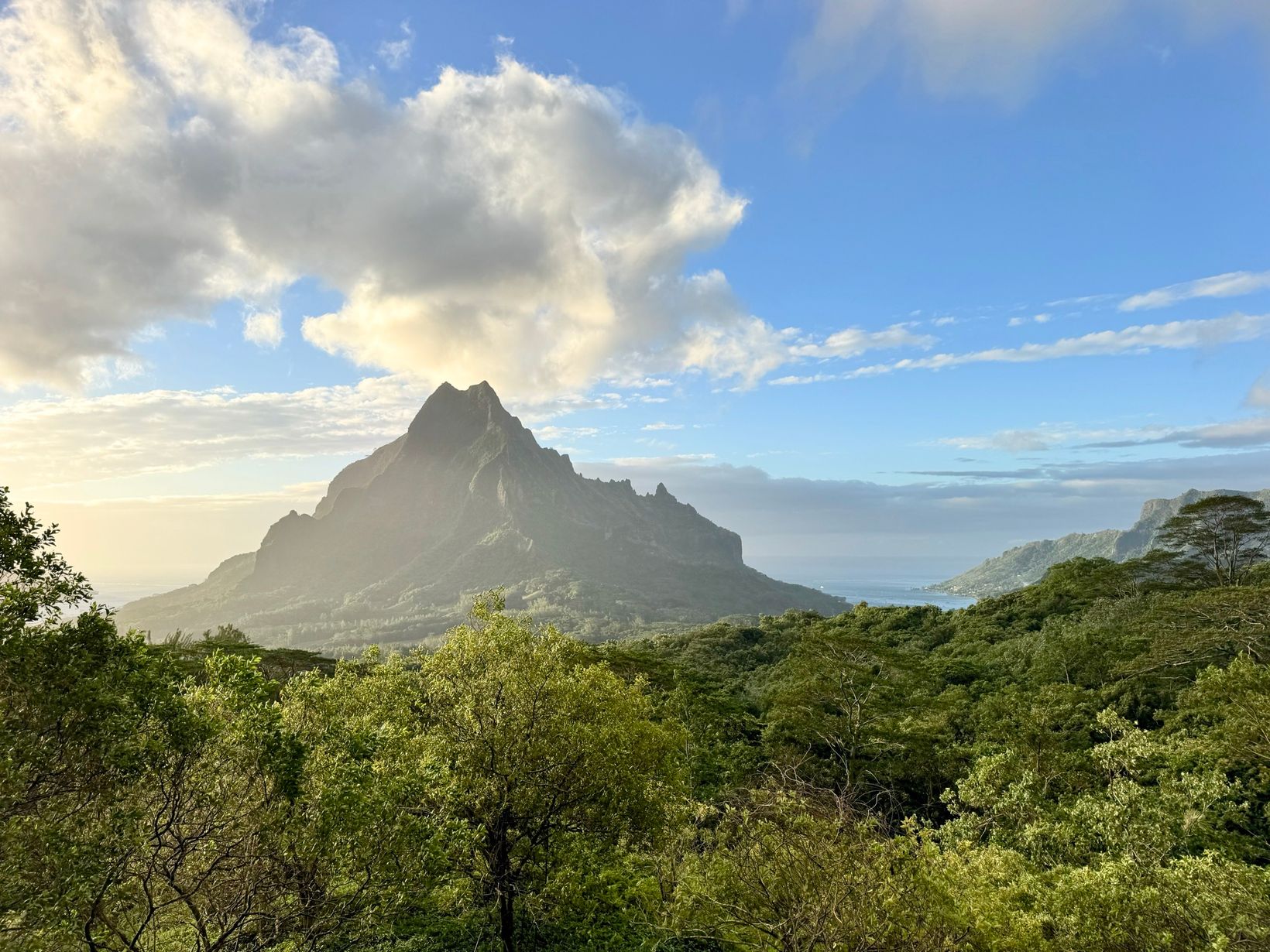
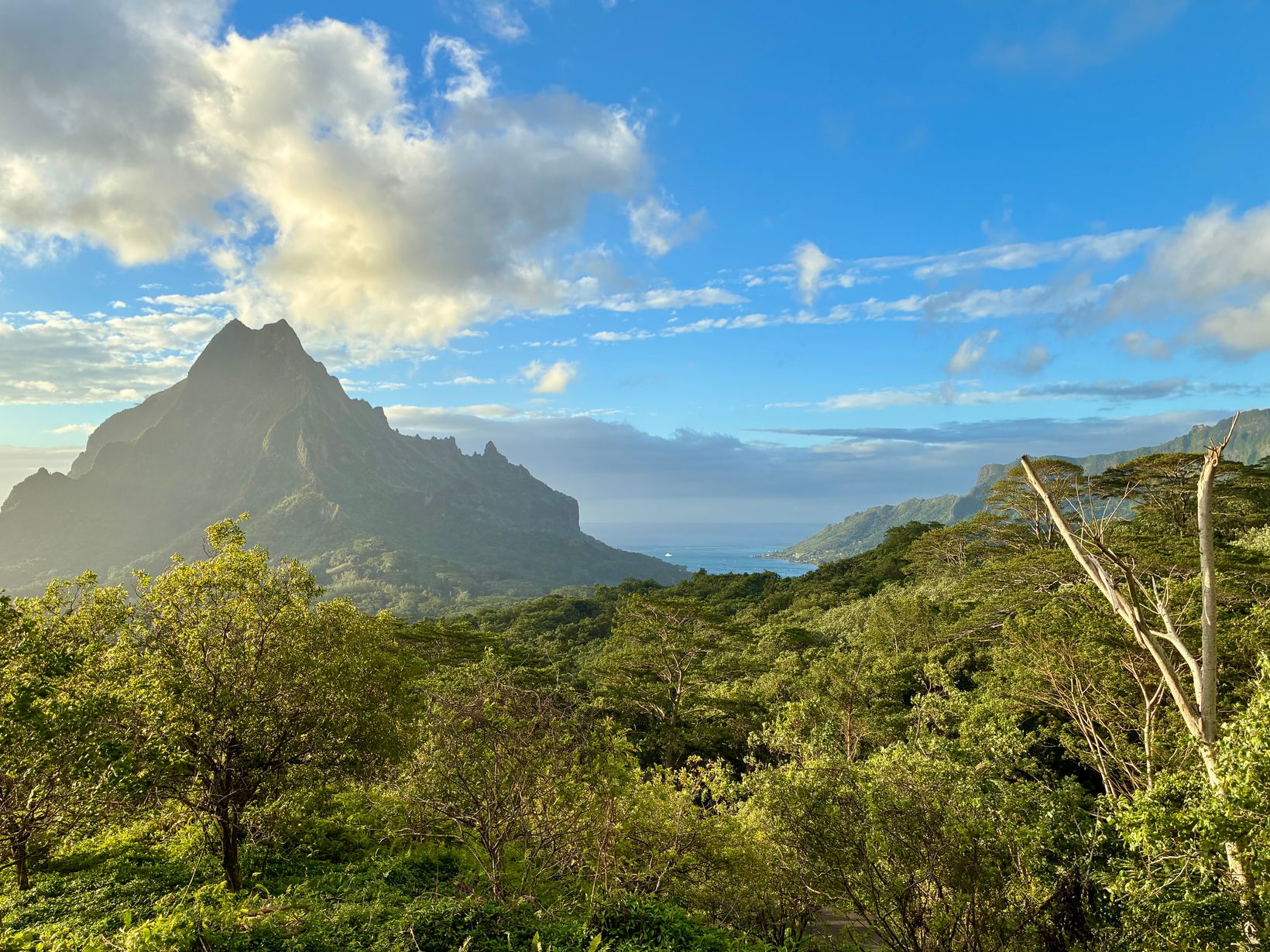
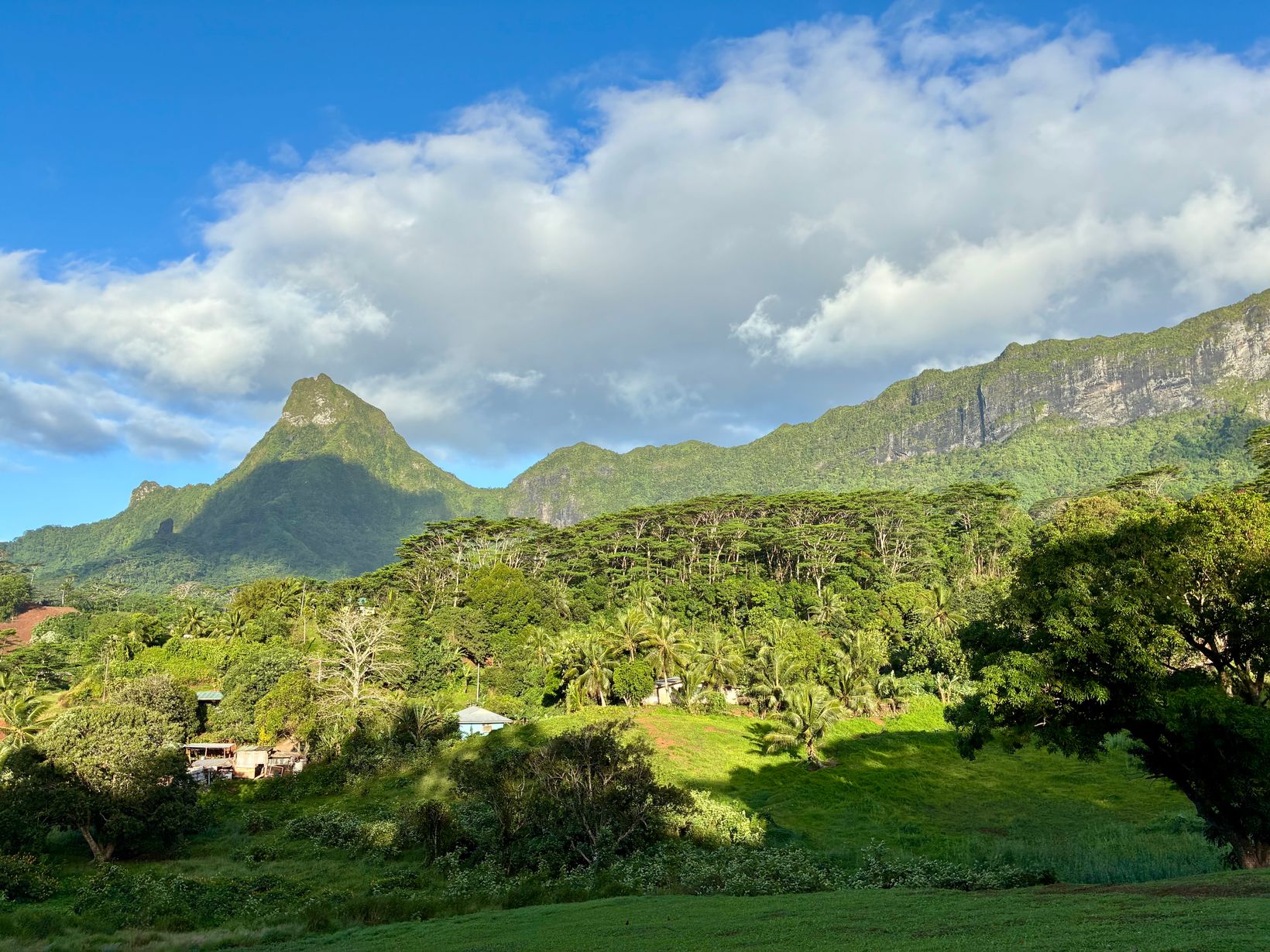
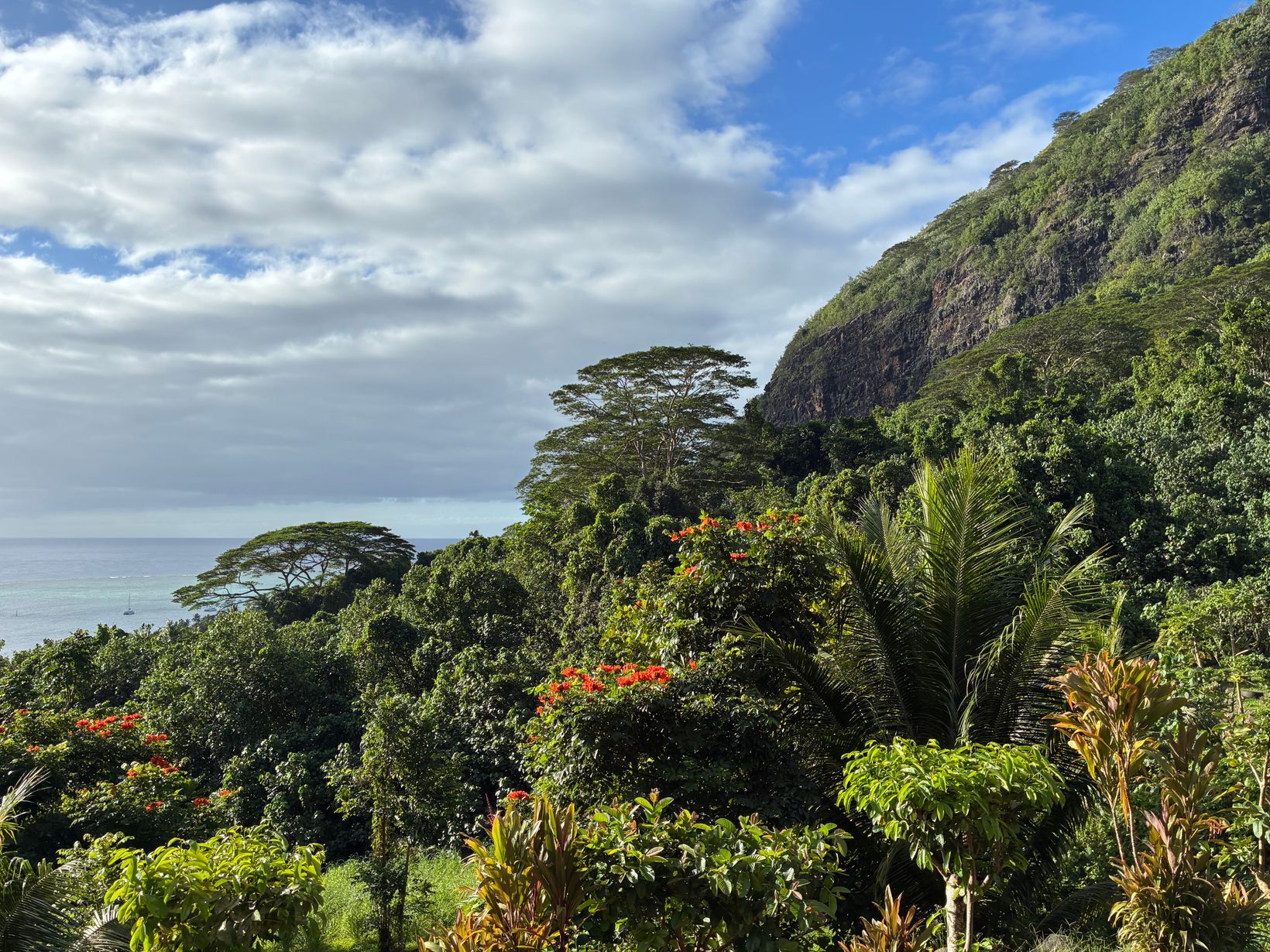
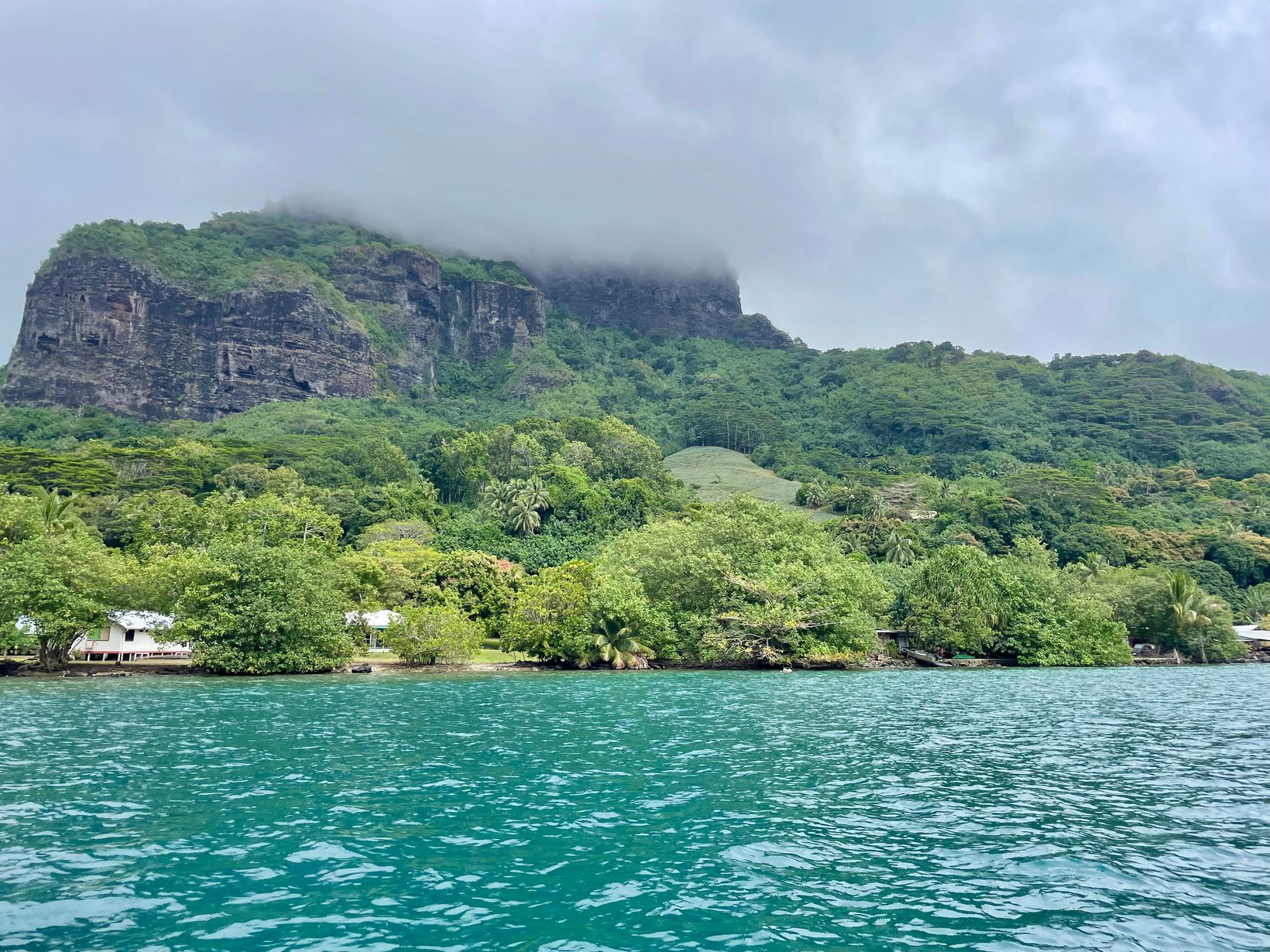
On a tour starting from the marina in Vaiare, we visit the remaining pineapple fields, which sprawl against a magnificent backdrop. The air is thick with the scent of ripe fruit, and a deep sense of peace hangs over the volcanic caldera. We’re glad our dock neighbor arranged the tour for us, since the car rental companies were fully booked. We would have missed out on a few beautiful spots and Caren’s insightful commentary. For example, the view from Magic Mountain, the vista from the Belvédère, and the small botanical garden with all kinds of shrubs and trees bursting with flowers and fruit. For half a day, we didn’t have to worry about a thing and were driven carefree around the island.
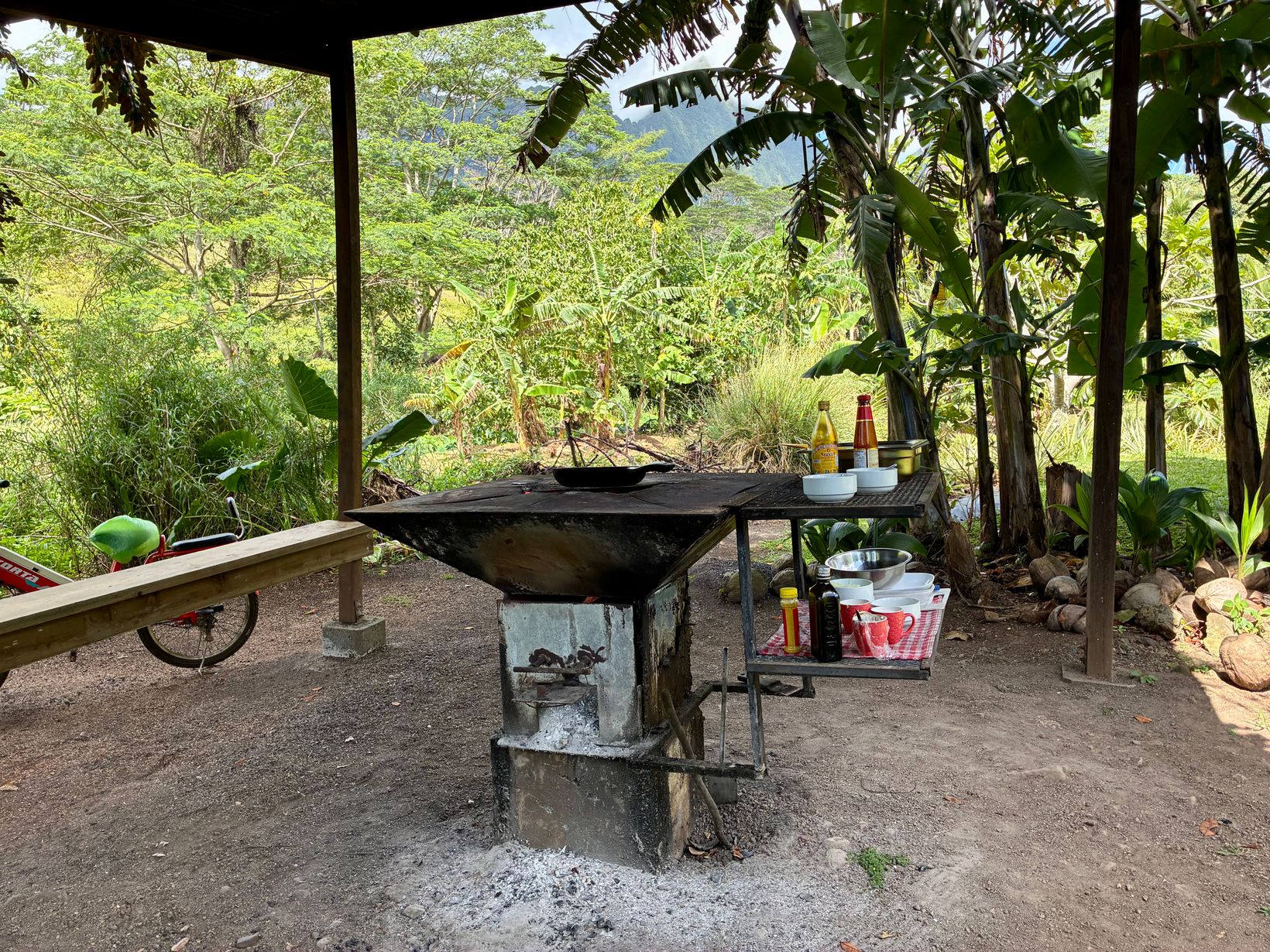
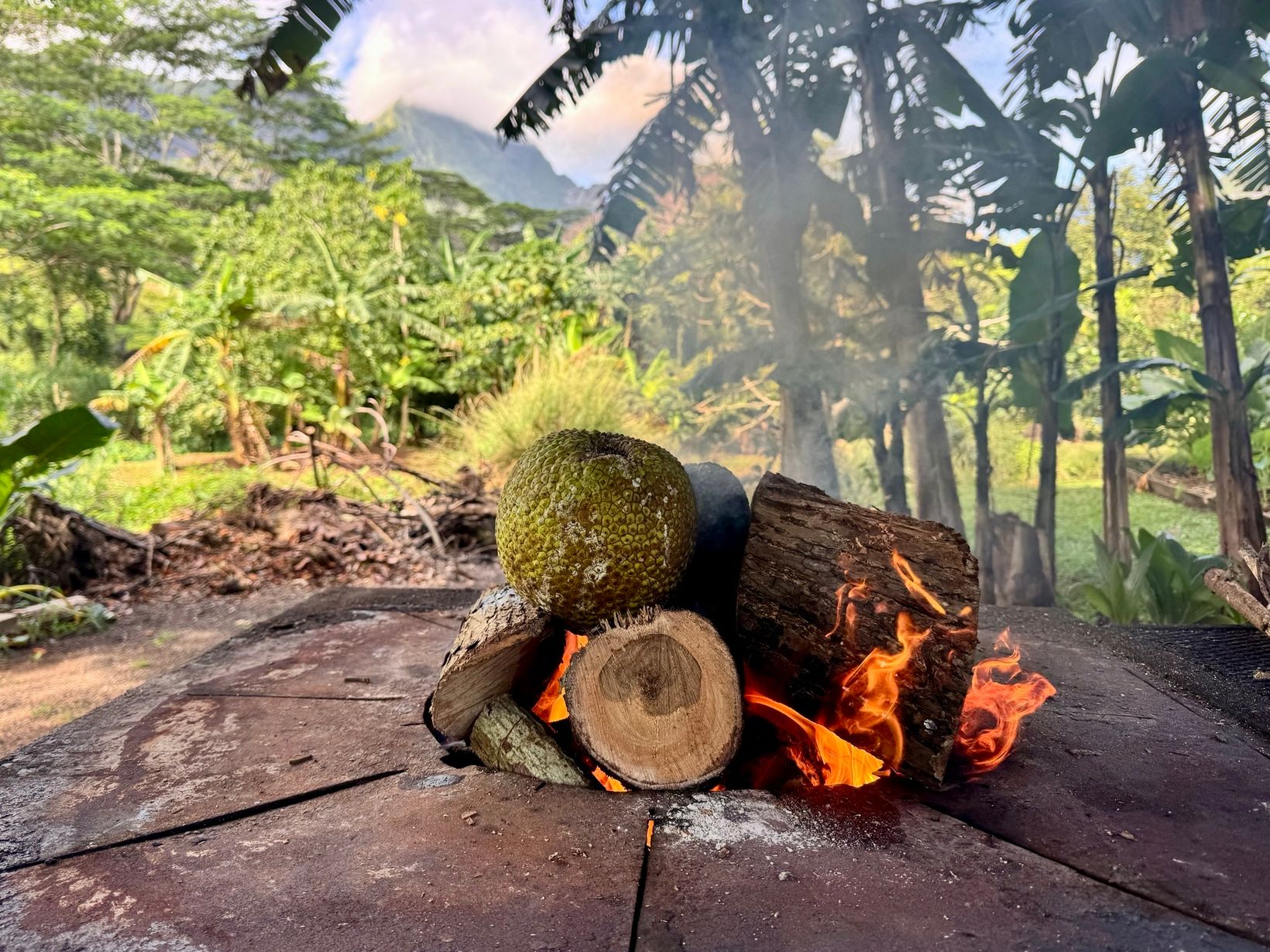
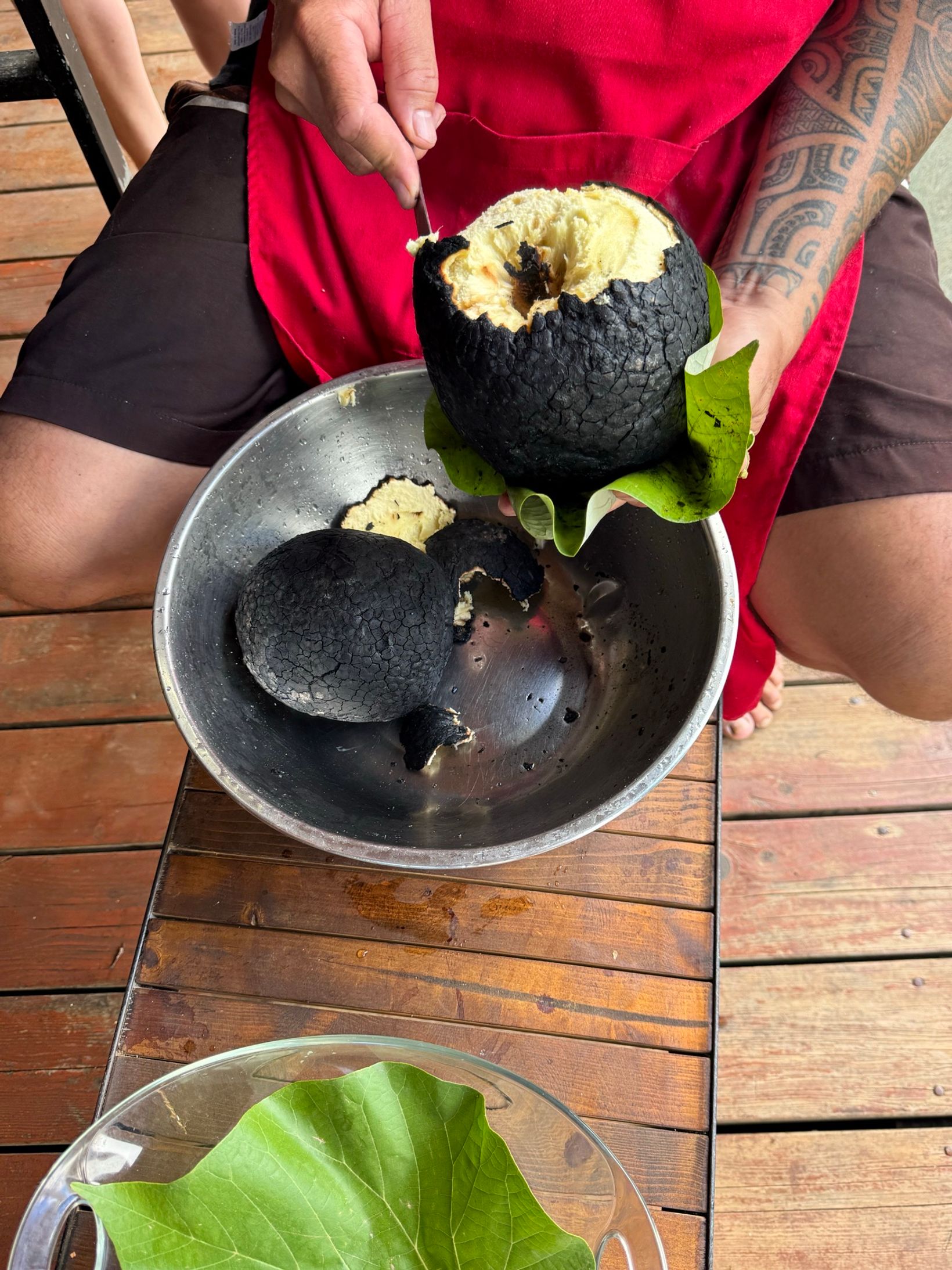
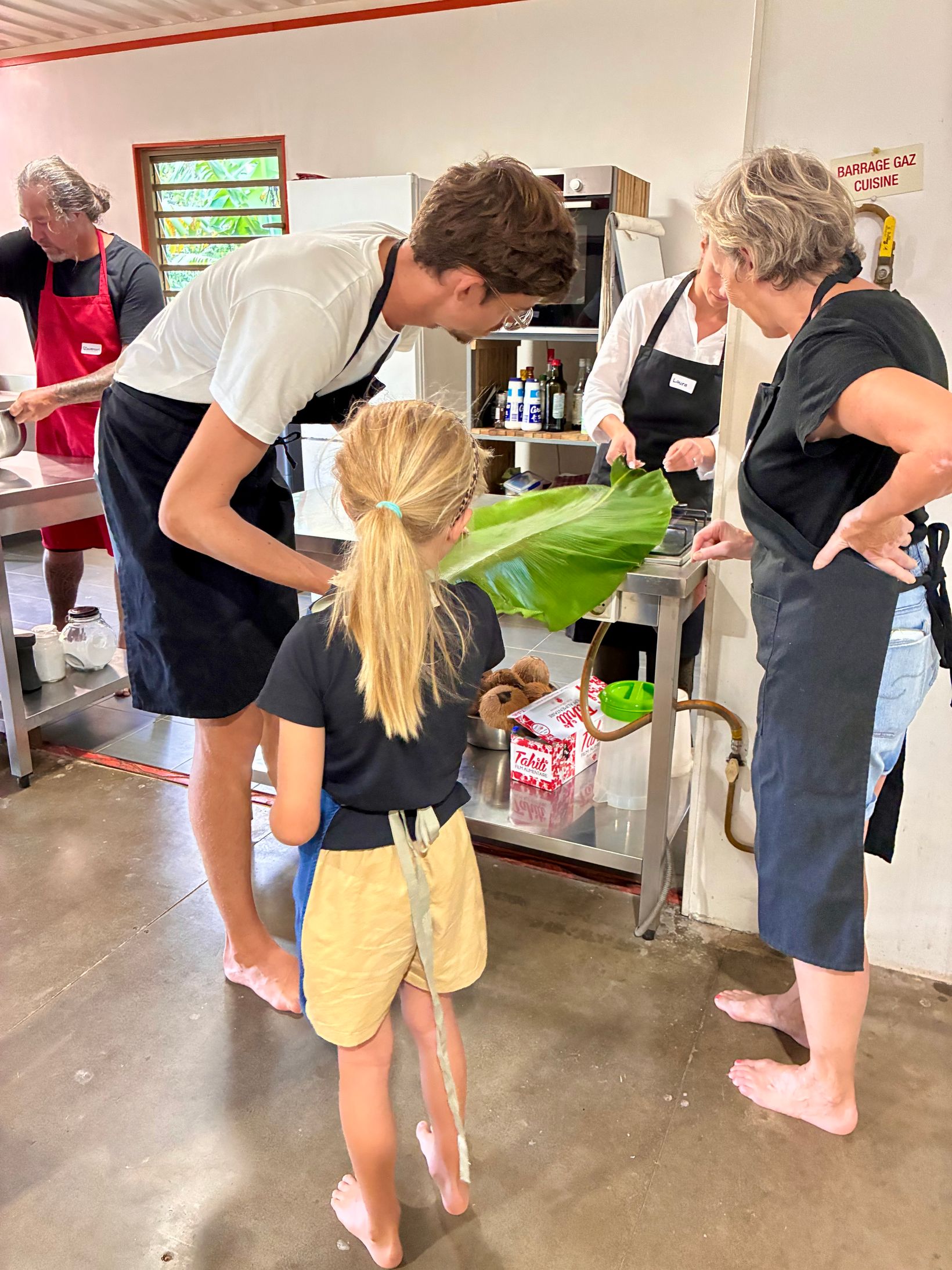
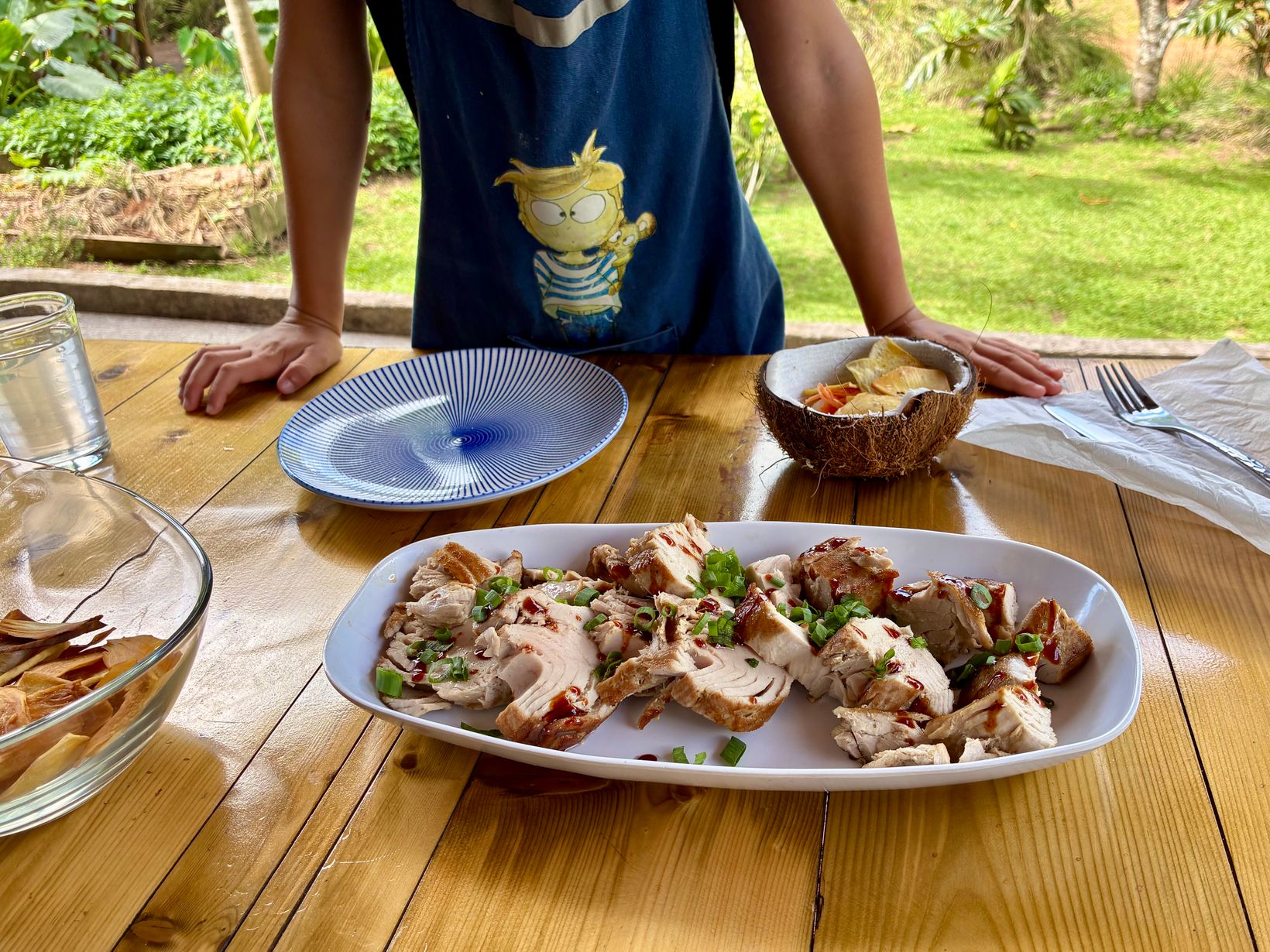
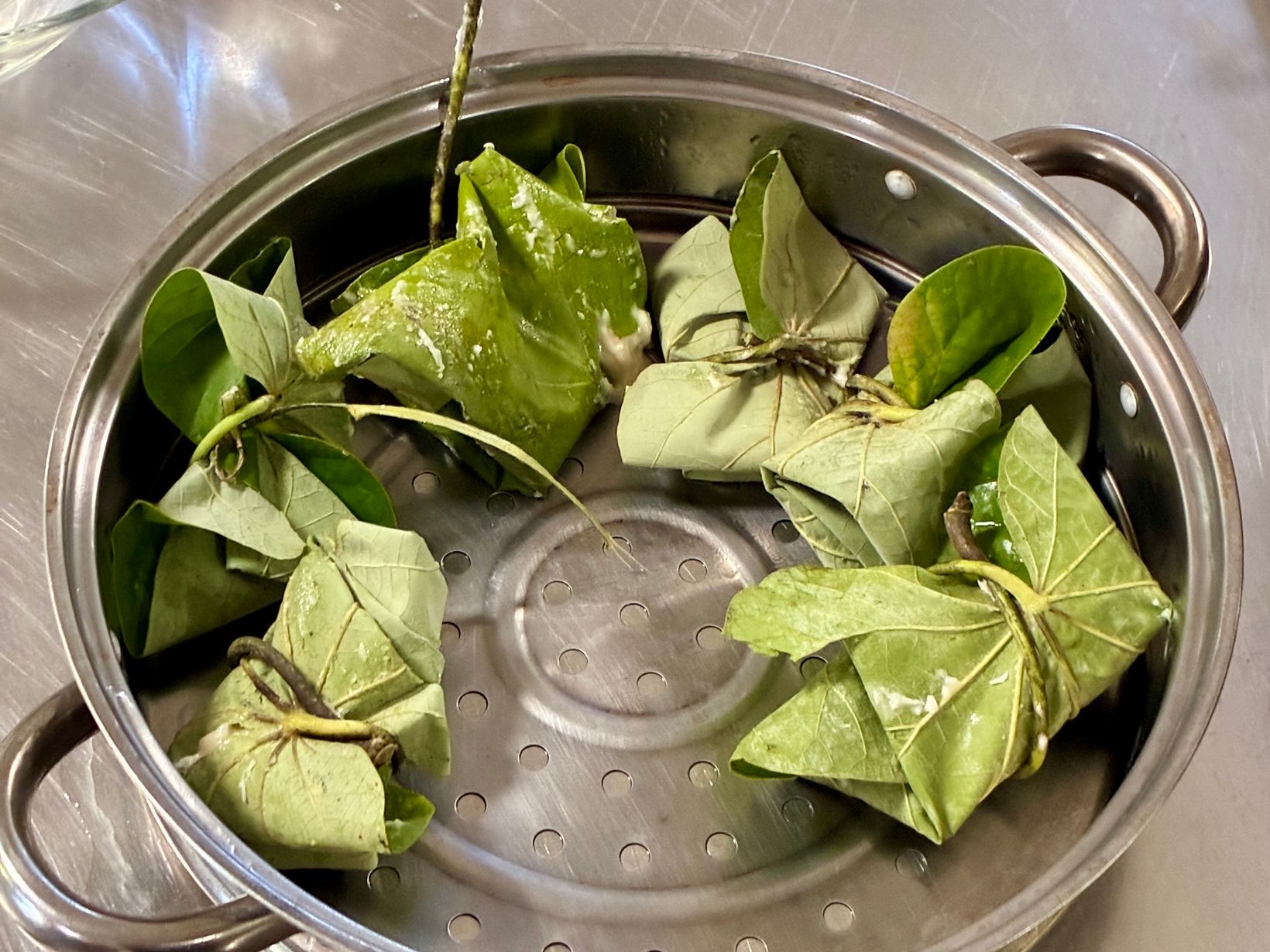
A few days earlier, we attend a cooking class with the same carefree attitude. The garden and the open kitchen alone are an experience, but the cooking itself is fun, too. Of course, there’s breadfruit and poisson cru. Thankfully, we’re spared the traditional fafaru and miti hue.
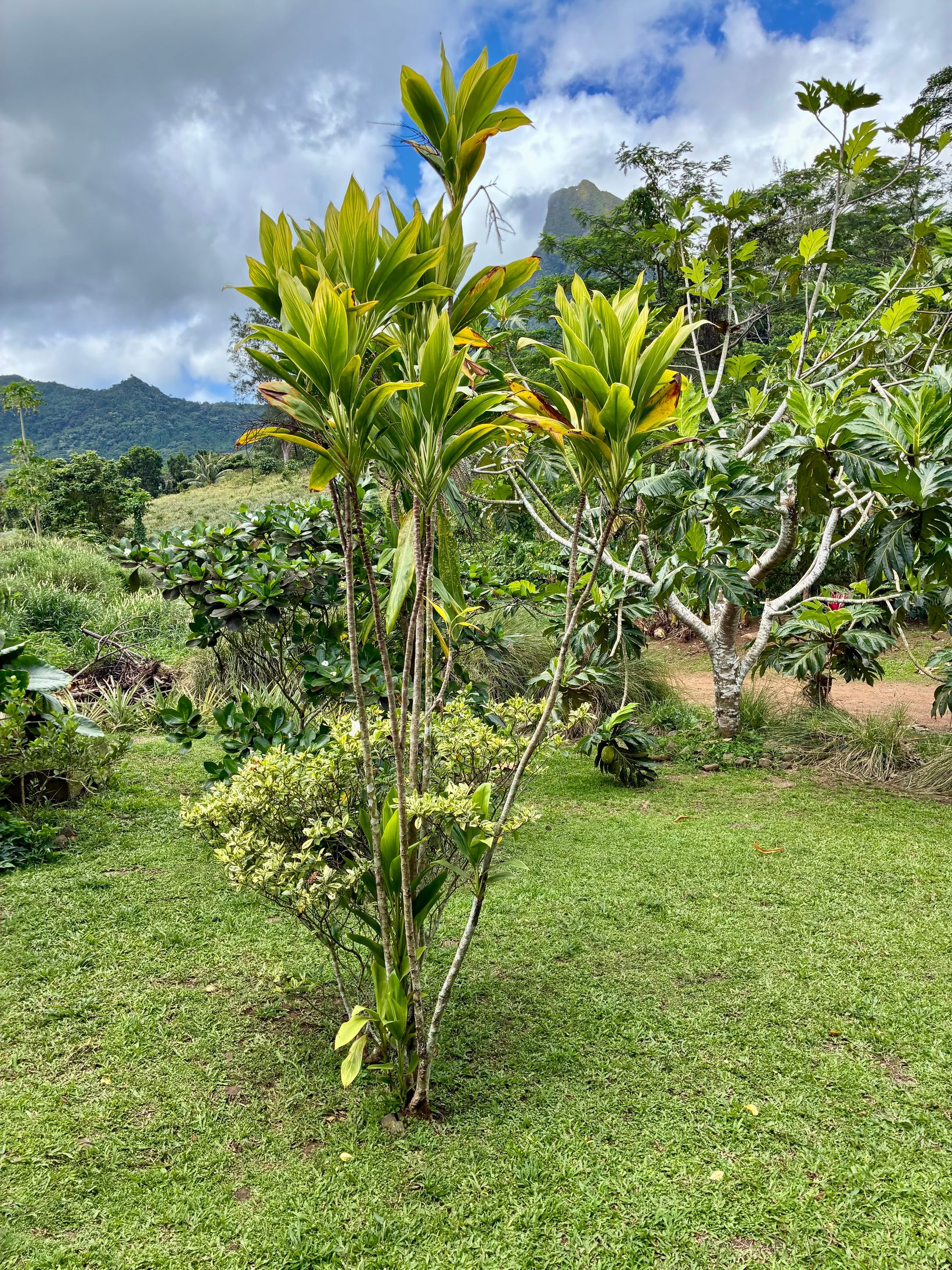
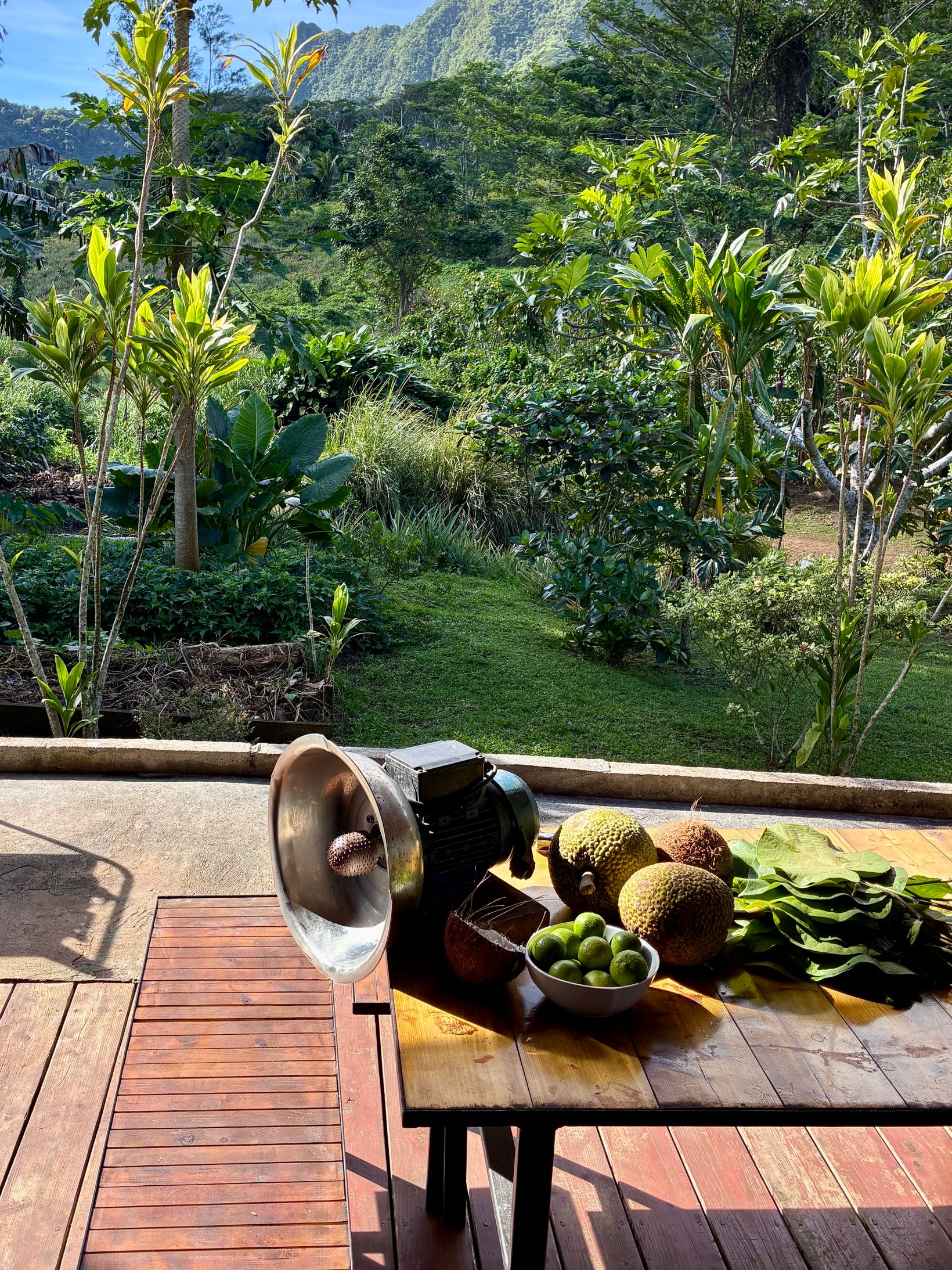
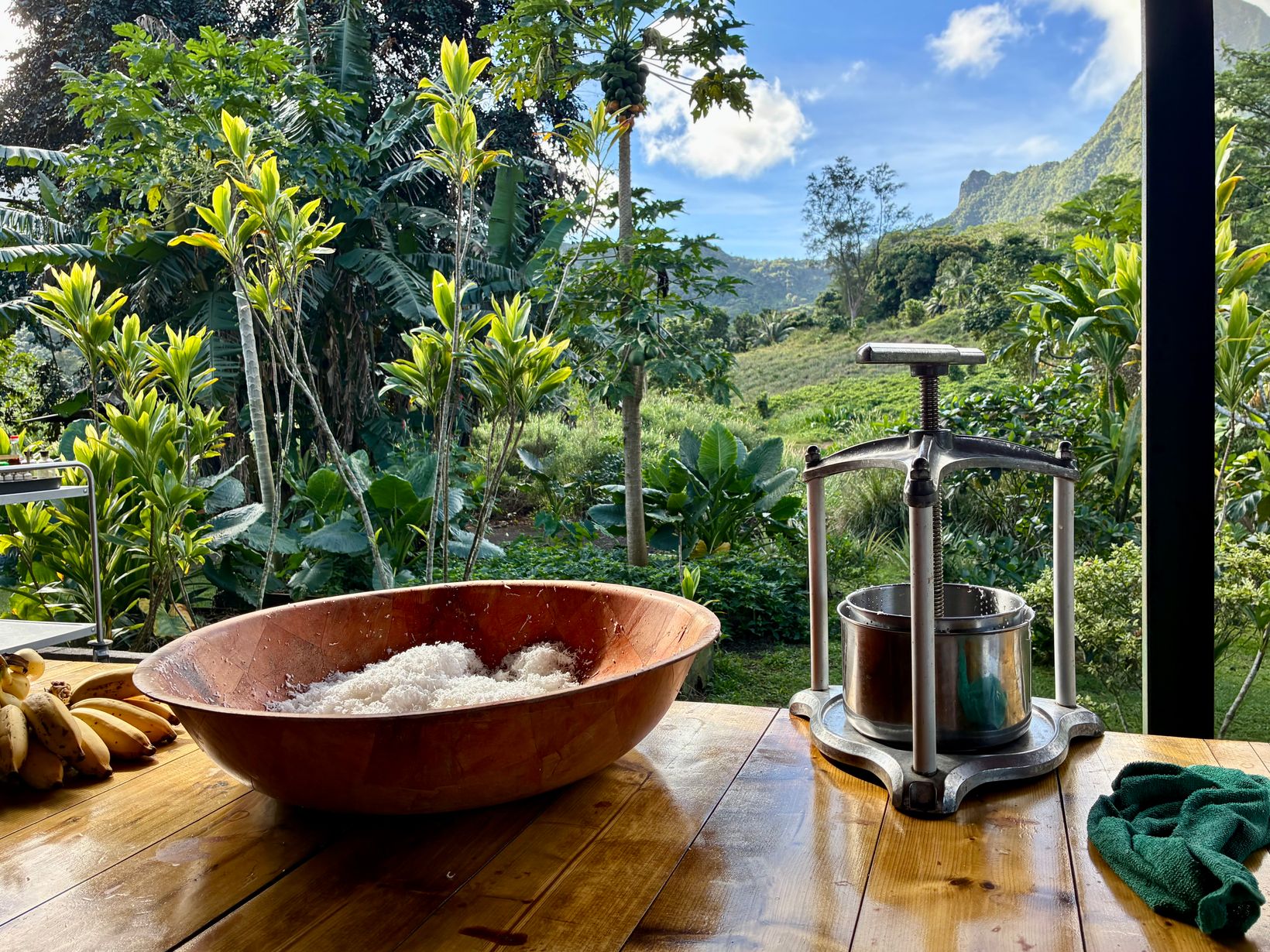
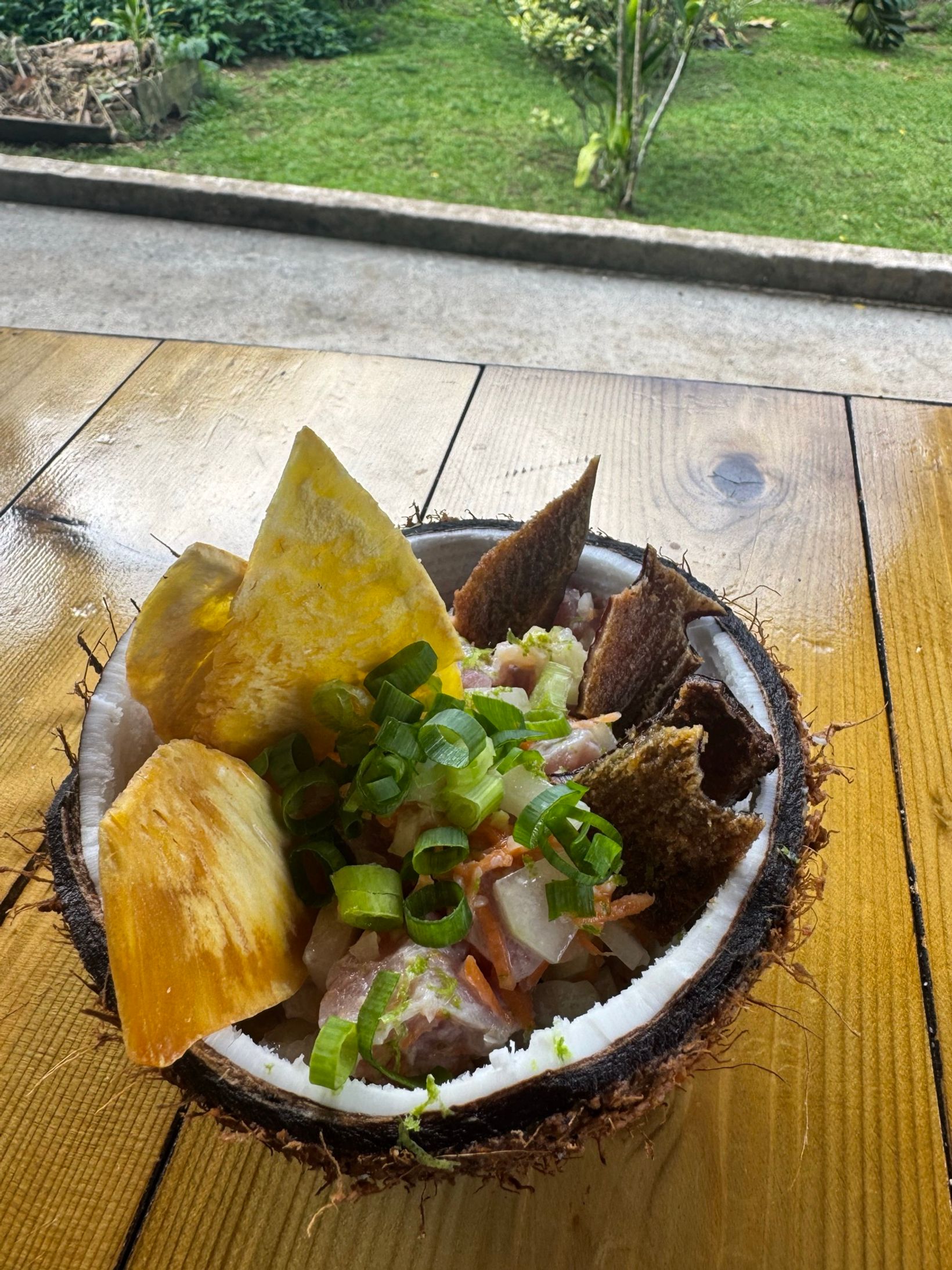
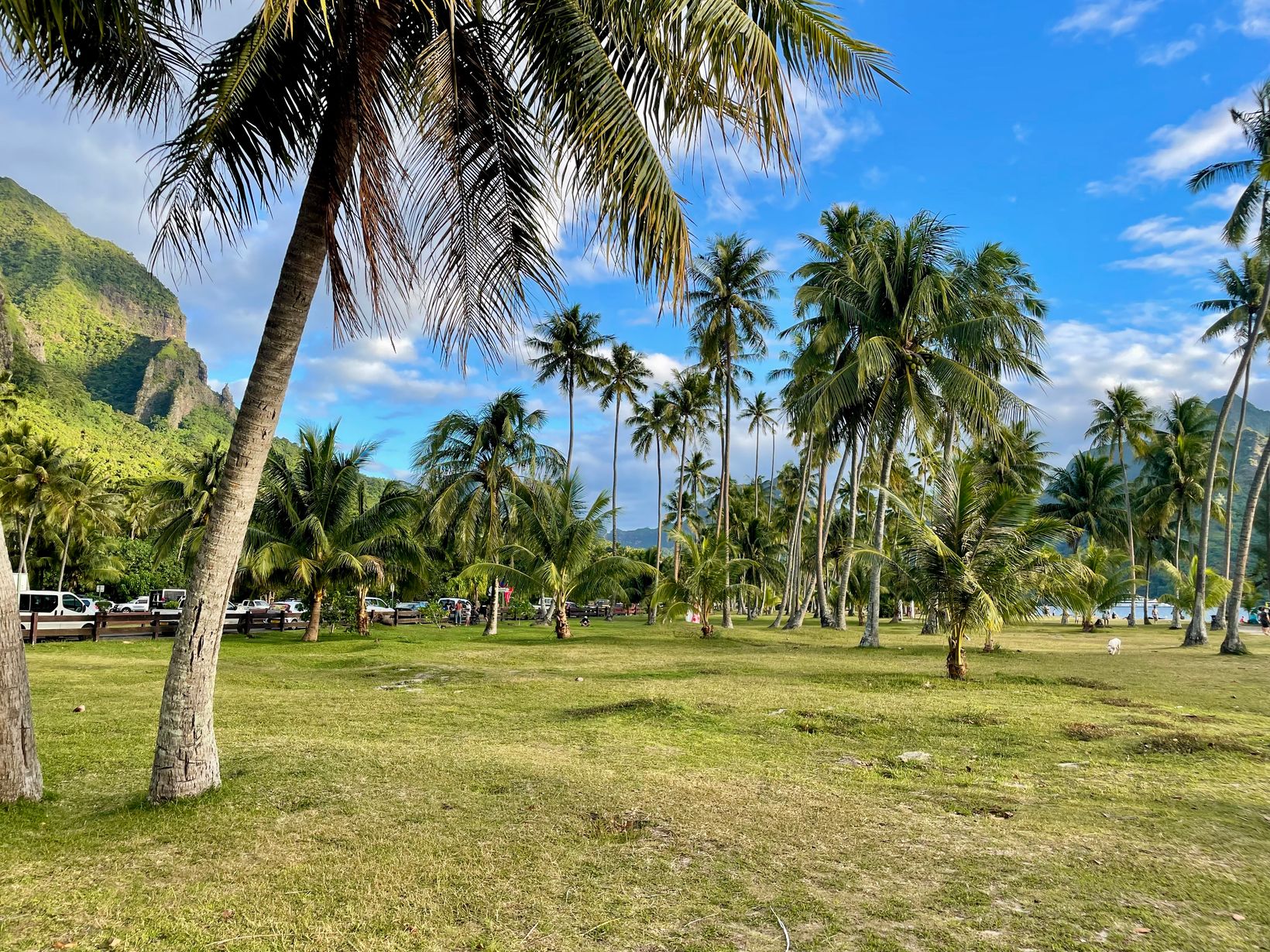
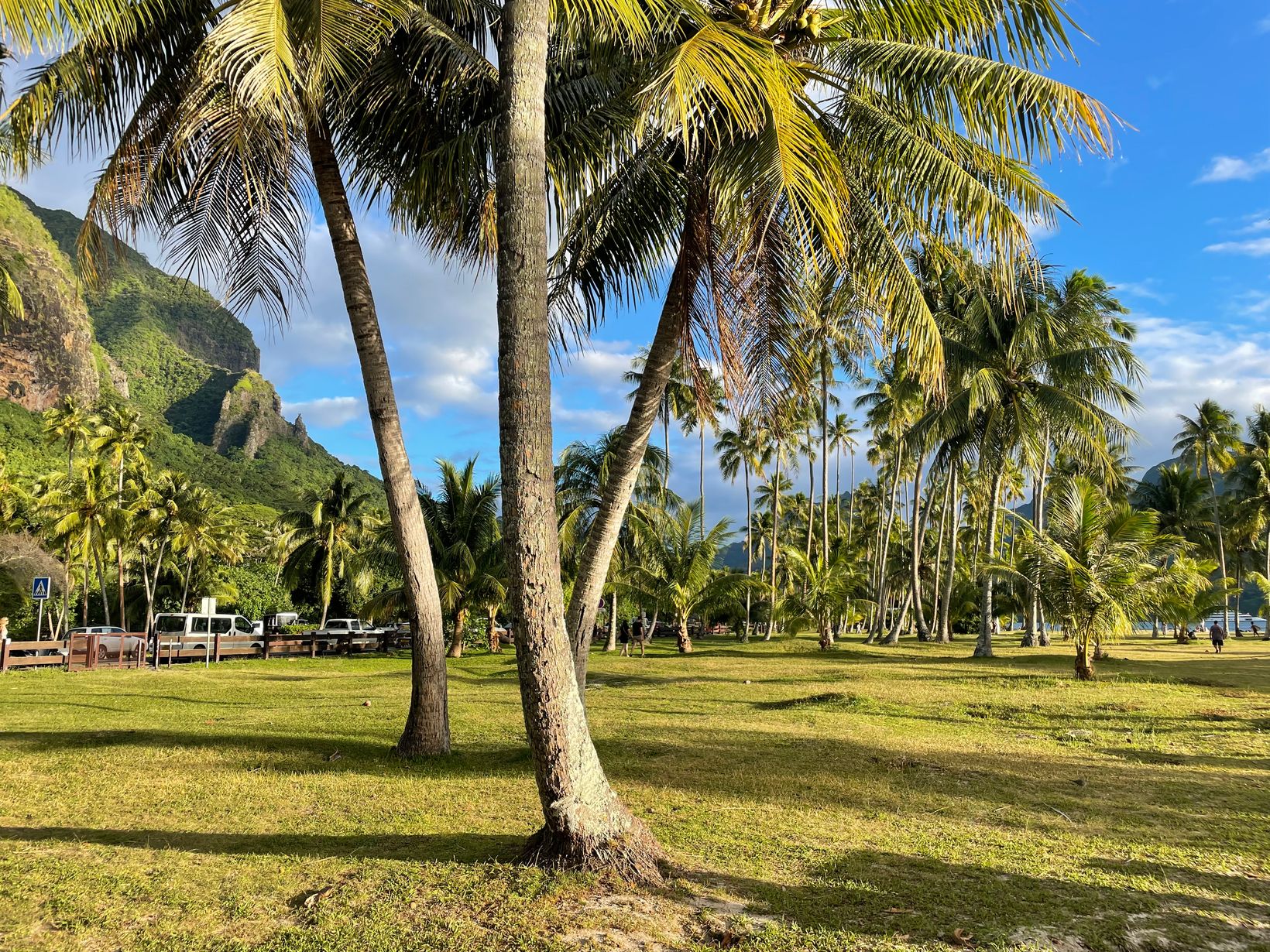
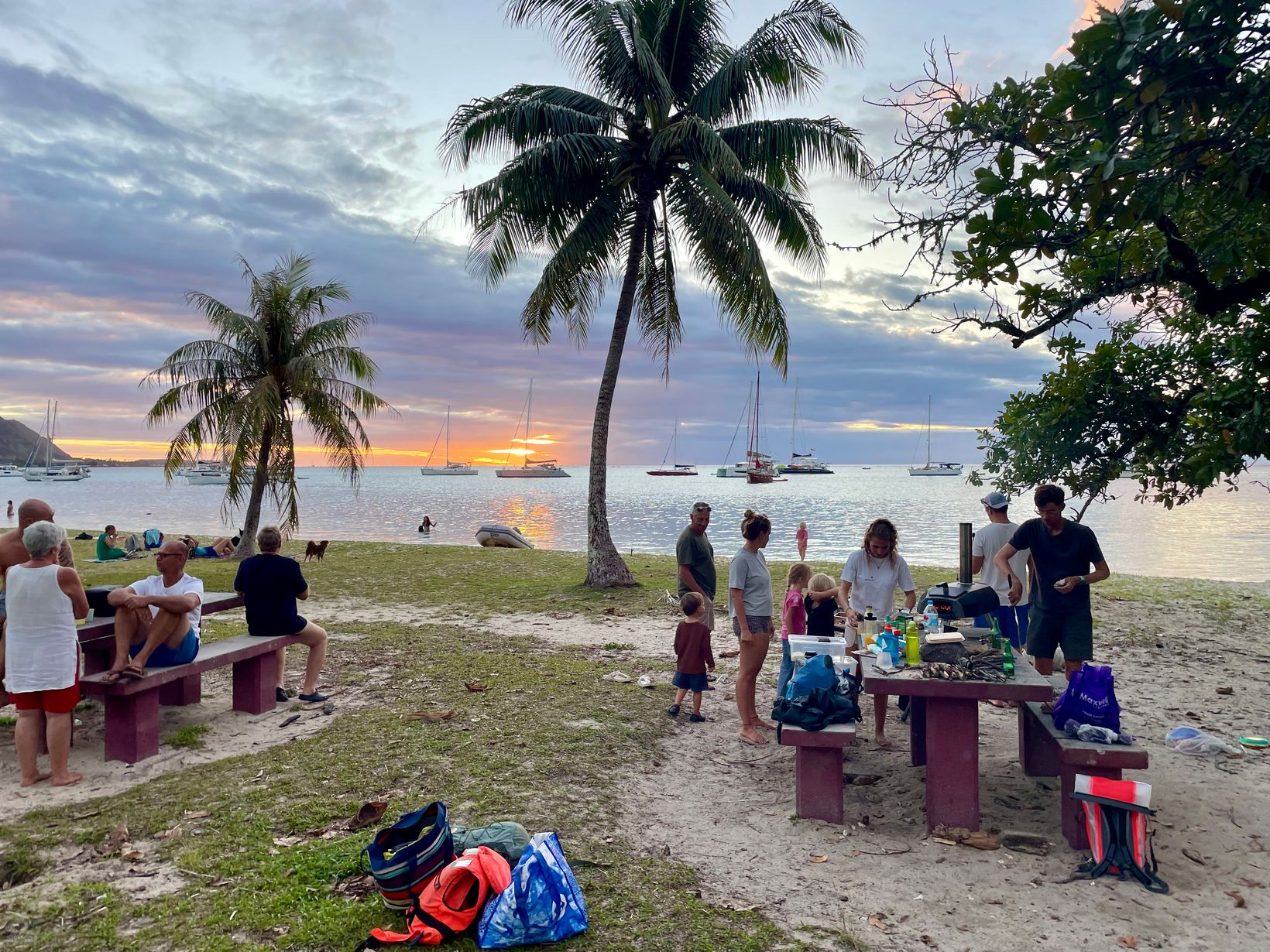
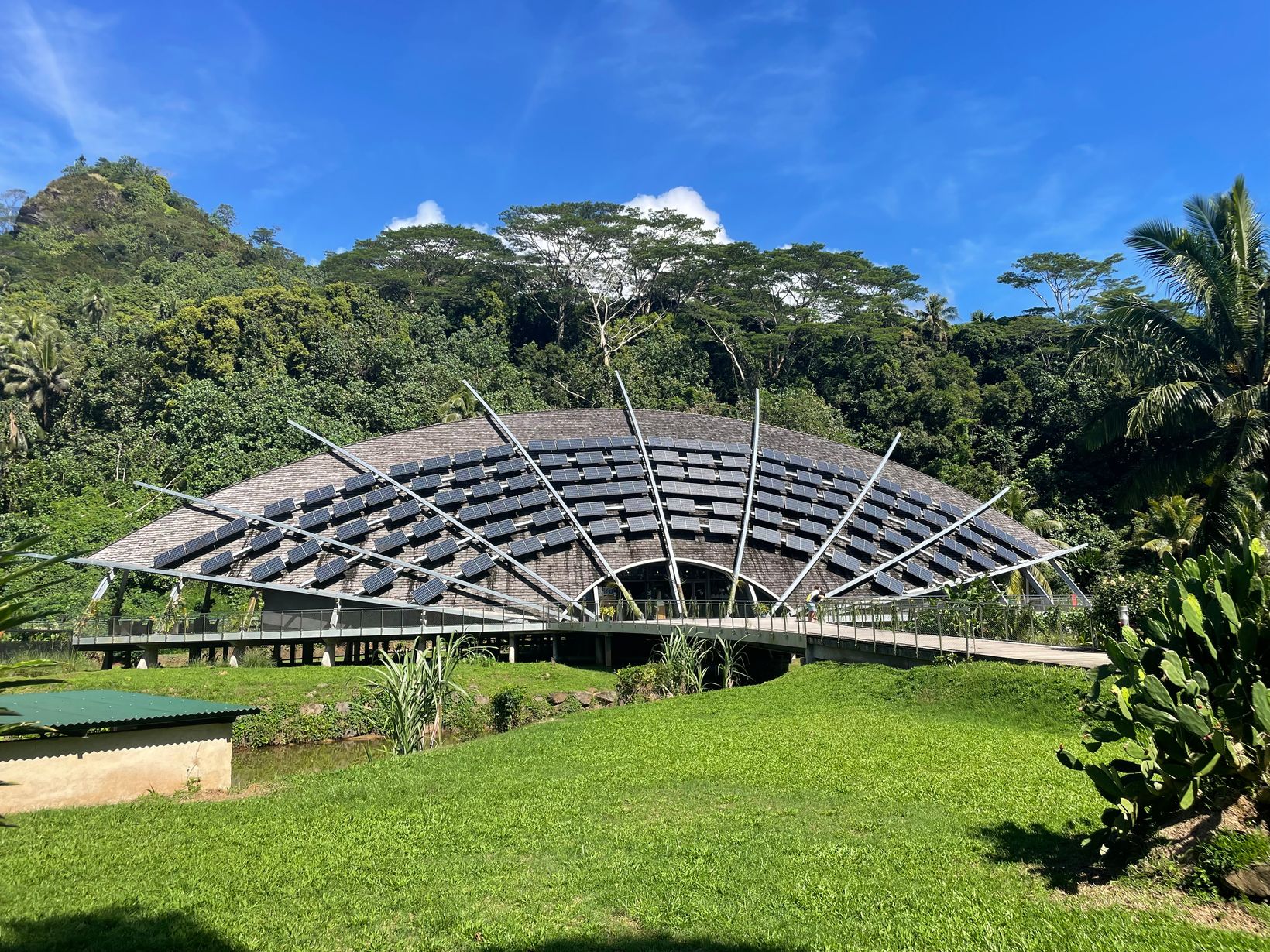
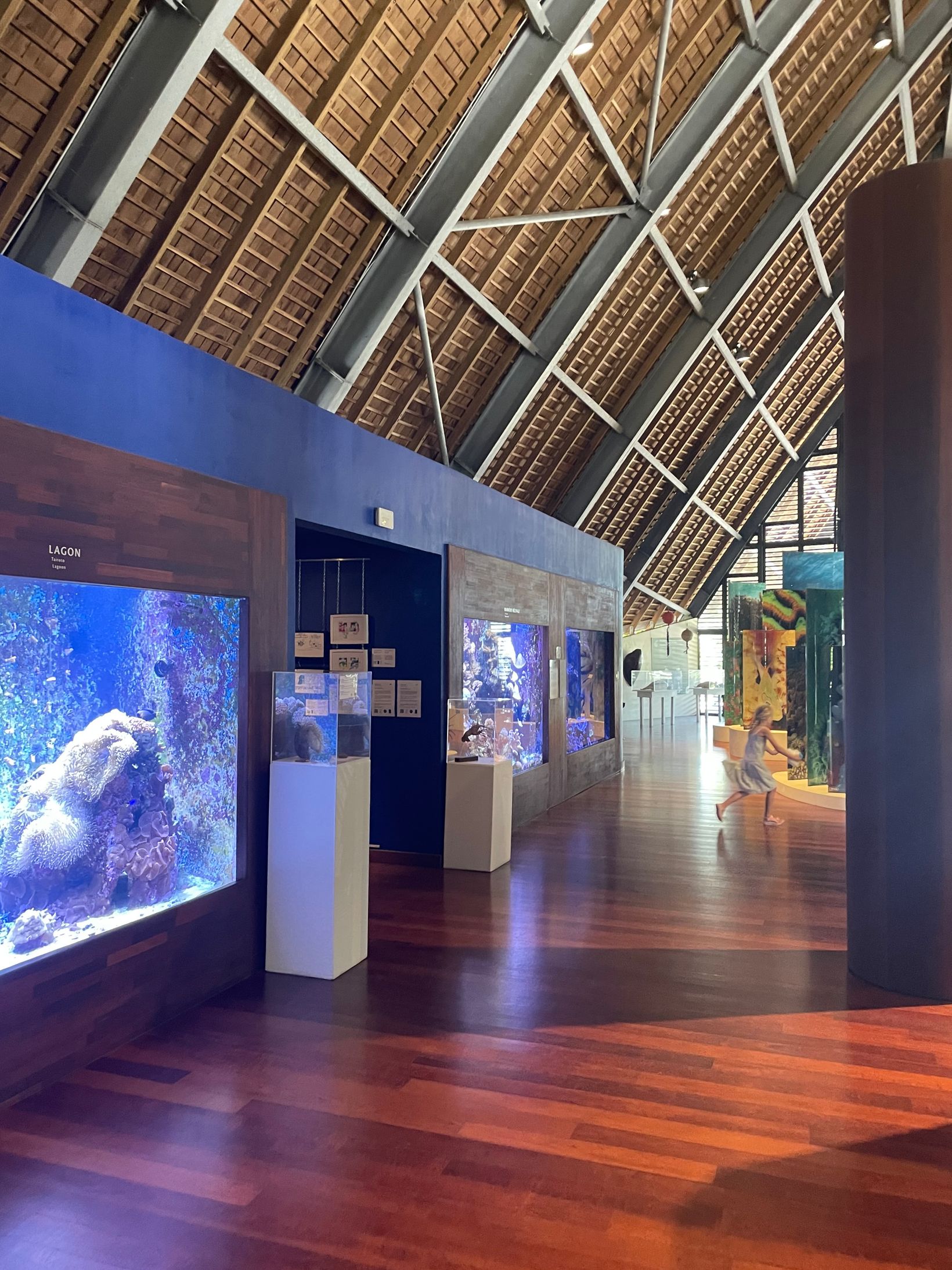
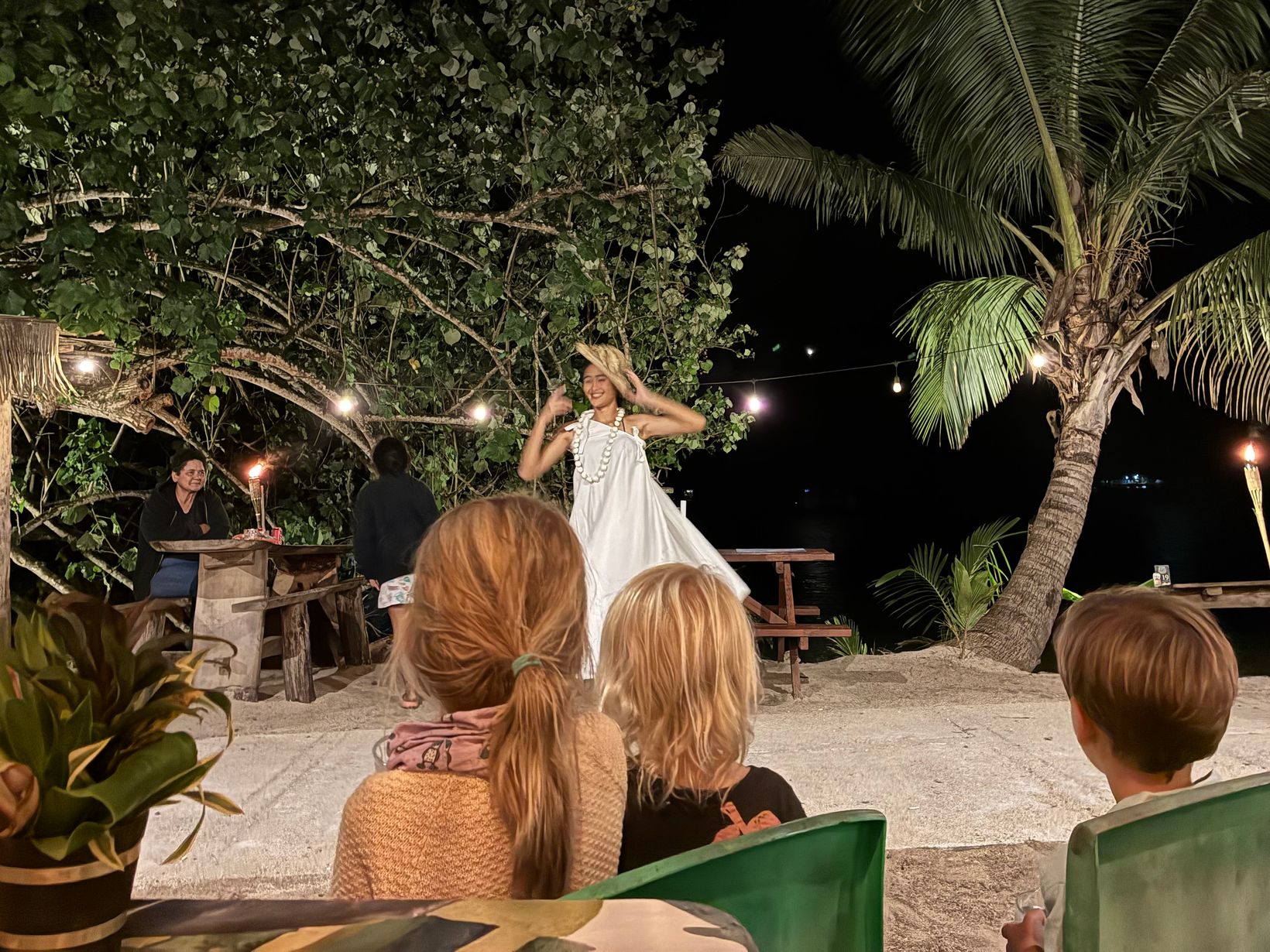
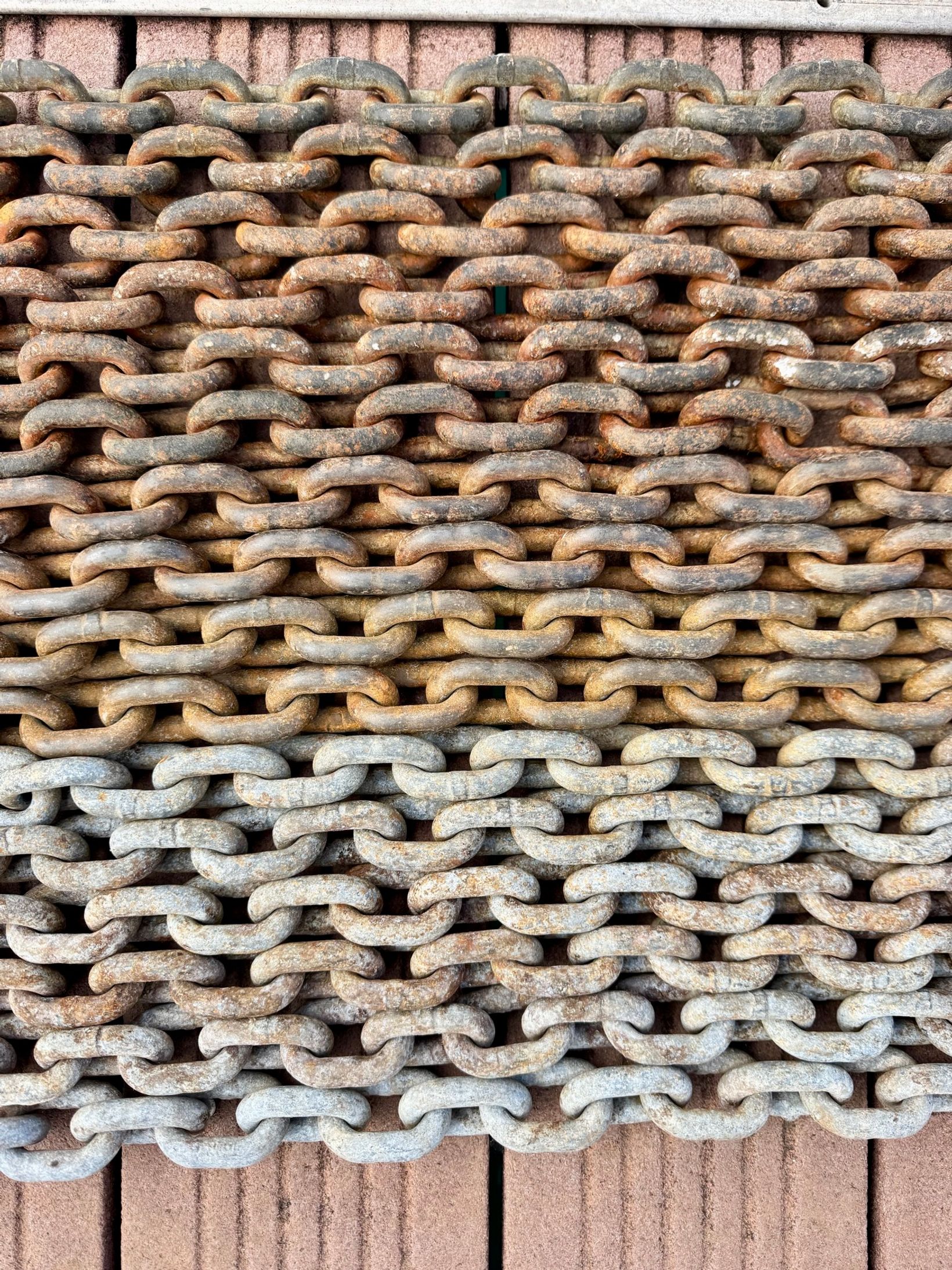
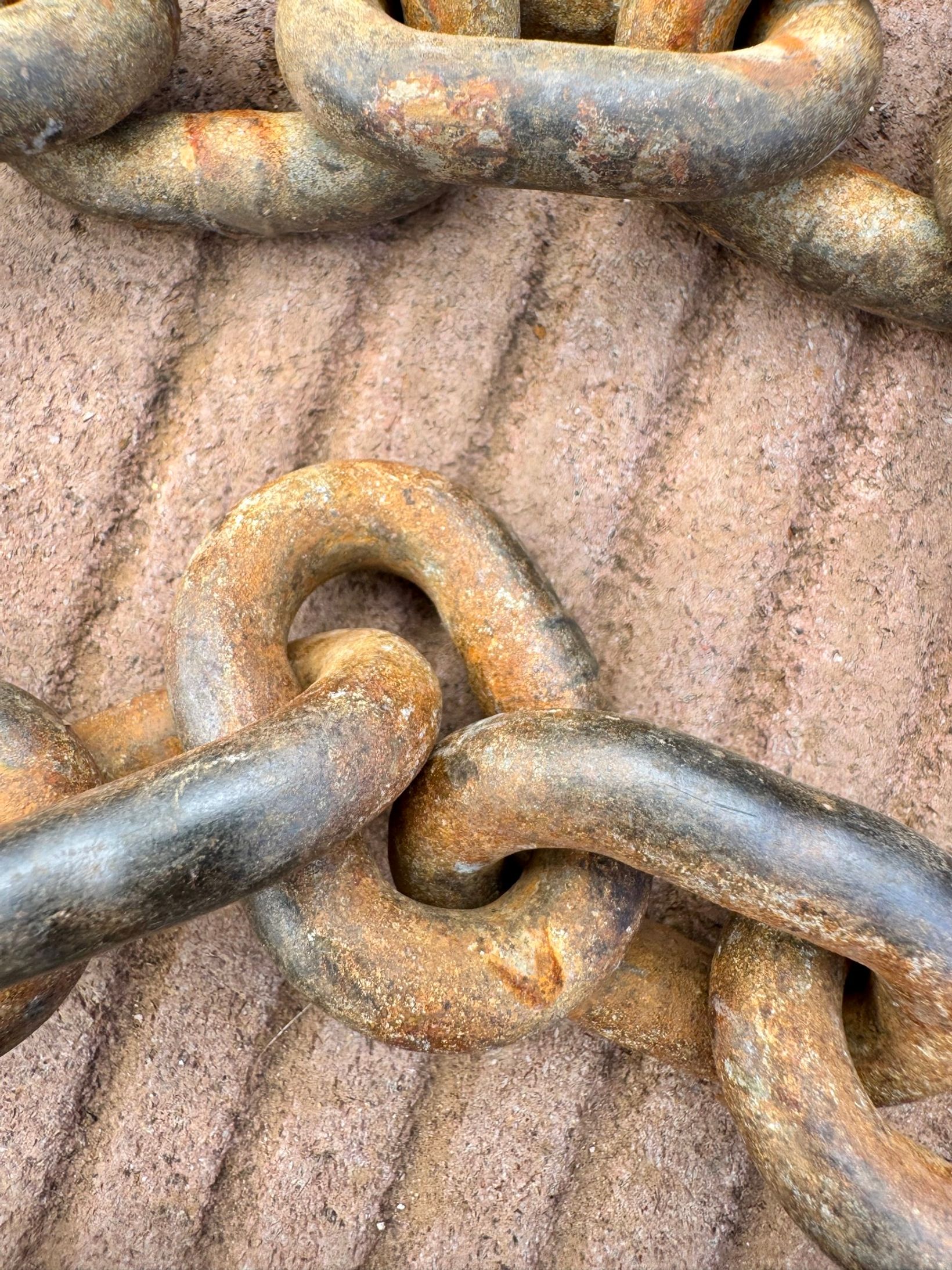
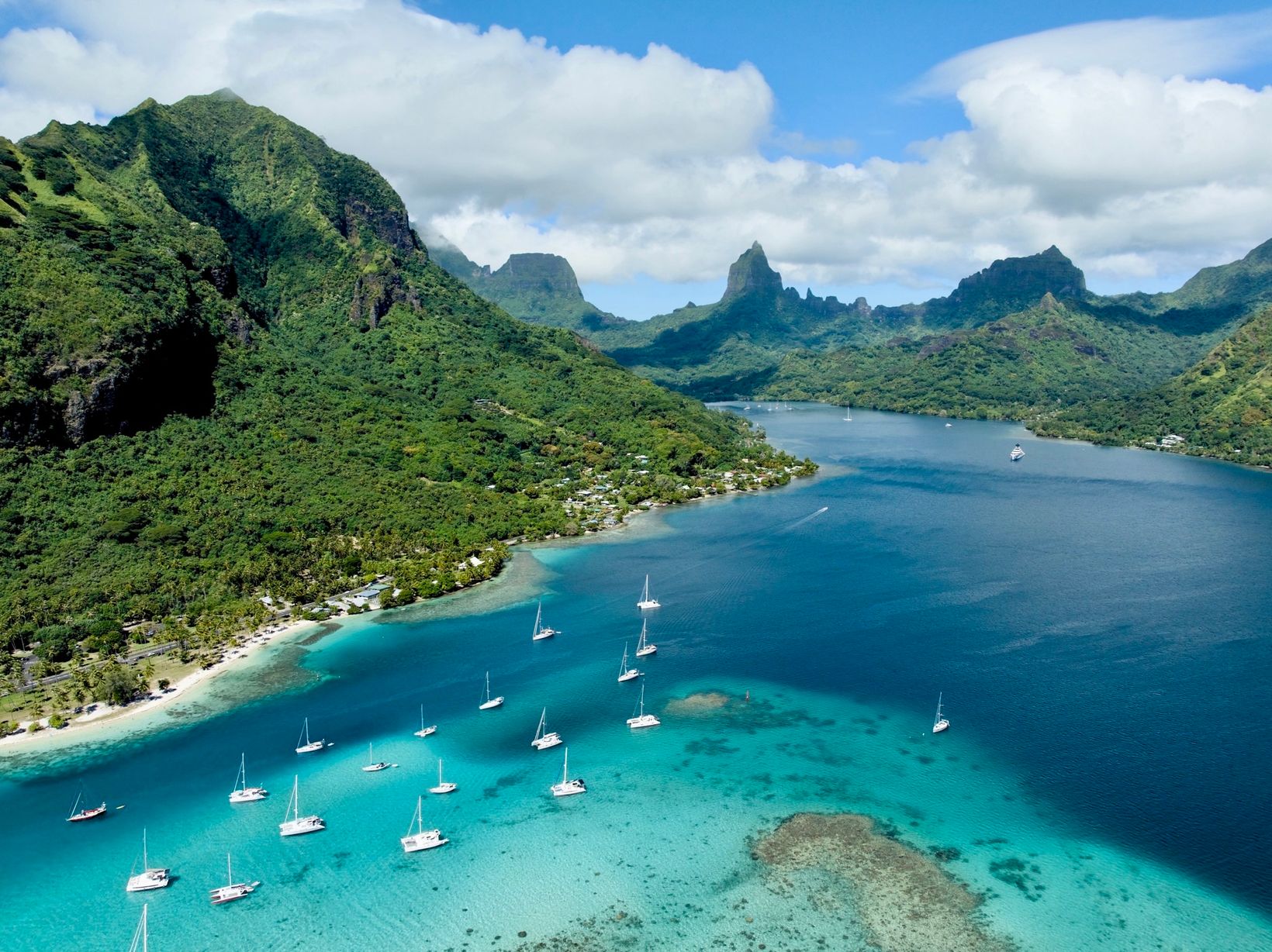
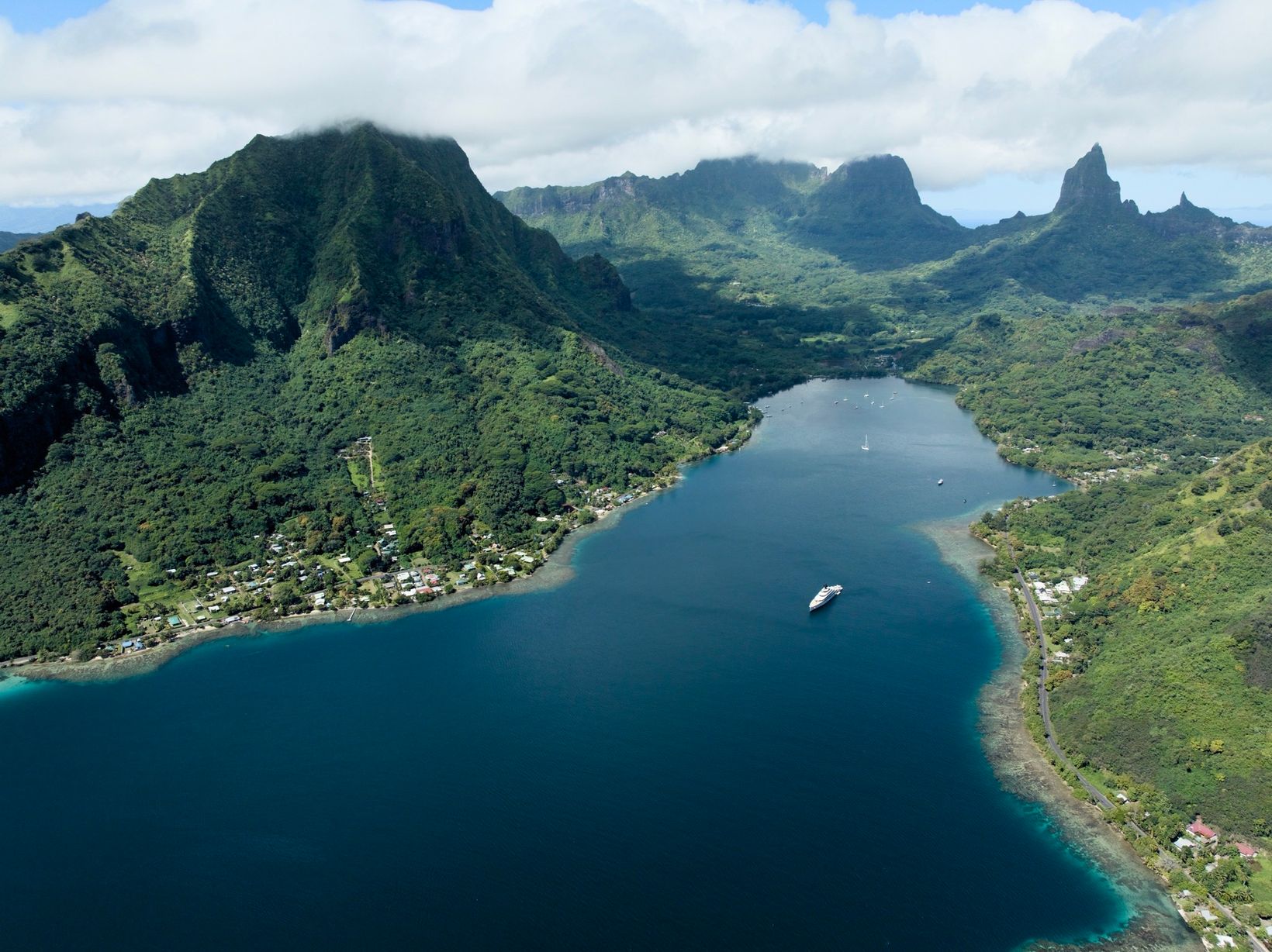
There’s no shortage of variety or activities on Moorea. Even though only two bays are officially permitted for anchoring—or tolerated by the locals—there’s plenty to do. There are playgrounds and a beach park that’s perfect for making pizza, as well as a freshwater shrimp farm that adds variety to our meals. Ōpūnohu Bay is also home to a modern, lovingly designed natural history museum and a small yacht club that puts on dance shows in the evening. At Marina Vaiare, we roll up our sleeves, scrub the boat, and adjust the anchor chain, which has started to jump over the chain nut at the stressed points. To add some fun to the work, we rescue sailboats from hitting the reef.
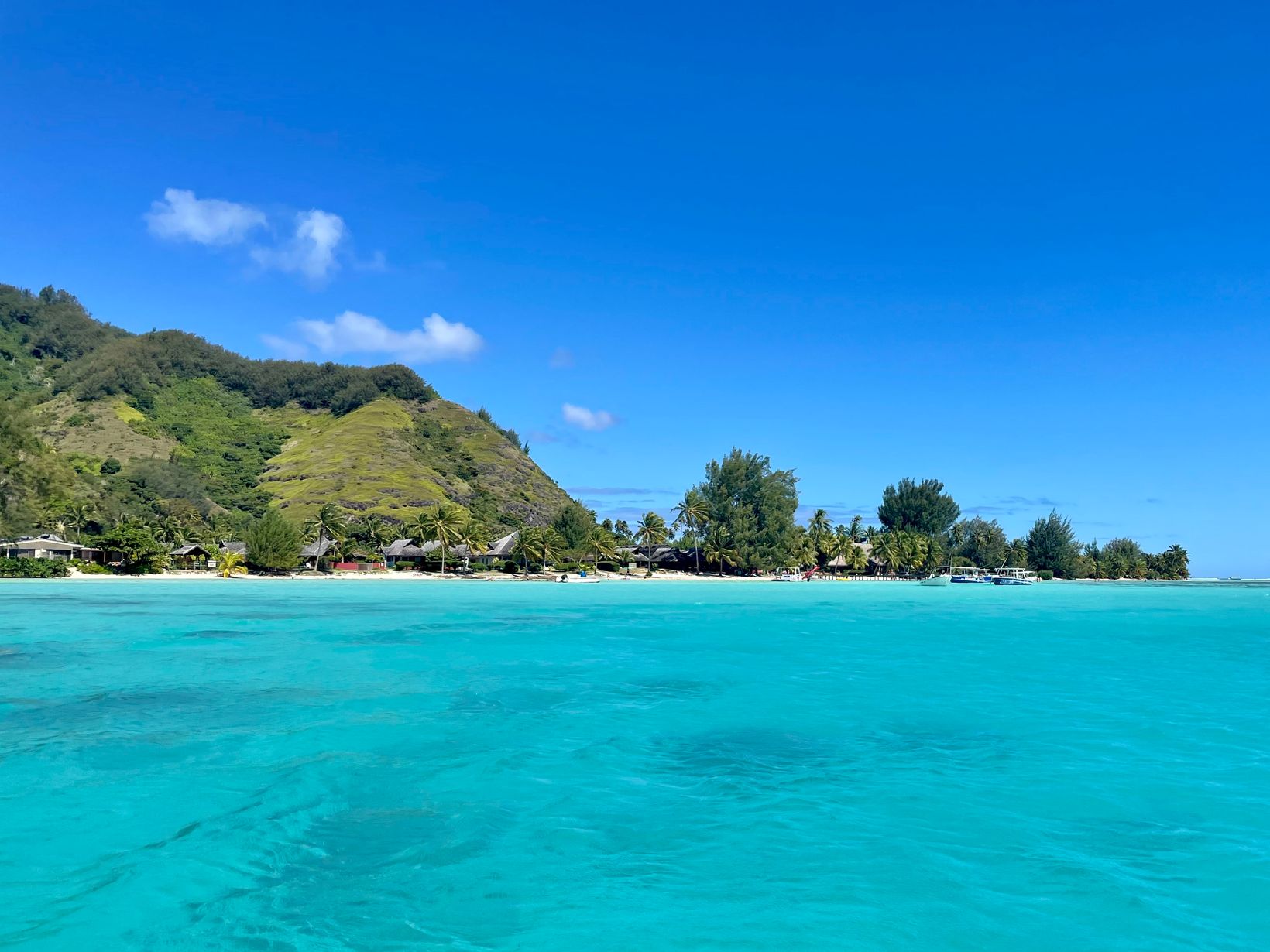
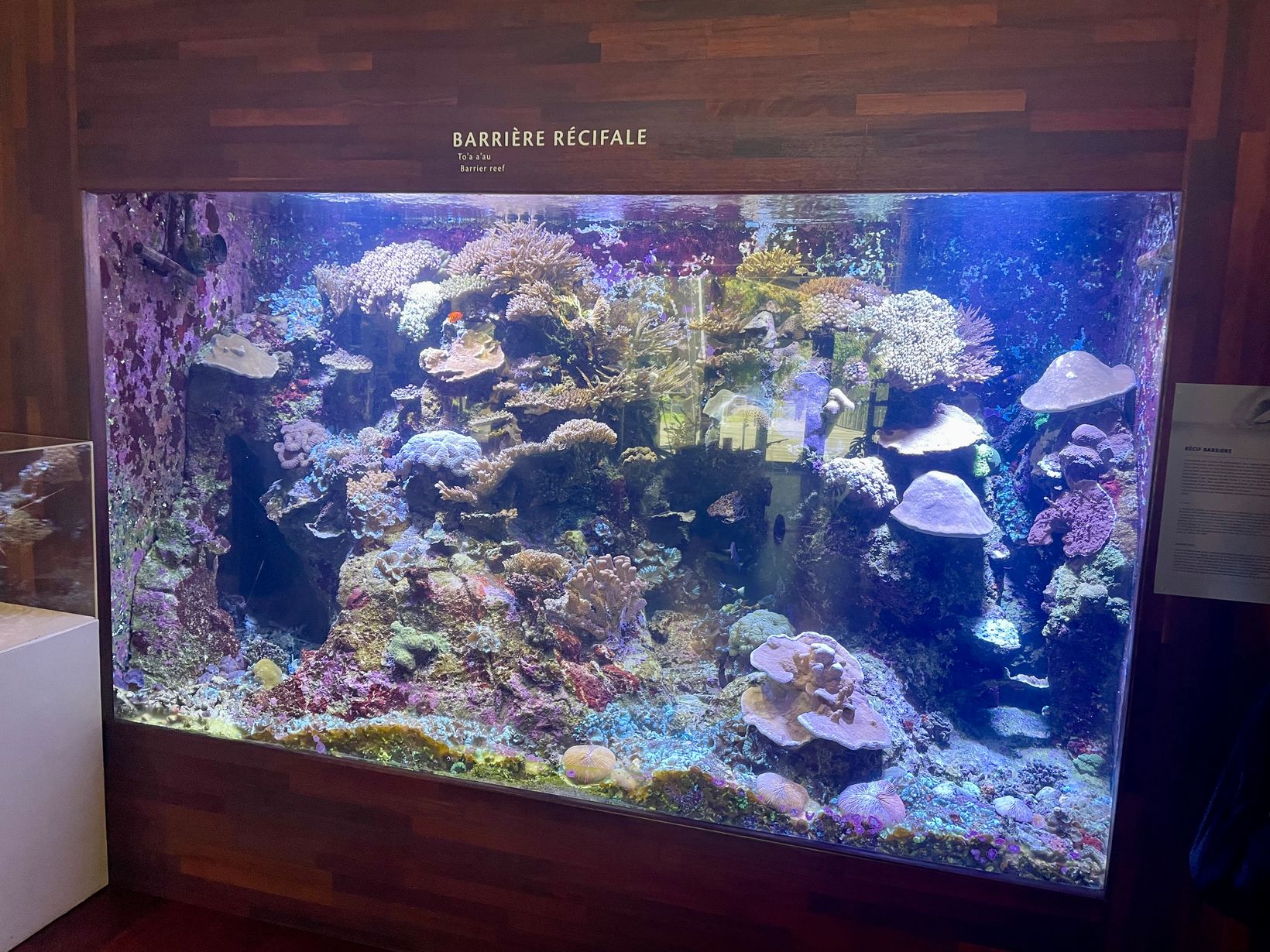
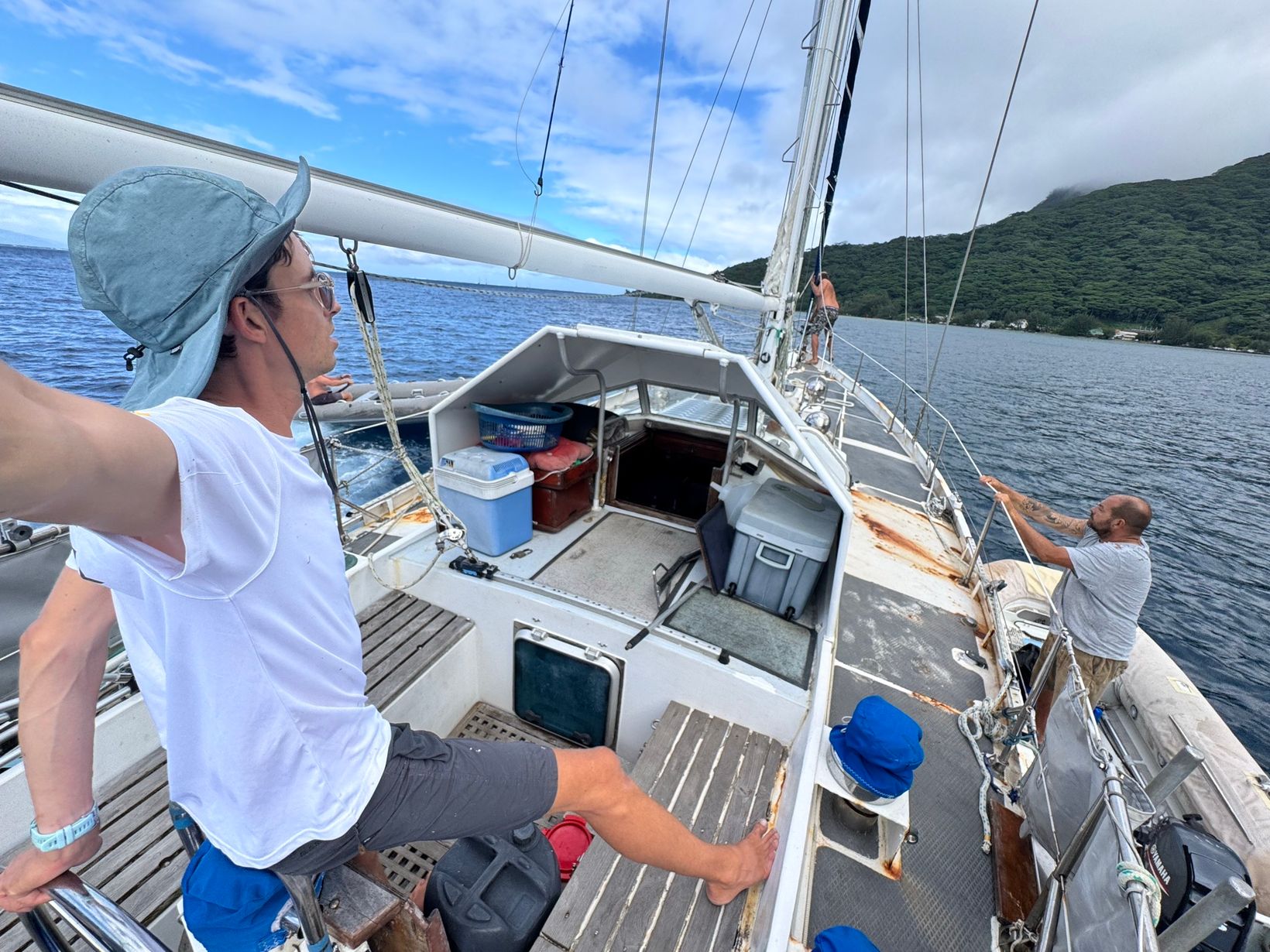
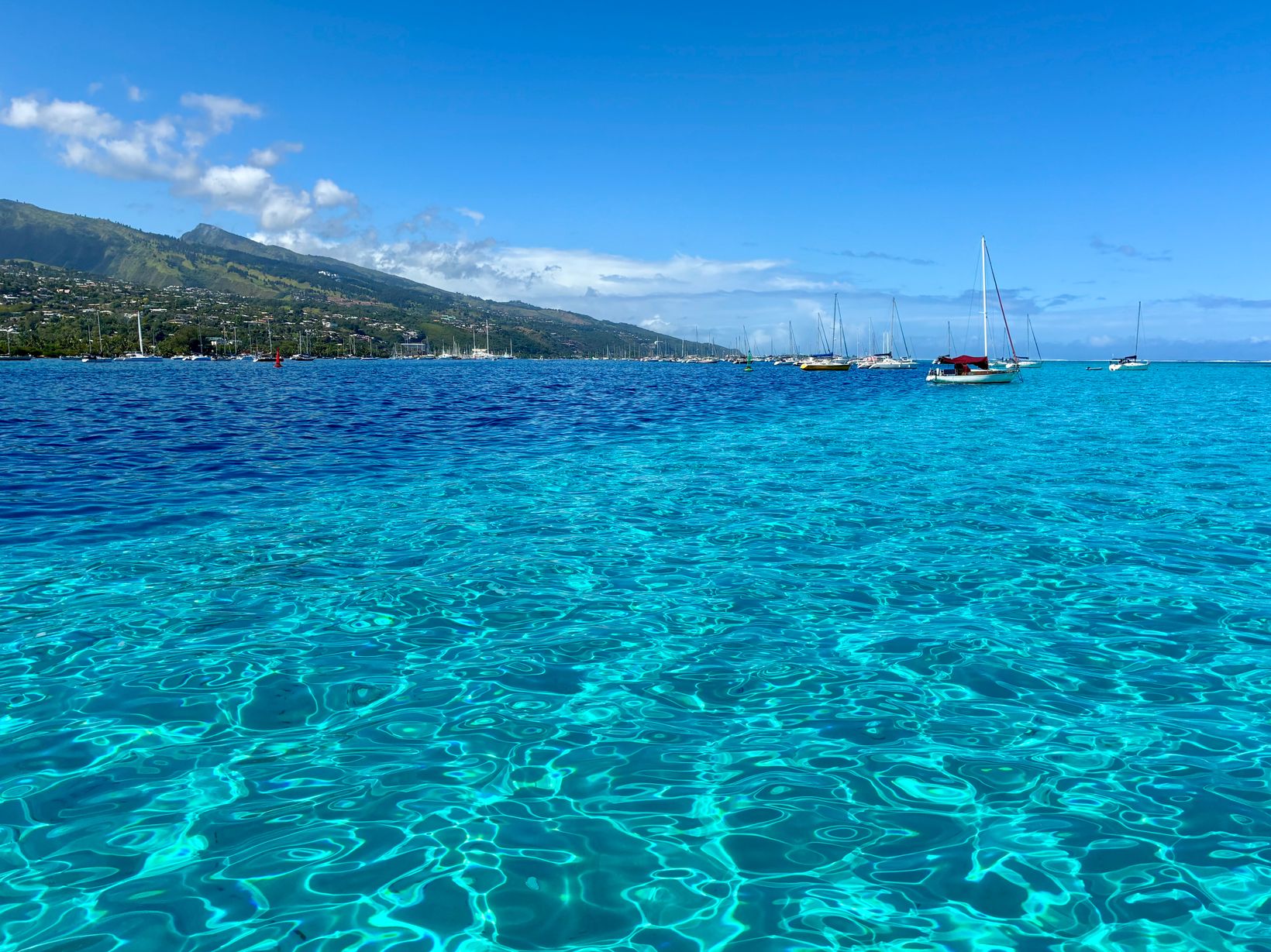
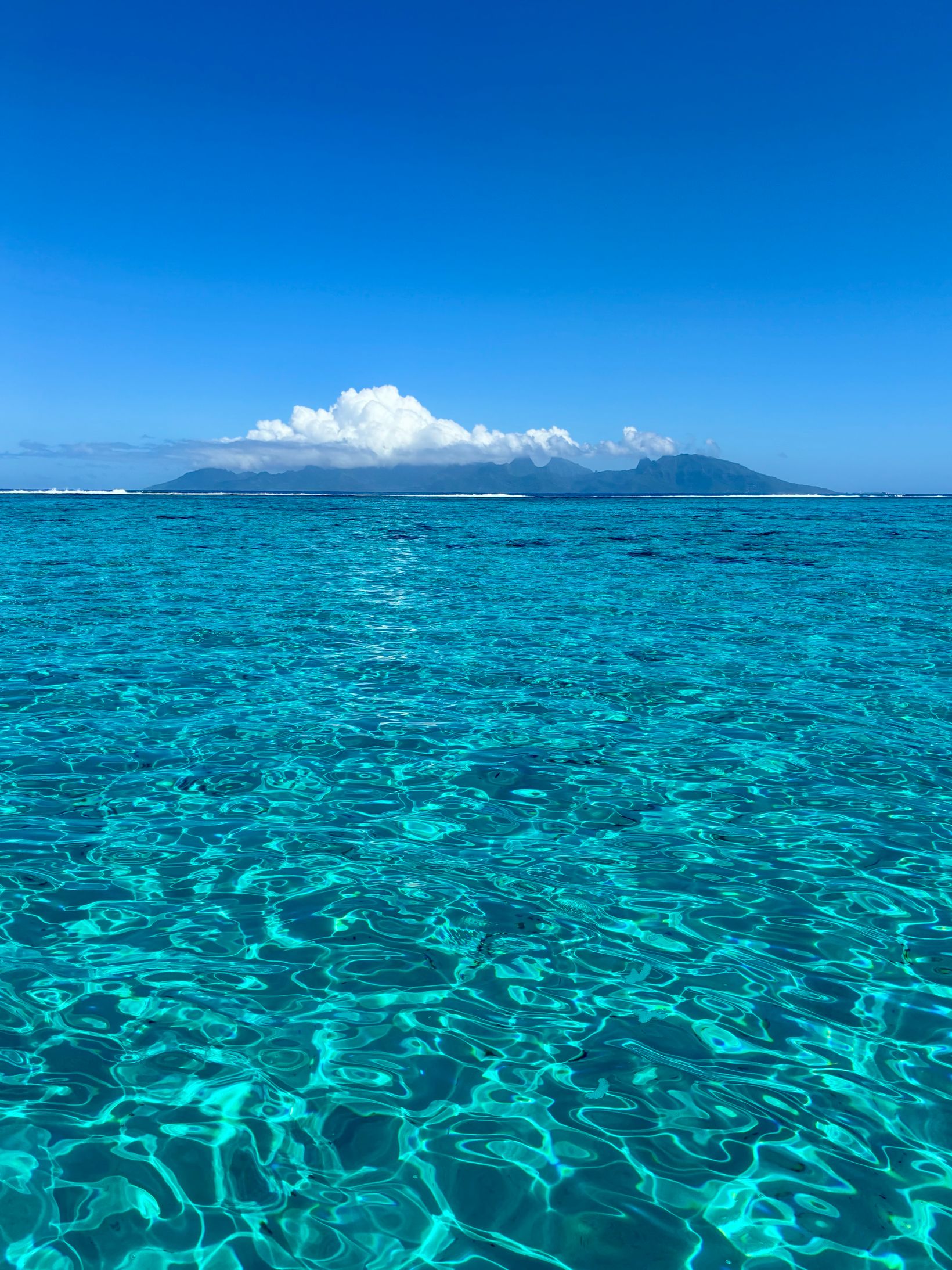
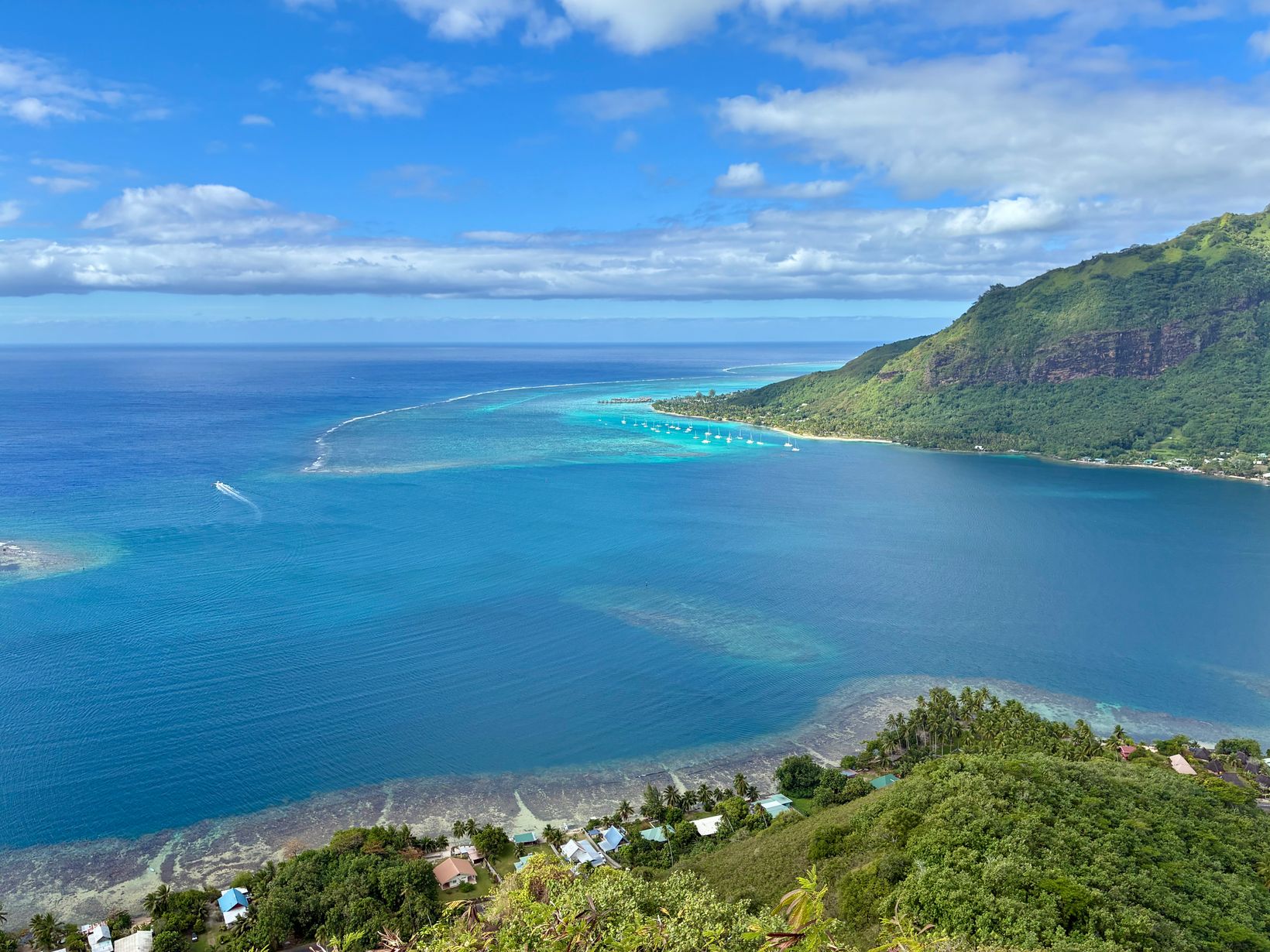
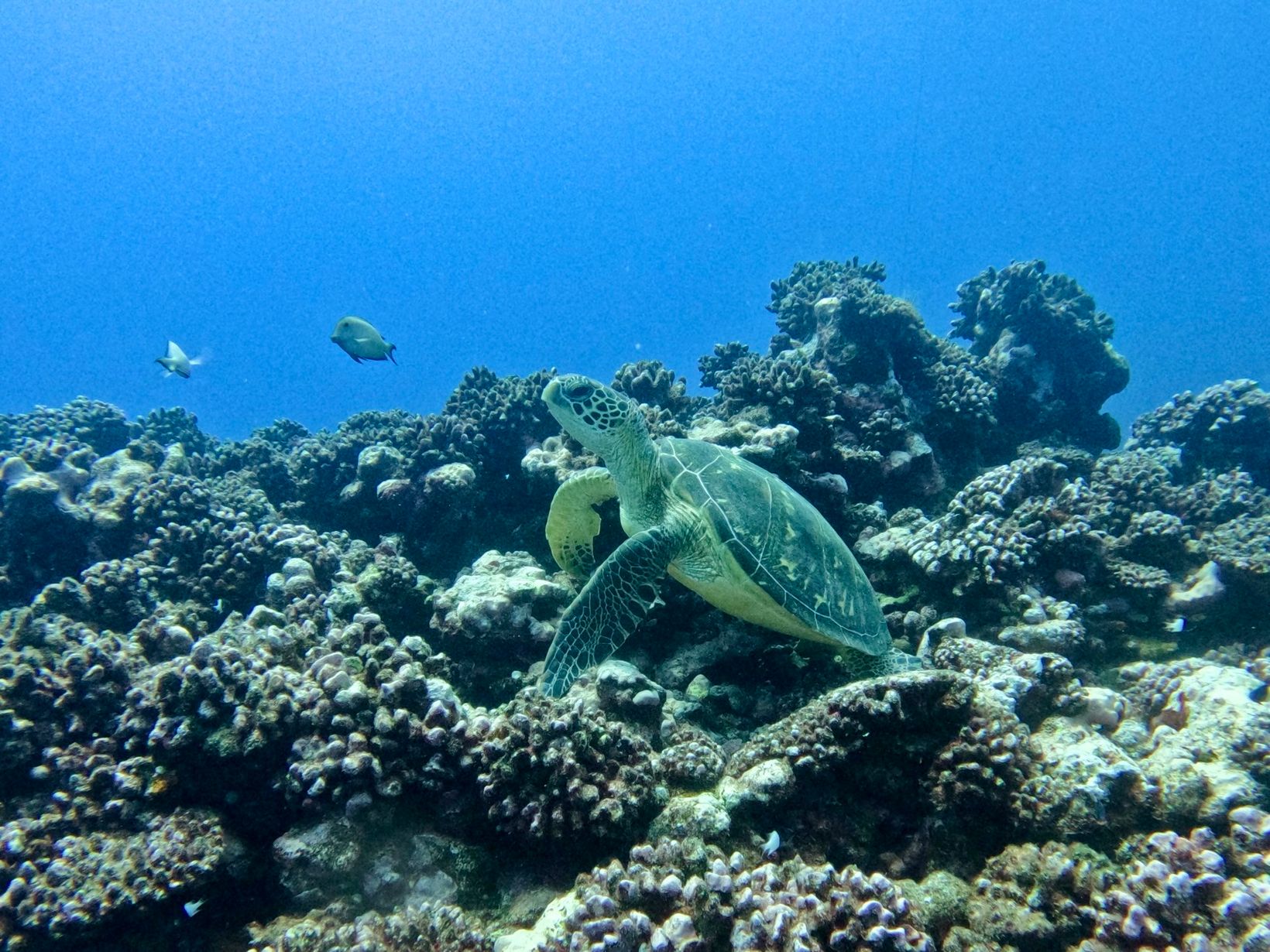
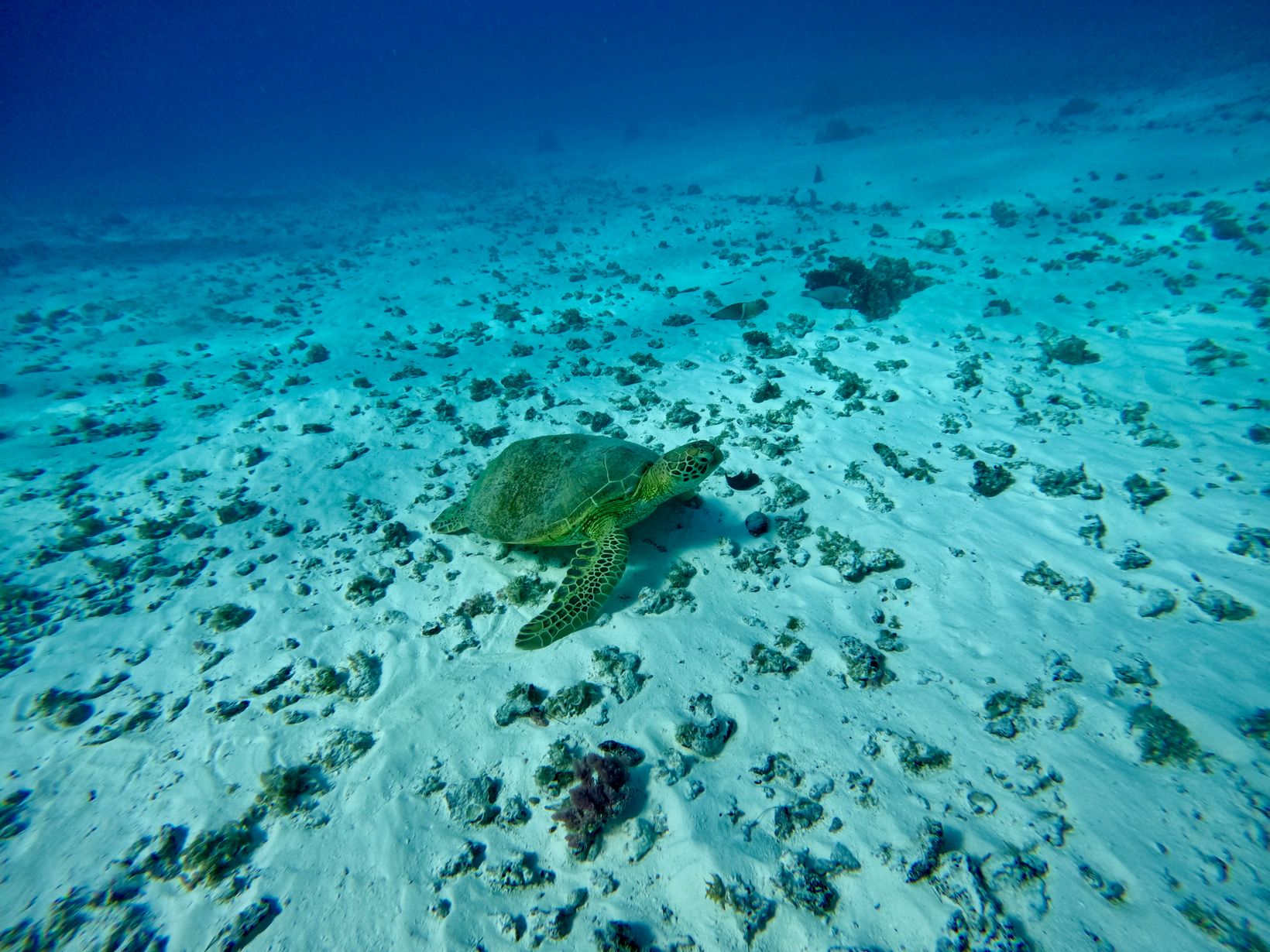
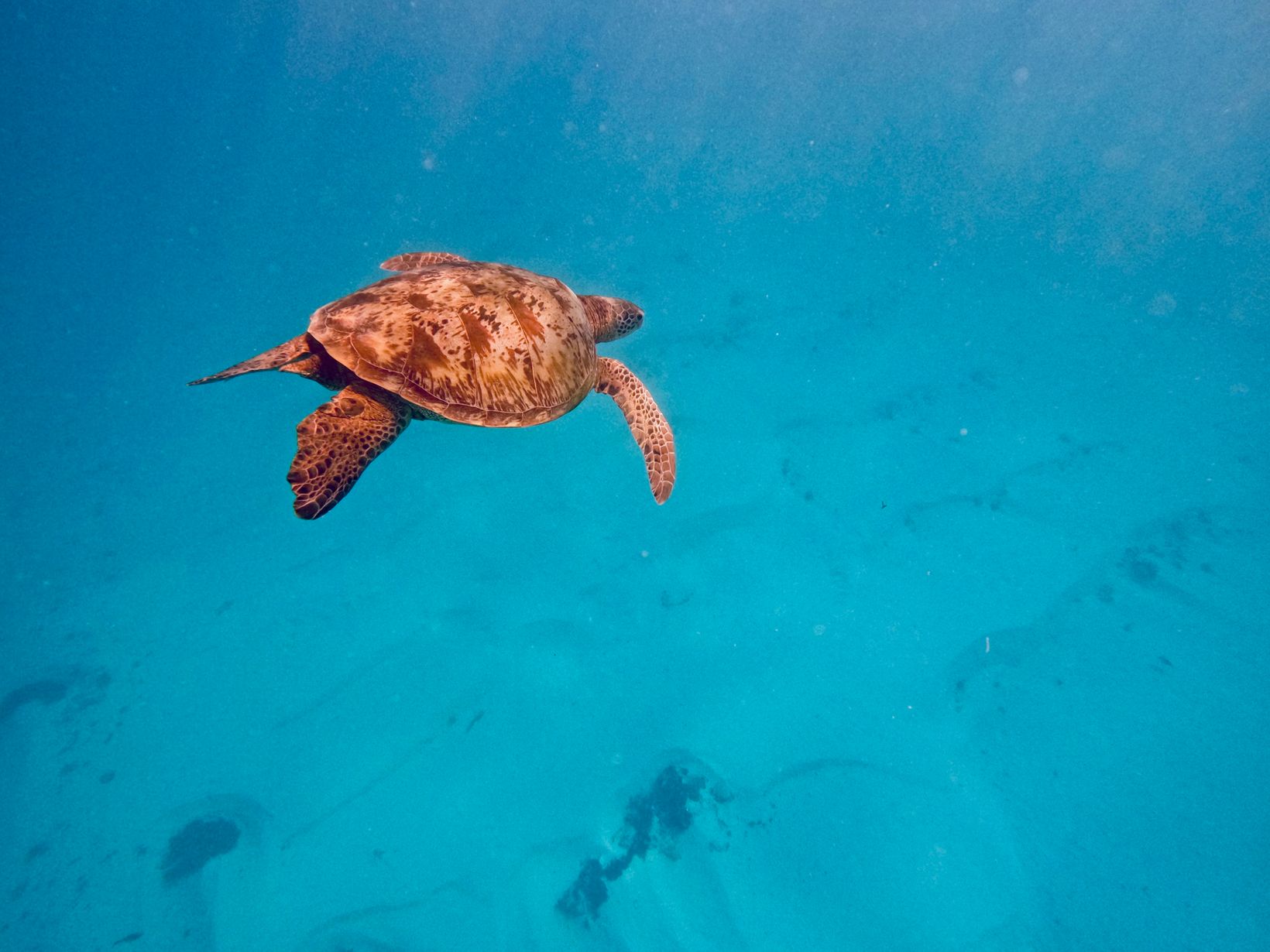
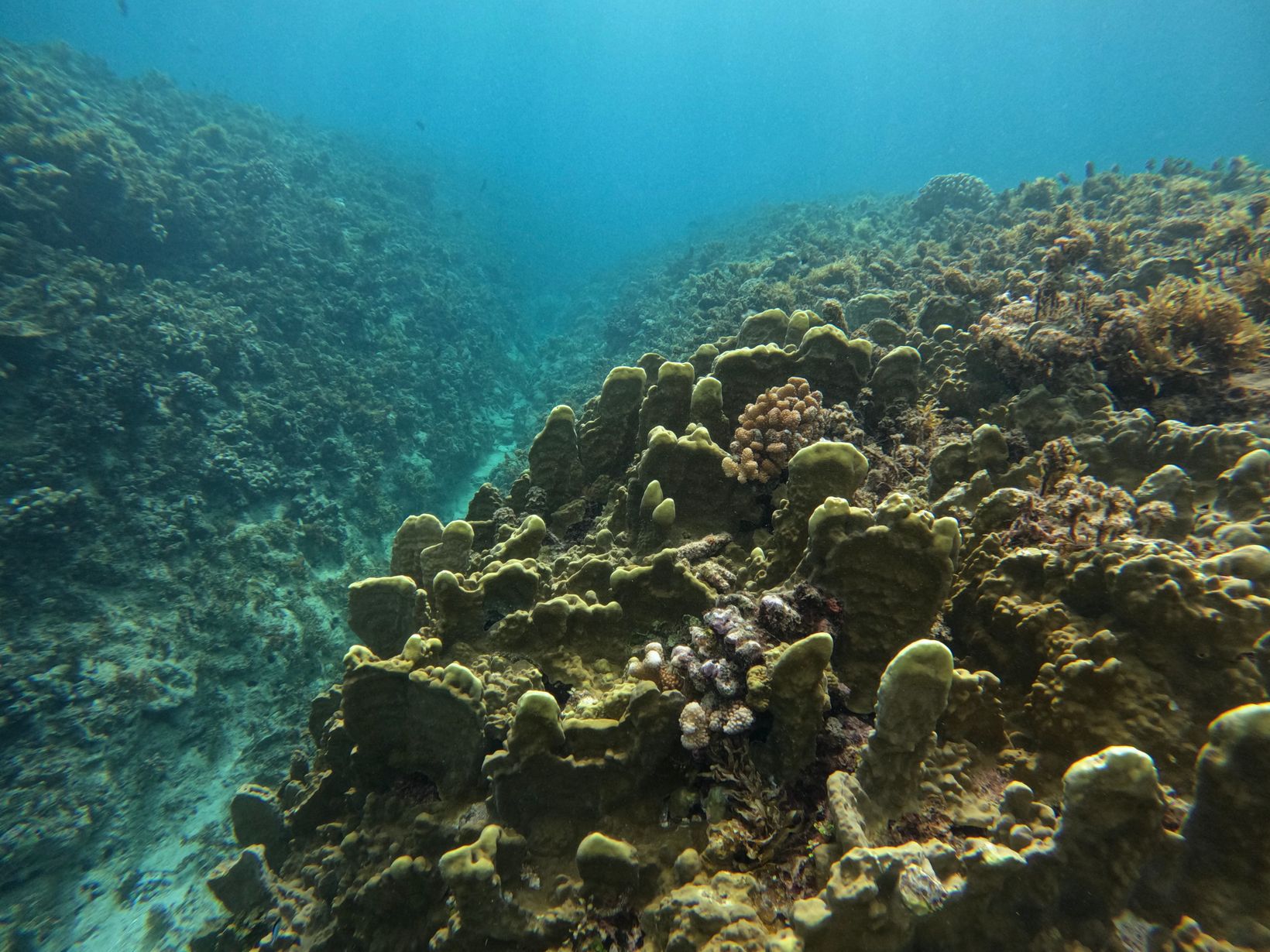
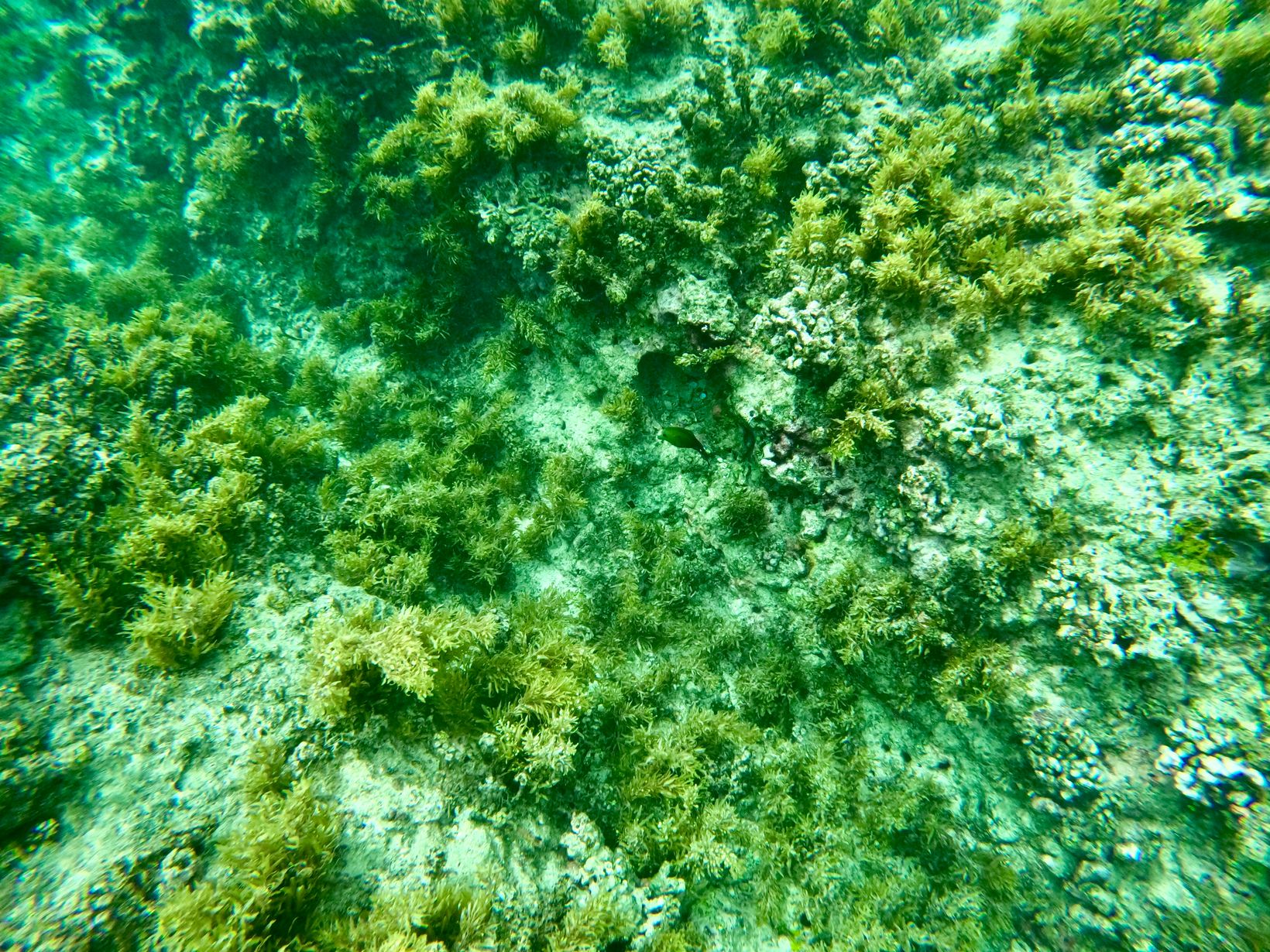
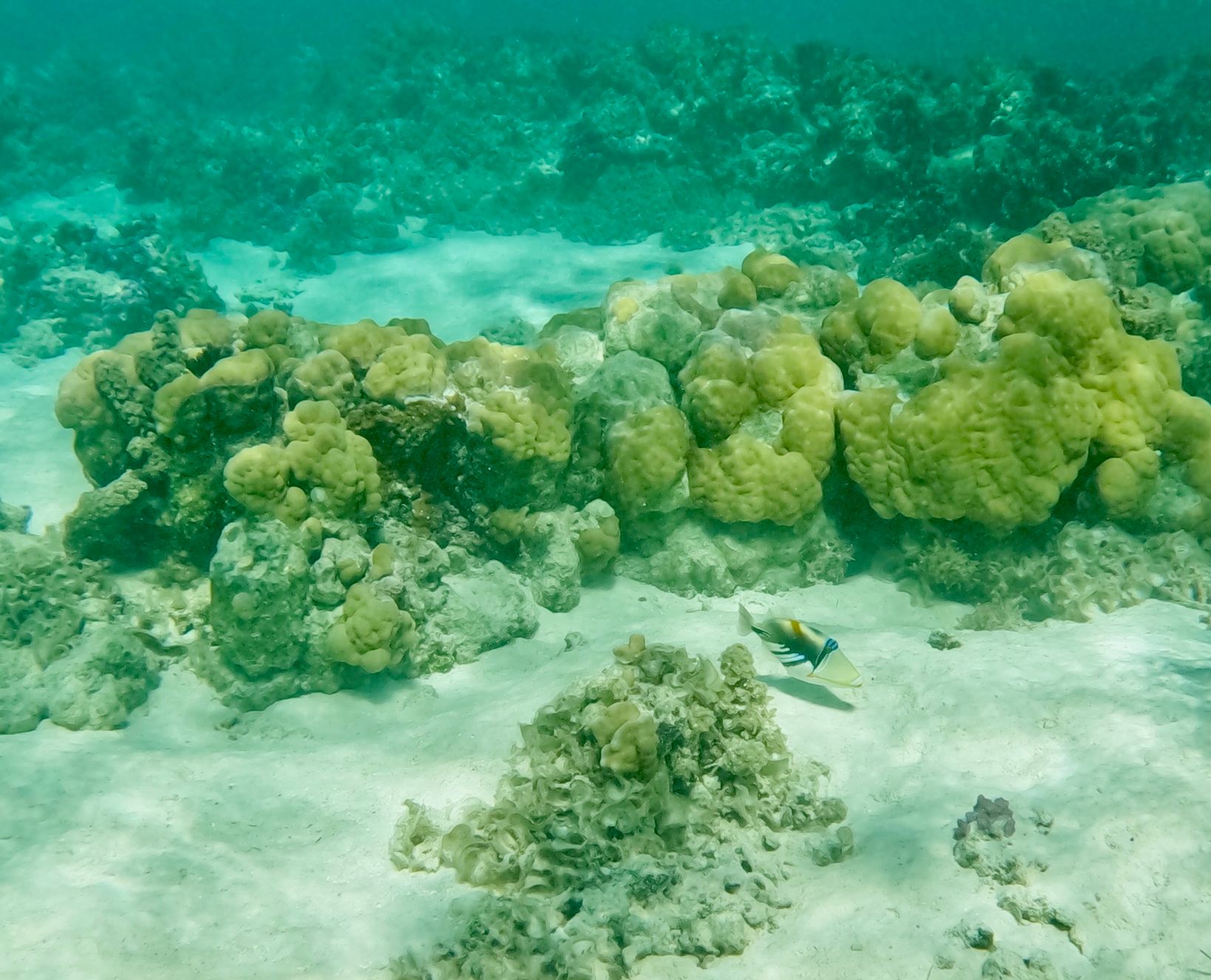
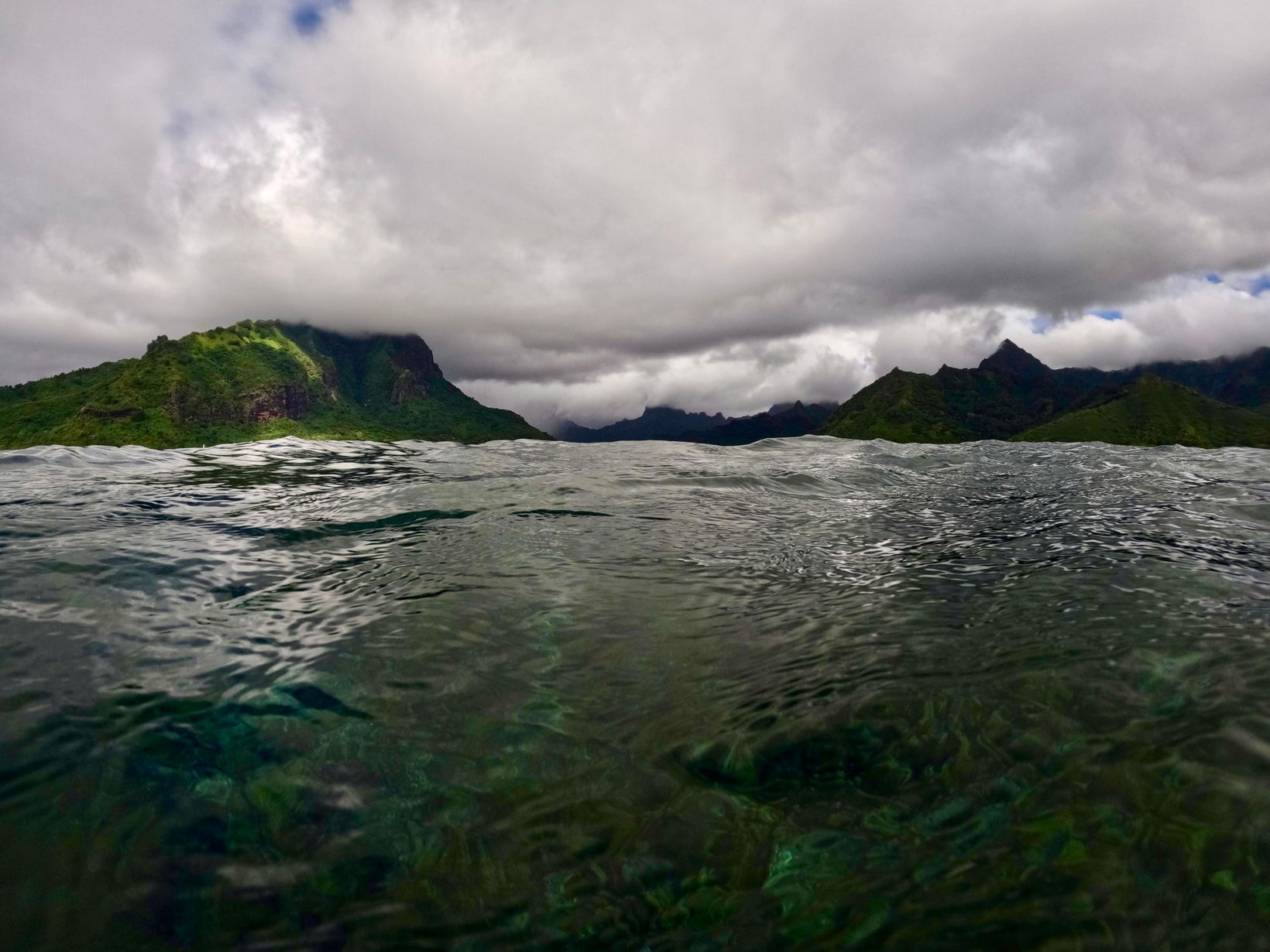
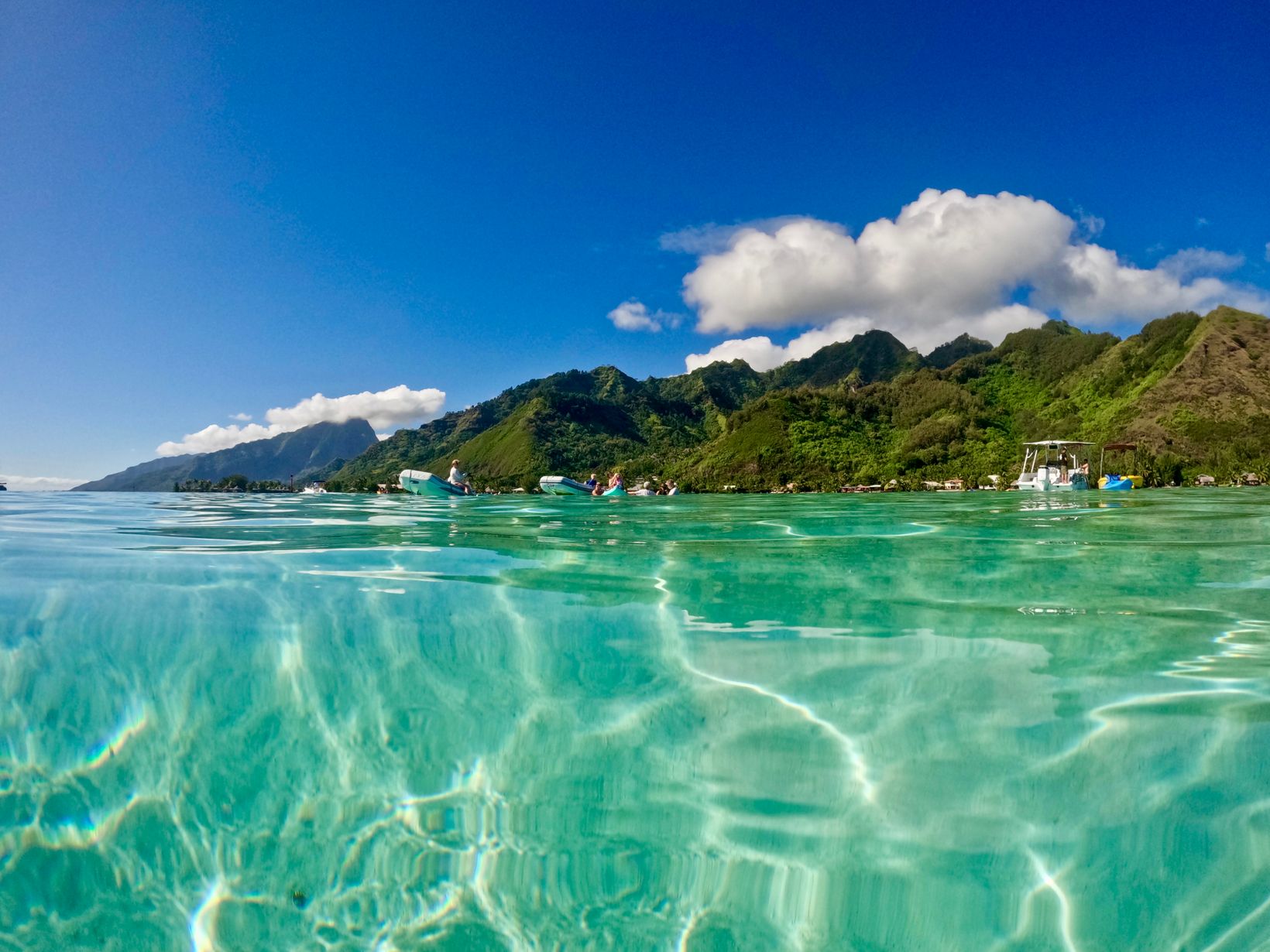
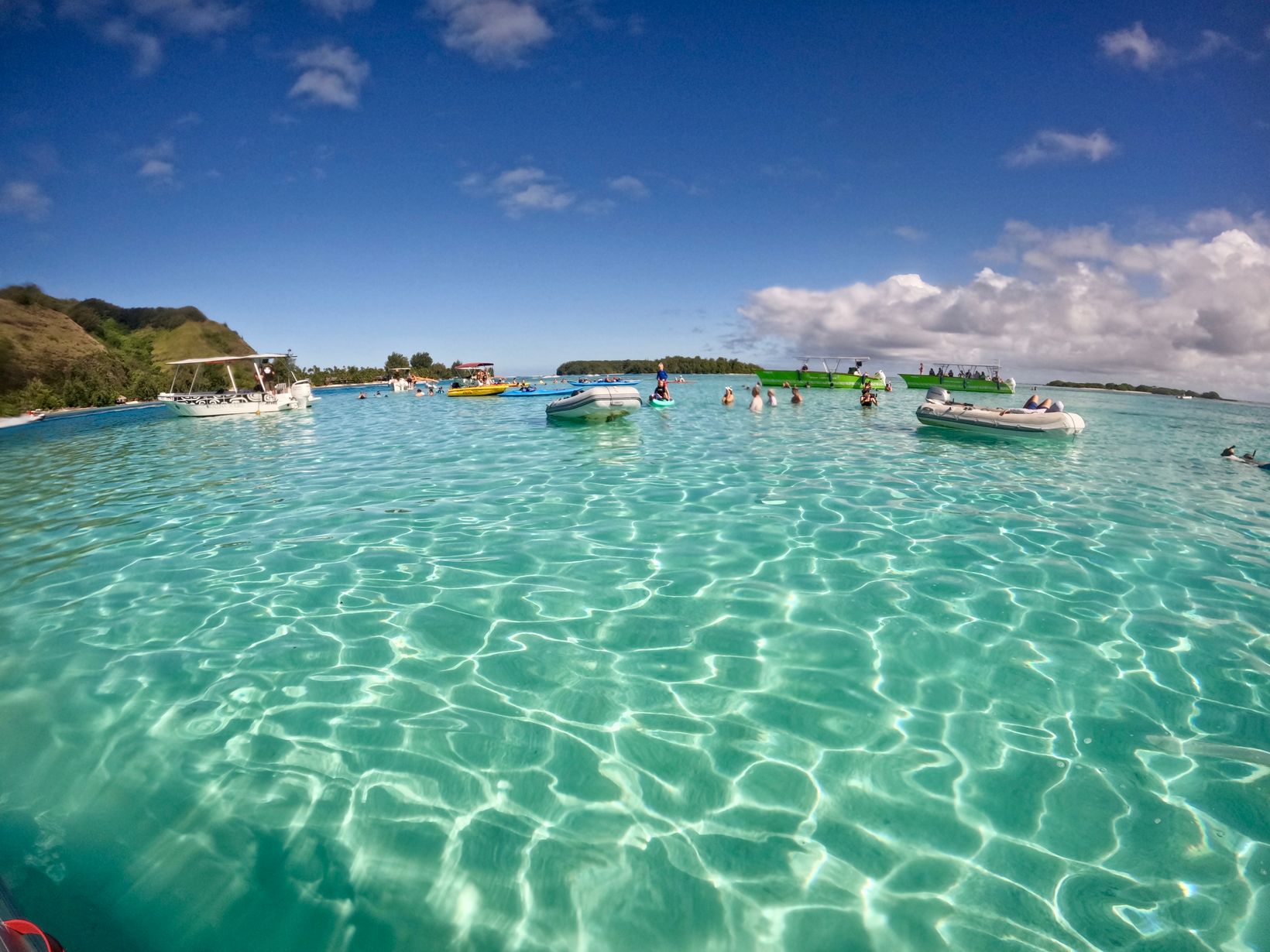
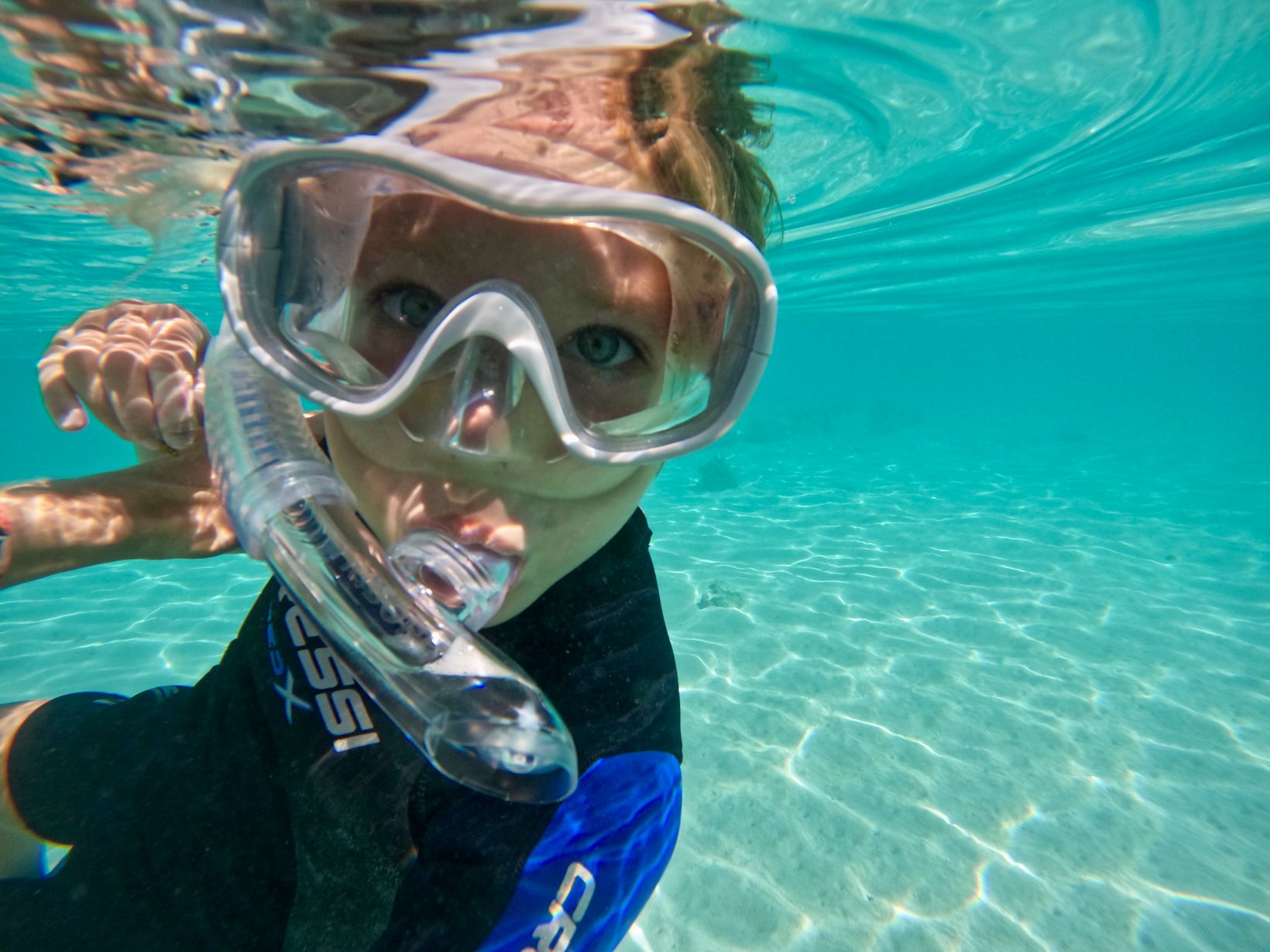
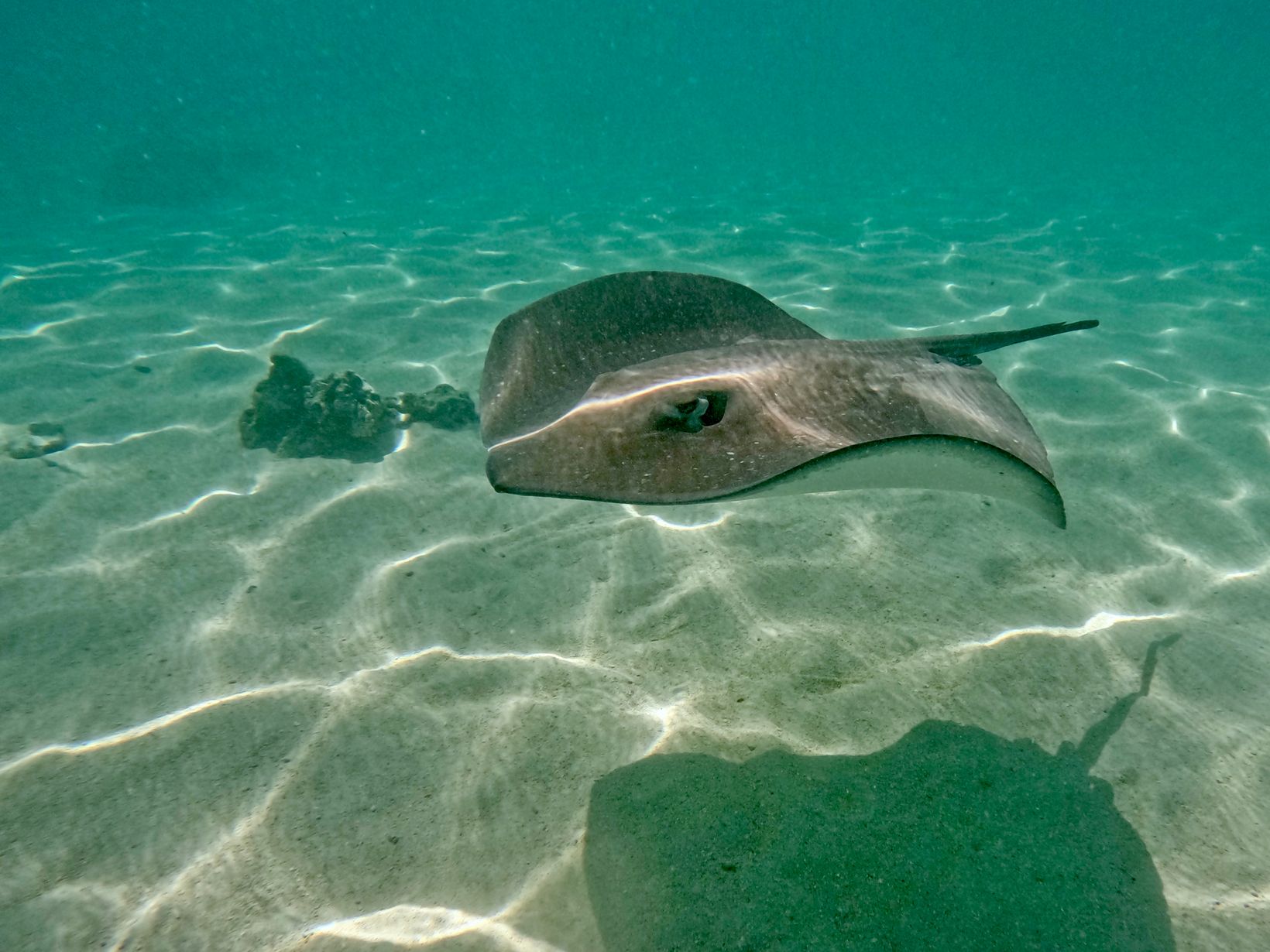
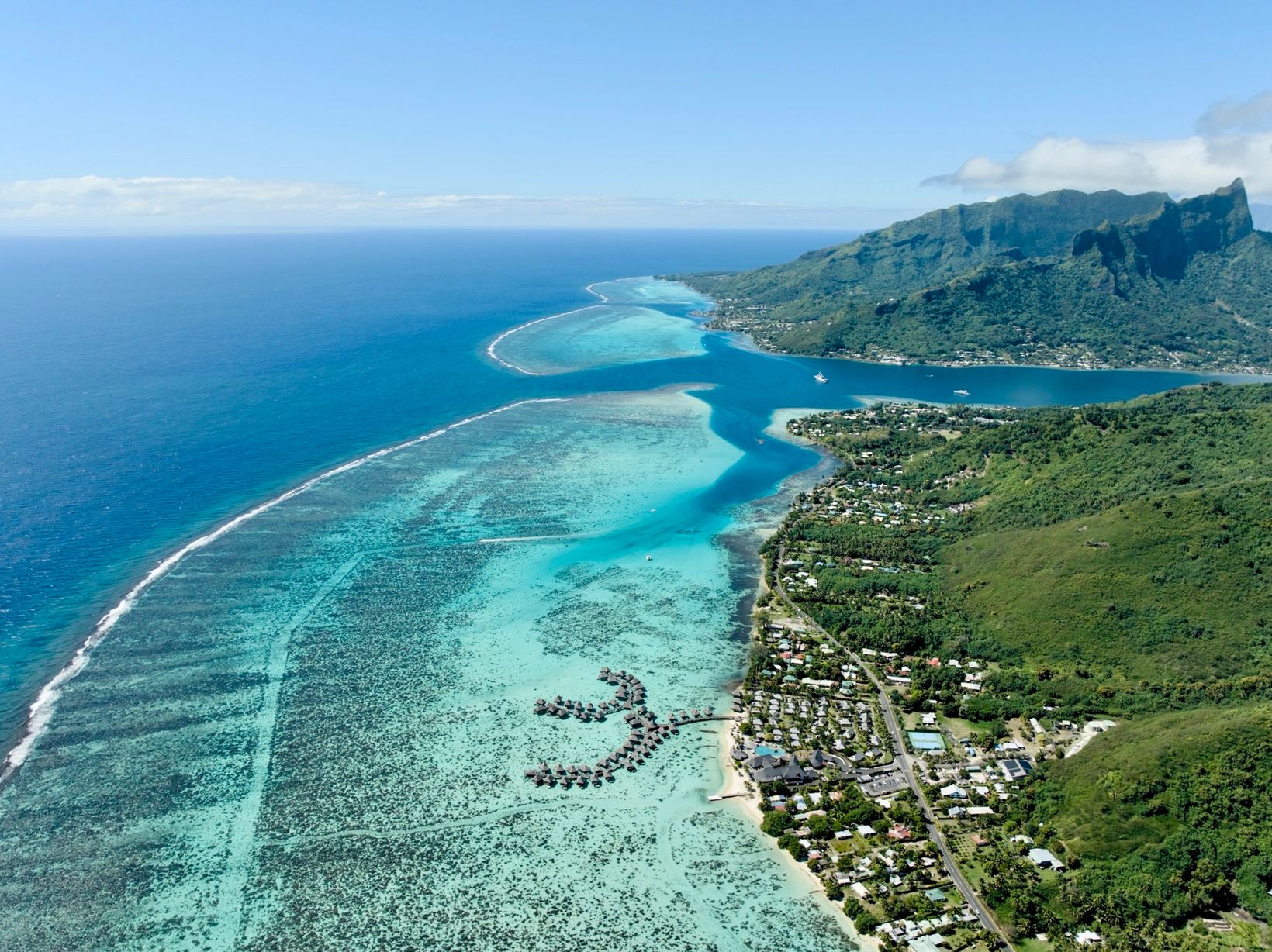
From above, the water beyond the reef appears invitingly blue. However, down below, visibility is limited, and the water is nowhere near as clear as in the Tuamotus. Having been spoiled by the Tuamotus, we wonder why so many people here are enthusiastic about snorkeling and why the tour boats are practically running each other over. The corals are struggling and present a somewhat depressing sight. From Marina Vaiare, we cancel a planned snorkeling trip because there is diesel floating on the water’s surface everywhere. Despite all the adversity, the water teems with life. Many turtles swim in Ōpūnohu Bay. Further west, sharks and stingrays are hand-fed and circle around. In turn, they attract hordes of tour boats full of snorkelers and influencers. With little effort, you can capture the perfect shot here for an Instagram post straight from paradise.
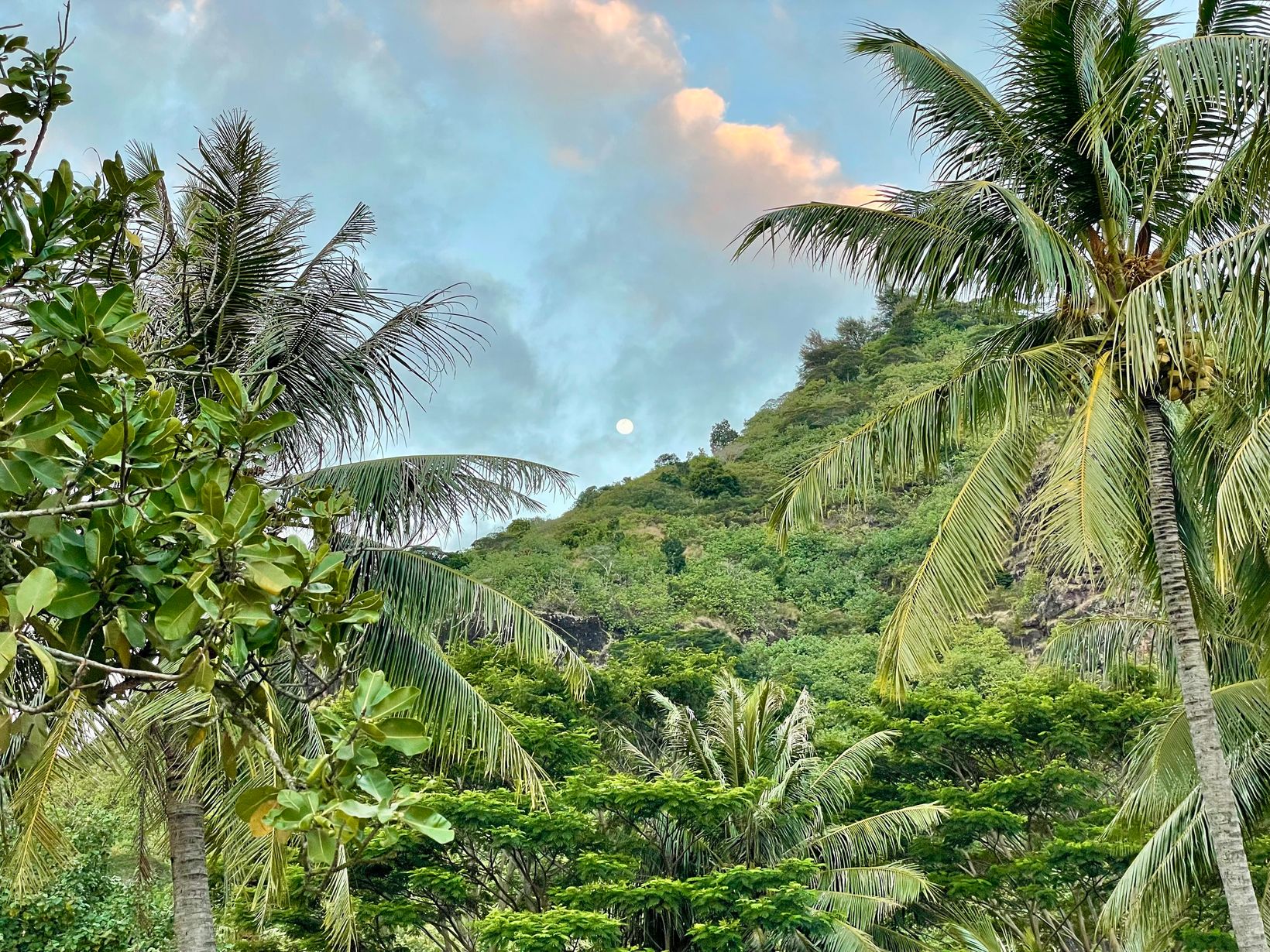
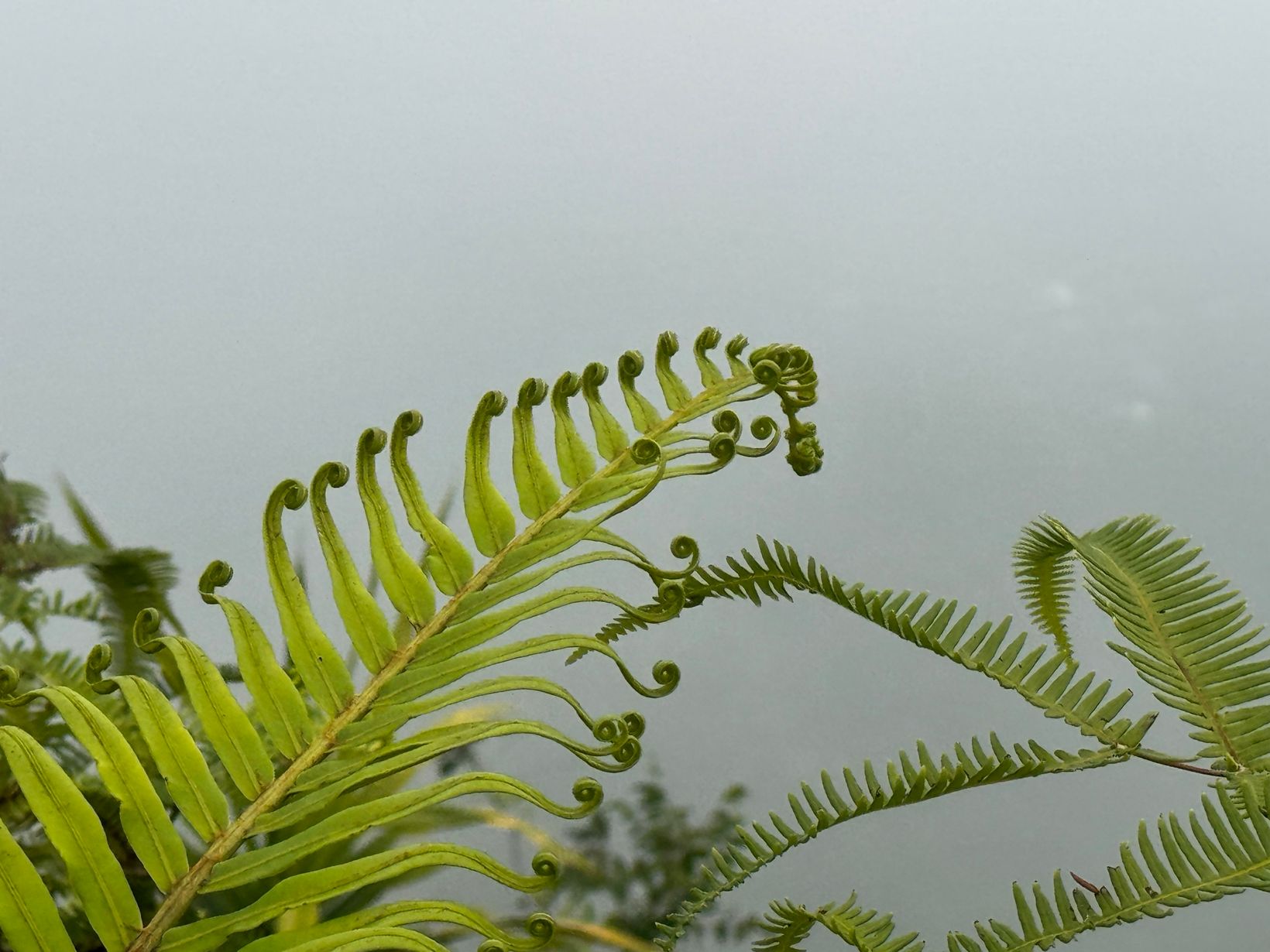
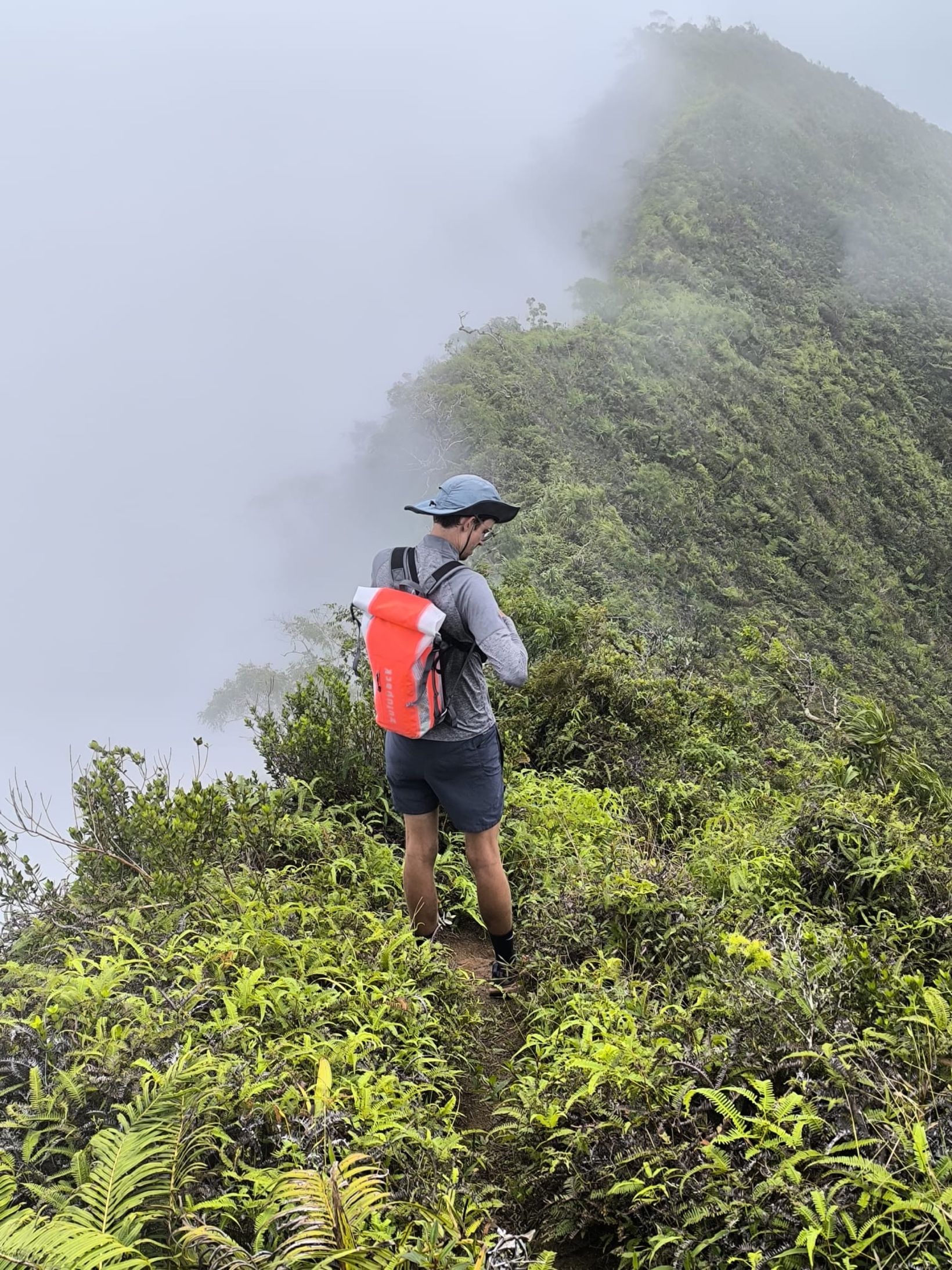
You can really tell what a paradise this is when you’re hiking. The trails, however, are overgrown so quickly that you often spend more time searching for them than actually hiking. If you have a good sense of direction, though, and manage to find a trail — or even make it to a summit like Mont Rotui — the island will reward you with breathtaking views.
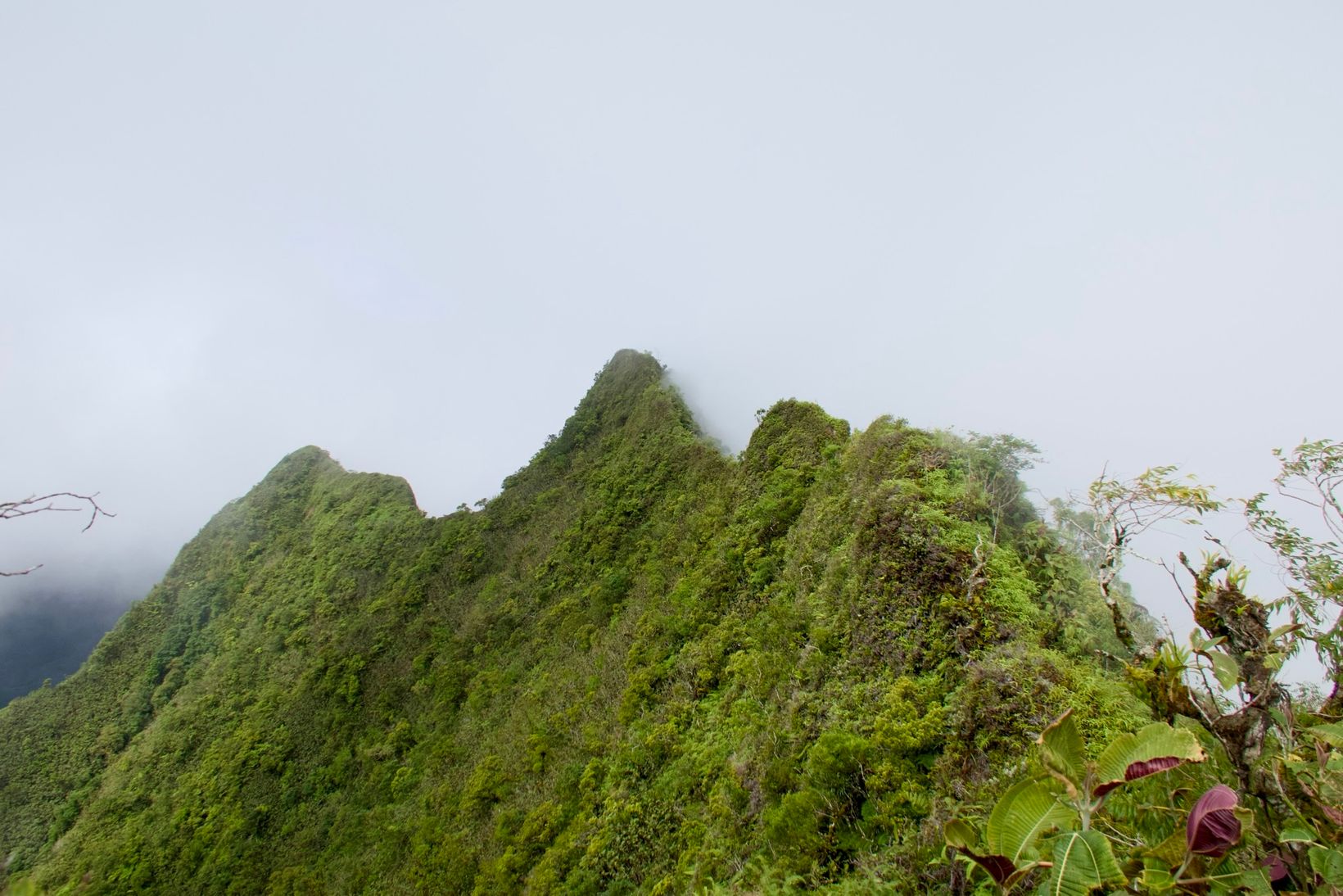
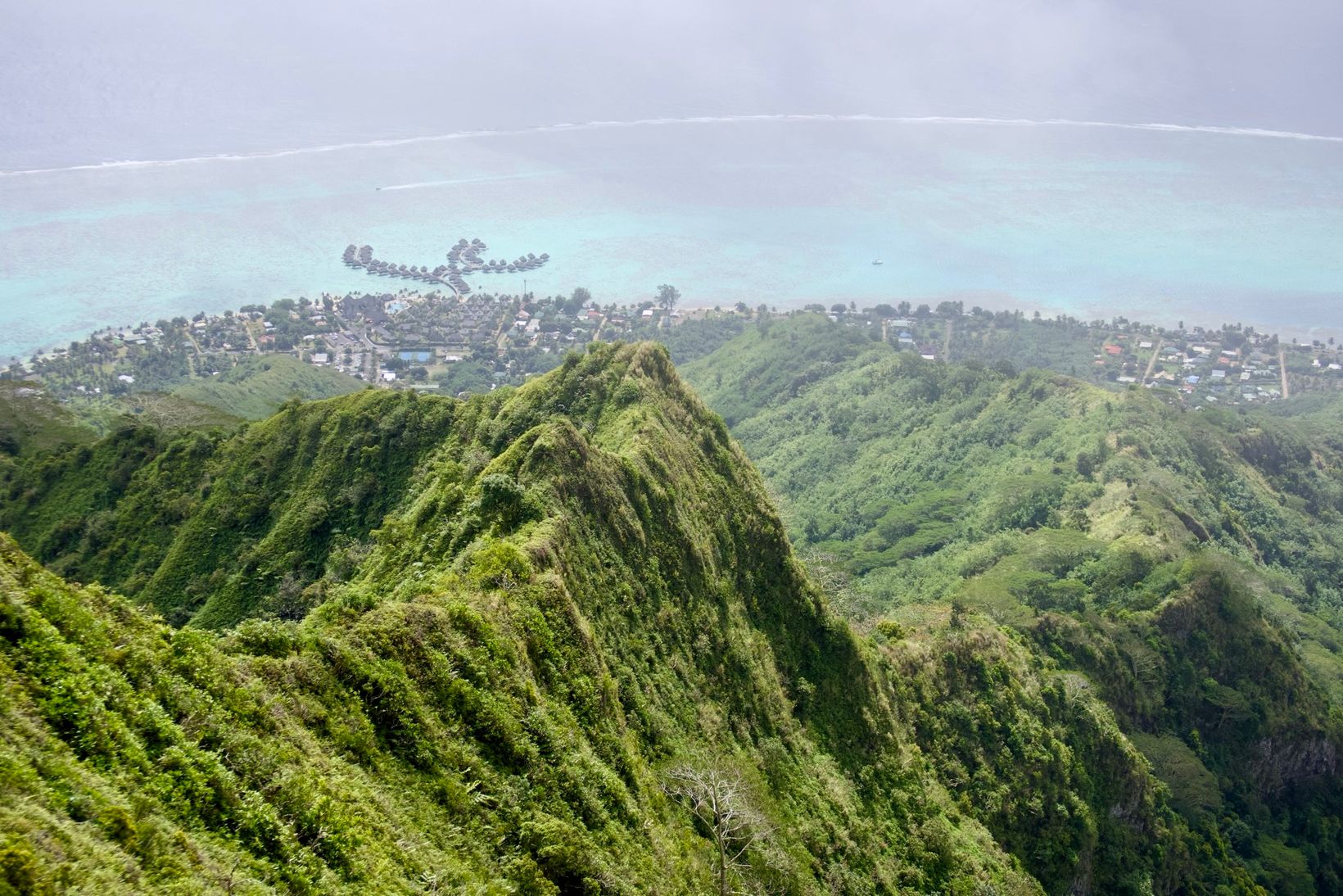
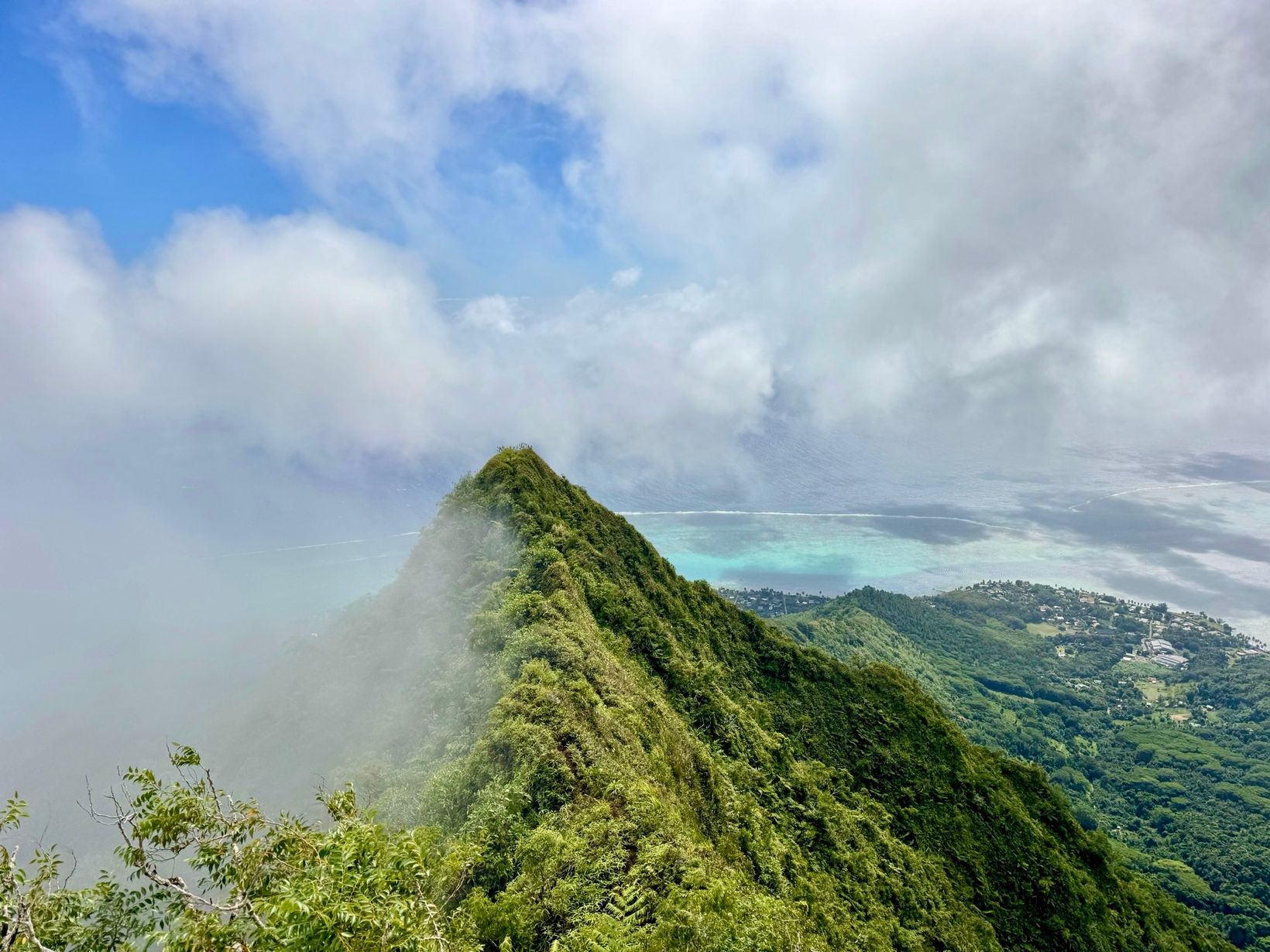
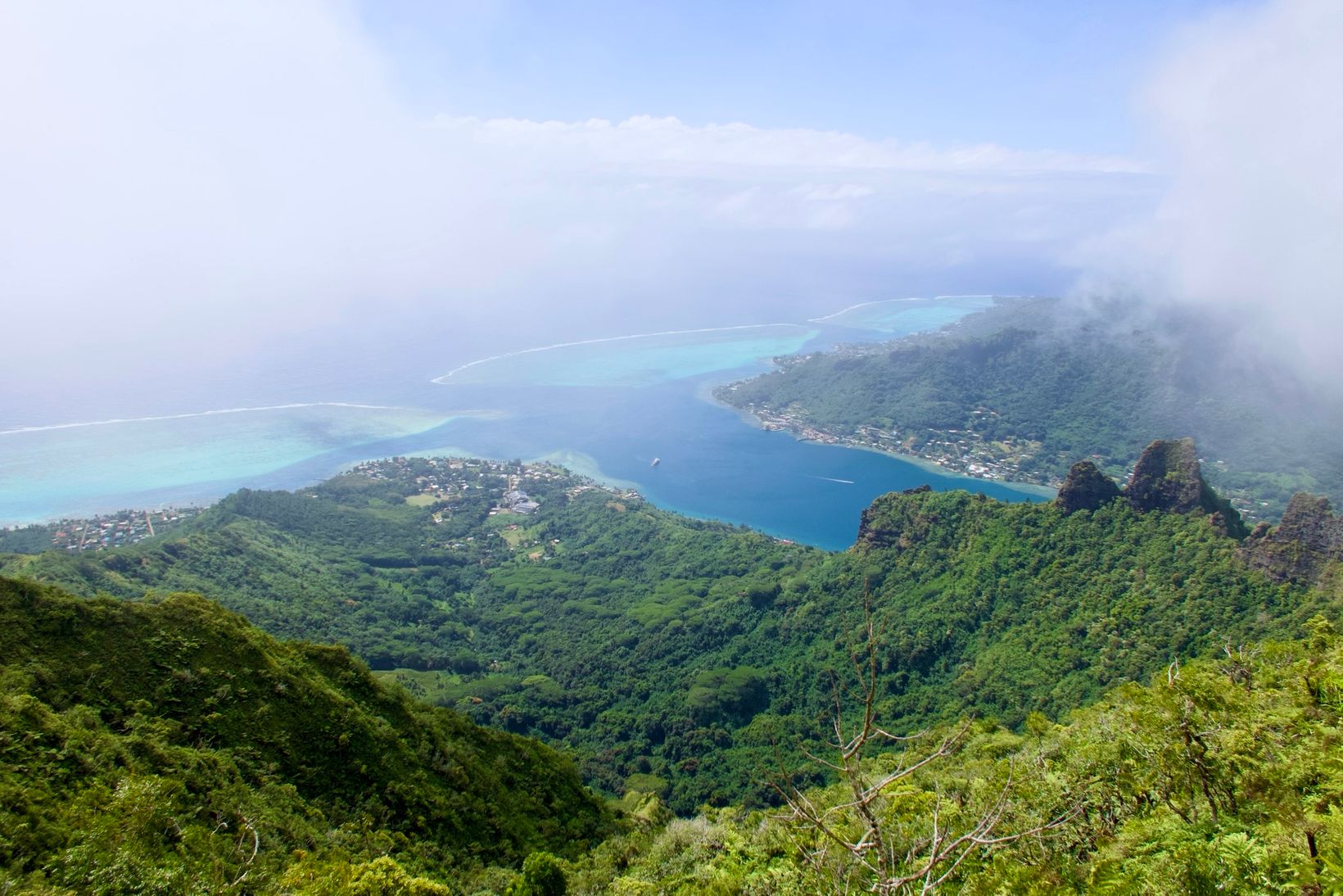
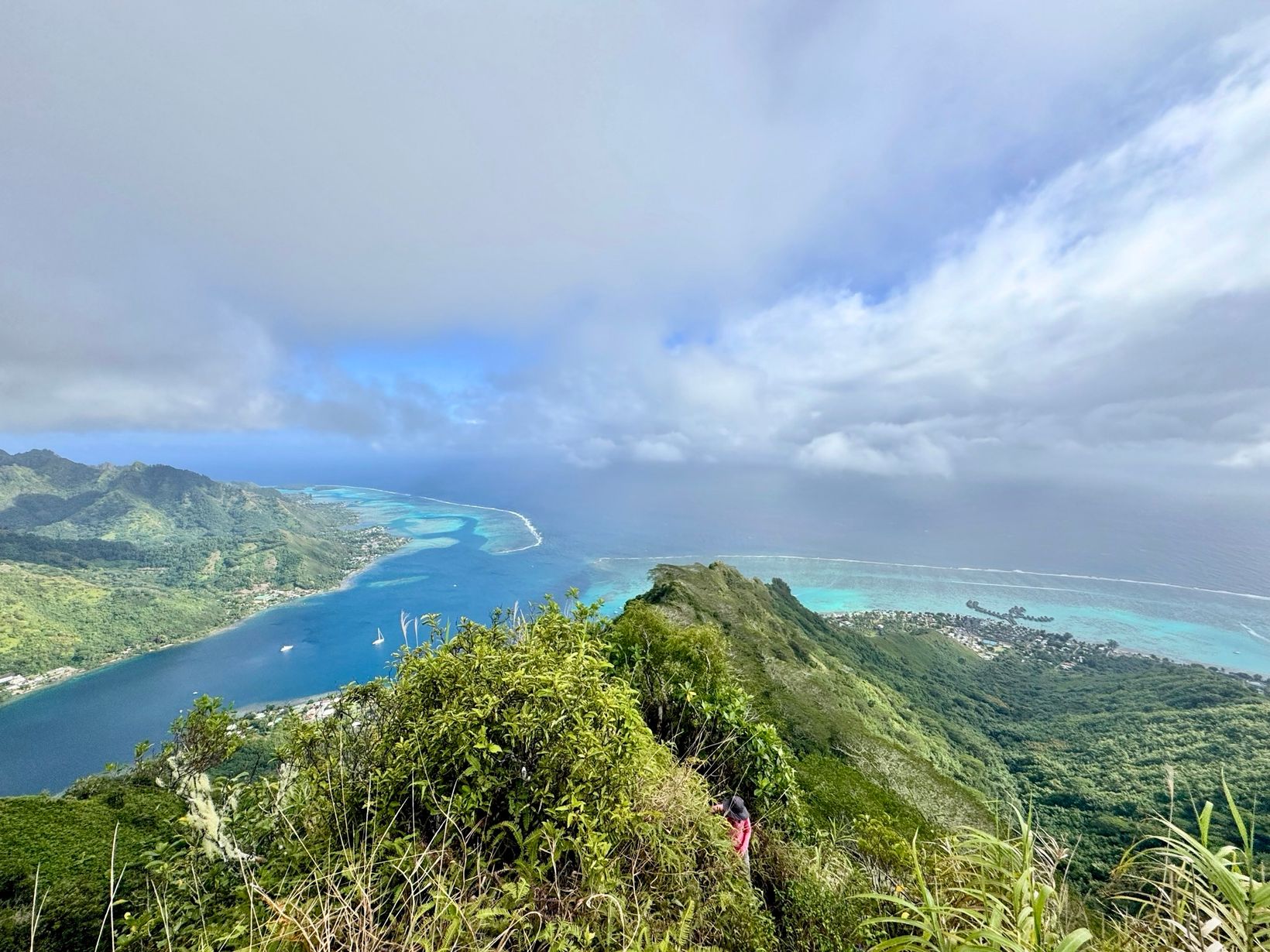
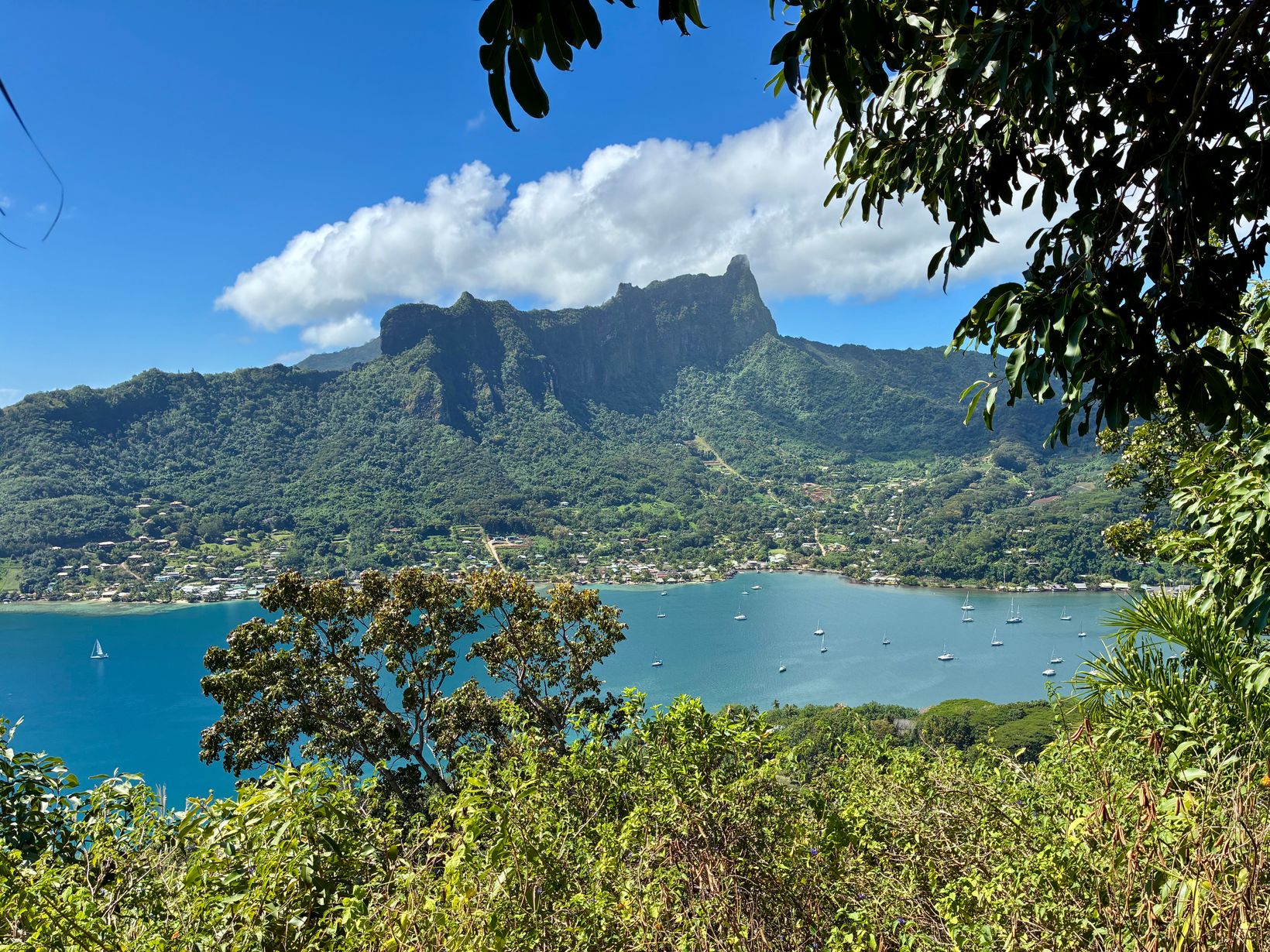
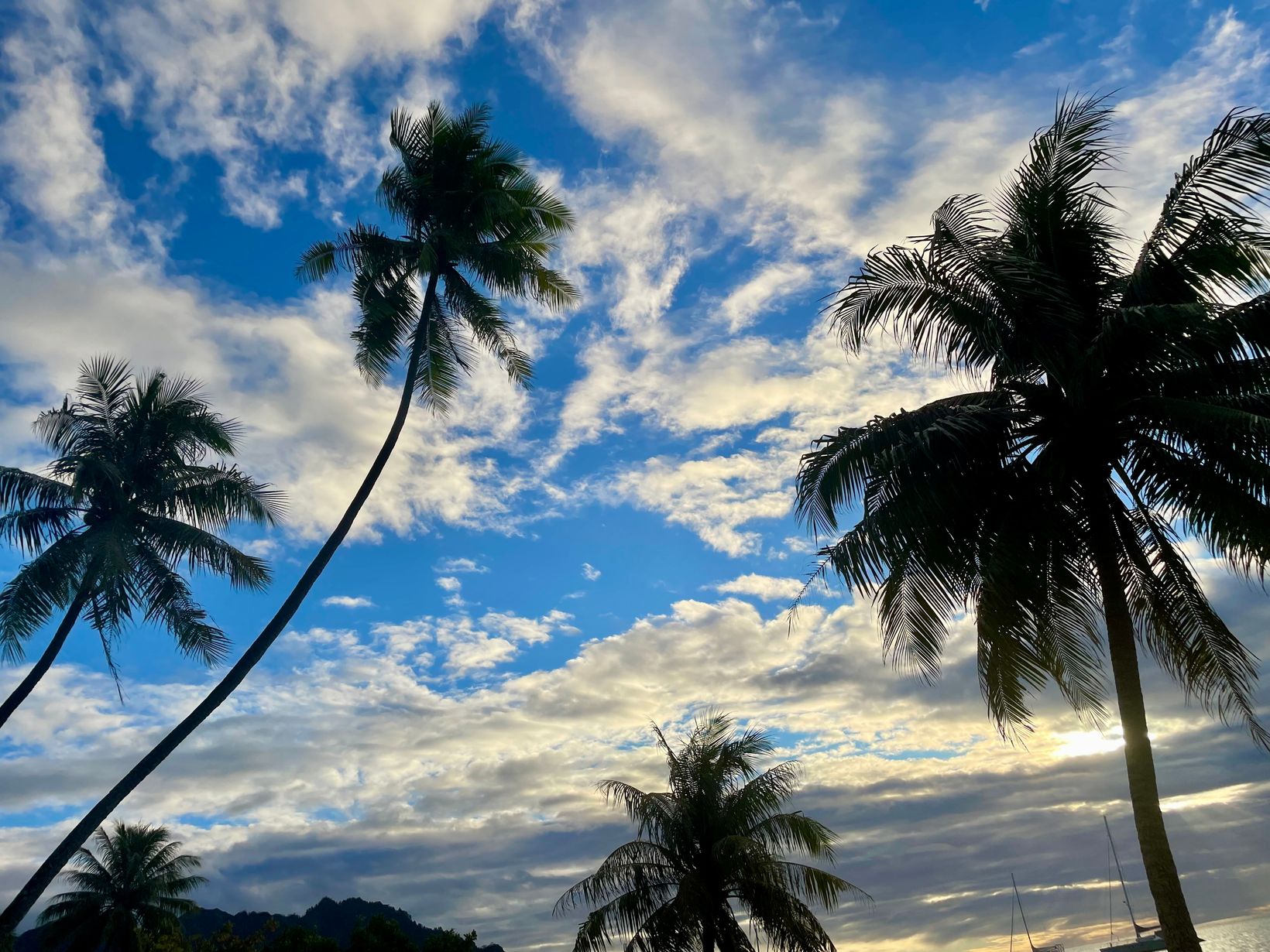
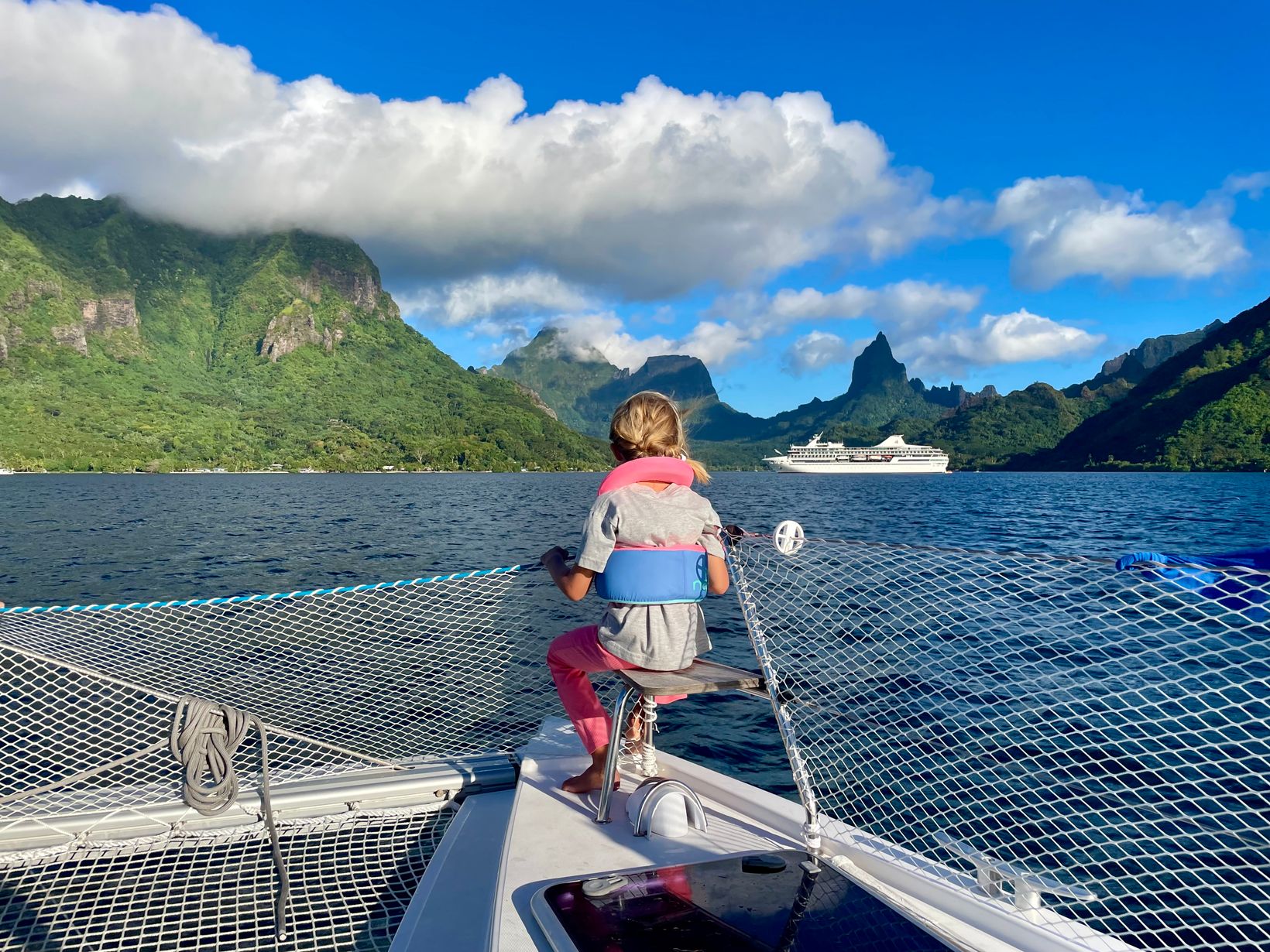
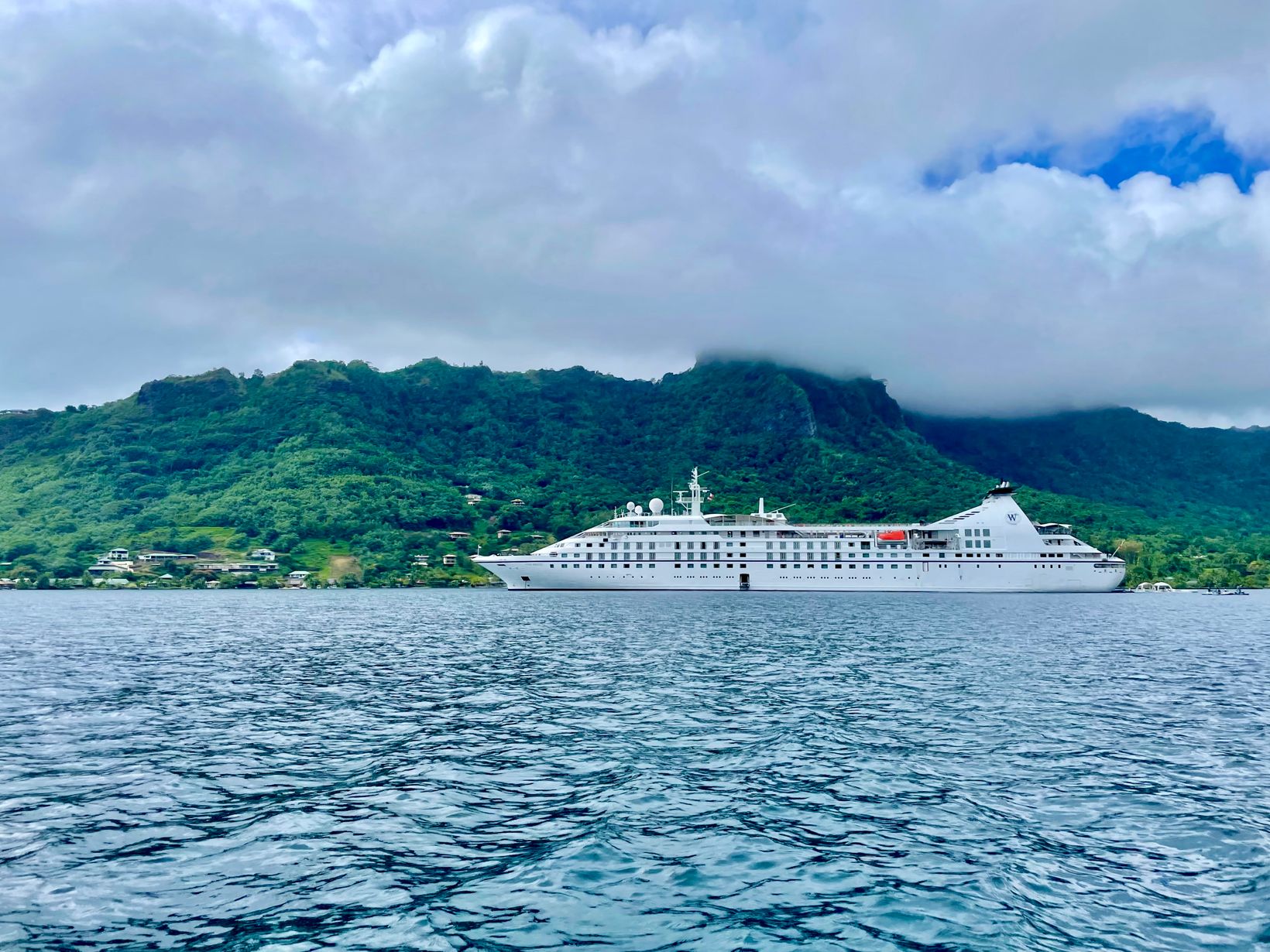
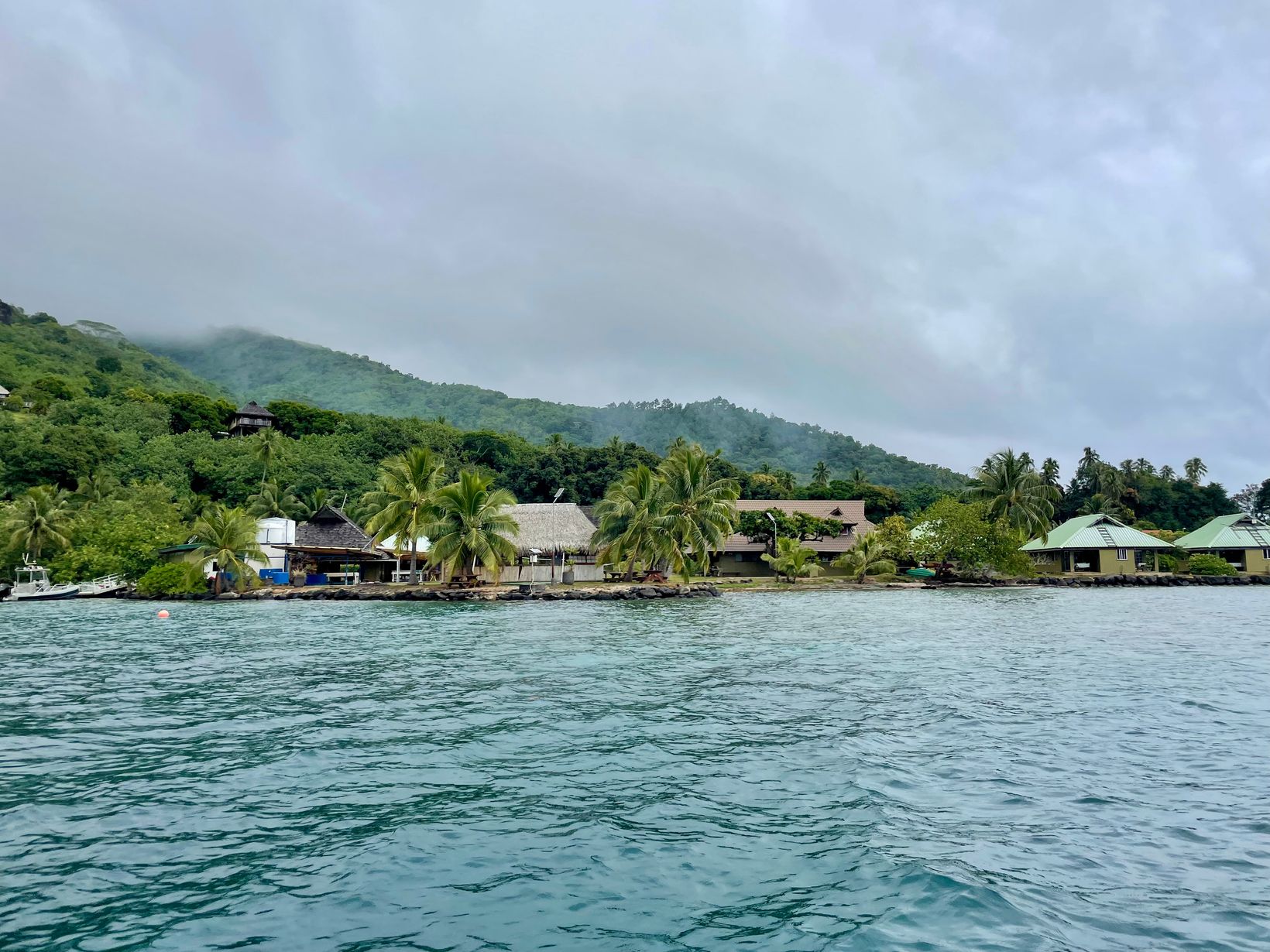
Even small cruise ships can find a spot in the deeply indented, well-protected bays, which feature an impressive mountain backdrop. Generally, few of them sail around French Polynesia. However, Moorea’s green slopes are likely on every cruise itinerary. We can’t blame them for that because we, too, are captivated by the sight of the island.
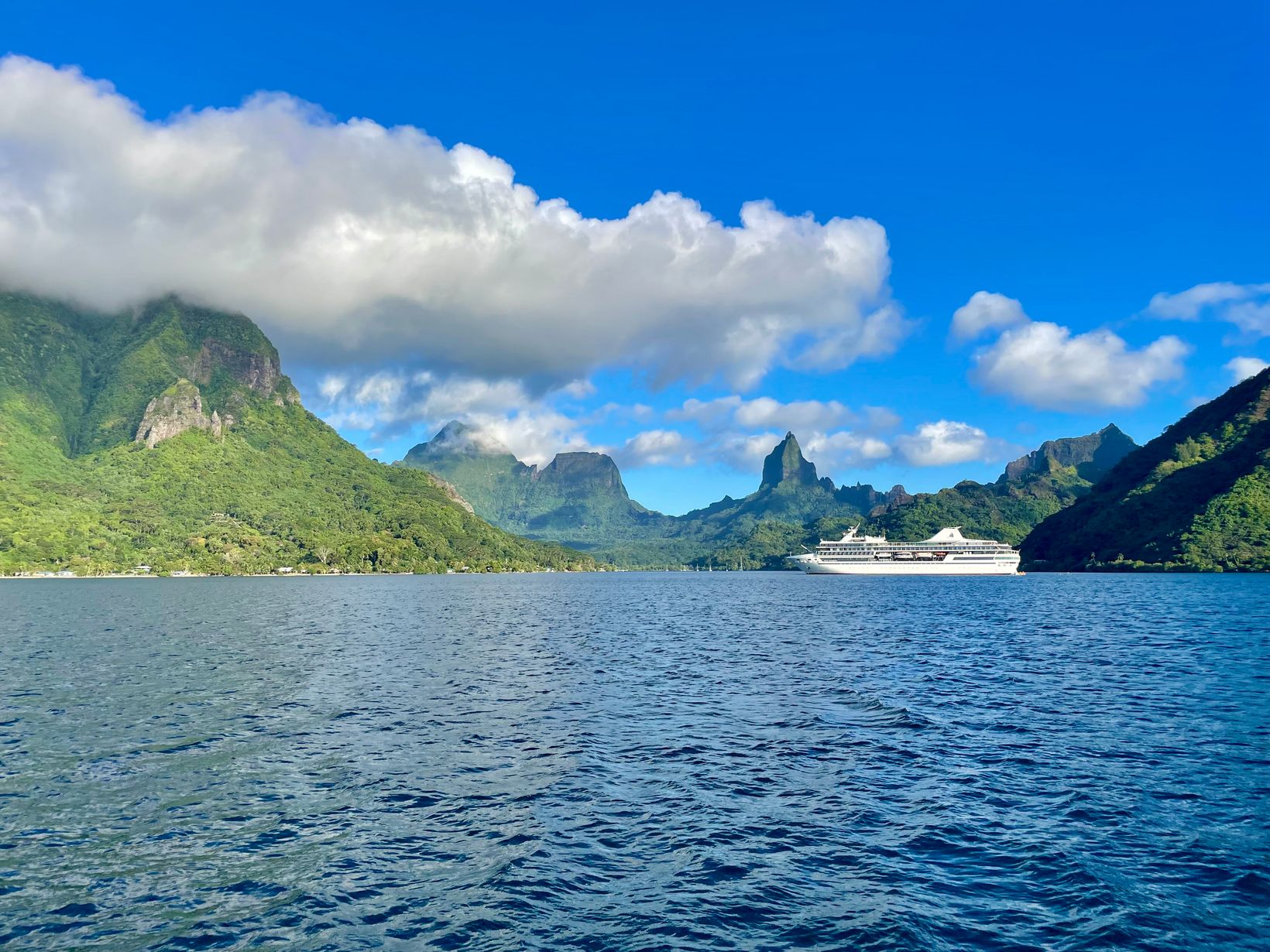
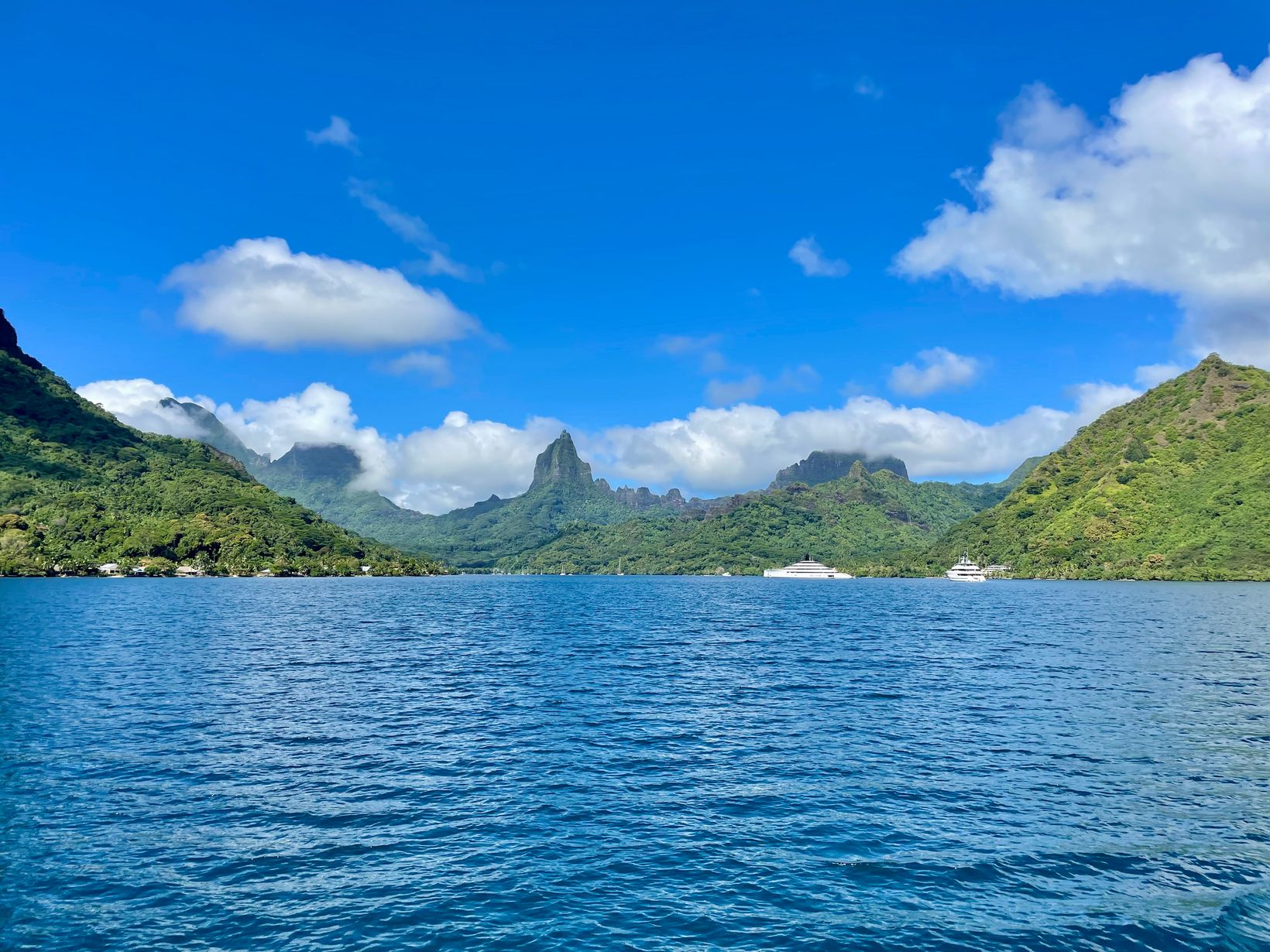
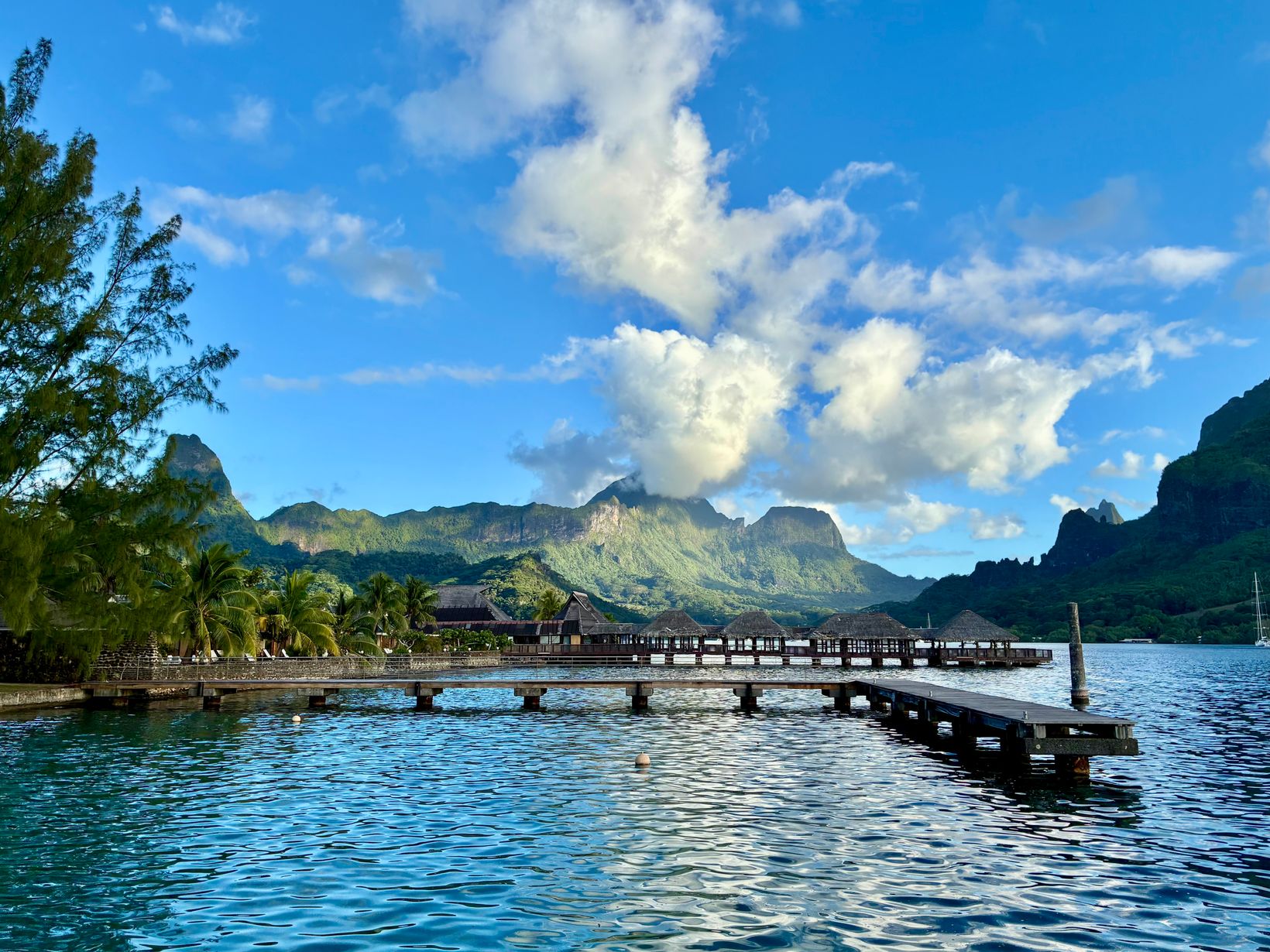
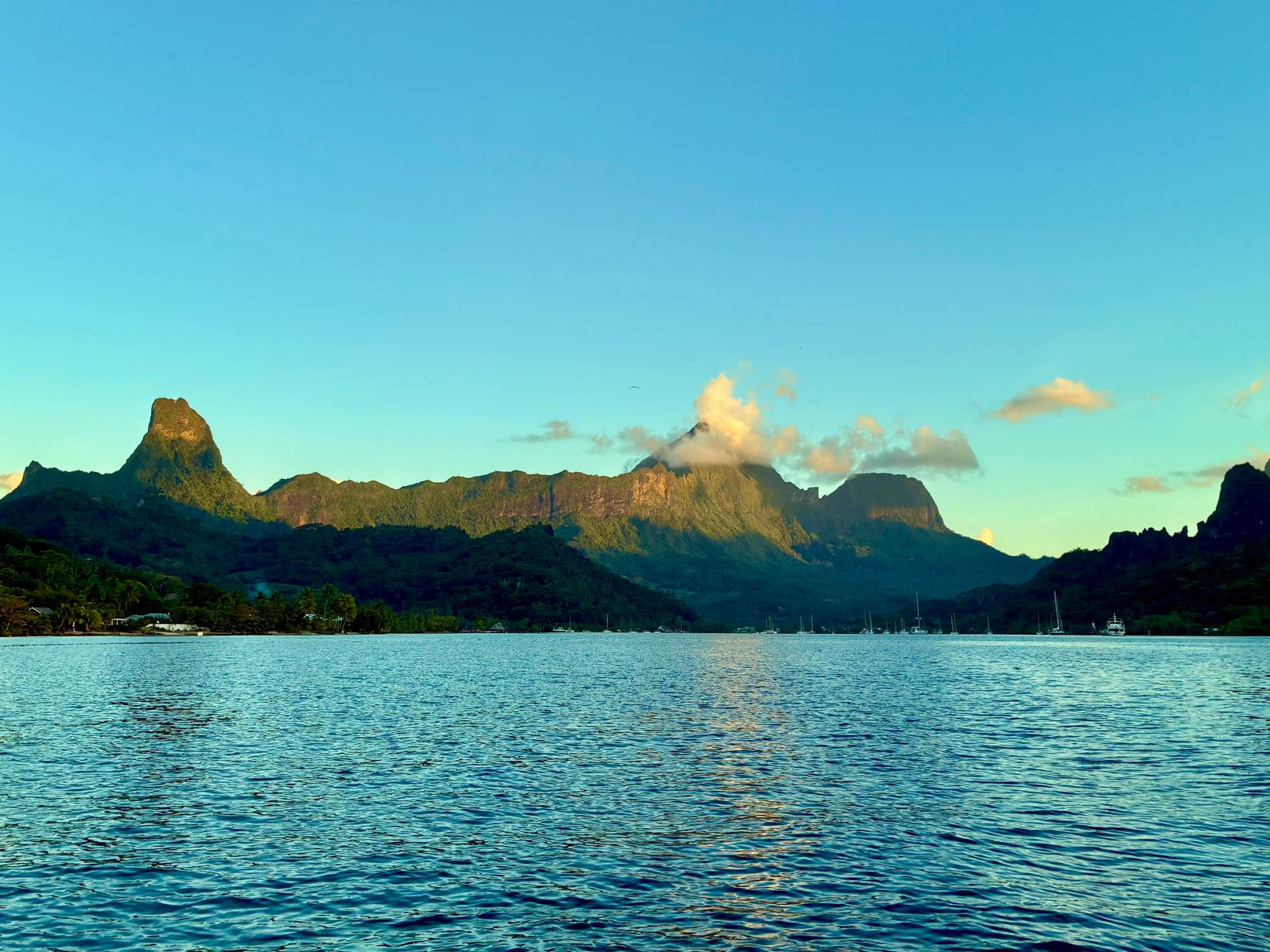
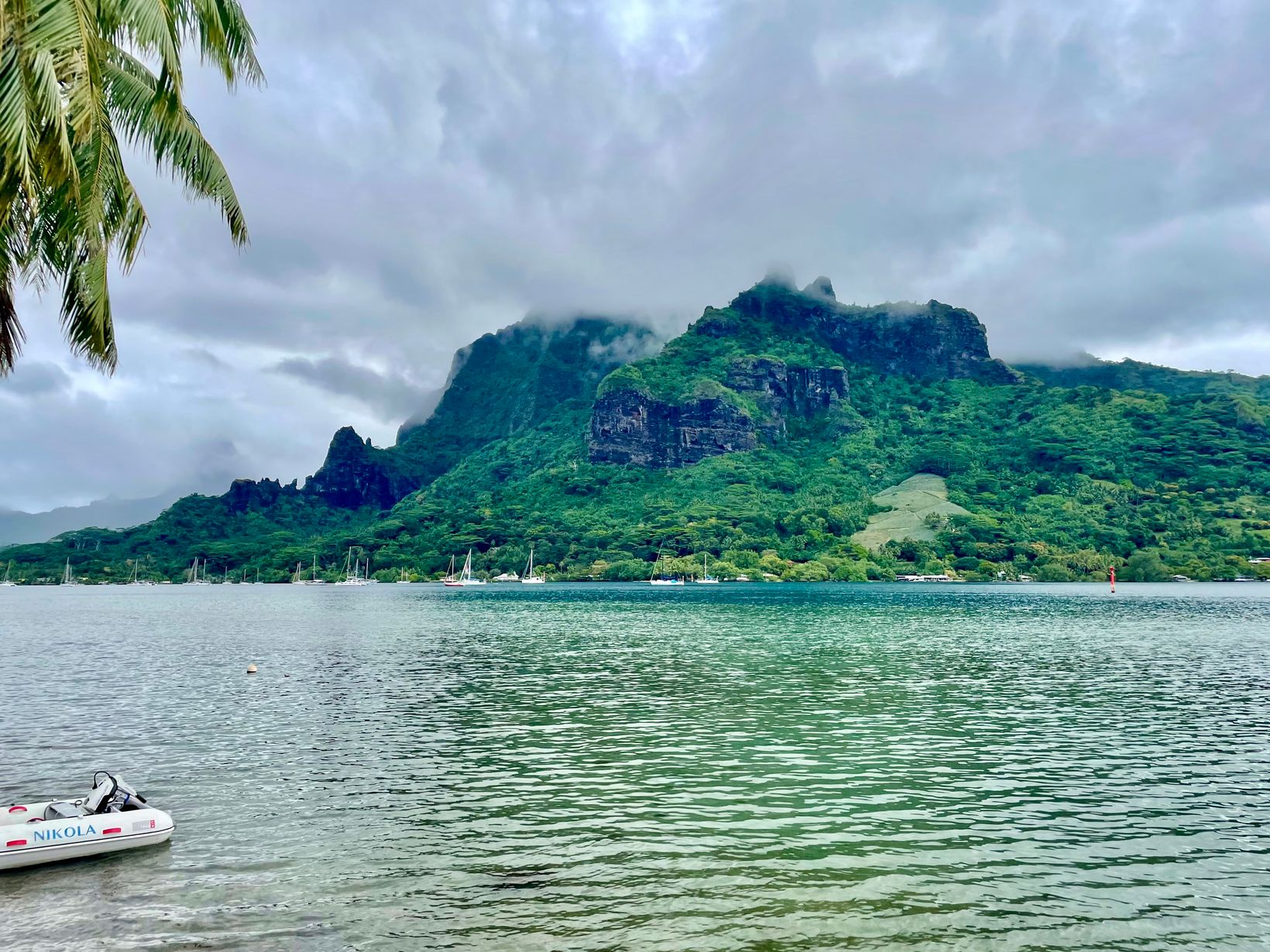
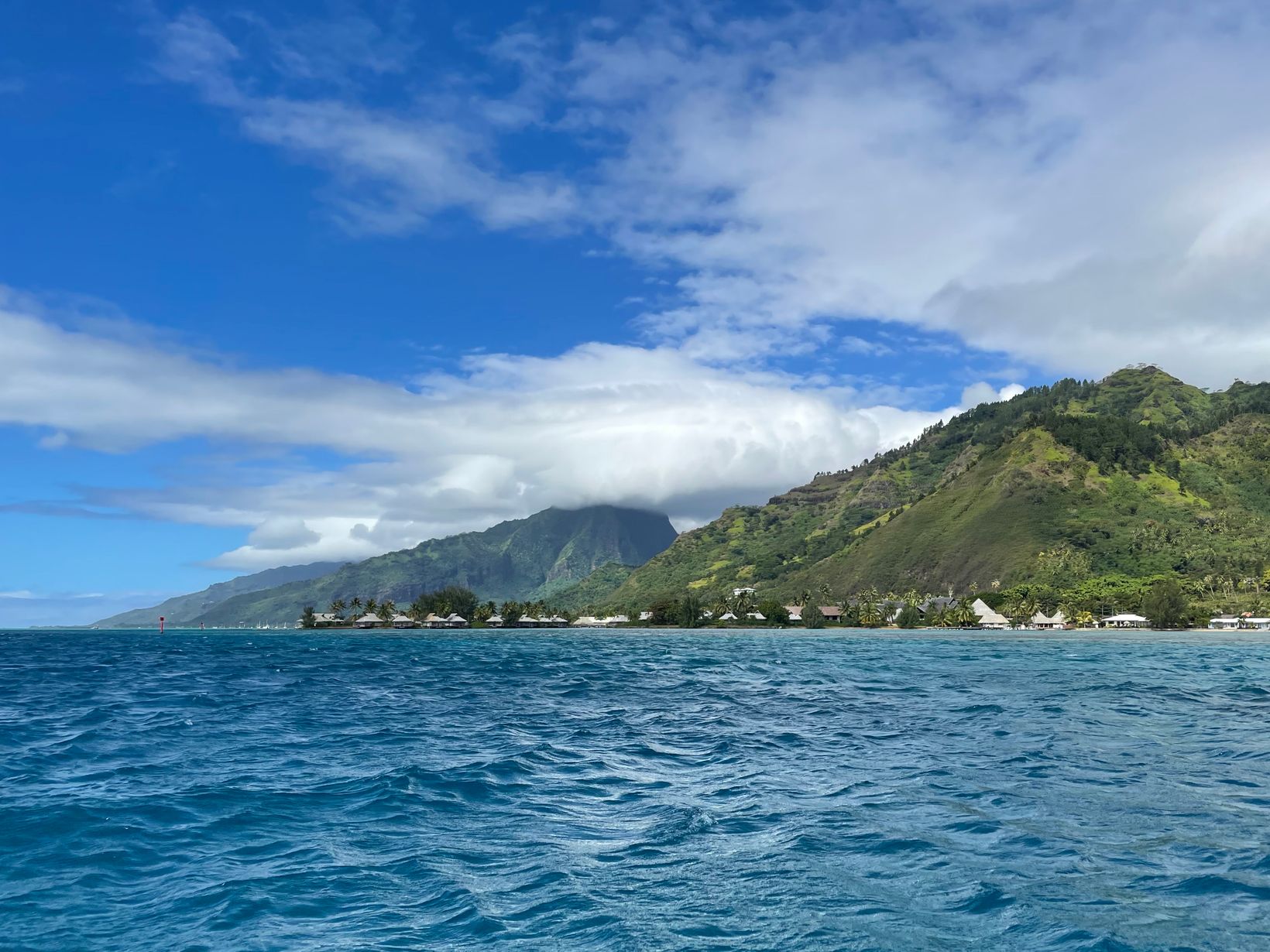
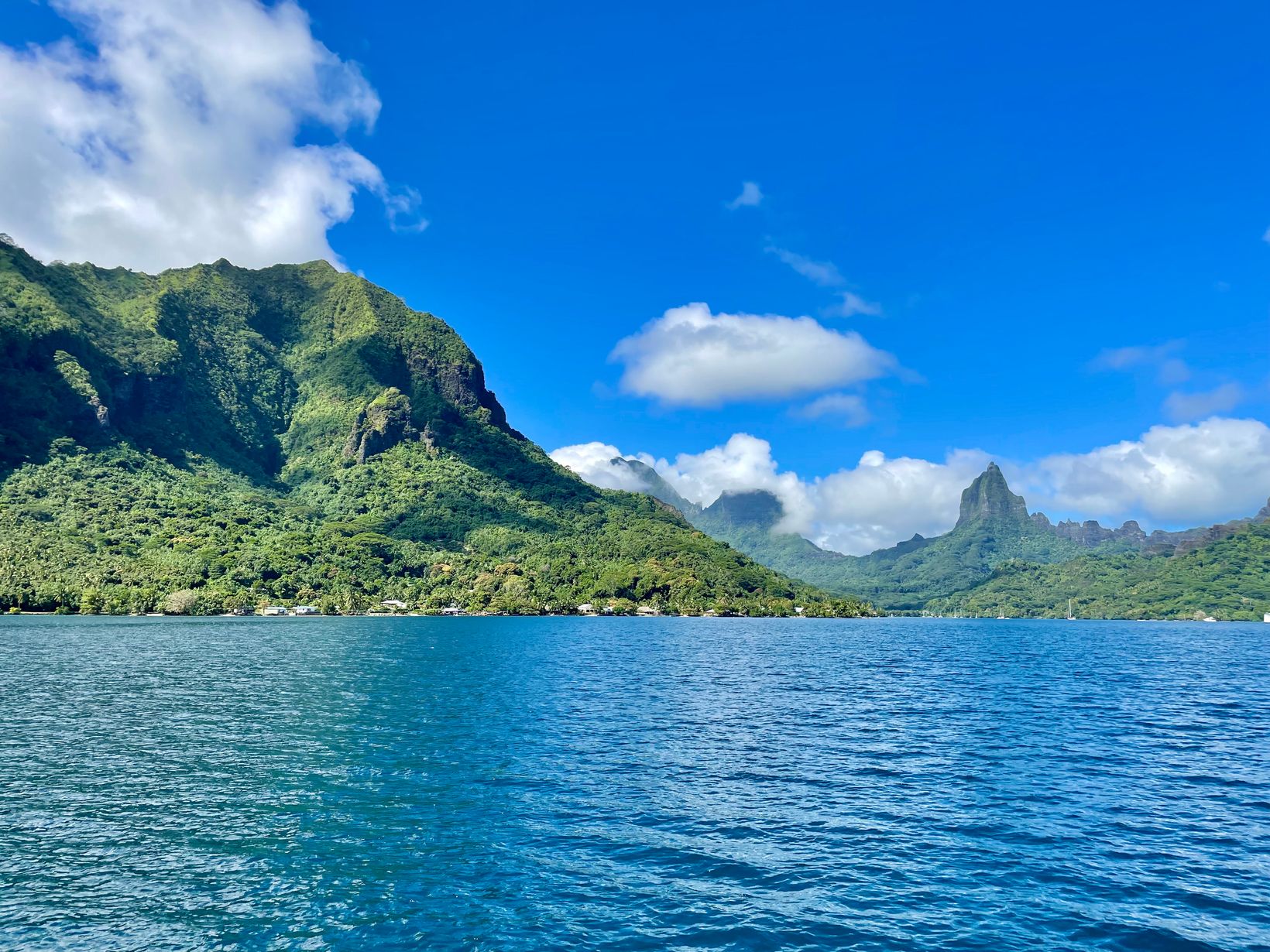
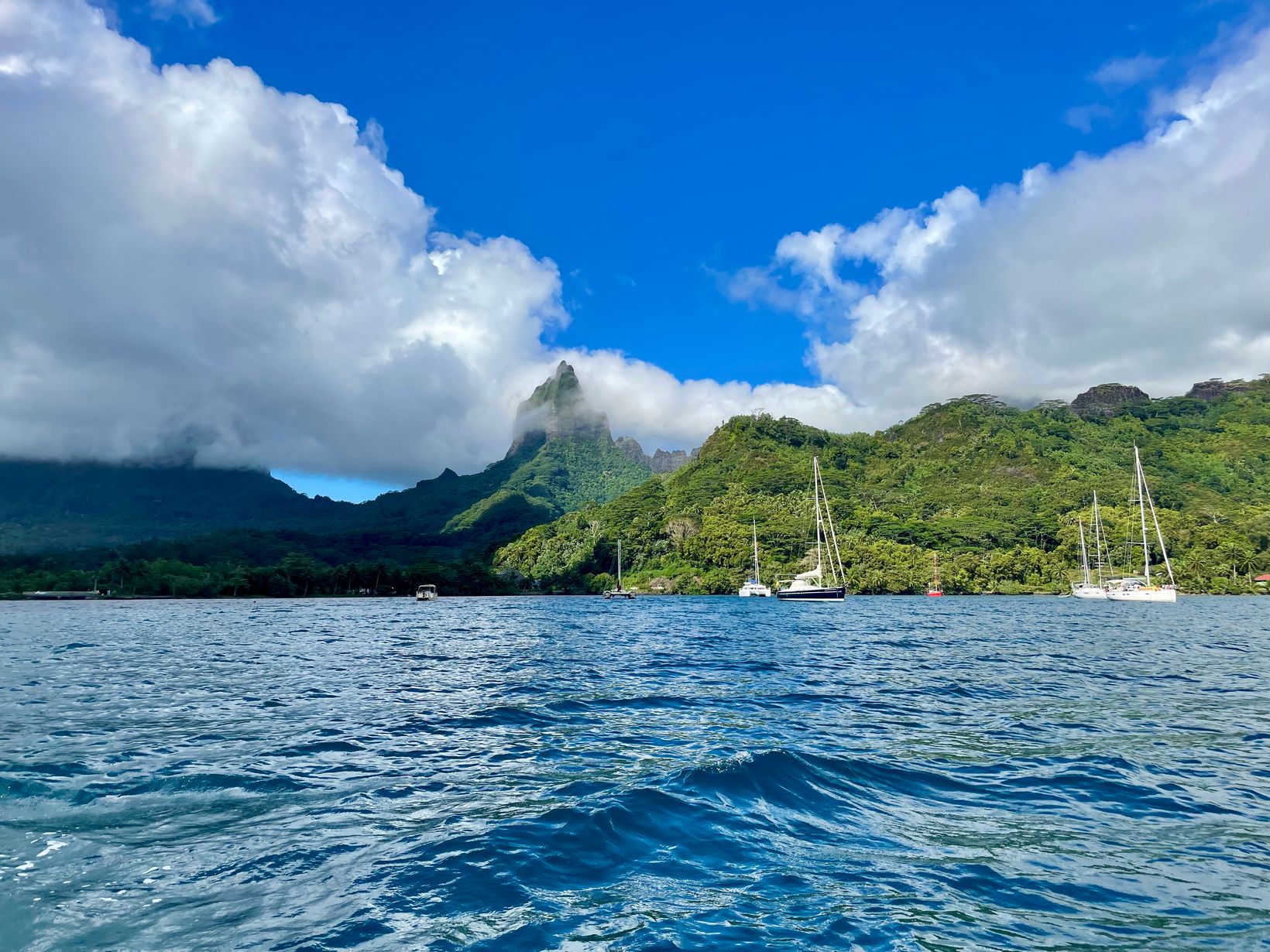
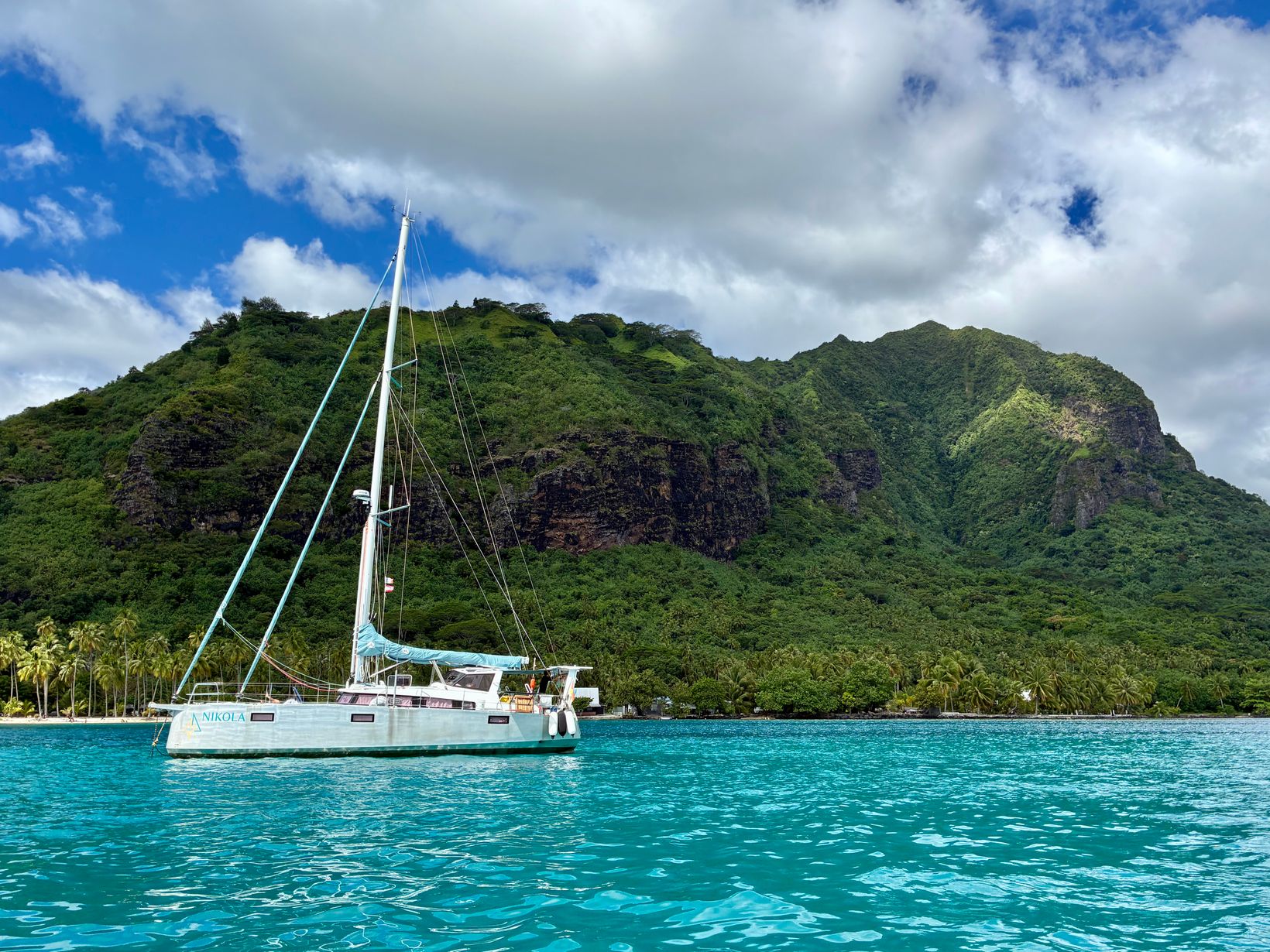
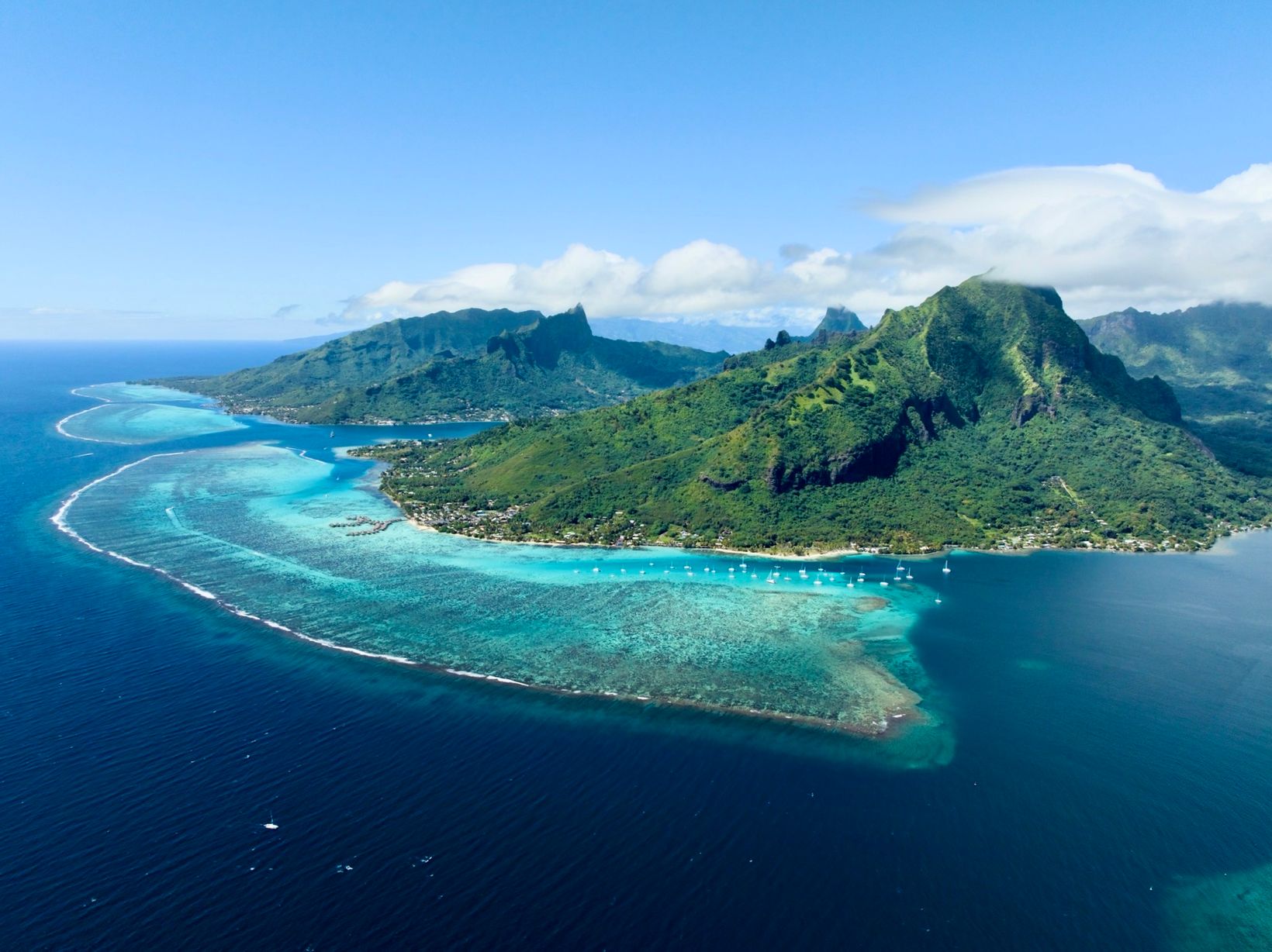
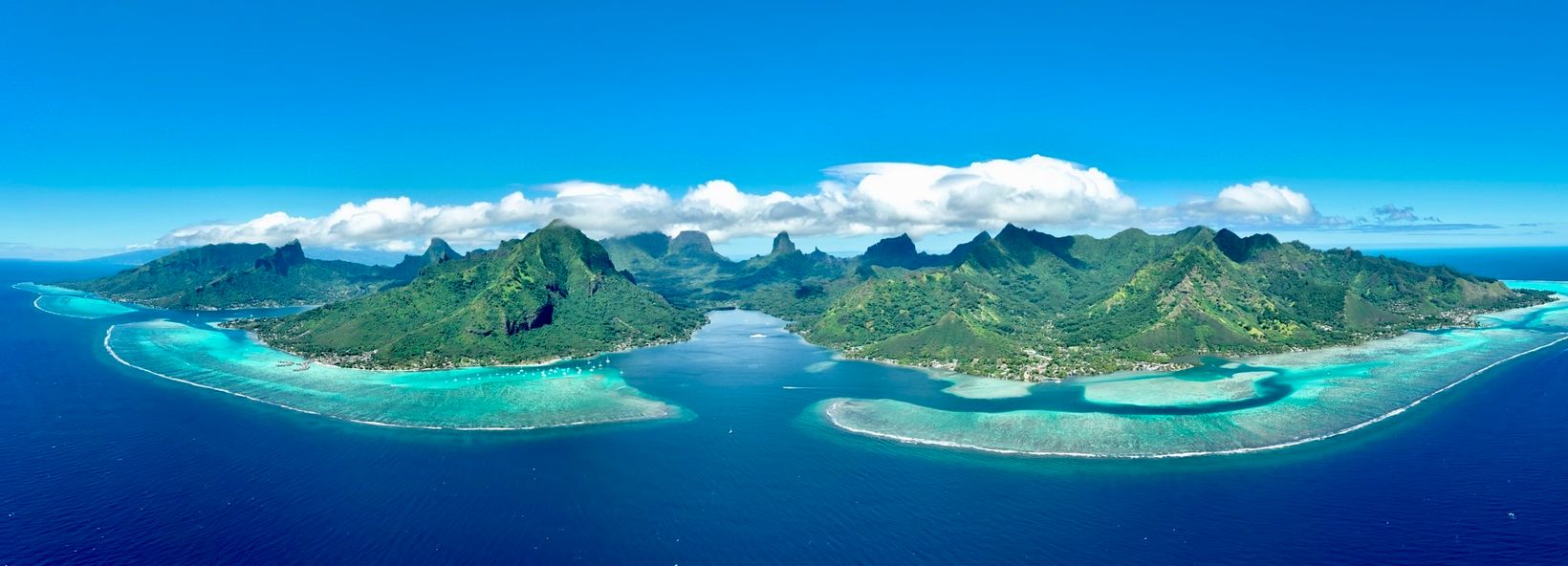
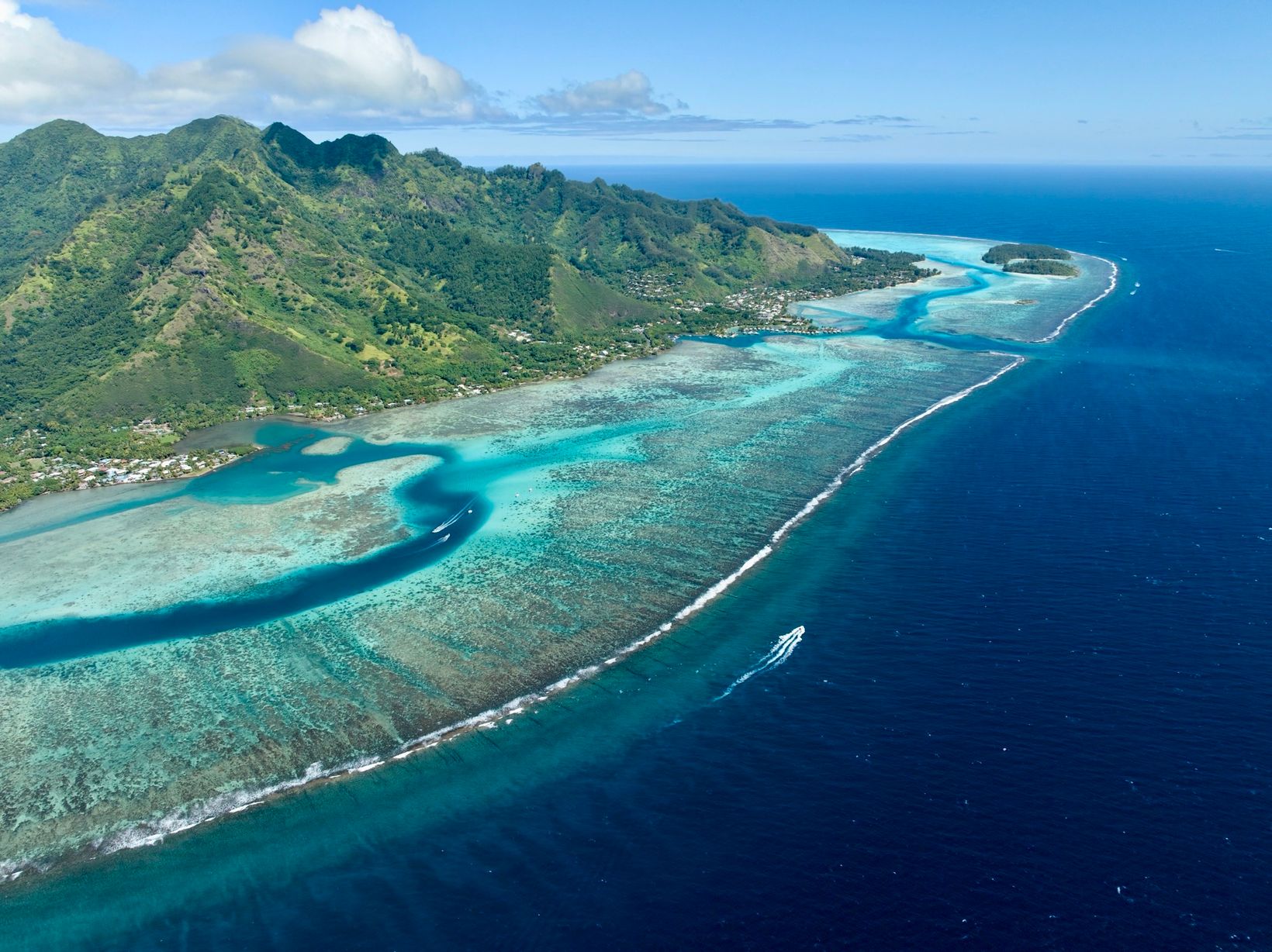
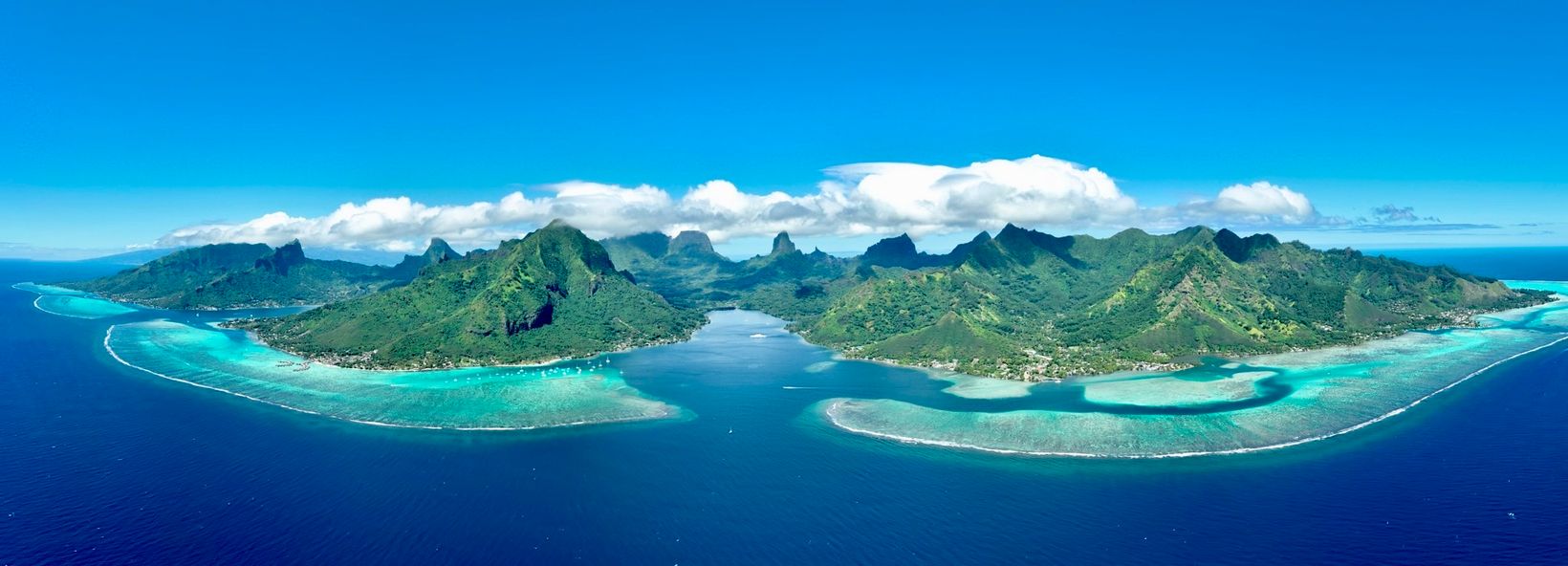
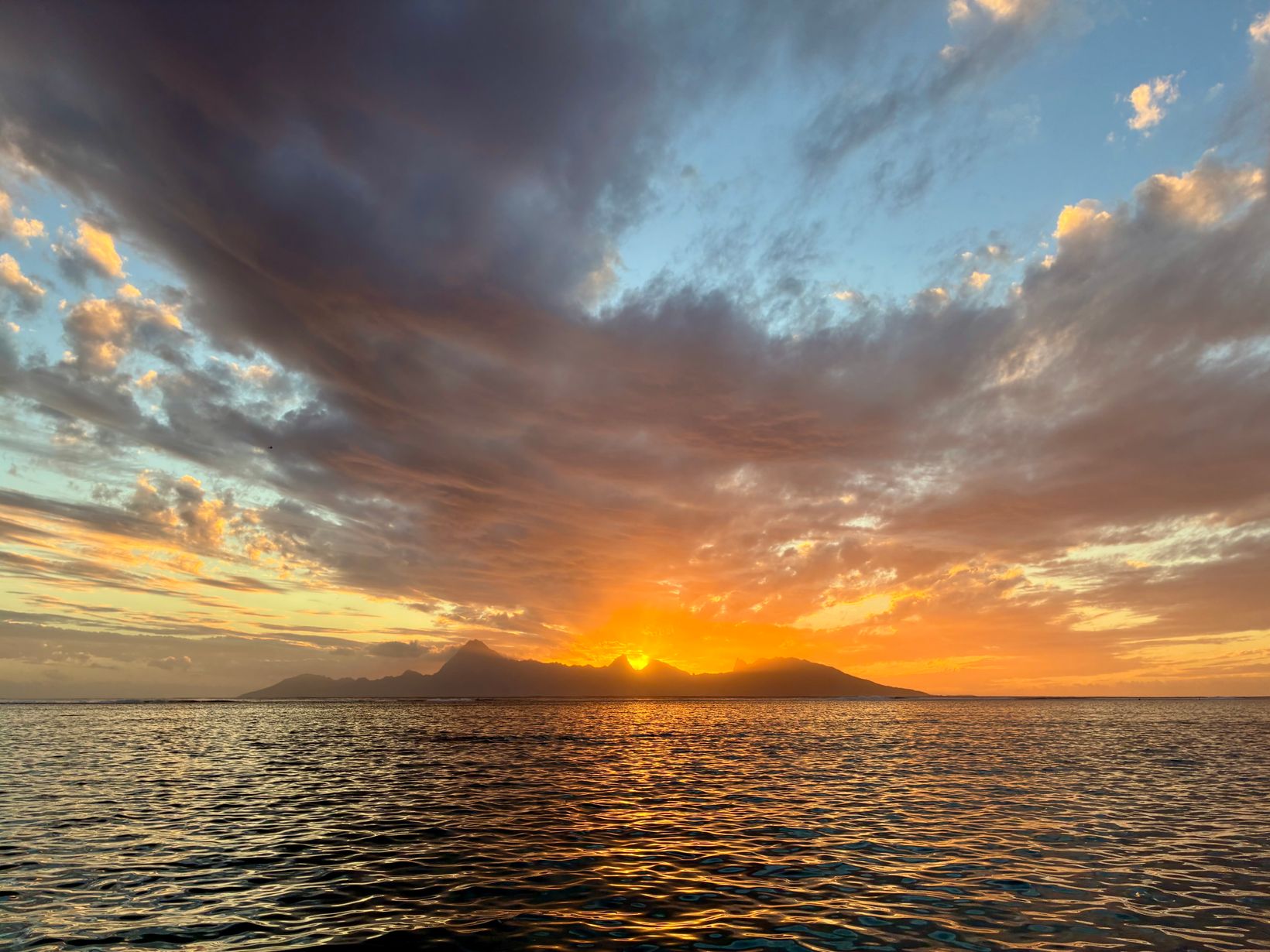
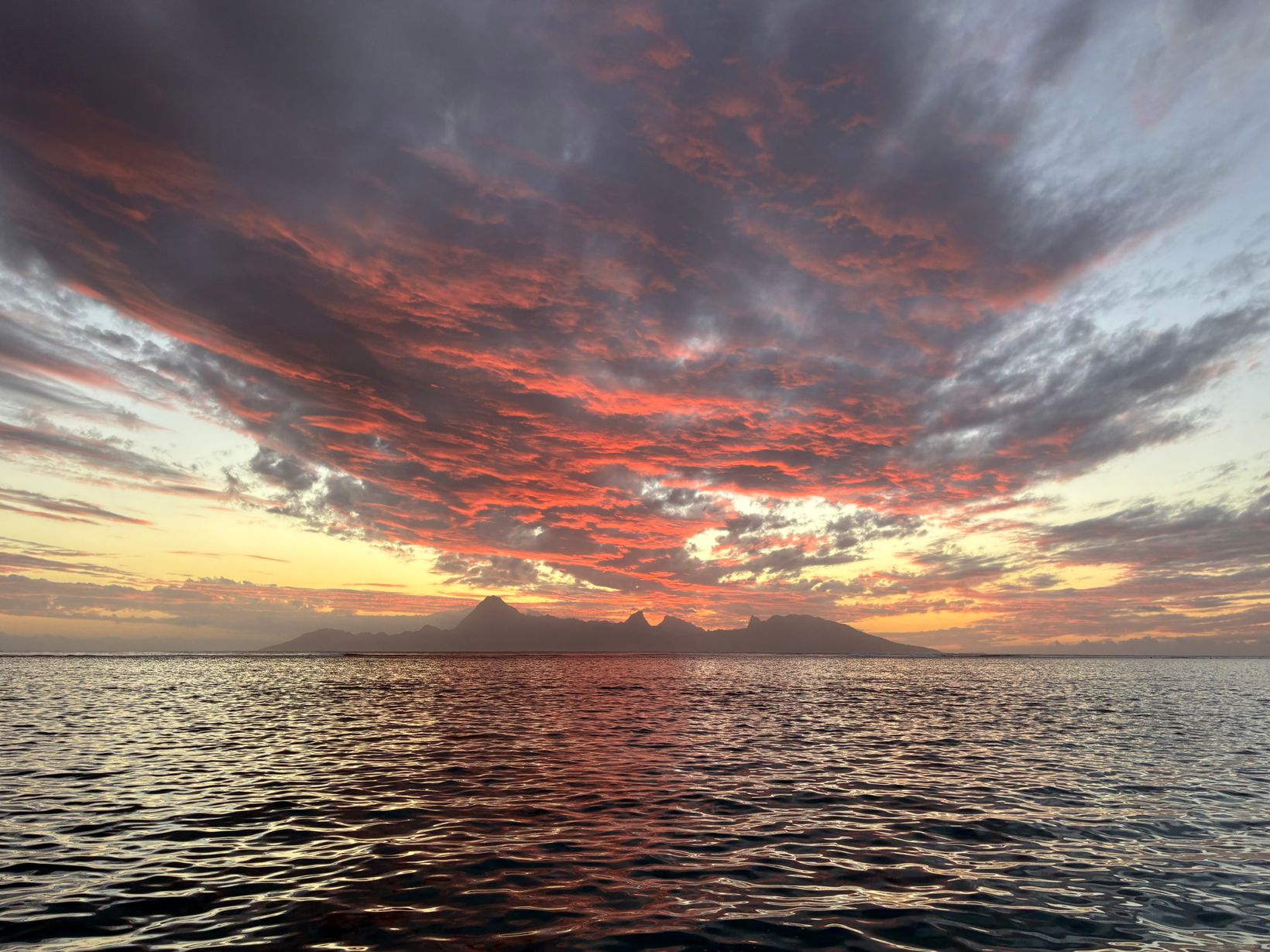
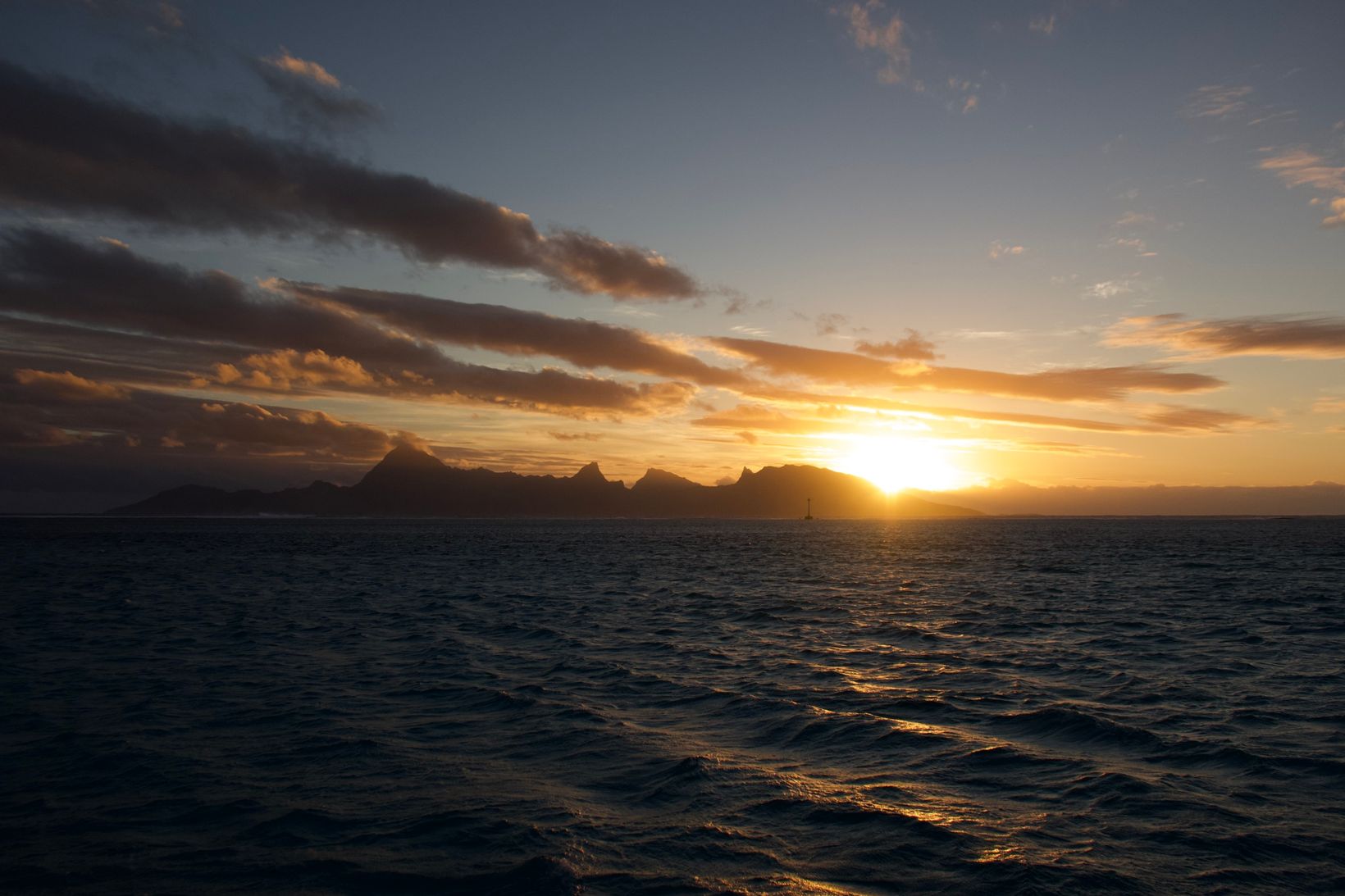
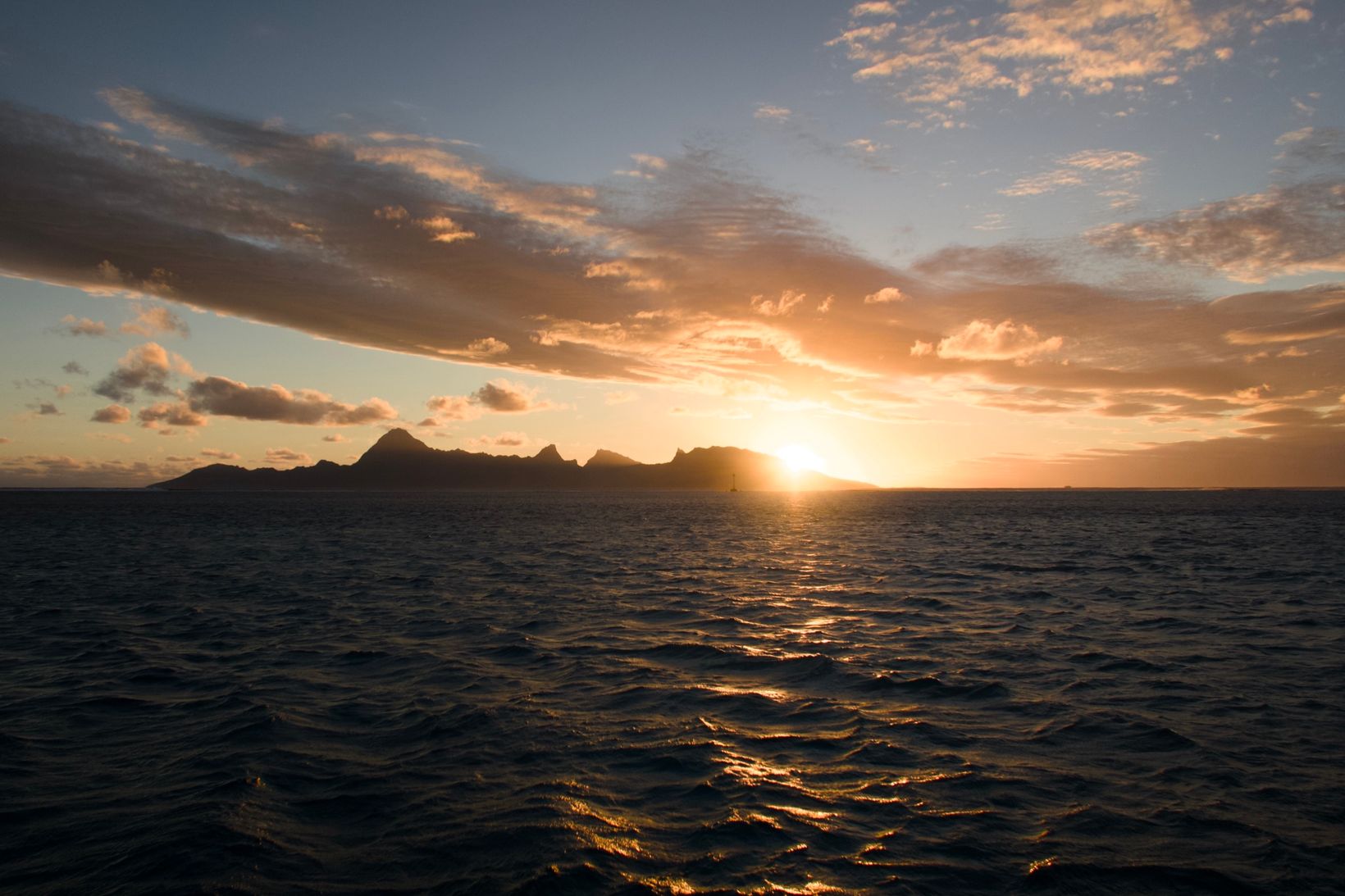
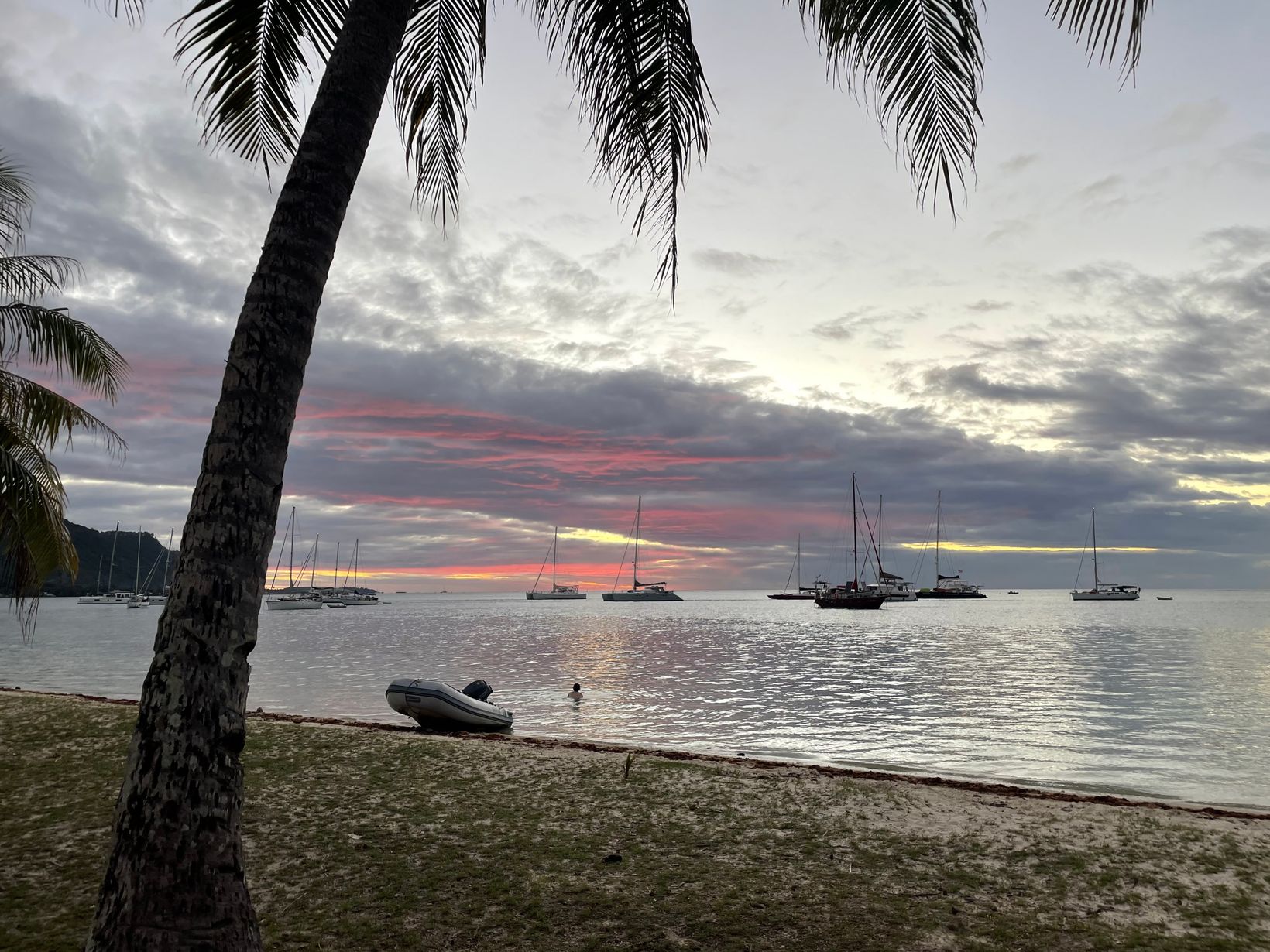
Moorea looks impressive from the anchorage next to the airport in Papeete, too. The island provides the backdrop for some beautiful sunsets. After picking up some guests in Papeete, we leave the blue waters of Tahiti and Moorea behind and set off for Bora Bora.