Tour d'Atoll
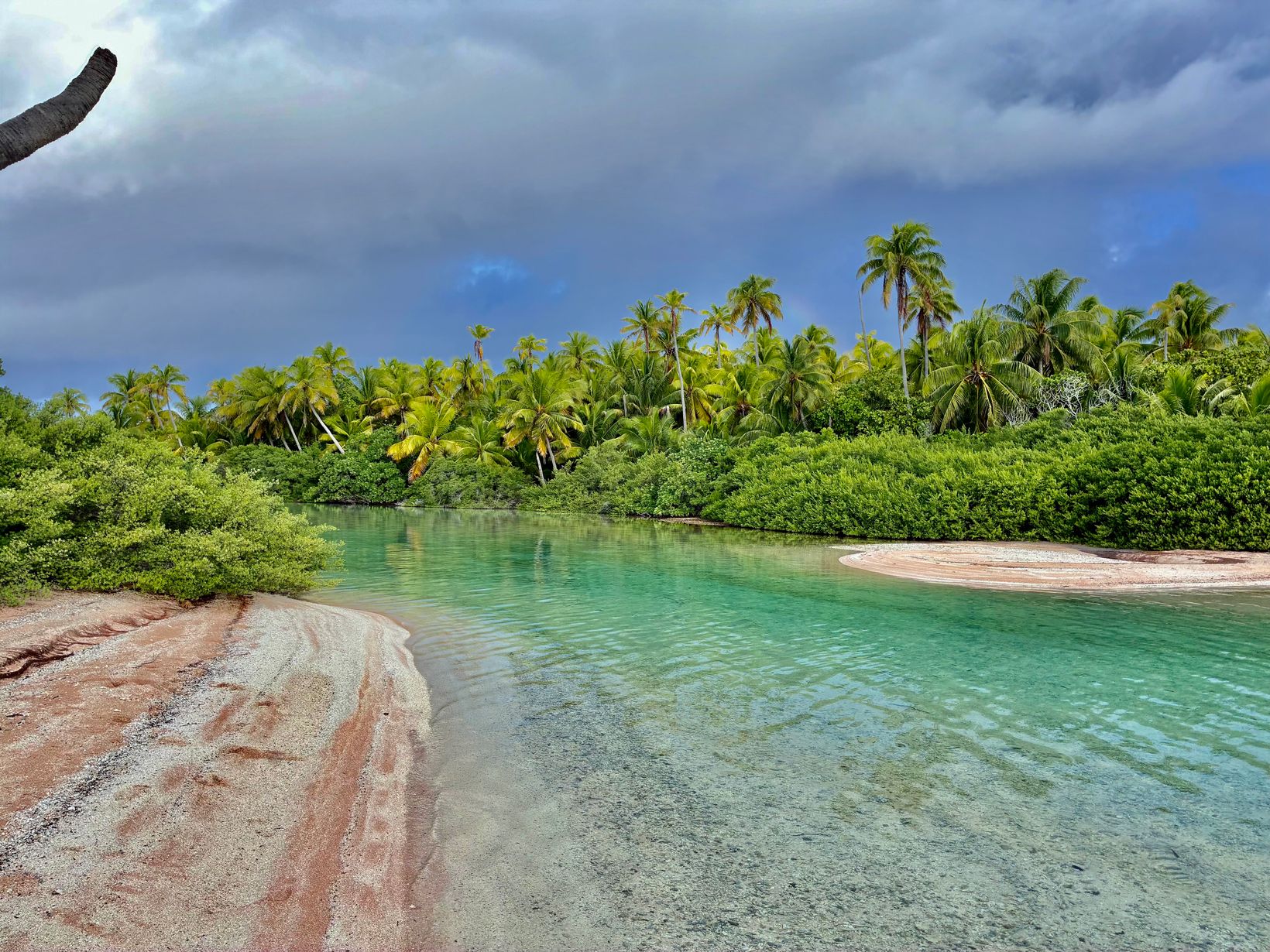
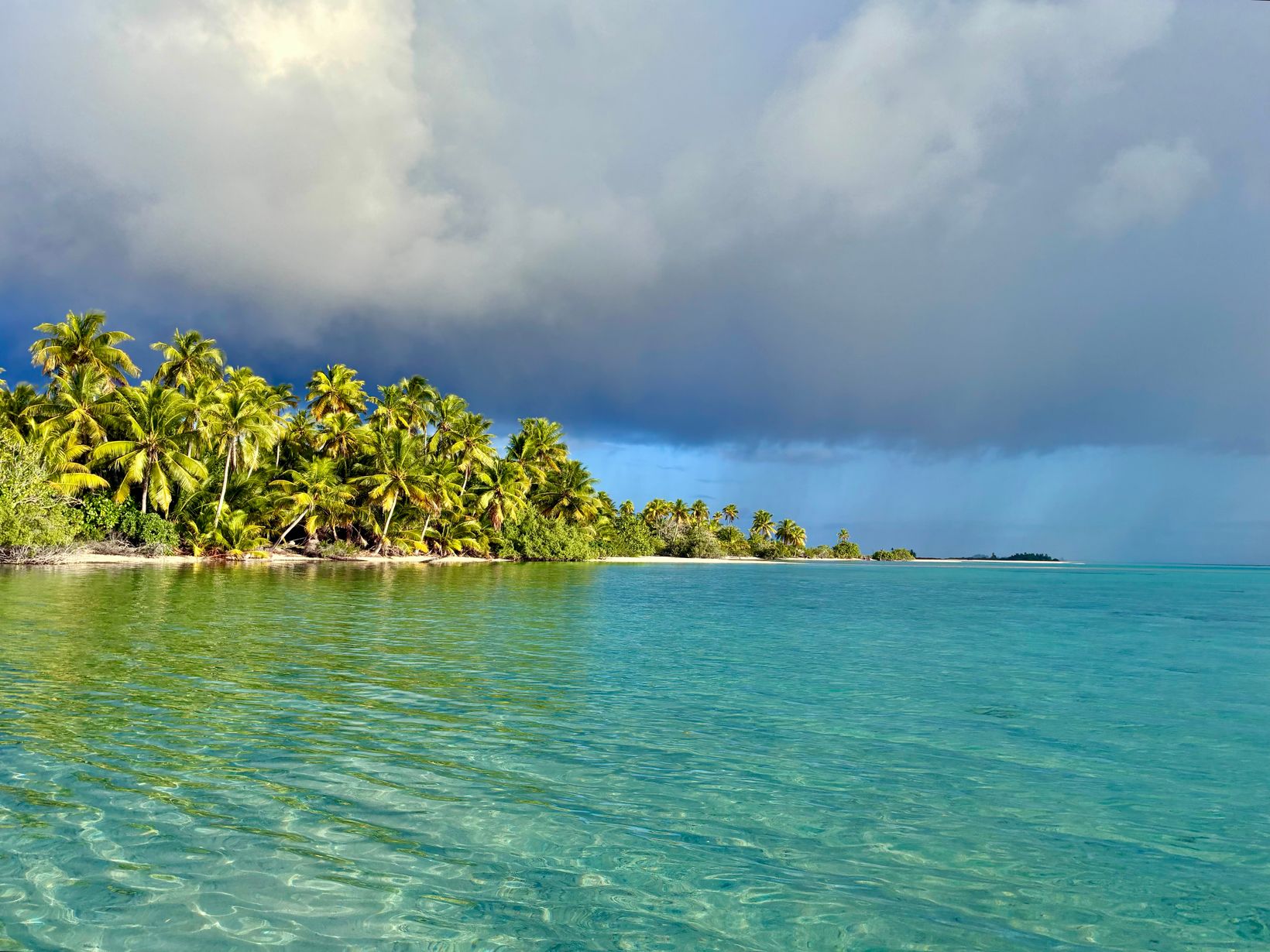
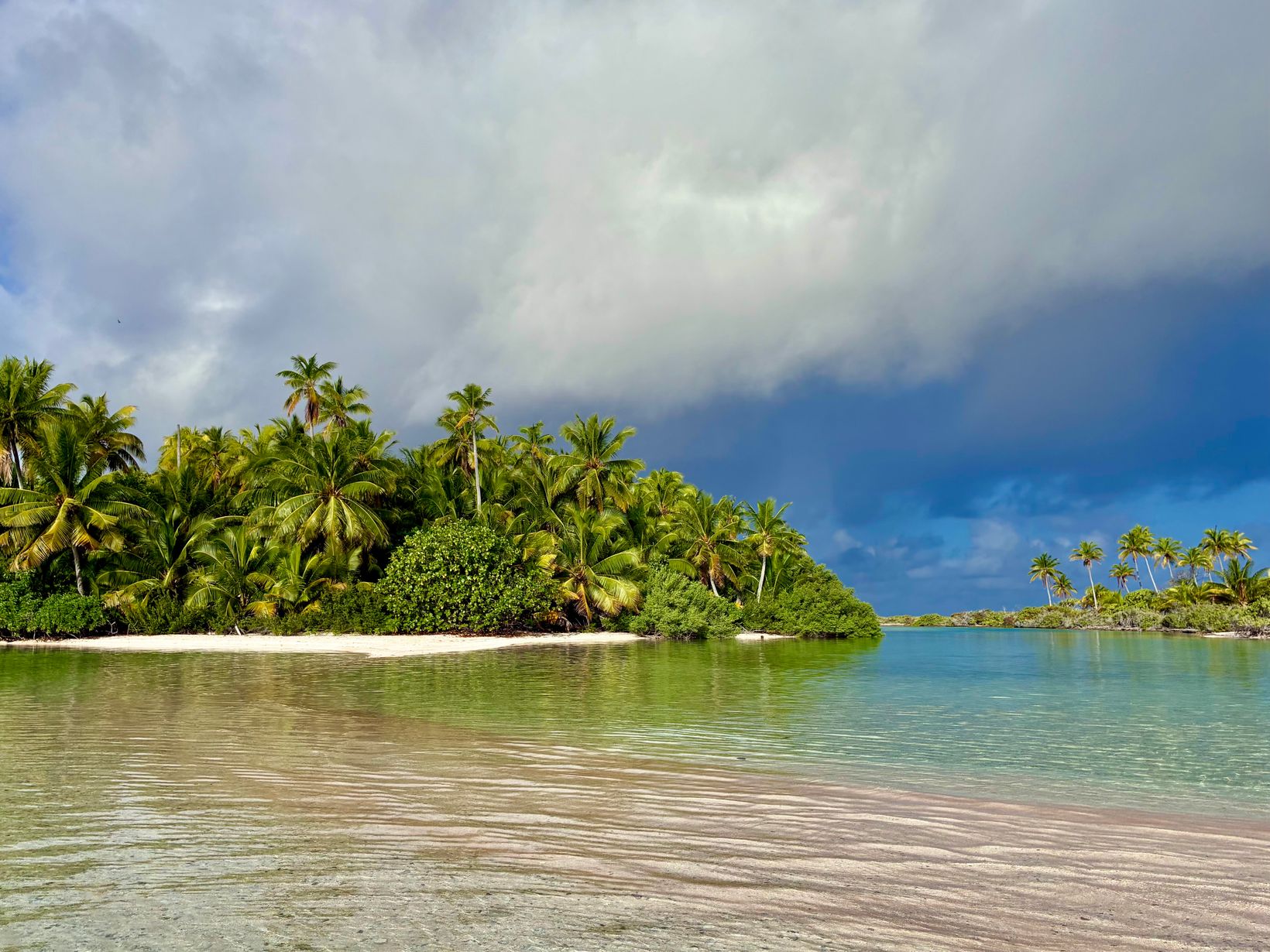
The Tuamotu Atolls are a place of extremes. Everything feels intense and dramatic: the light, the colors of the water, the green of the palm trees, the patterns on the fish, the sunsets, and the starry night sky. Time passes slowly here. Yet, there’s never a dull moment because there are more atolls than you imagine.
Raroia
We’re starting our tour of the Tuamotus in Raroia. The atoll is strategically located far to the west, and both entering the pass and anchoring are said to be relatively easy. The incoming current propels us through the atoll’s entrance at nine knots, even though the wind and waves are against us. Now, it’s just two more hours of slaloming through the coral before the anchor drops and the chain floats through the water, supported by three fenders. At least after we’ve tinkered with it a bit. Over the course of the weeks, anchoring with a floating chain should become an easy task for us.
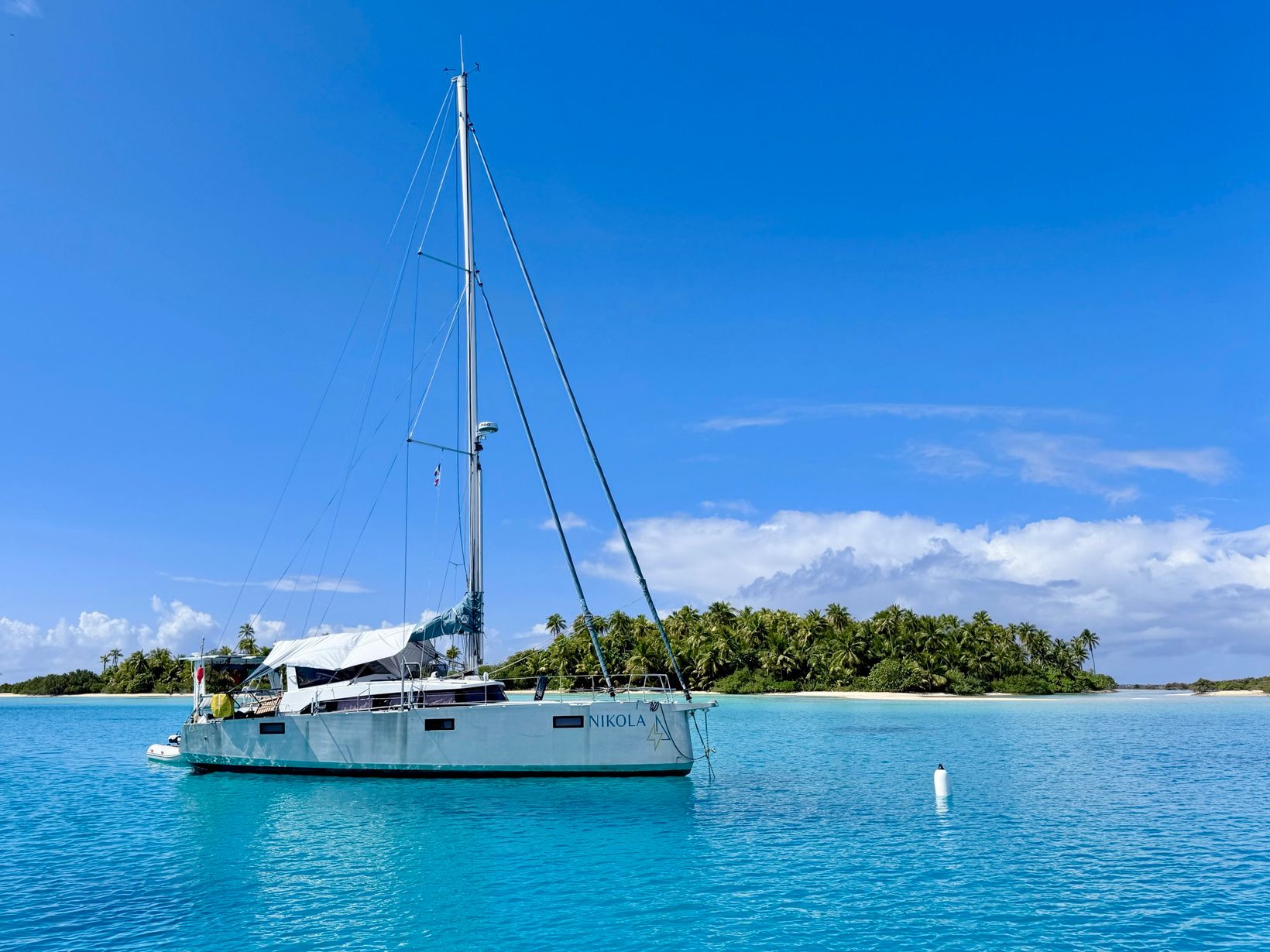
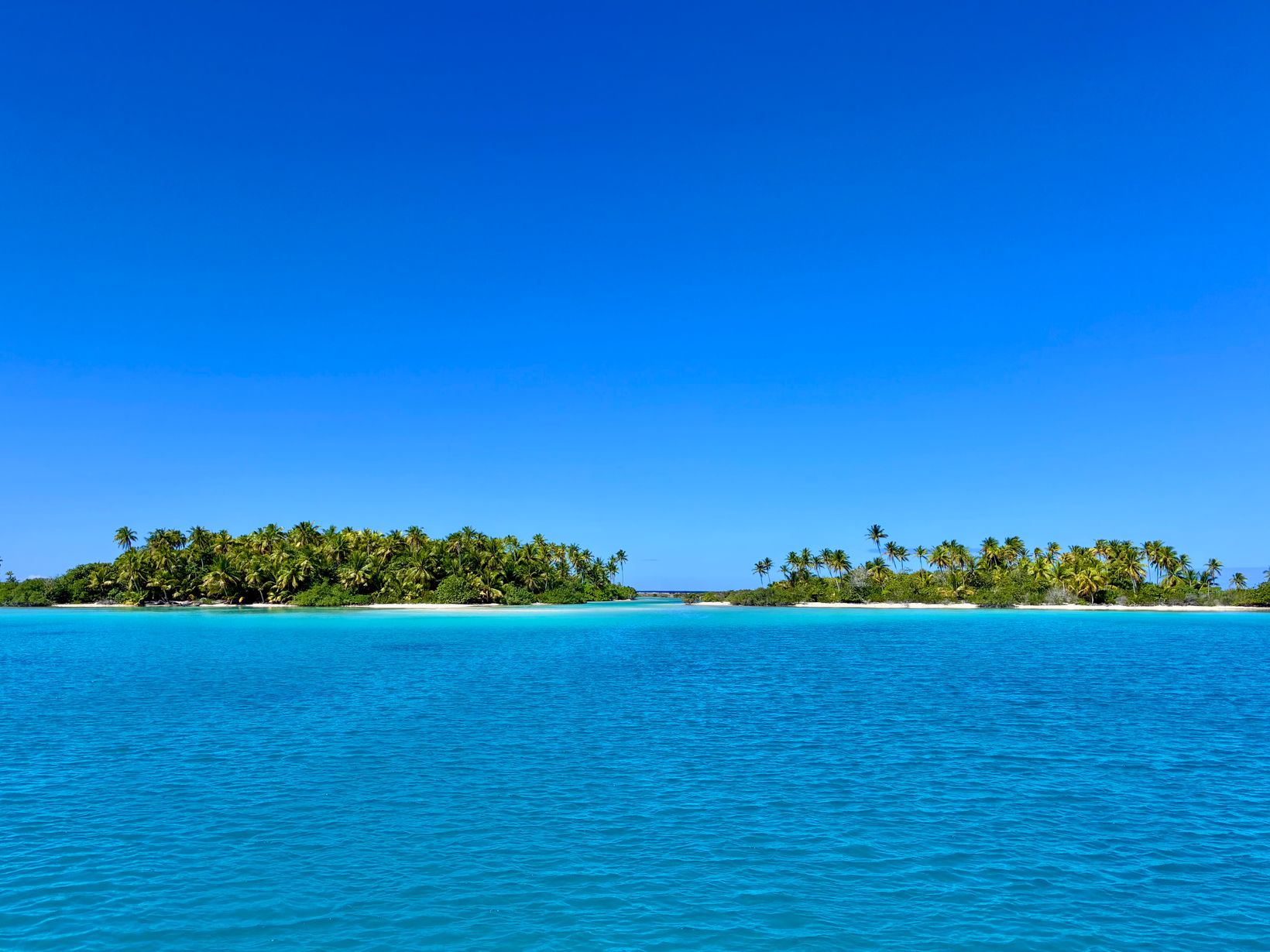
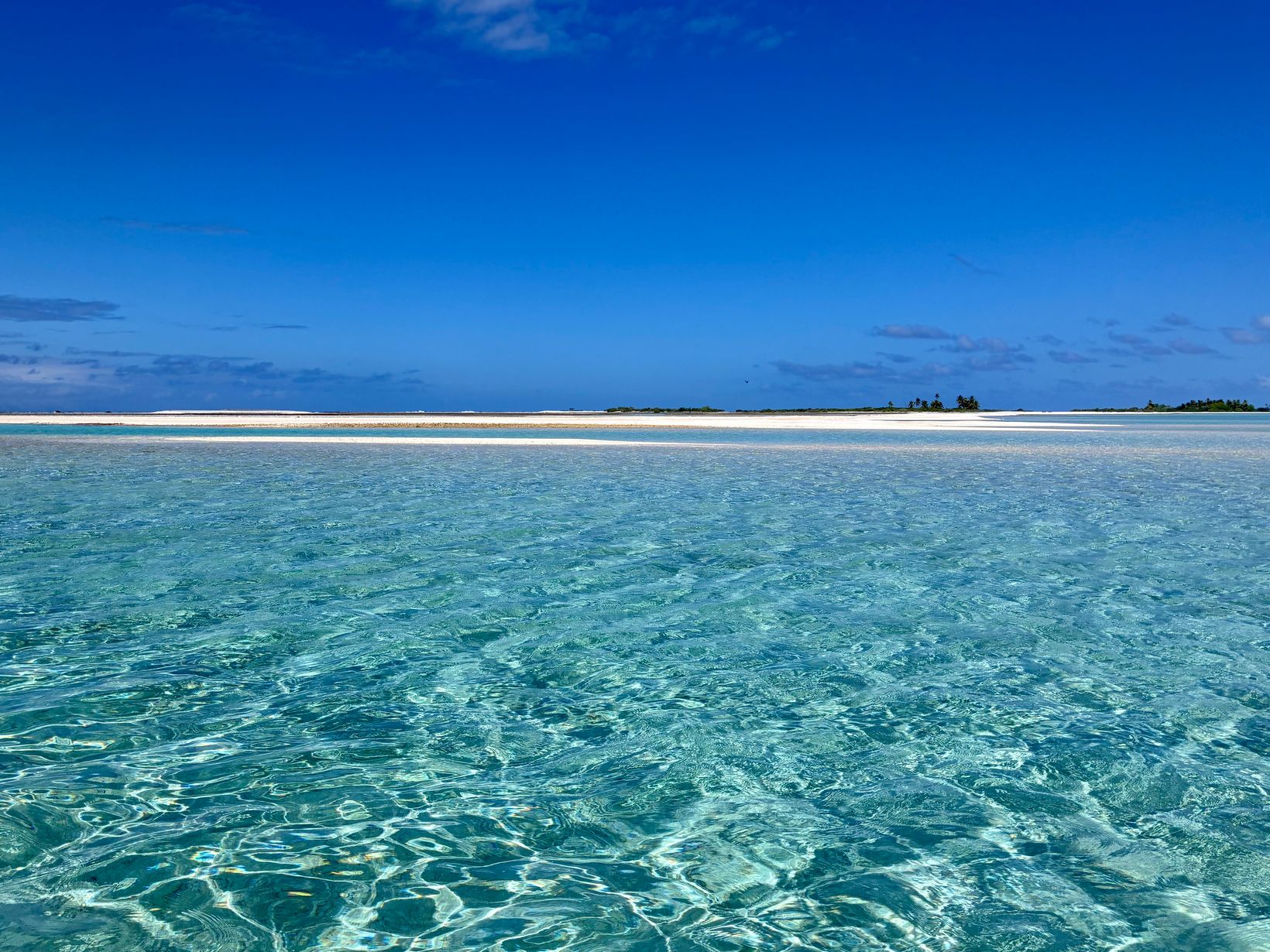
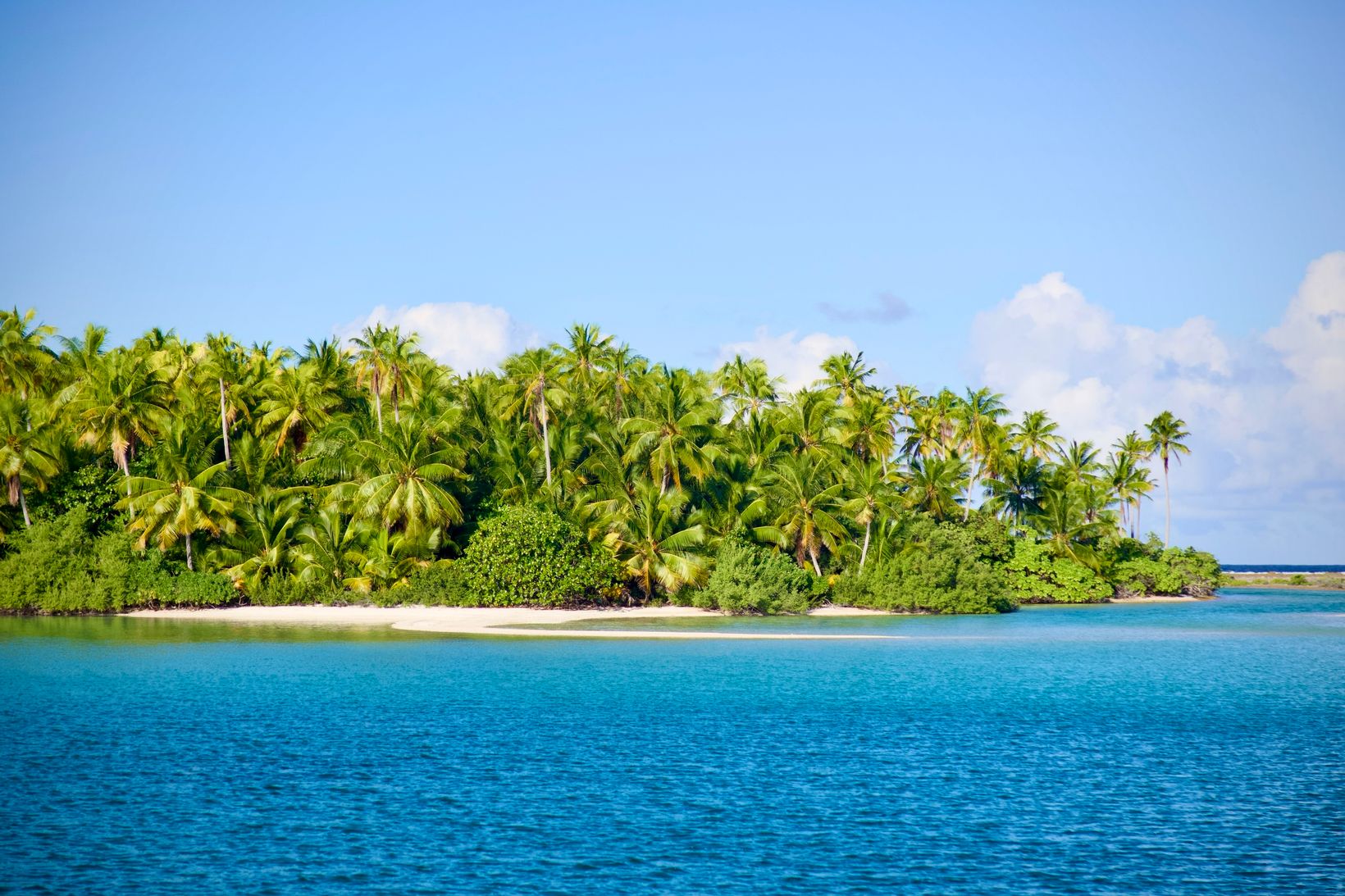
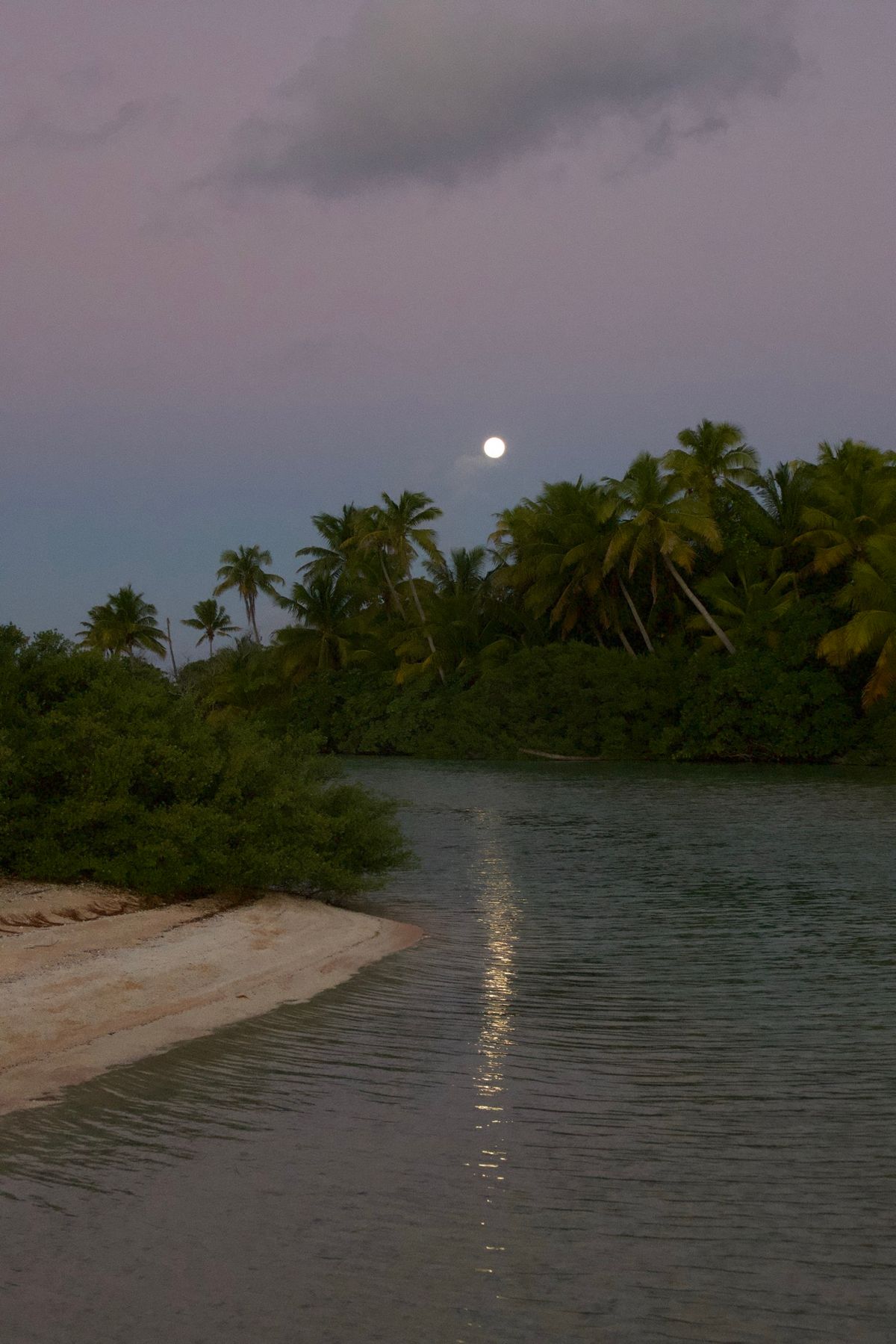
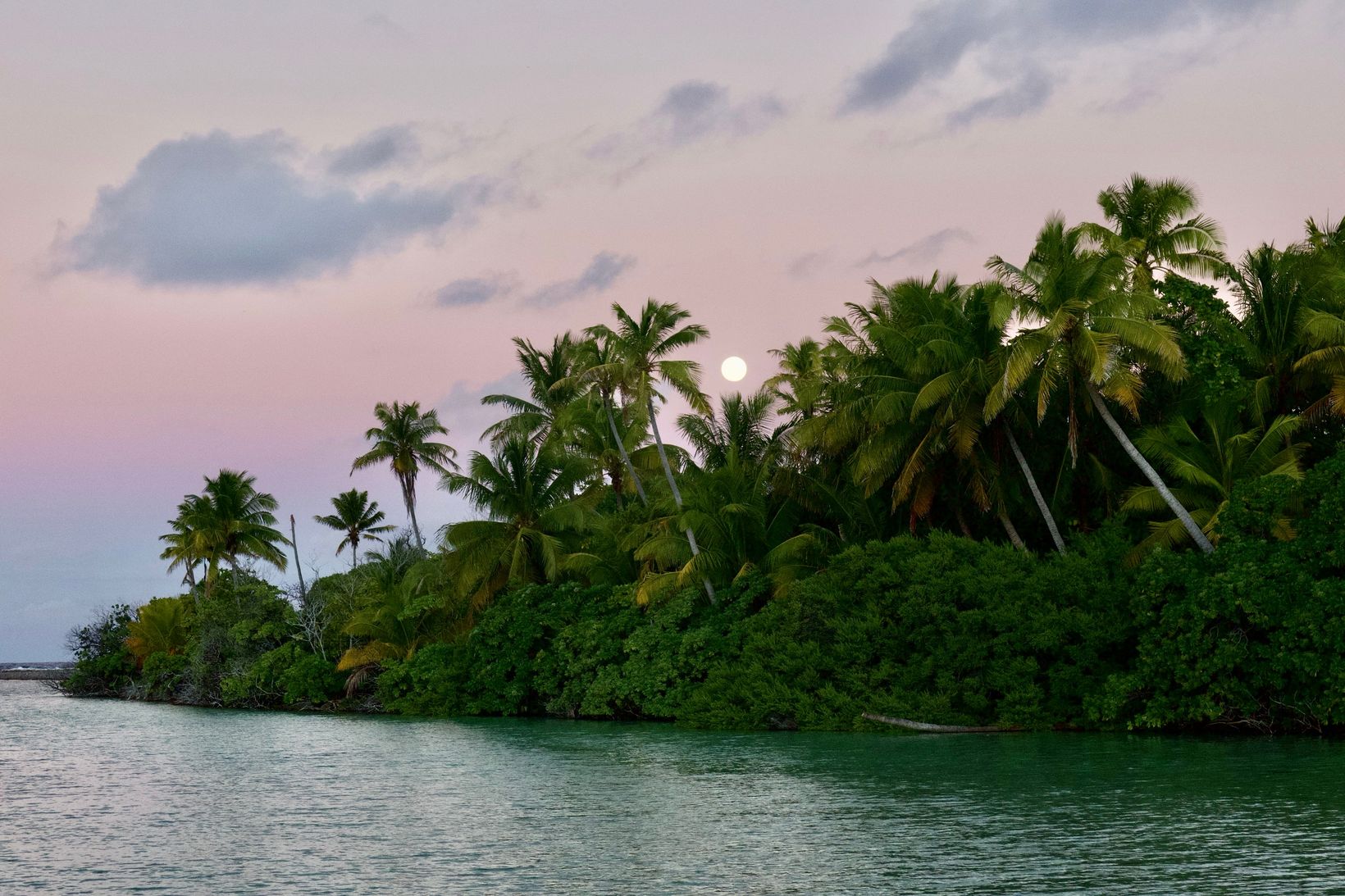
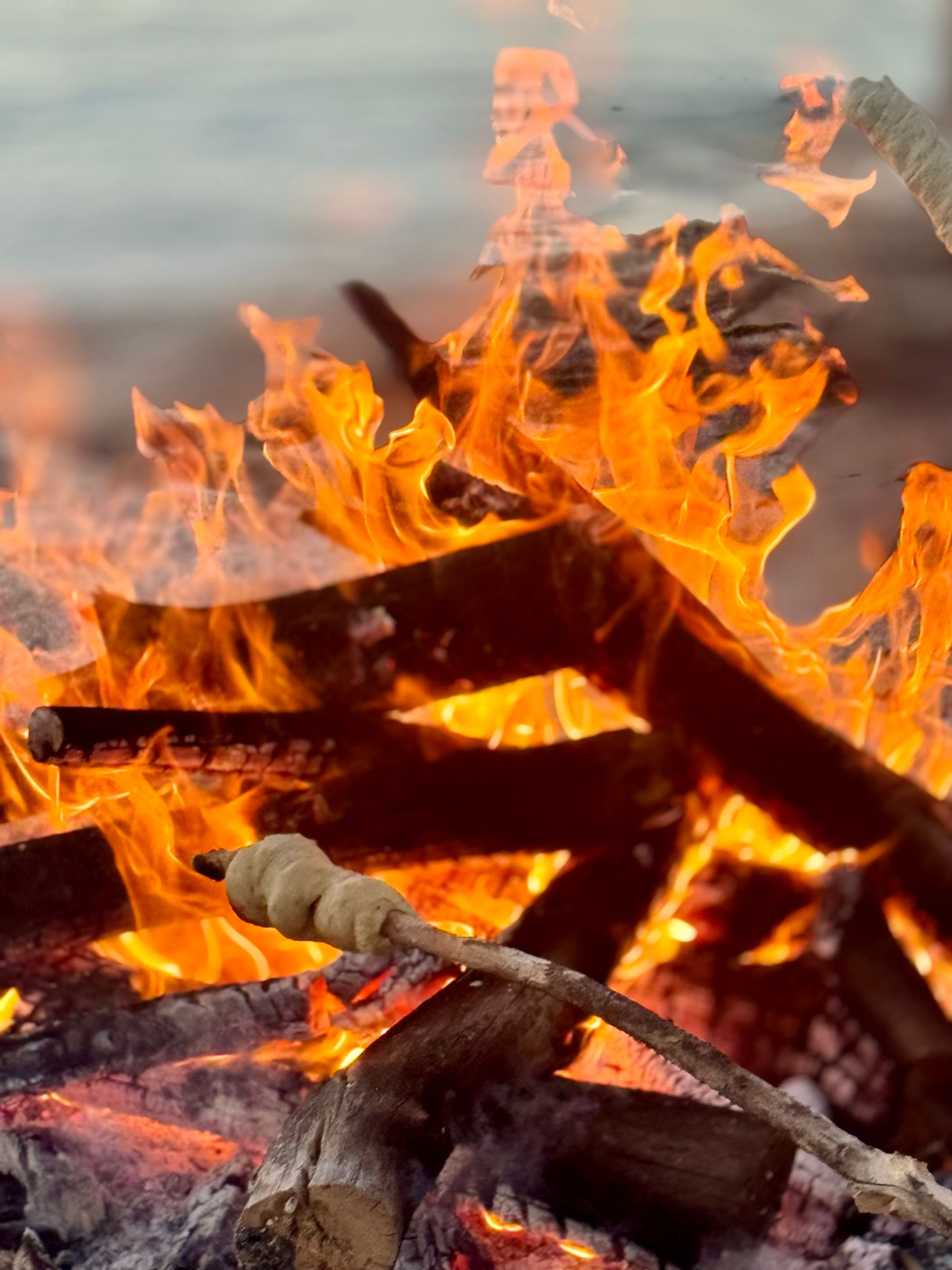
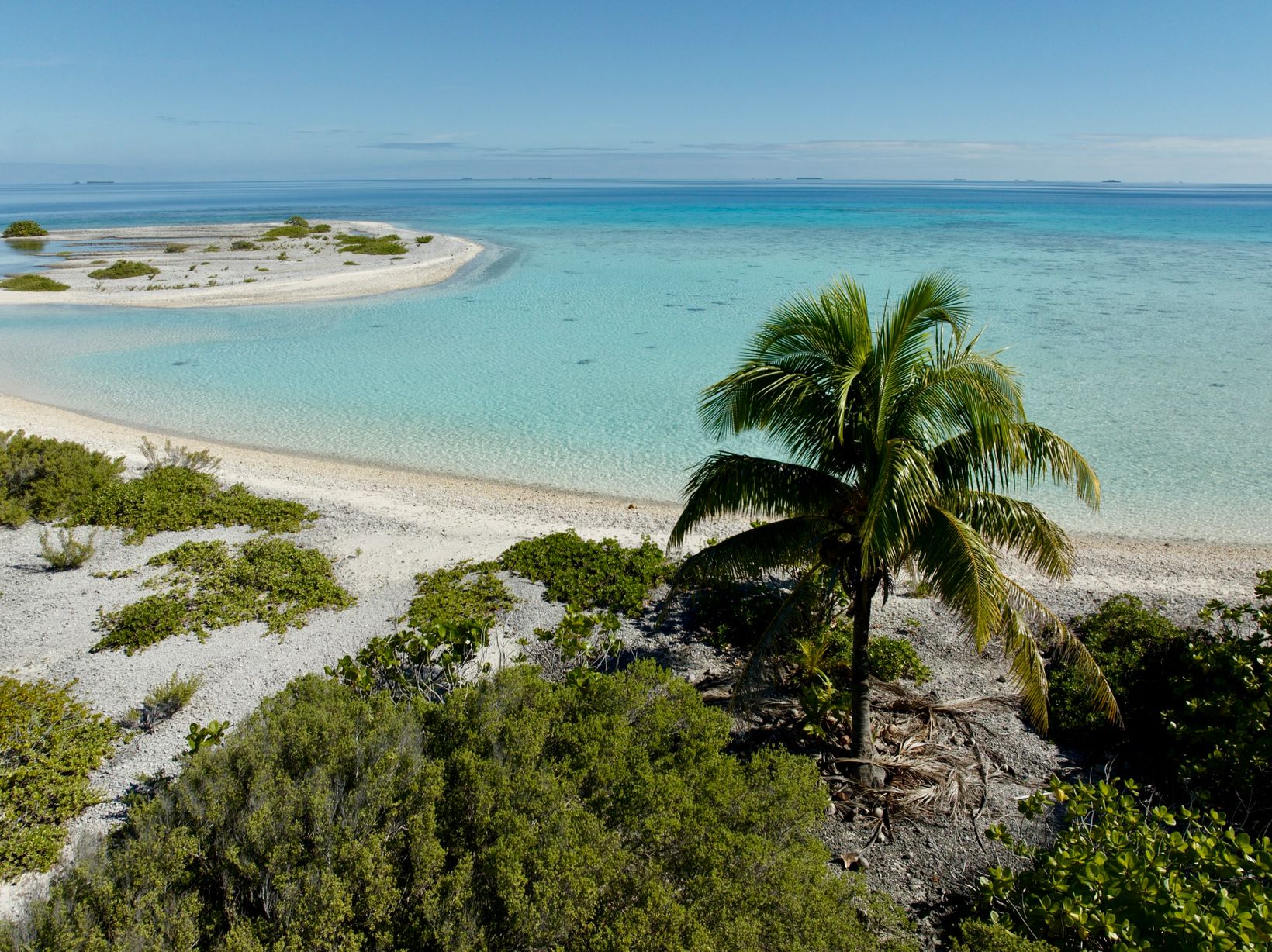
After weeks of bobbing at anchor in the Marquesas, it’s hard to believe, but it’s as calm here as on an inland lake. After a deep sleep, we’re ready to get things going. What can we do here? We dig out the SUP and start paddling. Everyone does whatever they feel like on their own little sandy island: Some play sports, fly kites, or crack open coconuts. We toast our first stick bread over the fire and go on our first snorkeling trips. We watch the little sharks and admire the coral. The water is so shallow and clear that you can see the coral while walking along the beach.
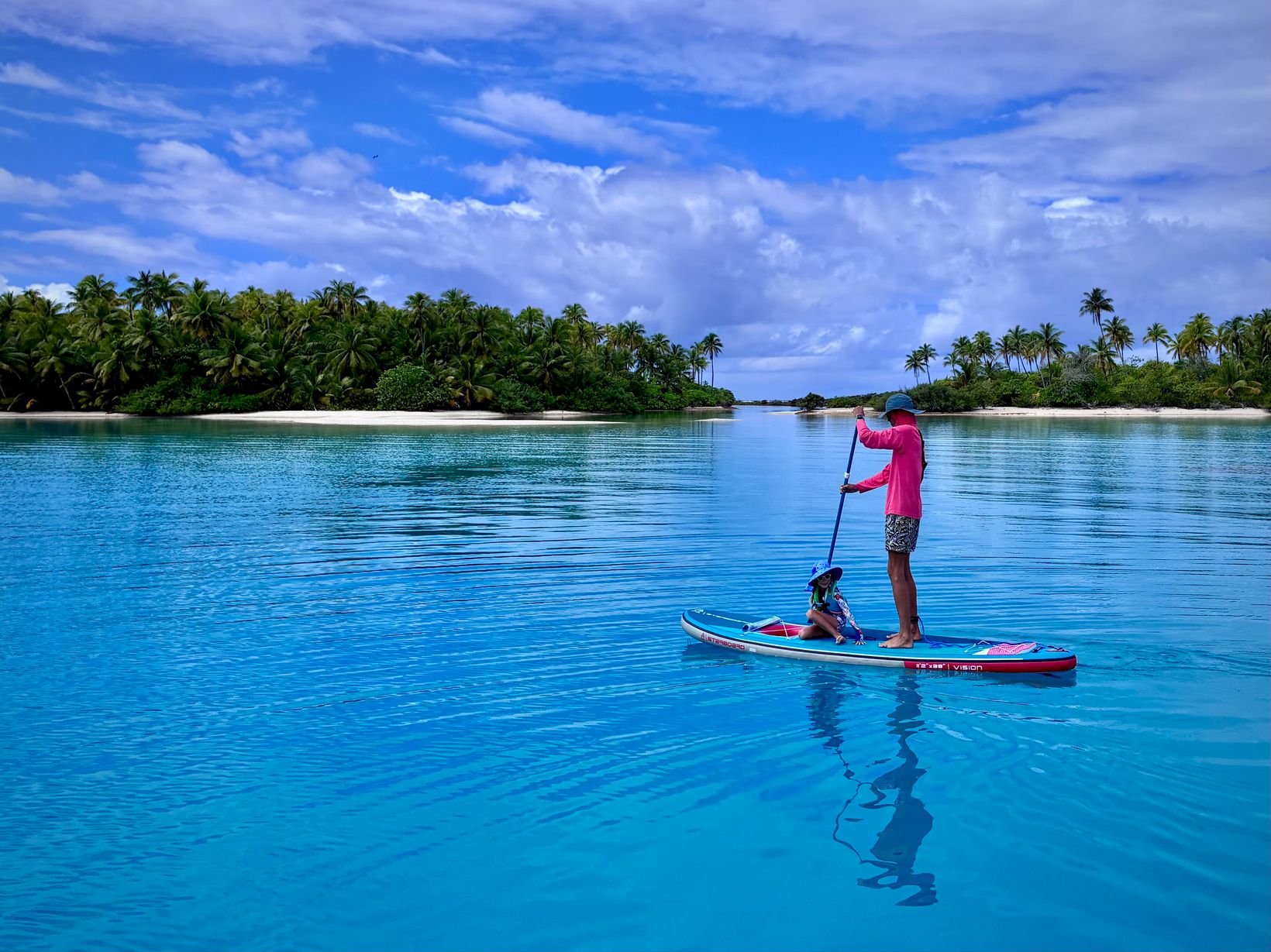
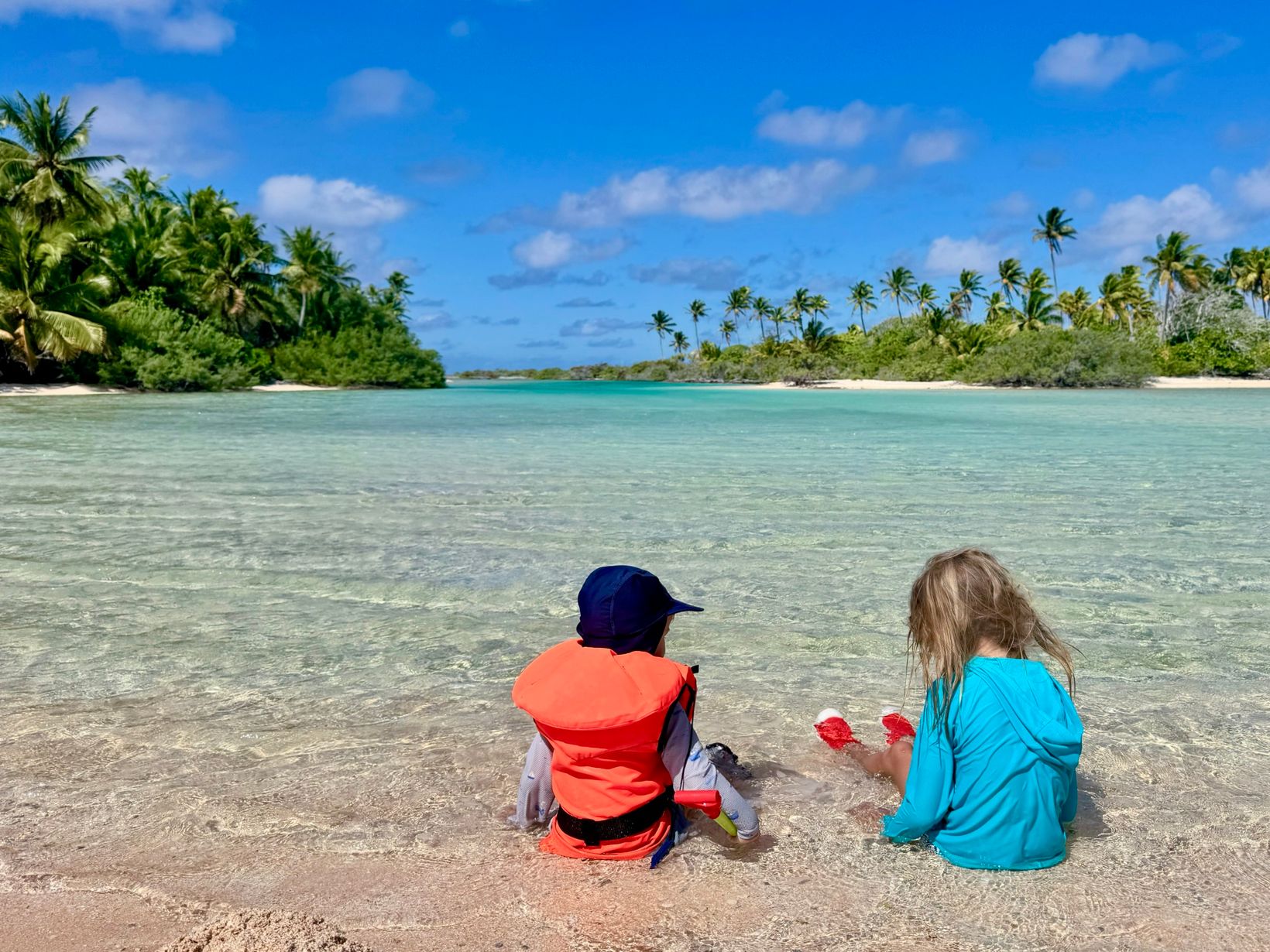
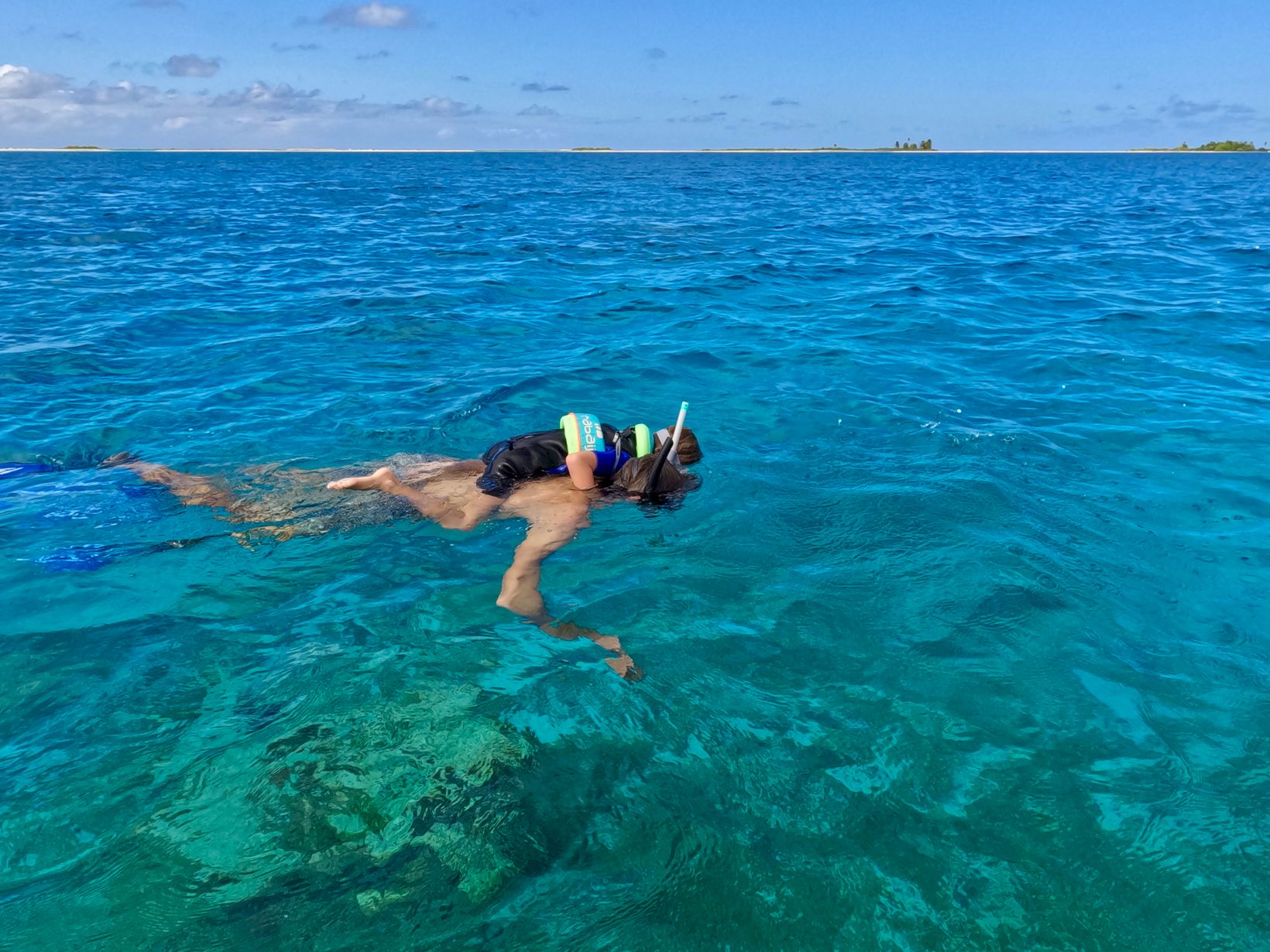
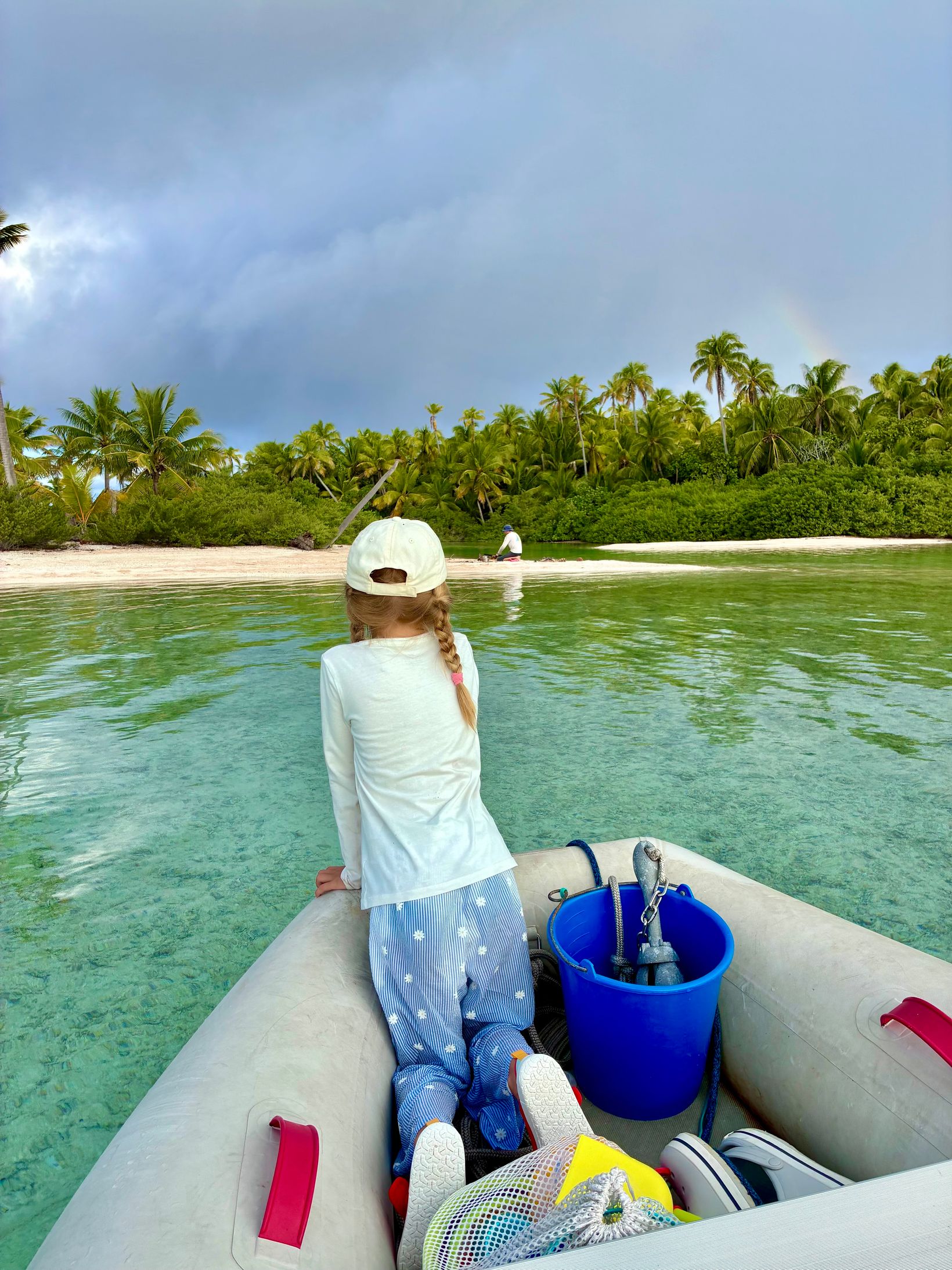
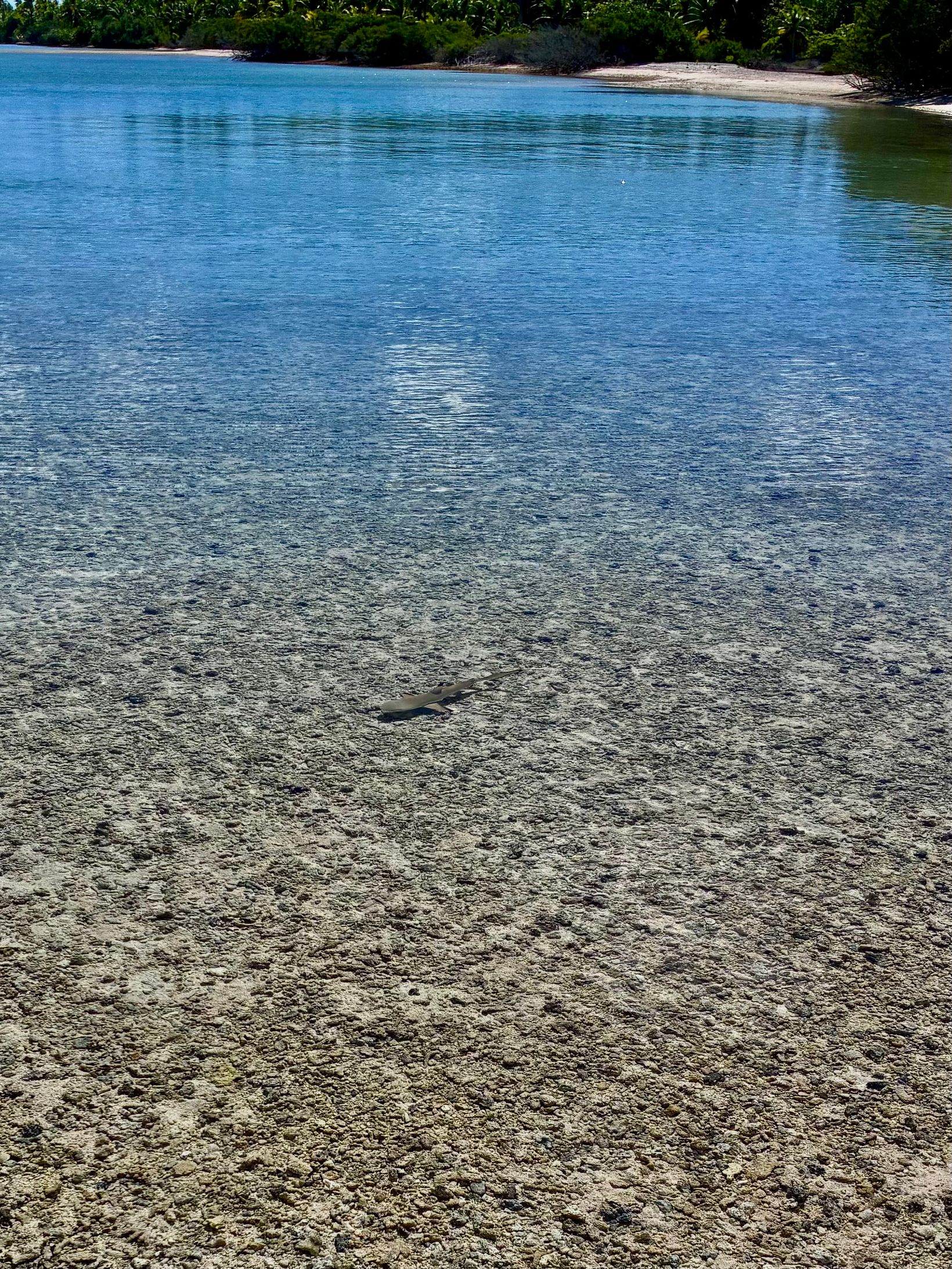
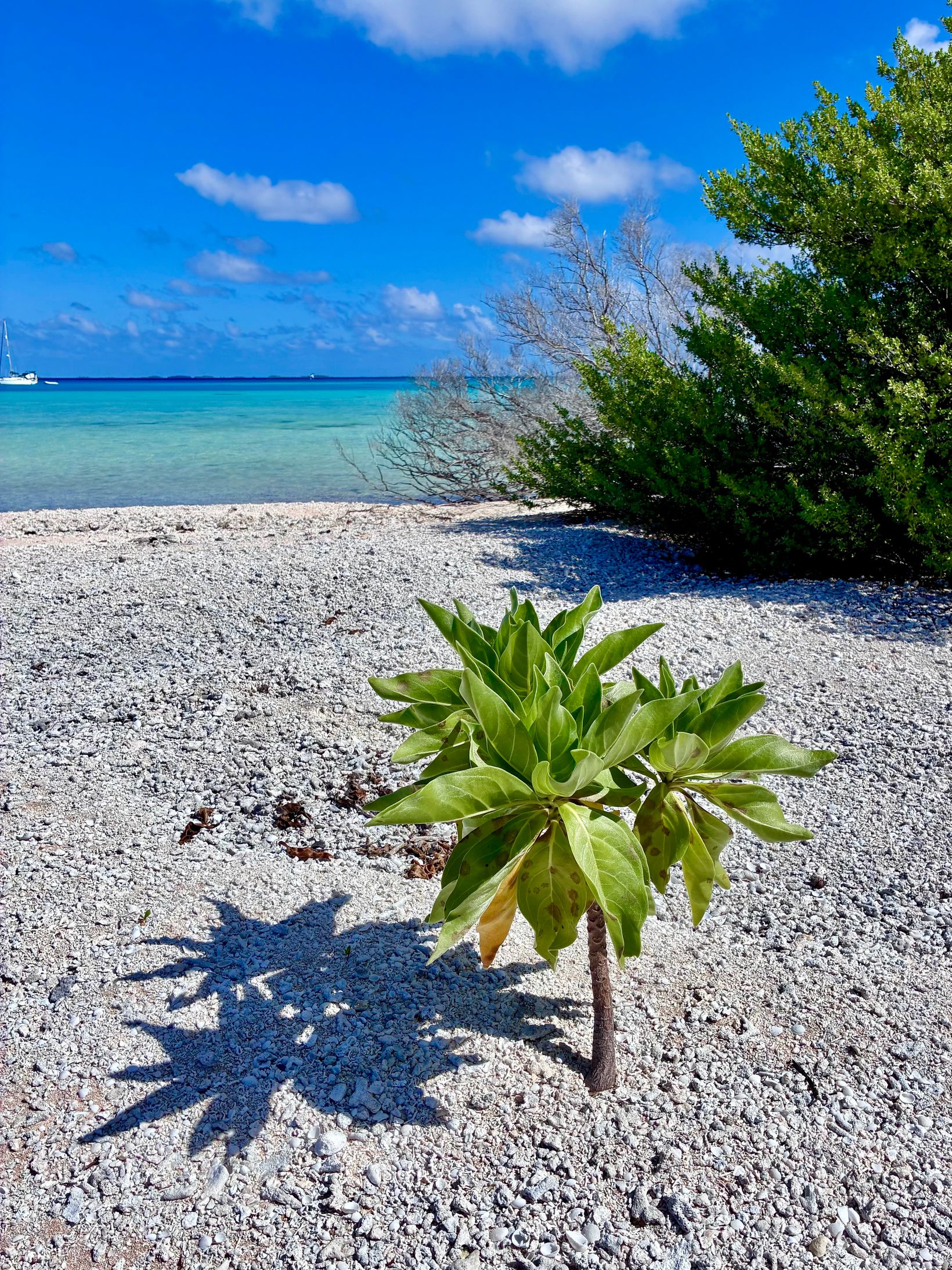
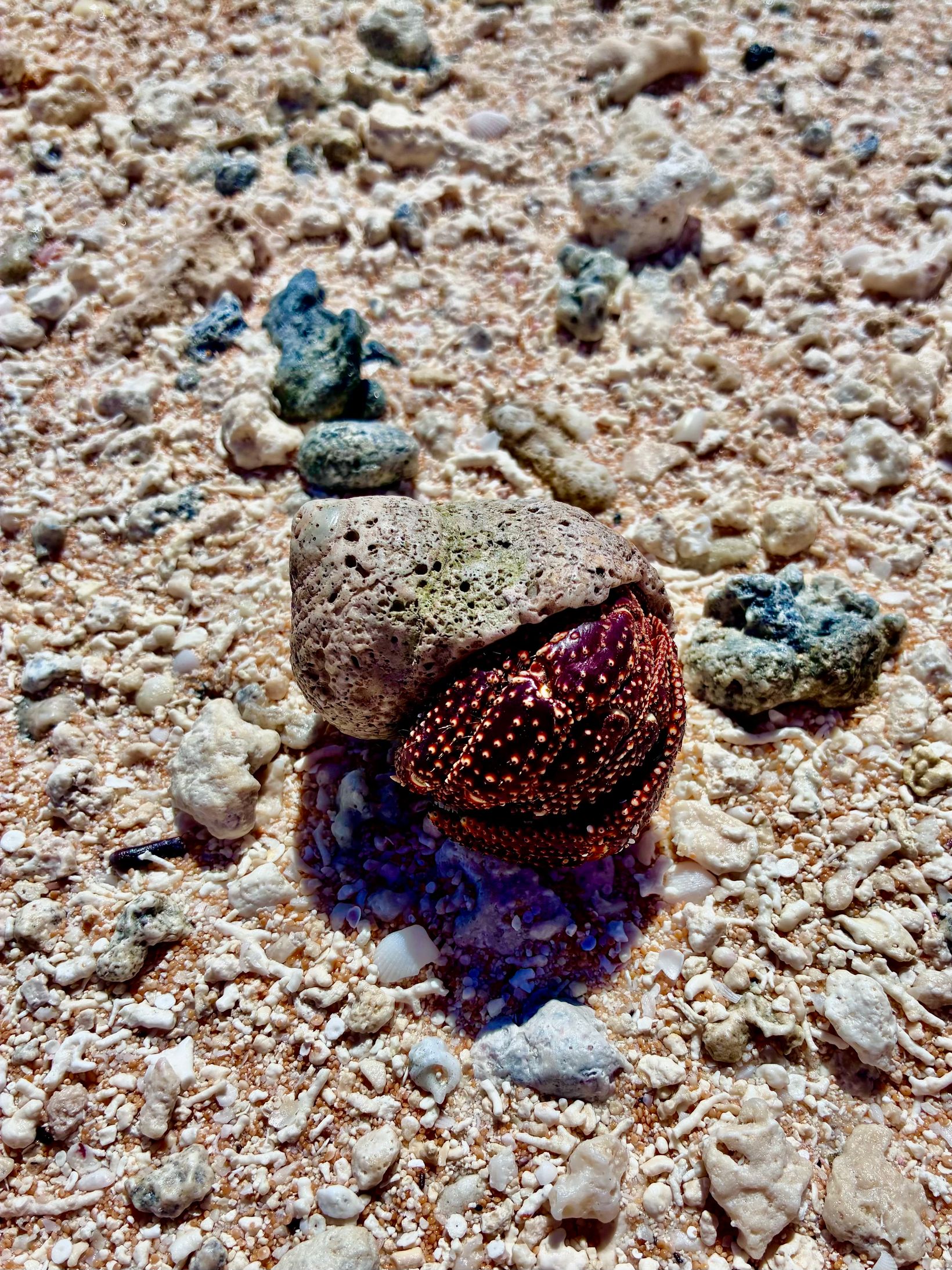
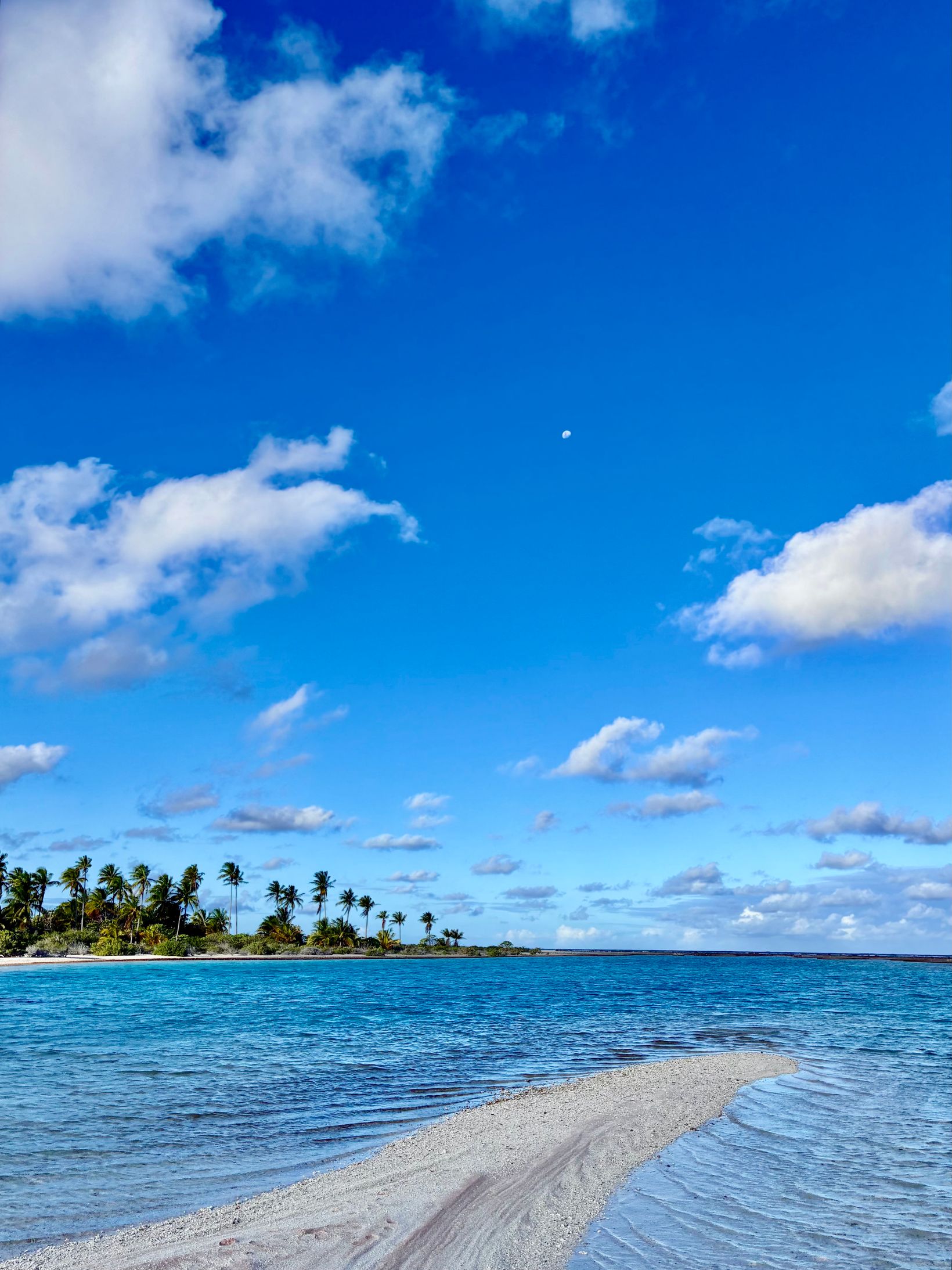
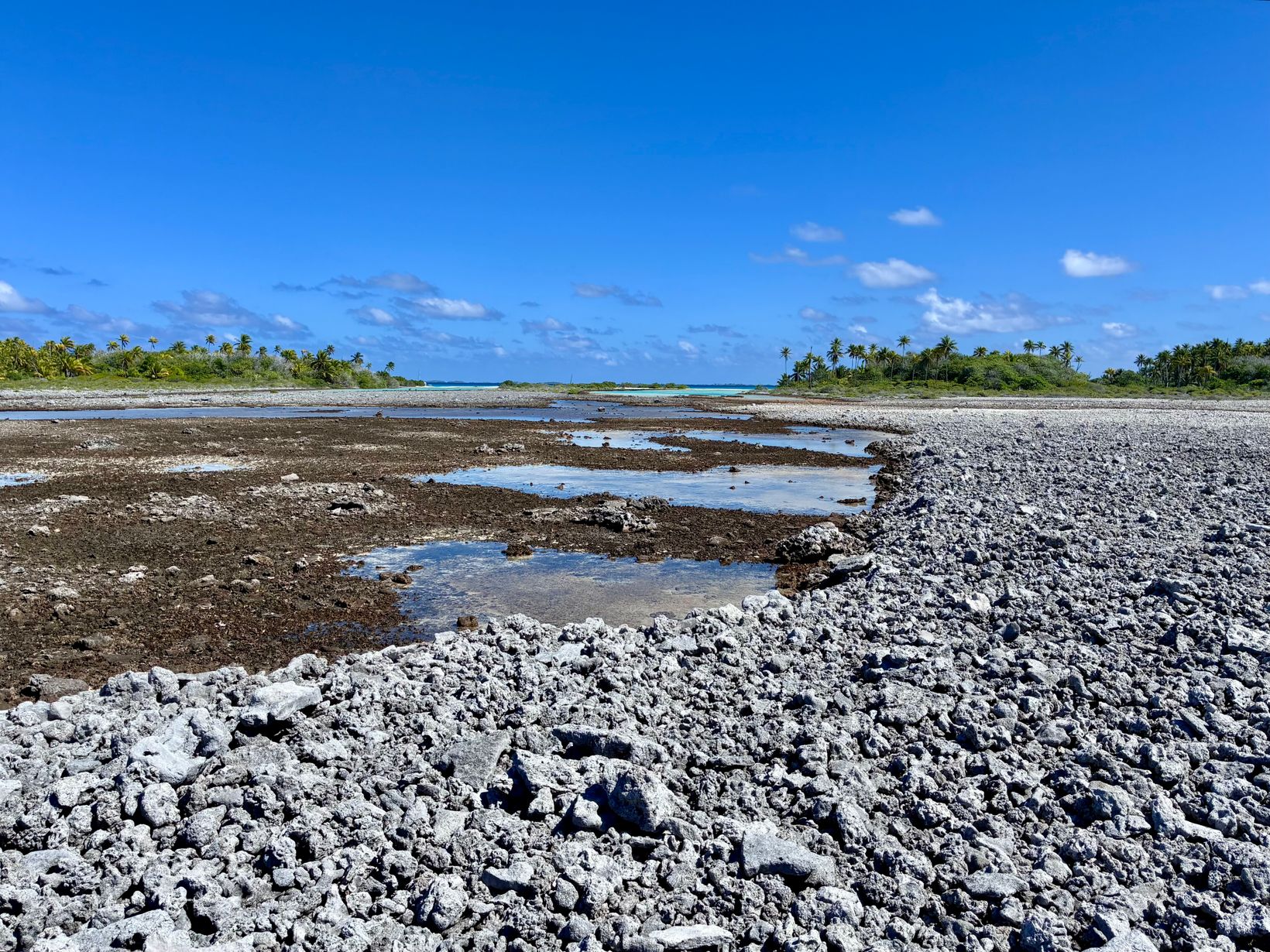
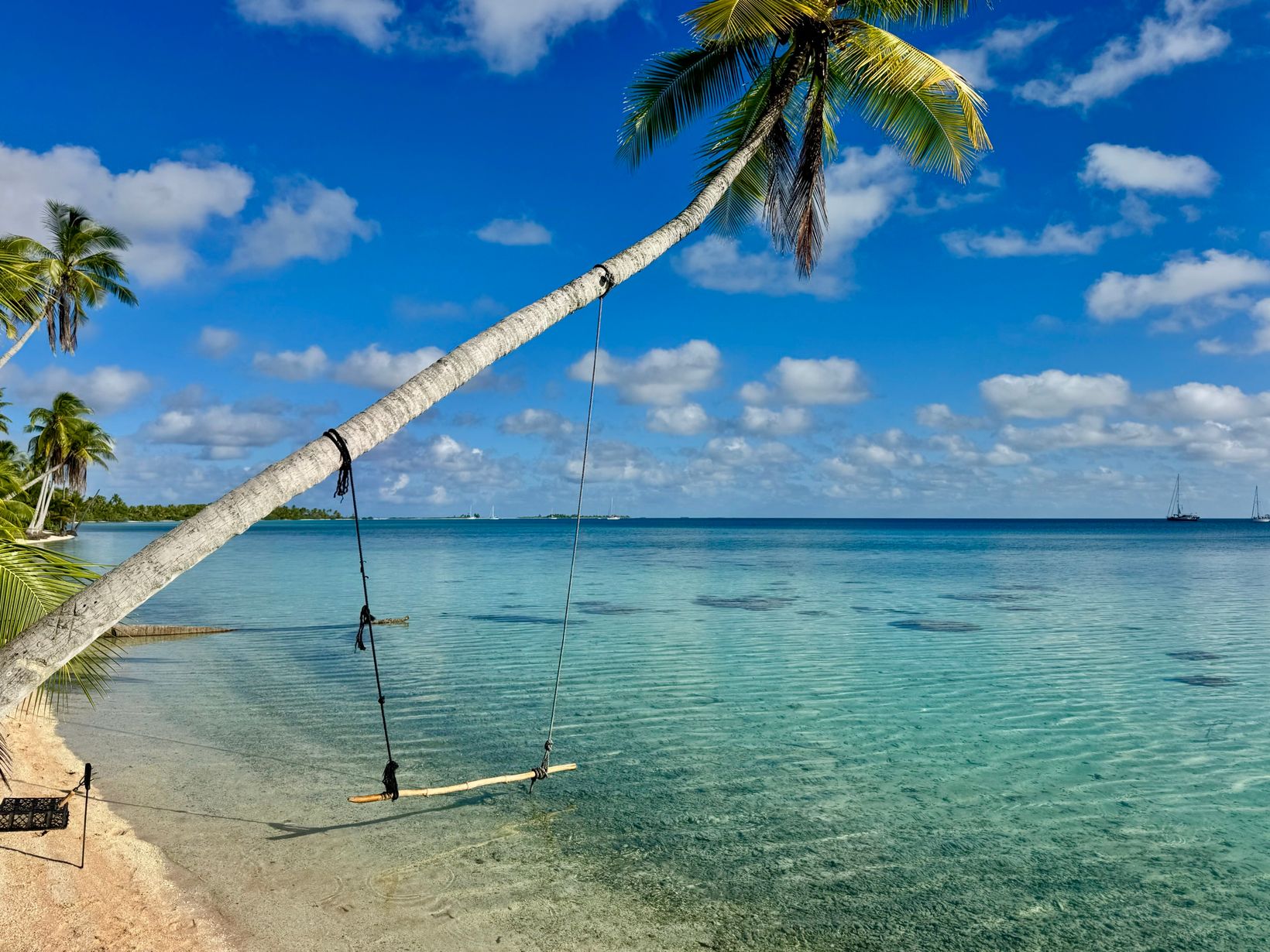
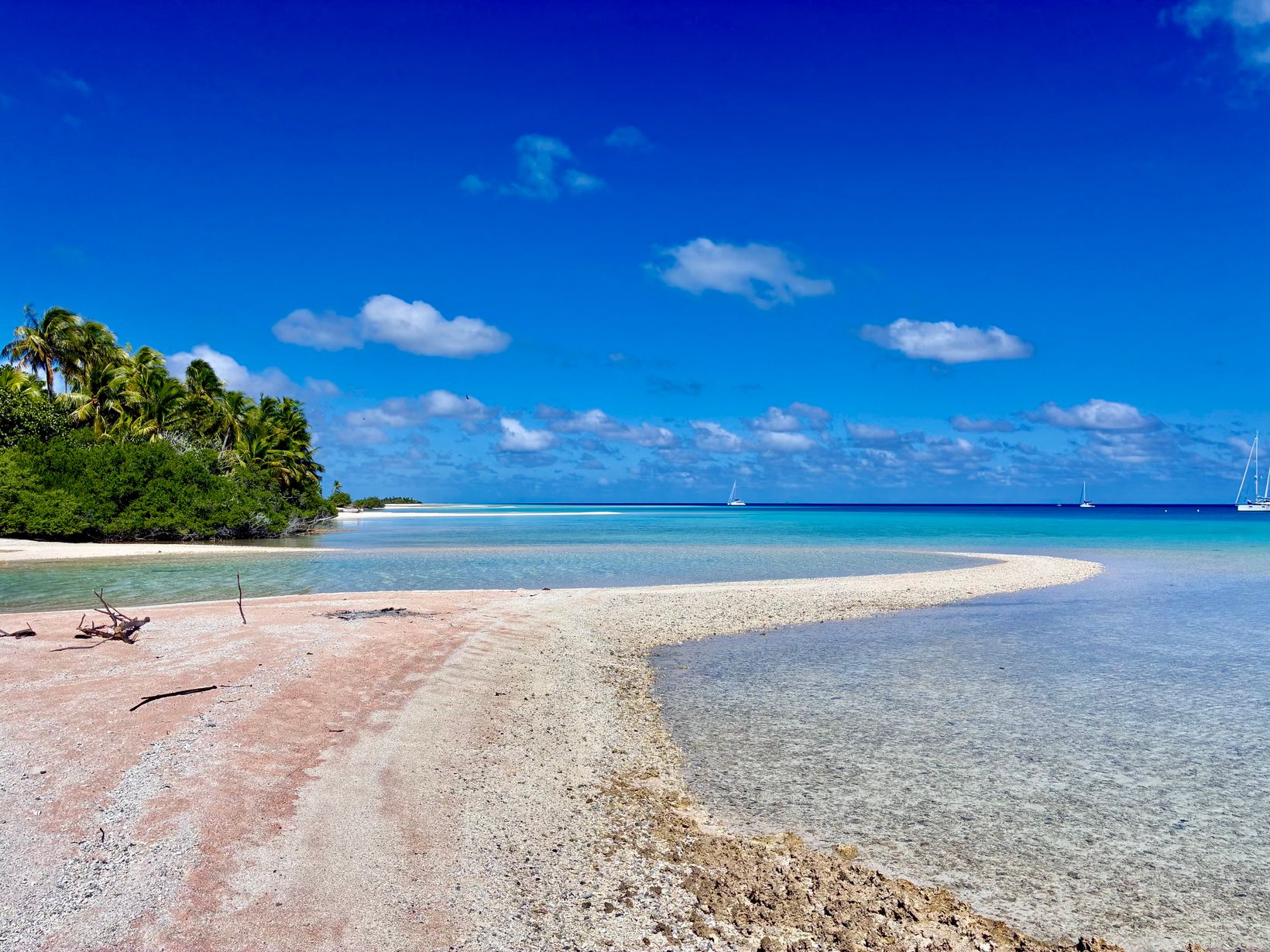
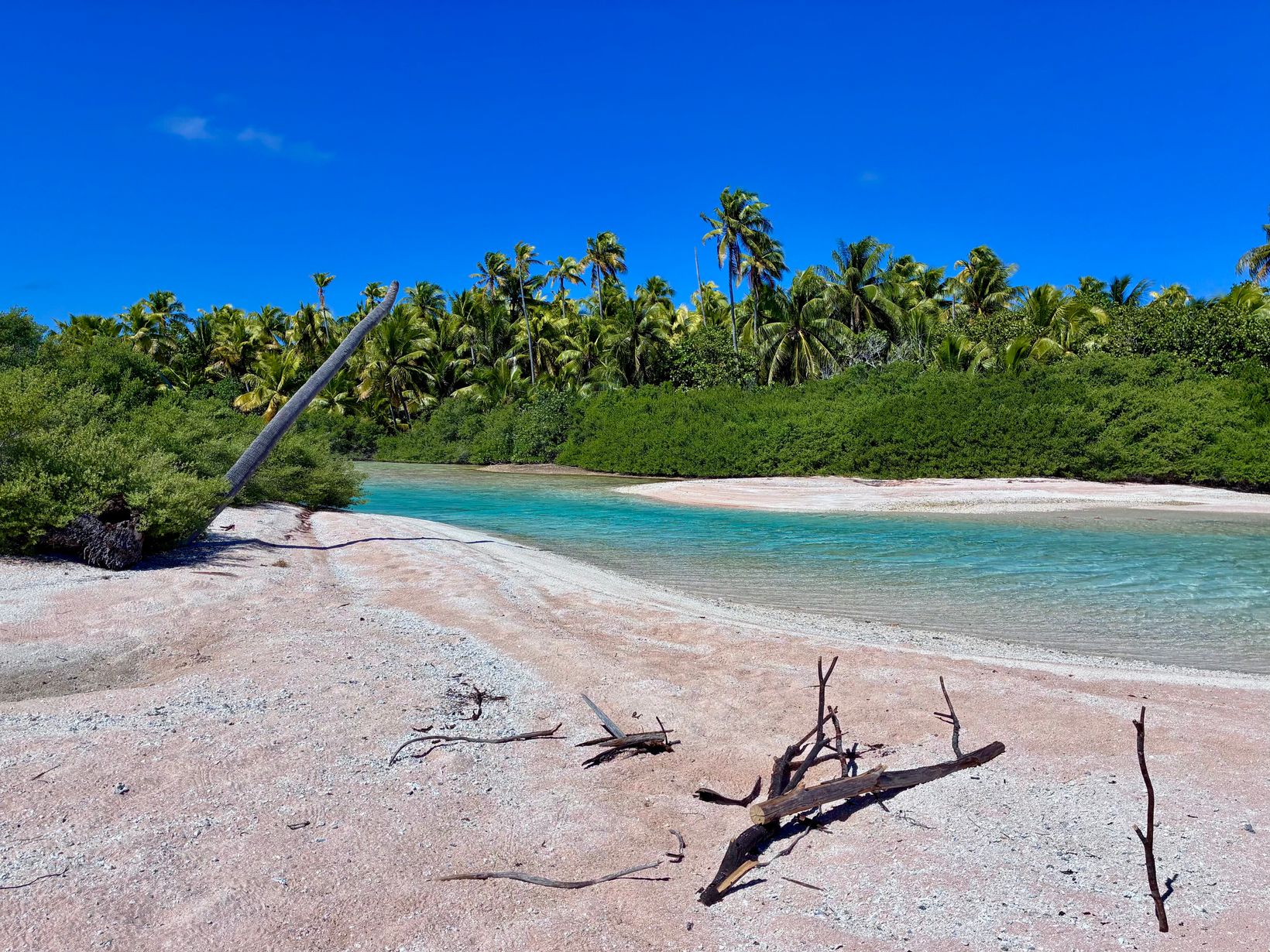
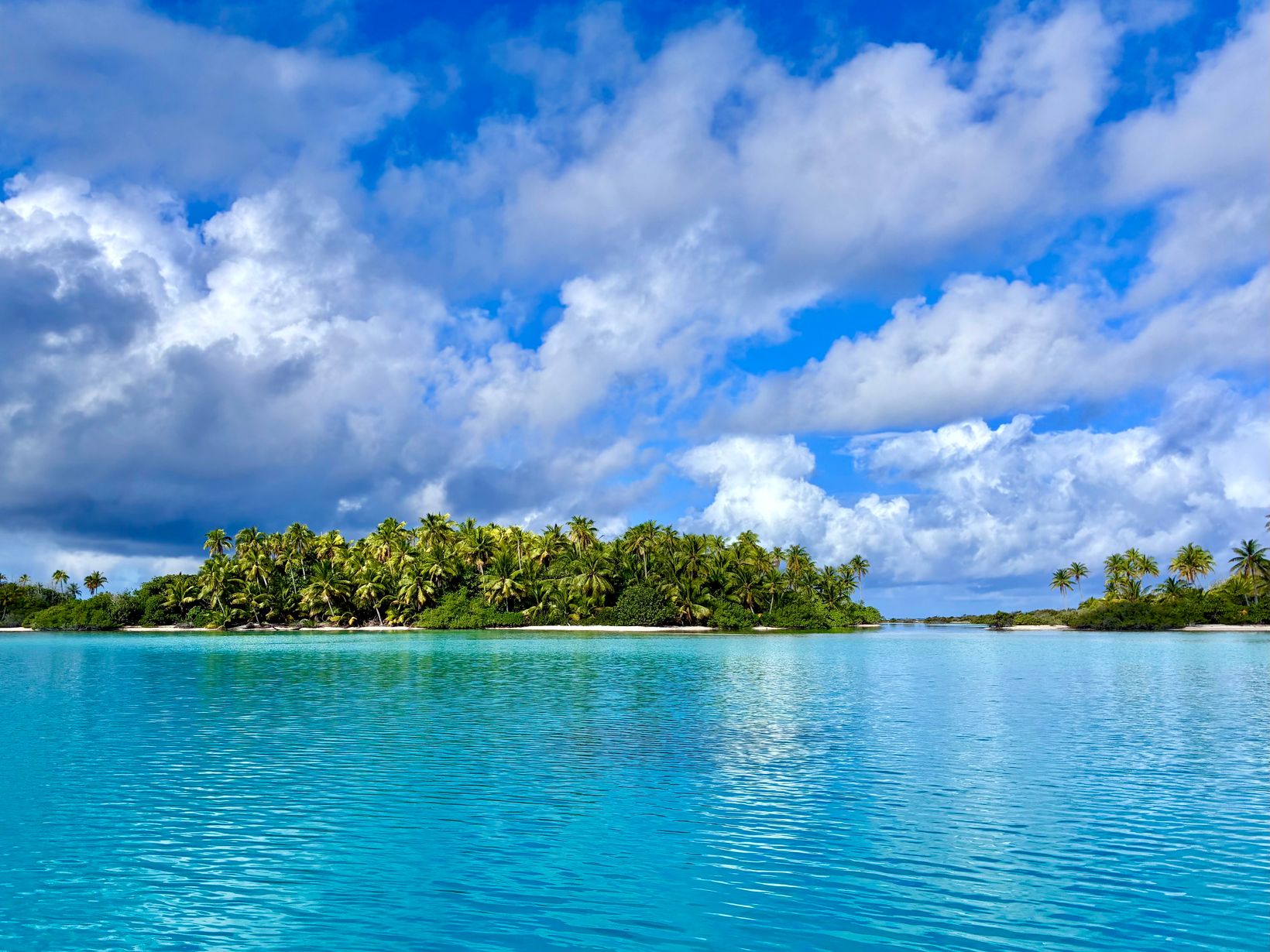
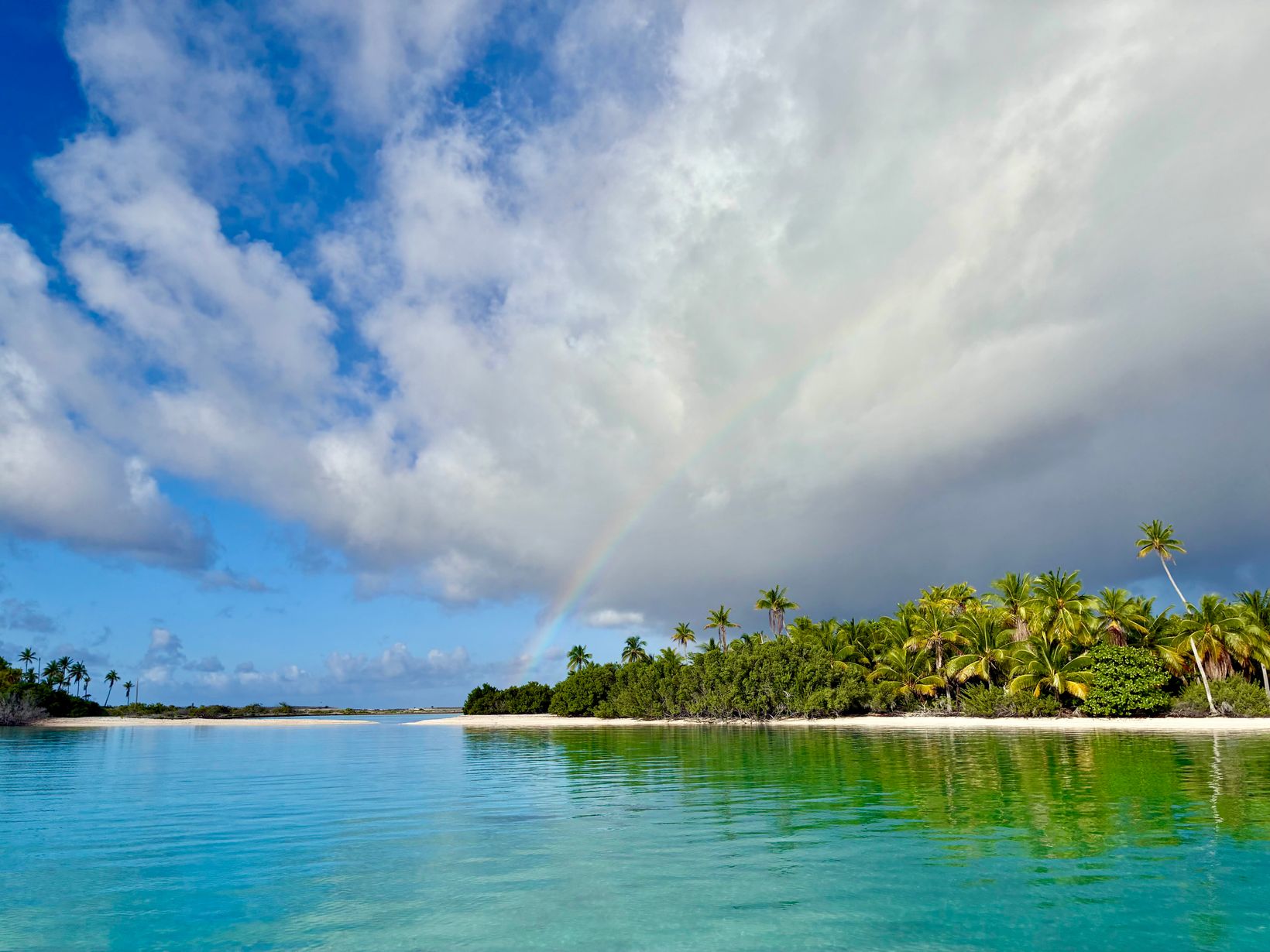
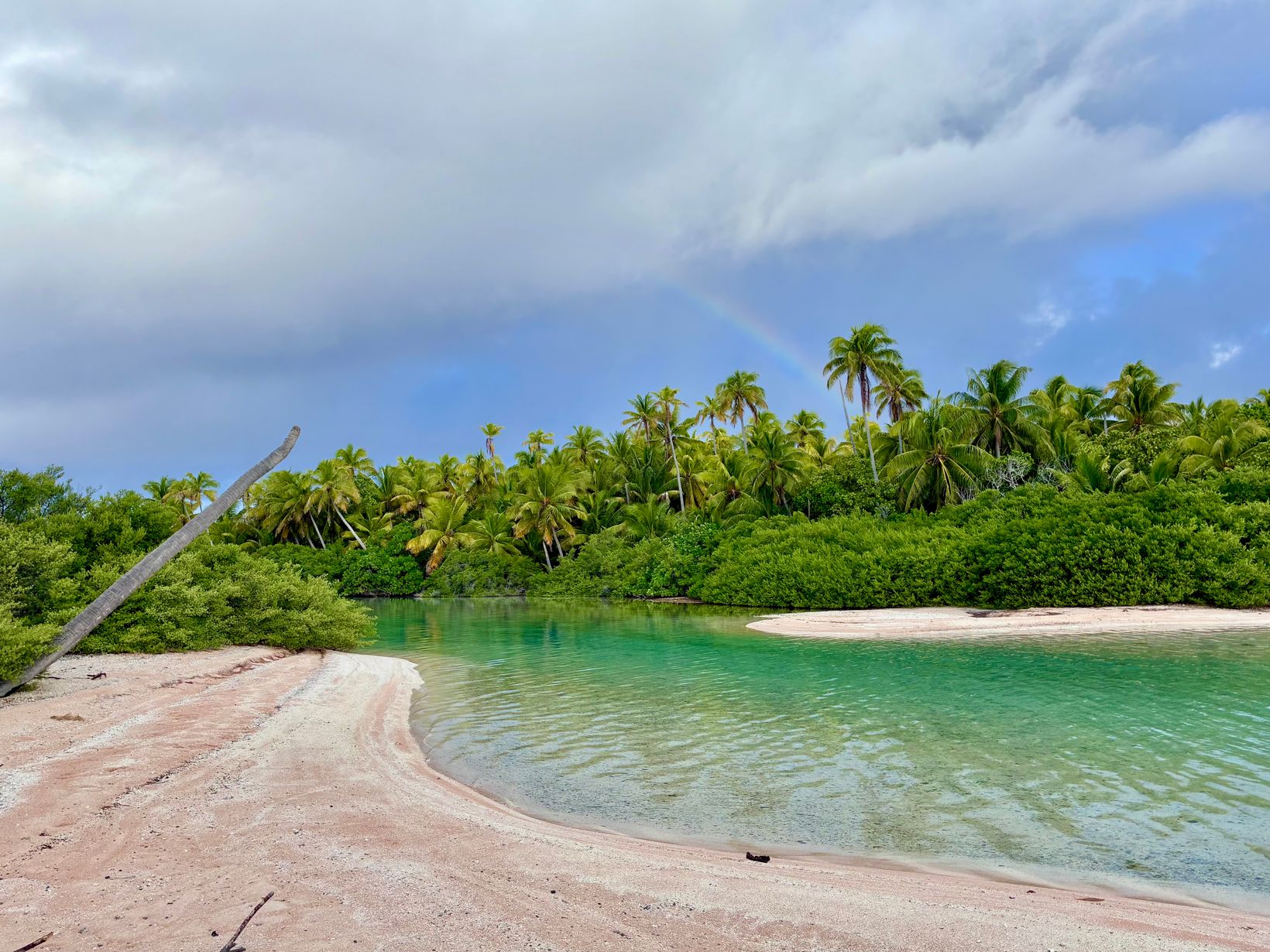
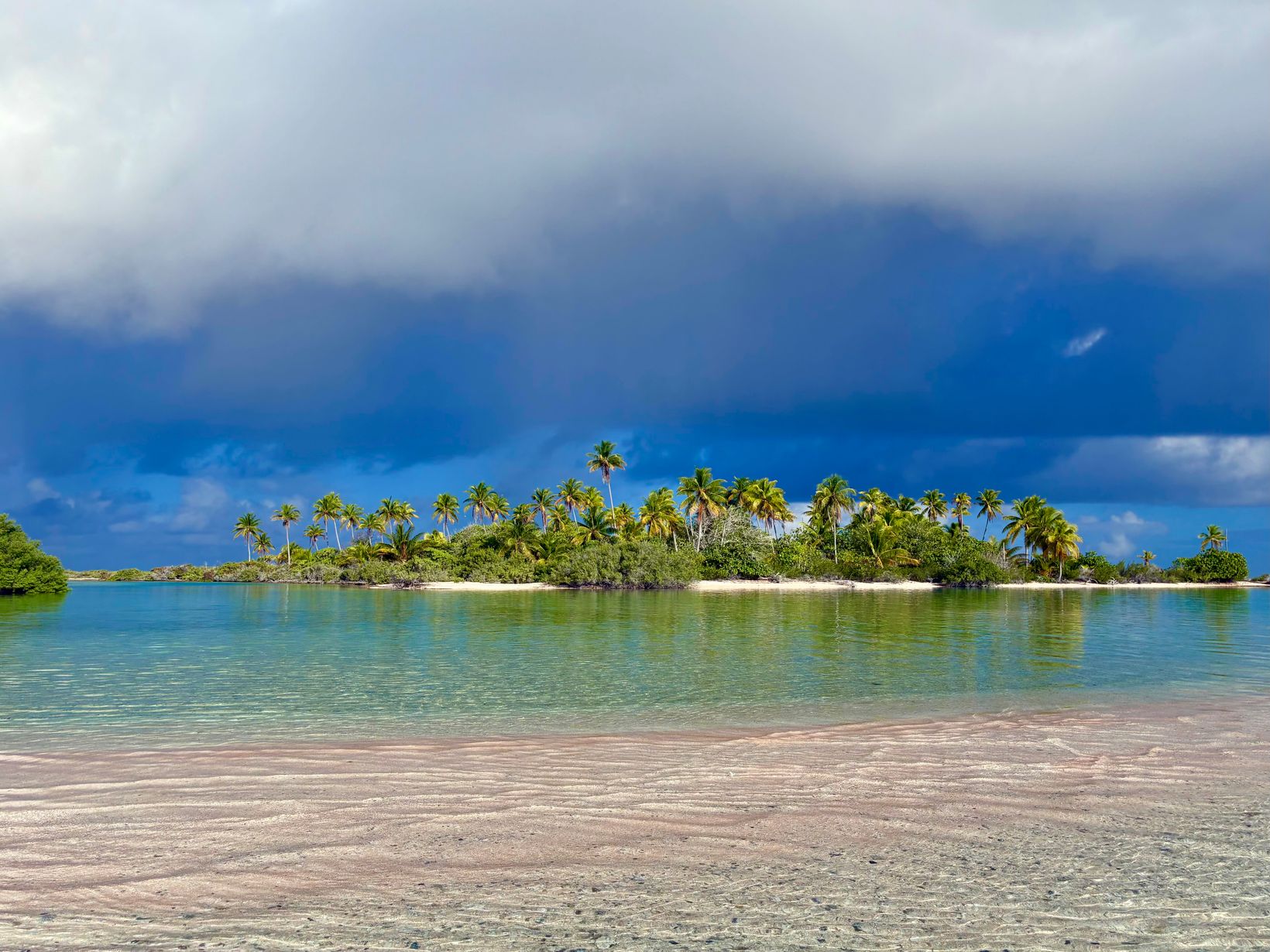
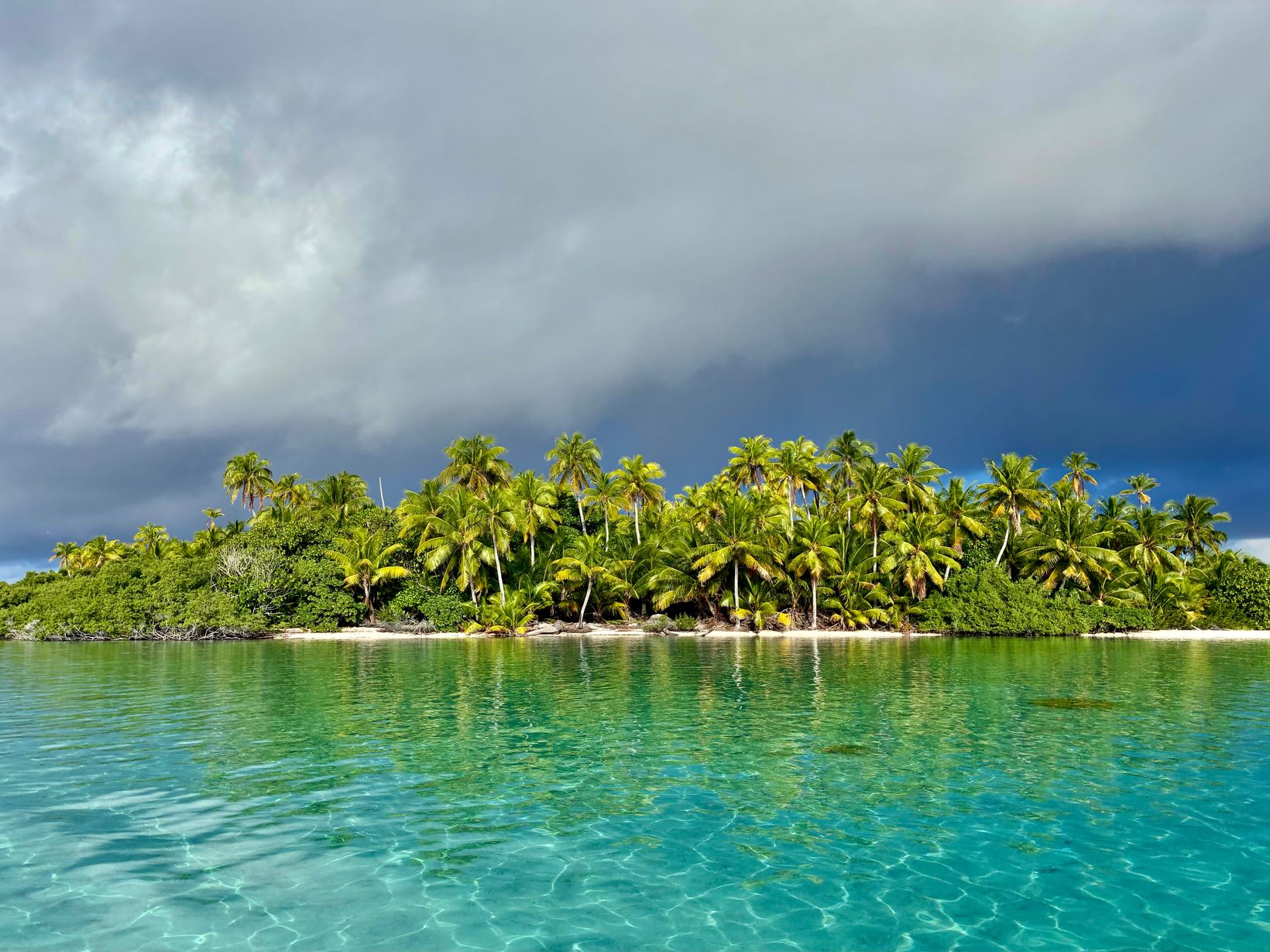
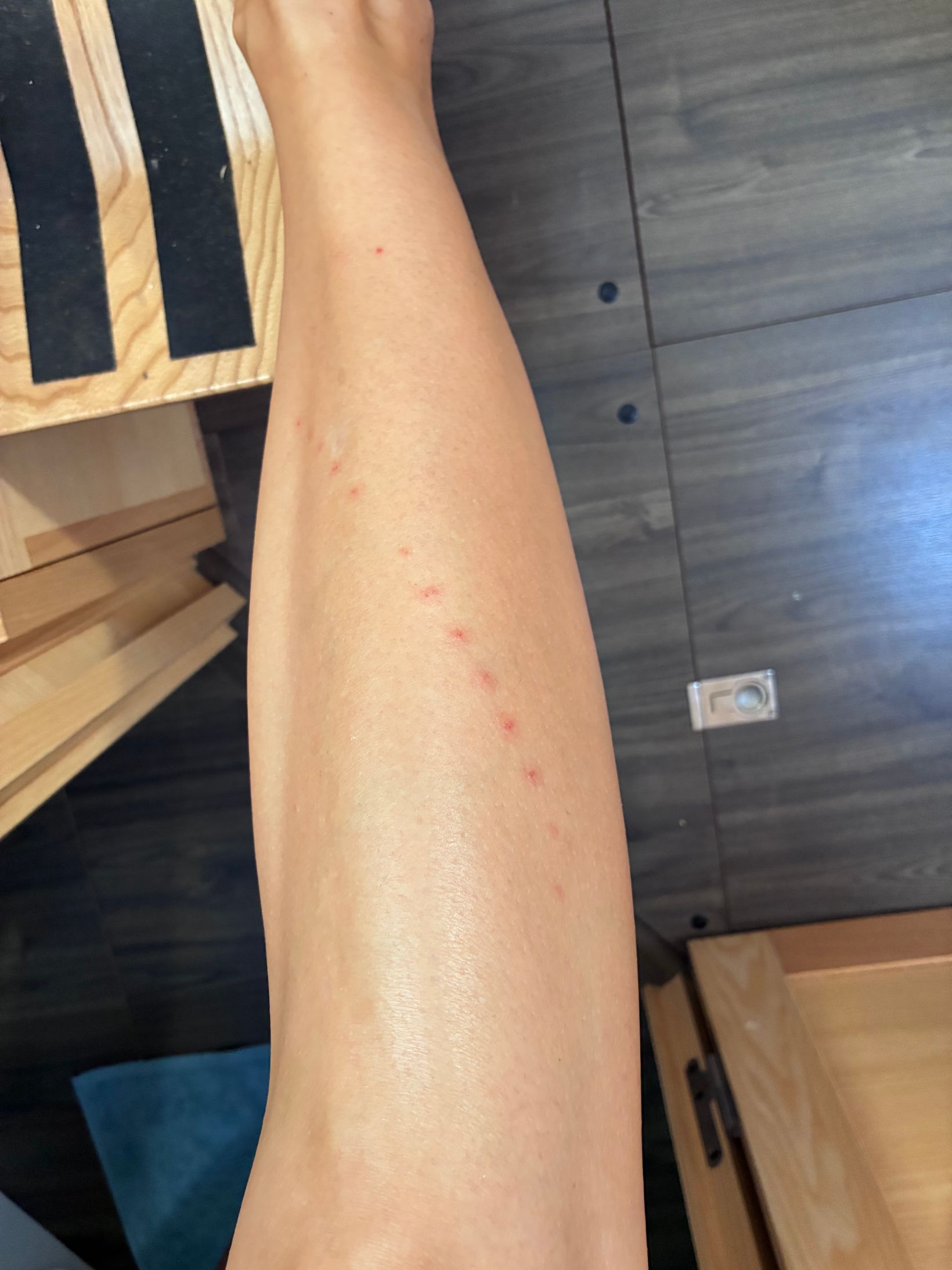
When the wind dies down, we do eat bread on a stick, but the sand flies are a nuisance. They use every hole in our pants as a place to bite. That’s why it’s important to choose your clothes carefully.
Makemo
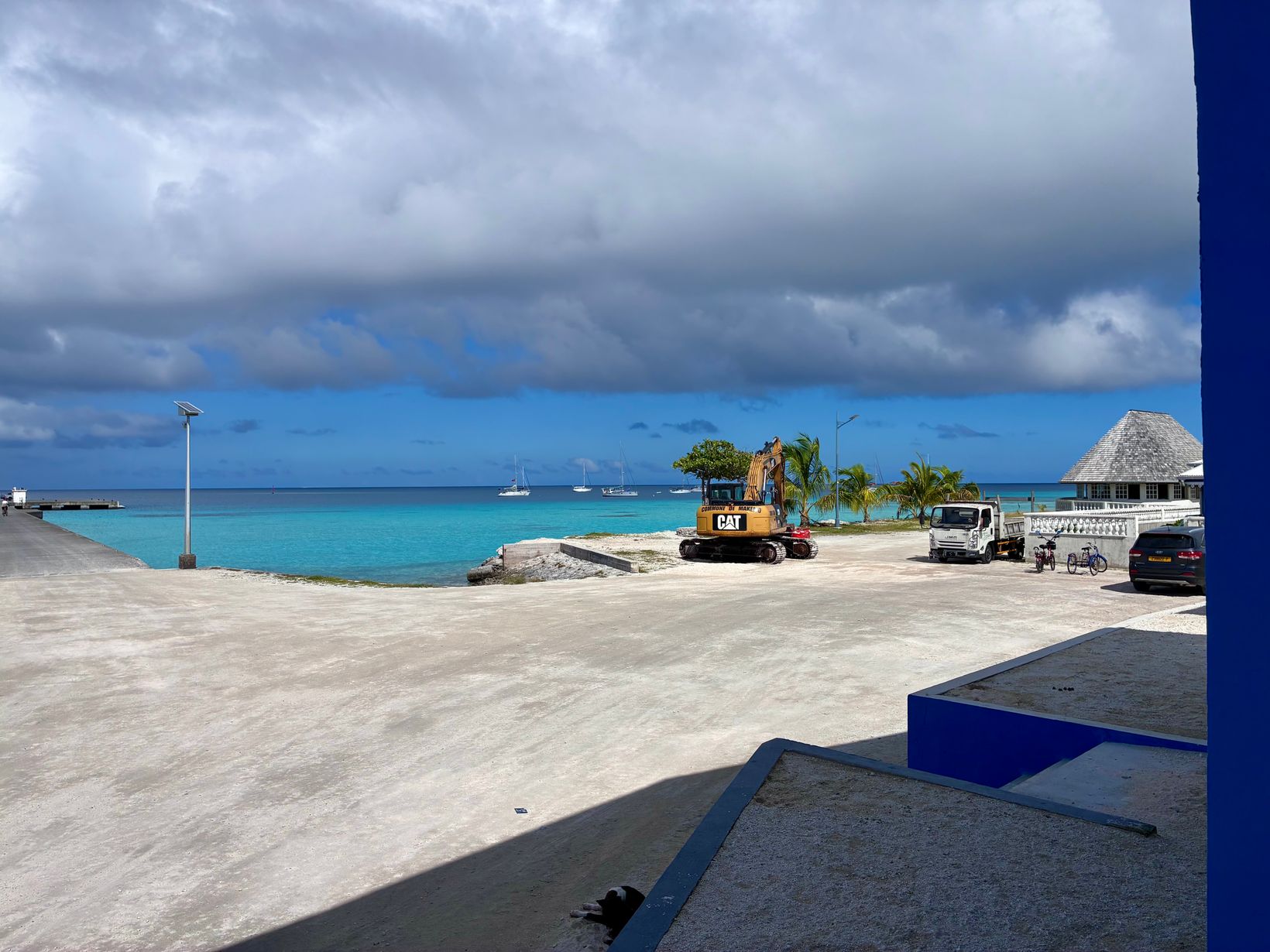
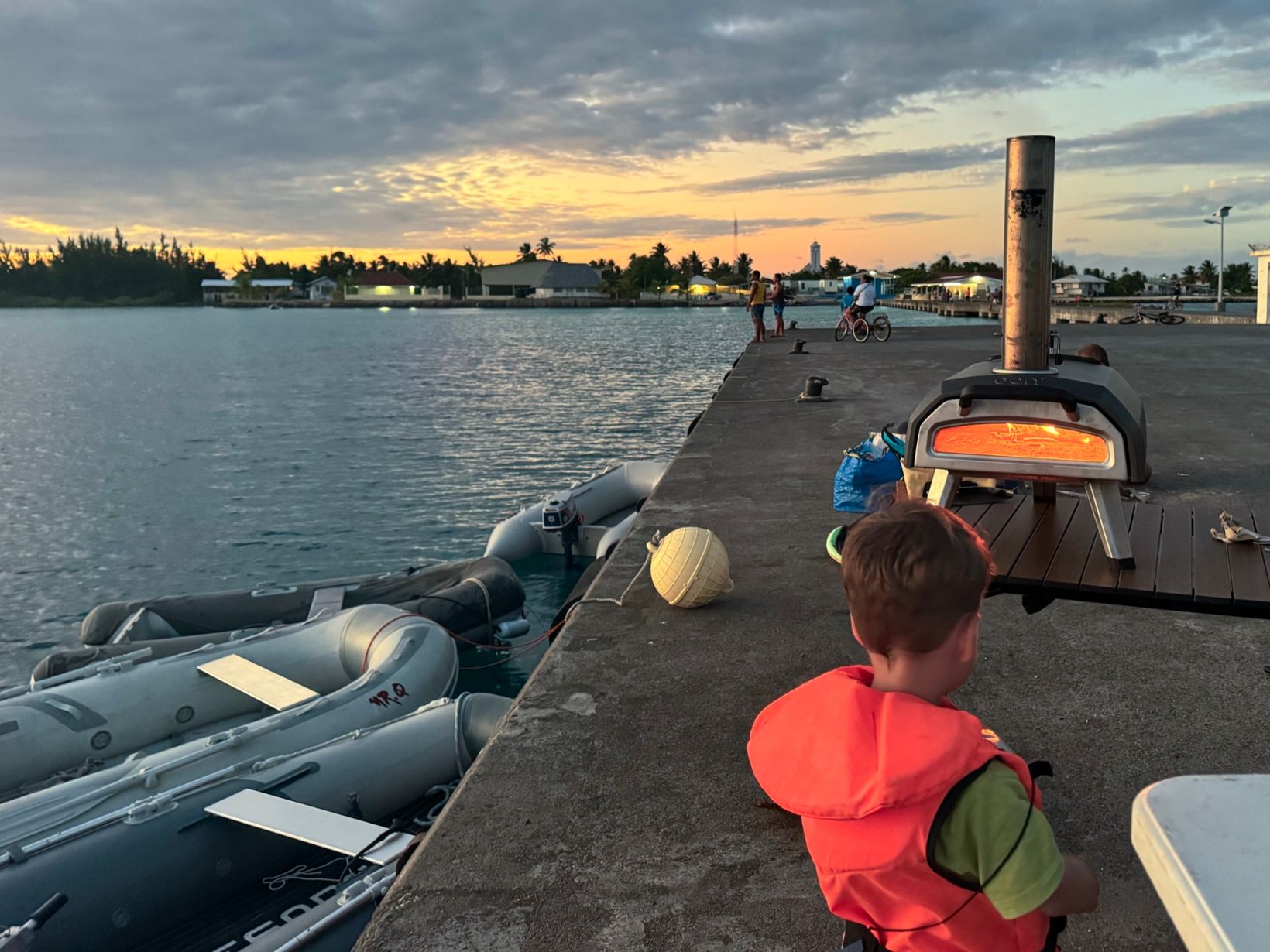
The next atoll has a small town. This means we can stock up on eggs, cheese, and vegetables, as well as dispose of our trash for a small fee. We run into many other boats that are set to become part of a small, wonderful Tuamotu flotilla. The pizza party at the dock is a great way to kick off our upcoming adventures together in the South Pacific, and it comes at just the right time. Just a few days later, a large international military exercise takes place here, and the dock is filled with military ships. Needless to say, it’s no longer an ideal place to bake pizza.
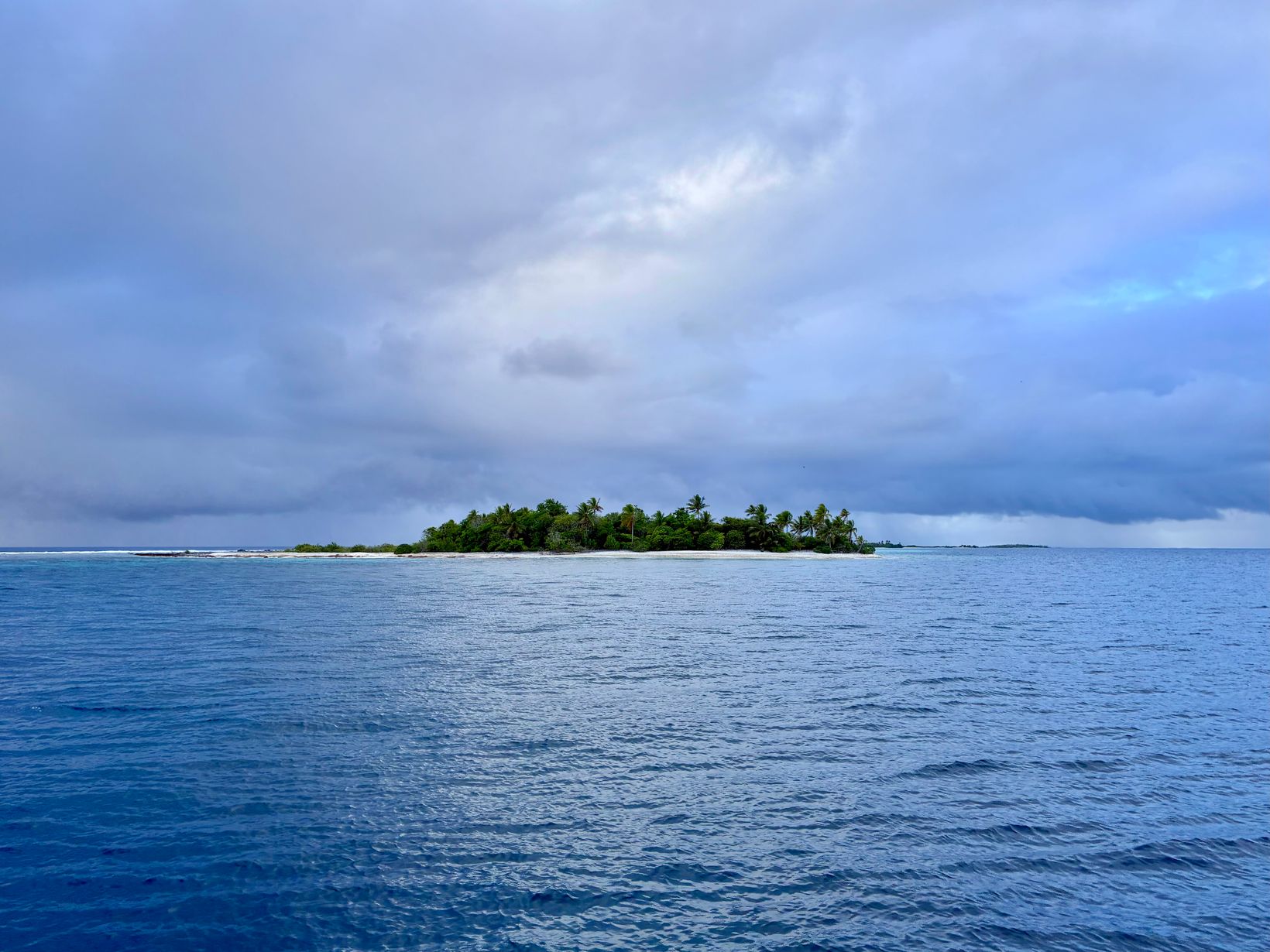
At the beginning, we anchor near the entrance to the atoll and get our first taste of drift snorkeling through the cut. We glide through an amazing underwater world until we reach shallower waters with calmer currents. There, the kids can take their time admiring the many fish and coral.
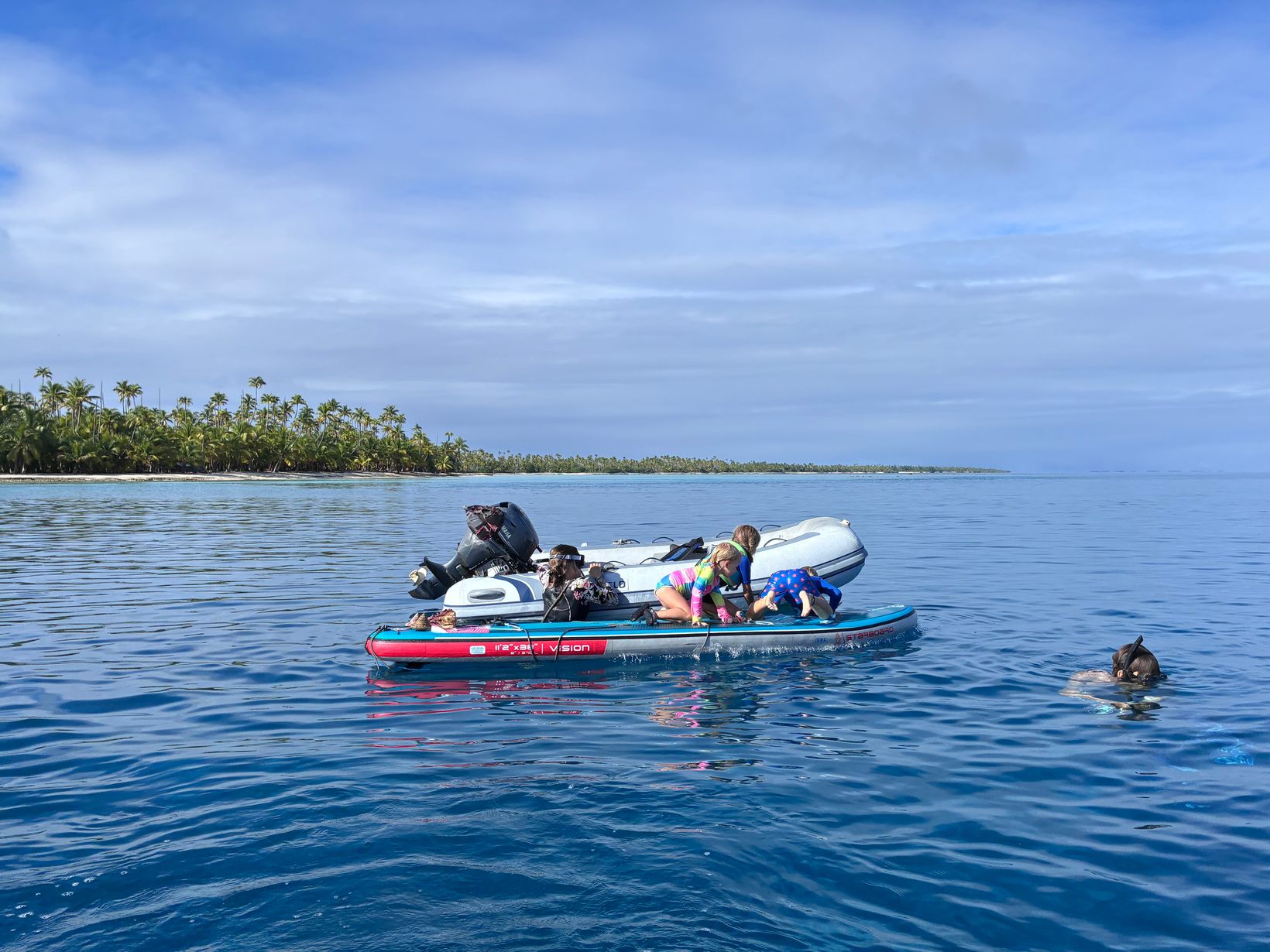
Further back in the atoll, things get cozy. Palm trees, snorkeling, paddling—all in a delightful, yet never boring, cycle. We now have remoras as pets. They typically follow sharks or rays, but with us, they’re happy to eat anything that grows on the boat or falls overboard. Since there’s little wind, we venture out to the outer reef one day. It’s a bit of a balancing act to climb over the reef at low tide to jump into the water from there. Once in, we realize the trip was worth it and that diving in the reef’s caverns is a blast.
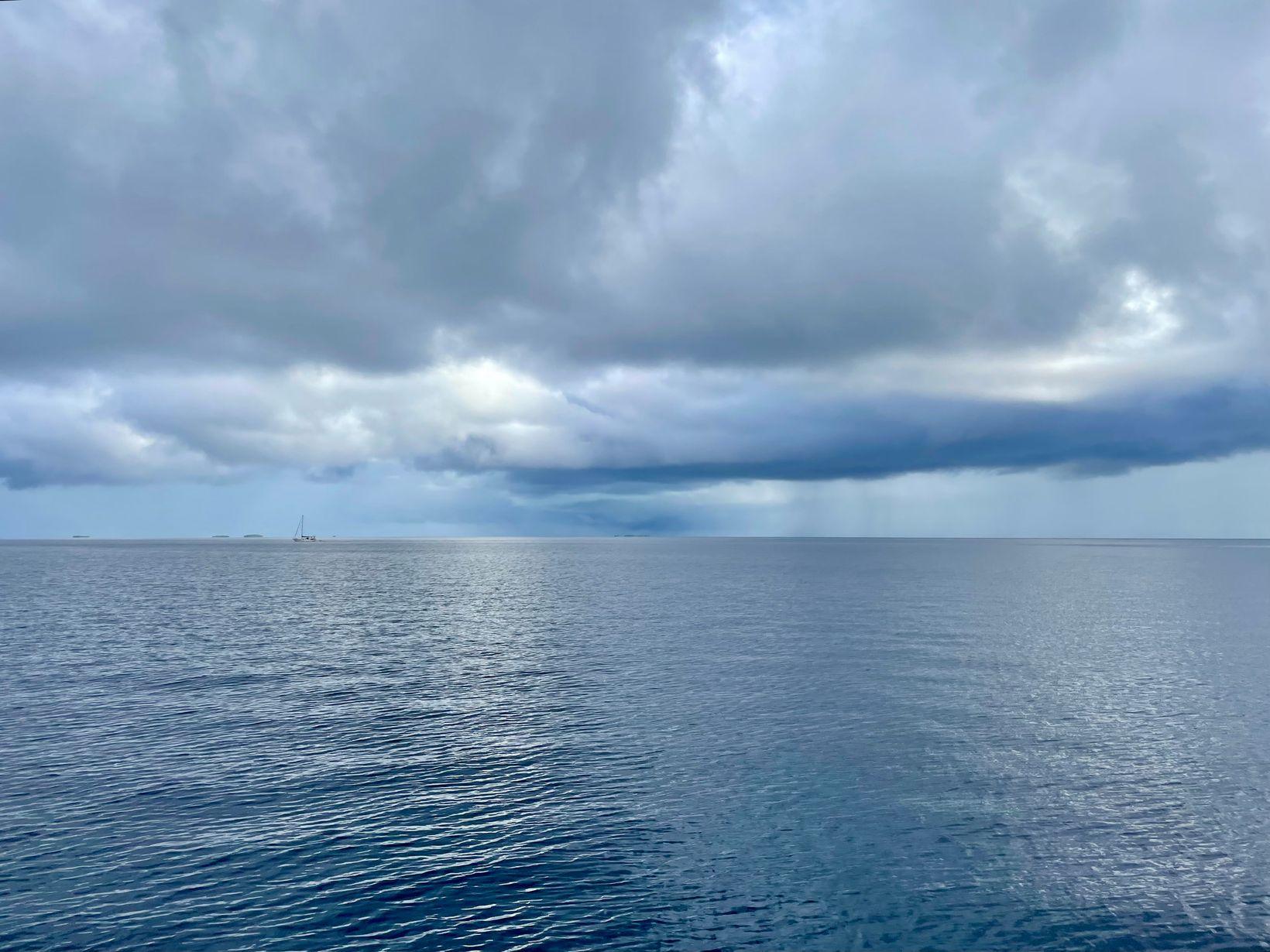
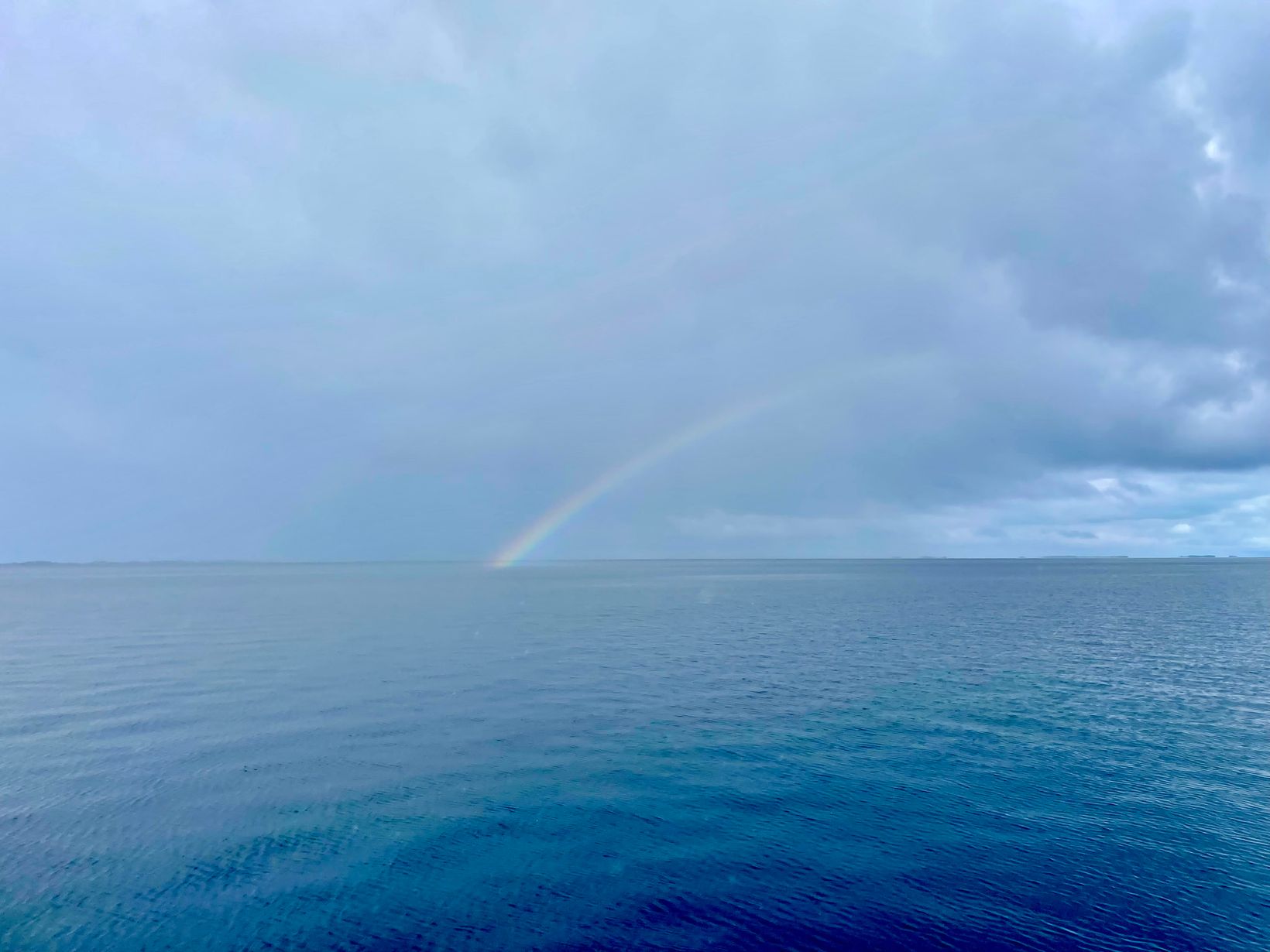
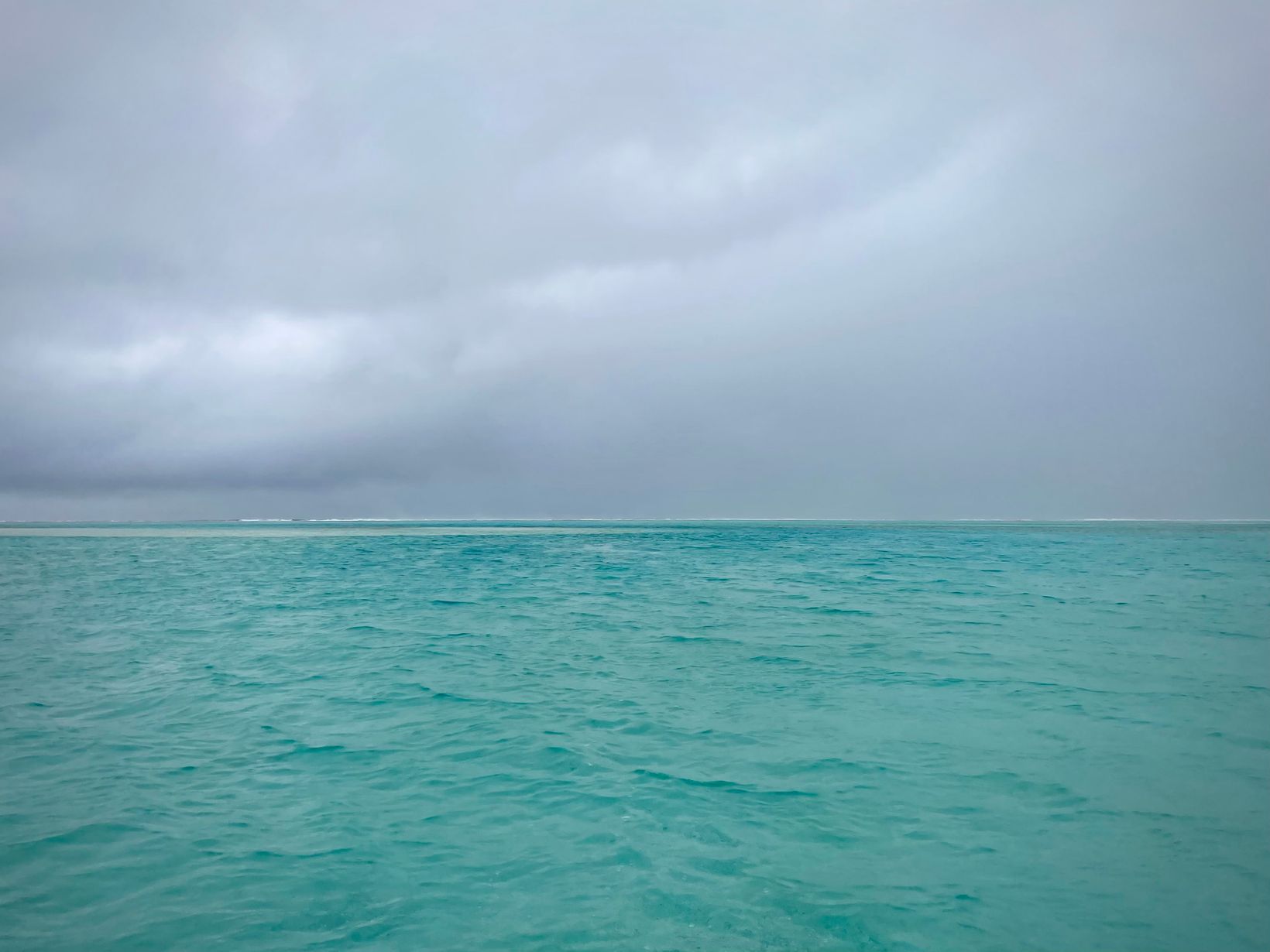
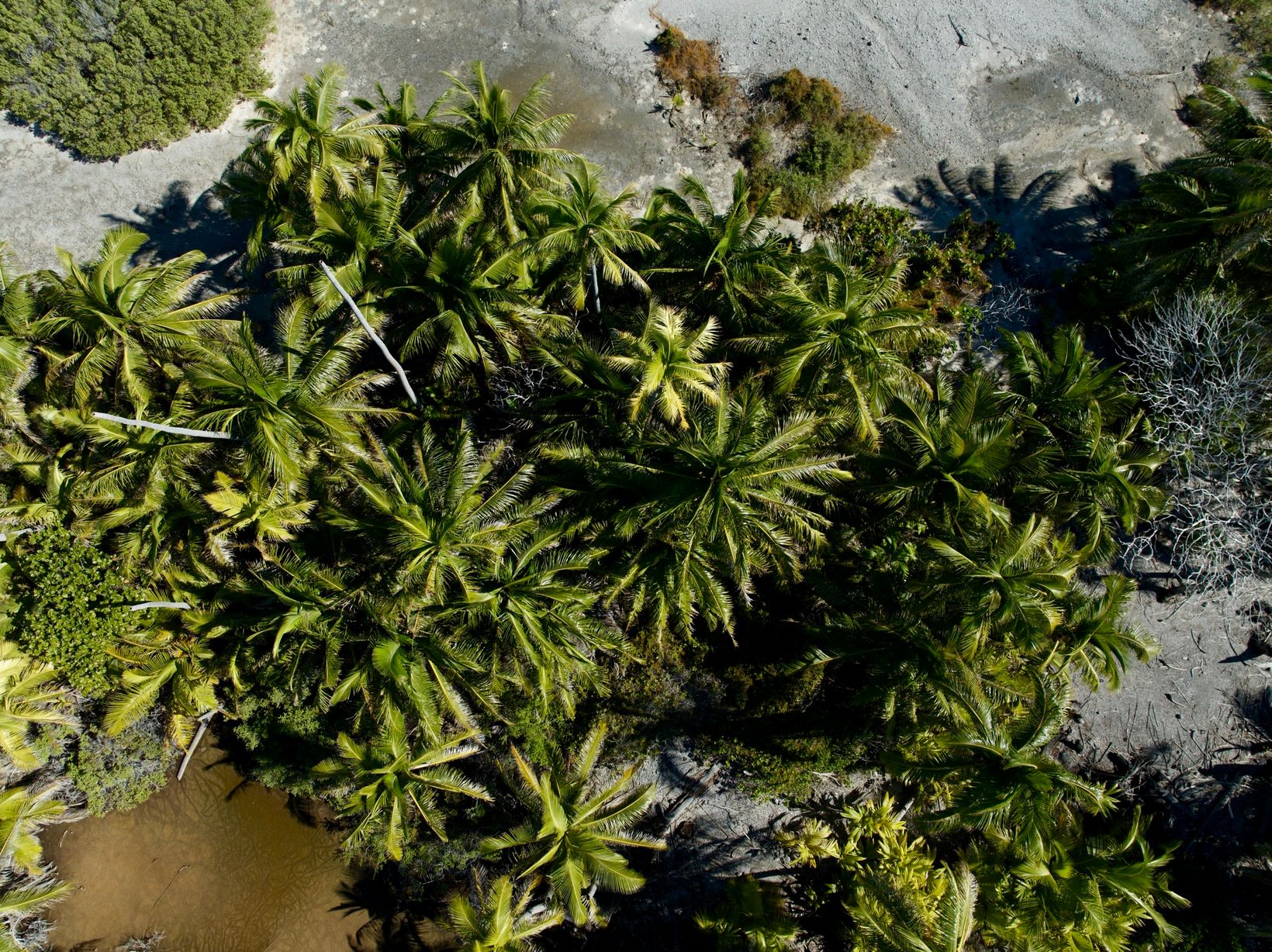
The far corner of the atoll is uninhabited. Only one man lives there for three months a year to tend the coconut palms and produce copra, the raw material for coconut oil. This physically demanding work has a long tradition in French Polynesia, but like so many other jobs, it is becoming less and less appealing.
To wrap things up, we’re celebrating the captain’s birthday with a coffee party on the sandbar. The stiff breeze doesn’t bother us. On the contrary, it’s a treat for the wakeboarders.