Sharks and Recreation
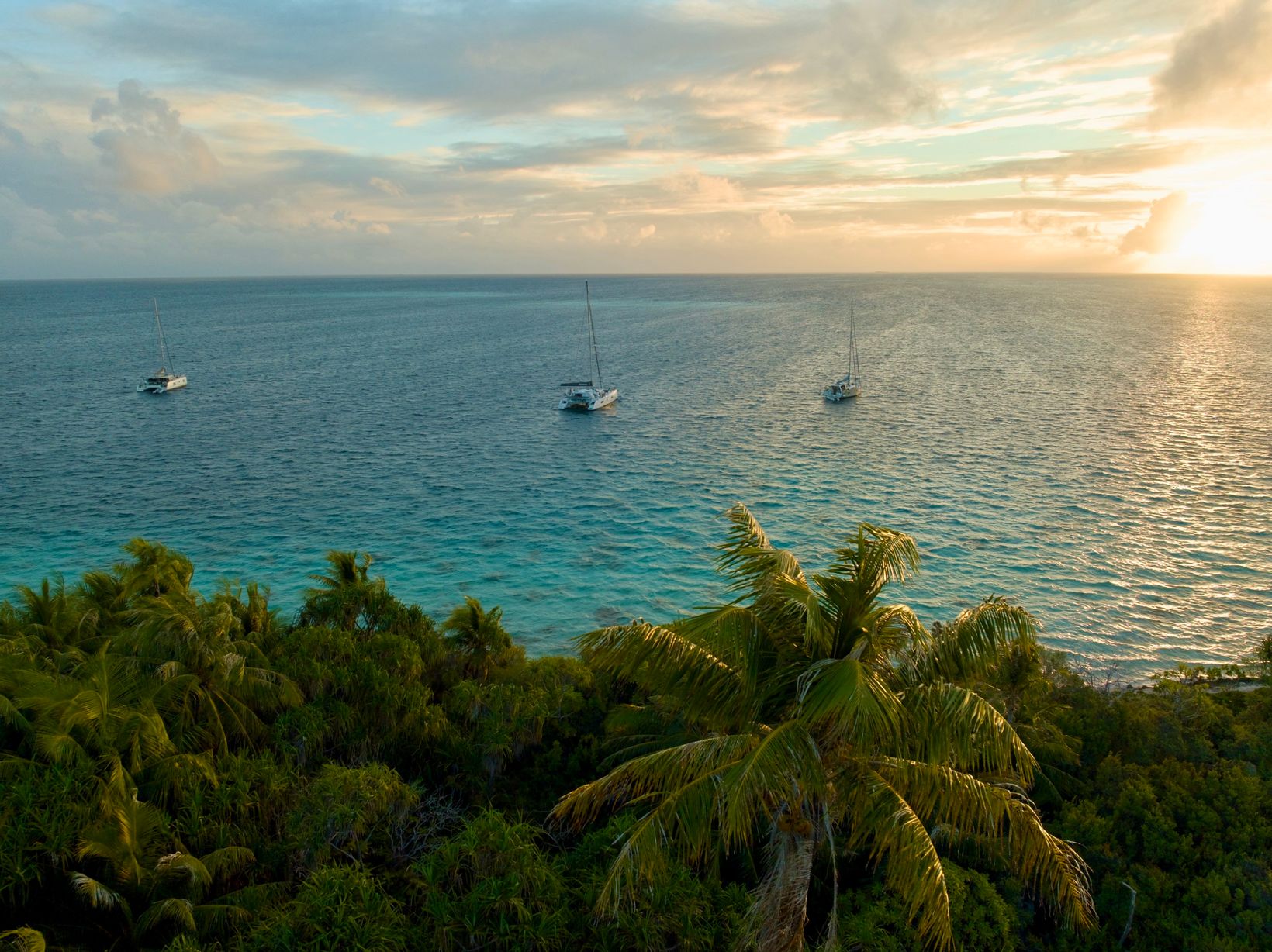
The tour continues, and the options are endless. The wind and the small flotilla we’re traveling with determine which destinations we head for. We’ll eventually drop anchor at the following places:
Tahanea
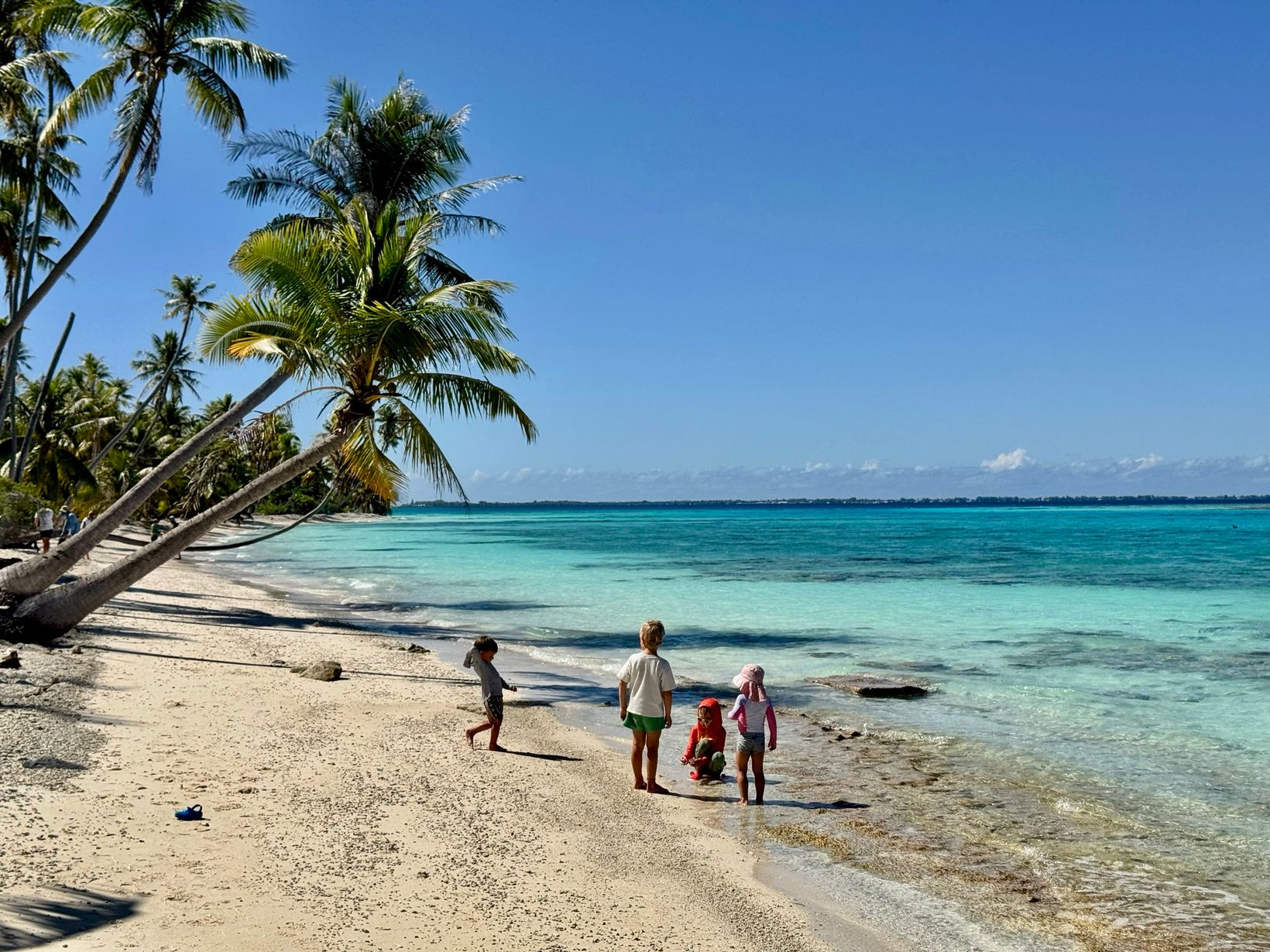
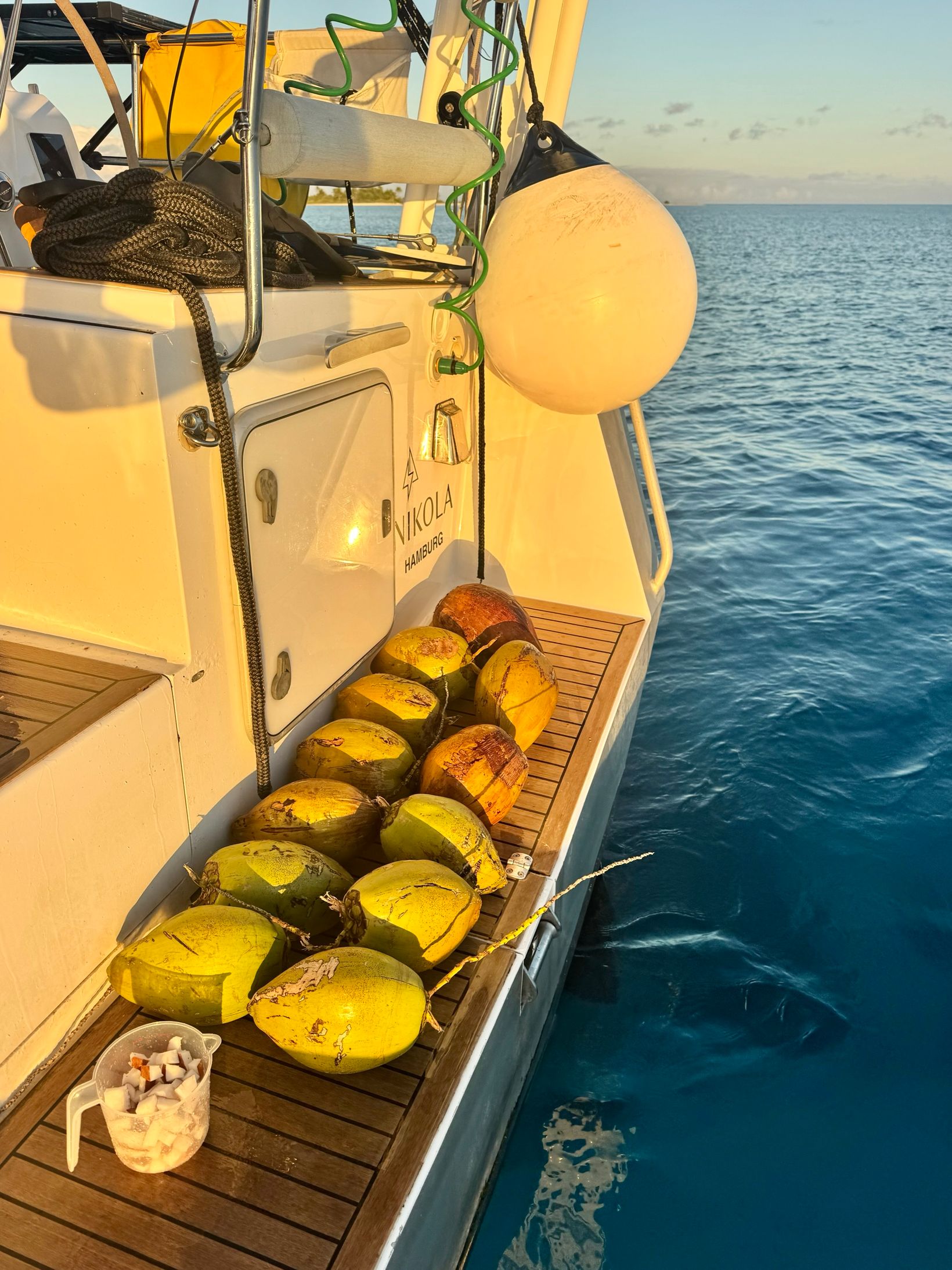
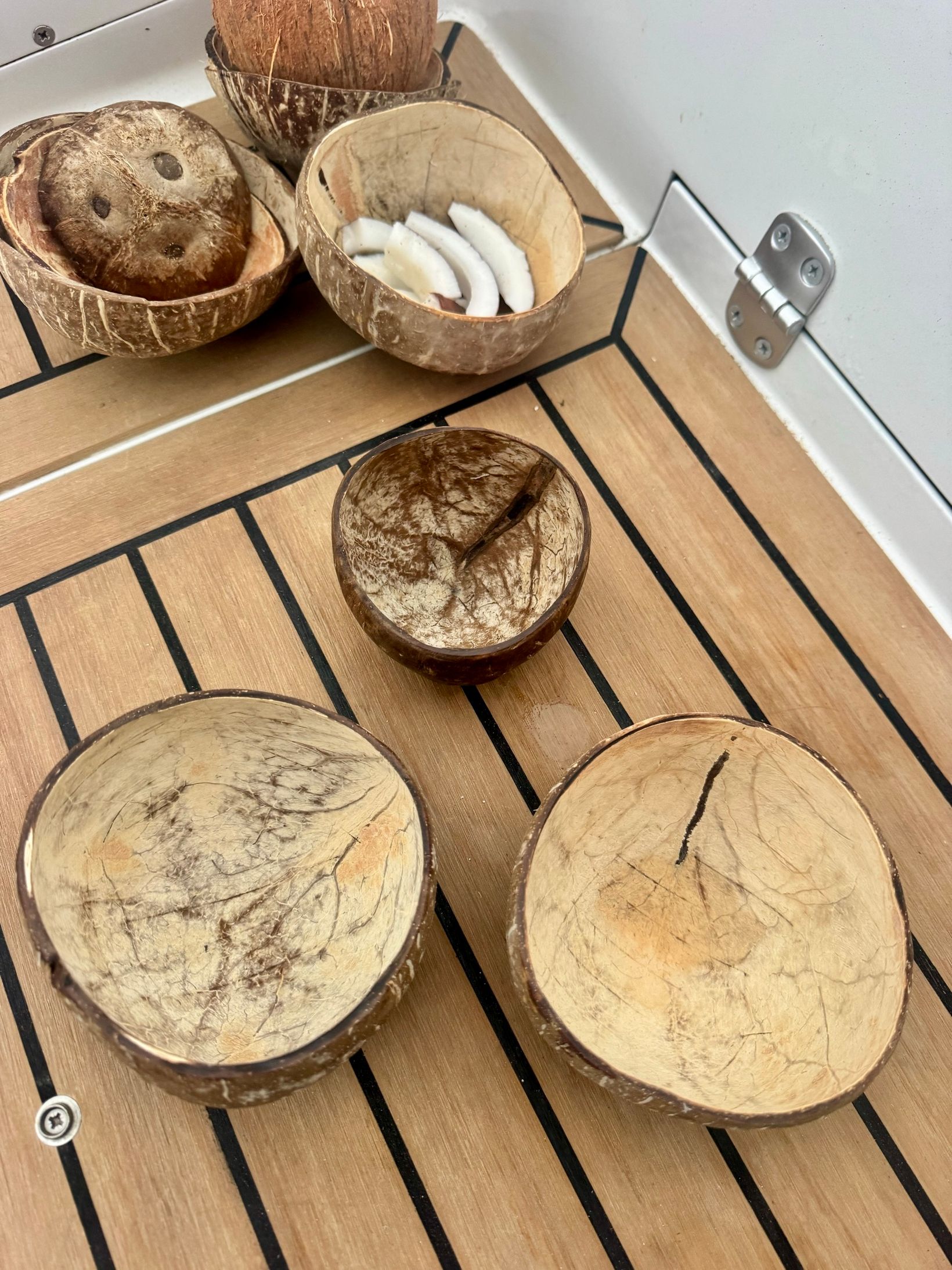
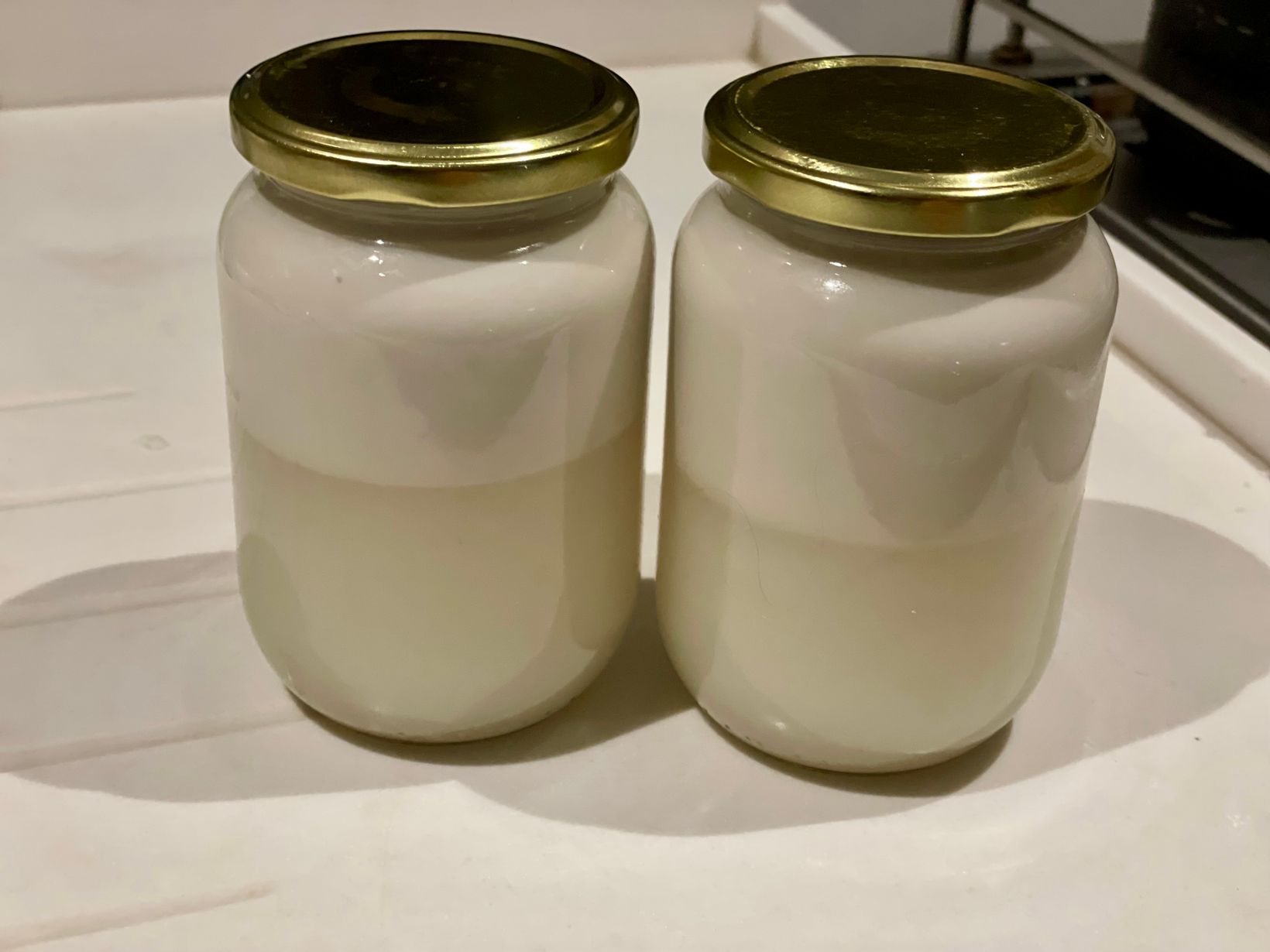
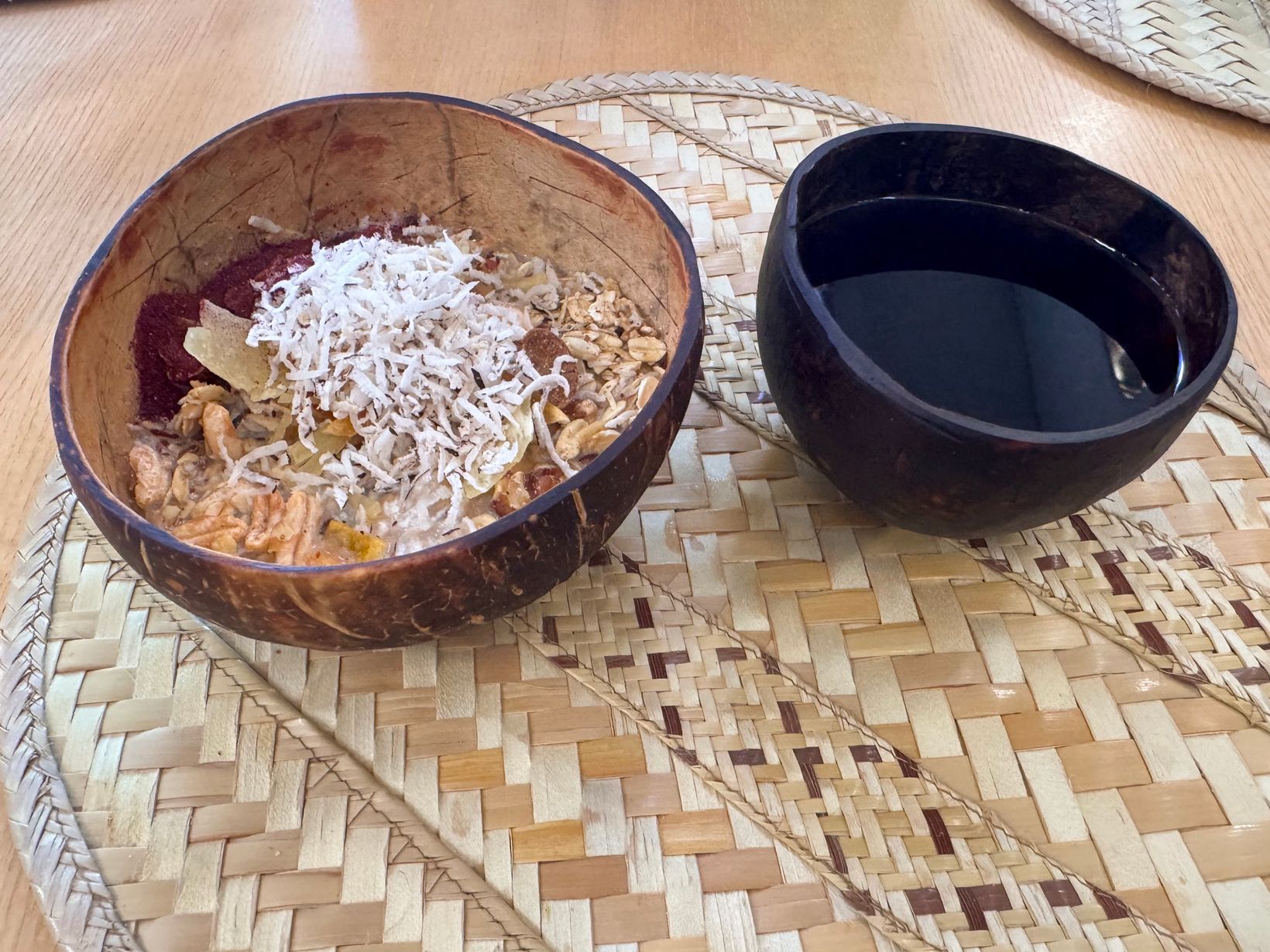
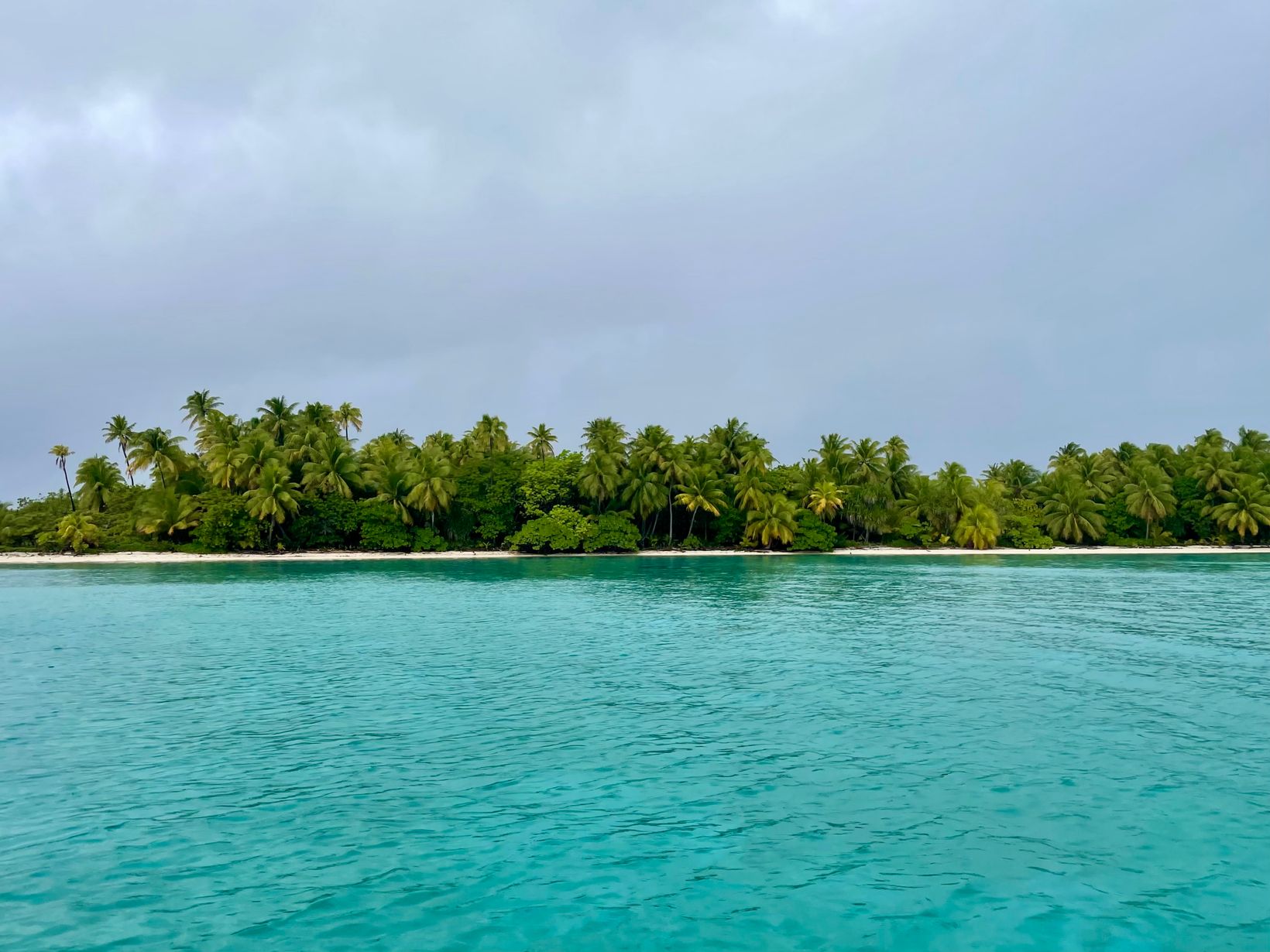
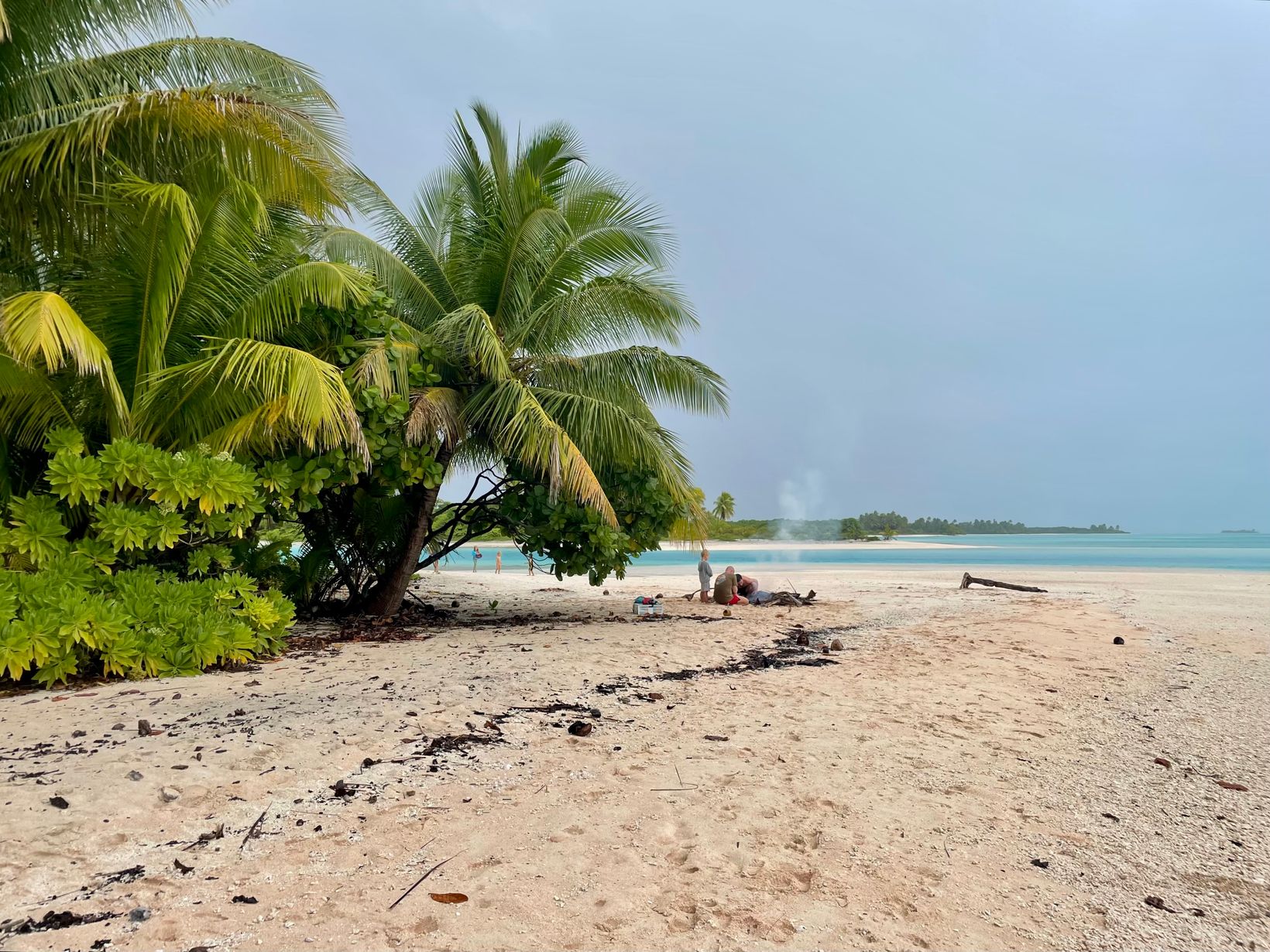
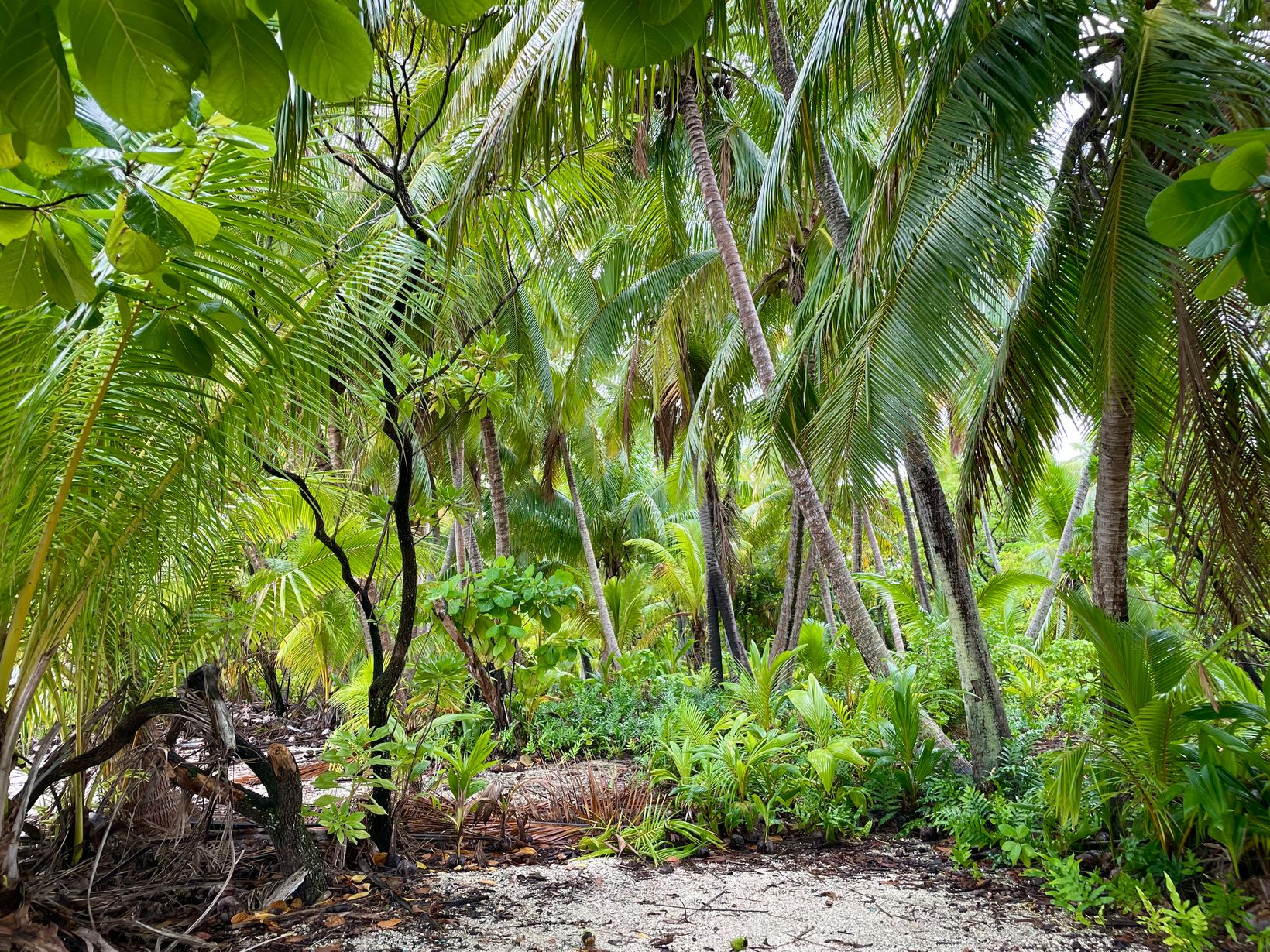
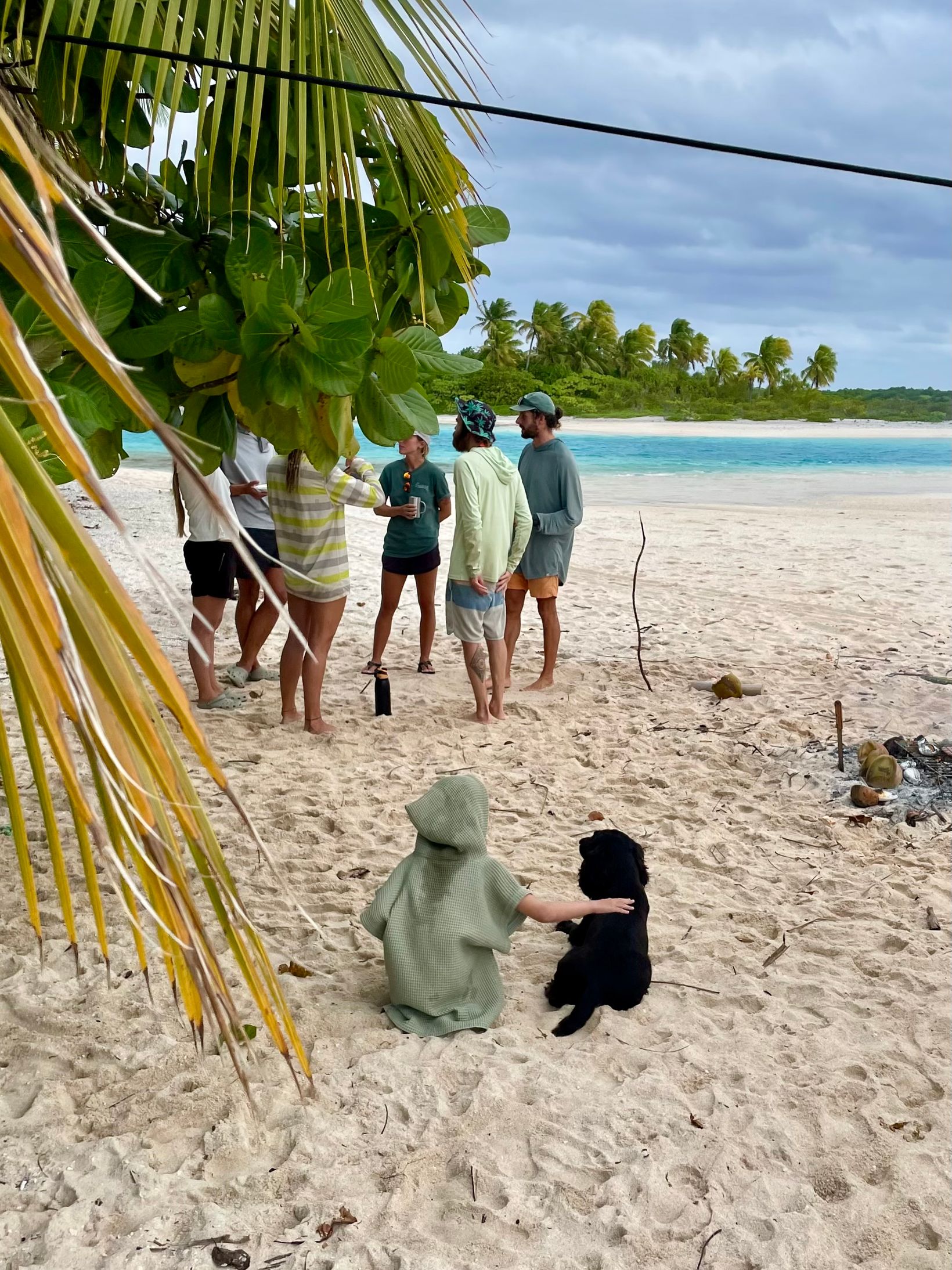
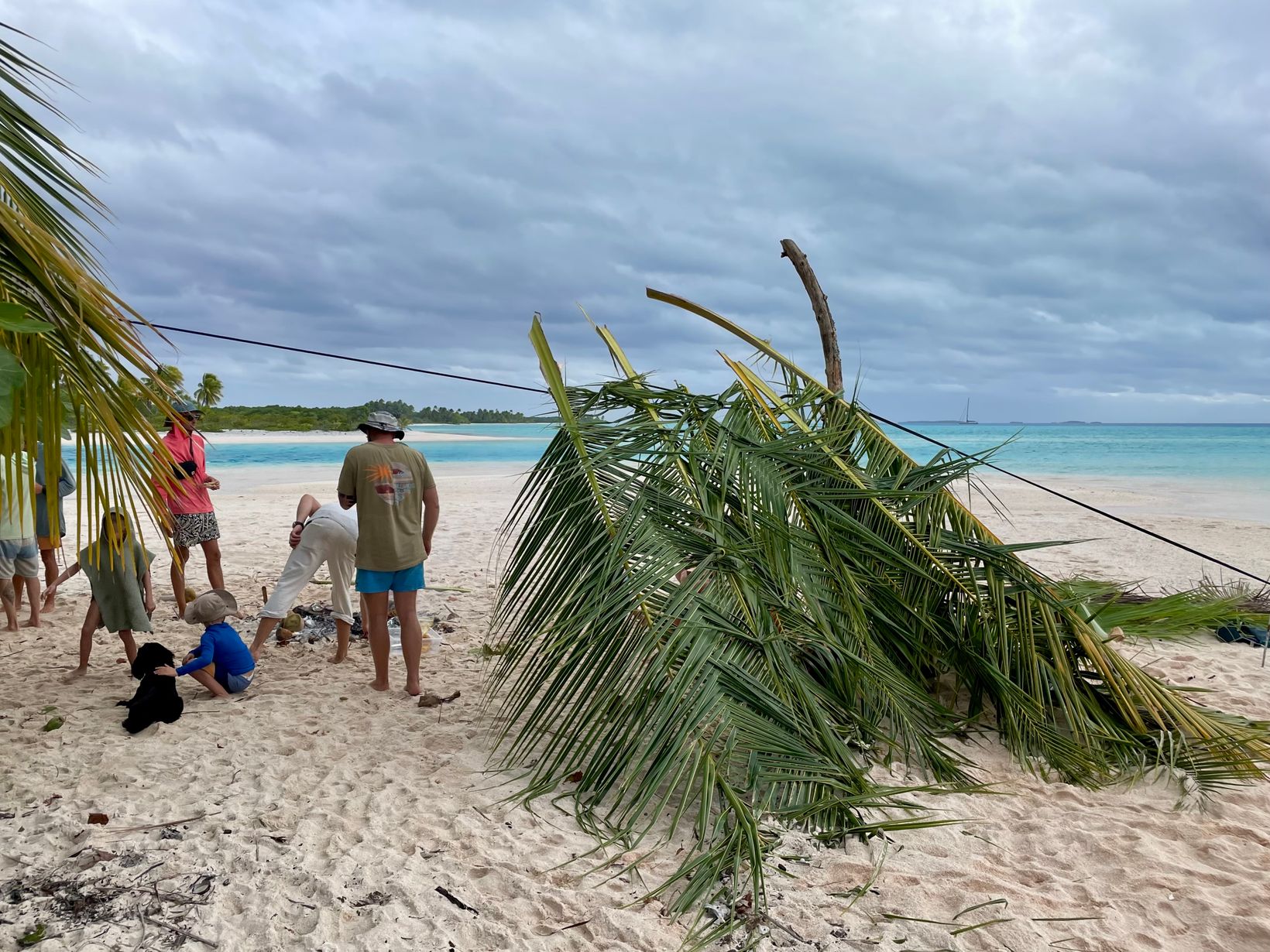
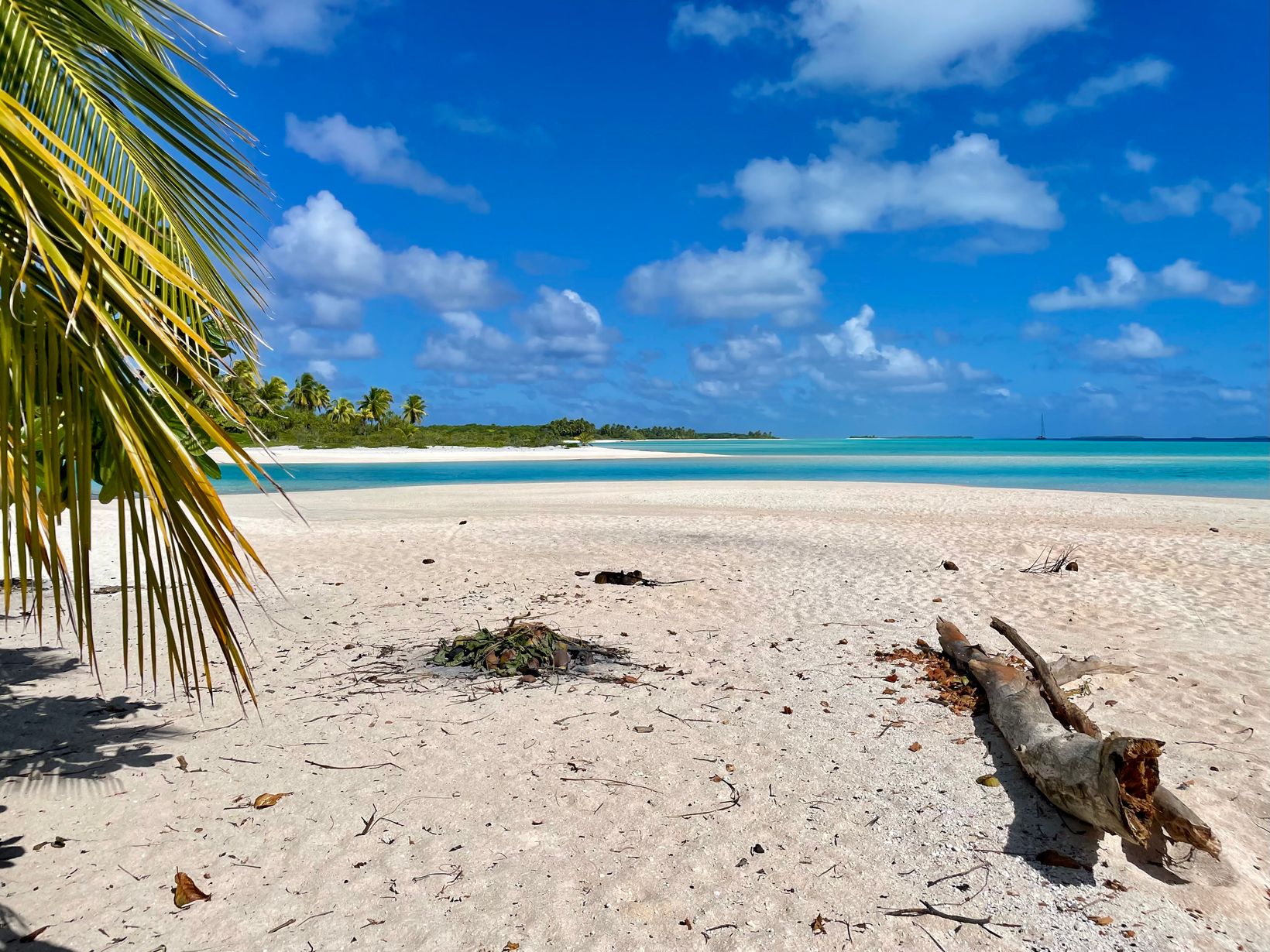
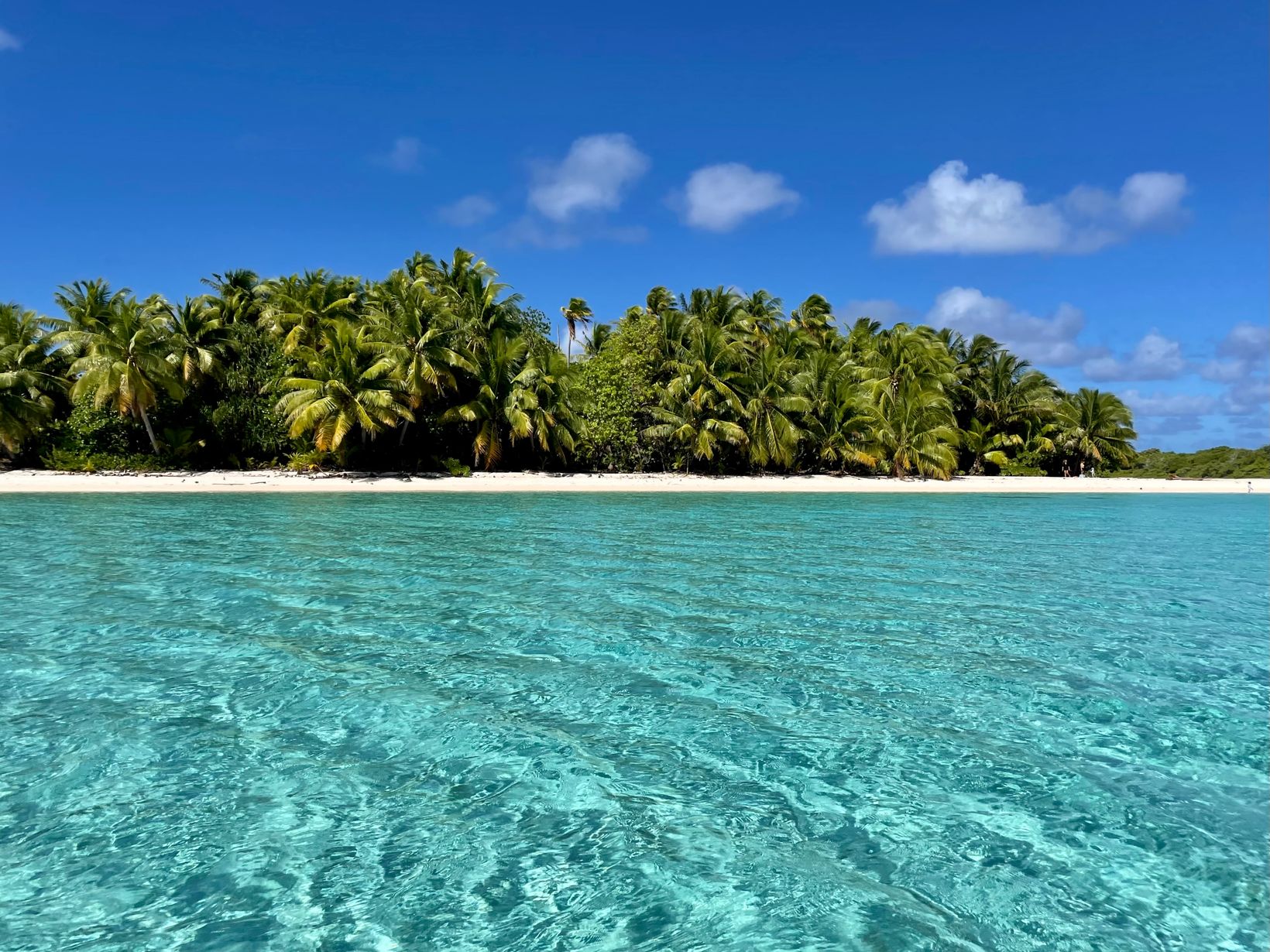
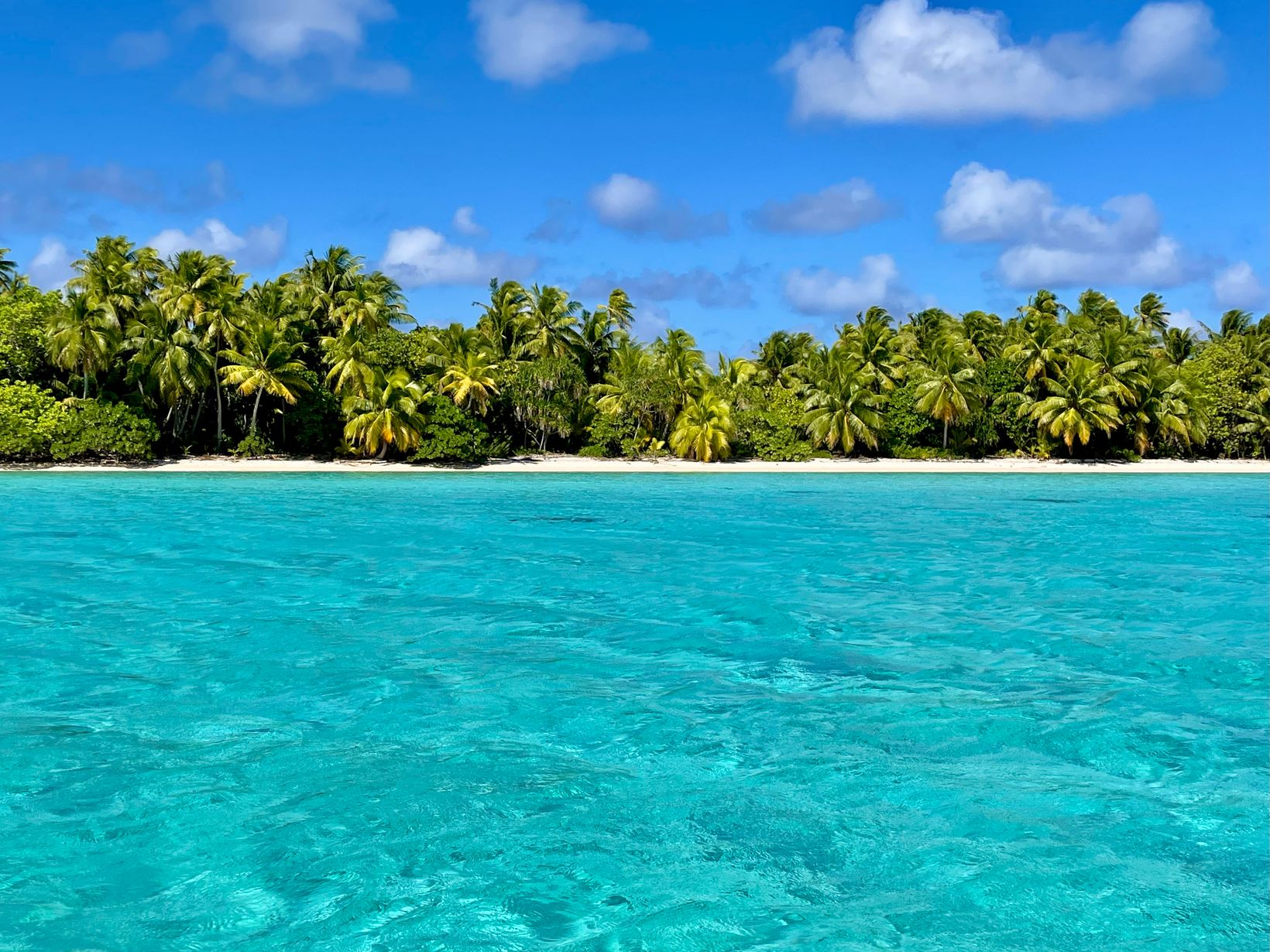
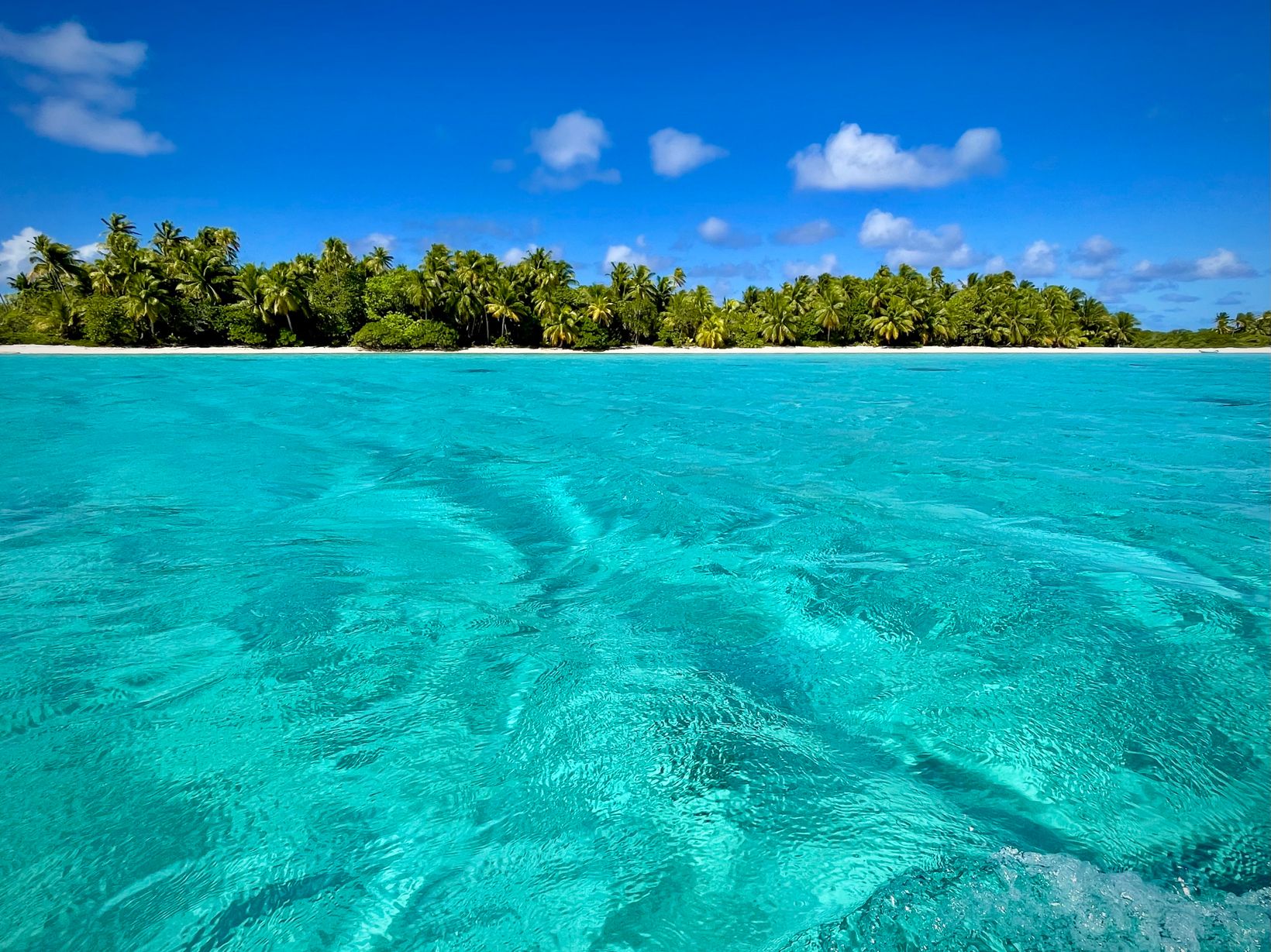
The next atoll is uninhabited. Instead of people, there are coconuts. The kids quickly realize that they can leave their water bottles at home and should bring a straw and a parent with a machete instead. The parent can crack open coconuts on request. The adults think the coconuts are great, too. We use them to make drinks, eat them, extract coconut milk, and carve out bowls for our granola. “Water to Shell” is our “nose-to-tail” approach. We use everything — even though processing them is quite time-consuming and labor-intensive. Not to mention the acrobatics required to harvest them!
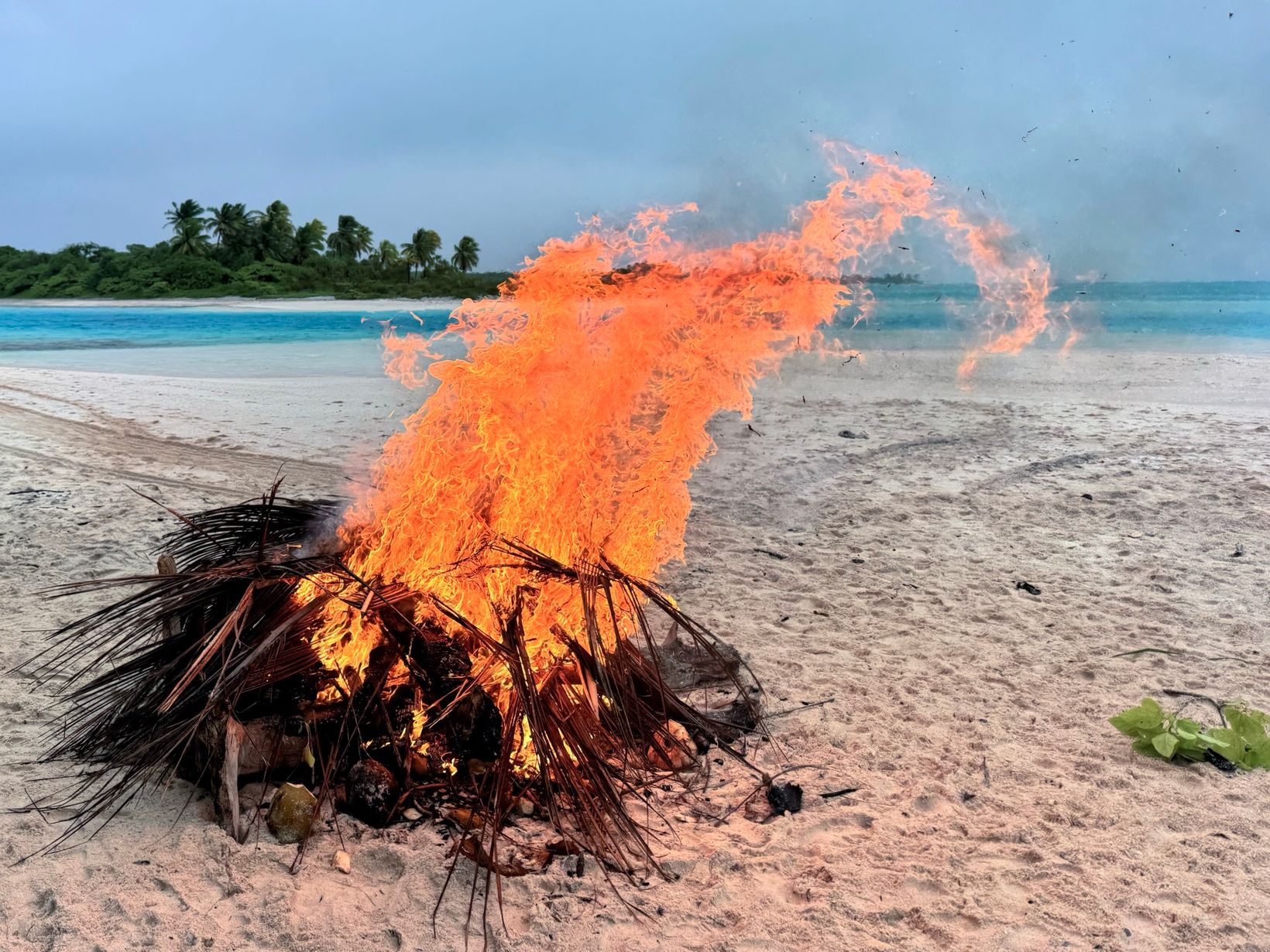
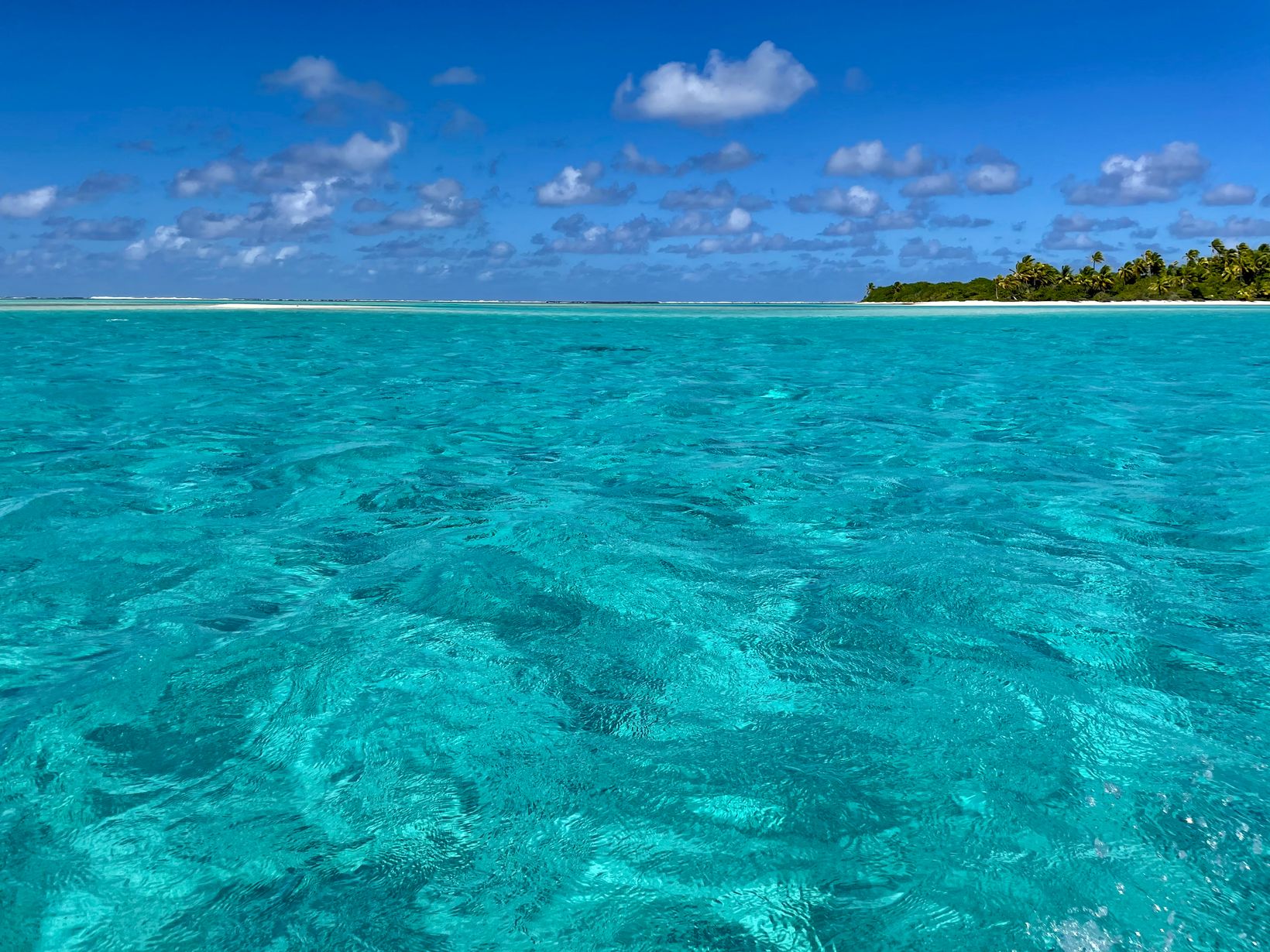
We find the perfect spot on Tahanea. It’s sheltered from the rain, pleasant despite the wind, and offers plenty of shade when the sun is out. There’s room for a campfire, and mosquitoes don’t like it there. So we’re able to weather a few rainy and stormy days just fine. We bake bread rolls, have barbecues on the beach, hunt for lobster on the outer reef, and just enjoy the turquoise water. Tahanea is definitely our happy place.
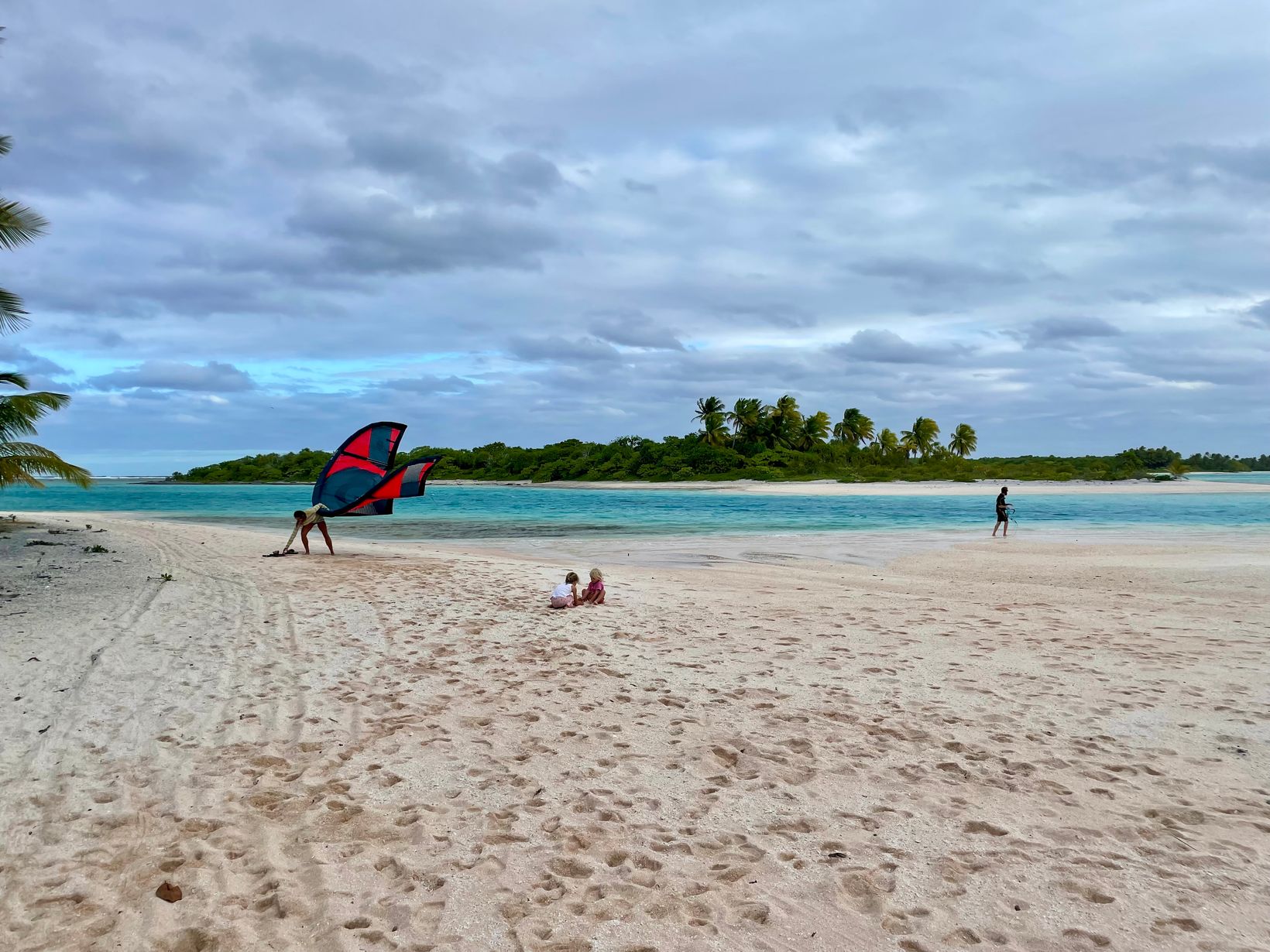
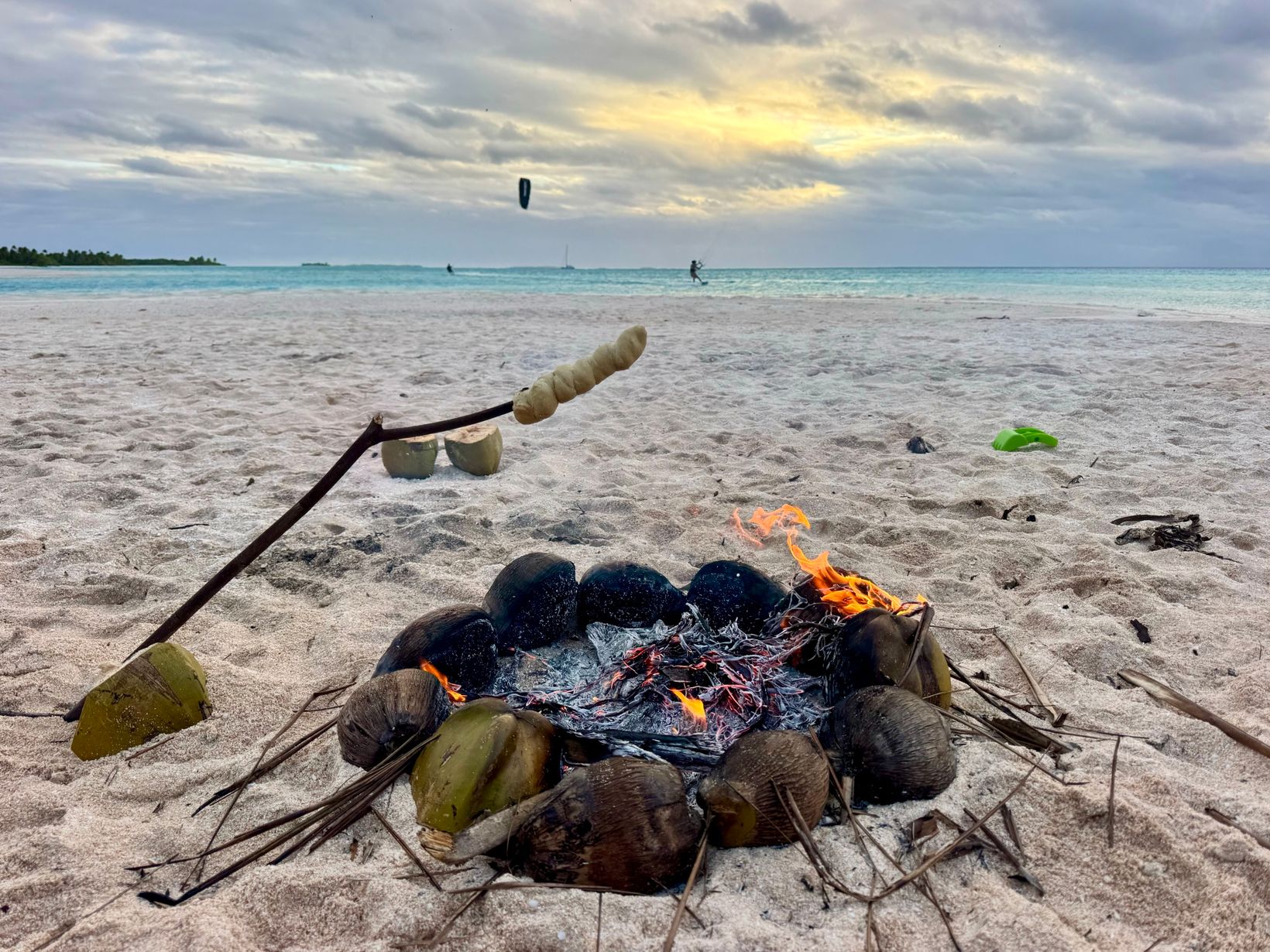
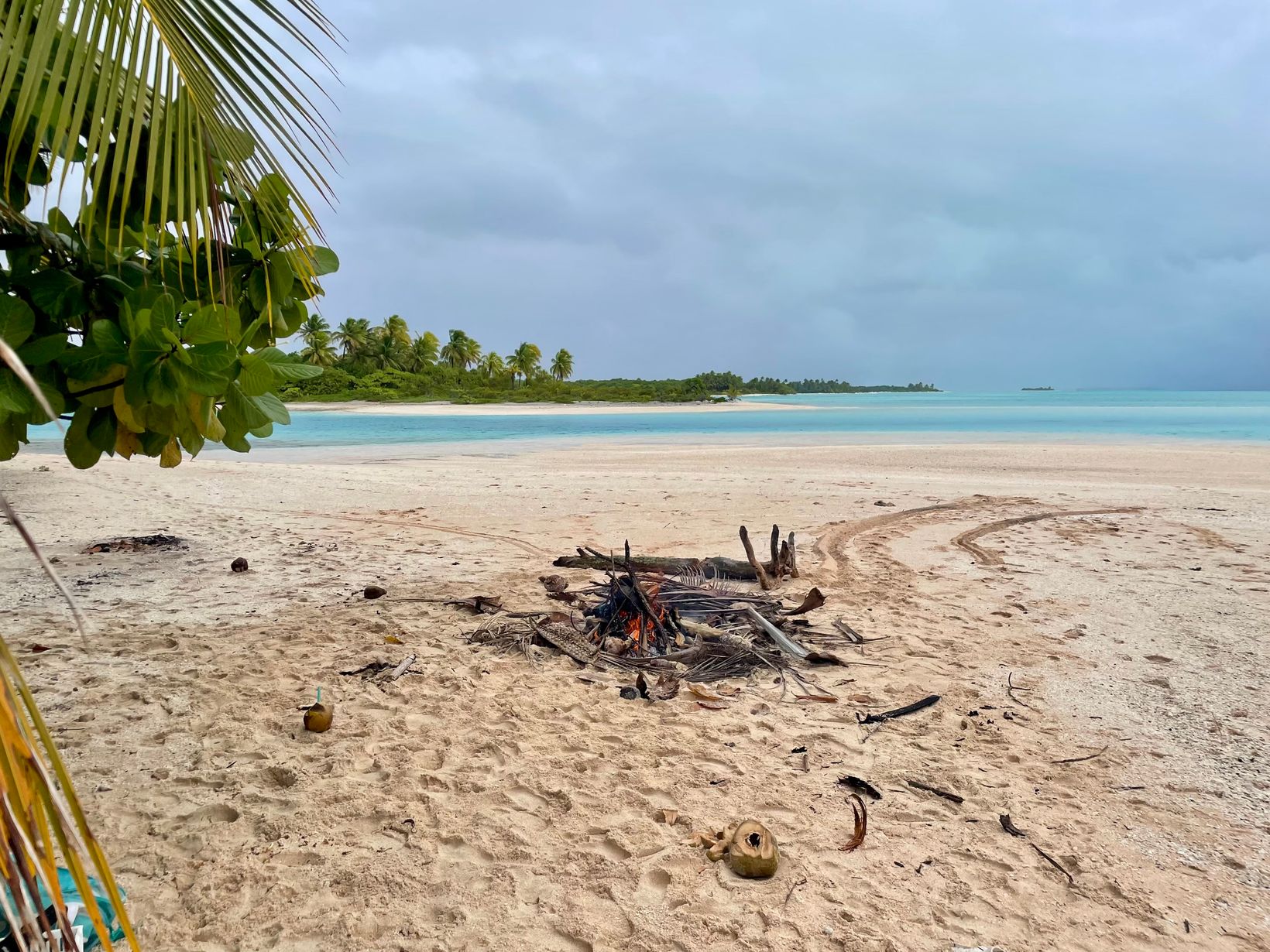
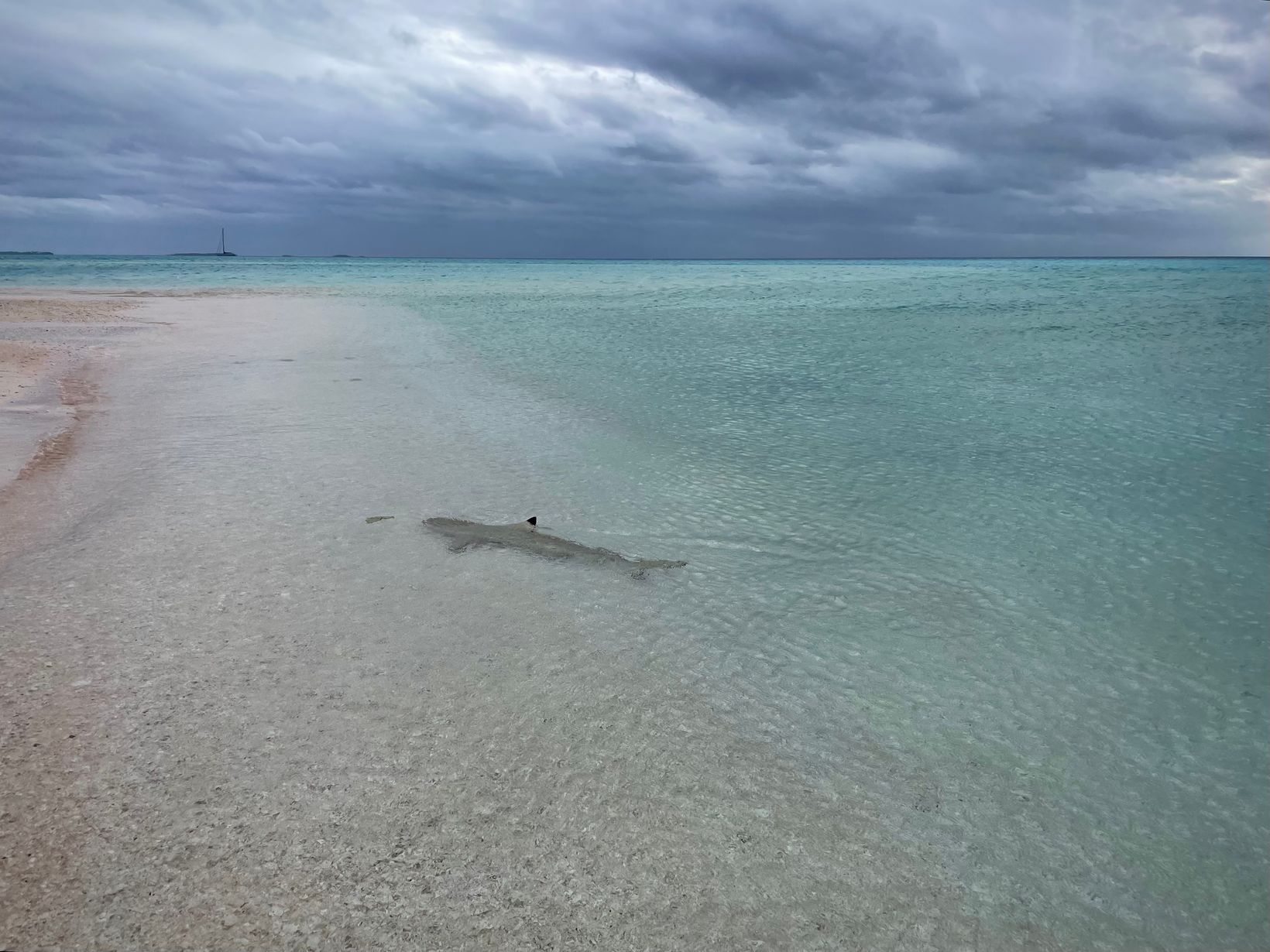
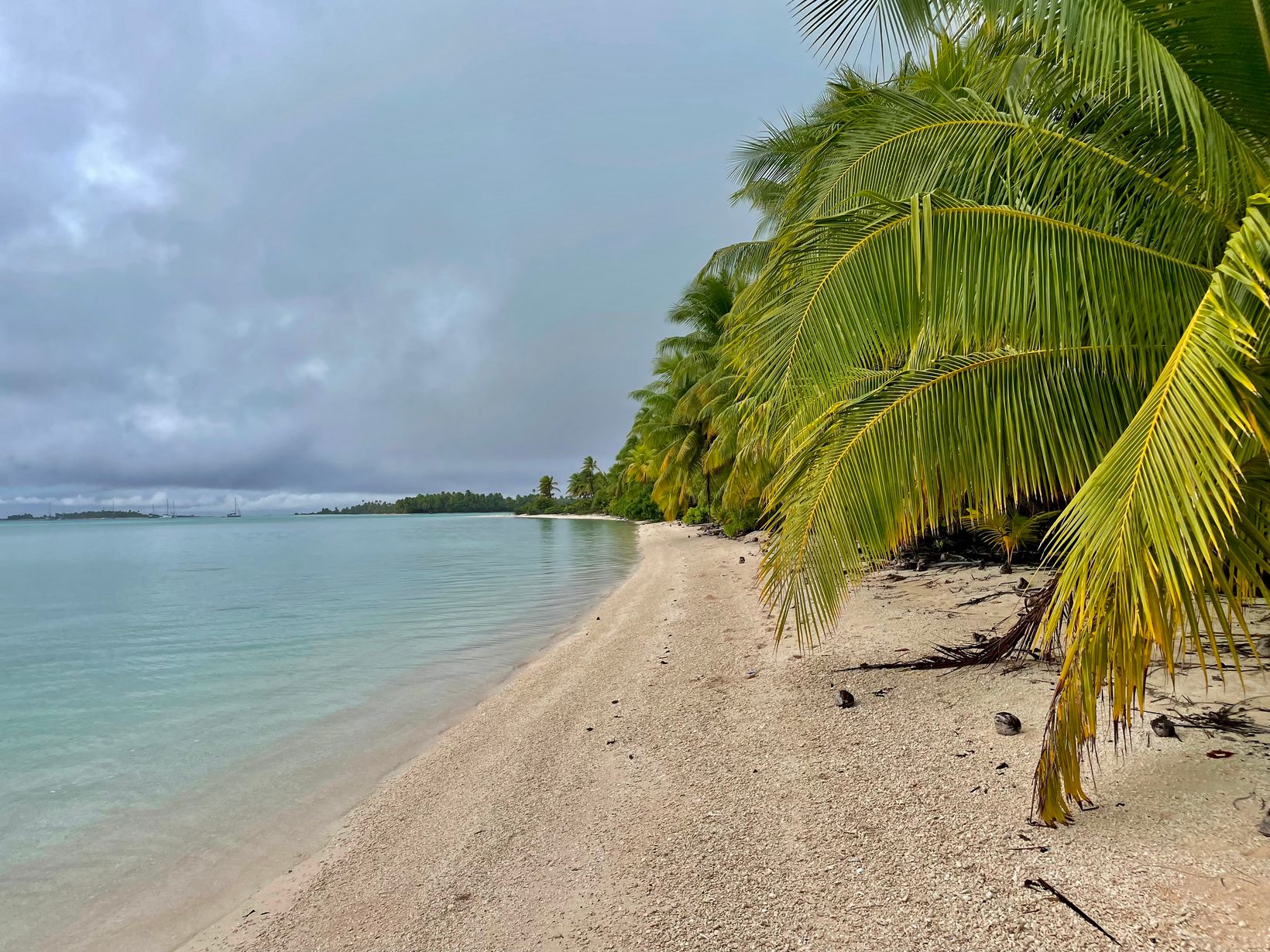
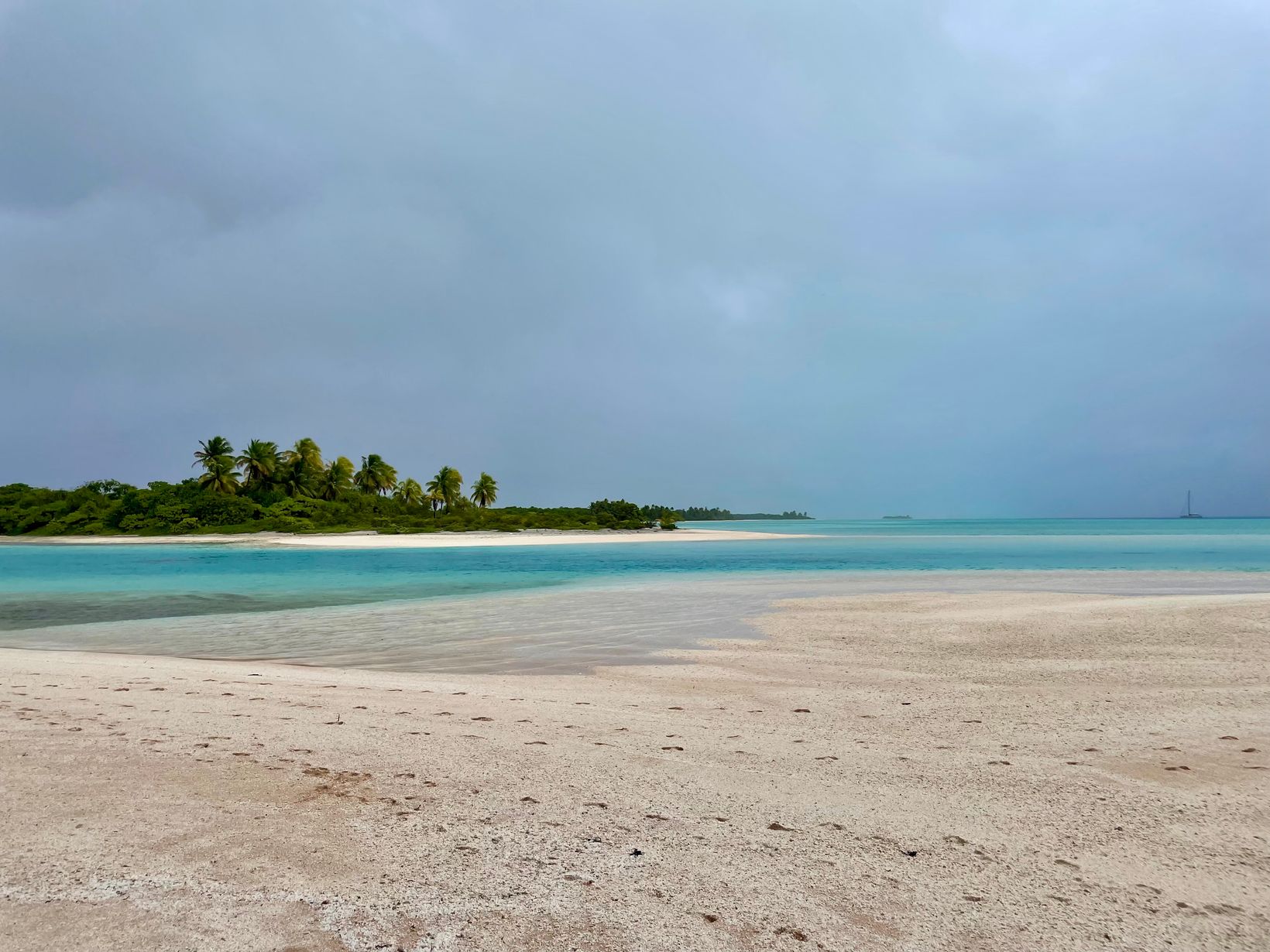
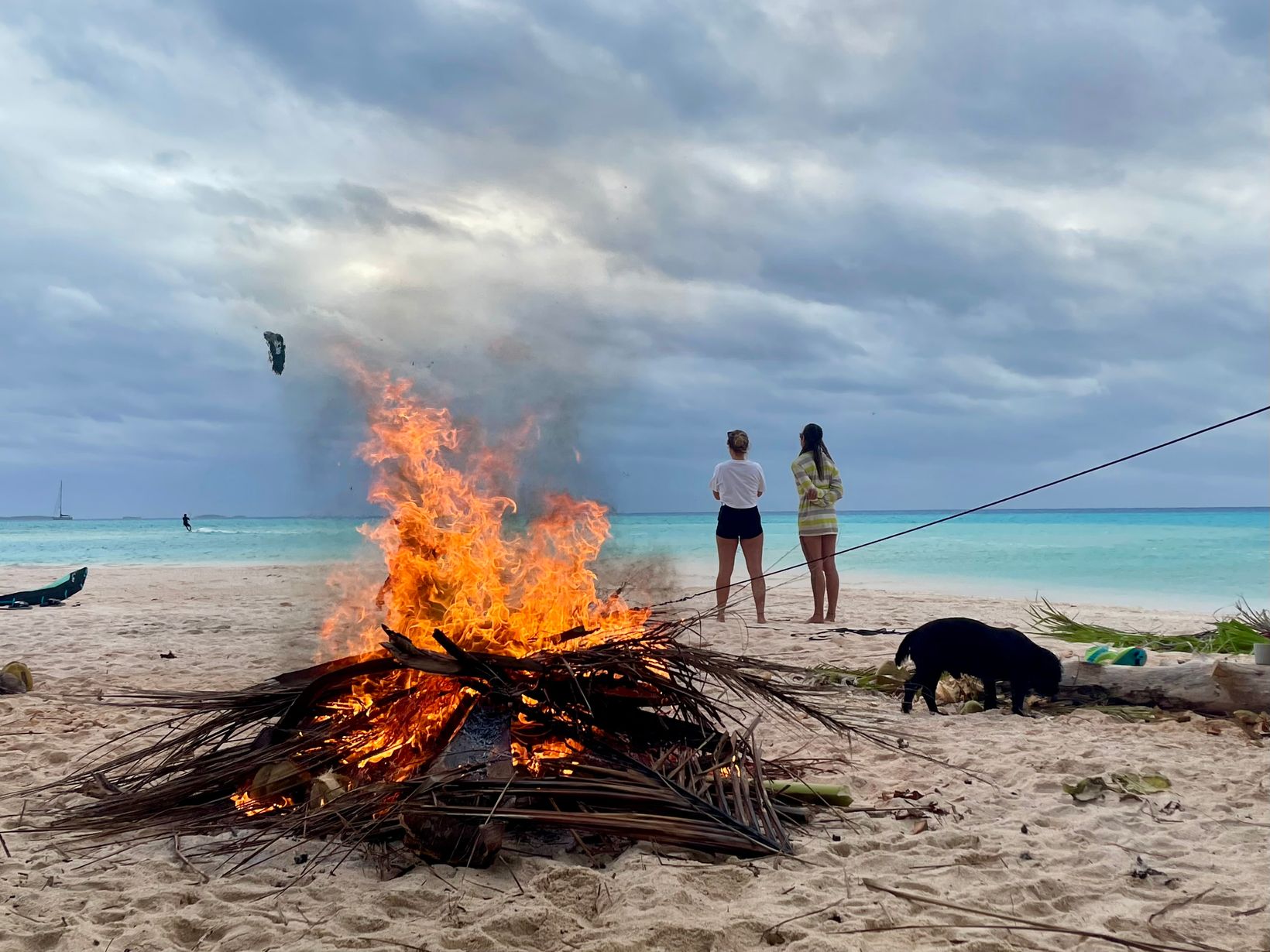
These days are all about water and fire. Almost every day, we gather around a campfire that grows larger and larger, building up to the Midsummer Night’s bonfire. It’s wonderful that, in this hemisphere, the days are getting longer instead of shorter.
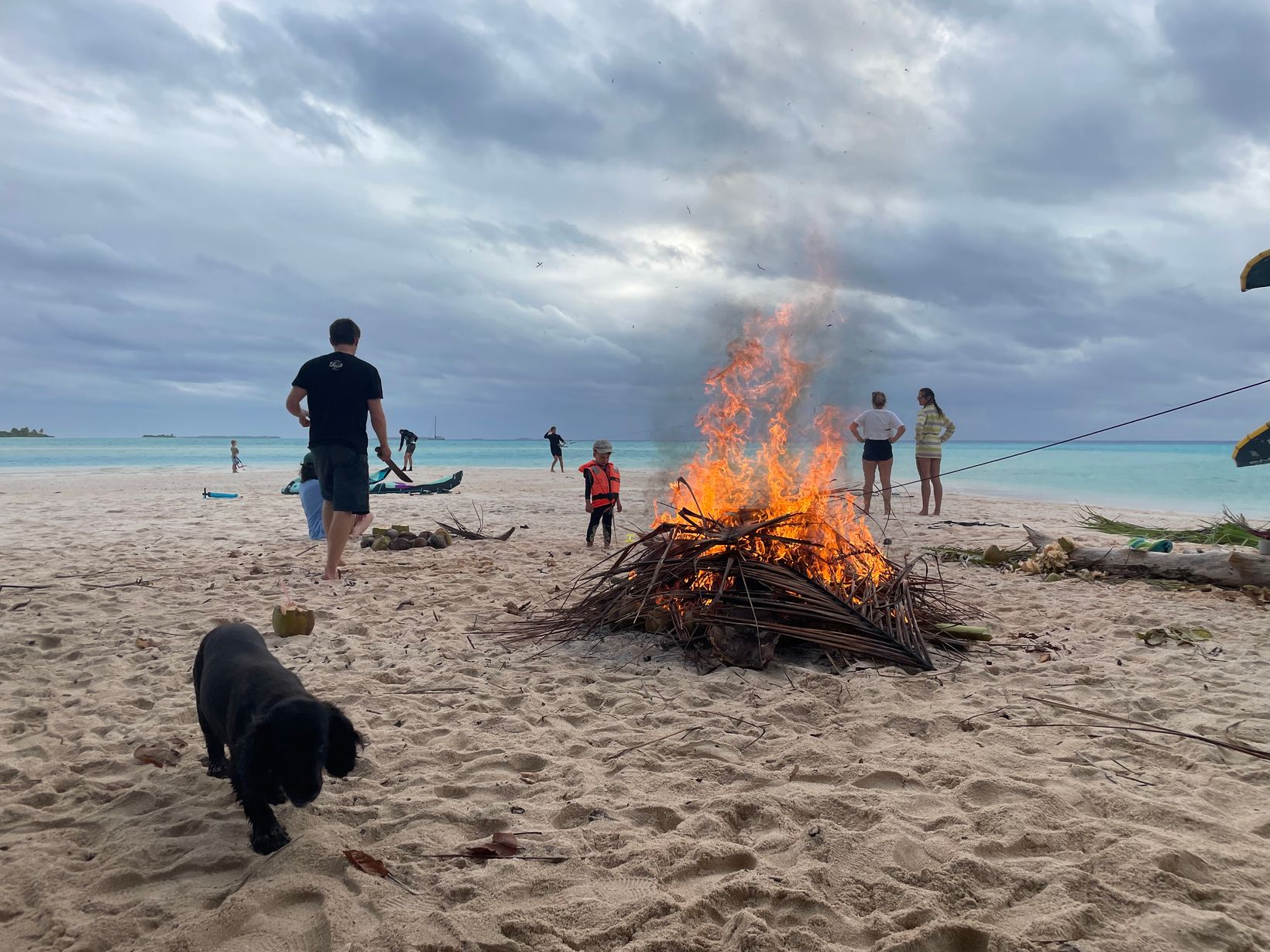
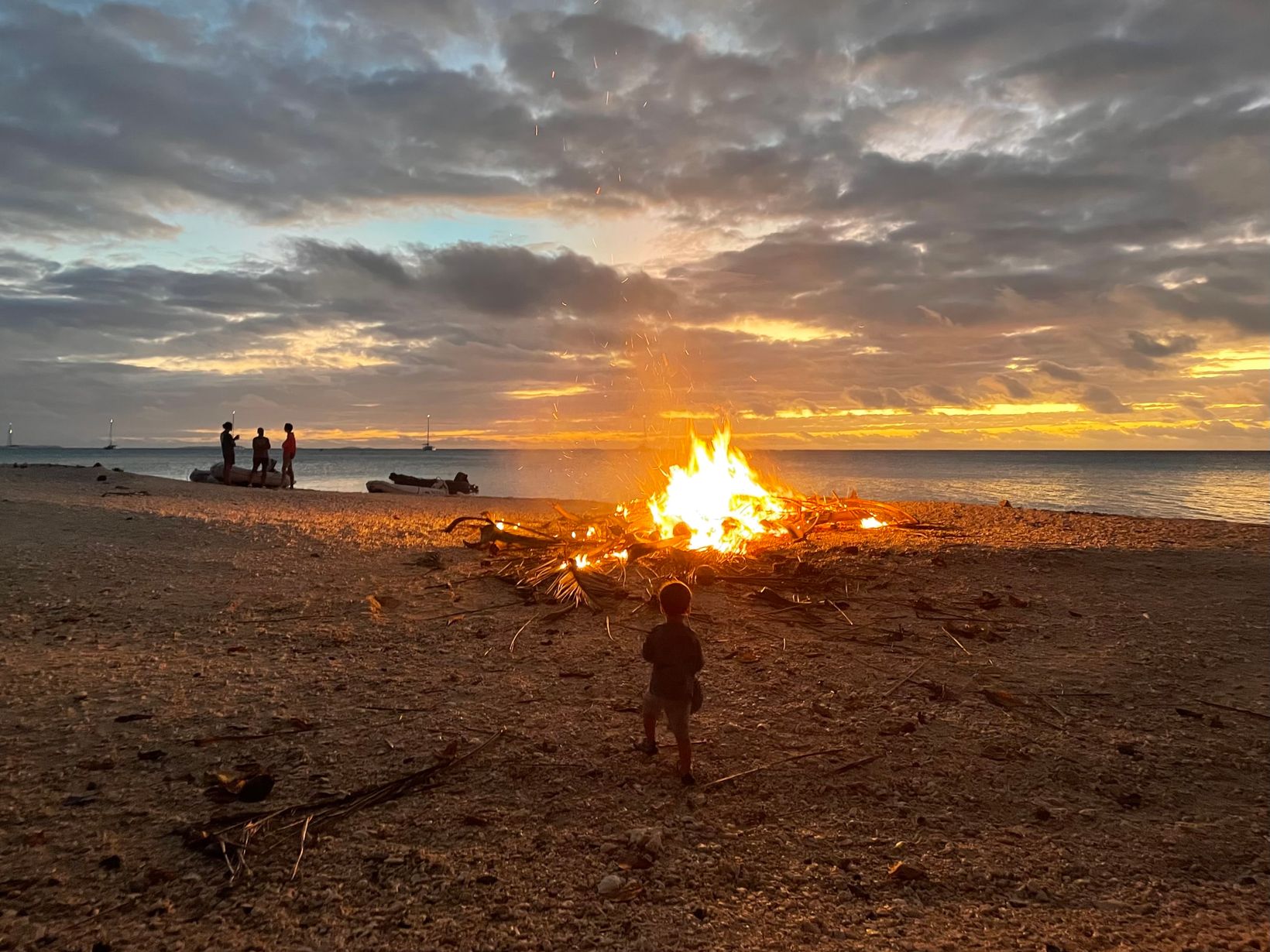
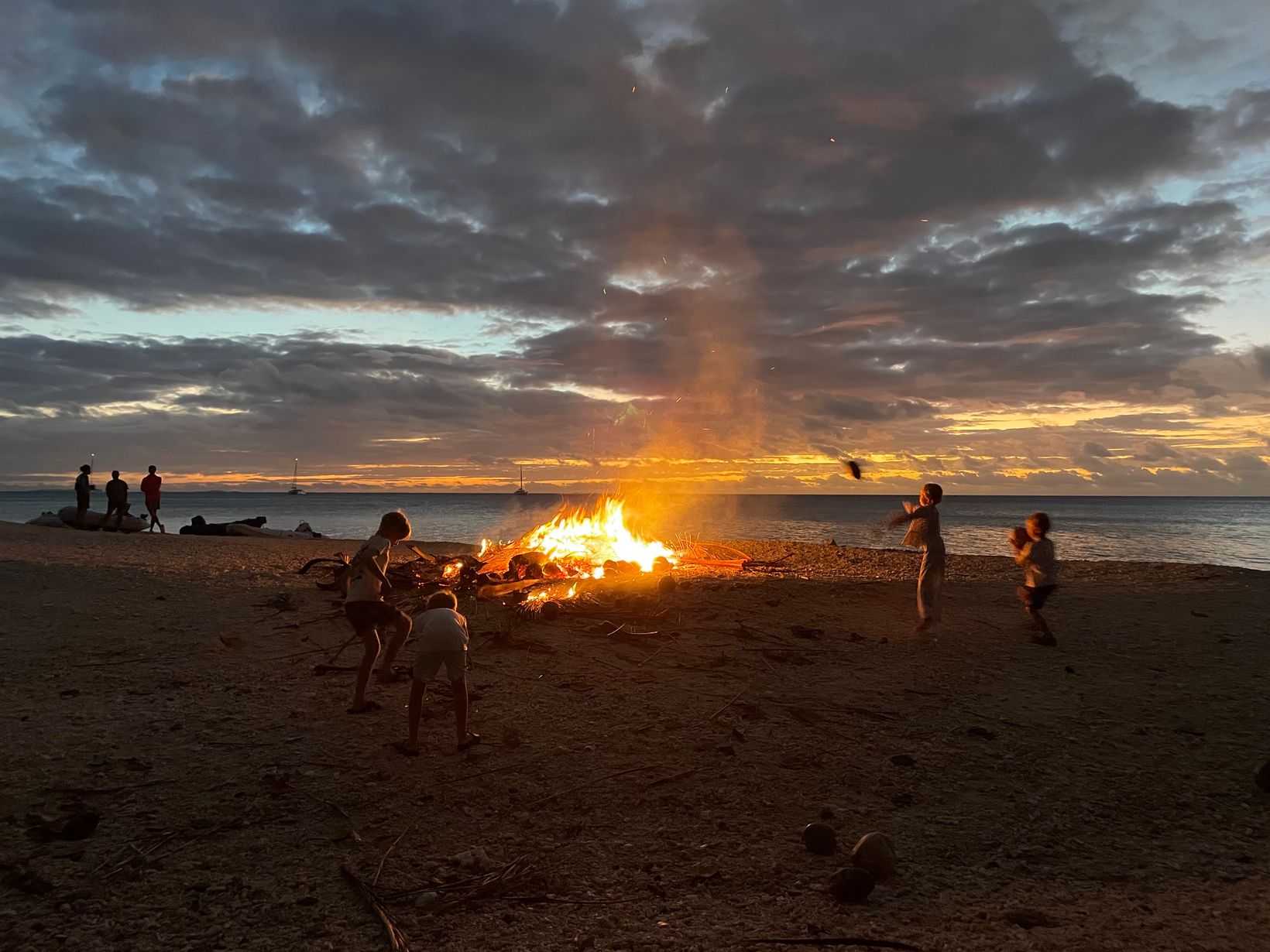
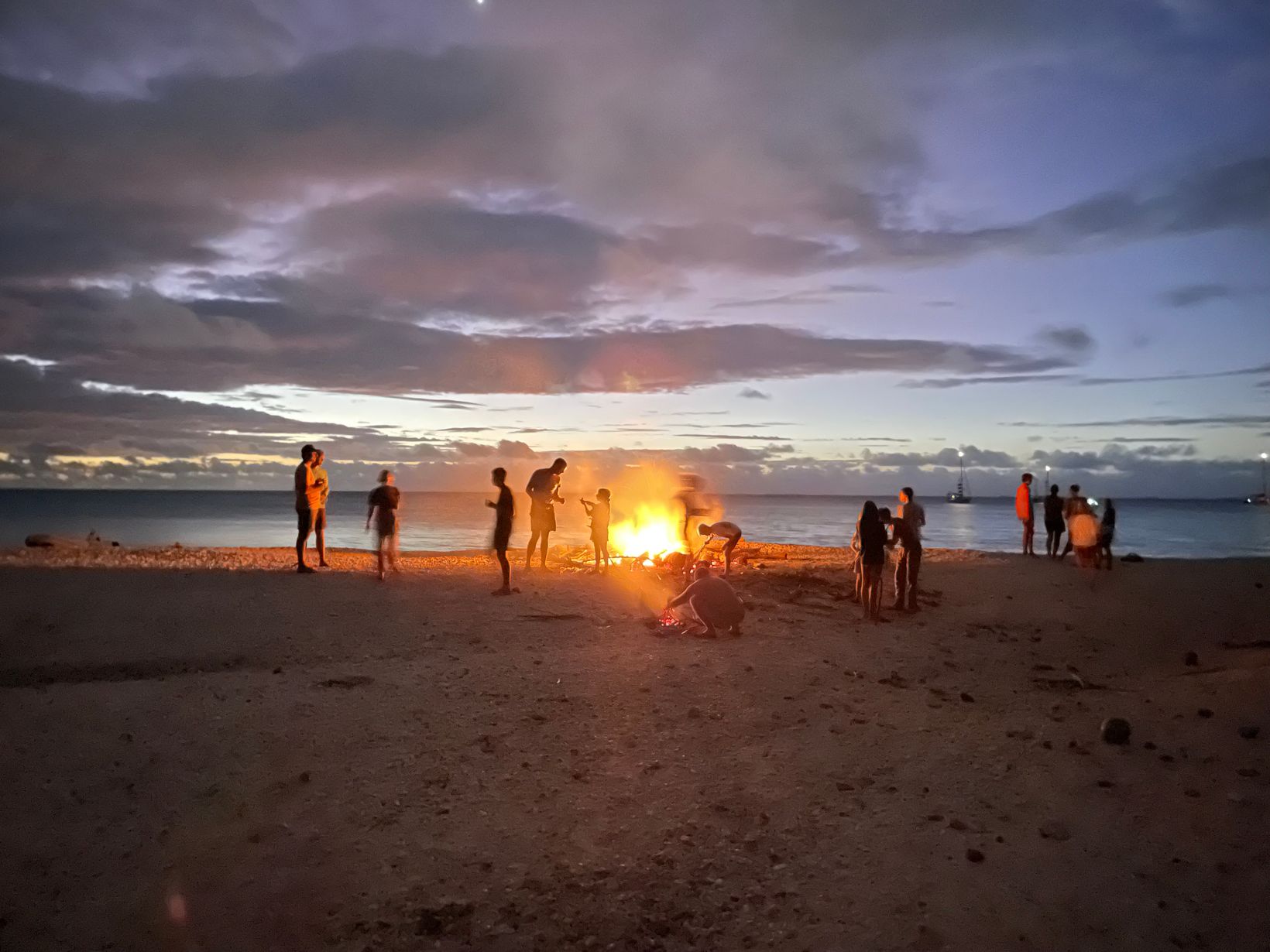
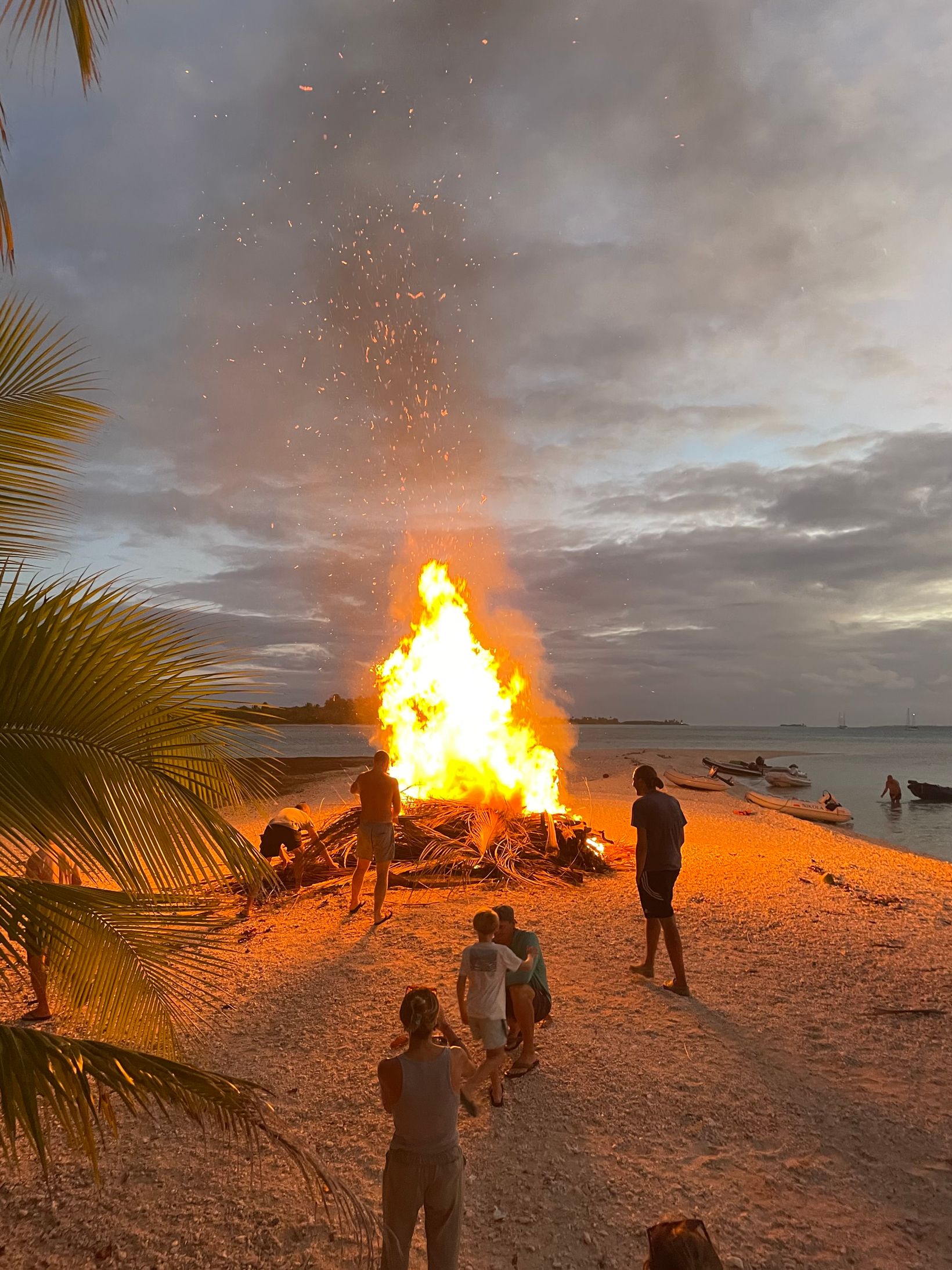
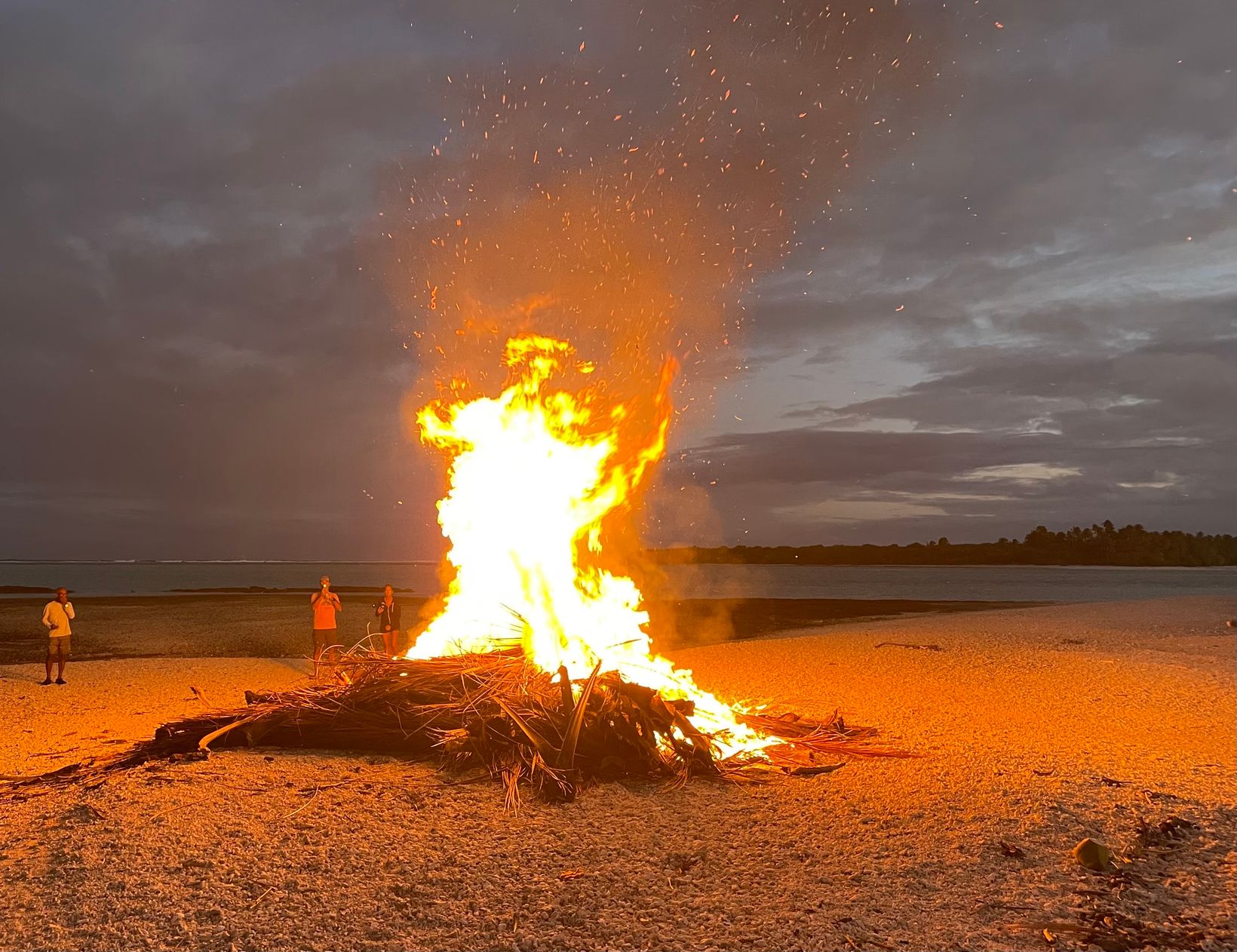
Aside from the incredible scenery, we will remember most the many moments spent with the other sailors. As is often the case, experiences are better when shared. Without those amazing people, our time on Tahanea wouldn’t have been half as good. That goes for adults and children alike.
Fakarava
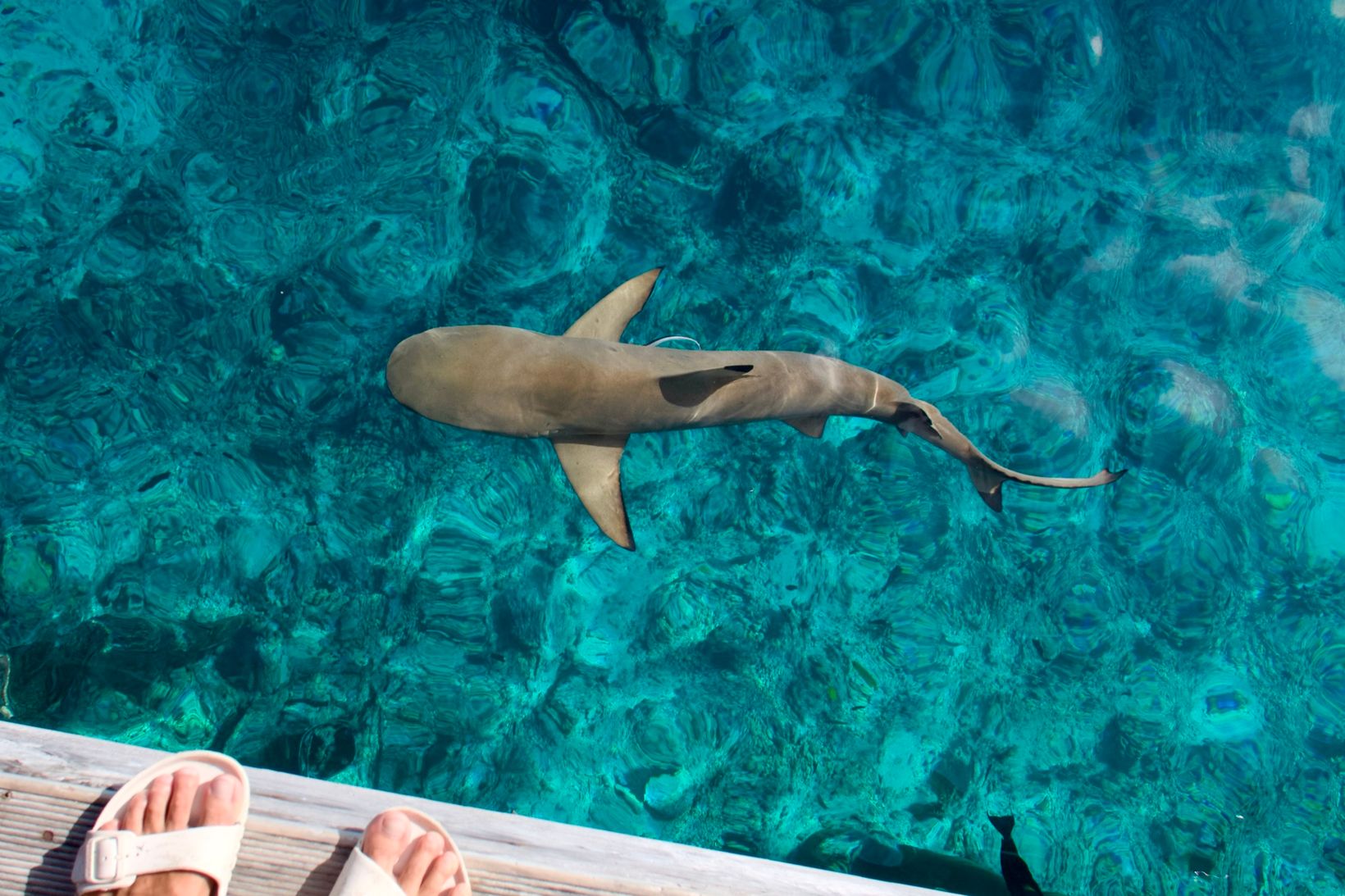
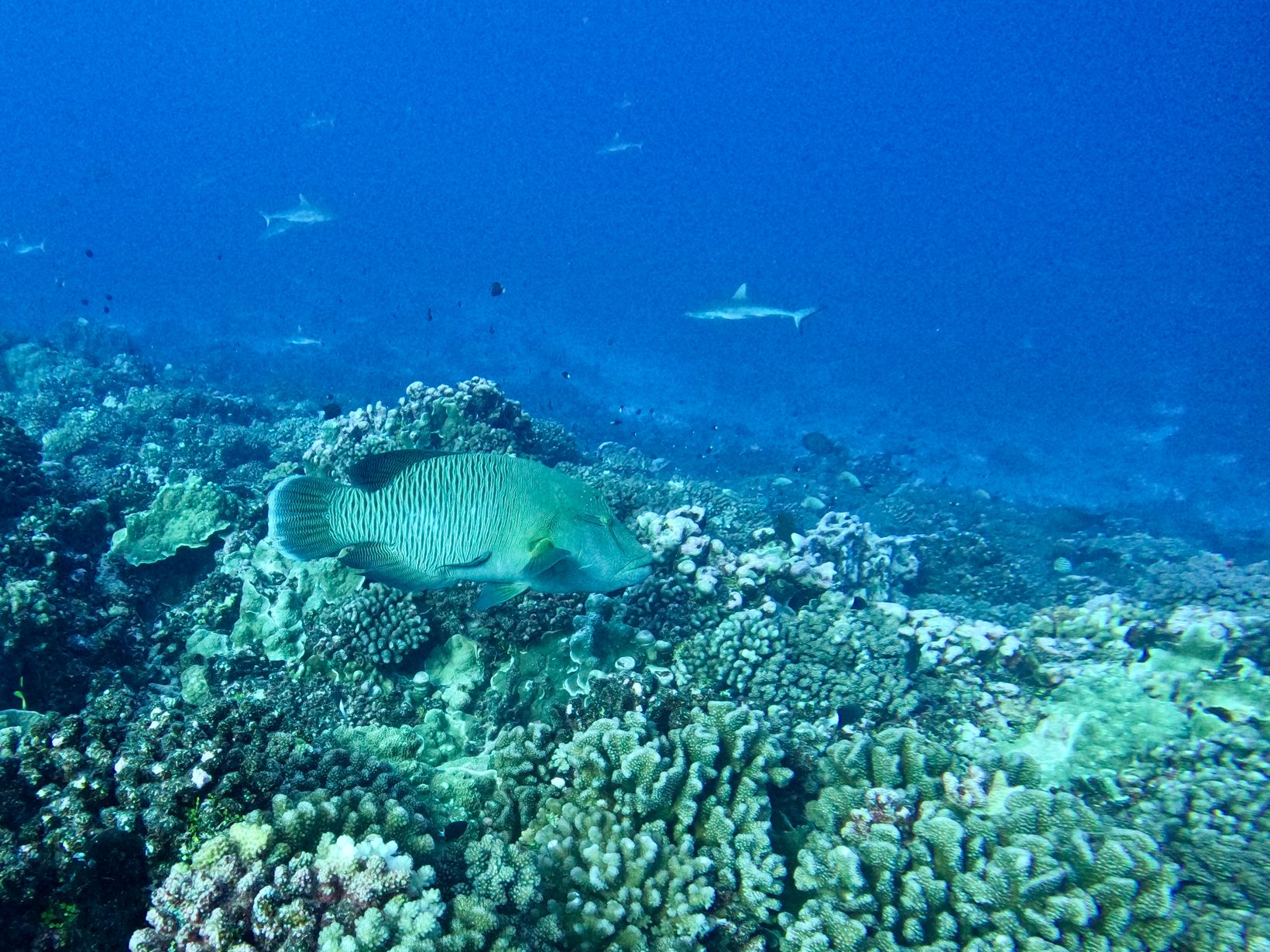
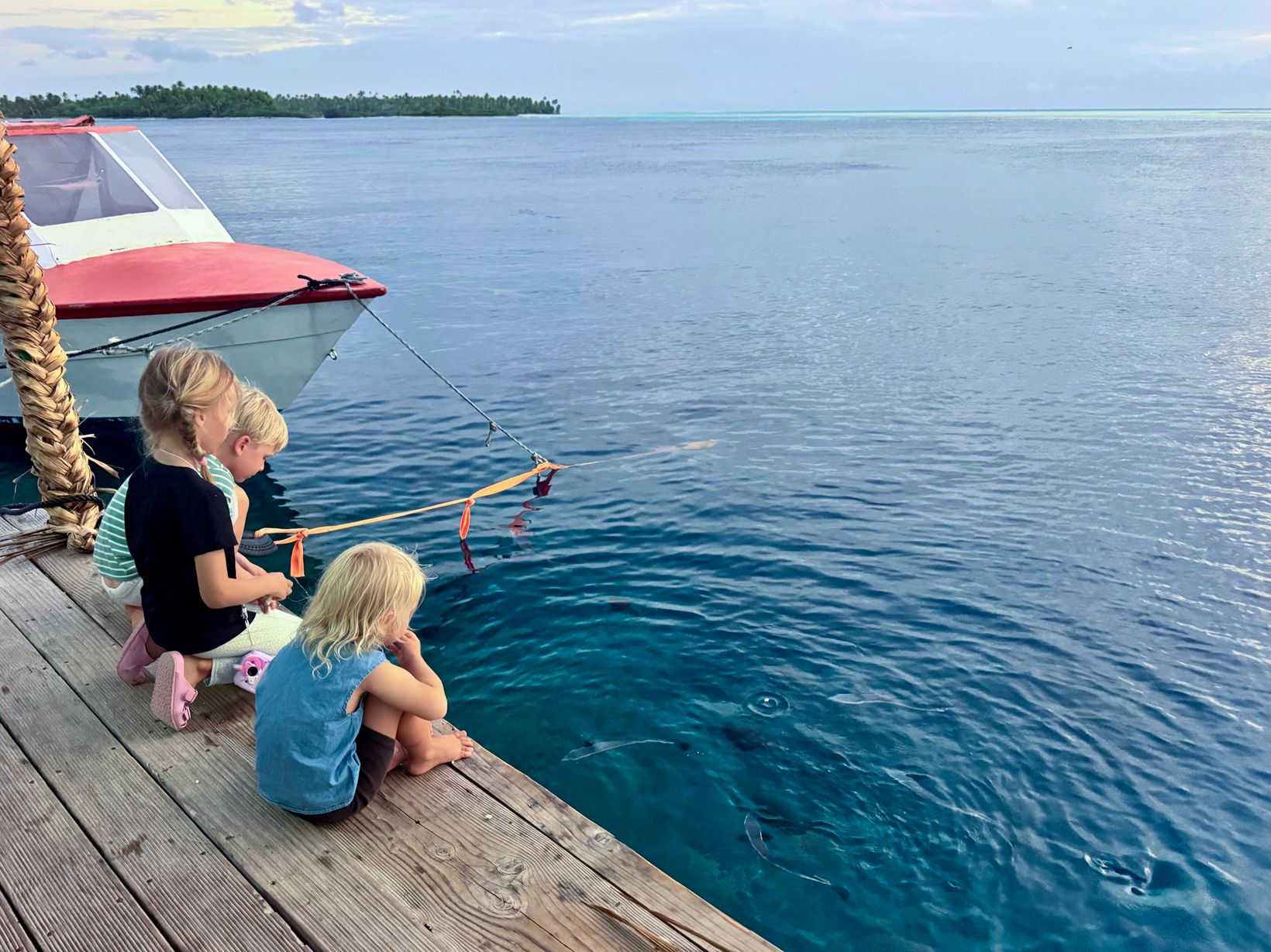
Fakarava is known for its groupers and sharks. Once a year, thousands of fish gather in the South Pass to spawn in a coordinated effort during the full moon. And where there are lots of fish, there are also lots of sharks. Every evening, the groupers treat them to a feast. As luck would have it, we arrive just in time for the annual spawning event.
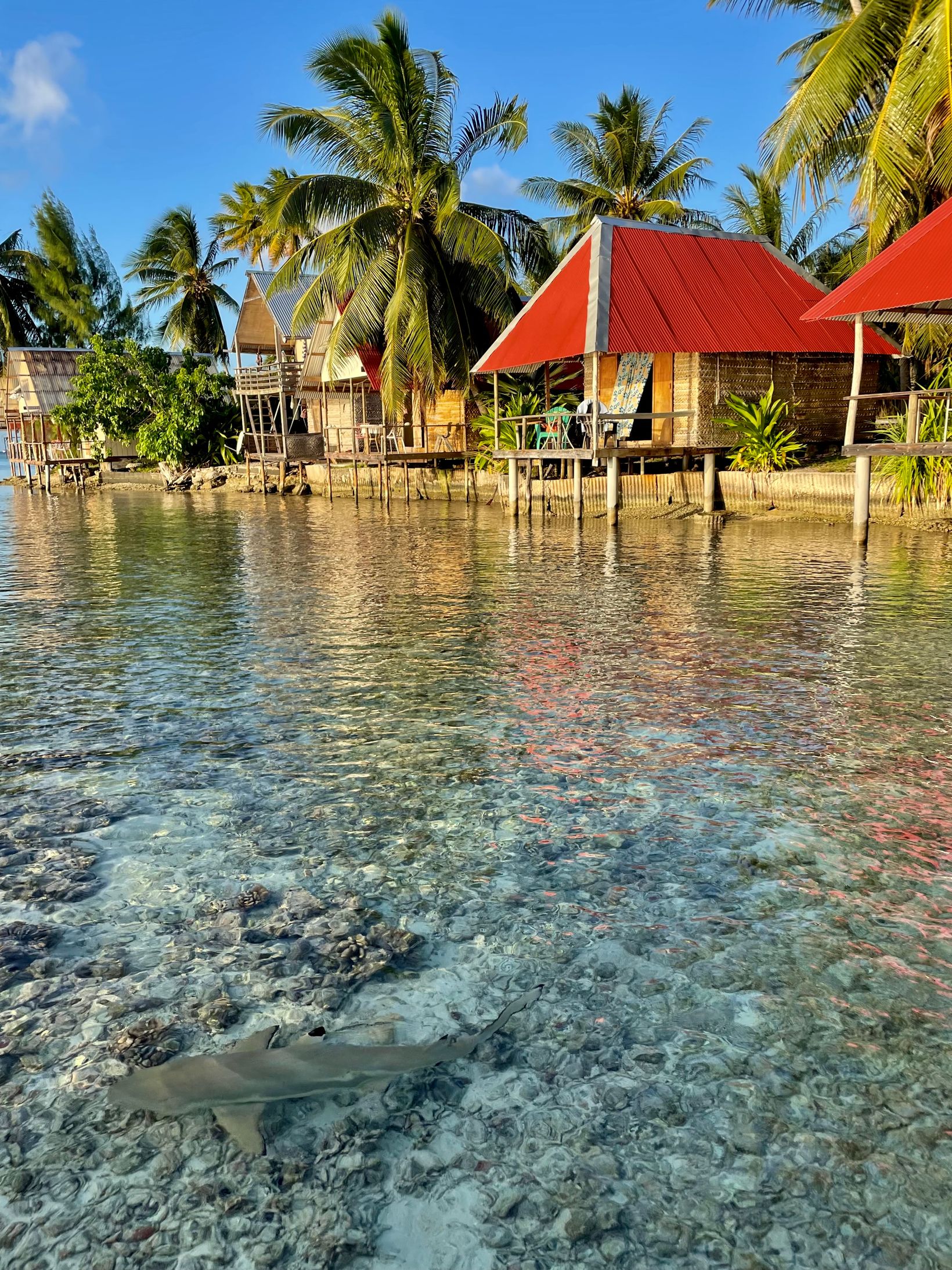
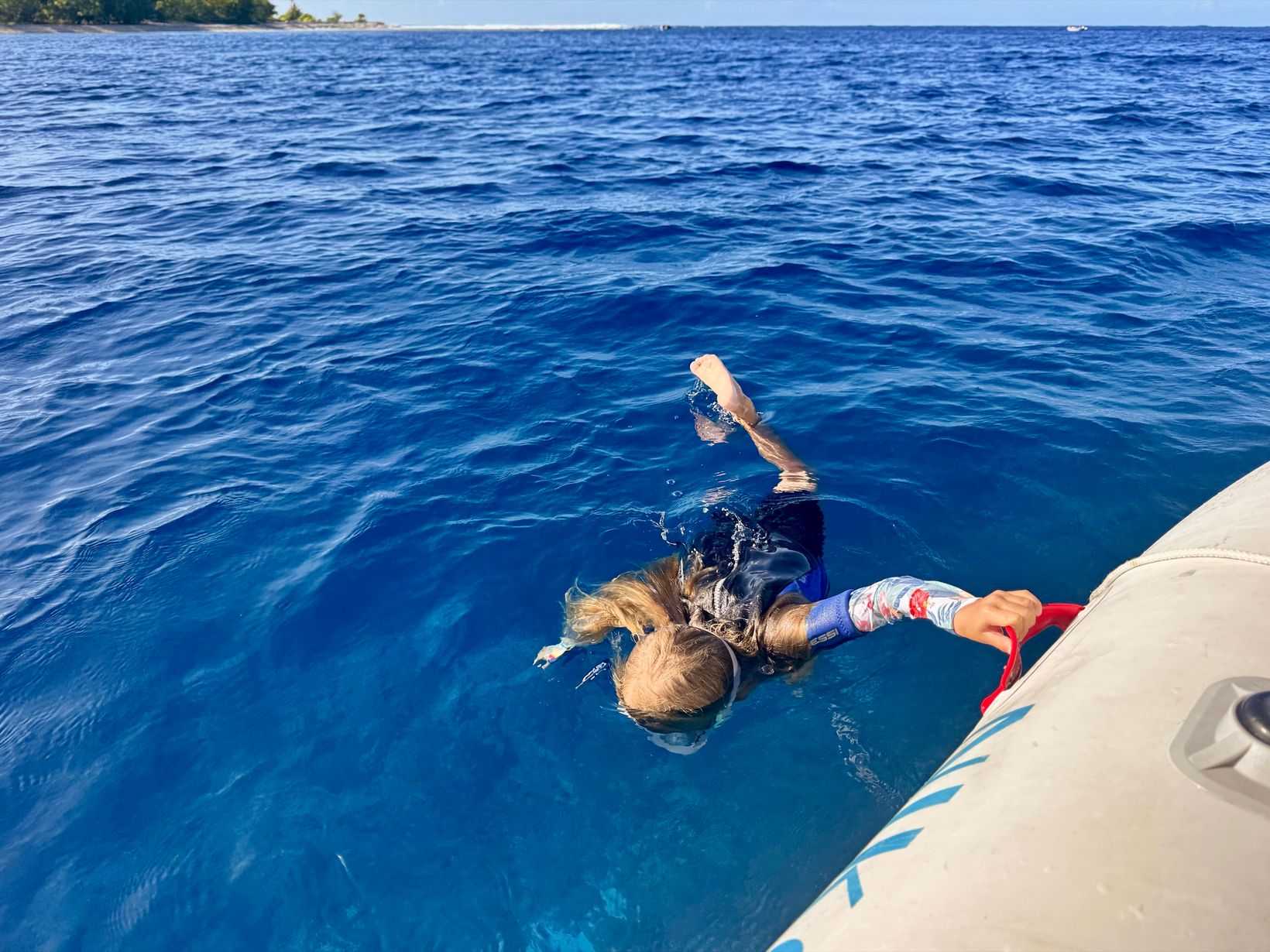
The underwater show delivers on its promise. No matter where you look, you’ll see something fascinating. By now, we’ve gotten used to the sharks, and even the kids can tell the different species apart as they swim around us — sometimes farther away, sometimes closer. It’s an ongoing process of getting used to the Pacific’s wildlife. Conversely, this process seems to be almost done in Fakarava. In any case, the sharks are accustomed to divers and seem largely unimpressed. At least during the day. At night, however, it’s a different story. Every splash in the water draws them in like magic, and flashlights make their eyes light up in the dark. You’d better not fall out of the dinghy!
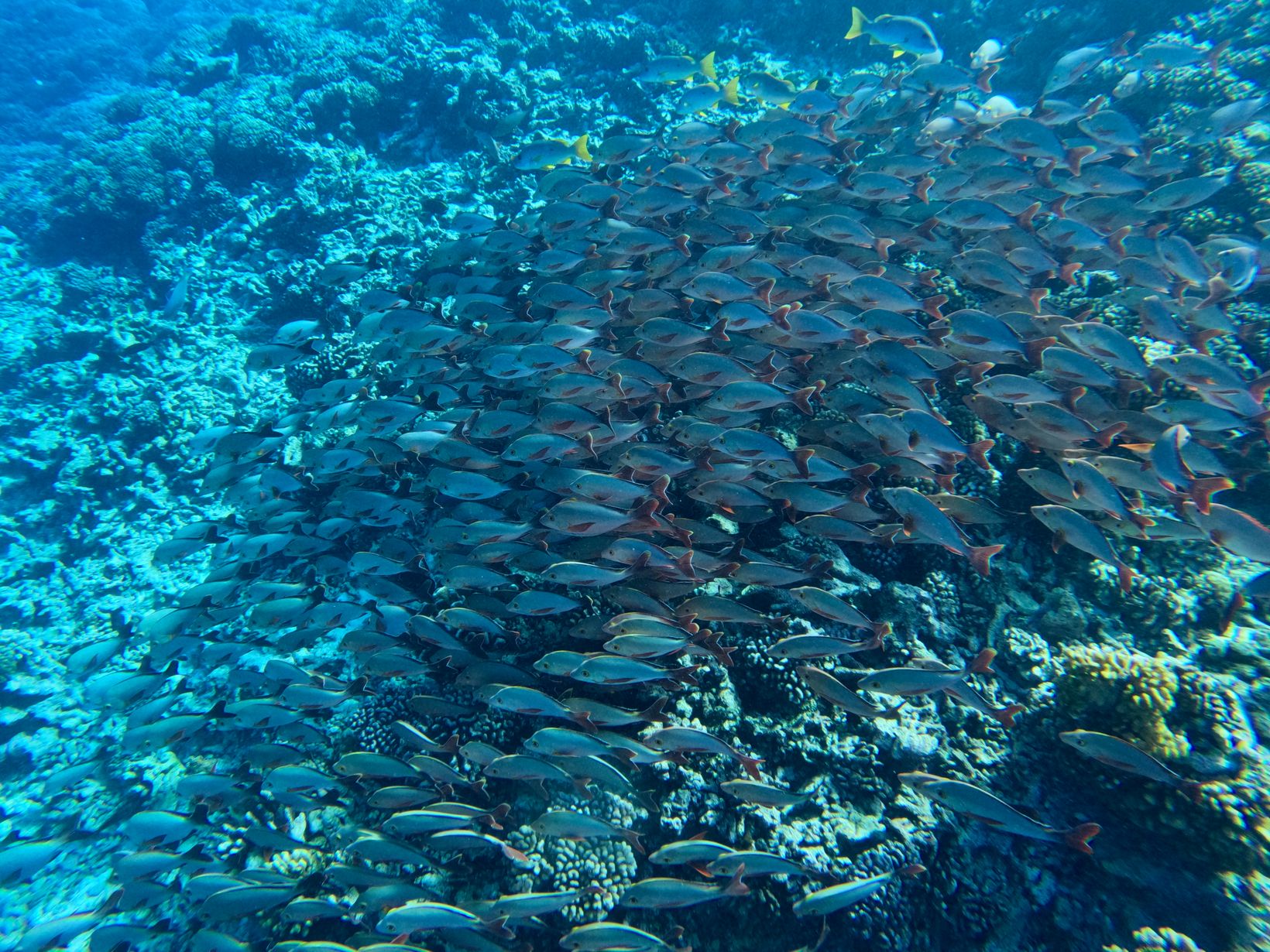
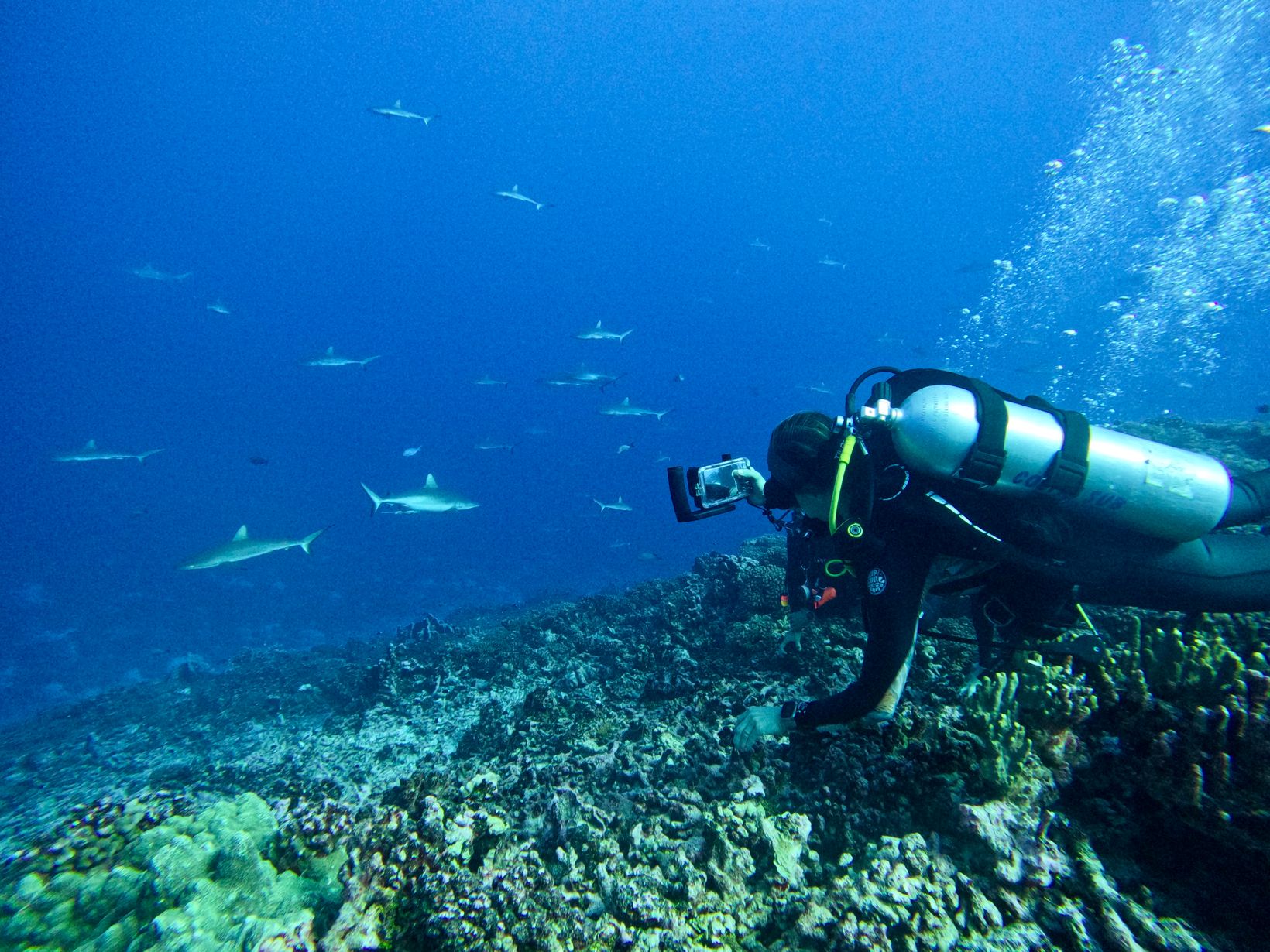
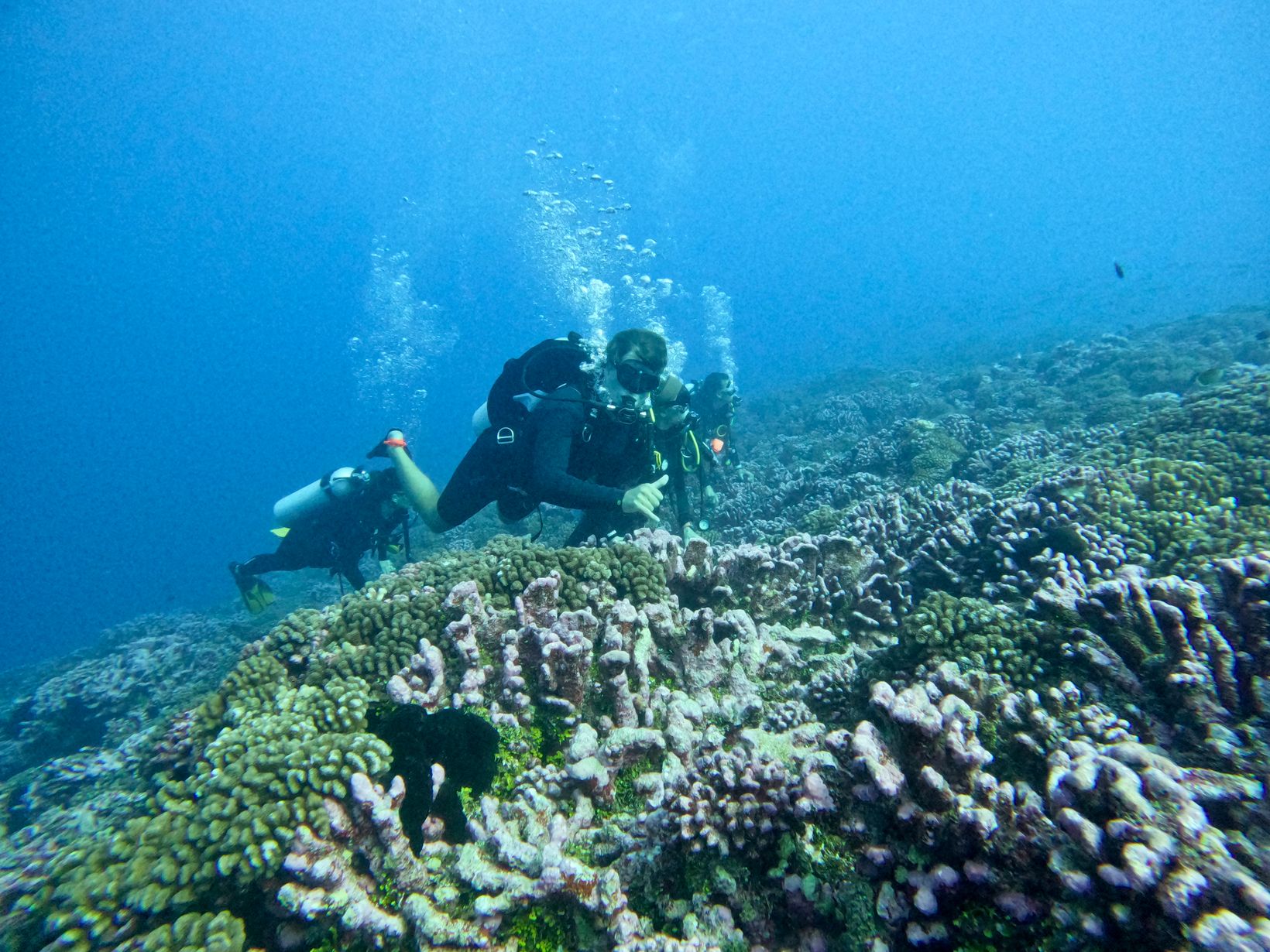
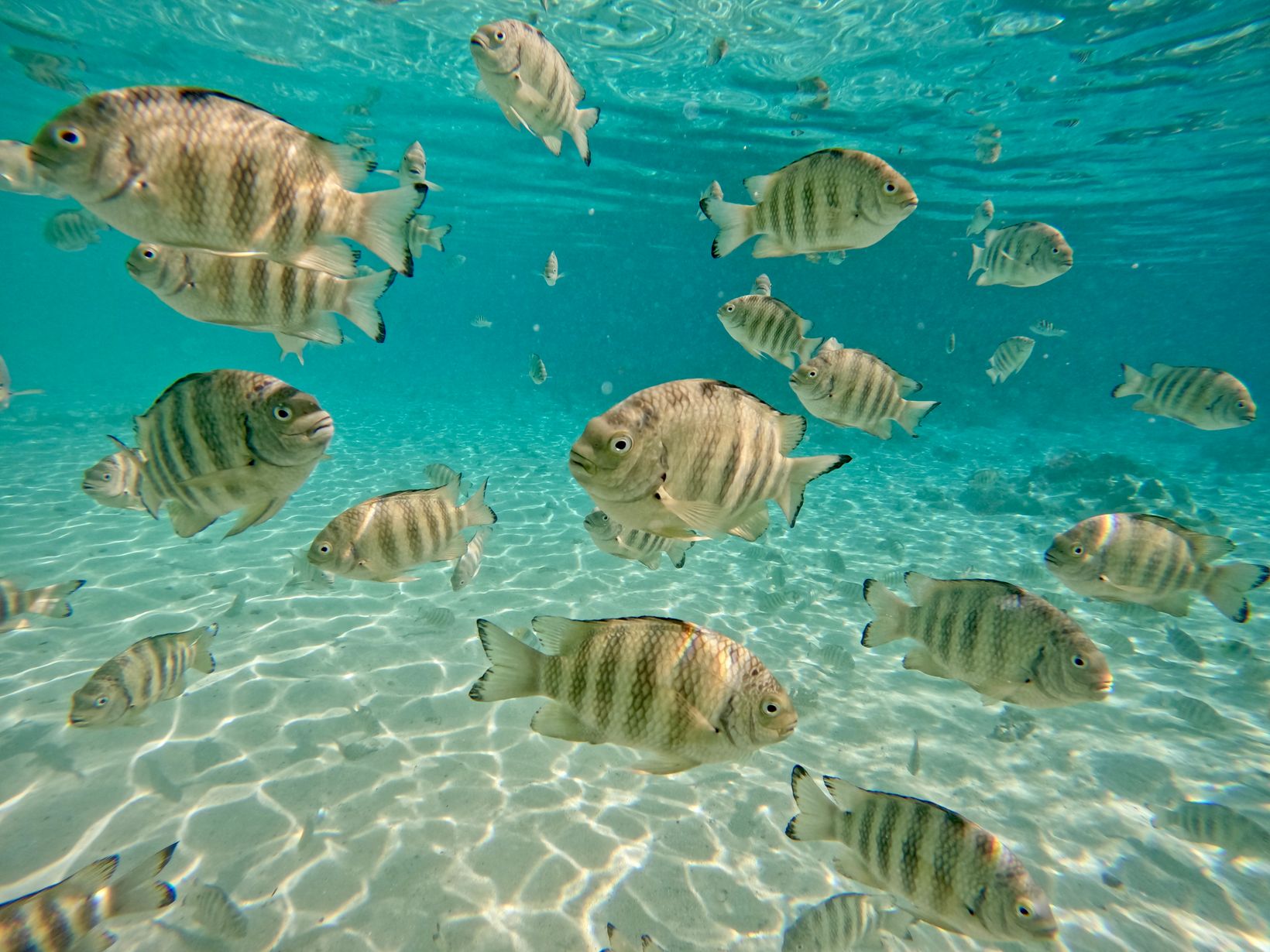
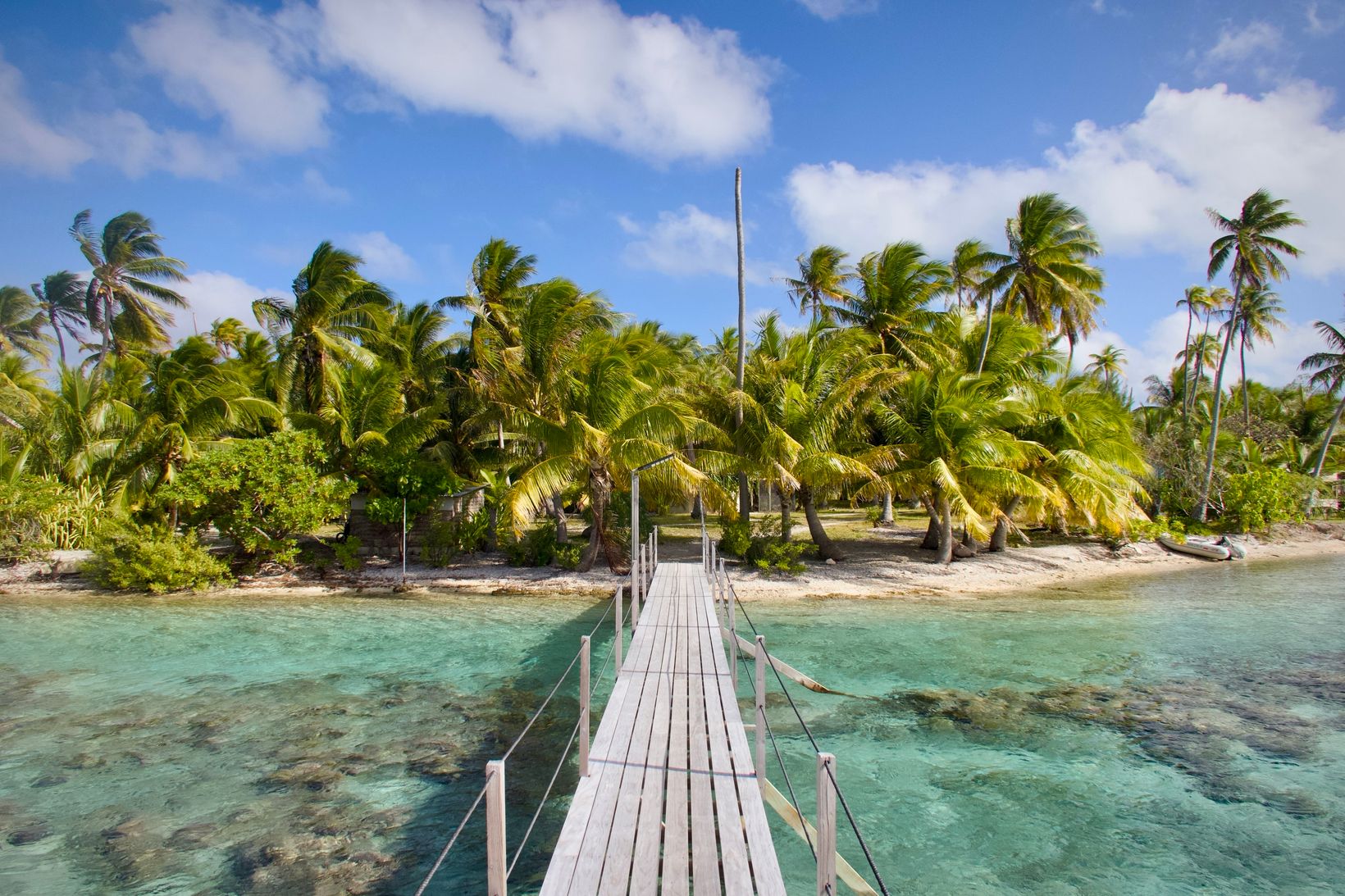
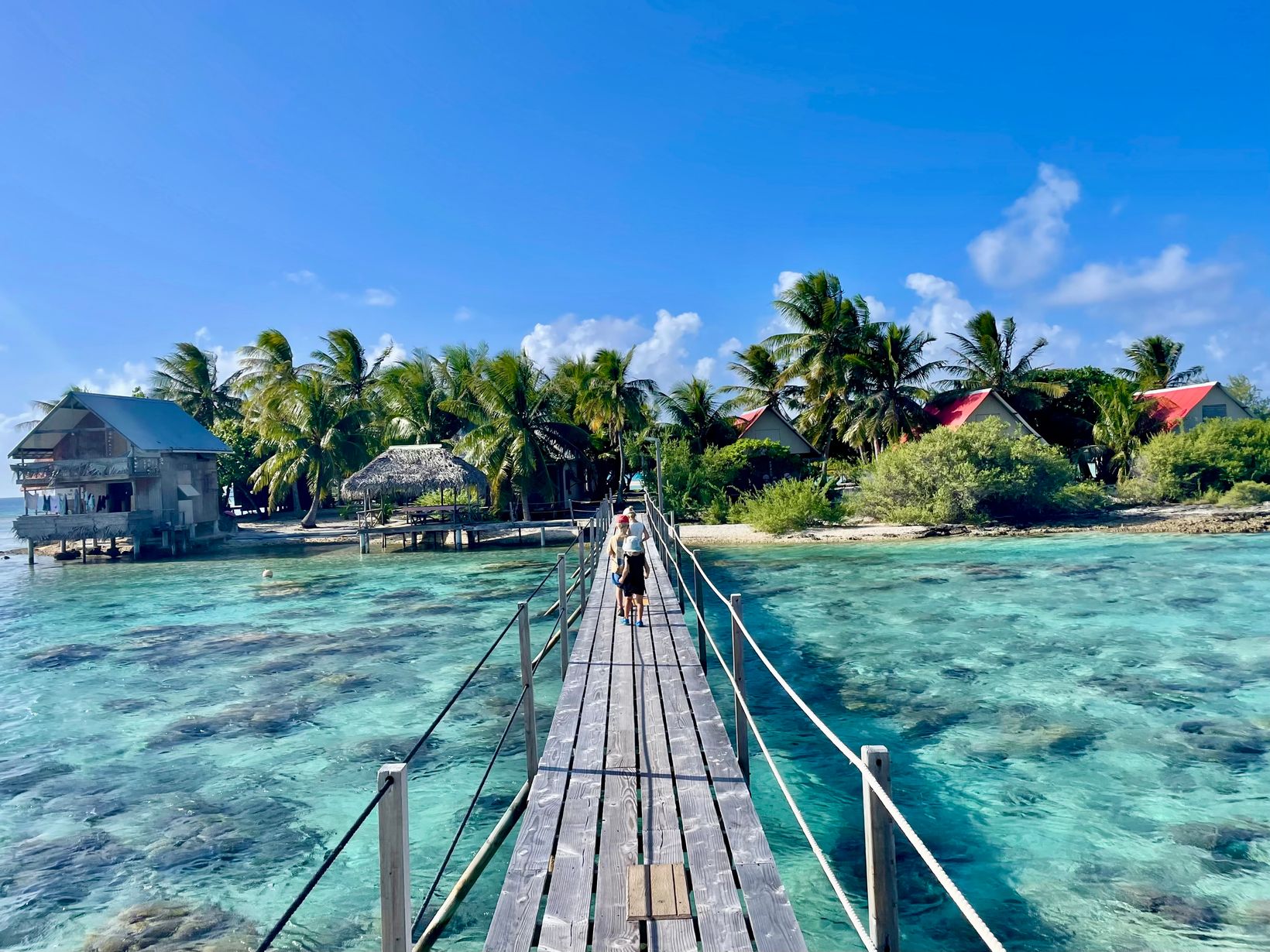
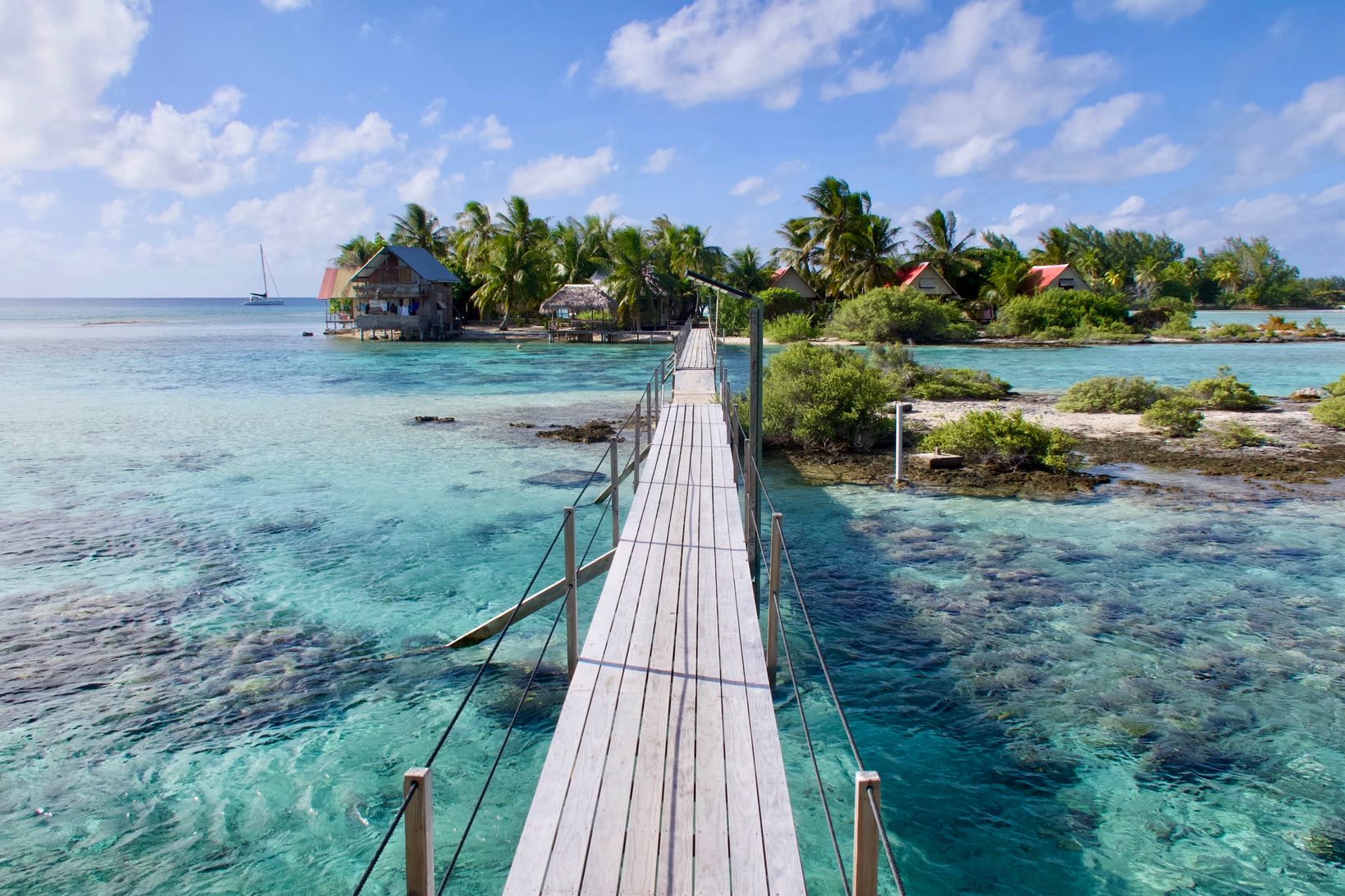
The world above the water is every bit as impressive as the one below. The postcard-perfect little cottages for divers from all over the world are lined up along the shore, and we get to enjoy the dive center’s perfectly located bar.
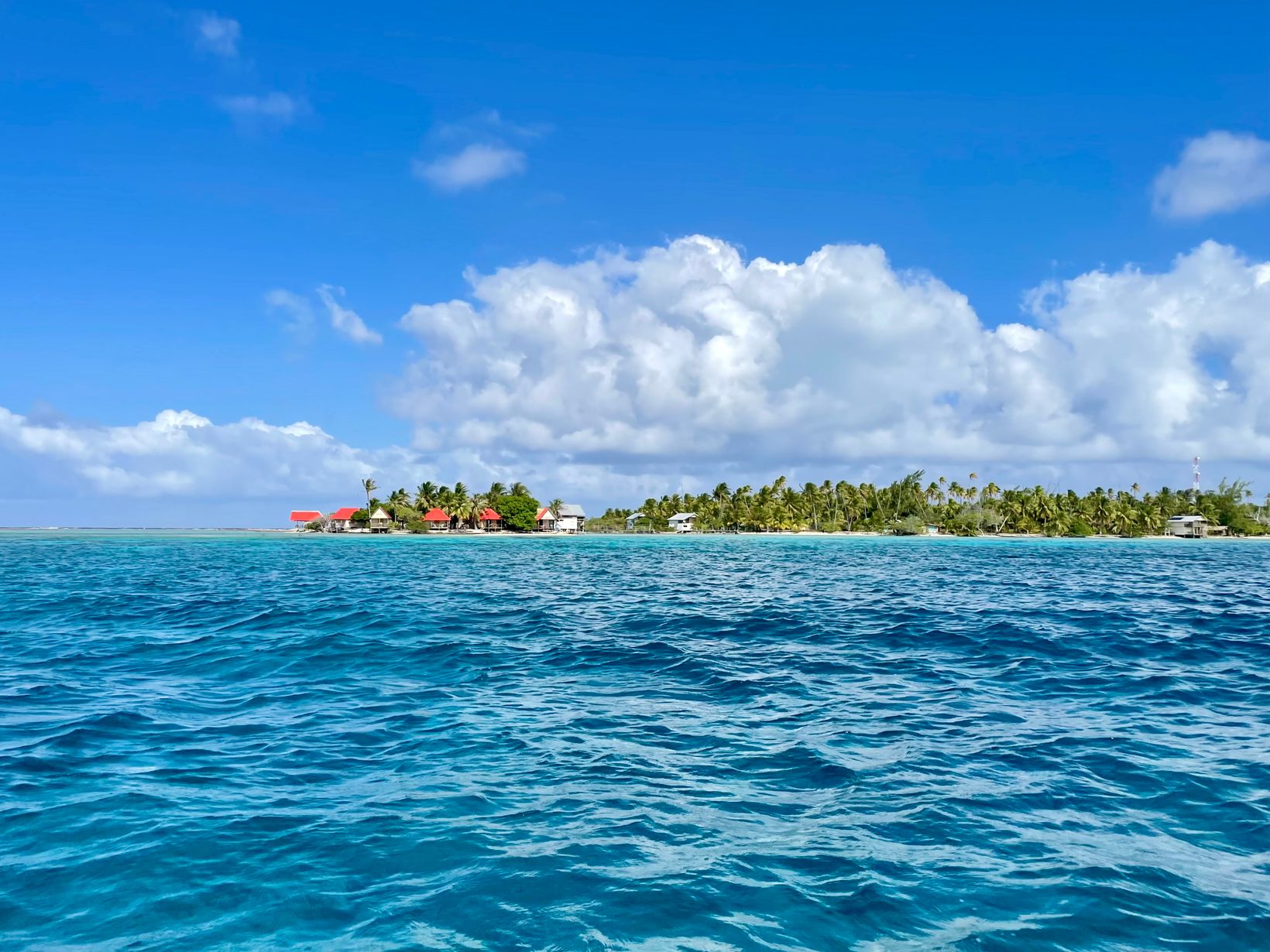
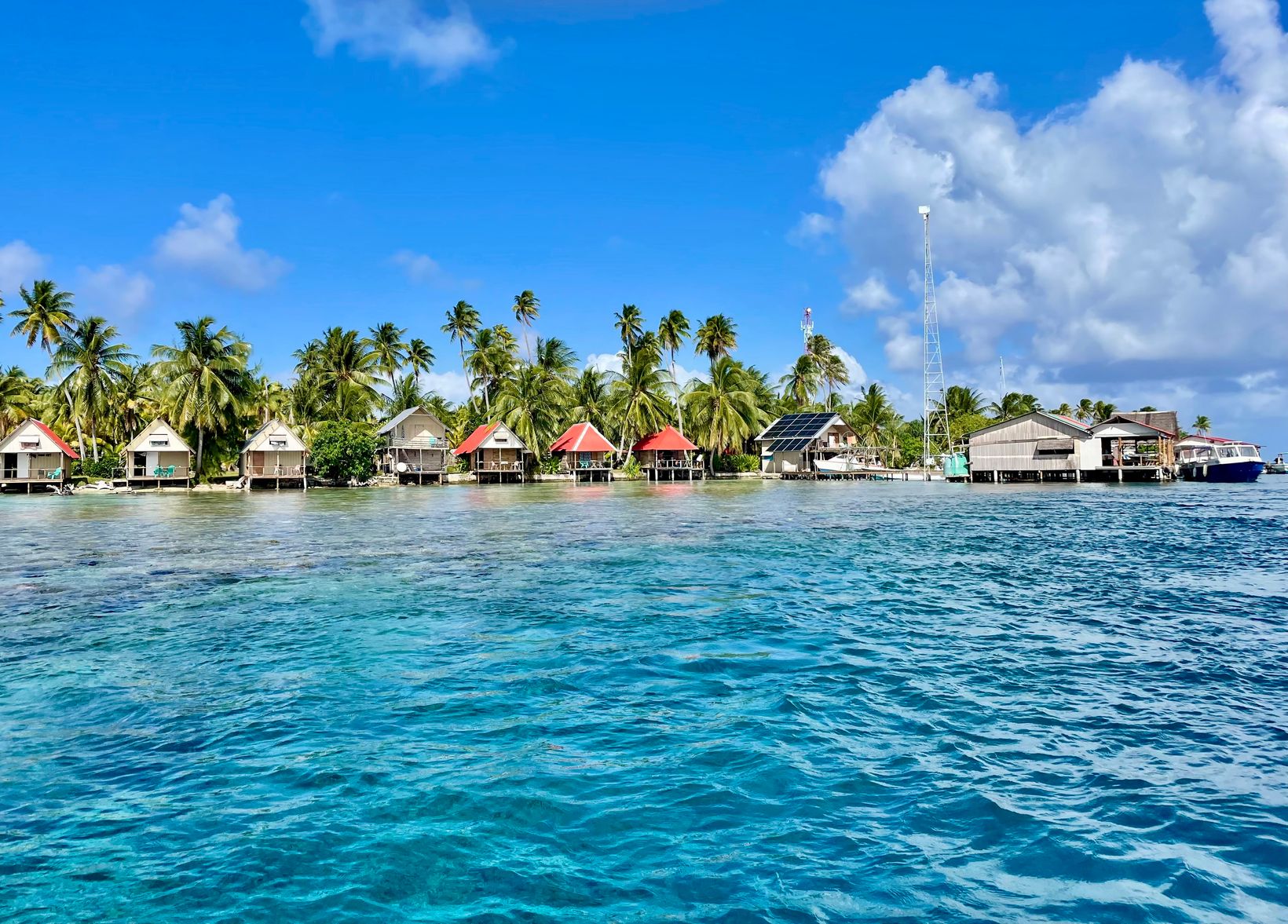
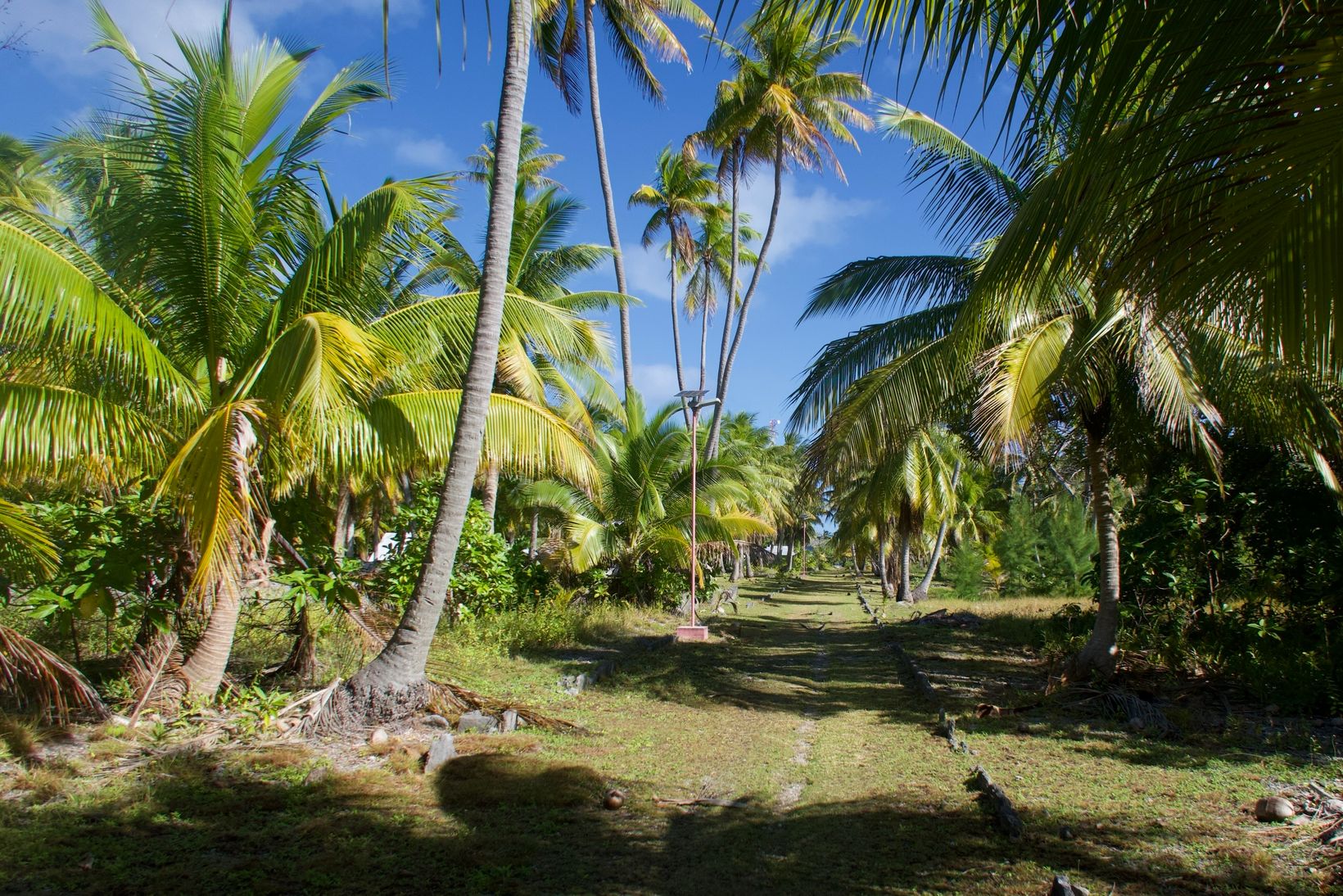
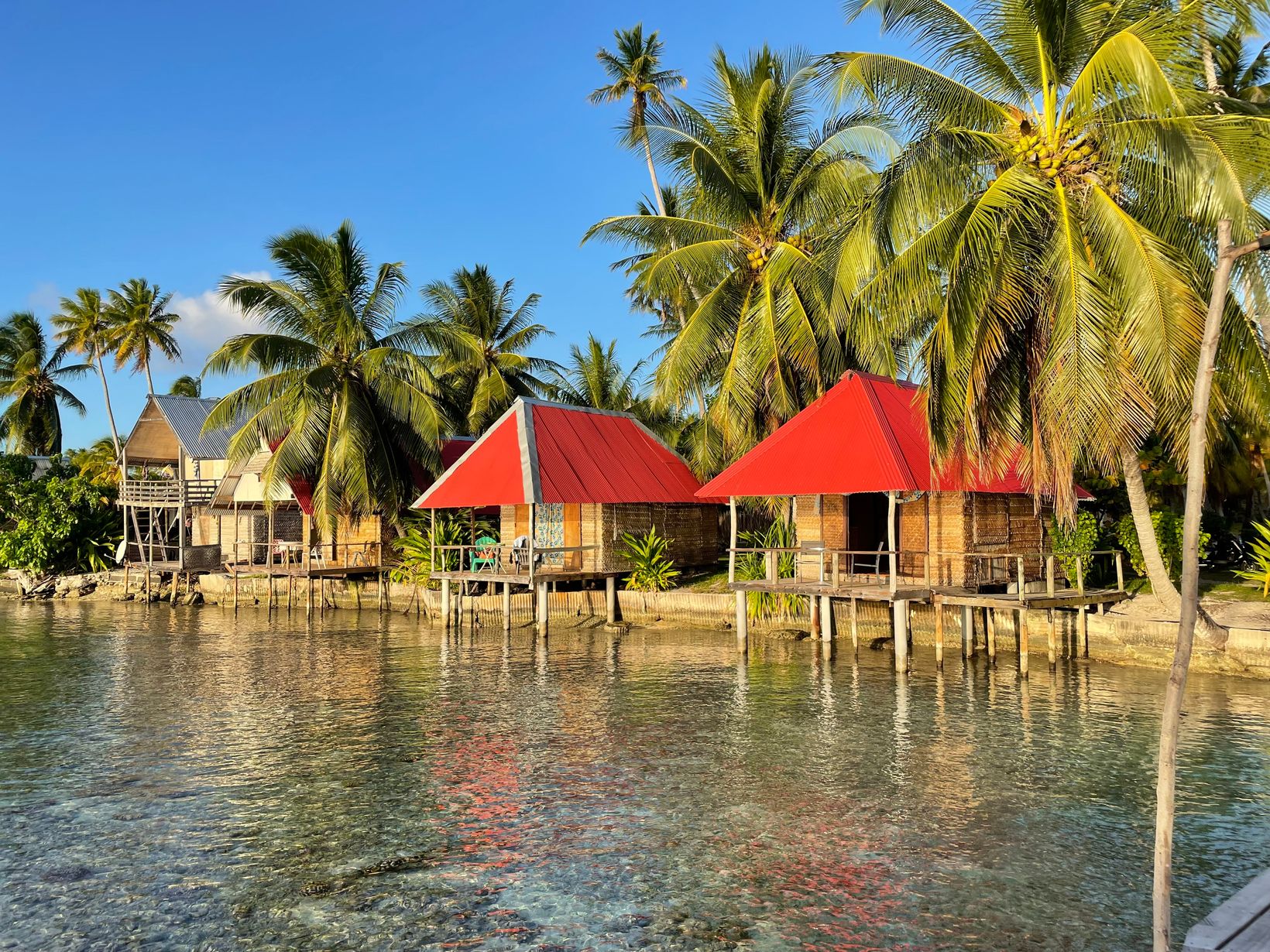
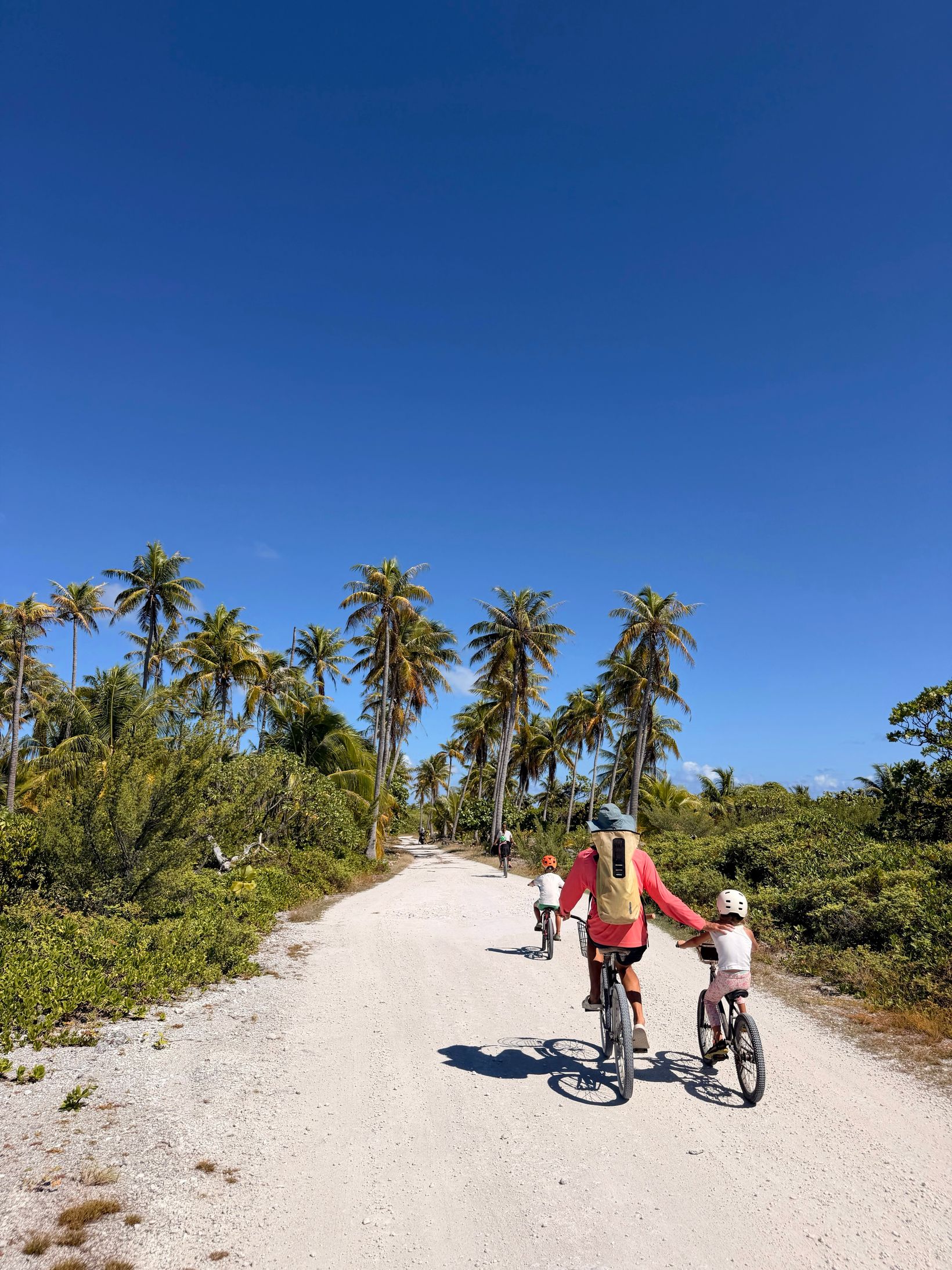
The Tuamotus’ largest transportation hub is located in the north of Fakarava. In addition to an airport with regular flights to Tahiti, there are several restaurants and hotels in the aerea. After cooking in our own galley for so many weeks, it feels strange to dine on land.
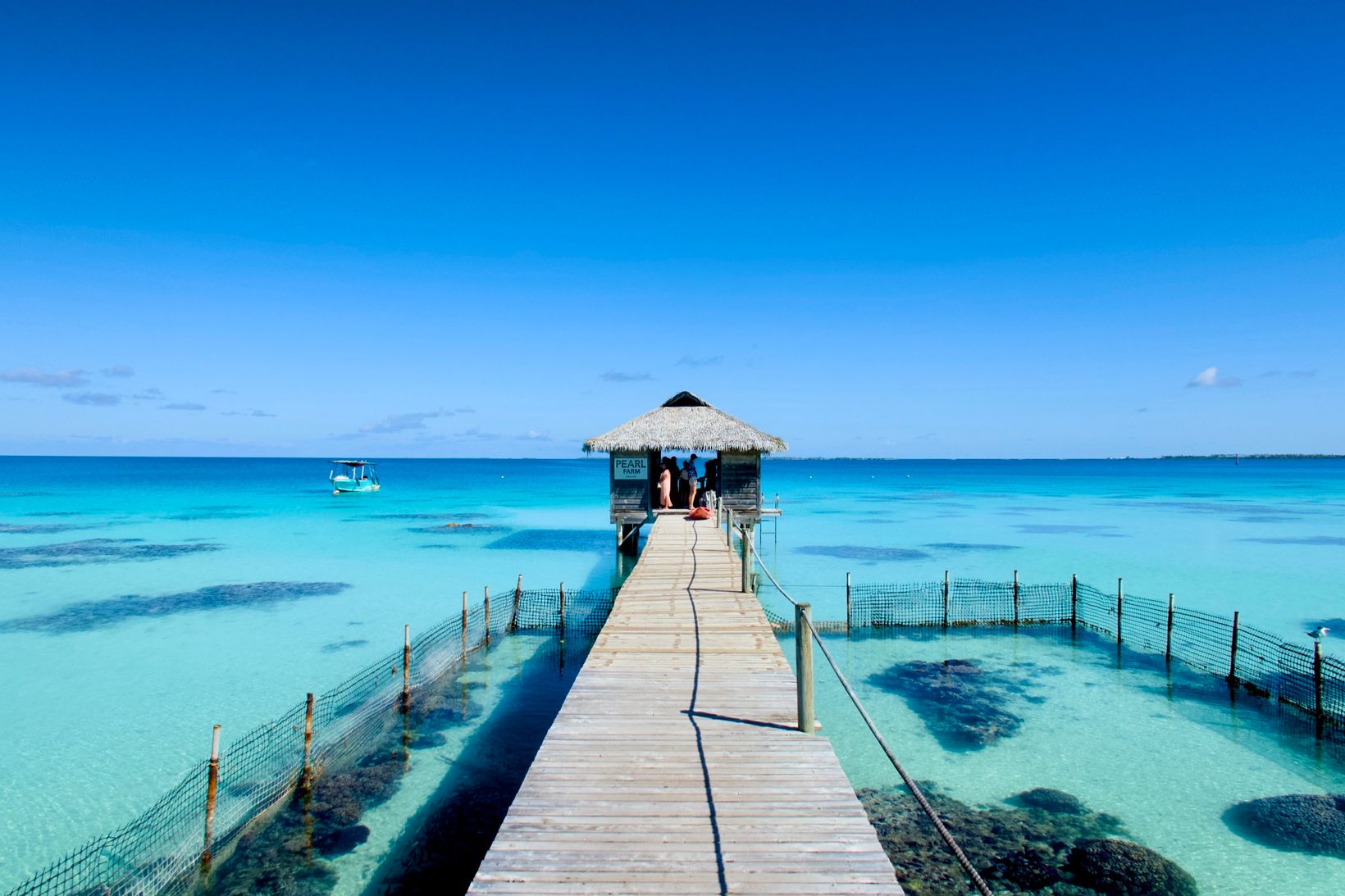
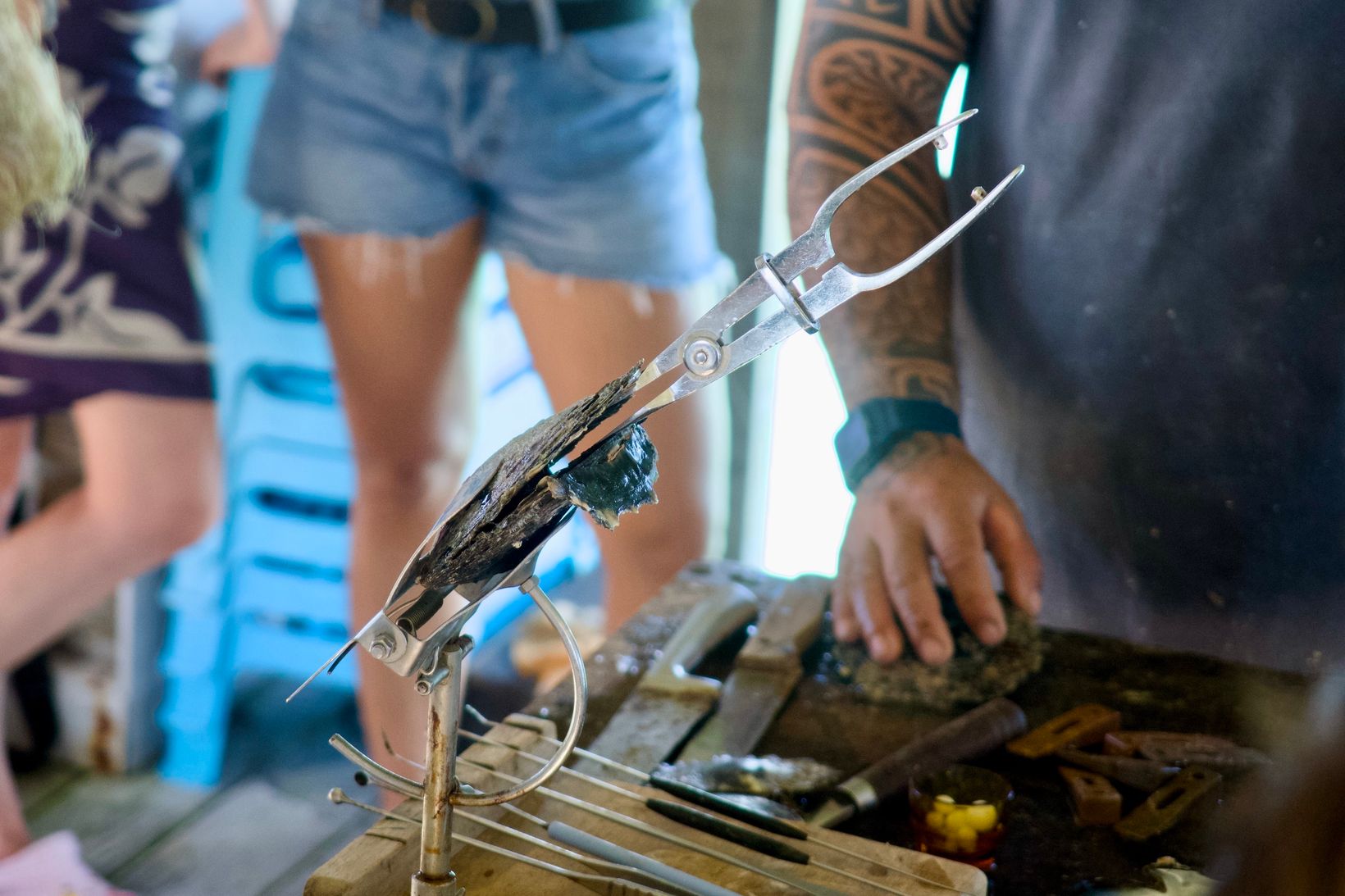
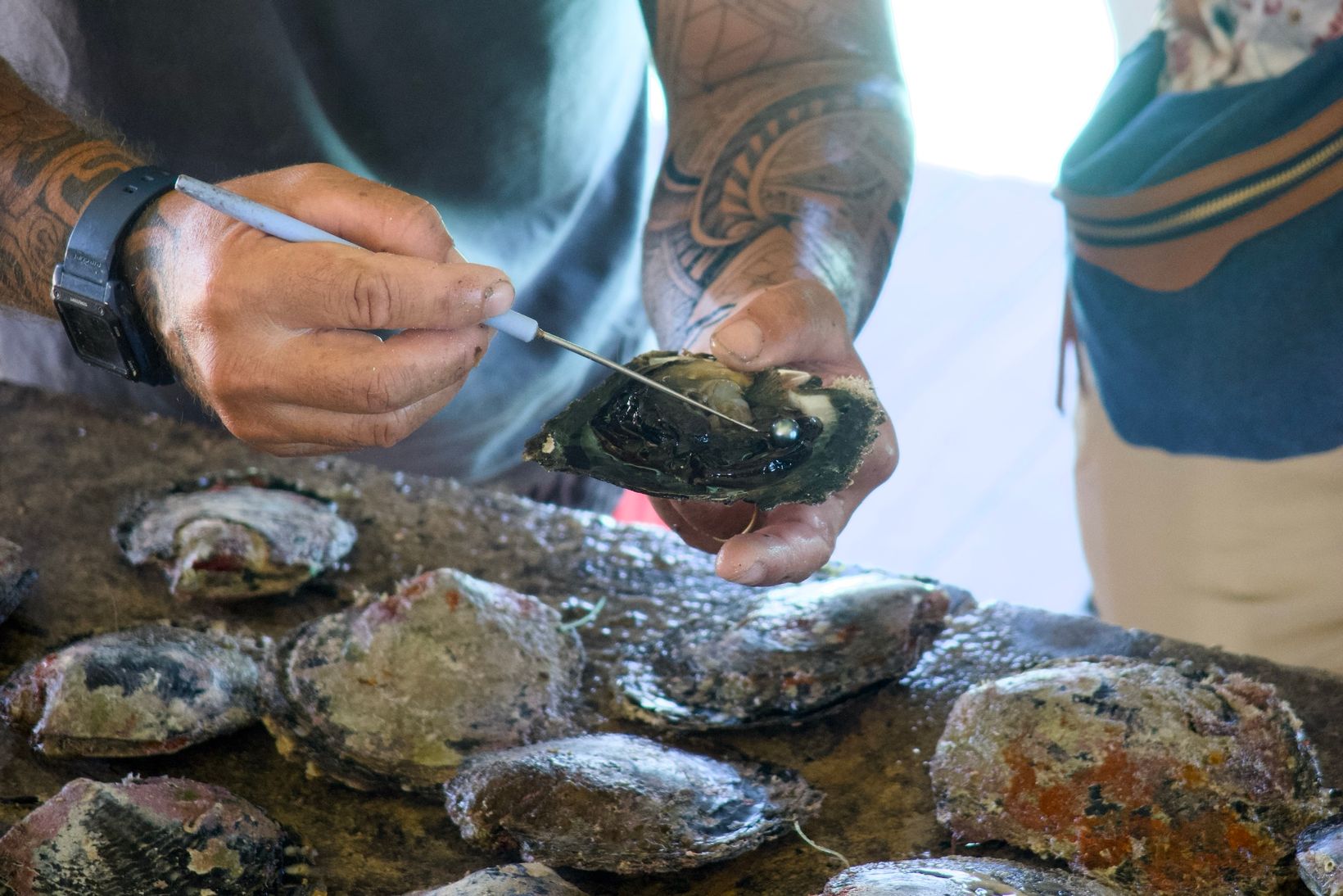
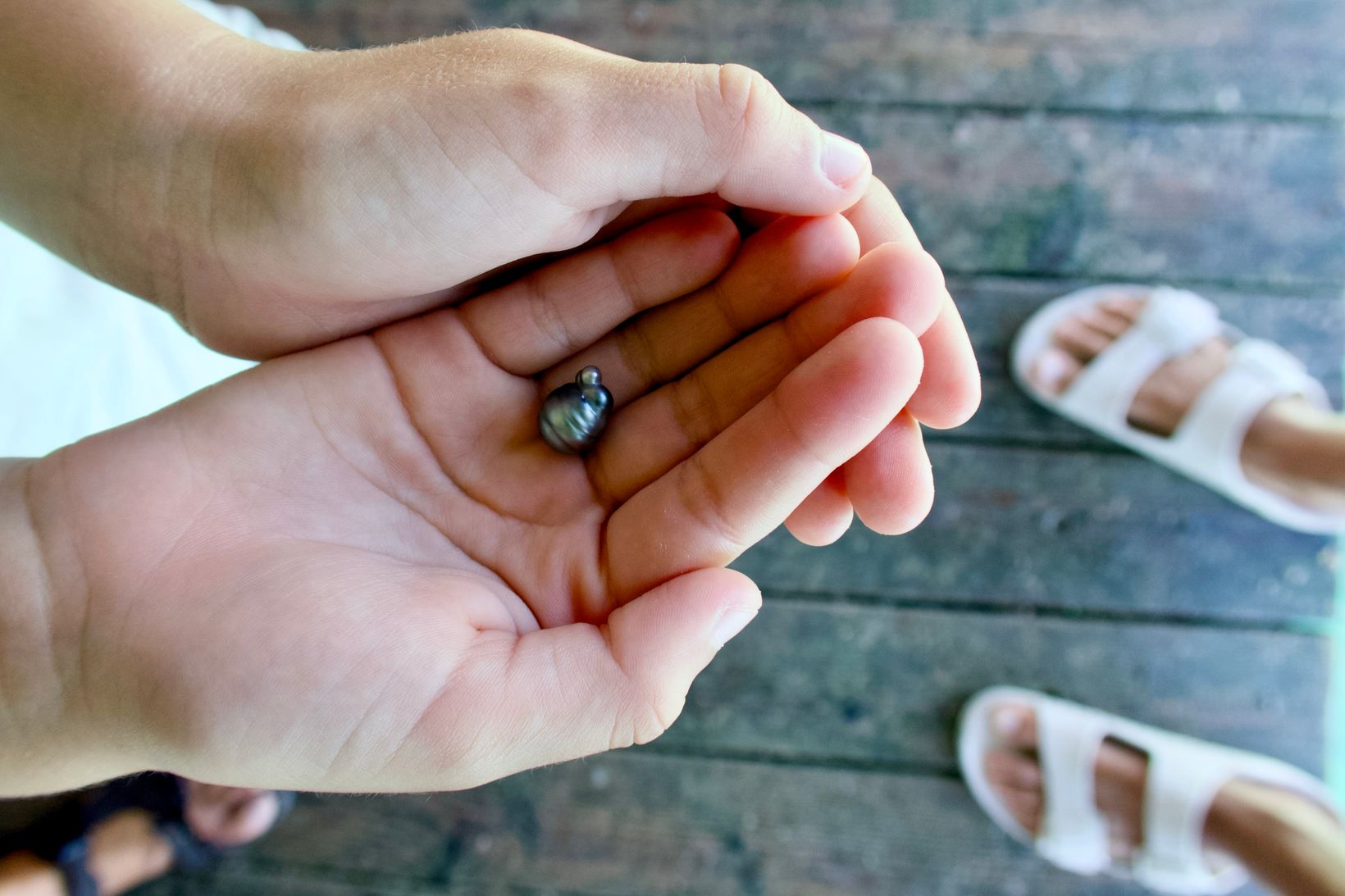
The atoll is also home to a pearl farm. The Tuamotus, along with the Gambier Islands, are the largest producers of South Sea pearls. However, some of the farms are now in Chinese or U.S. ownership. The small pearl farm in Fakarava does, at least, allow tourists a glimpse behind the scenes. Every morning there’s an educational session on pearl farming, followed by a small raffle. Anyone who buys a ticket for 30 euros gets to pick a shell and claim the pearl inside as their own. It’s a great mix of fun and learning.
Toau
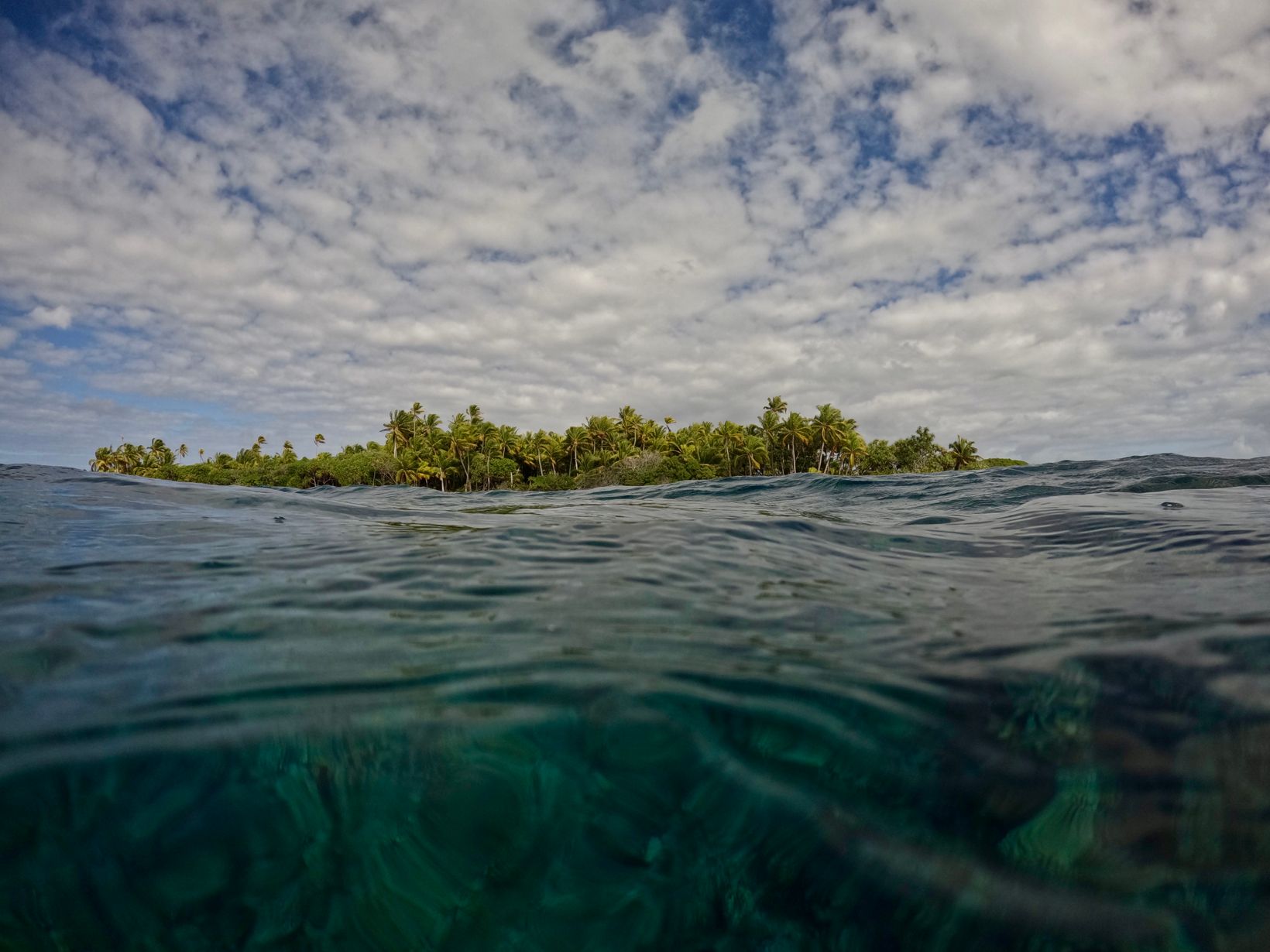
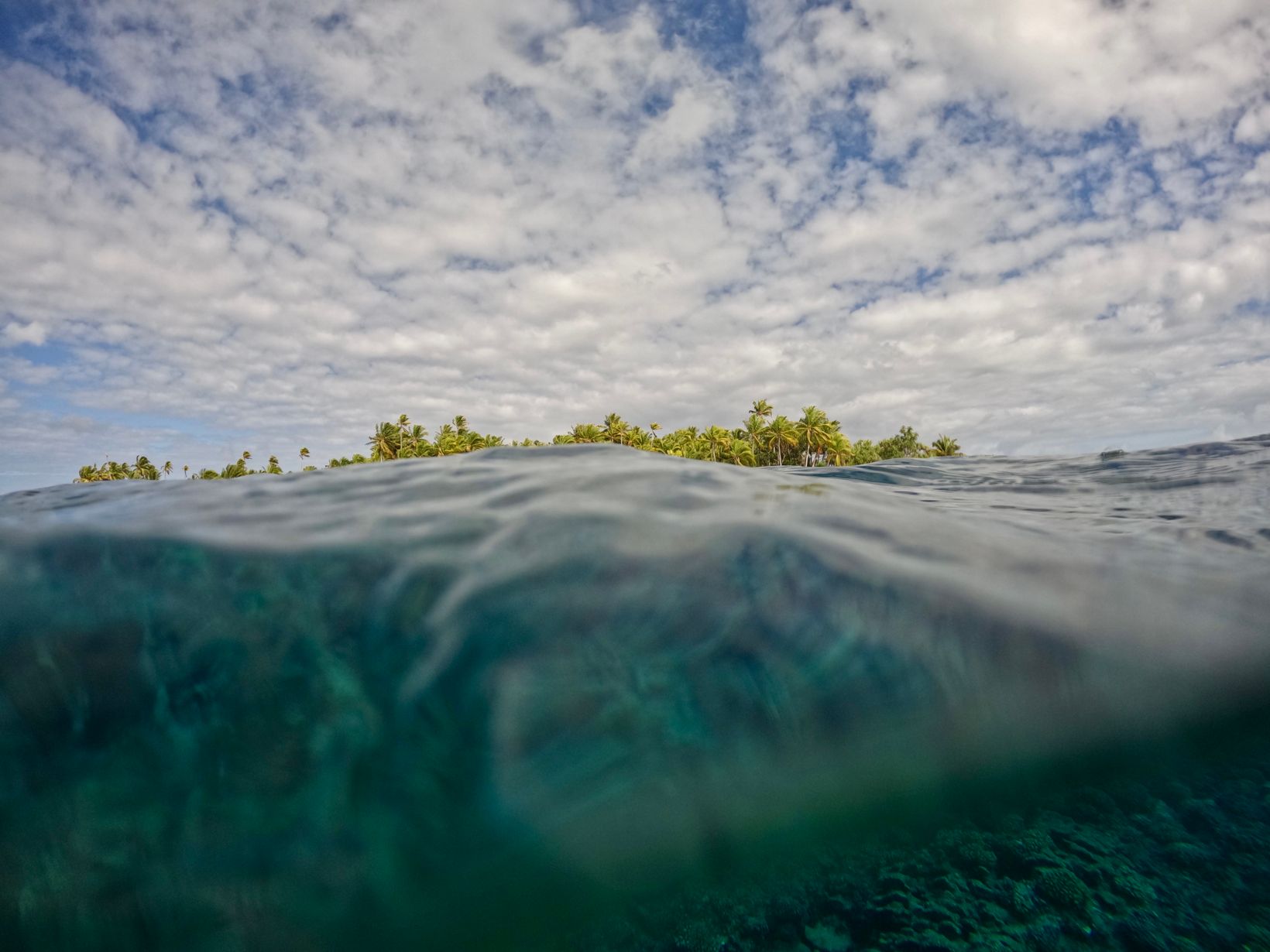
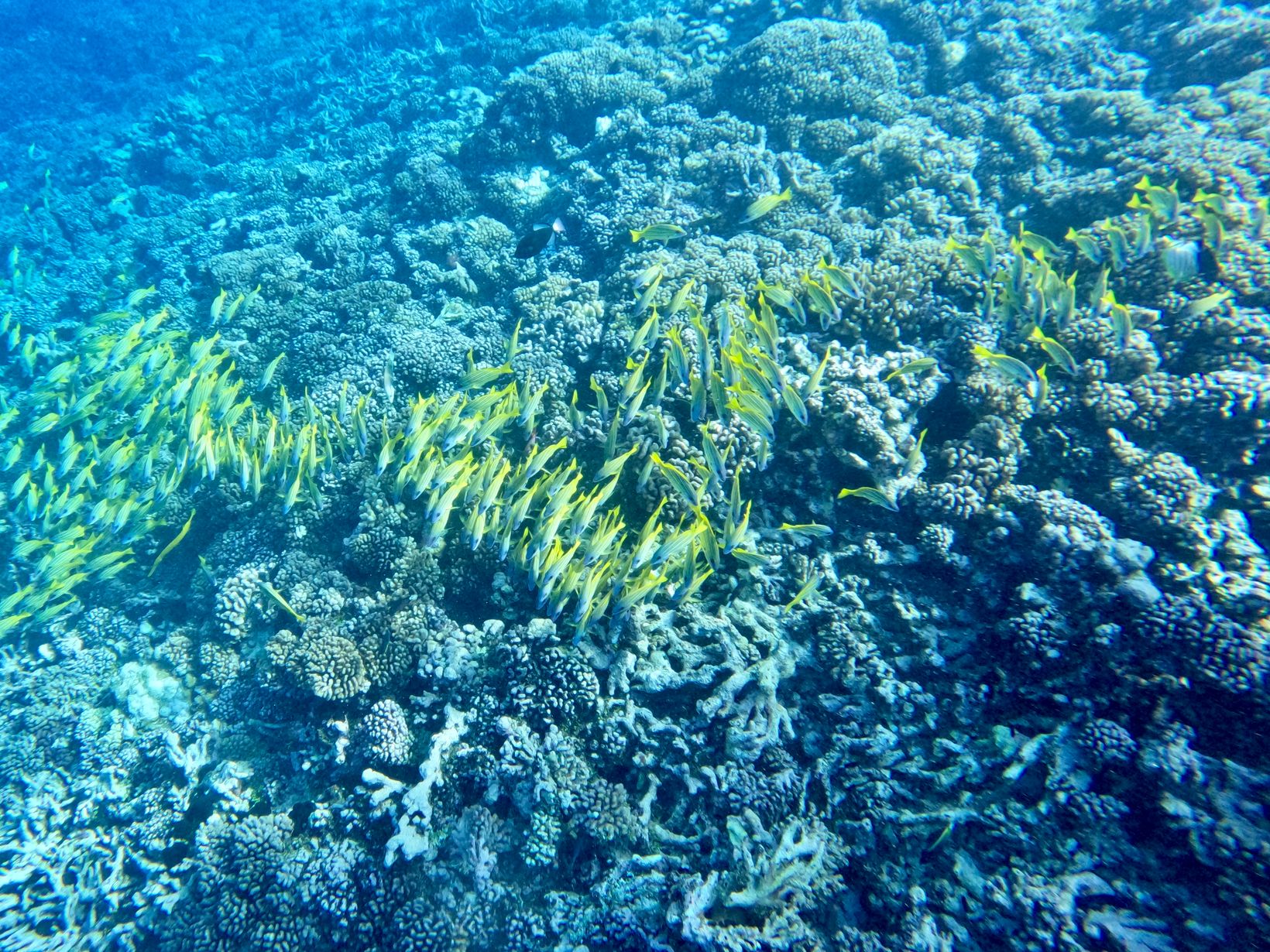
Our tour of the atolls comes to a close on the small, nearly uninhabited island of Toau. Here, we wait for good weather to travel to Tahiti. But waiting in French Polynesia is a pleasure: One day, we dive through bizarre, colorful coral formations; the next, we spot manta rays in the pass and drift until we get dizzy. The visibility is phenomenal. After these experiences, we’re ready for the Society Islands — the next chapter of our Polynesian journey.