Dance, Quarrels, and Waves in Tahiti
Next up are the Society Islands. Our first stop is the main hub of French Polynesia - Tahiti.
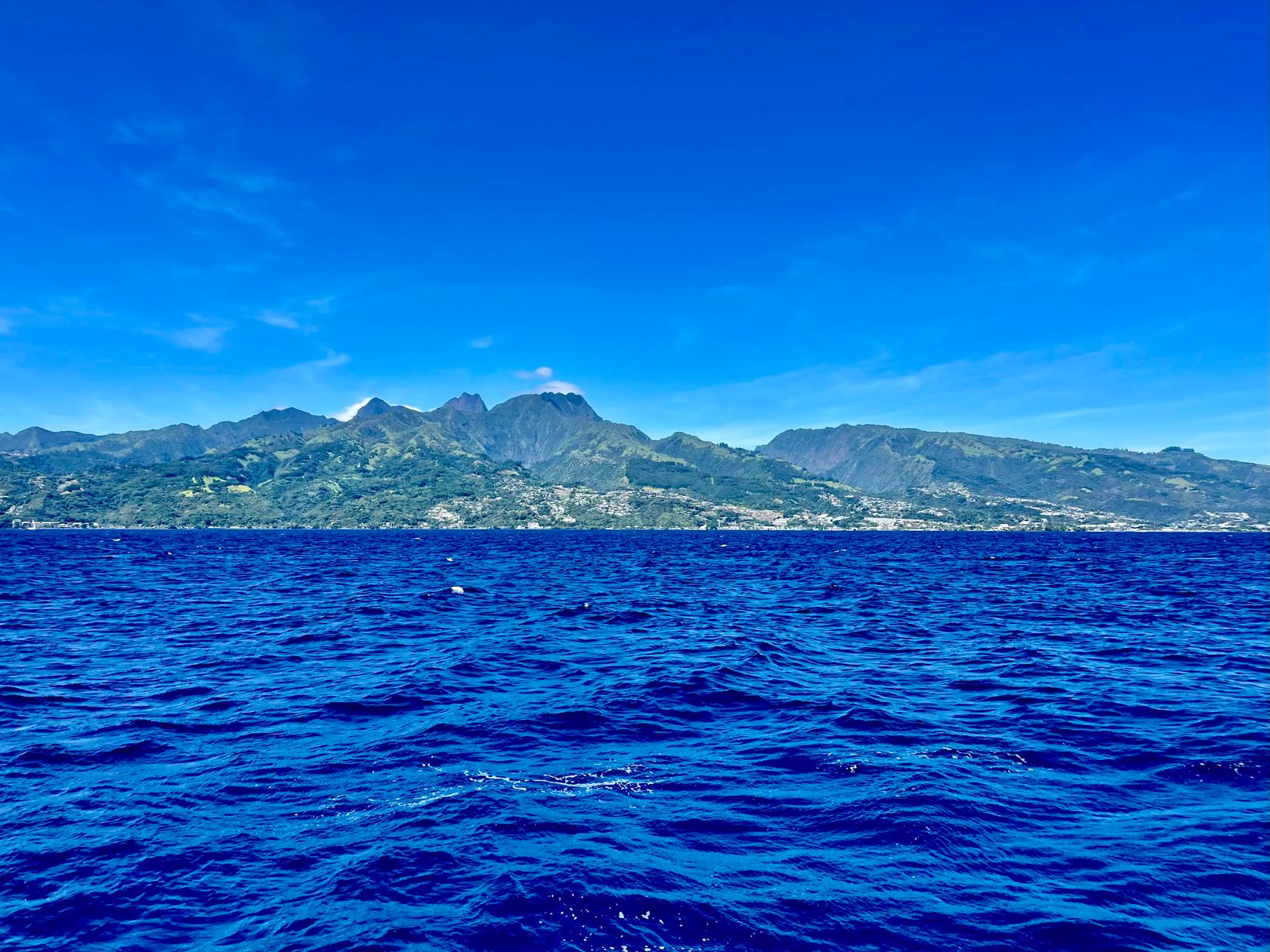
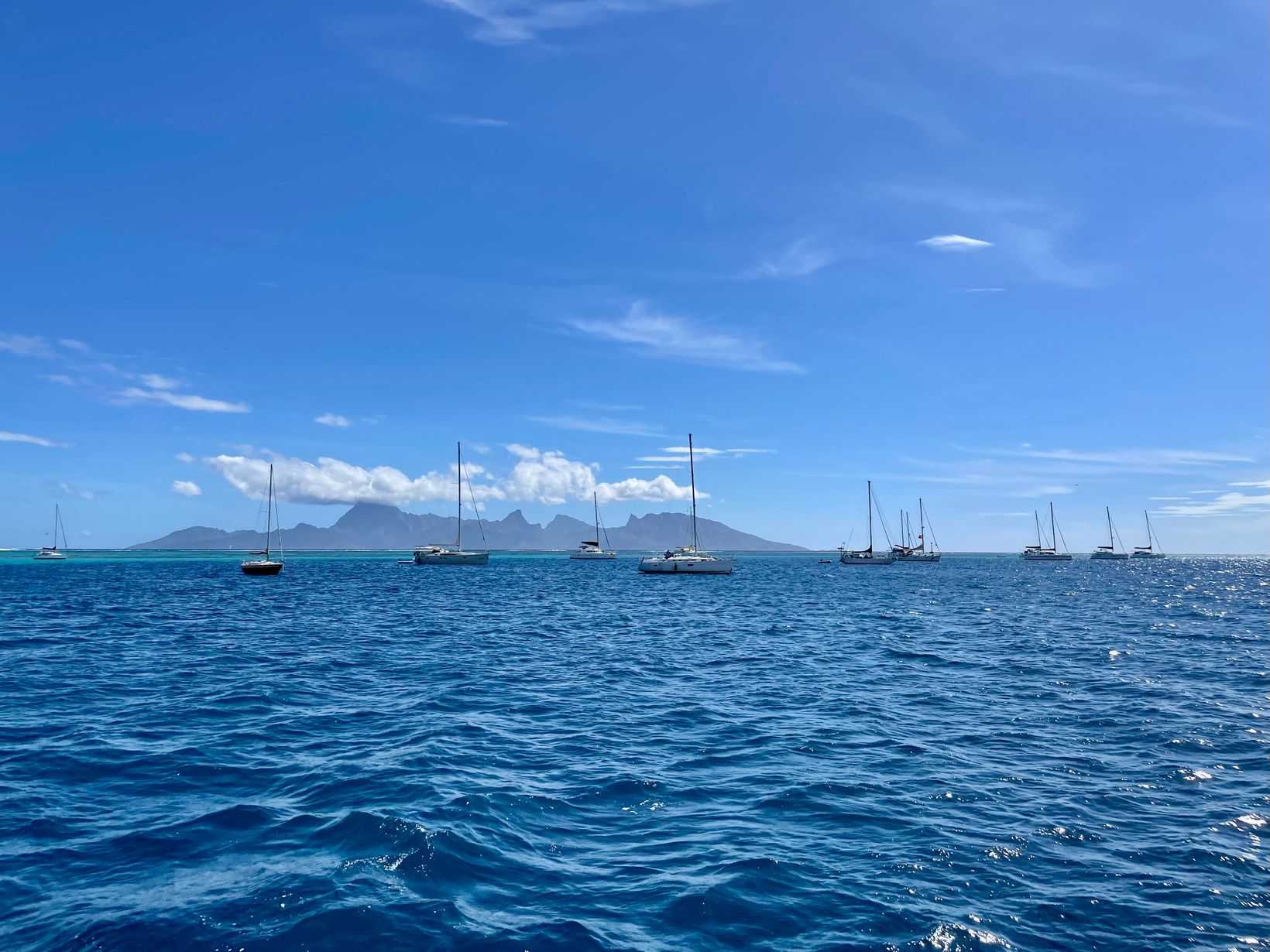
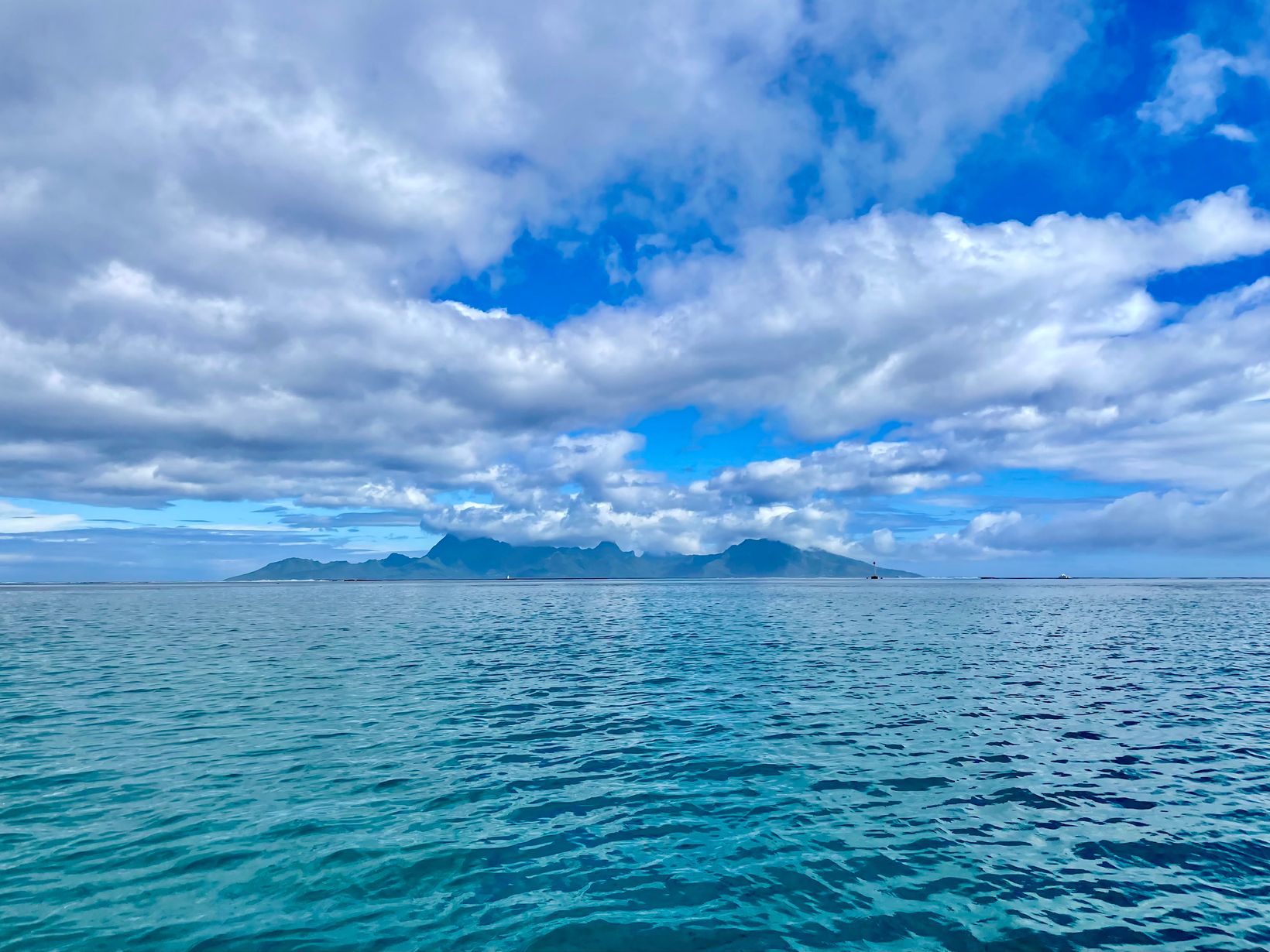
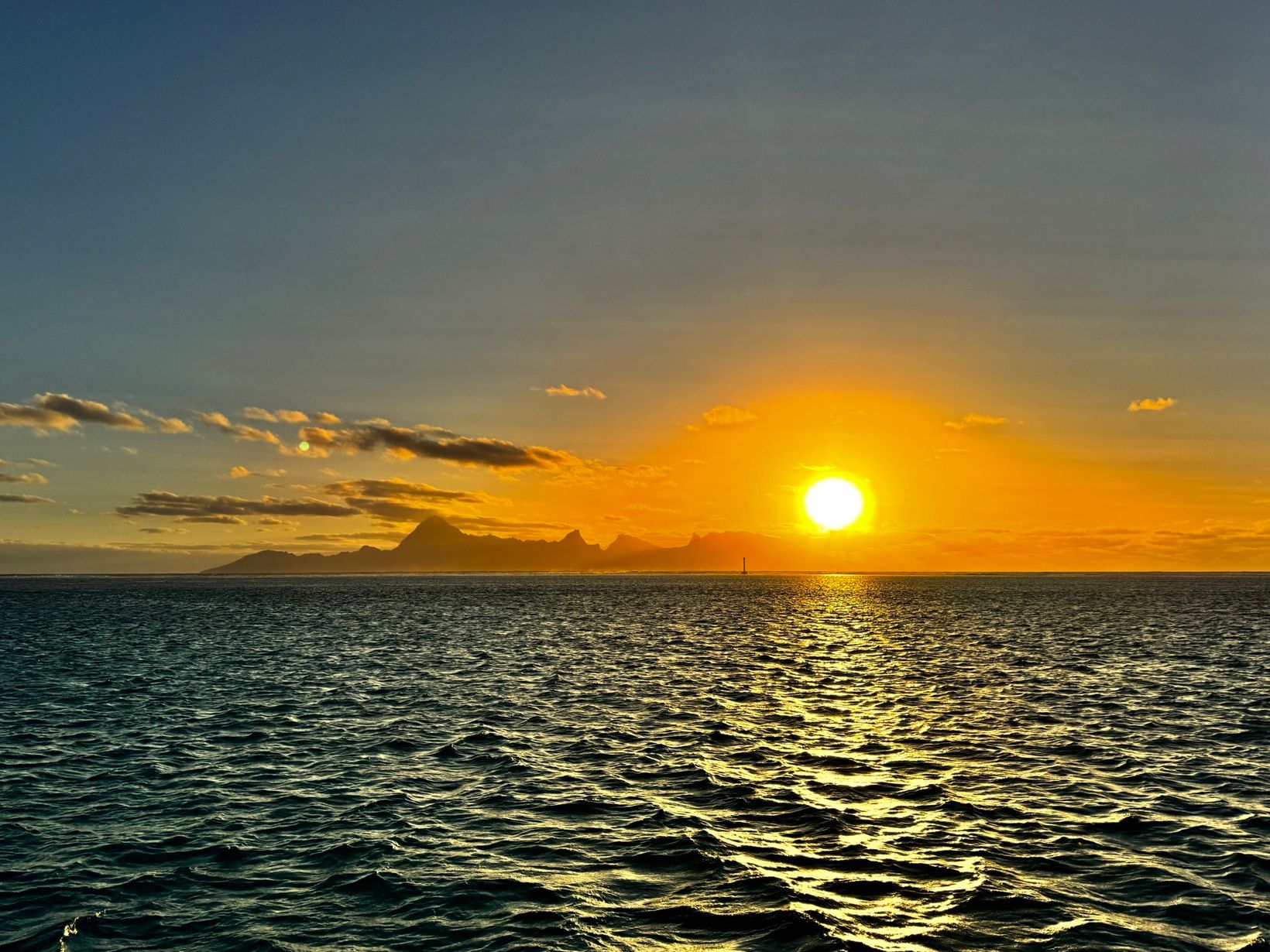
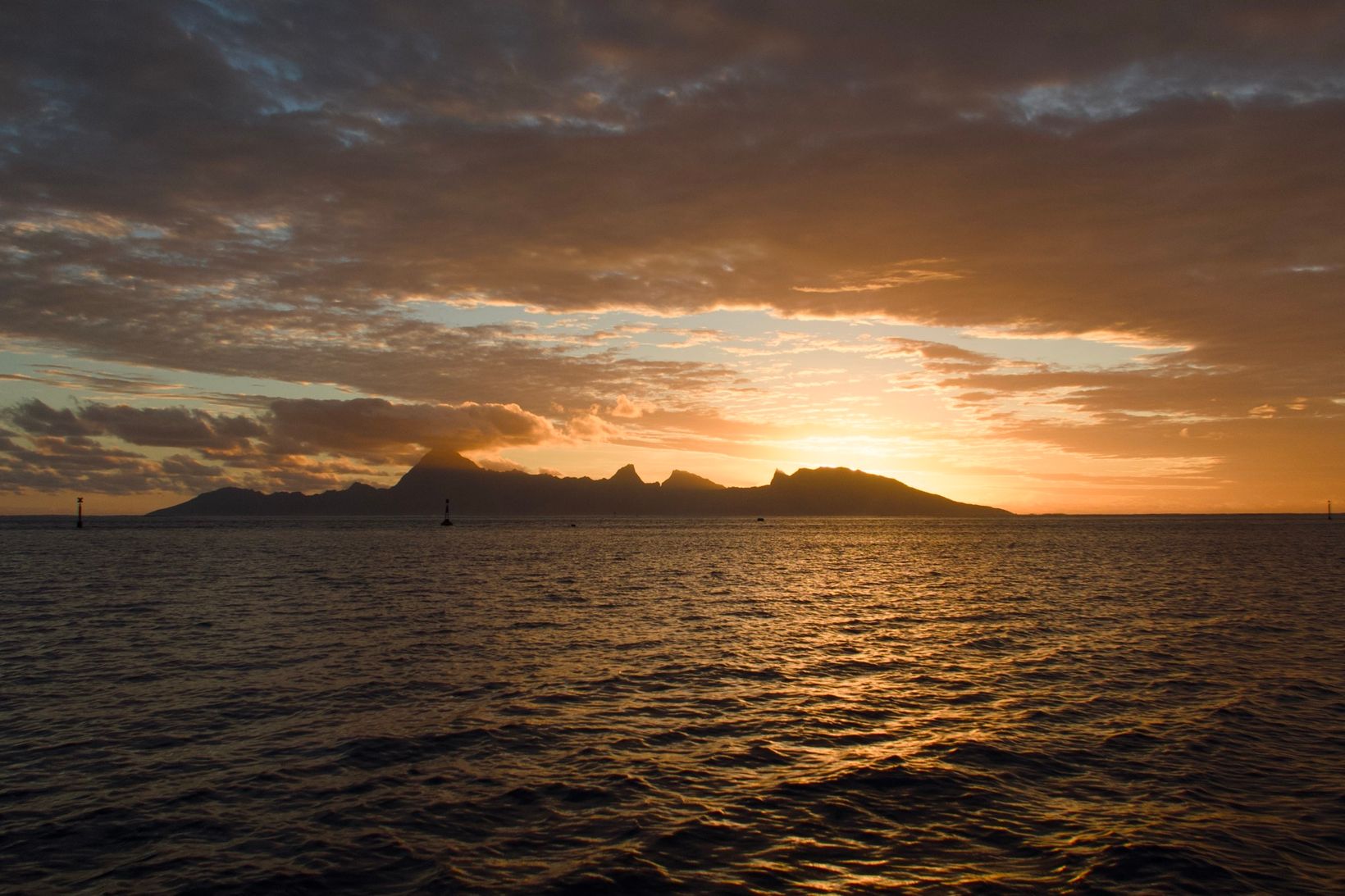
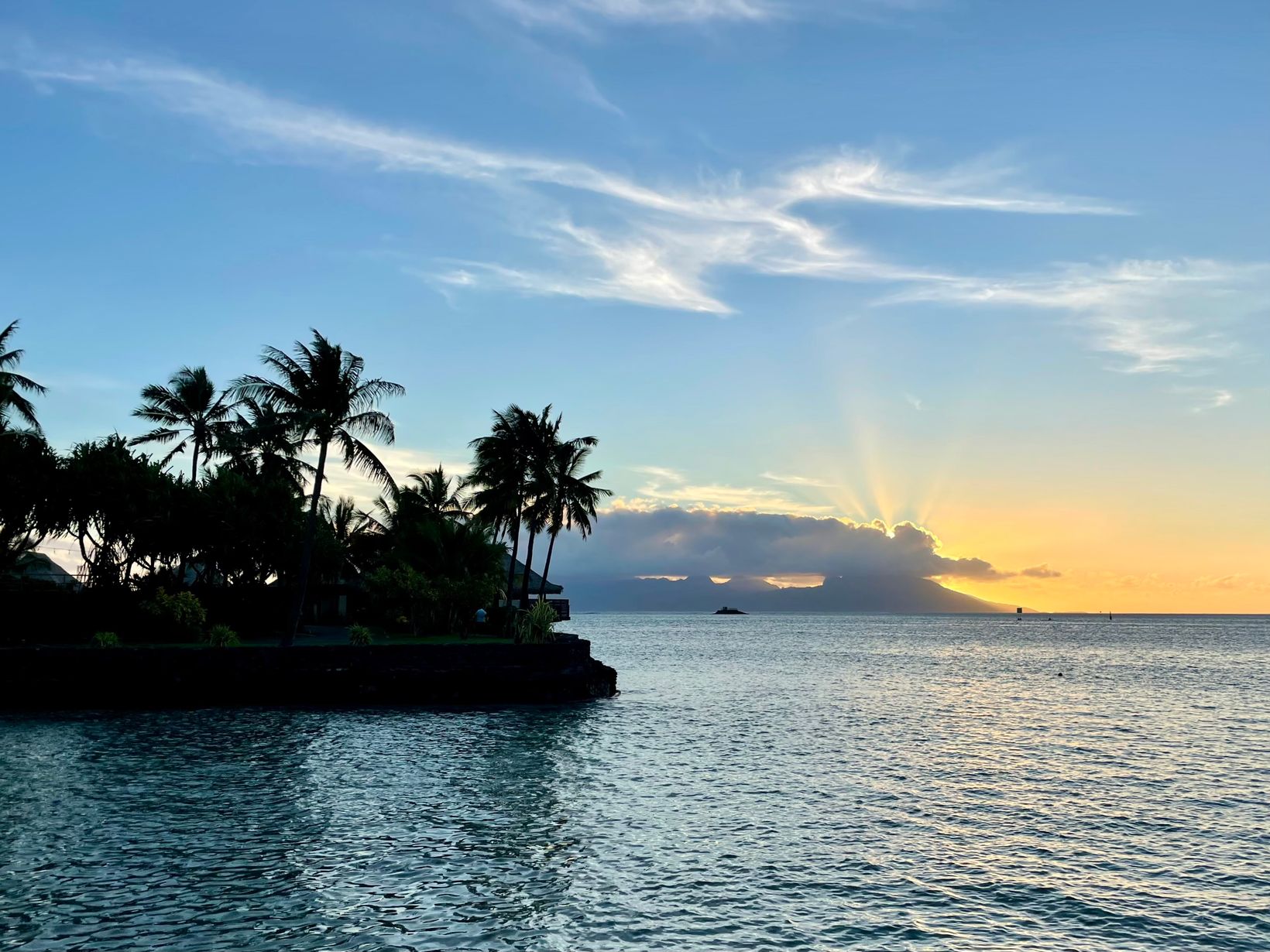
Long before we approach the reef, we see Tahiti rising out of the ocean. After weeks of flat sand dunes, the towering volcanic mountains come as a shock. But it’s not just our eyes that have to adjust. We know that Papeete is the largest city within a radius of several thousand miles, but it’s strange trying to find our way in this new environment. First, we have to wait and call for the right moment to cross the airport safety zone. Then, the gendarmerie informs us that our intended anchorage spot is not suitable. No big deal. We simply head back along the runway to Tahiti’s only semi-authorized anchorage spot. It’s a bit far from the dinghy landing spots, but it’s in fantastically turquoise water with a stunning view of Moorea. Once we’re well anchored, we set out on our first explorations ashore.
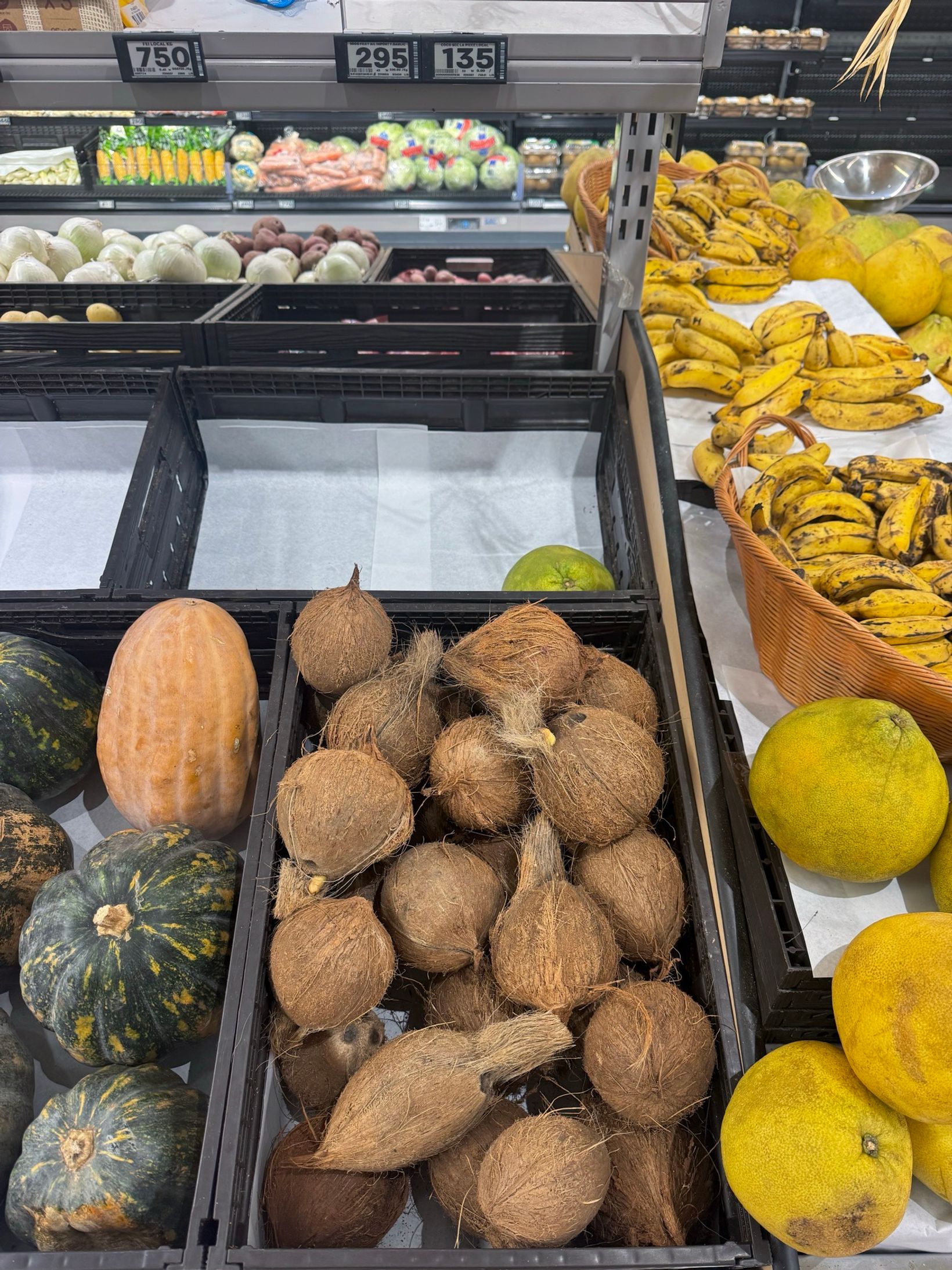
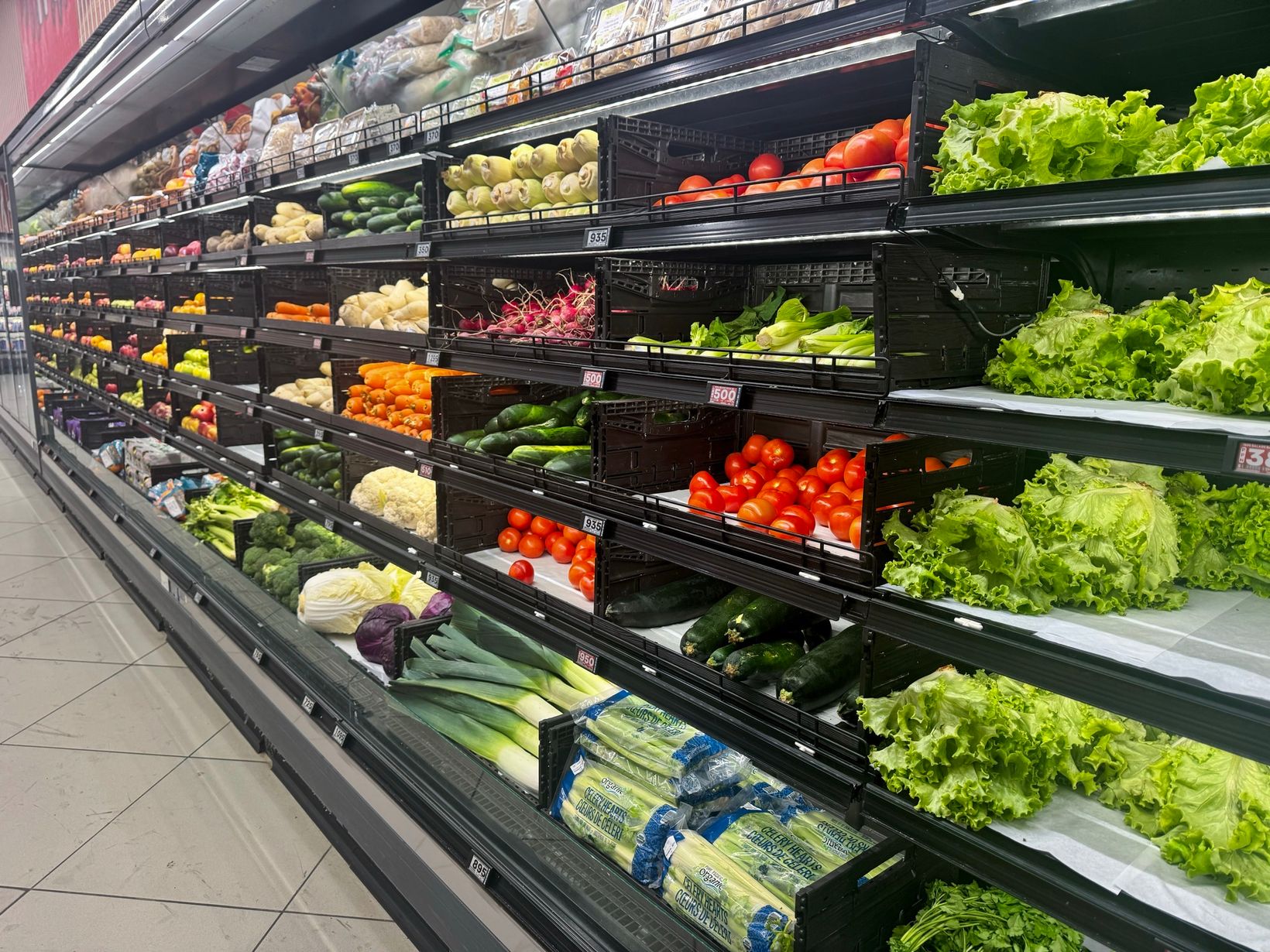
Our first destination is obvious: the supermarket. We’re overwhelmed as we wander through the Carrefour for what seems like an eternity. We drift through the aisles, marveling at and touching things in disbelief. Finally, overwhelmed by all the impressions, we head back out. The only thing we buy is a yogurt. Because, actually, we don’t need anything. Now that we’re in Papeete, we can eat out. And we start doing that the next evening at the Intercontinental’s Hotel buffet. We buzz around the salad bar with excitement and then sit down to watch a dance performance.
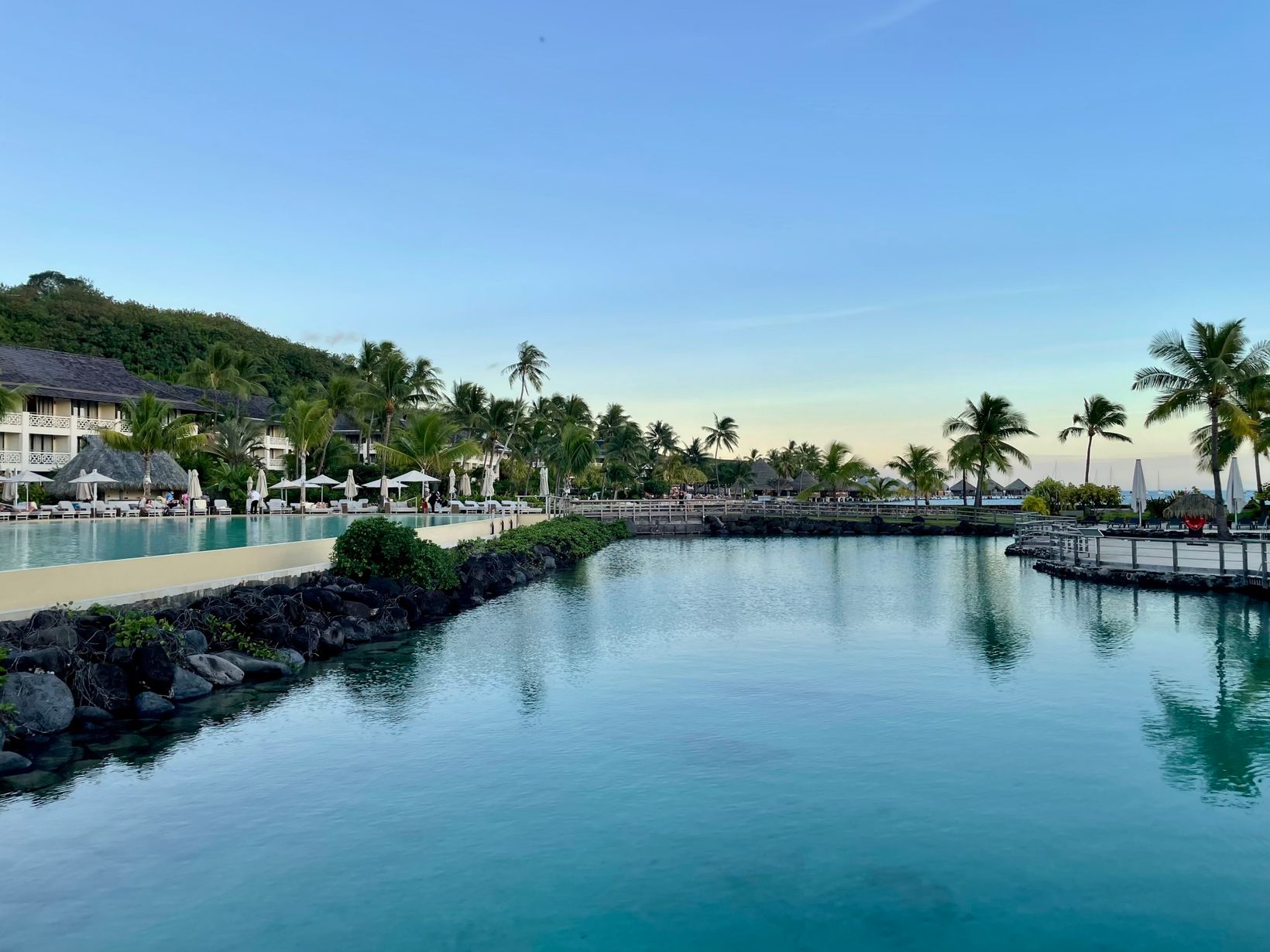
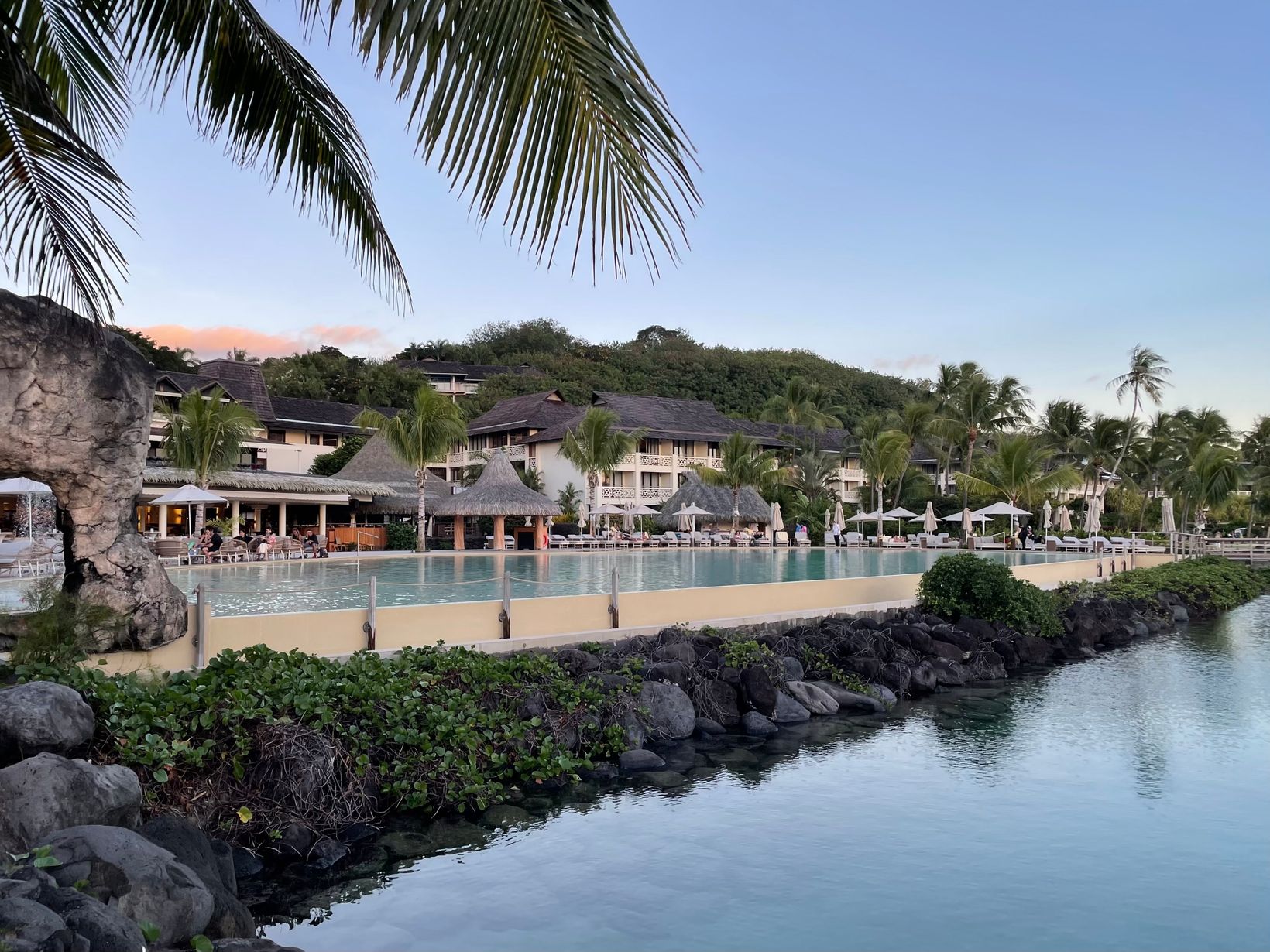
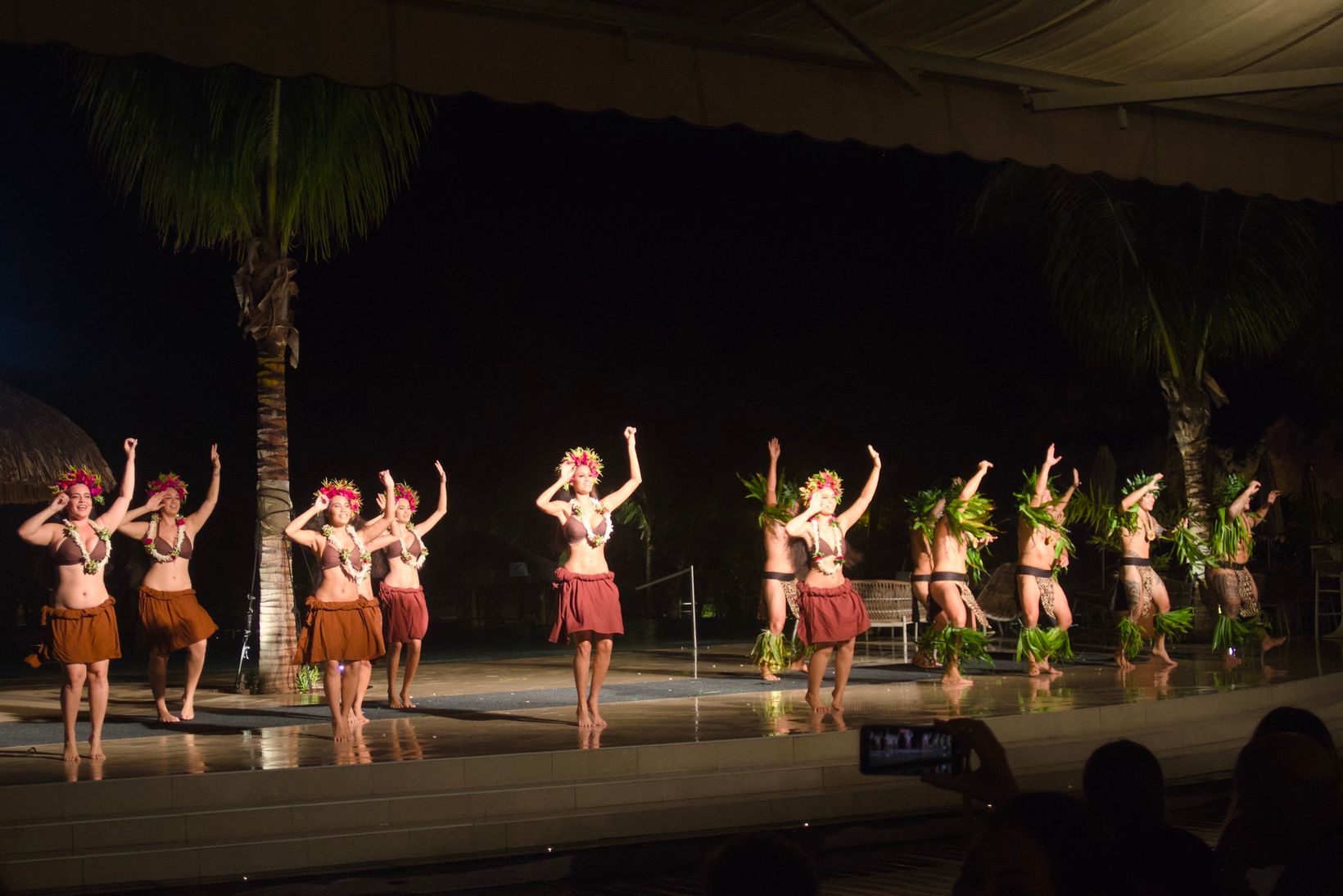
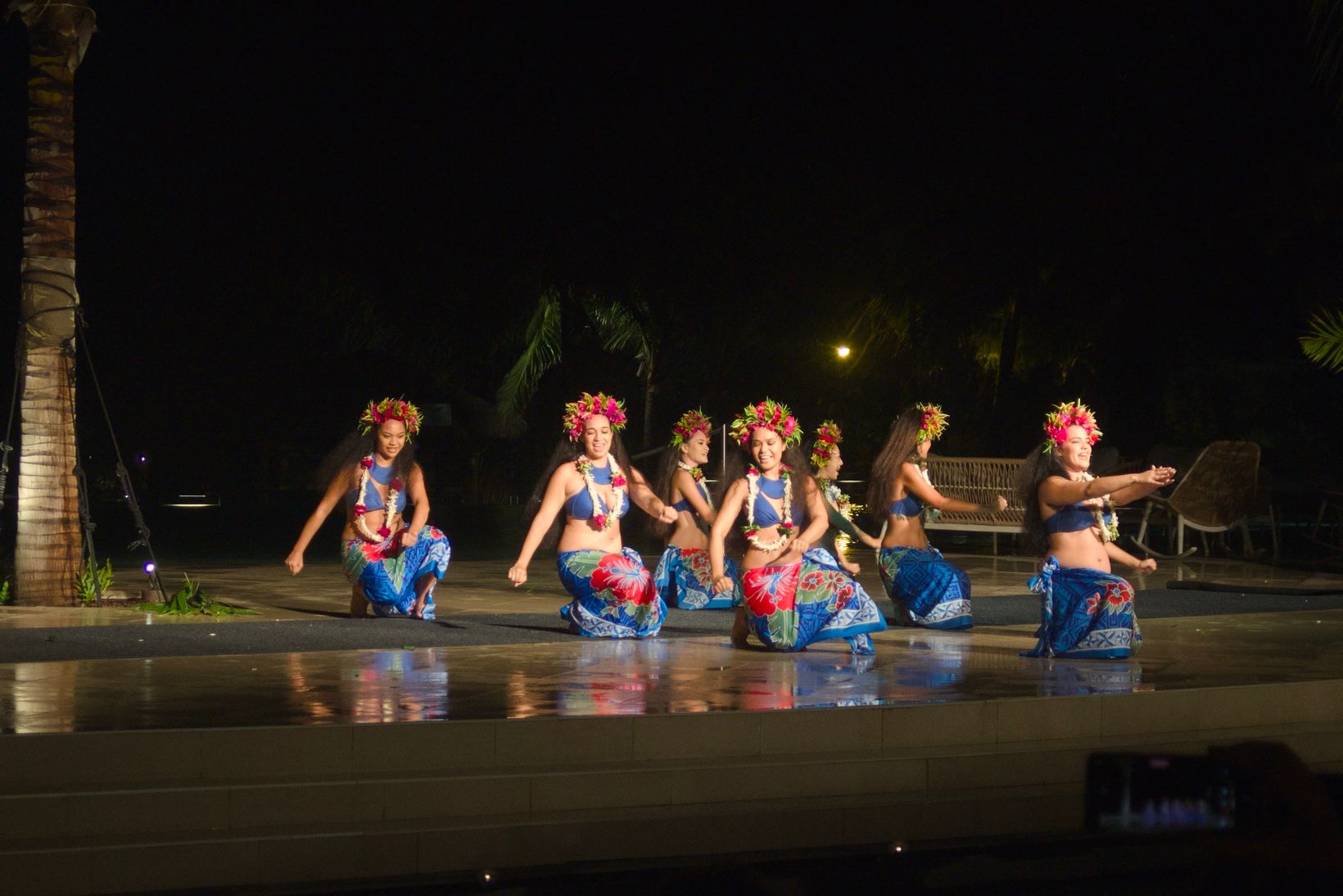
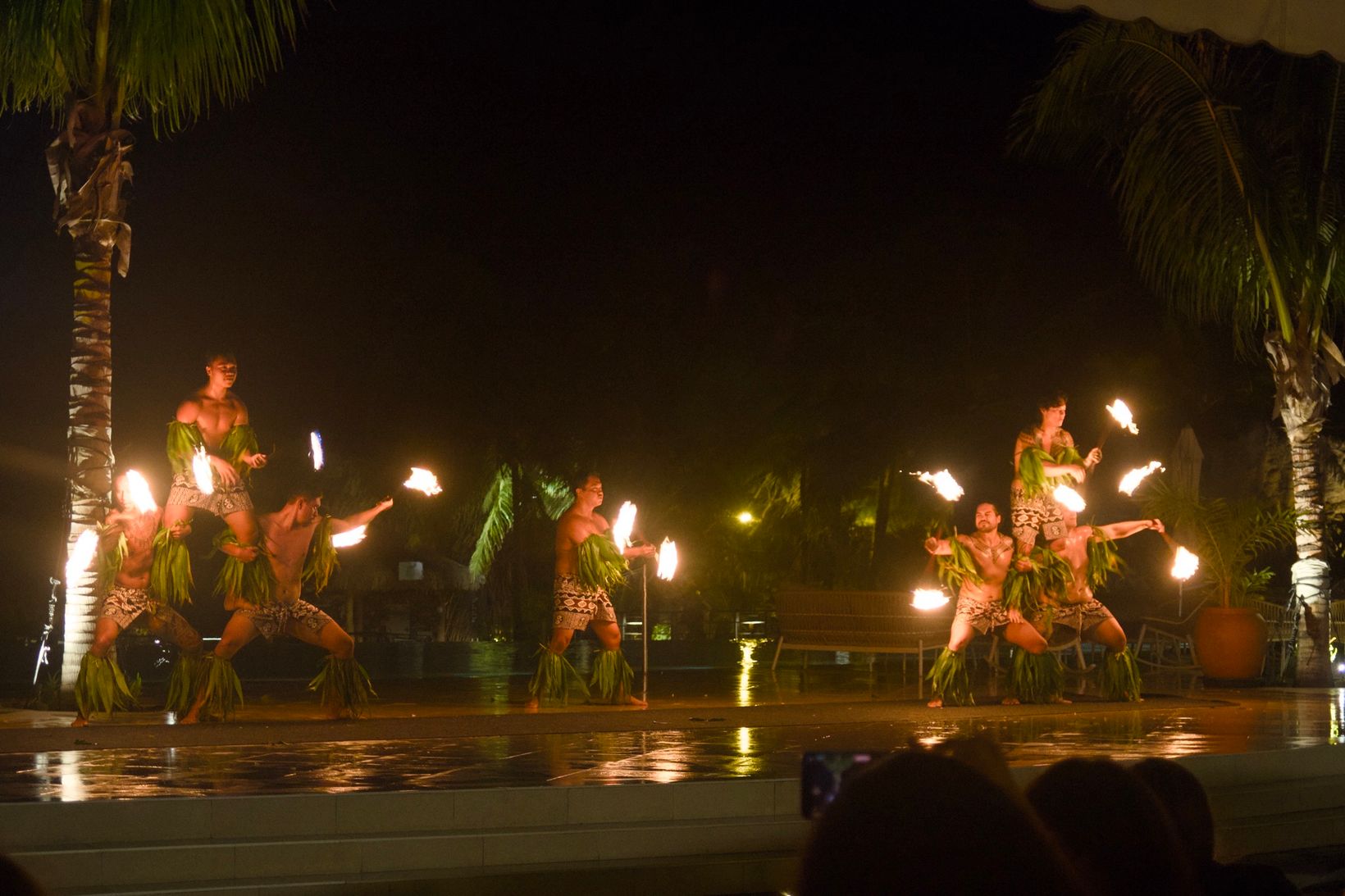
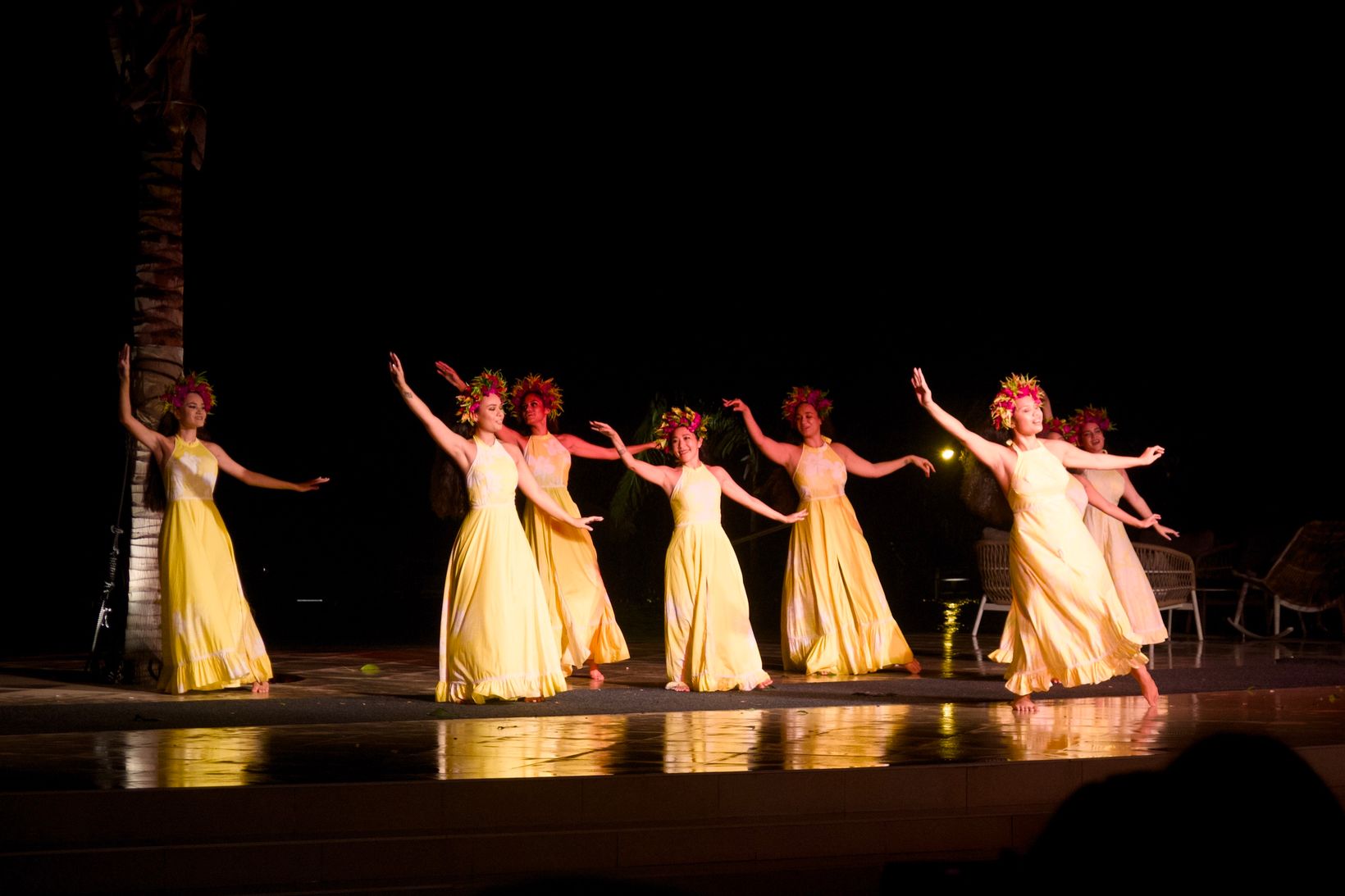
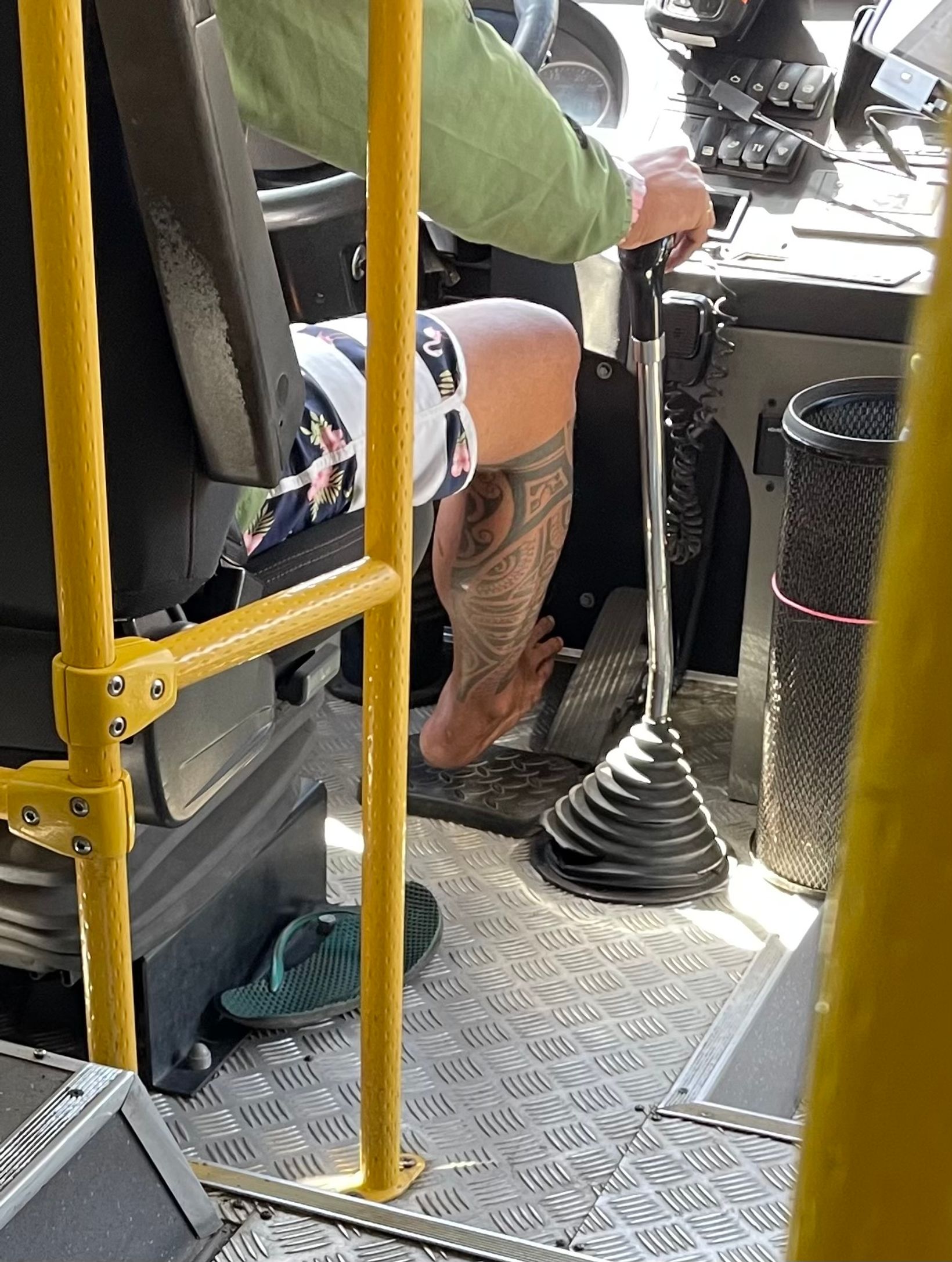
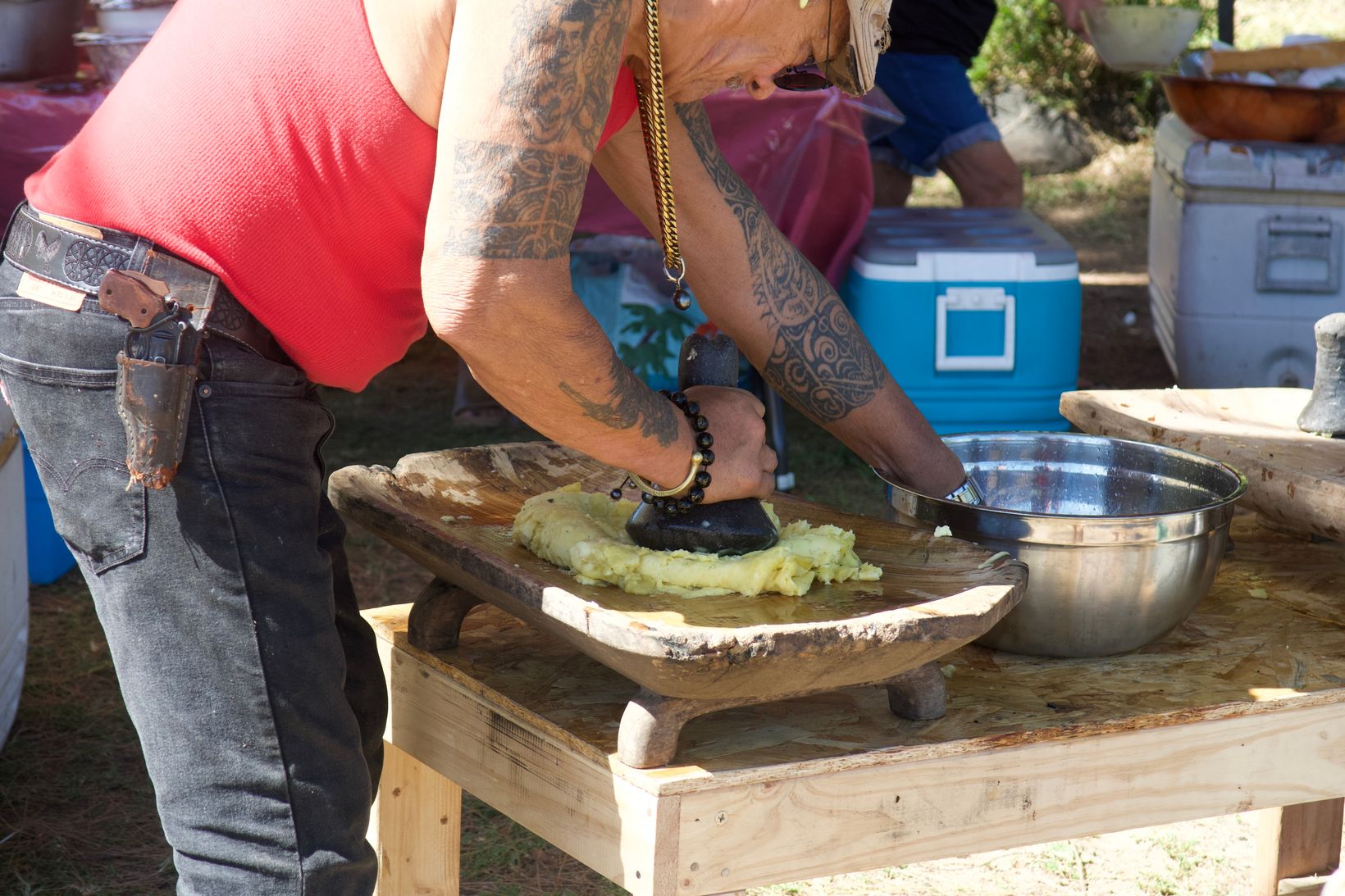
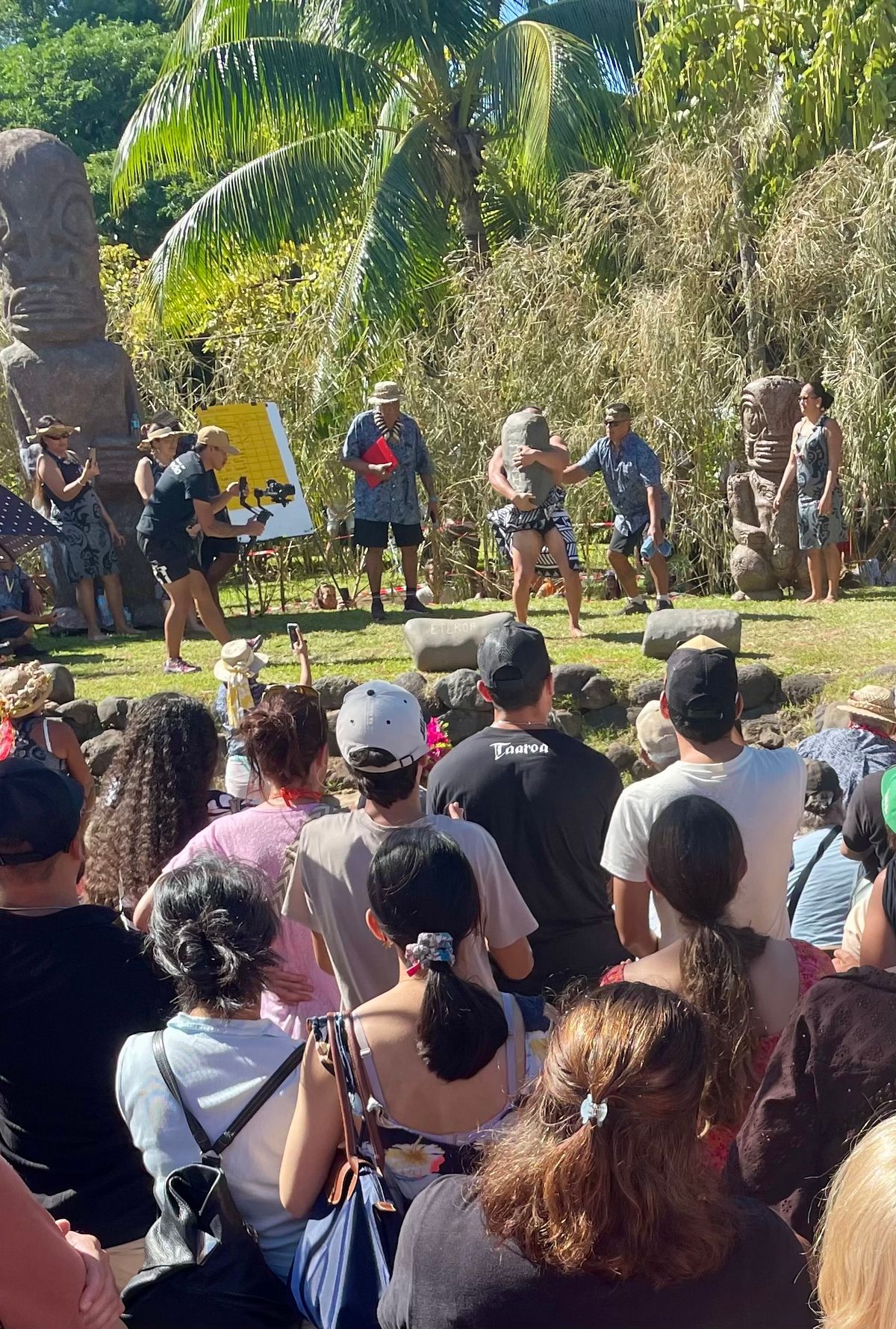
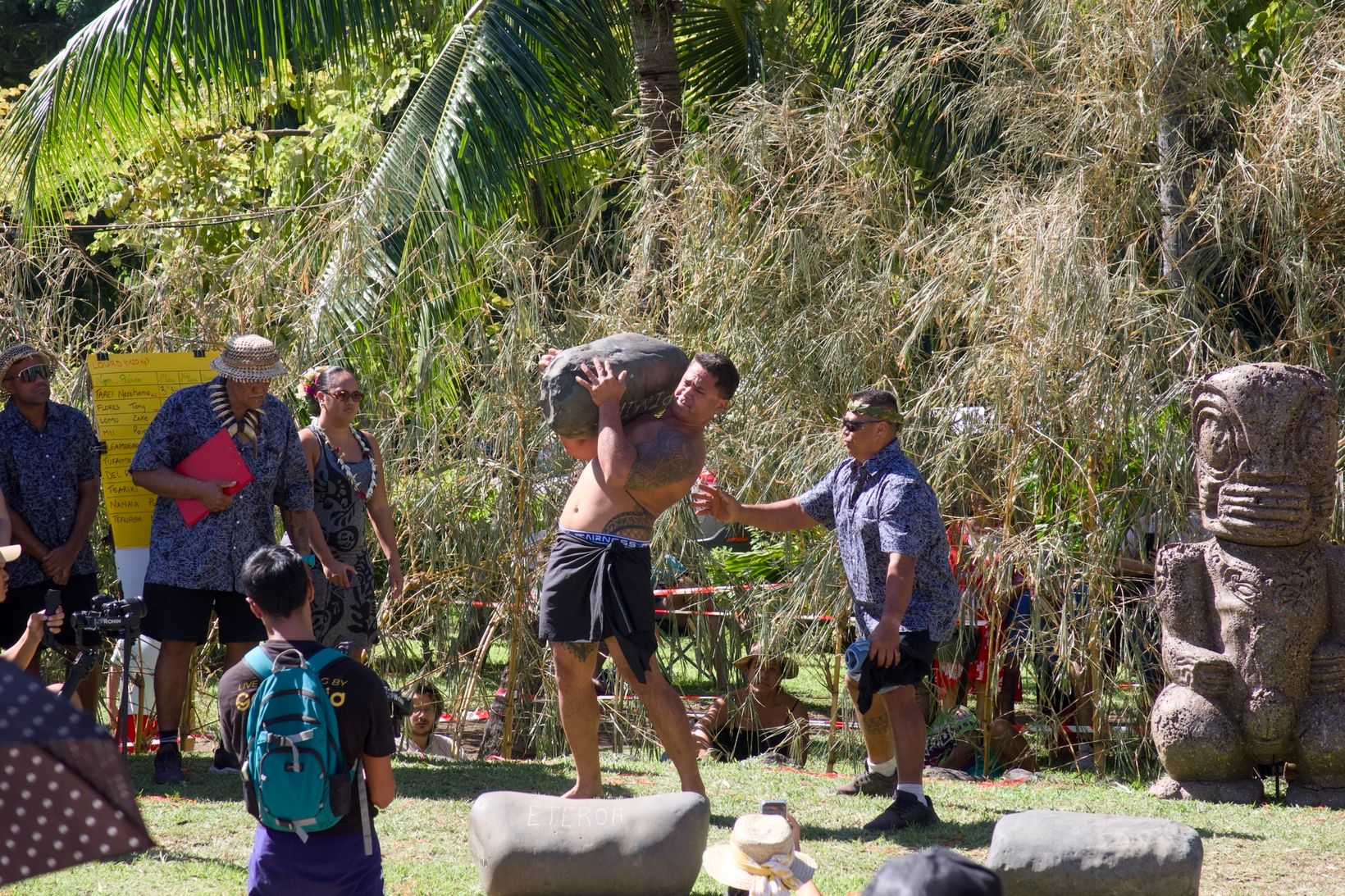
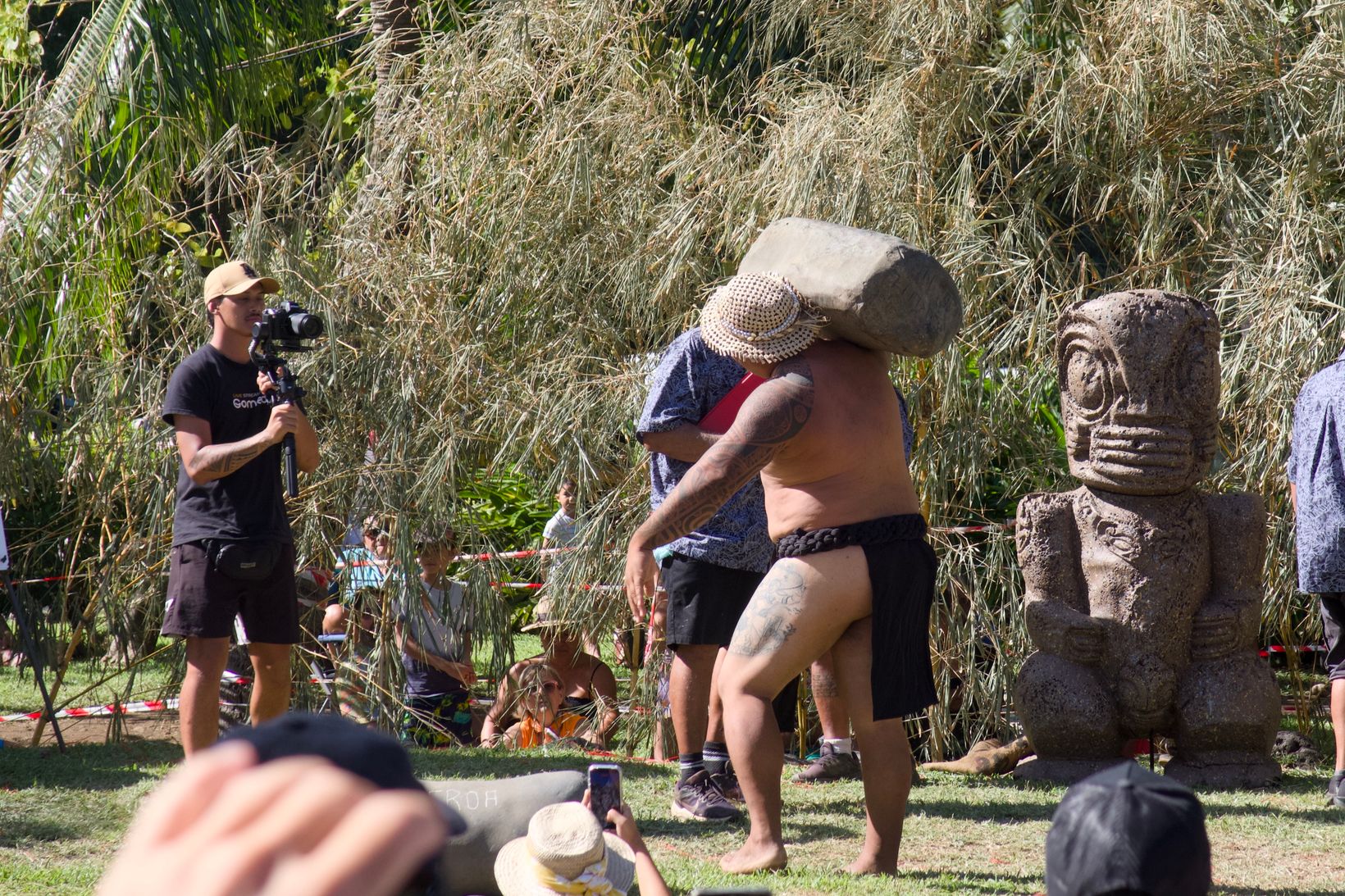
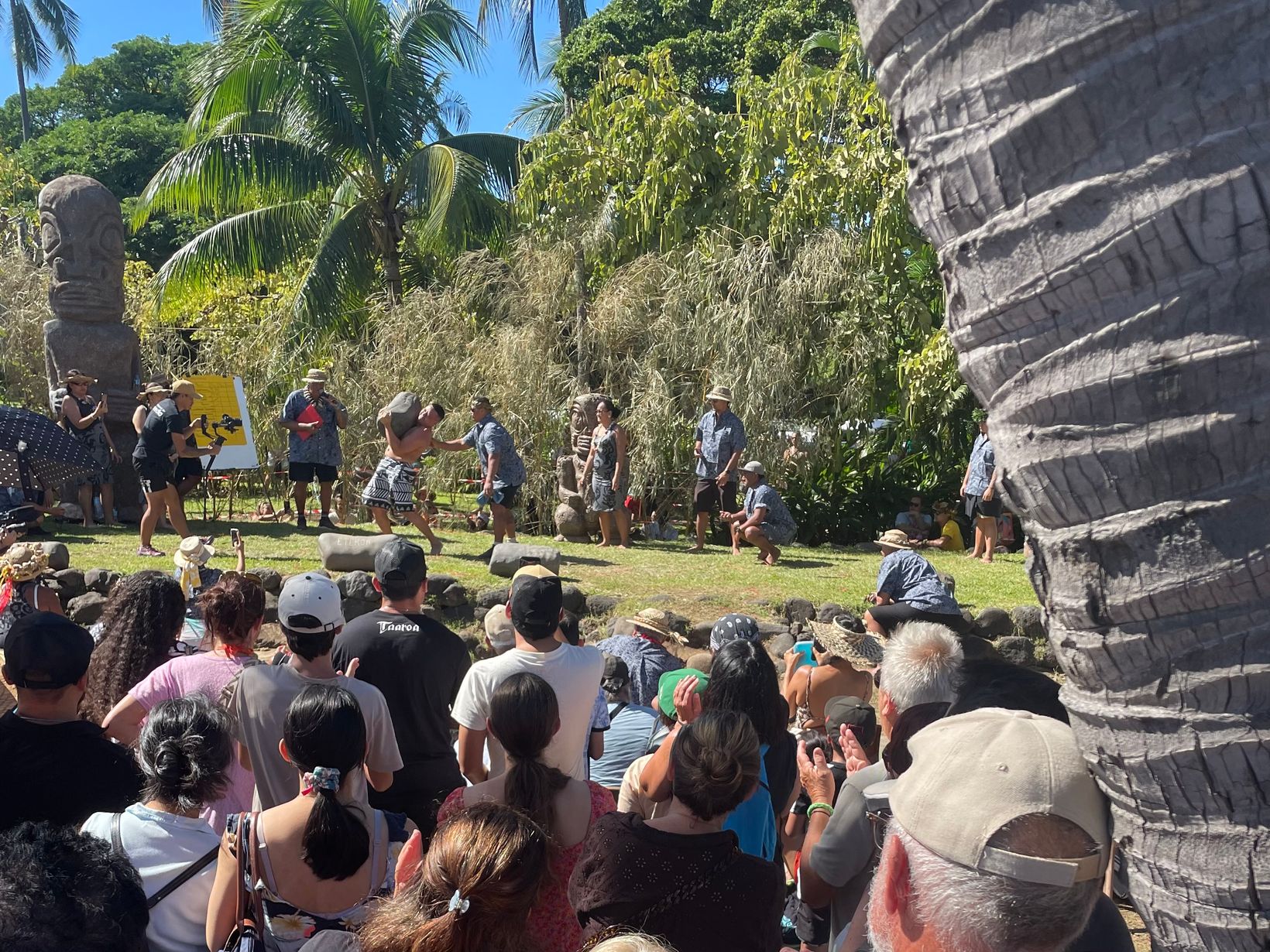
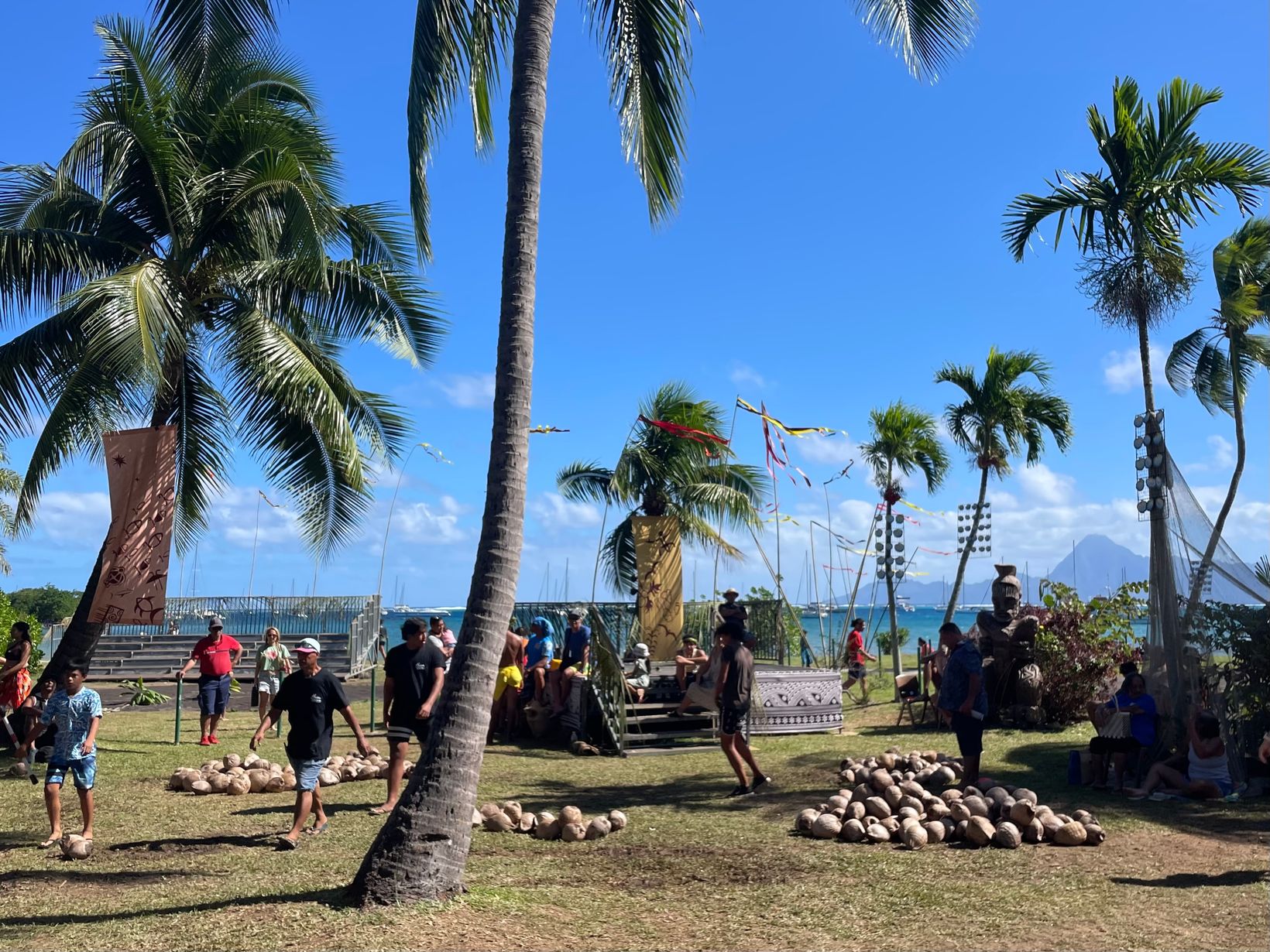
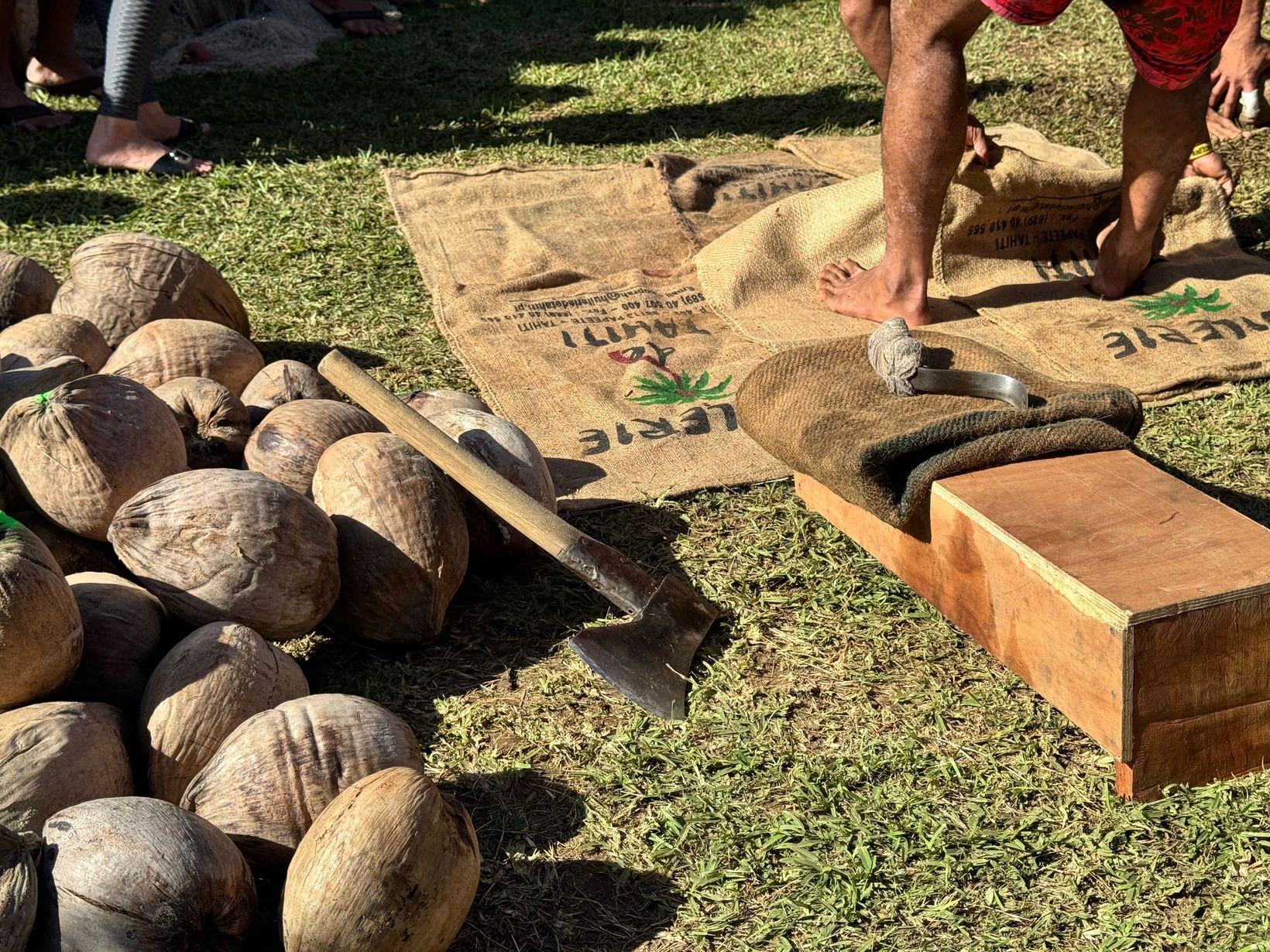
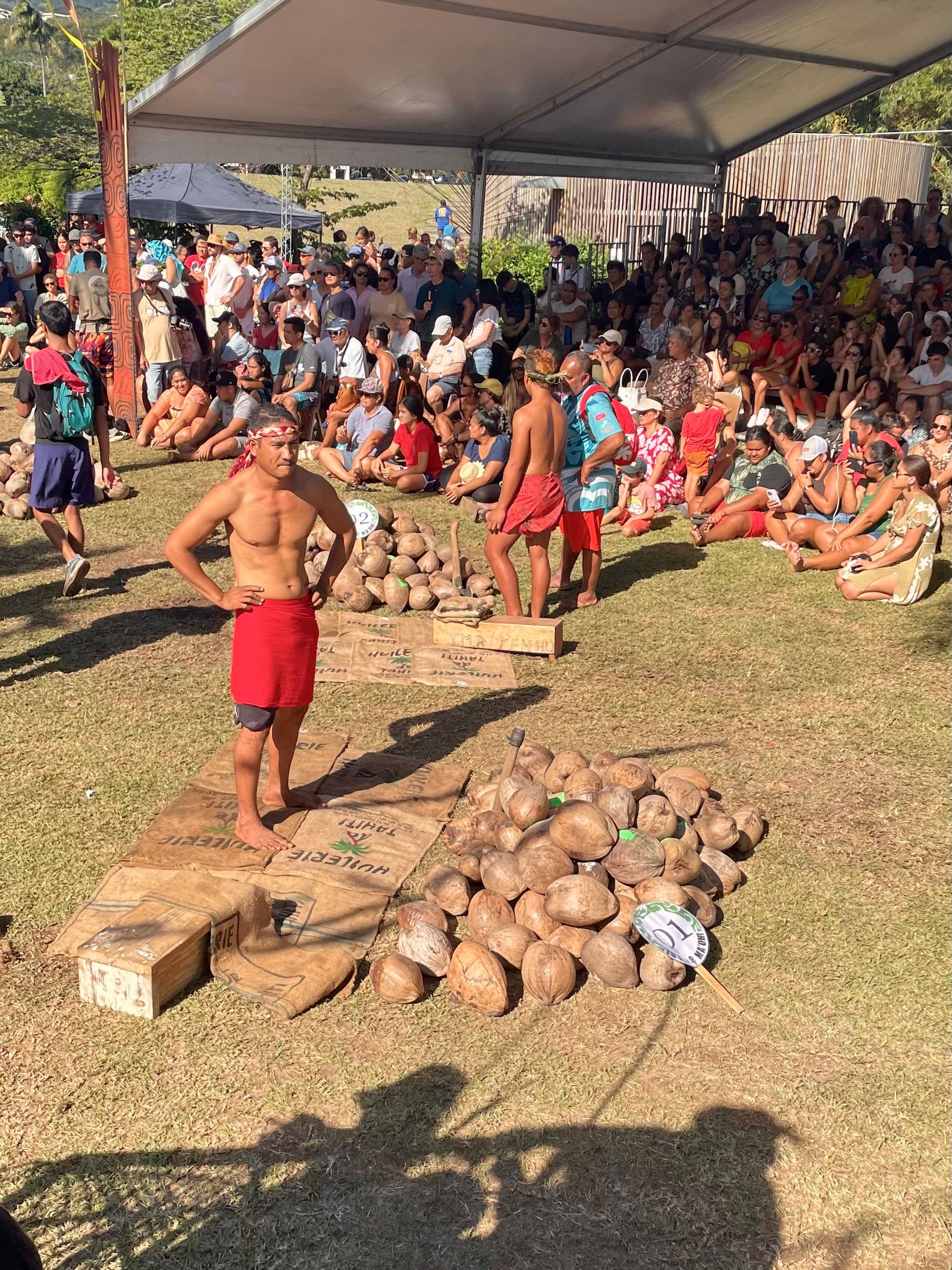
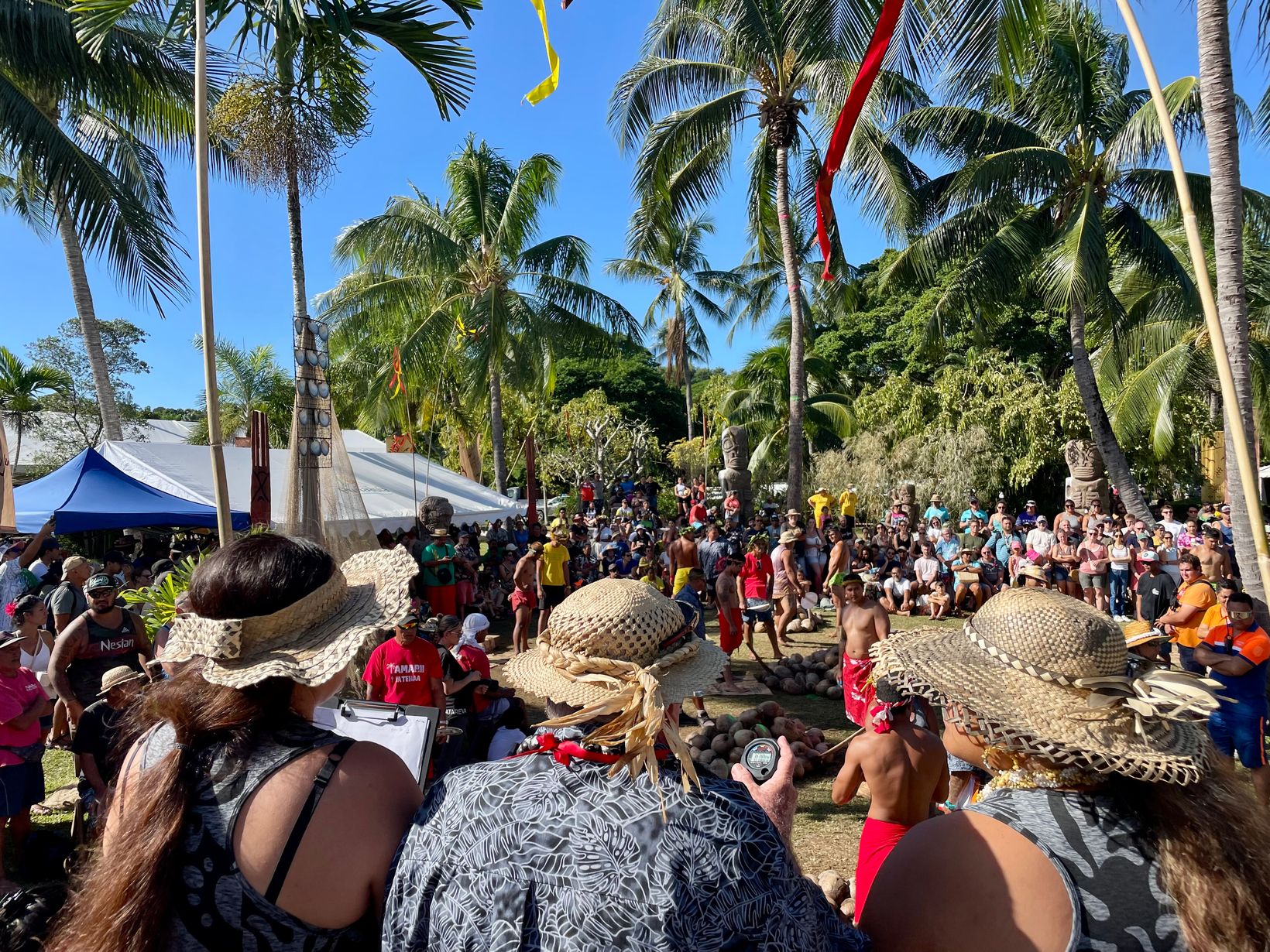
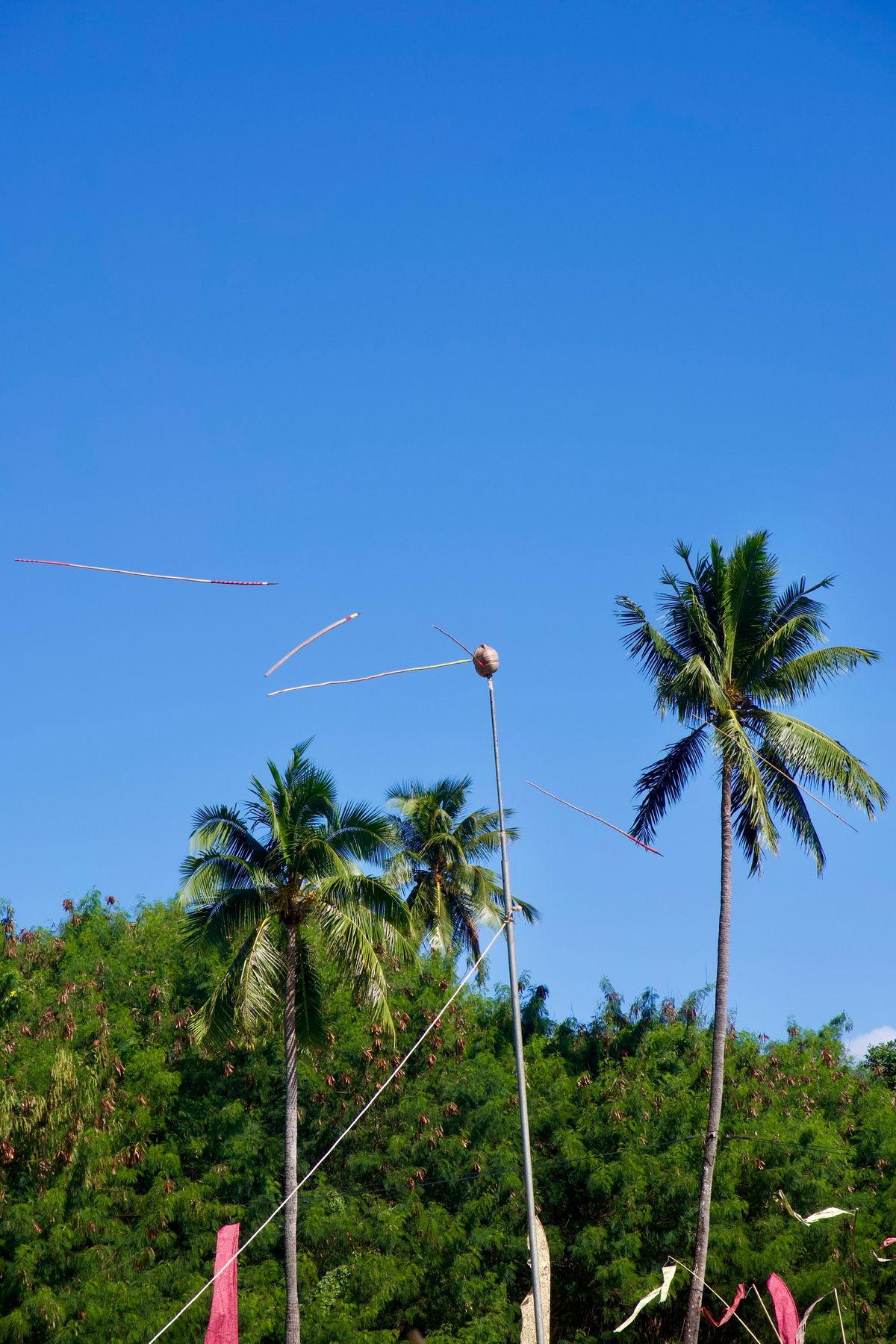
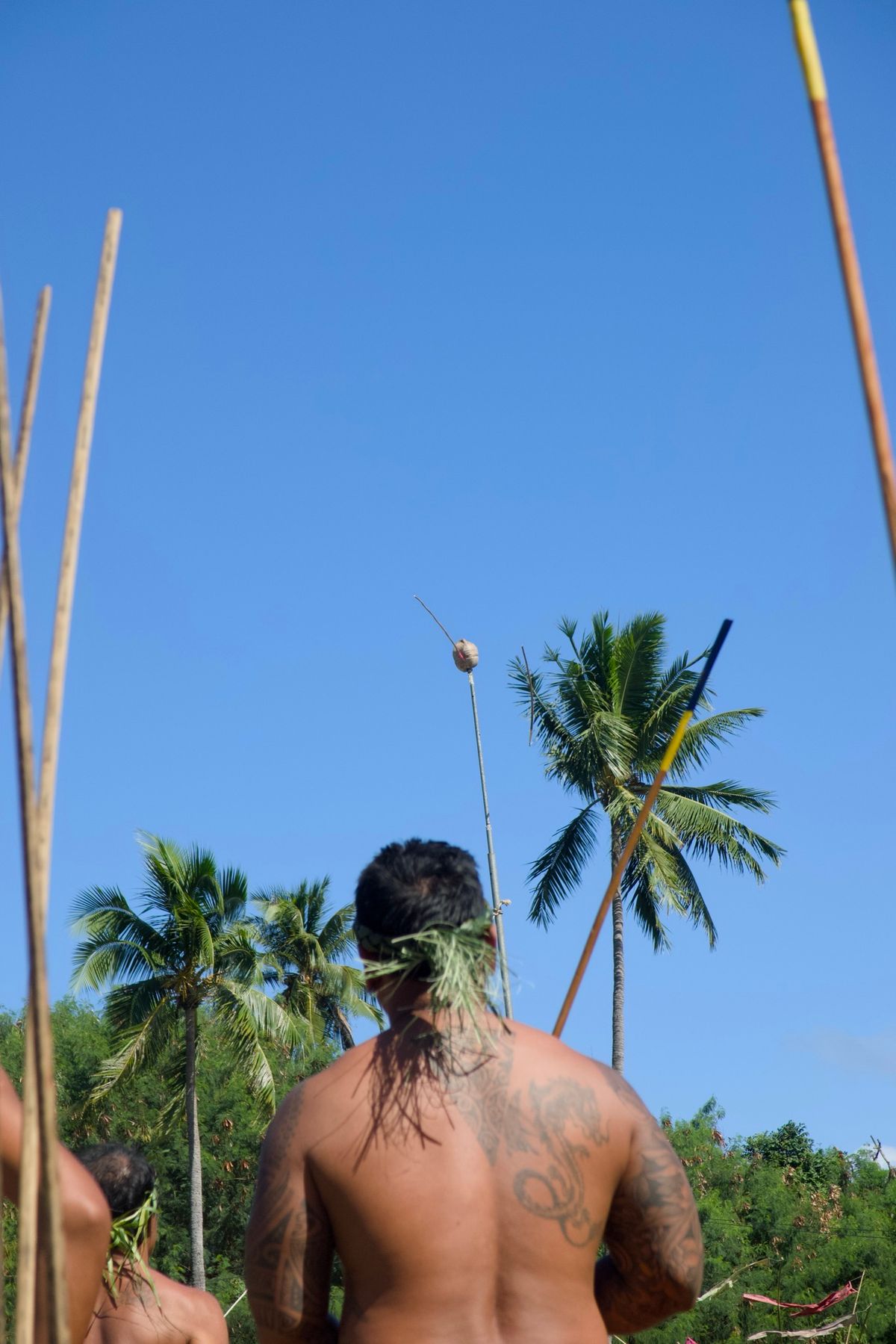
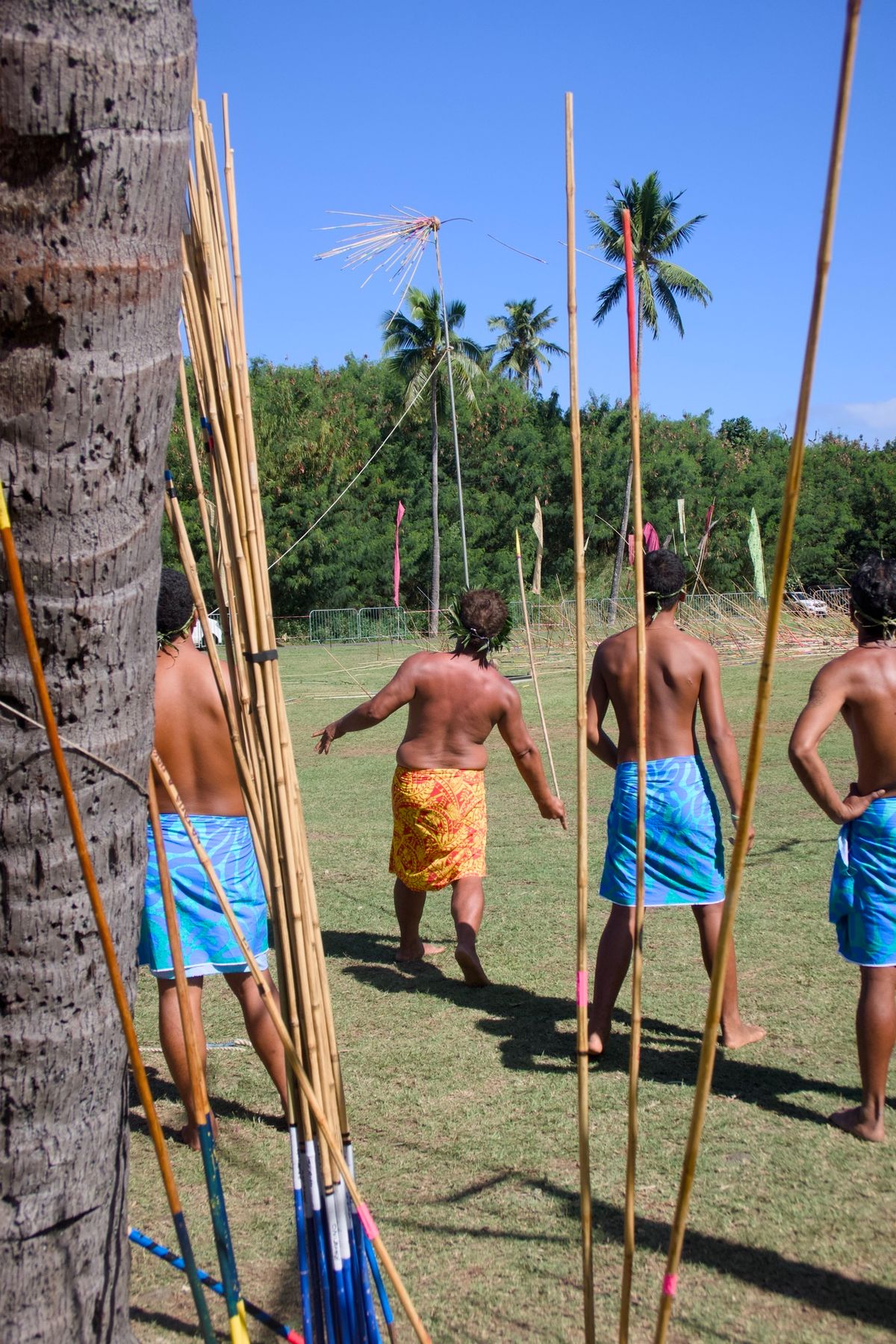
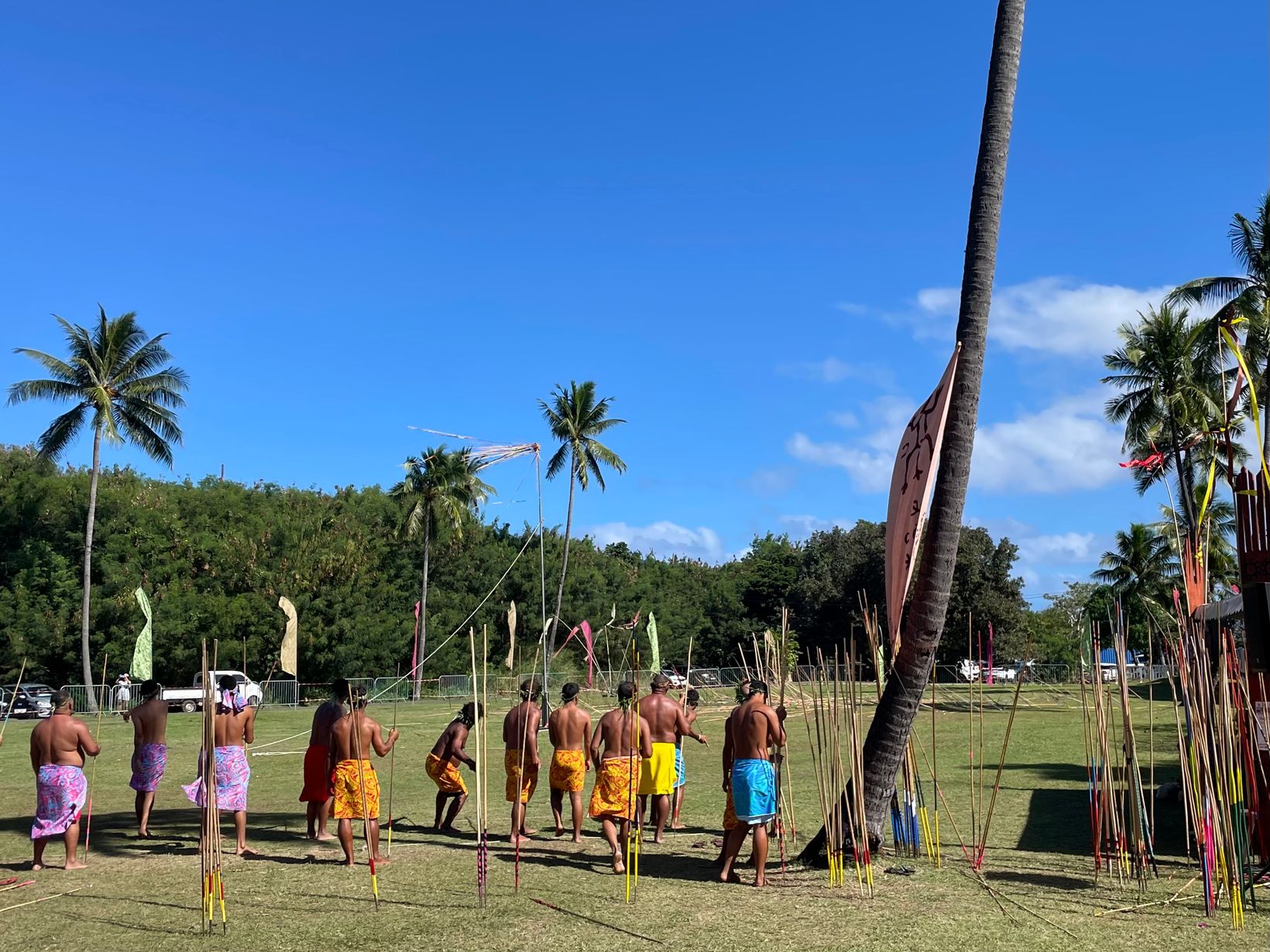
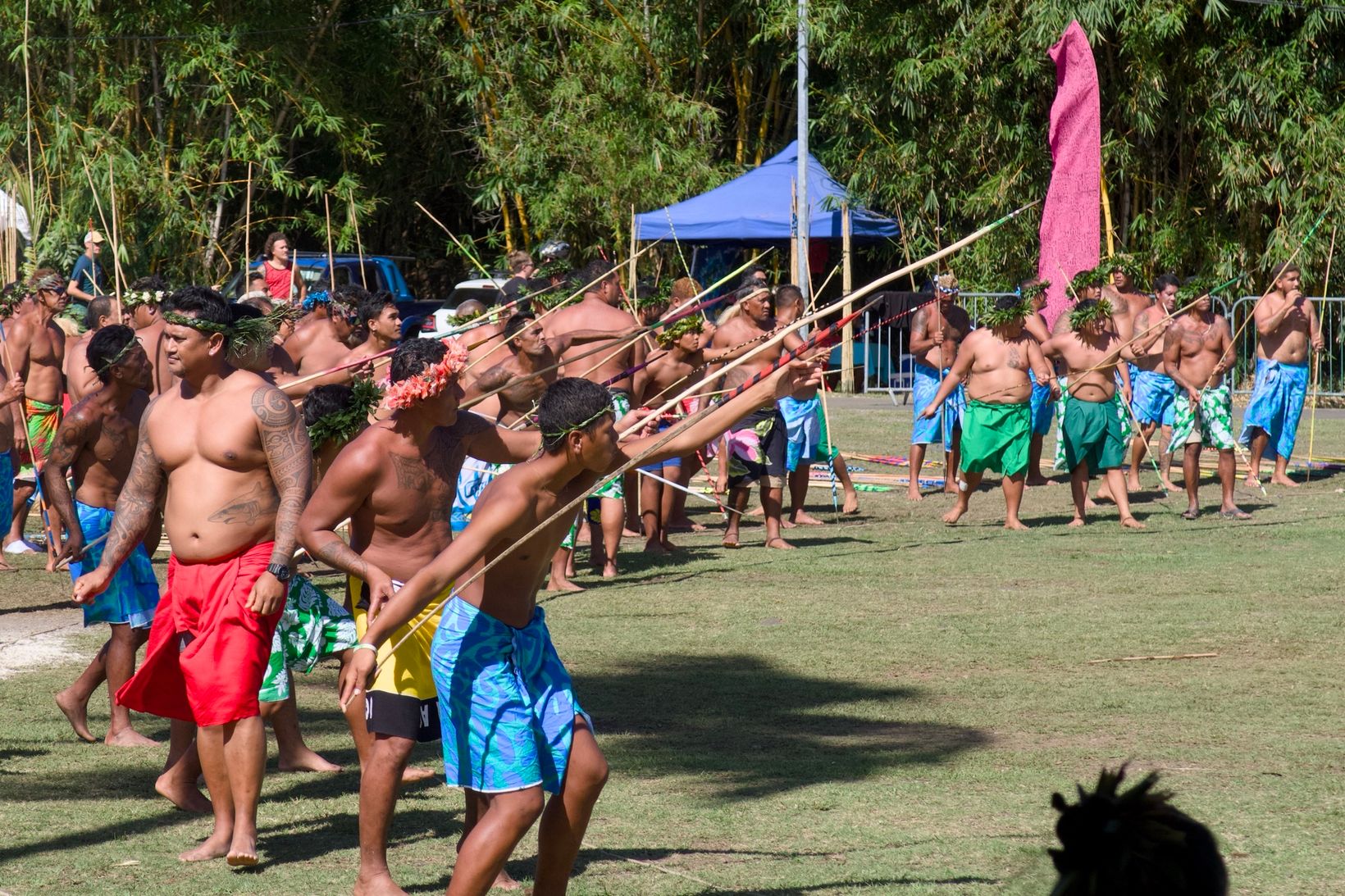
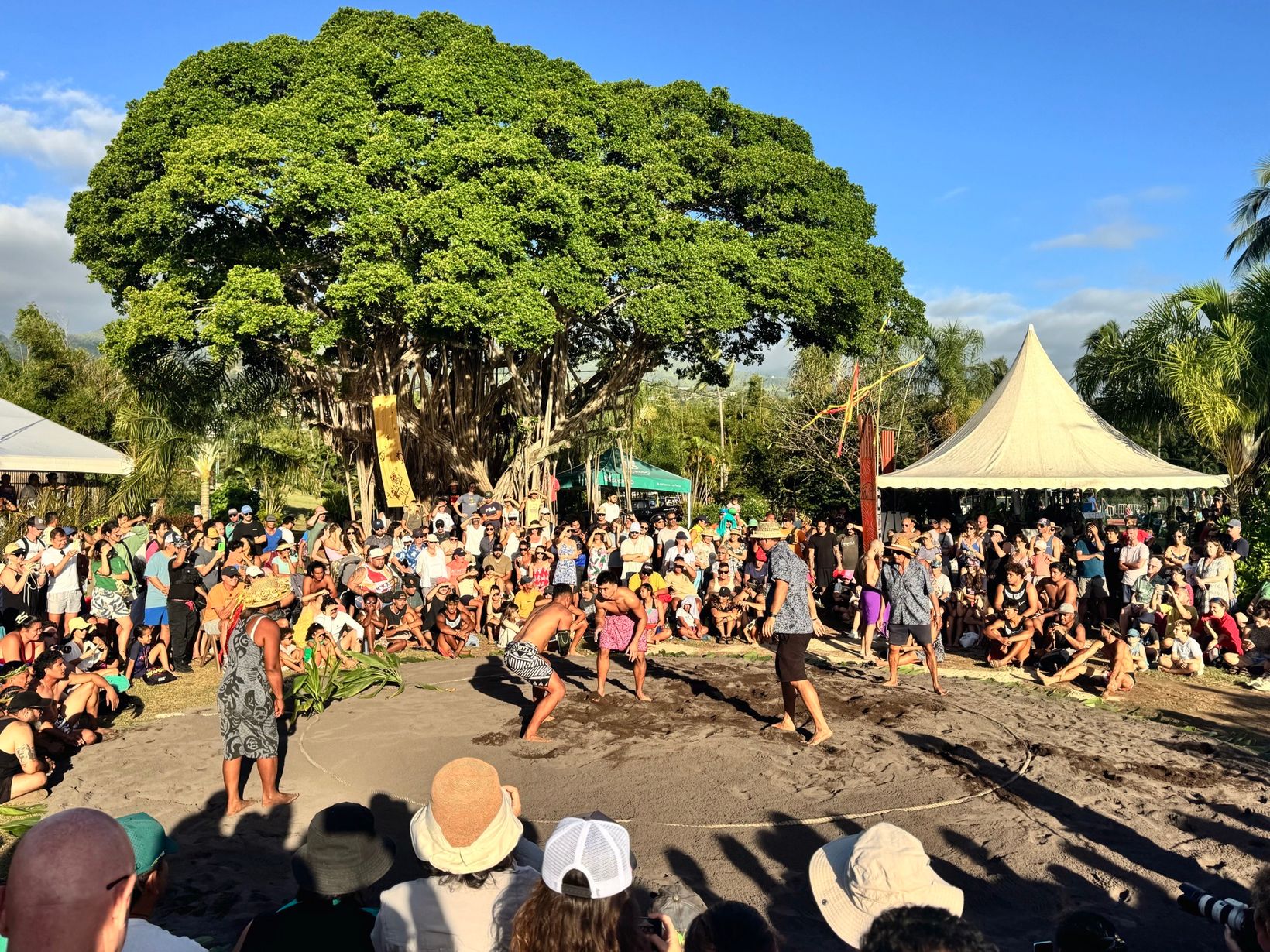
We’ll see plenty more dancing in Tahiti, because it’s Heiva i Tahiti, a Polynesian cultural festival that takes place every July. The festival celebrates traditional crafts, sports, dance, and music. Events and competitions are held all over the city. We’re getting used to the island pace, the abundance of flowers, and the incredibly laid-back bus drivers. Fortunately, one of the sports competitions is easily accessible by dinghy, and we spend a few entertaining hours at an event where men compete against each other in traditional disciplines. After the opening ceremony, the competition begins with stone lifting, followed by coconut husking, spear throwing, climbing, and wrestling. The athletes have traveled from all over the Polynesian Triangle. We learn that lifting stones weighing over 100 kilograms are no problem, that you can hit a coconut with a very thin spear, that one well-aimed axe blow is enough to split a coconut, and that you can climb a palm tree over ten meters high in four seconds—at least, if the cloth around your hips doesn’t slip while you’re doing it. Practice makes a Polynesian master.
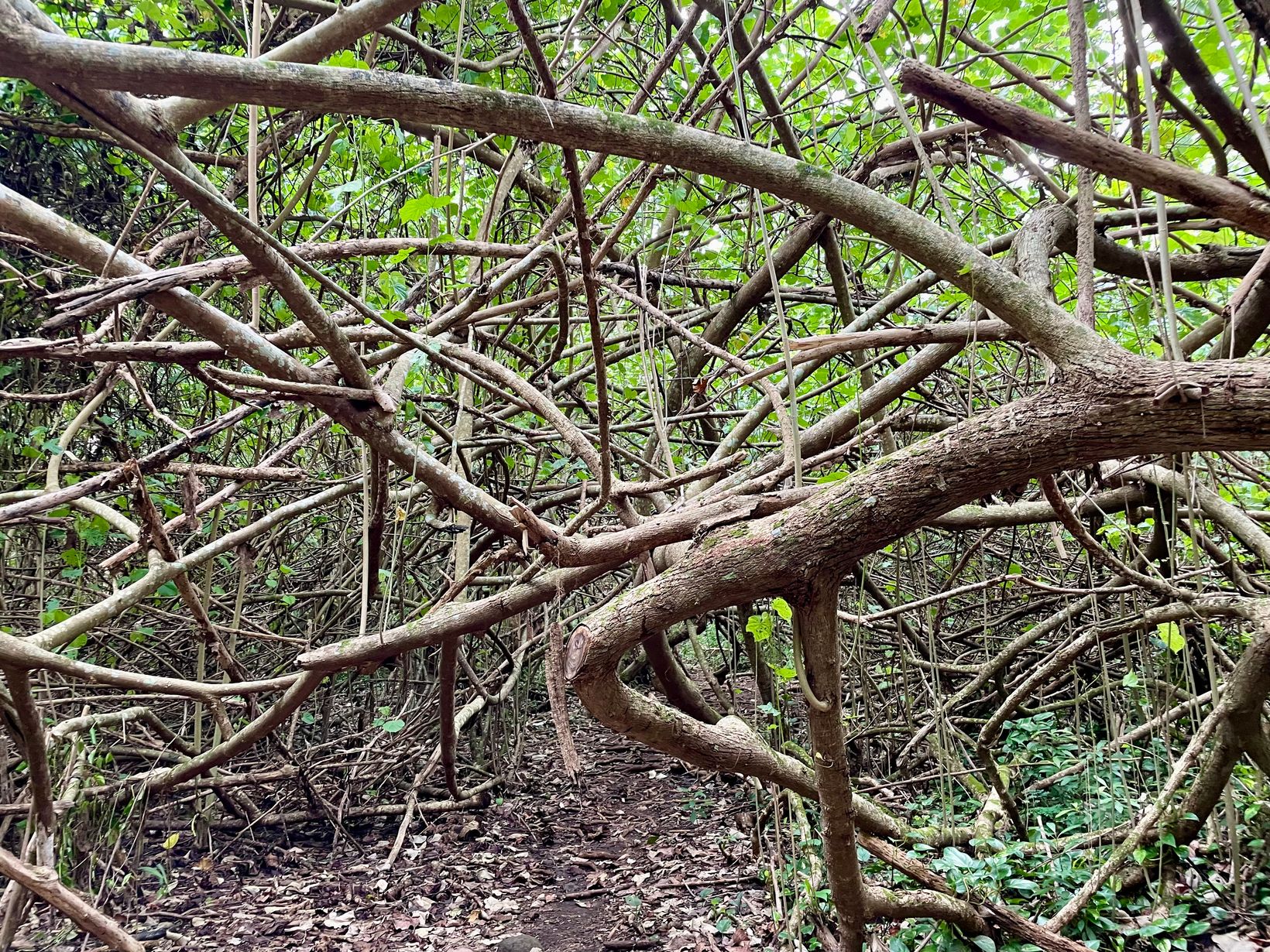
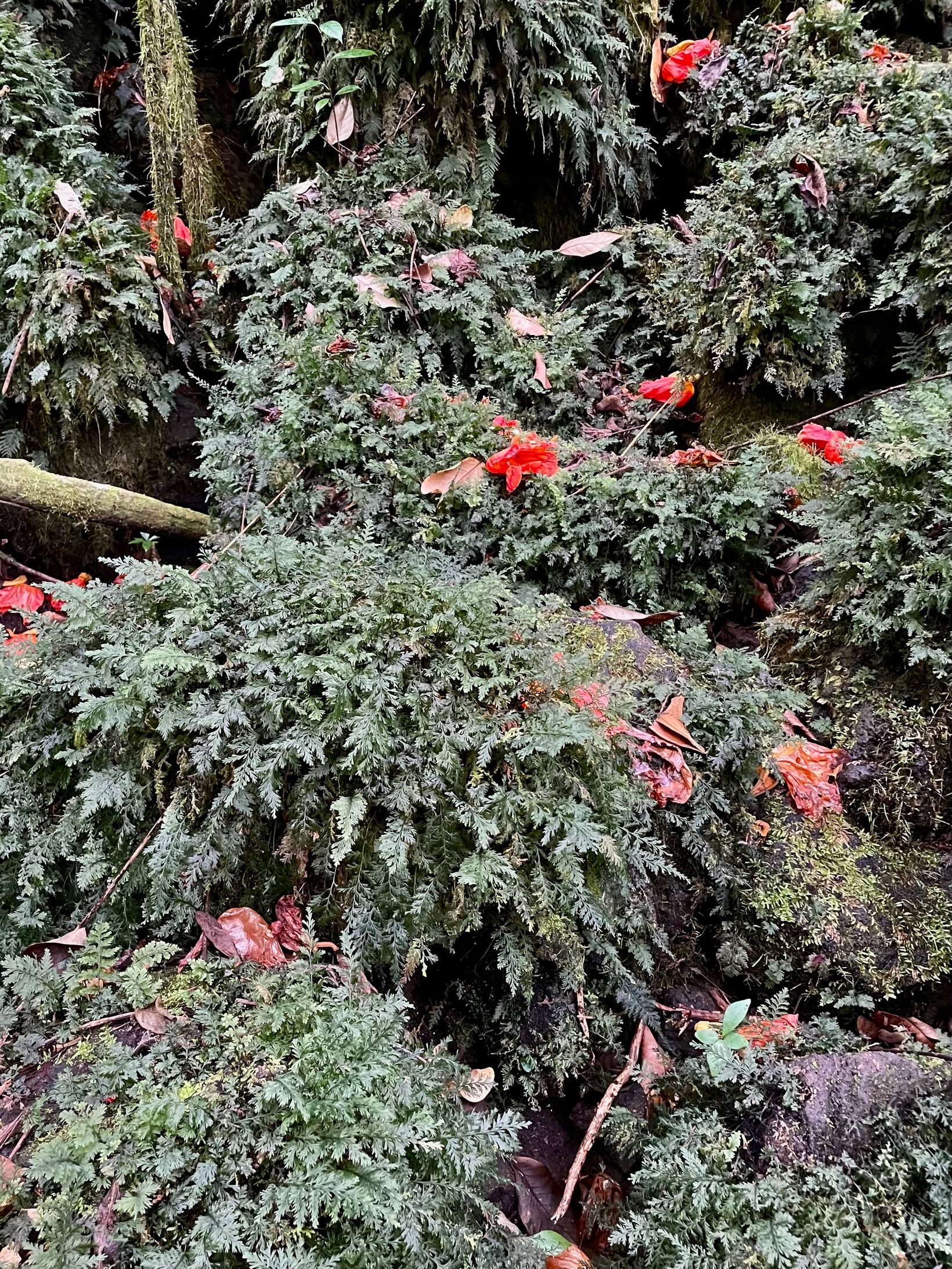
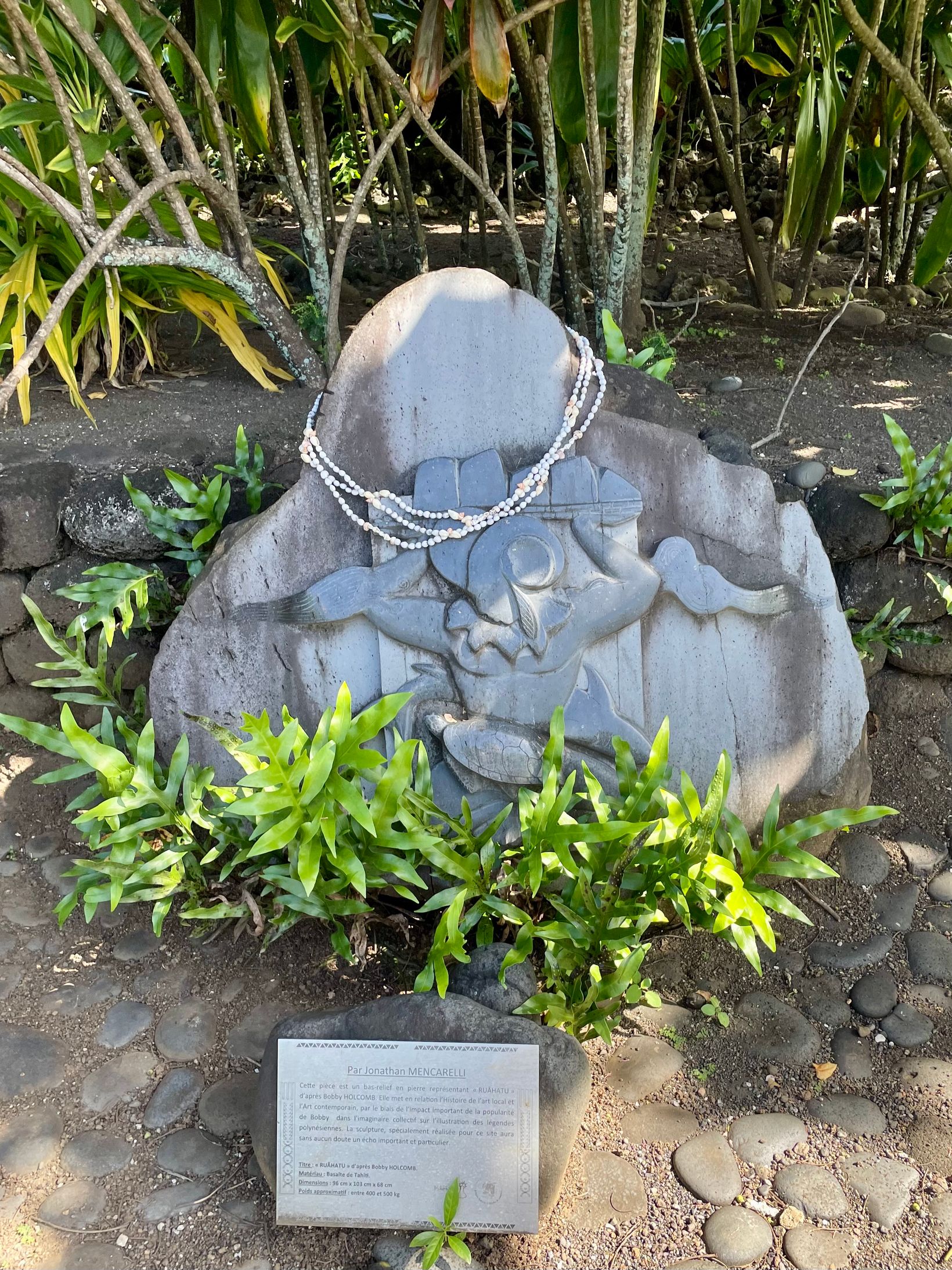
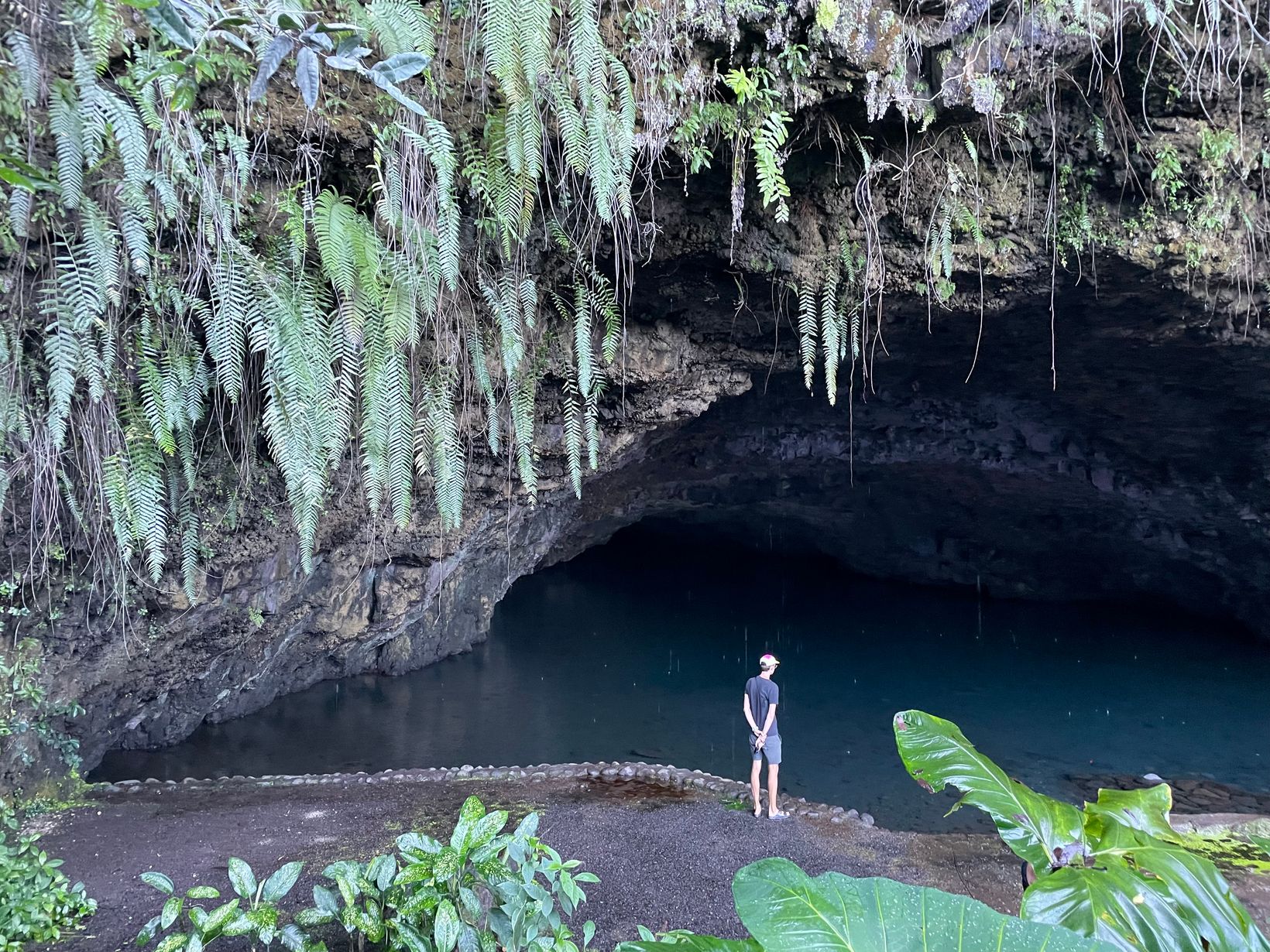
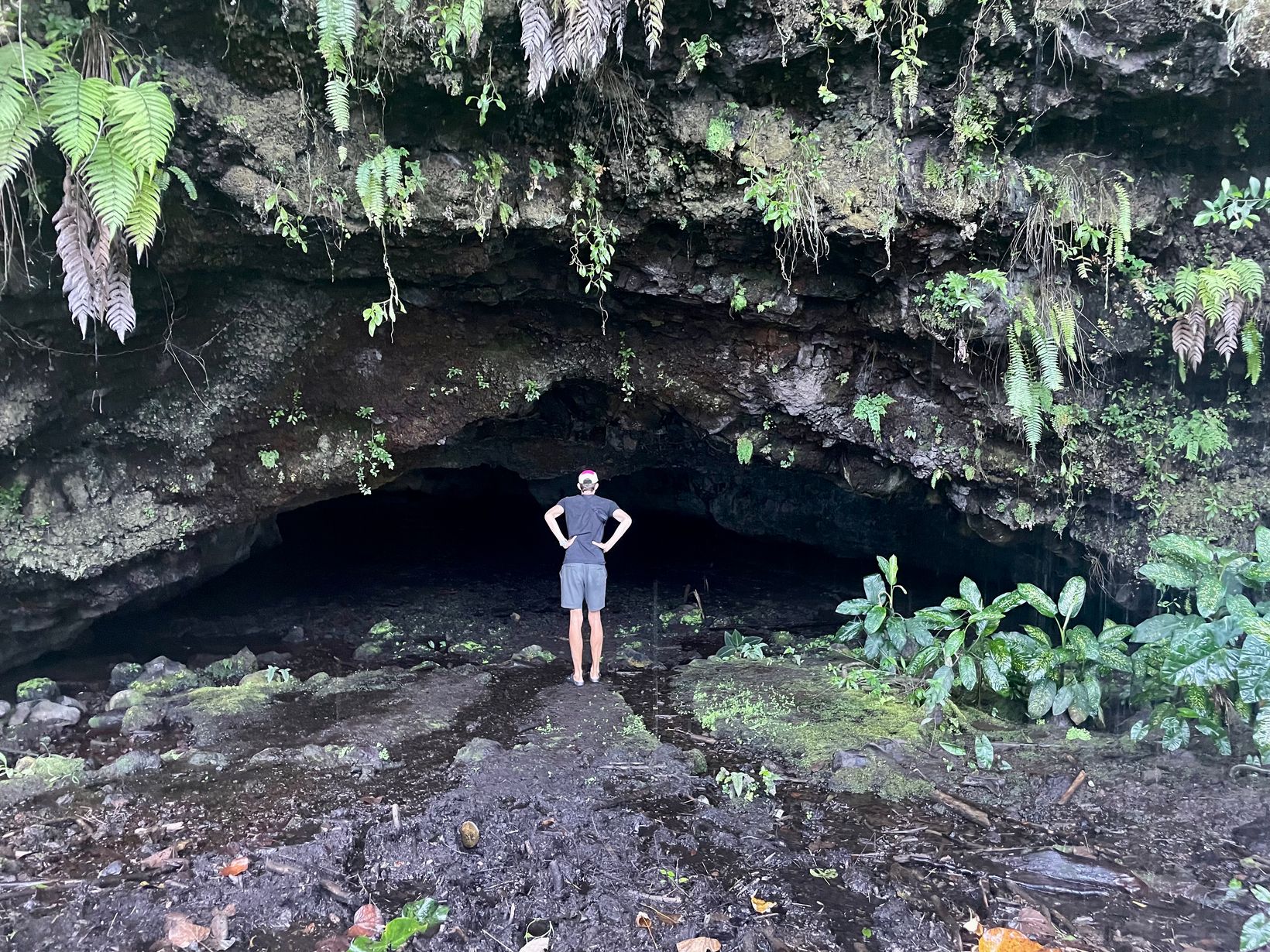
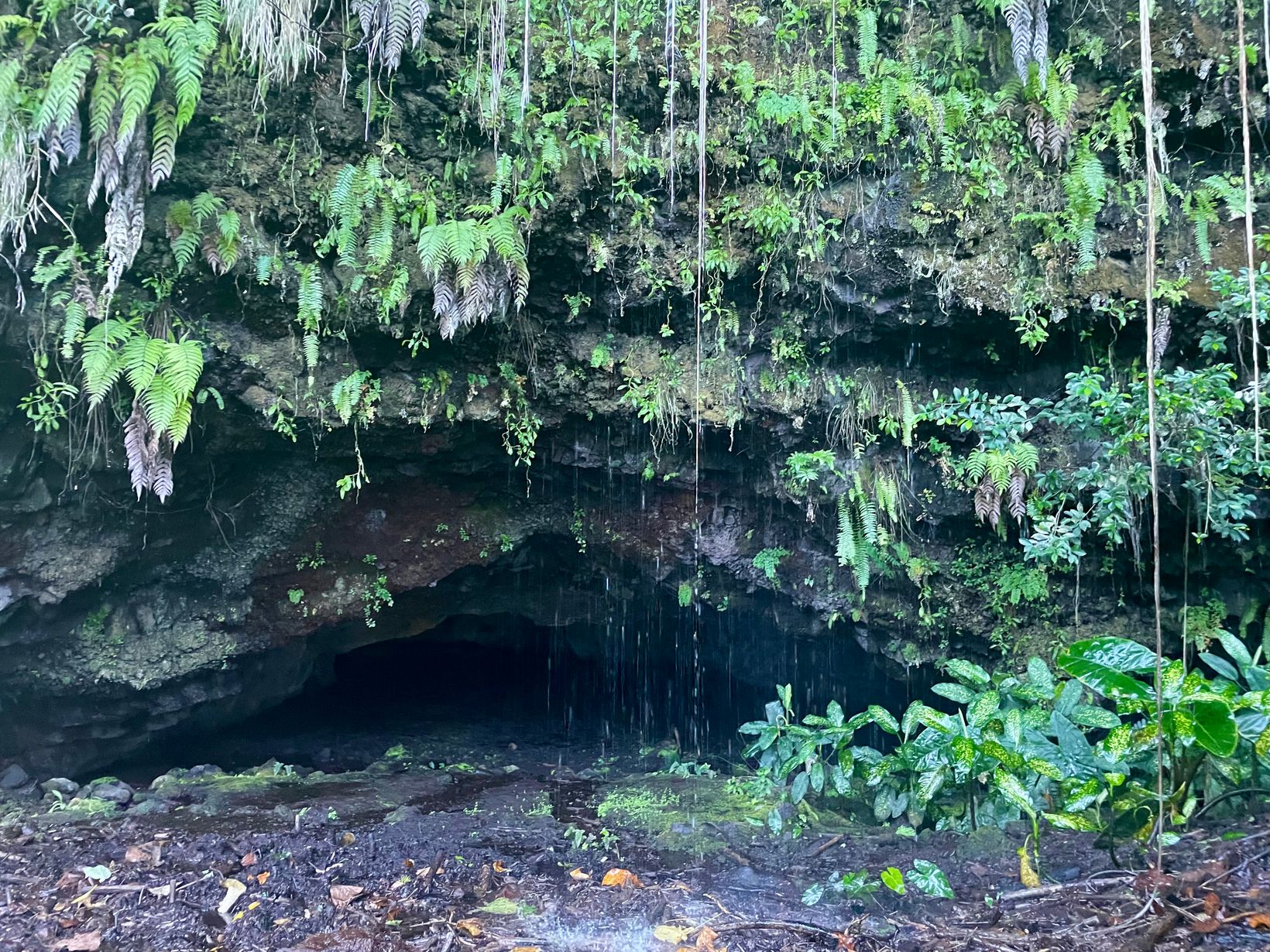
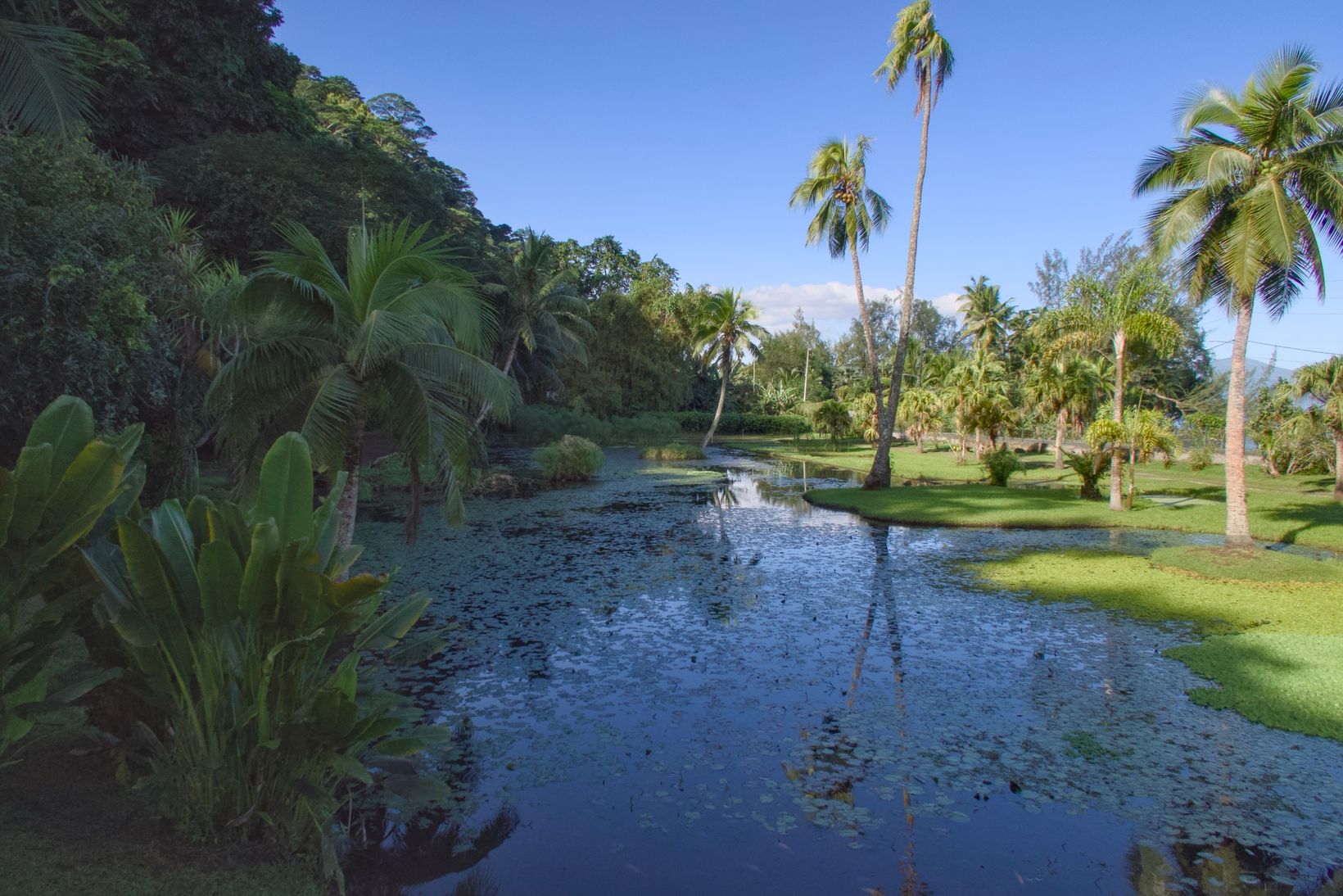
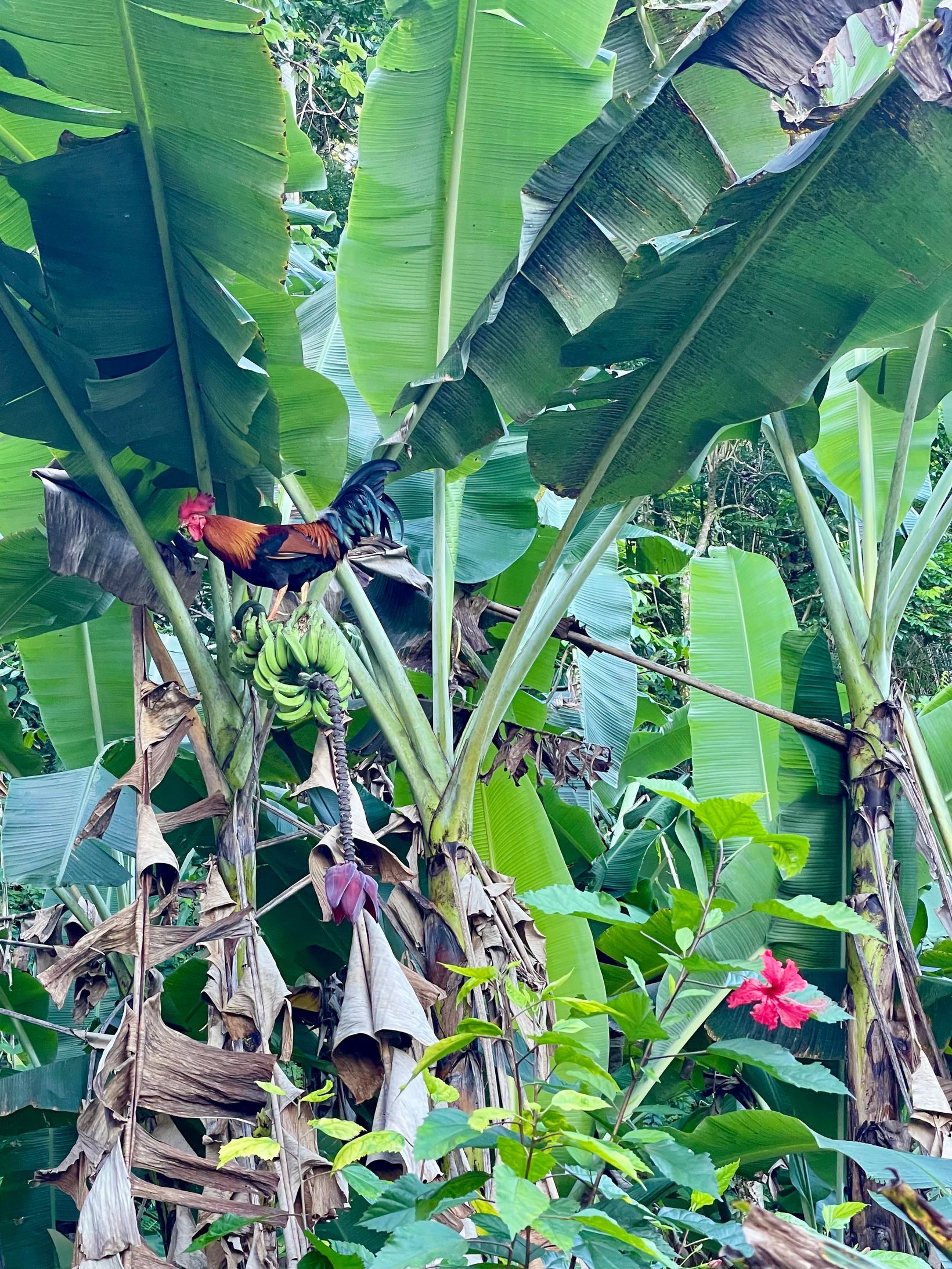
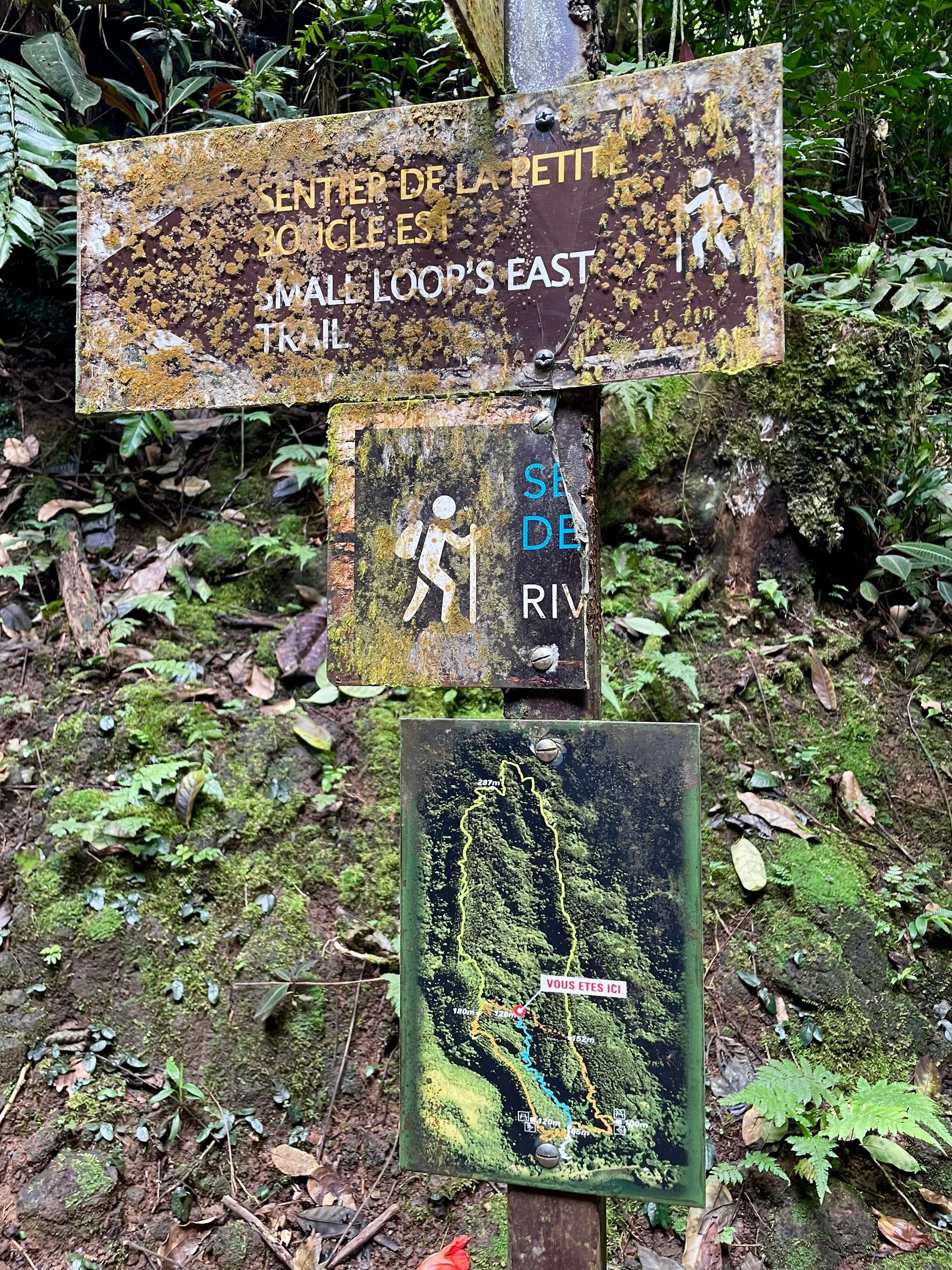
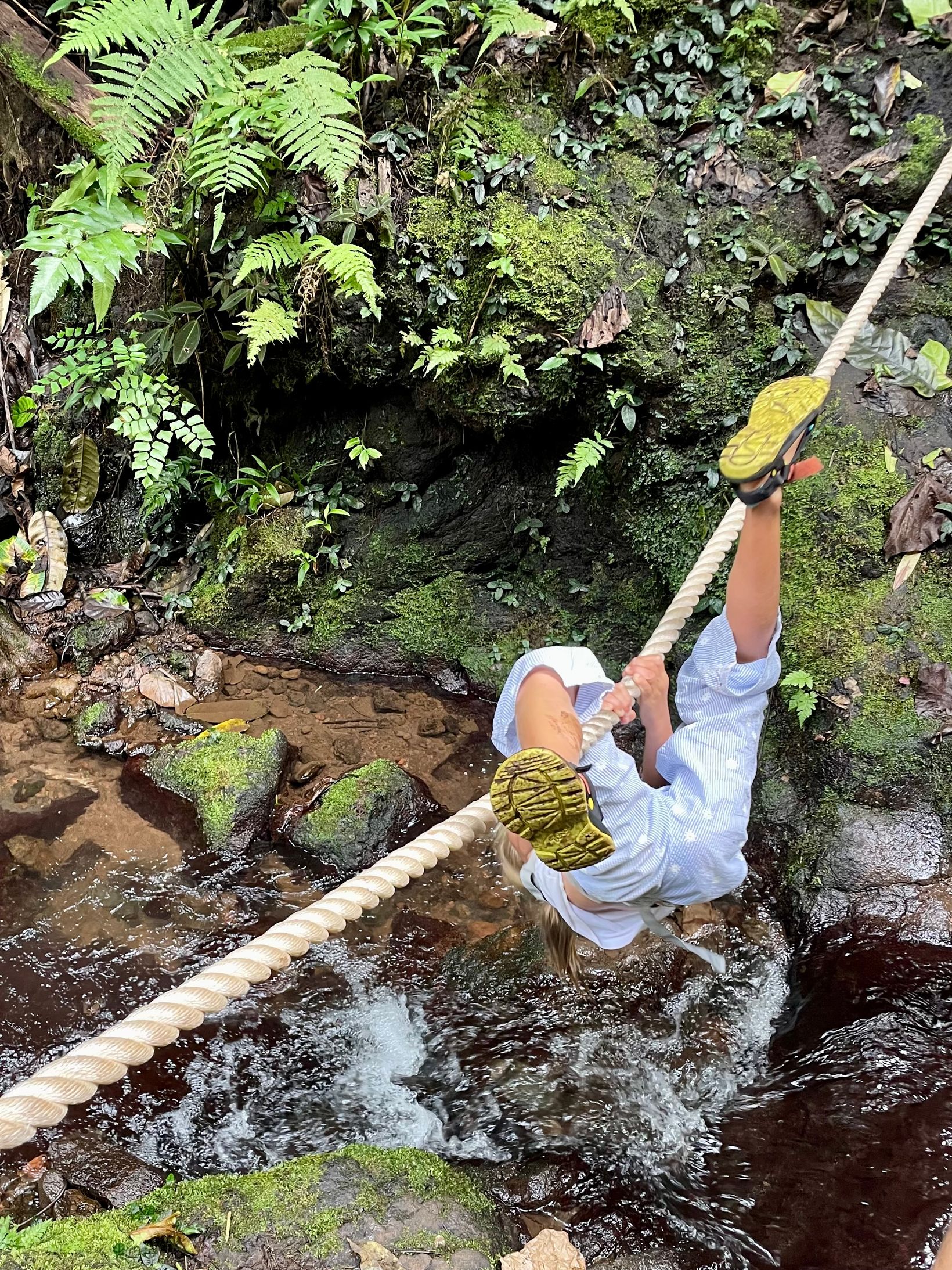
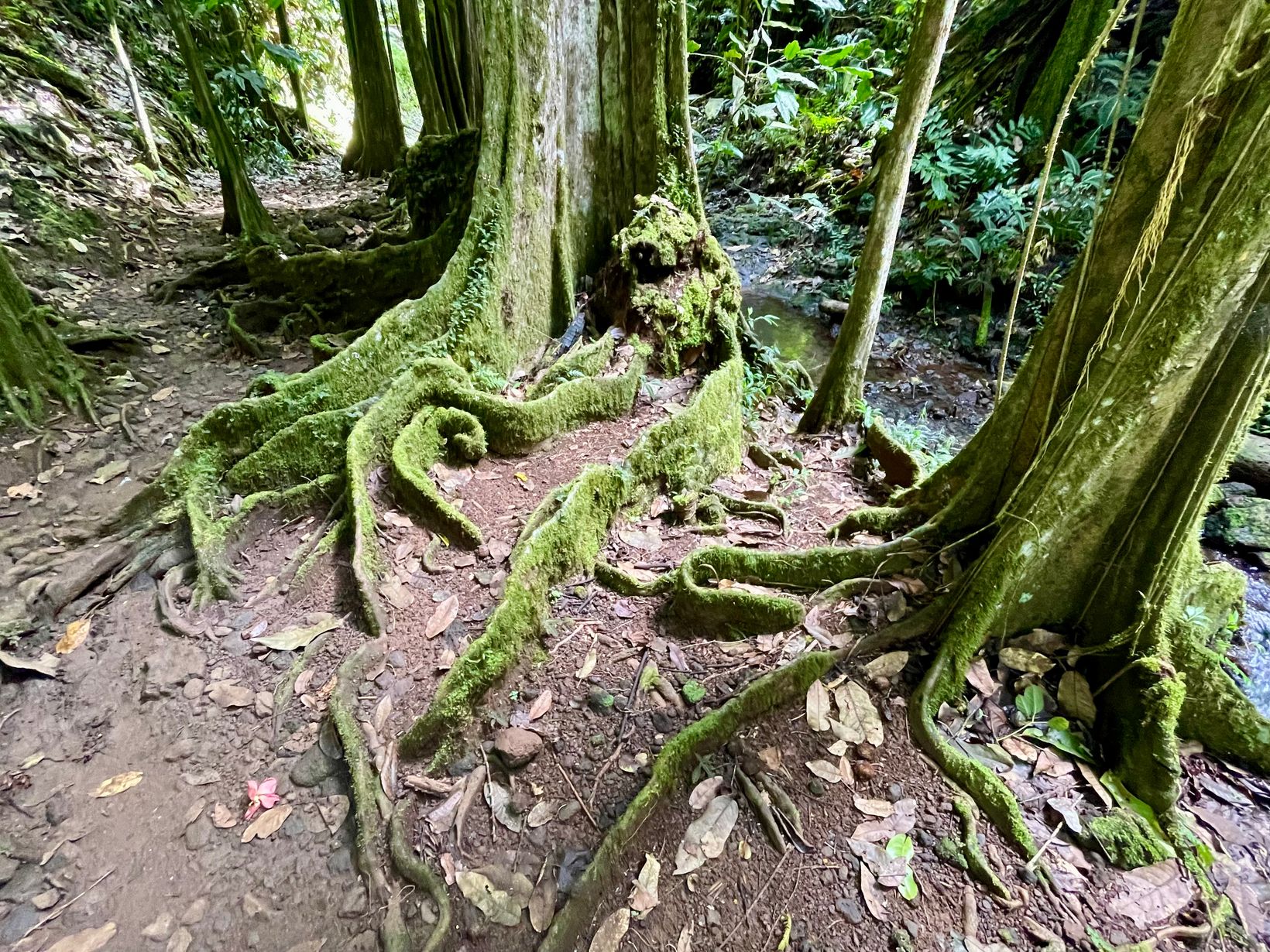
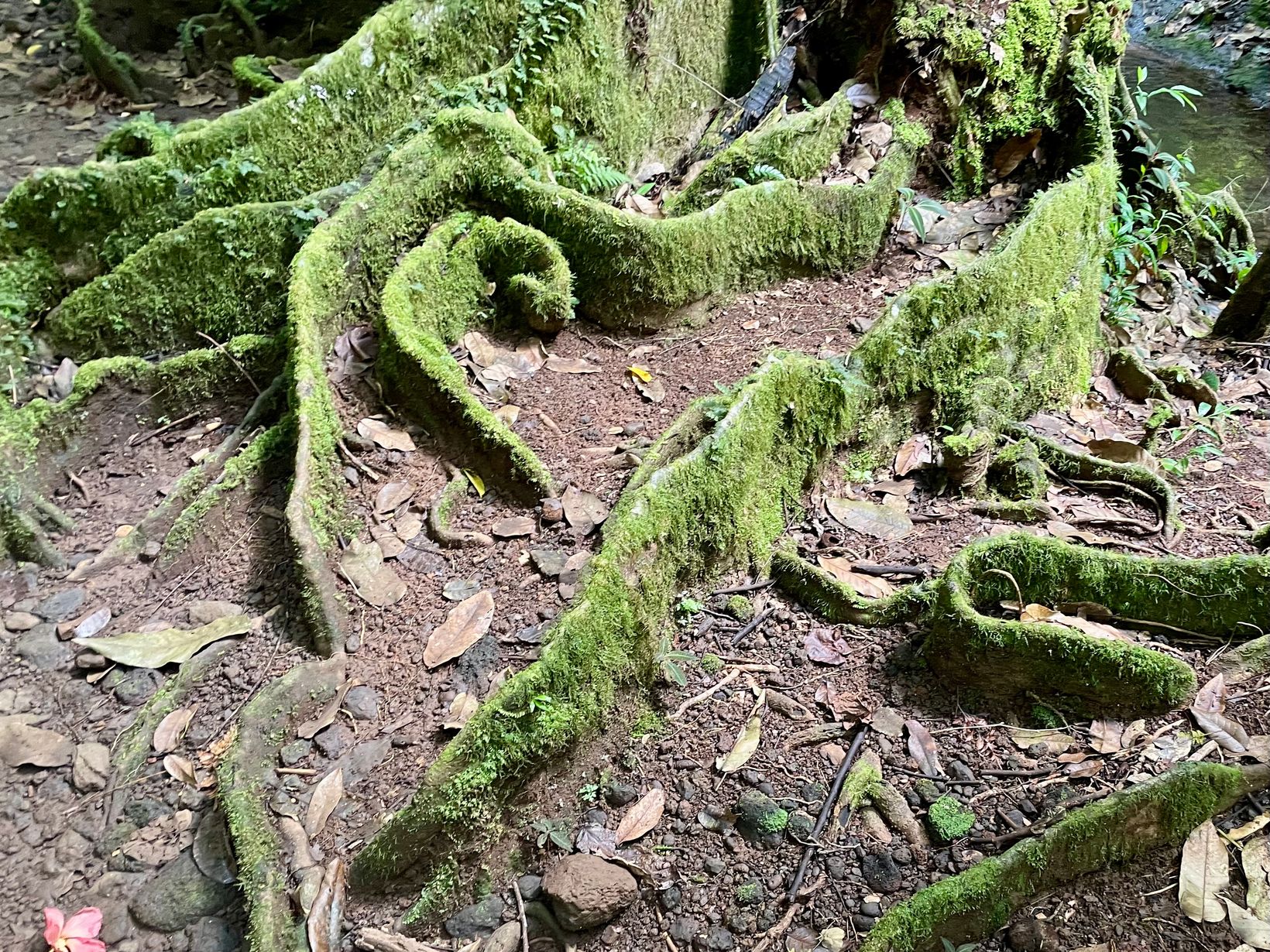
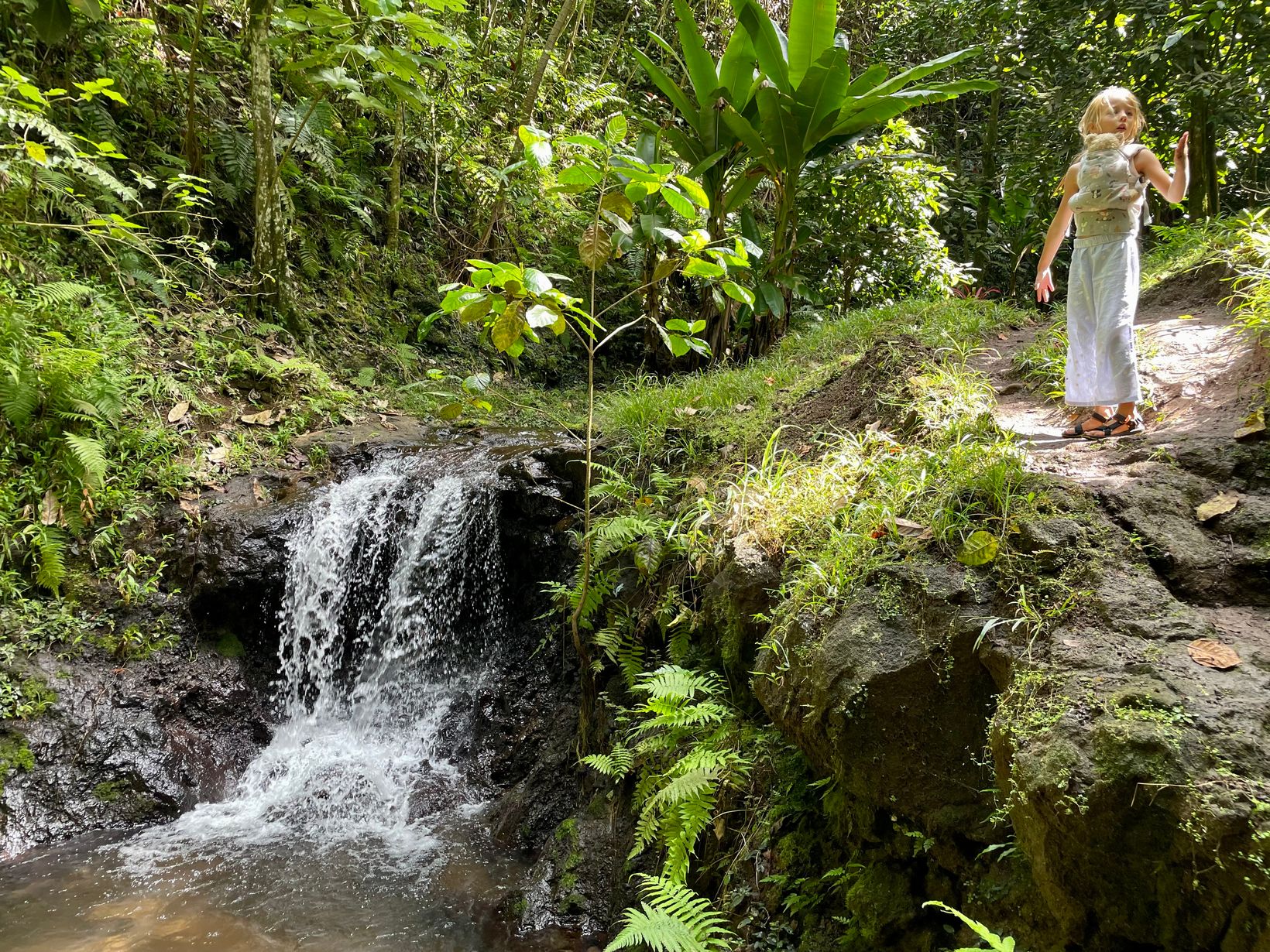
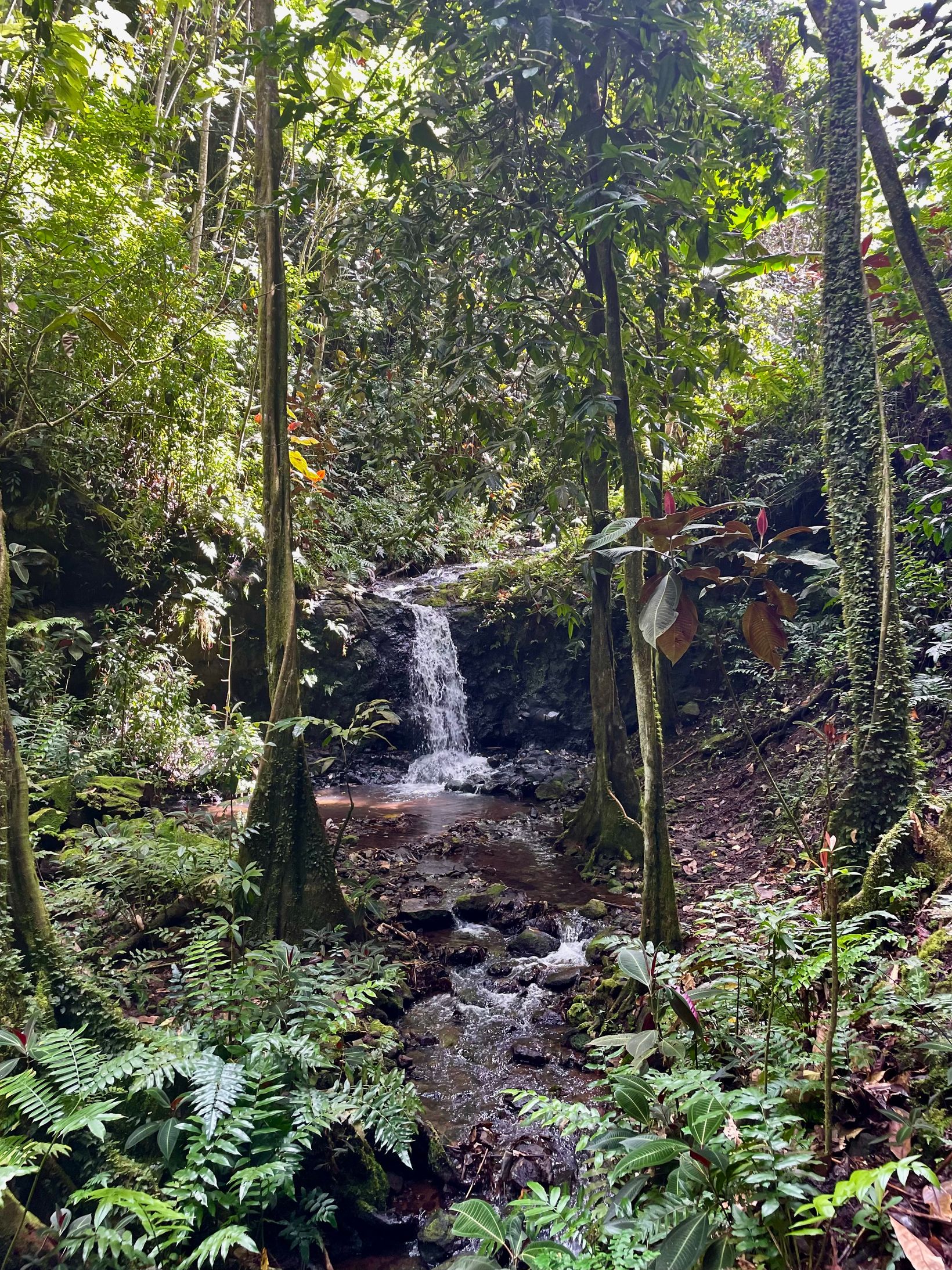
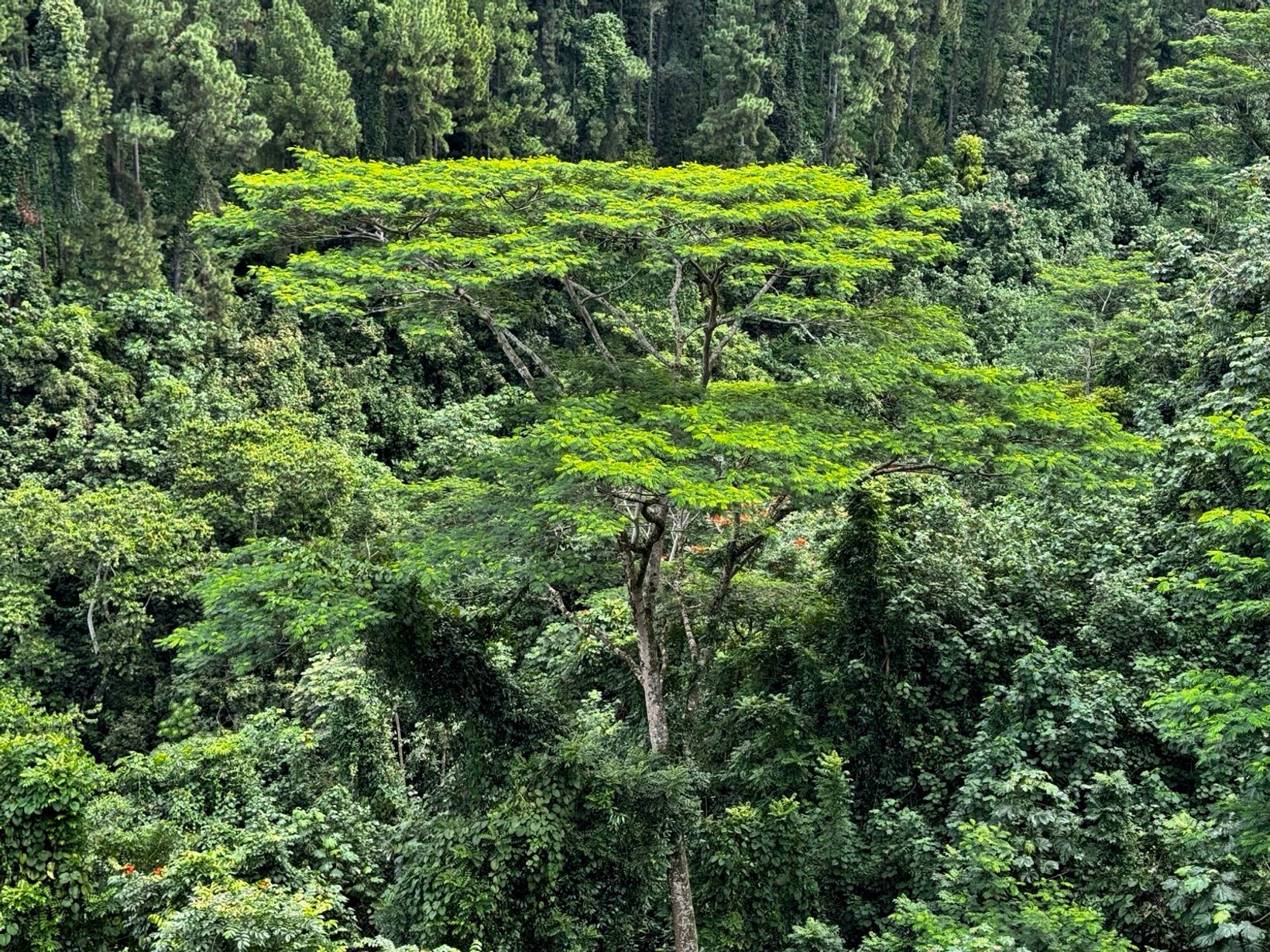
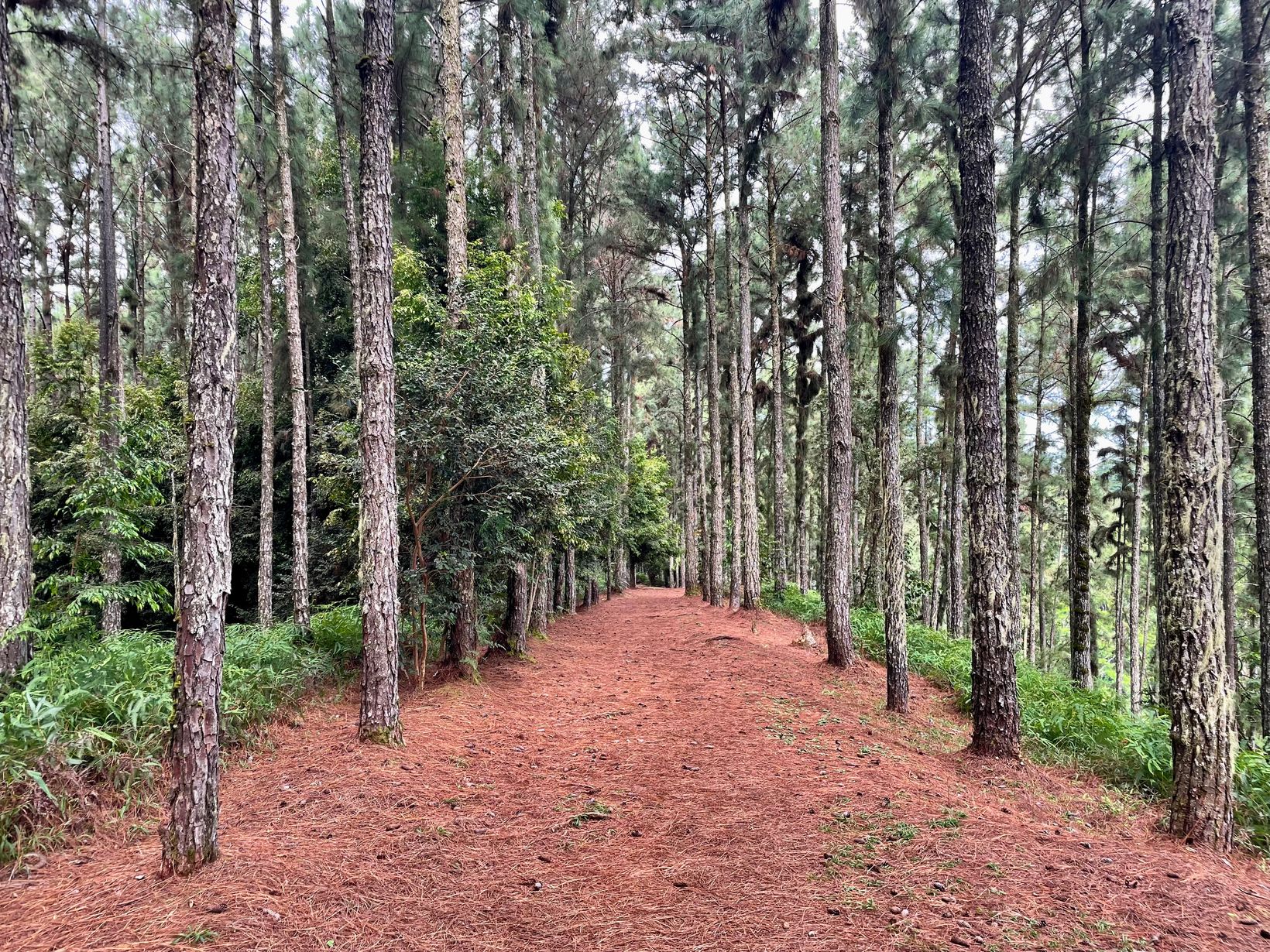
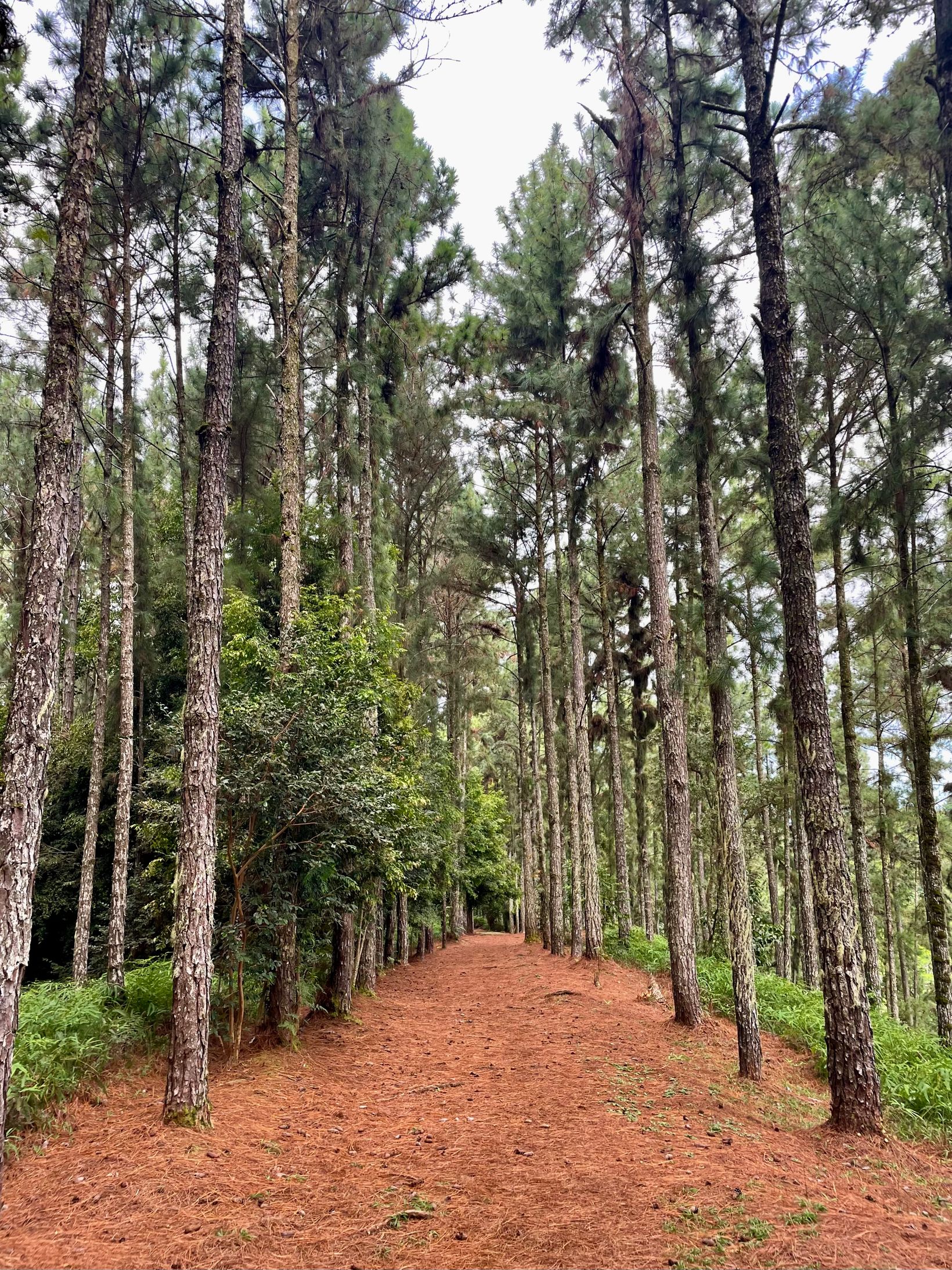
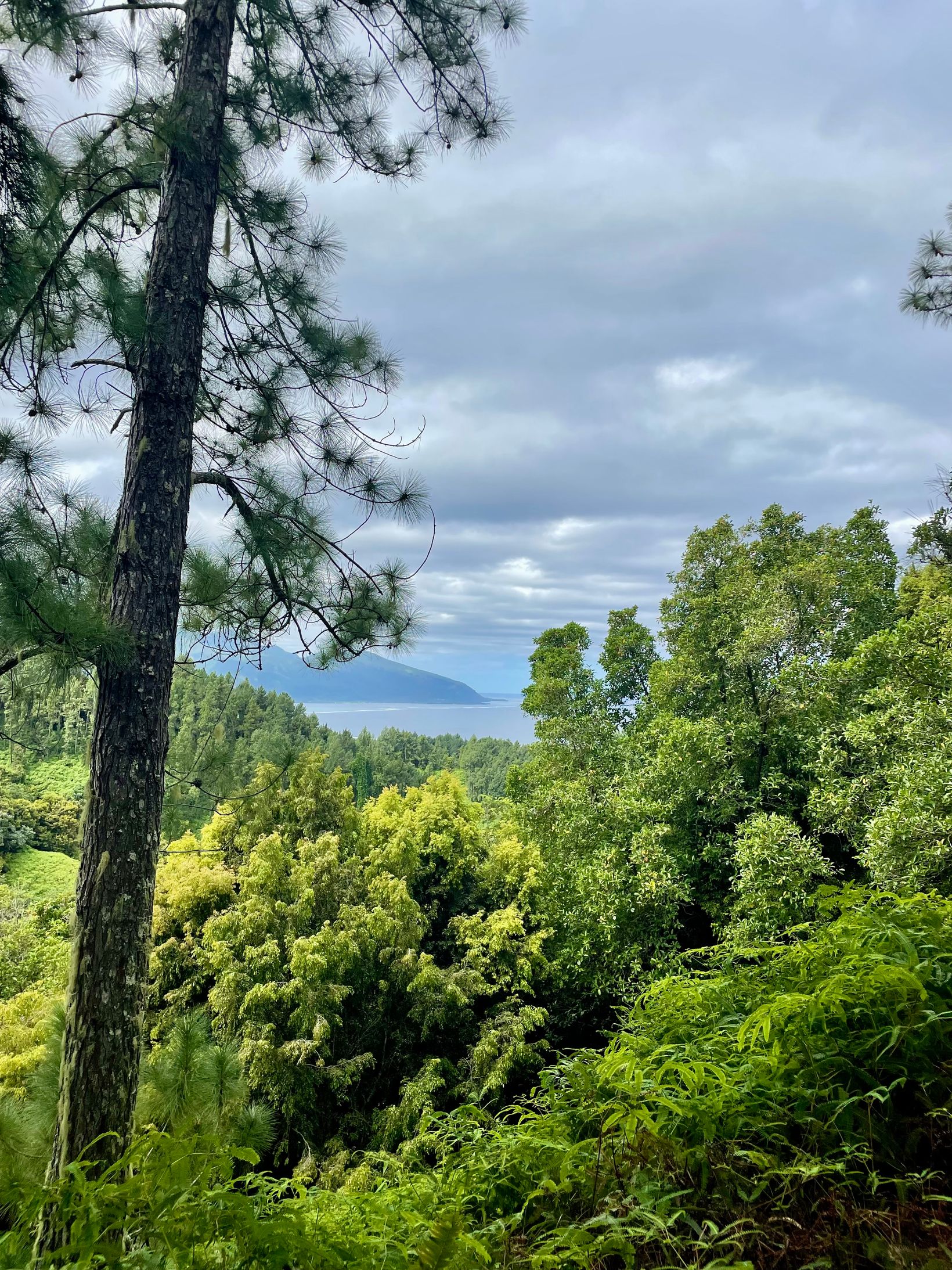
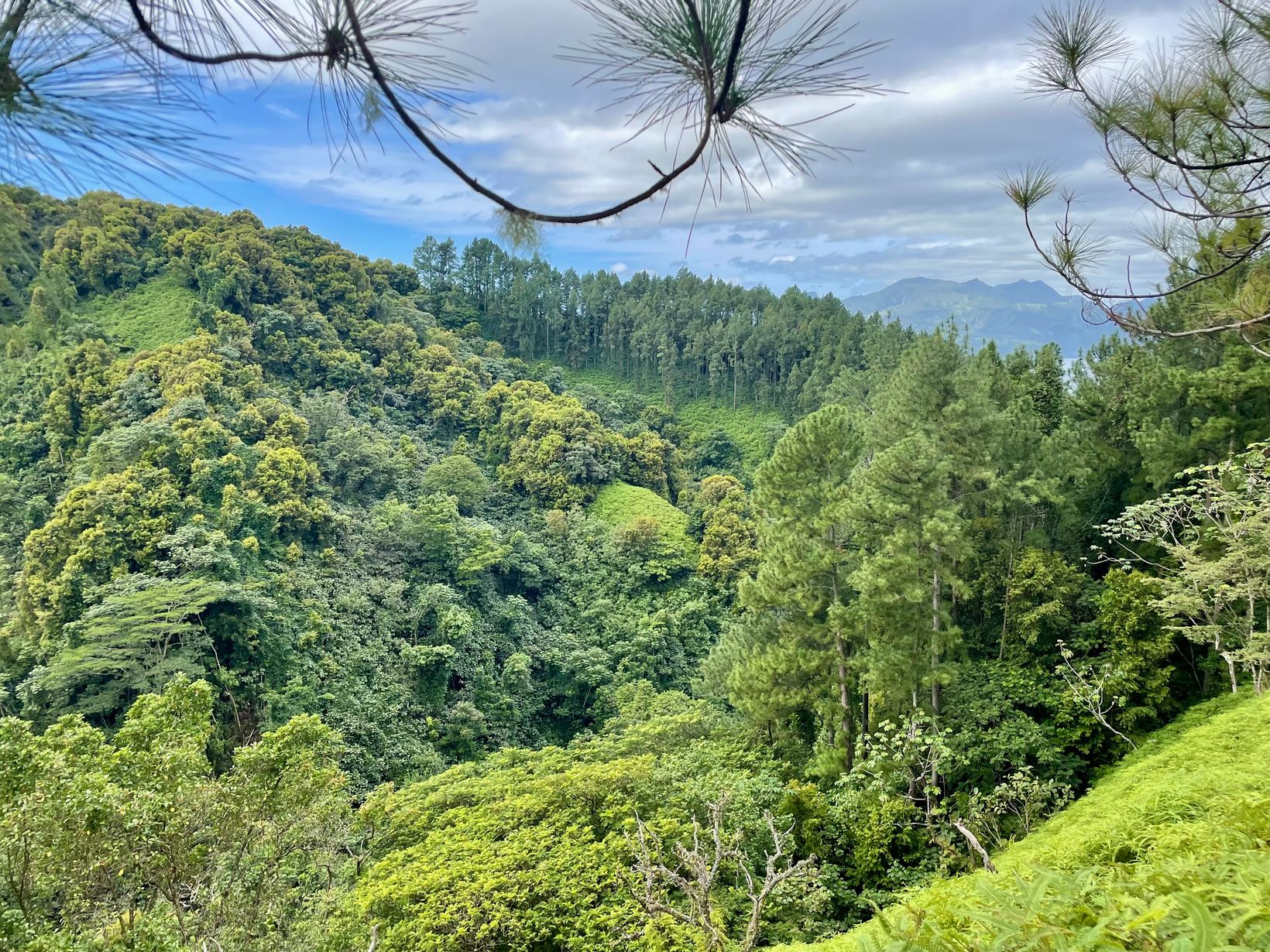
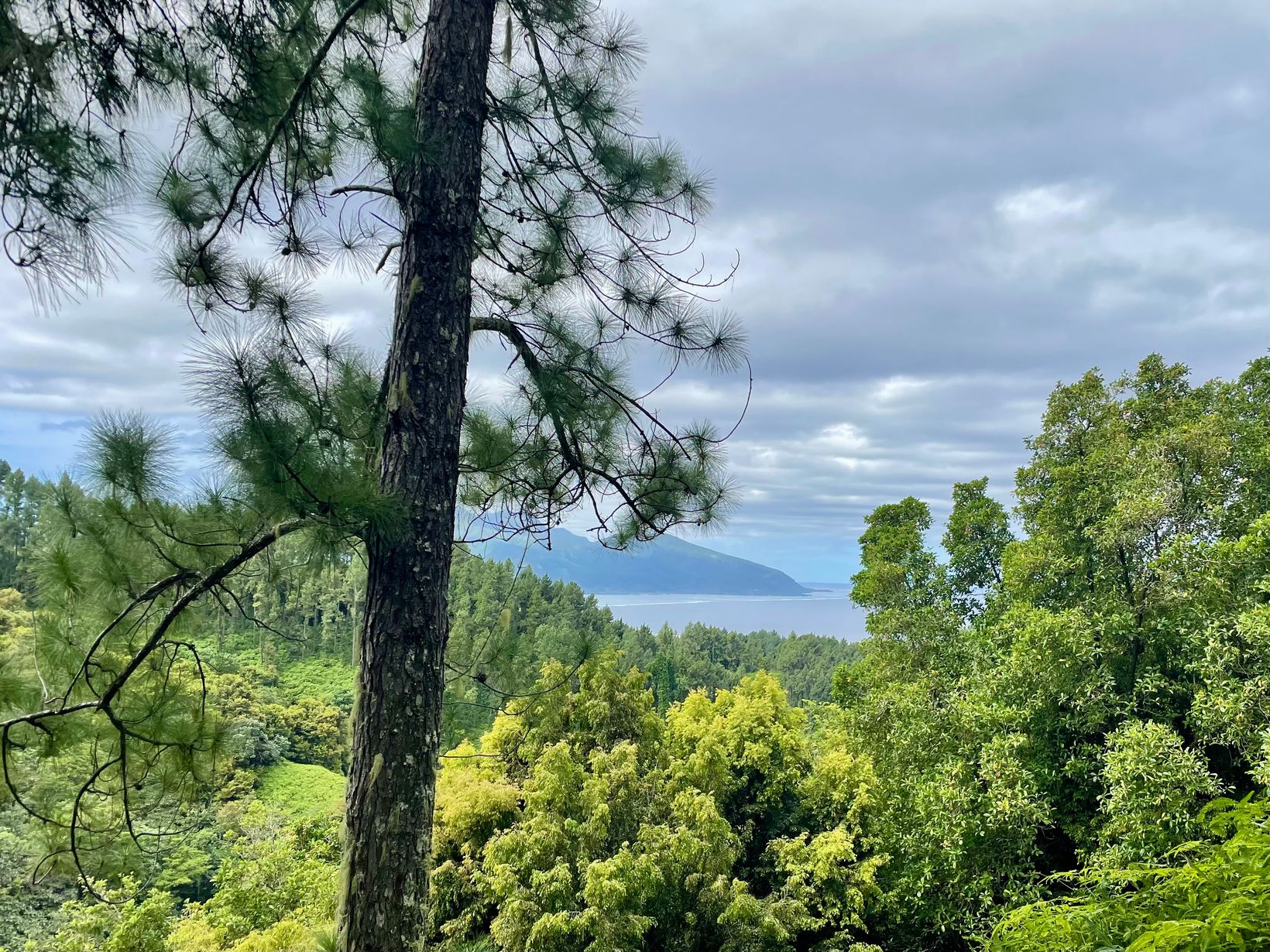
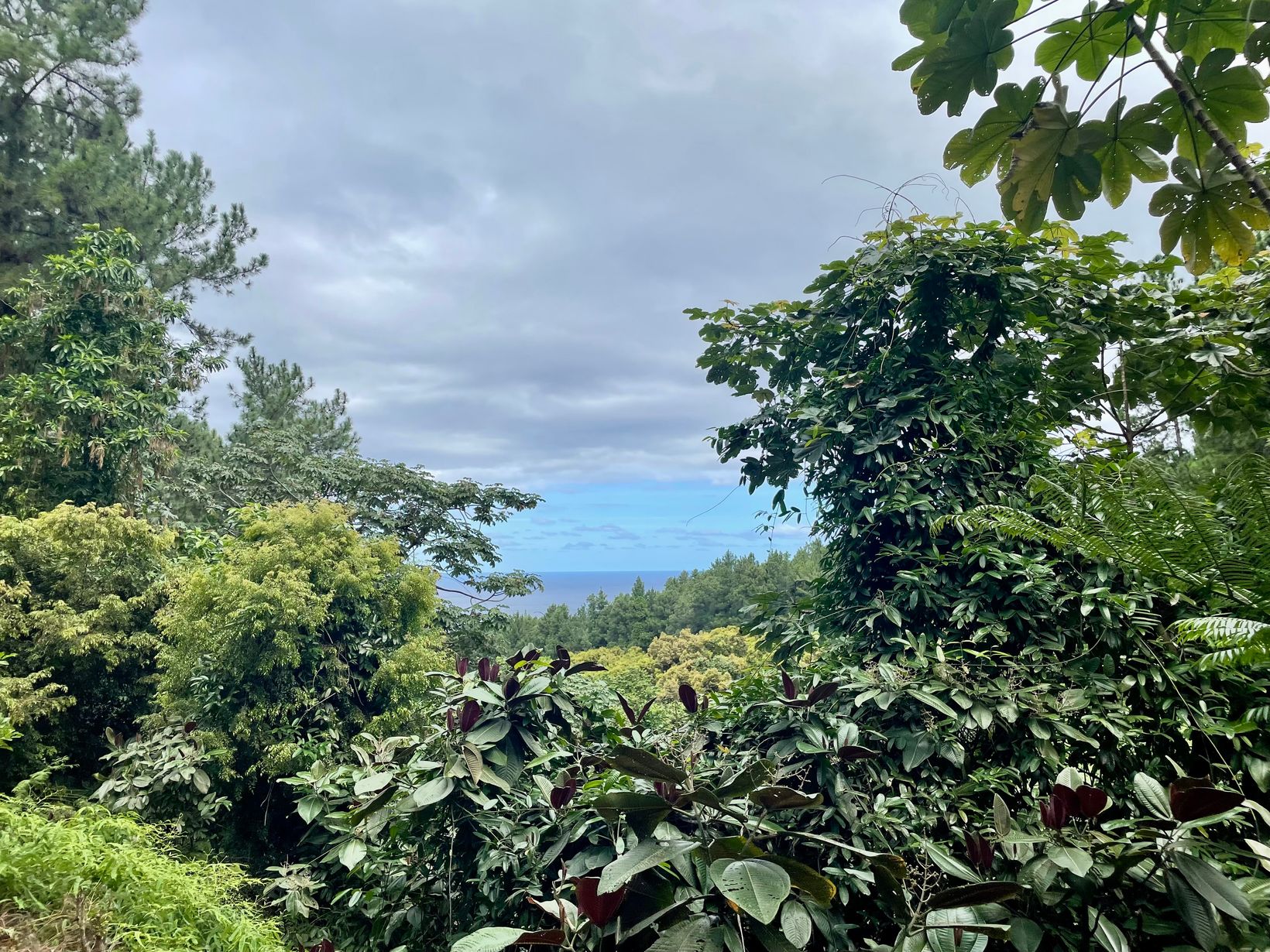
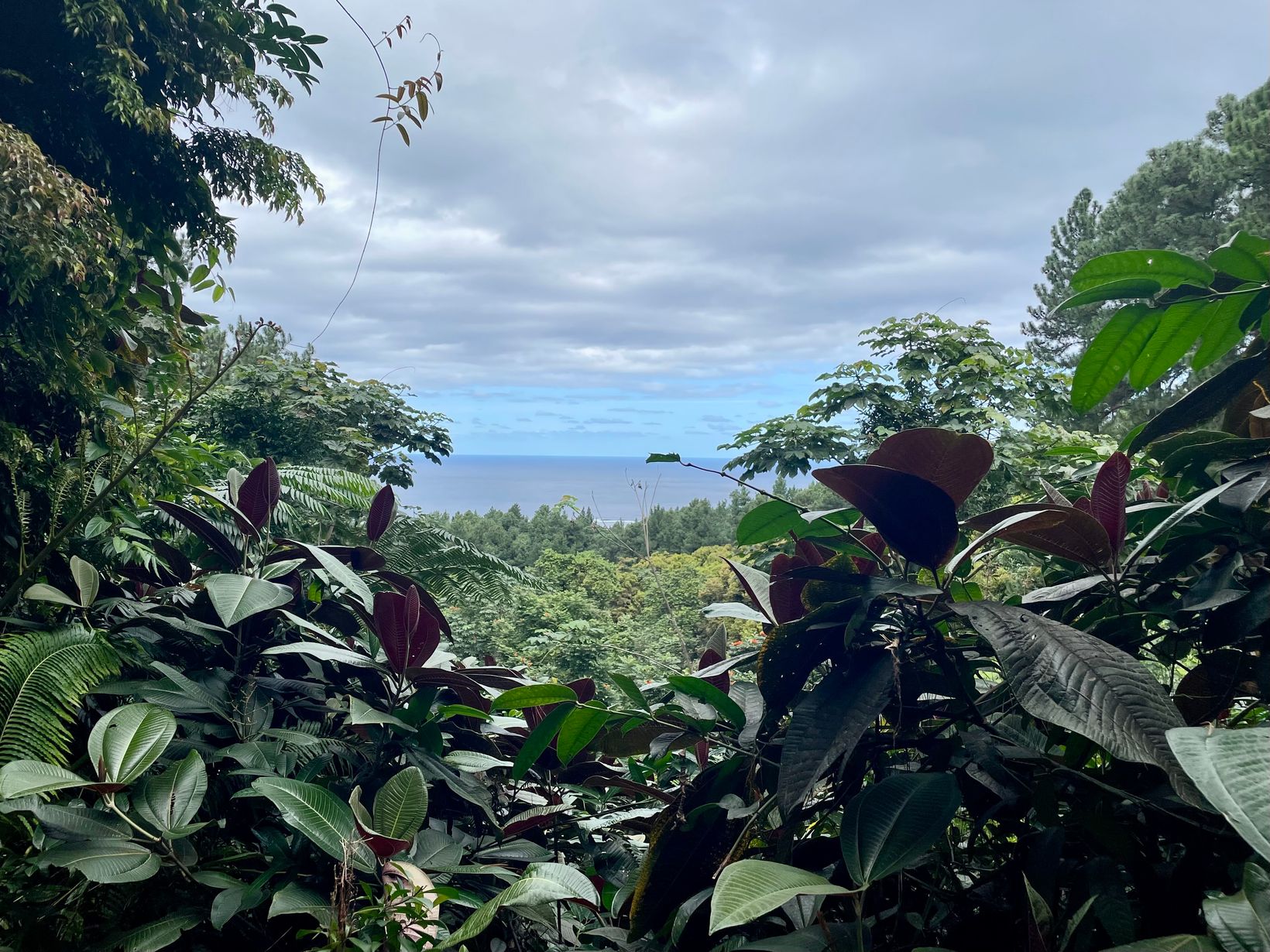
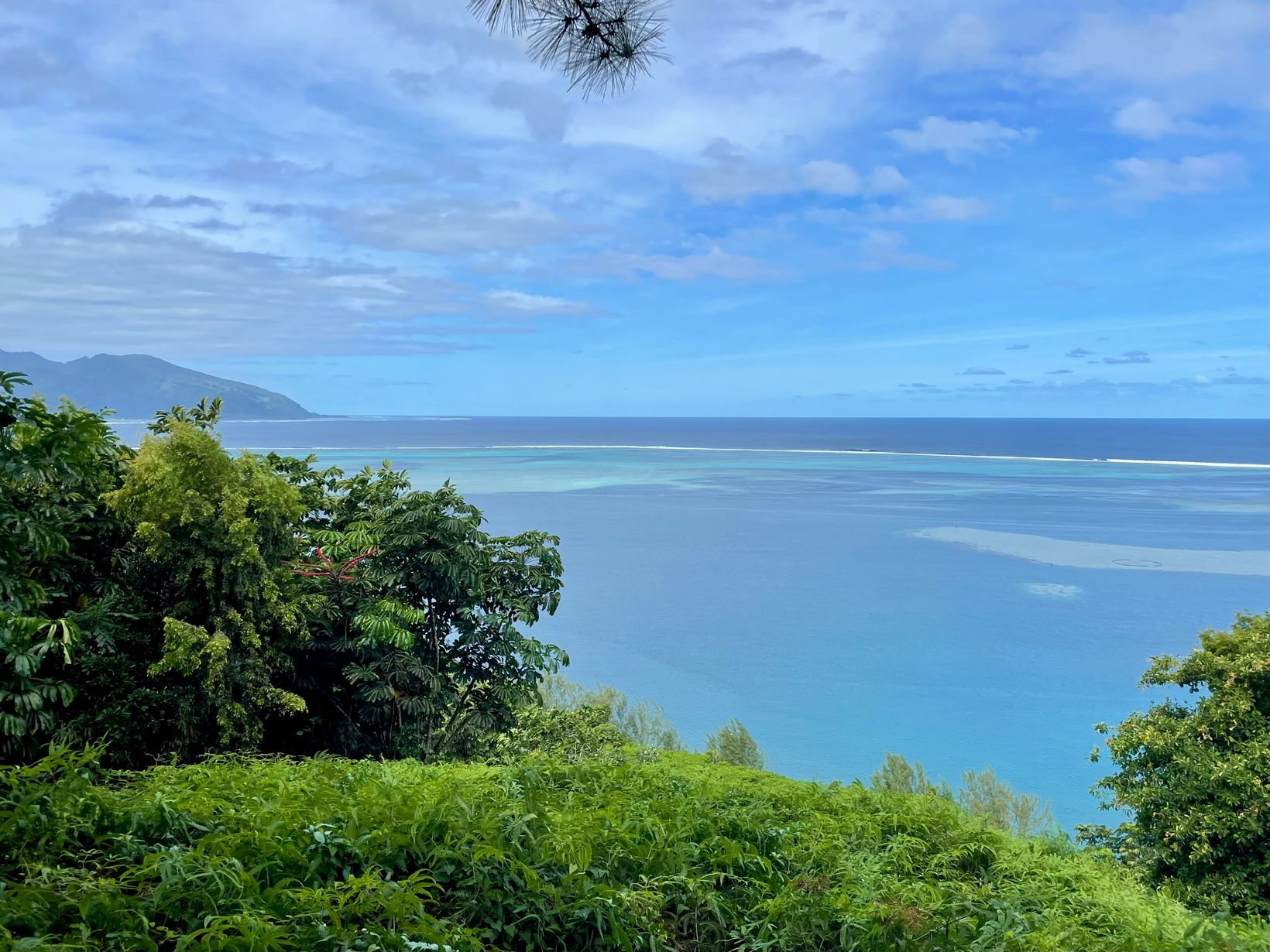
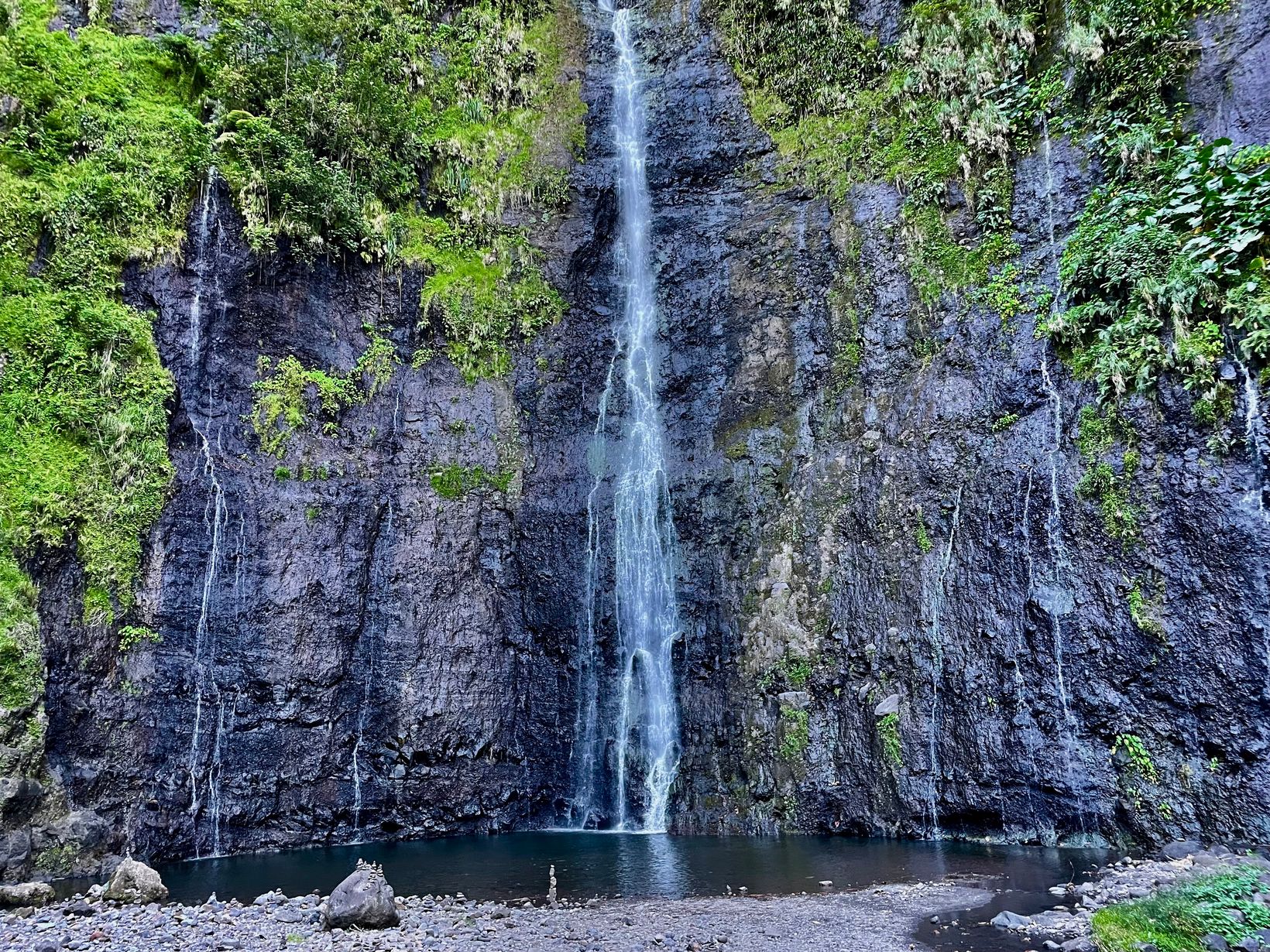
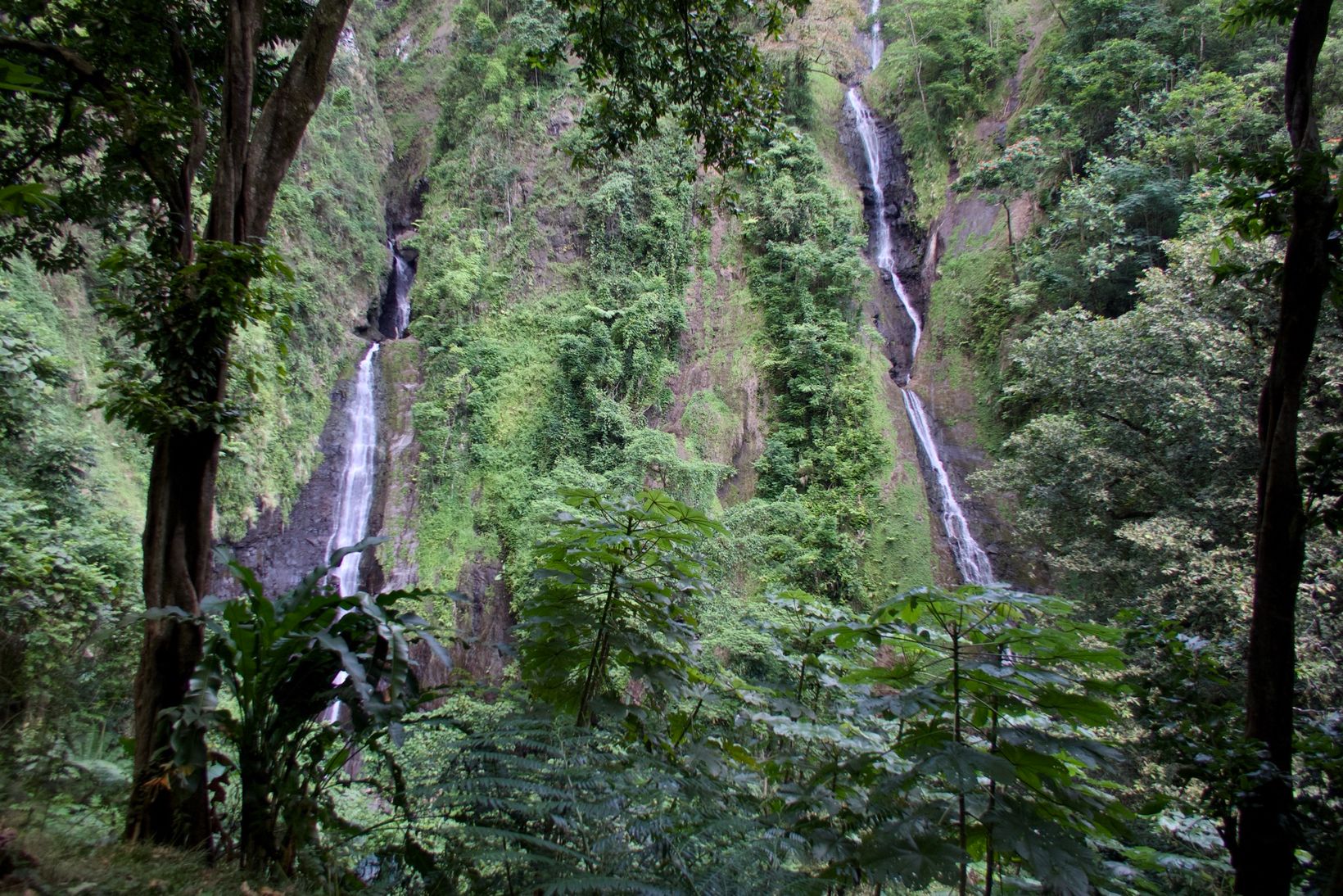
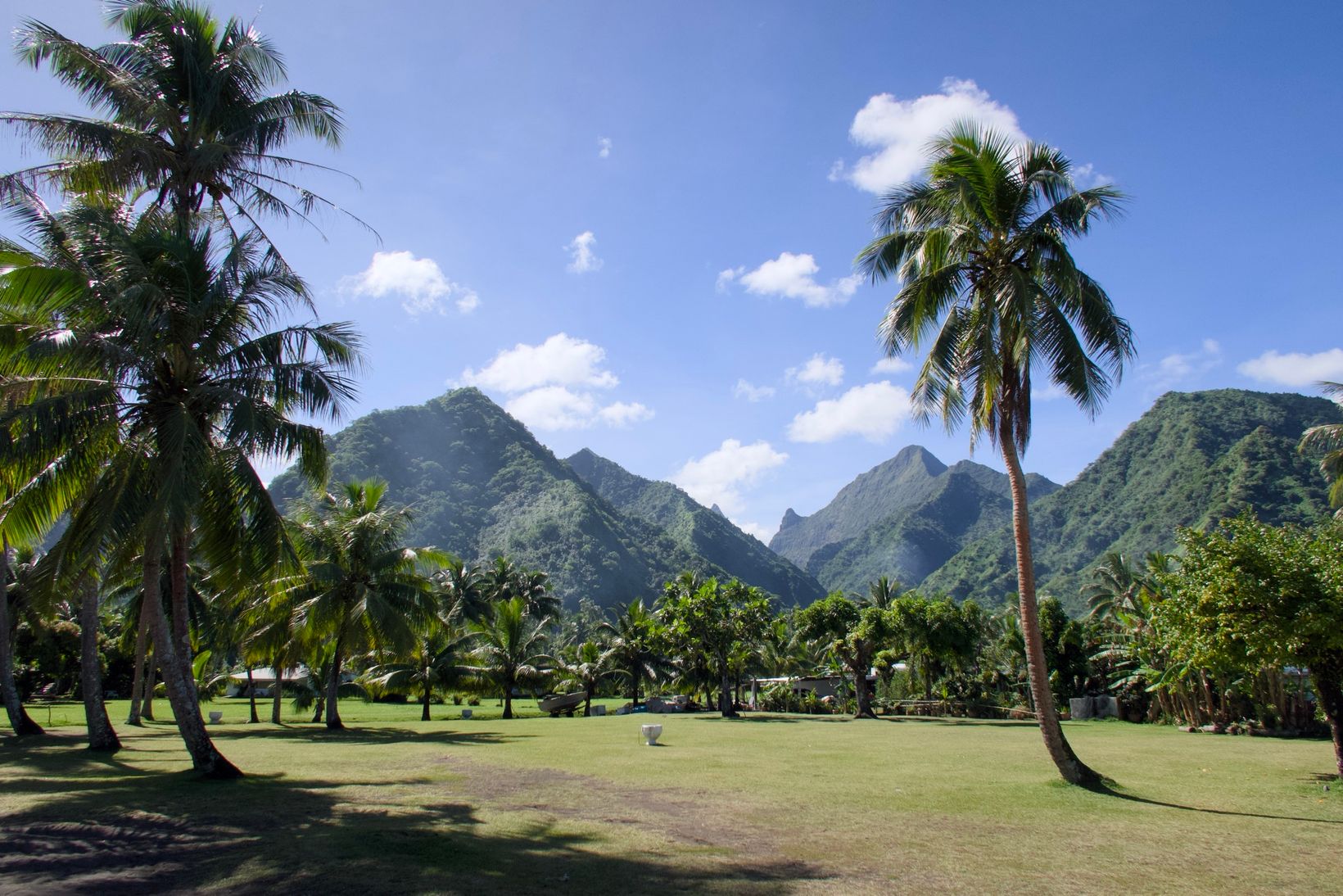
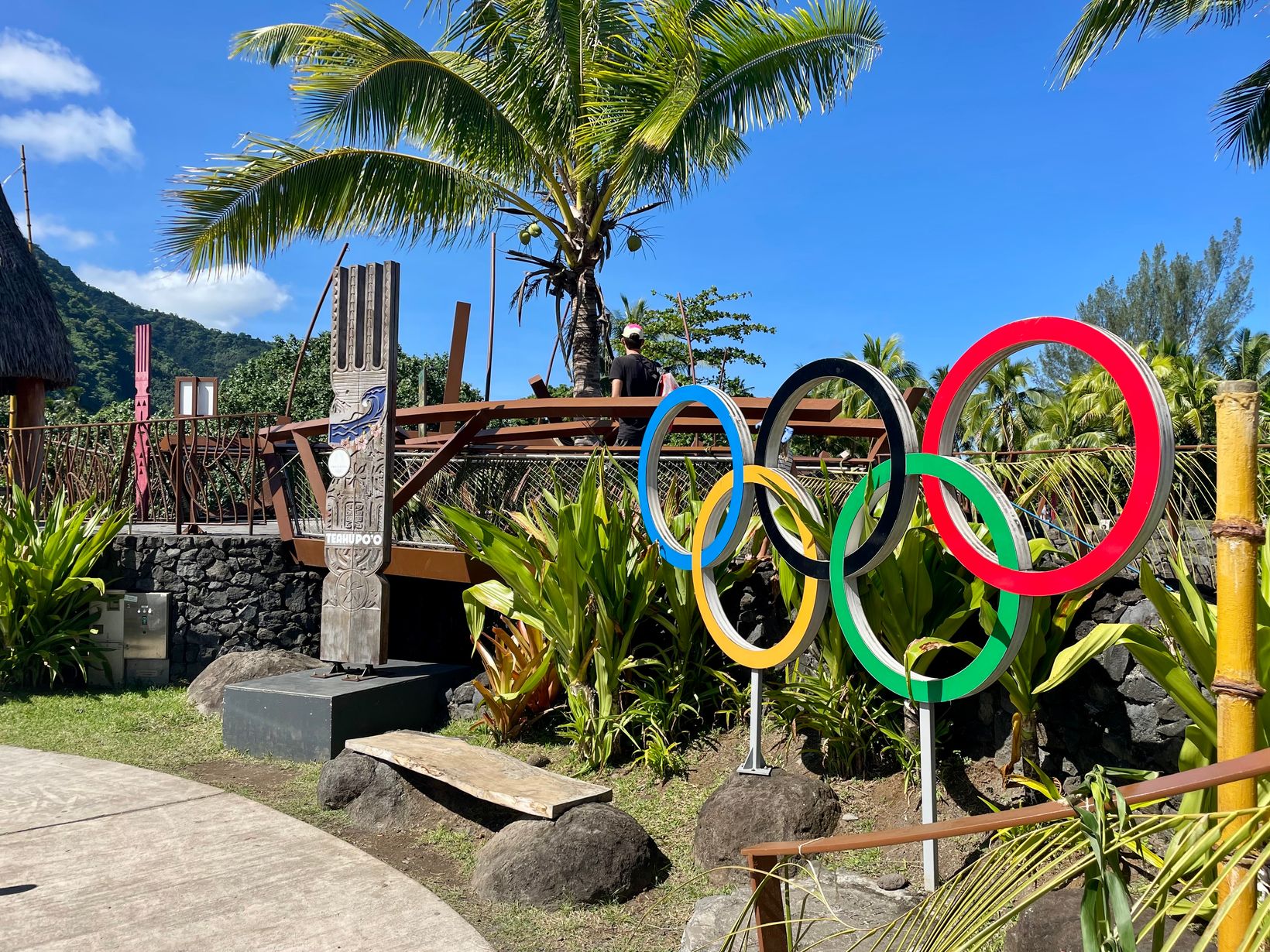
We continue the Tahiti experience by car. We discover dripping caves, sacred sites, magical waterfalls, the Olympic Wave at the end of the road, and a hiking trail that is undoubtedly one of the top five of the past two years. The trail begins in an enchanted, lush, green forest with a gently babbling stream. It continues uphill through a coniferous forest with great views. We are thrilled to be right where we are.
’Ārahurahu Marae
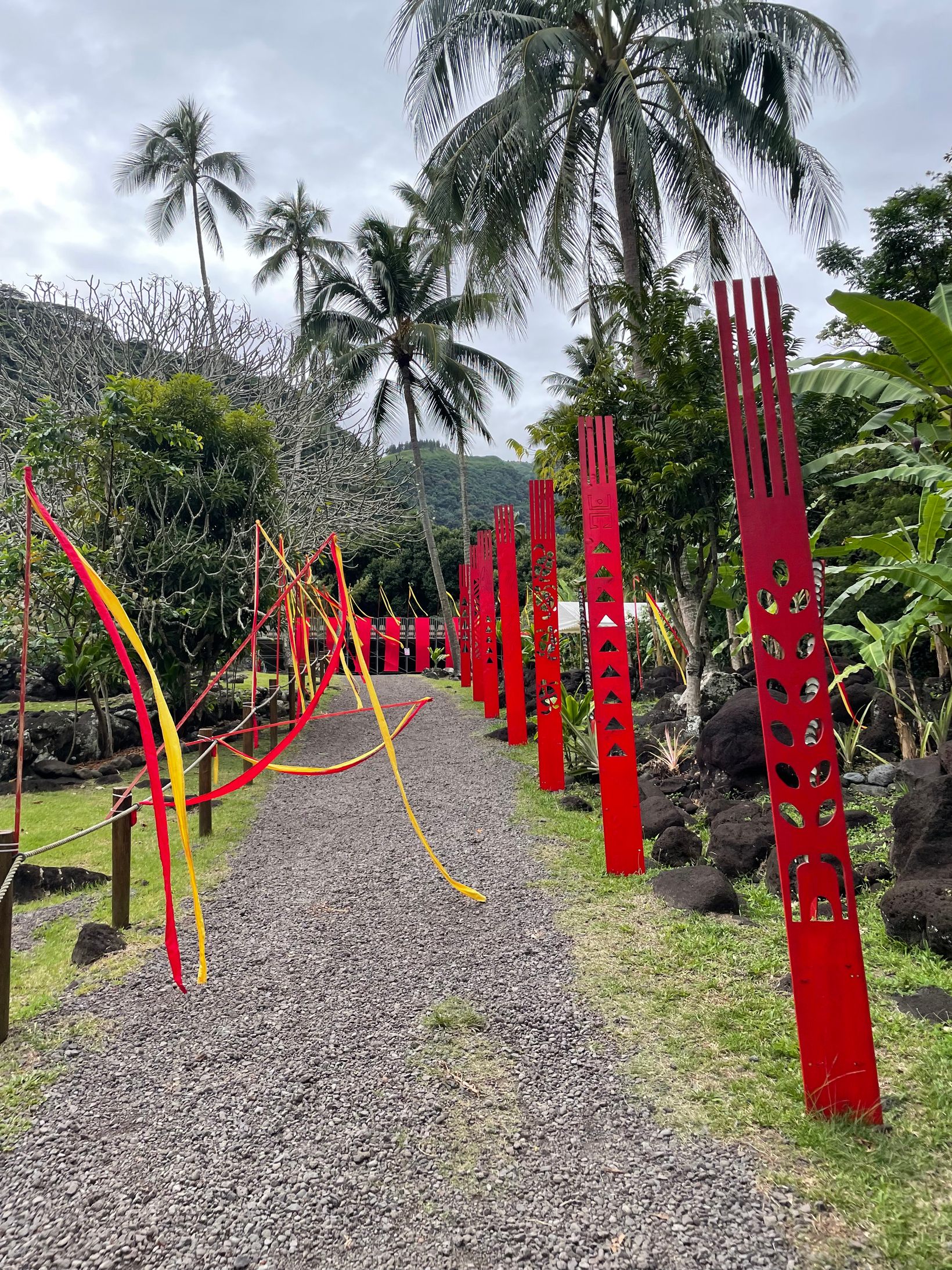
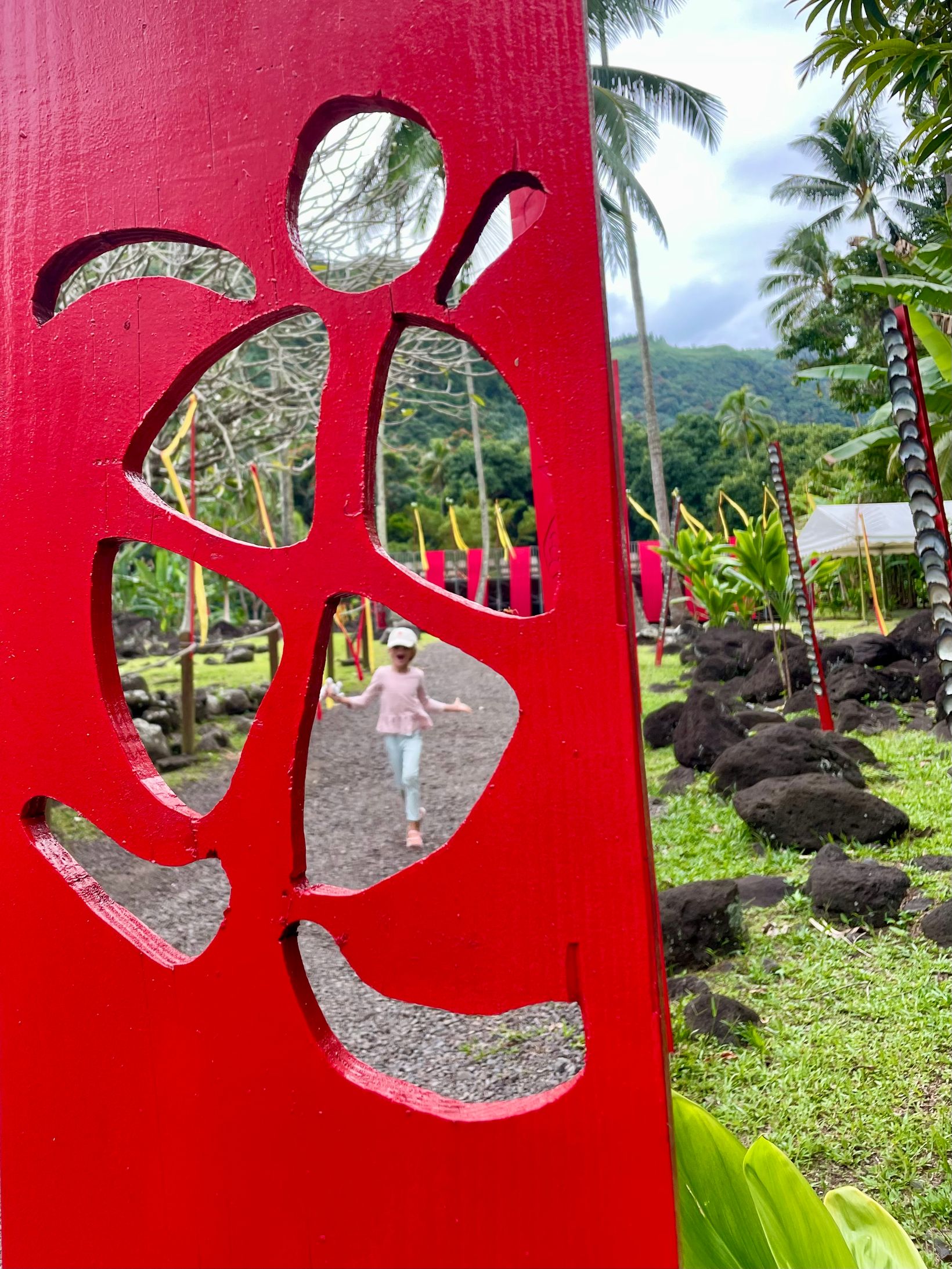
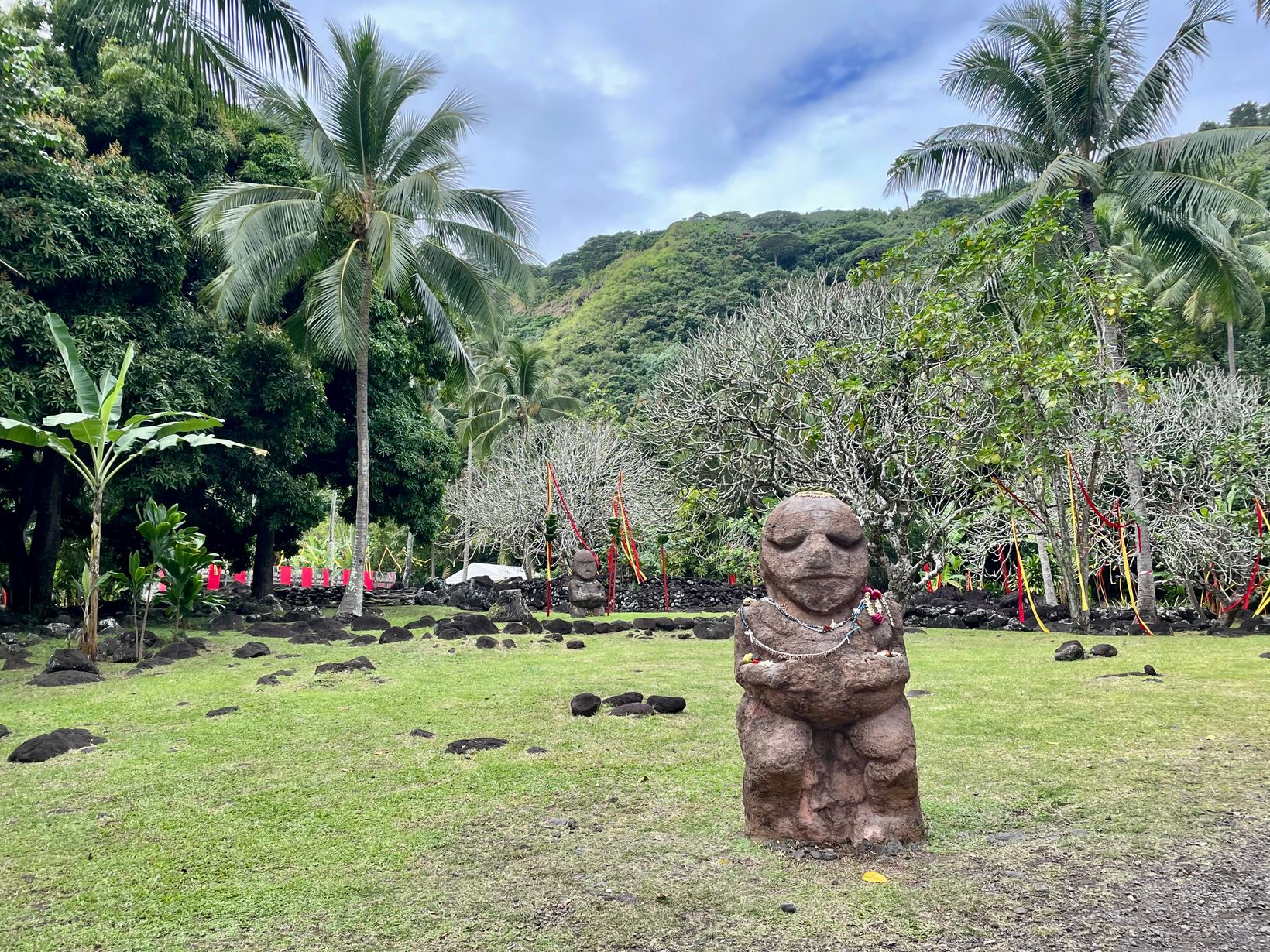
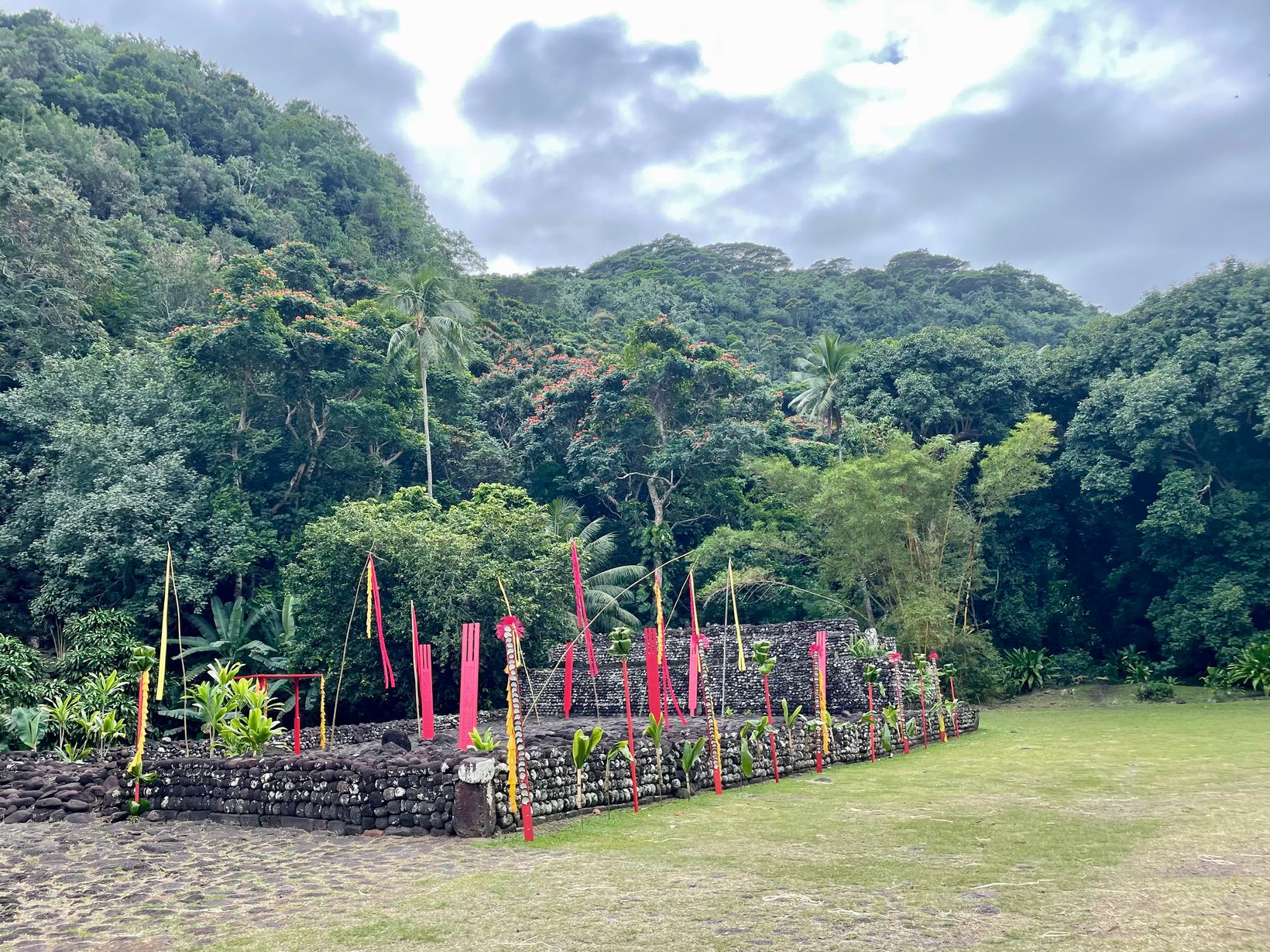
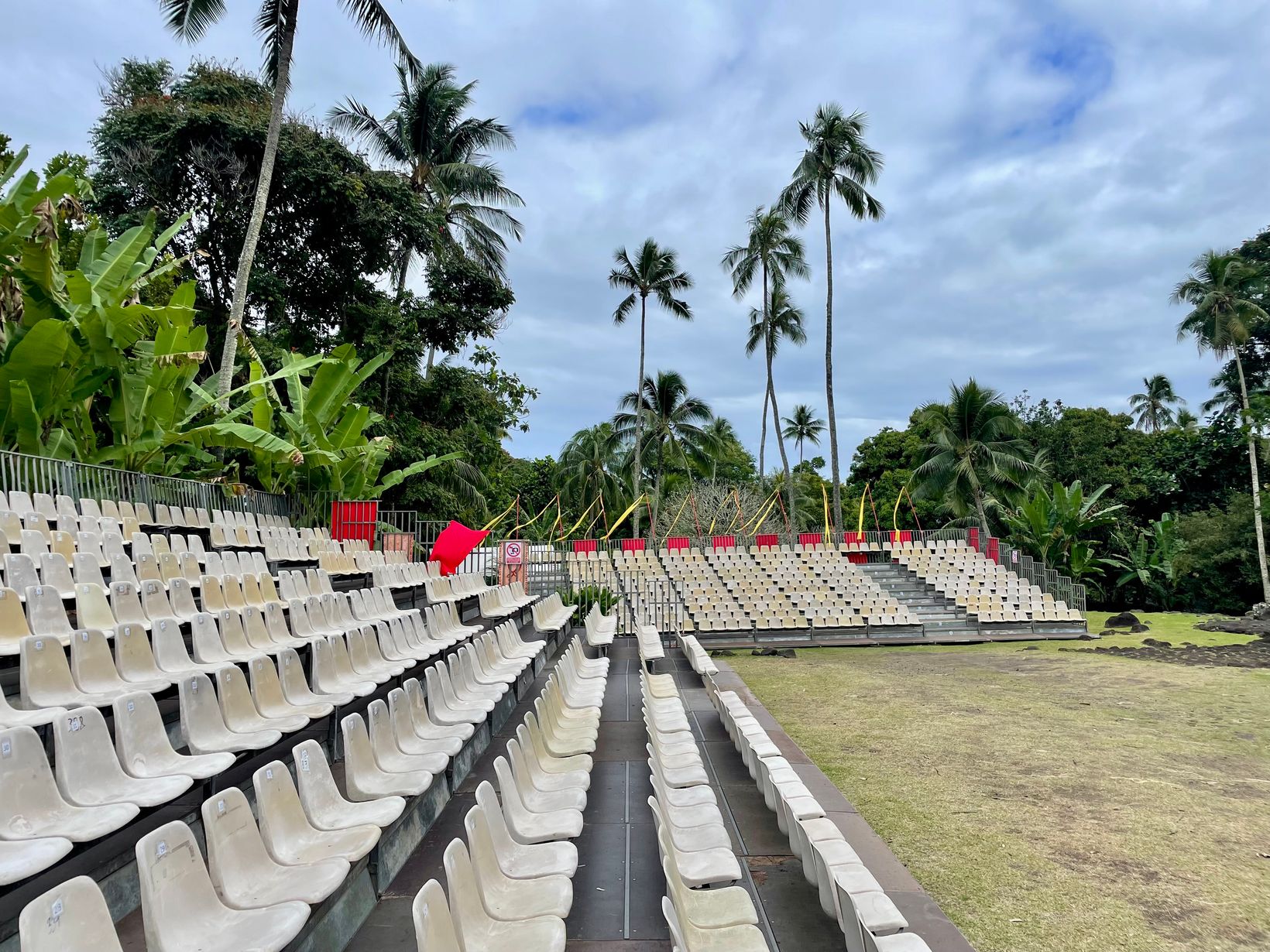
Grottes De Mara’a
Vaipahi Wanderung
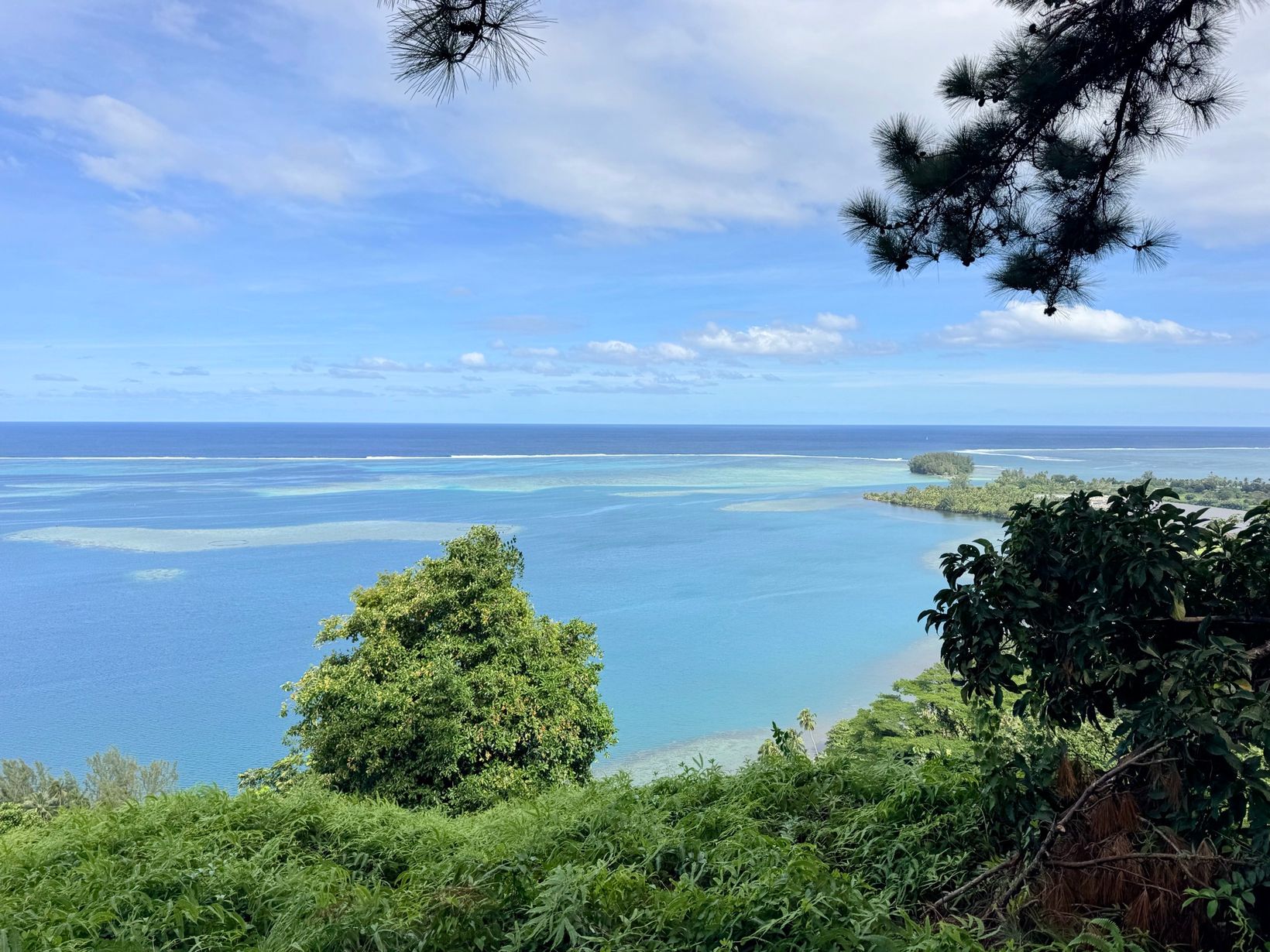
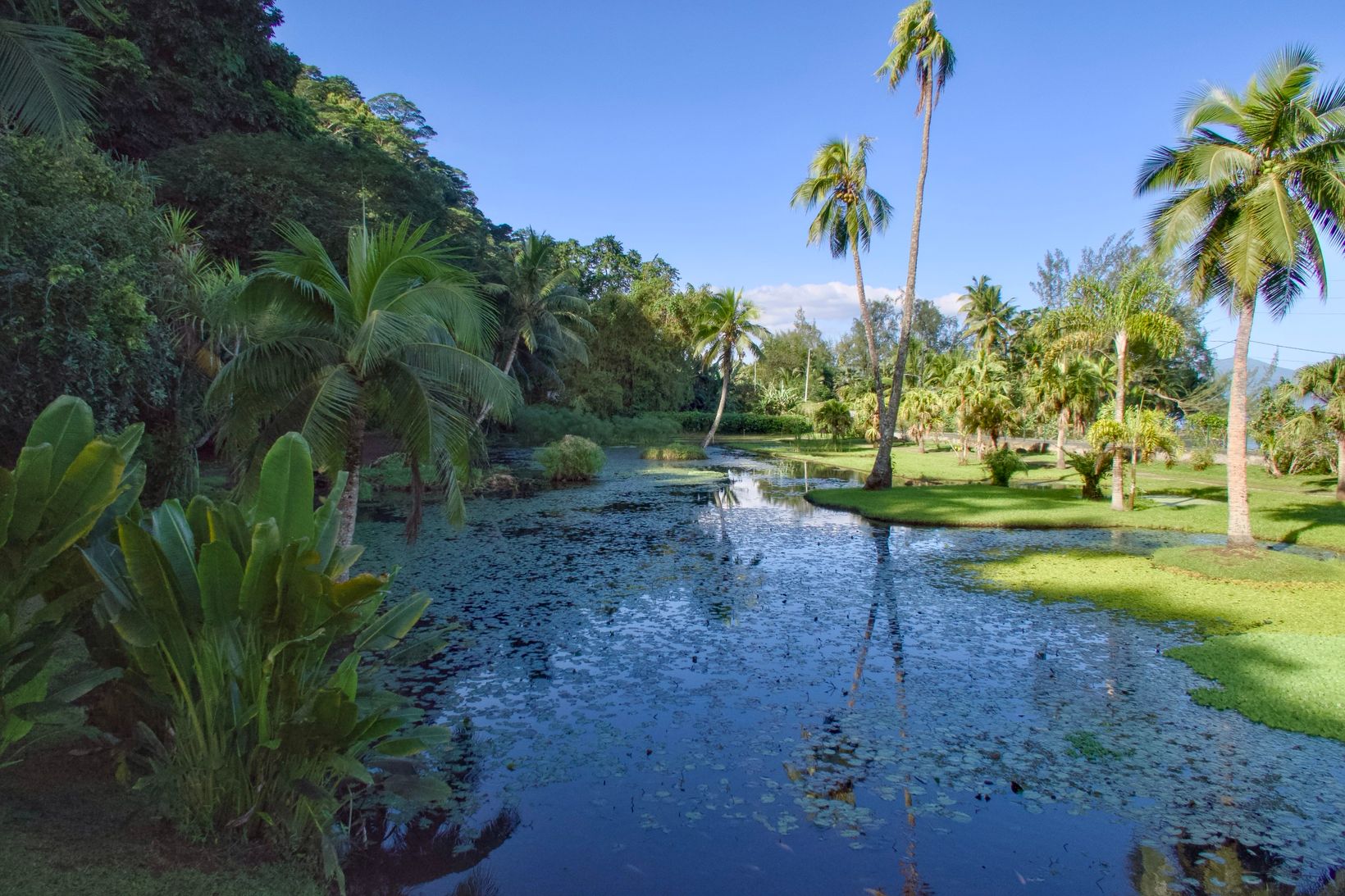
Vaihi Wasserfall
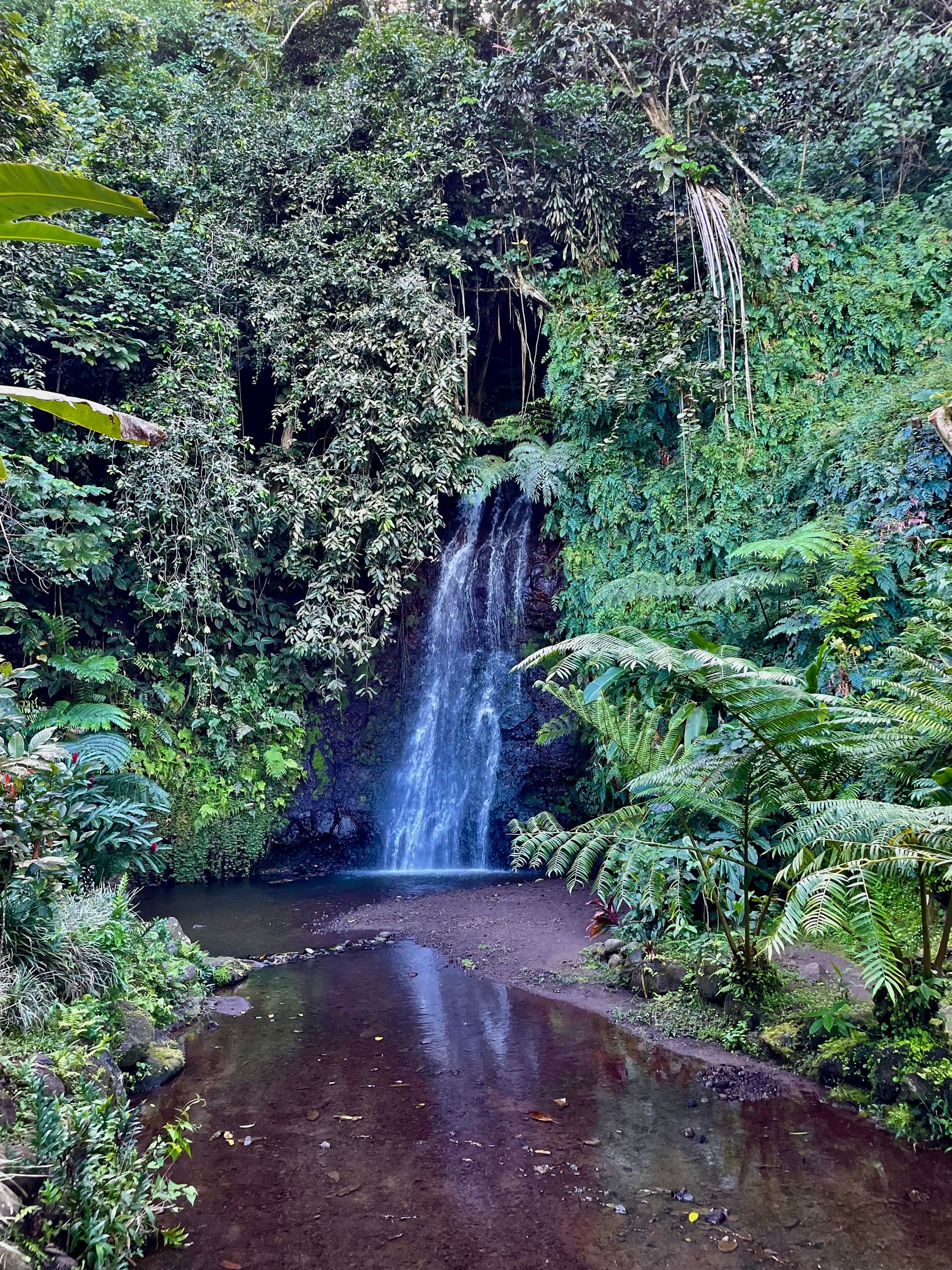
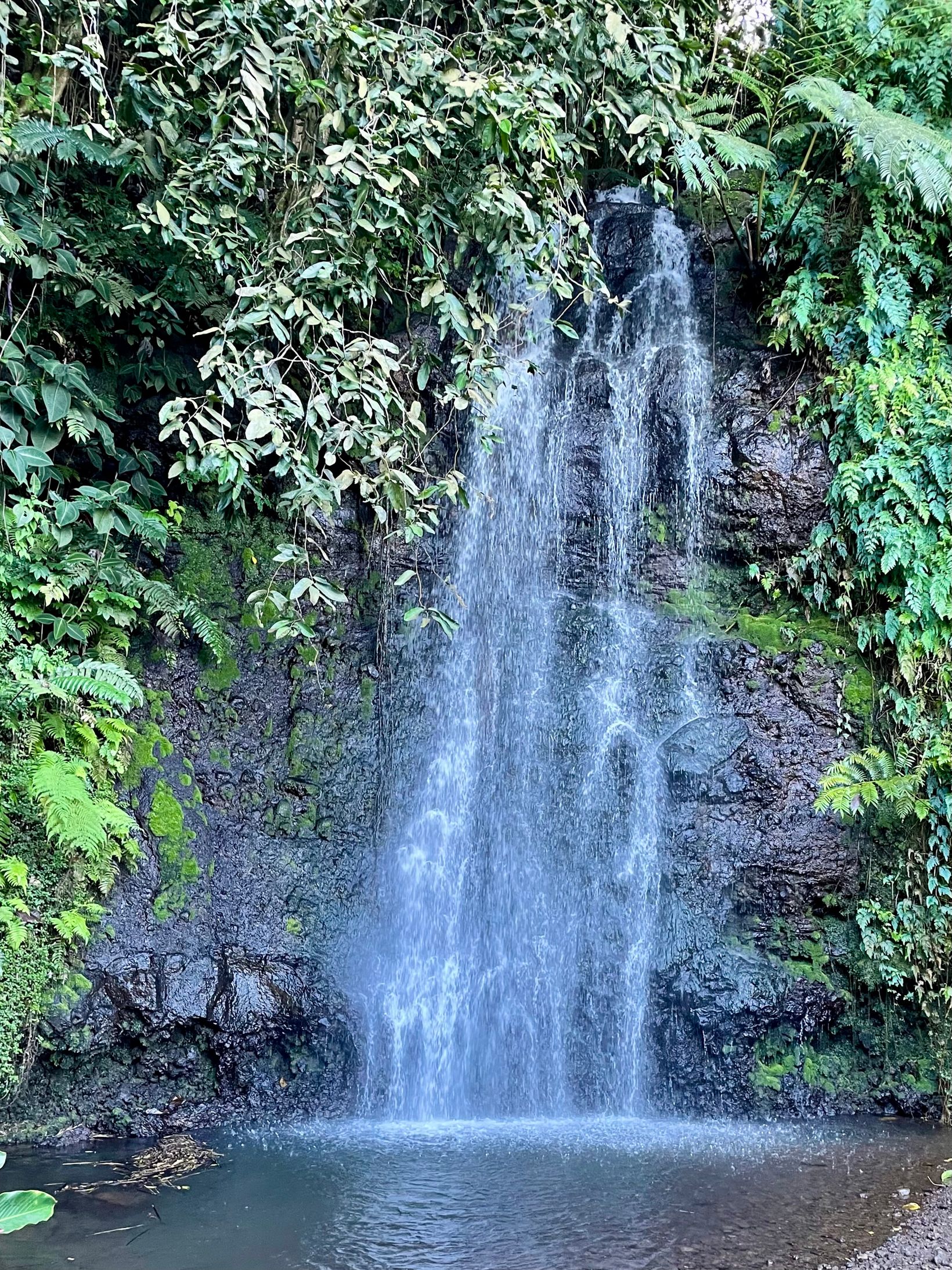
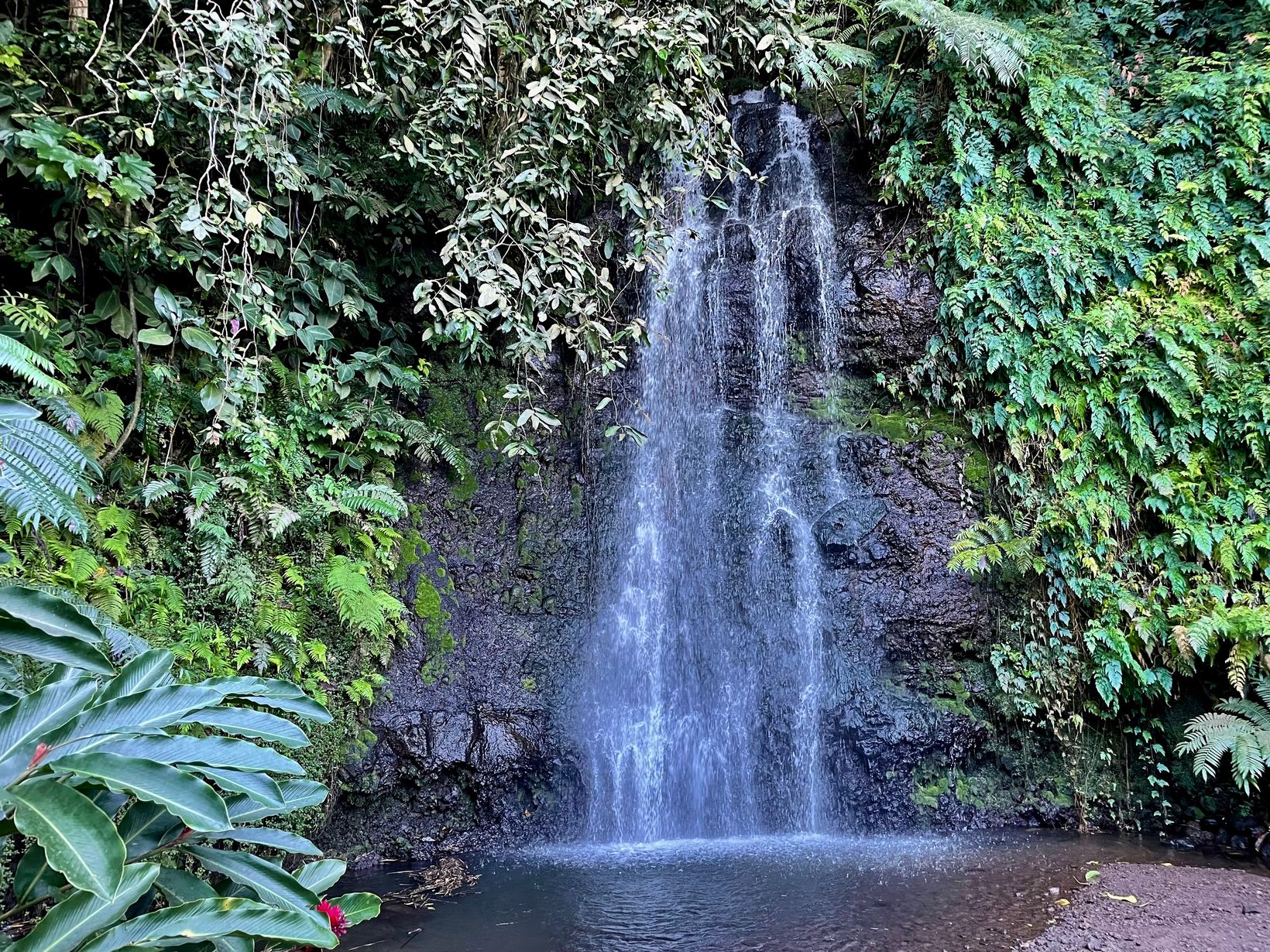
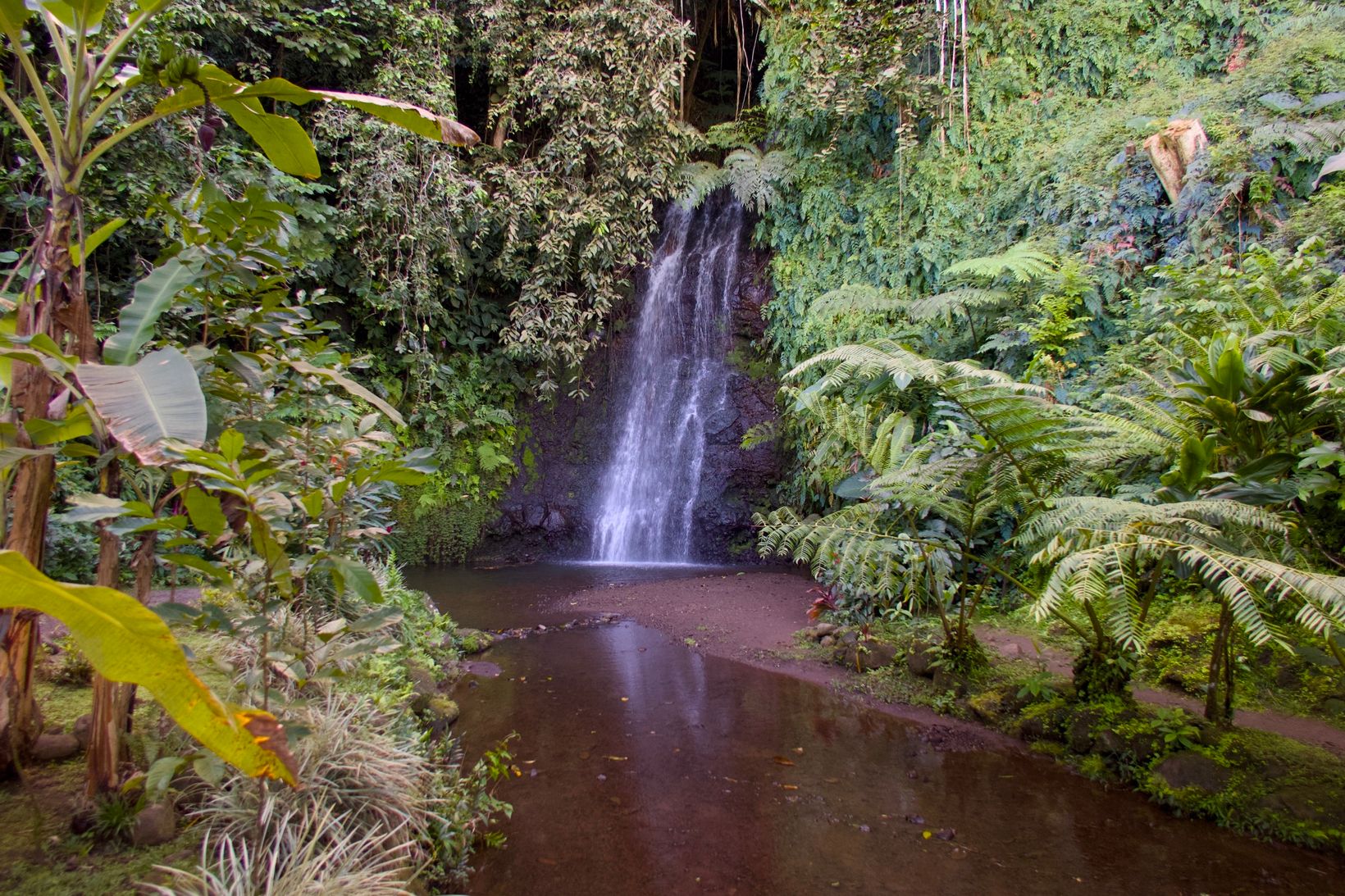
3 Cascades
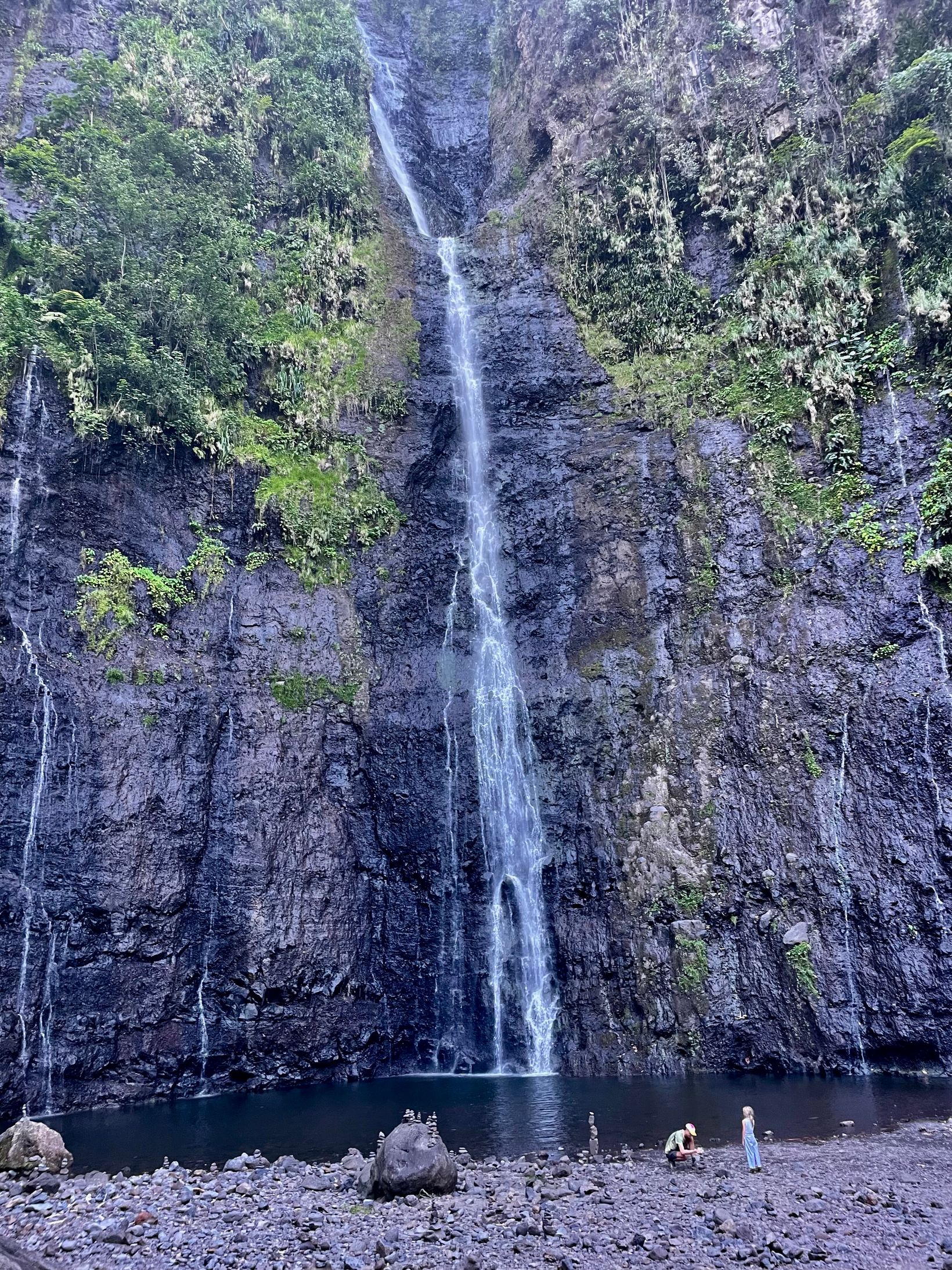
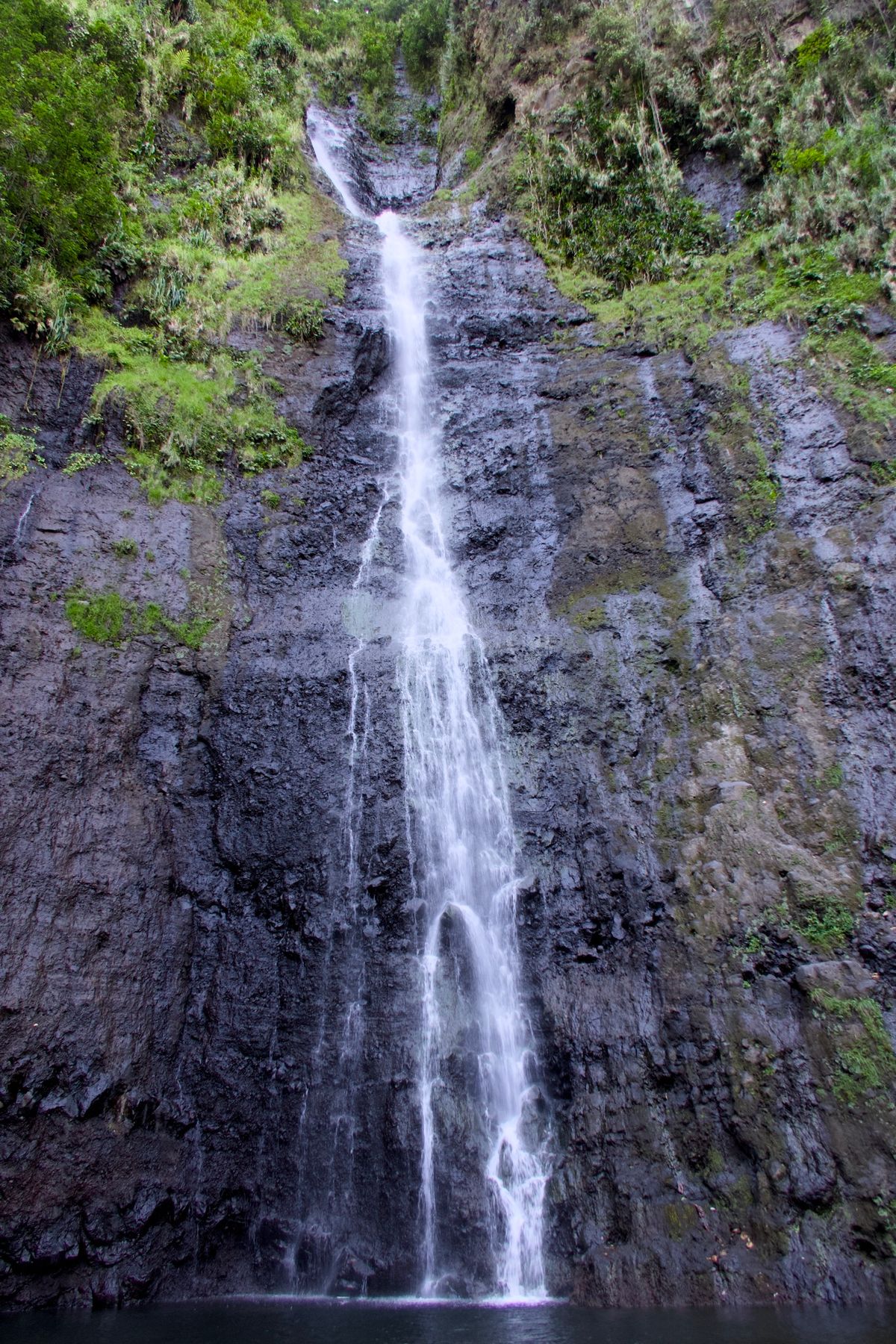
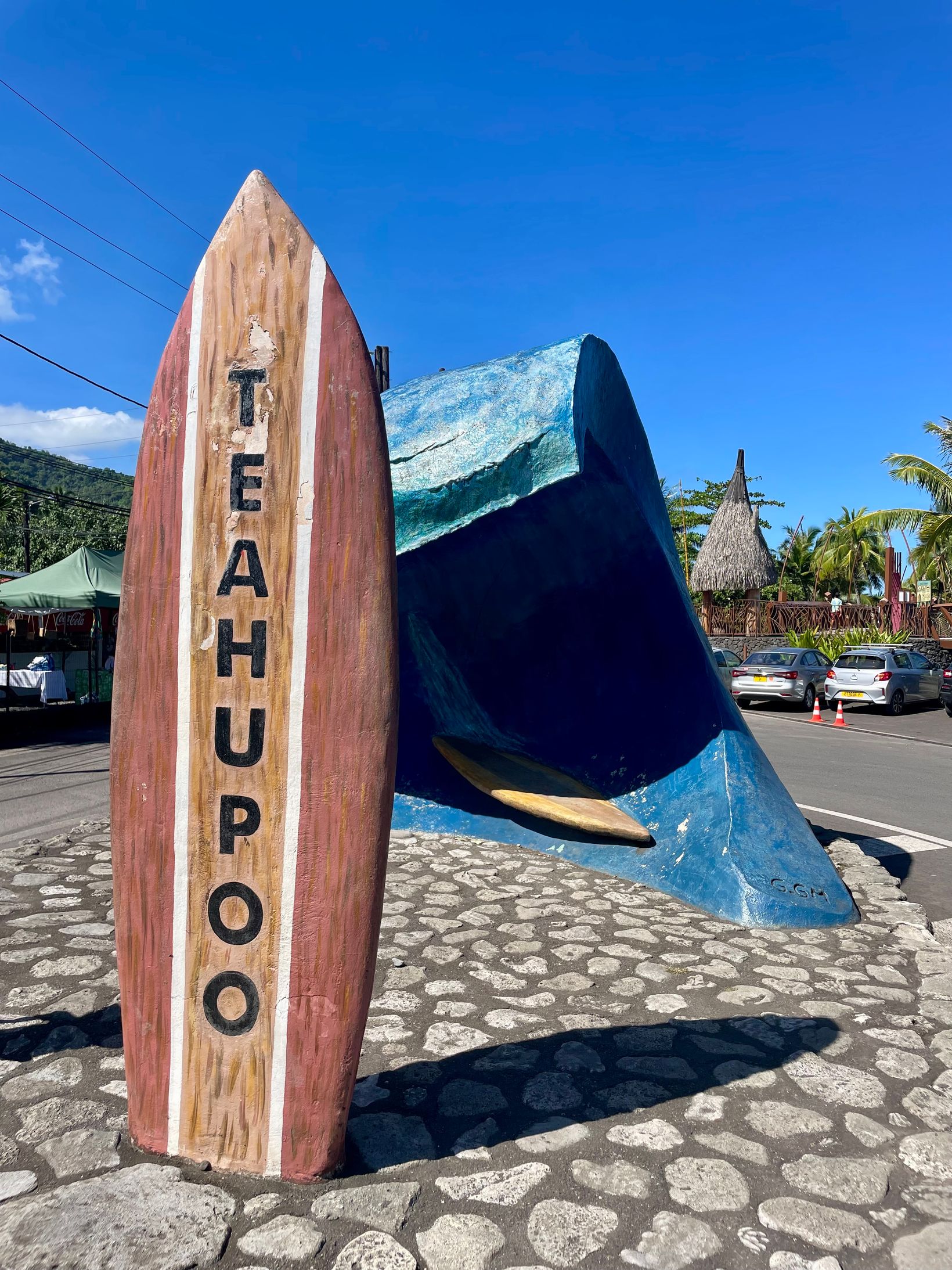
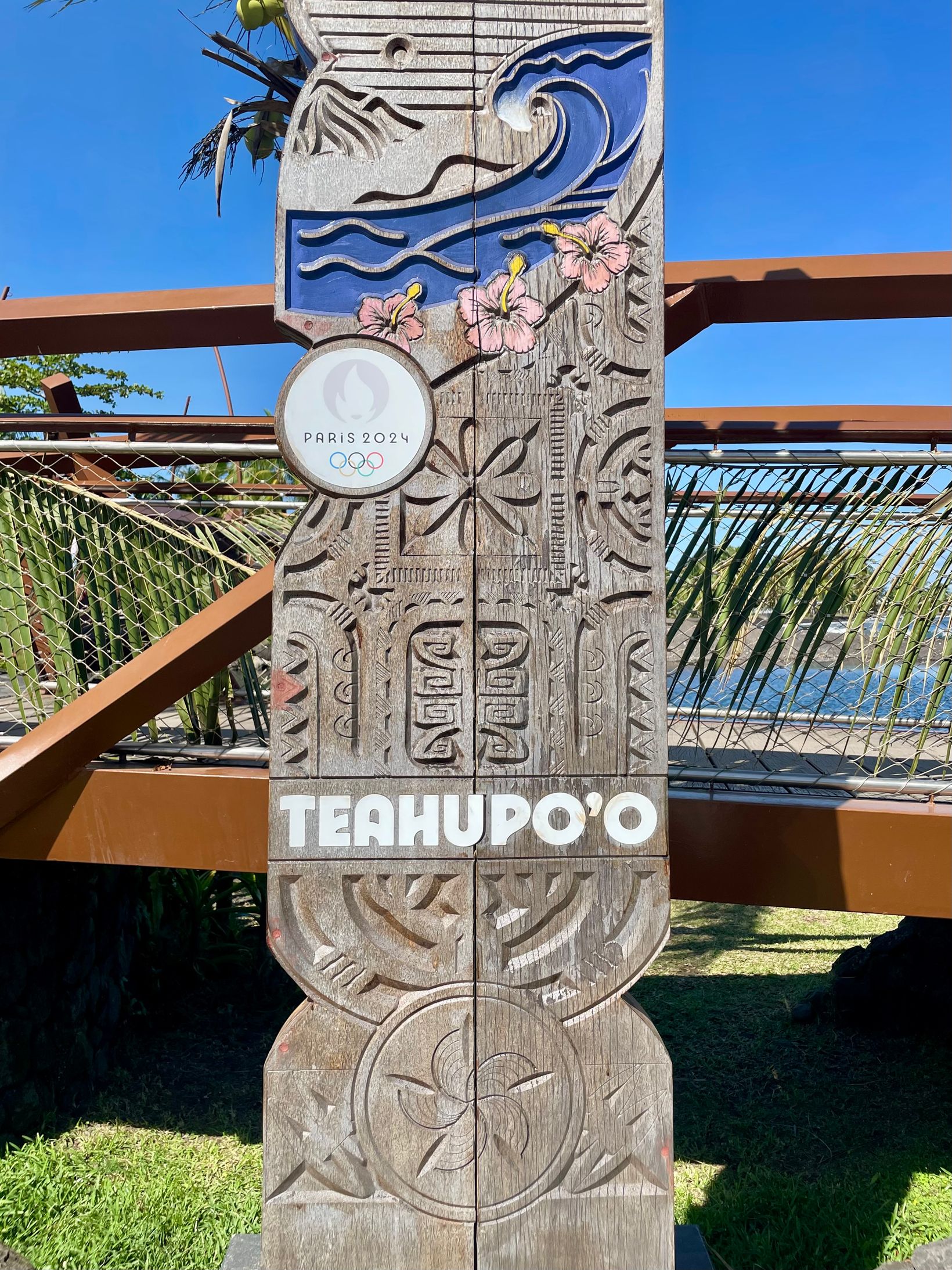
Teahupoo
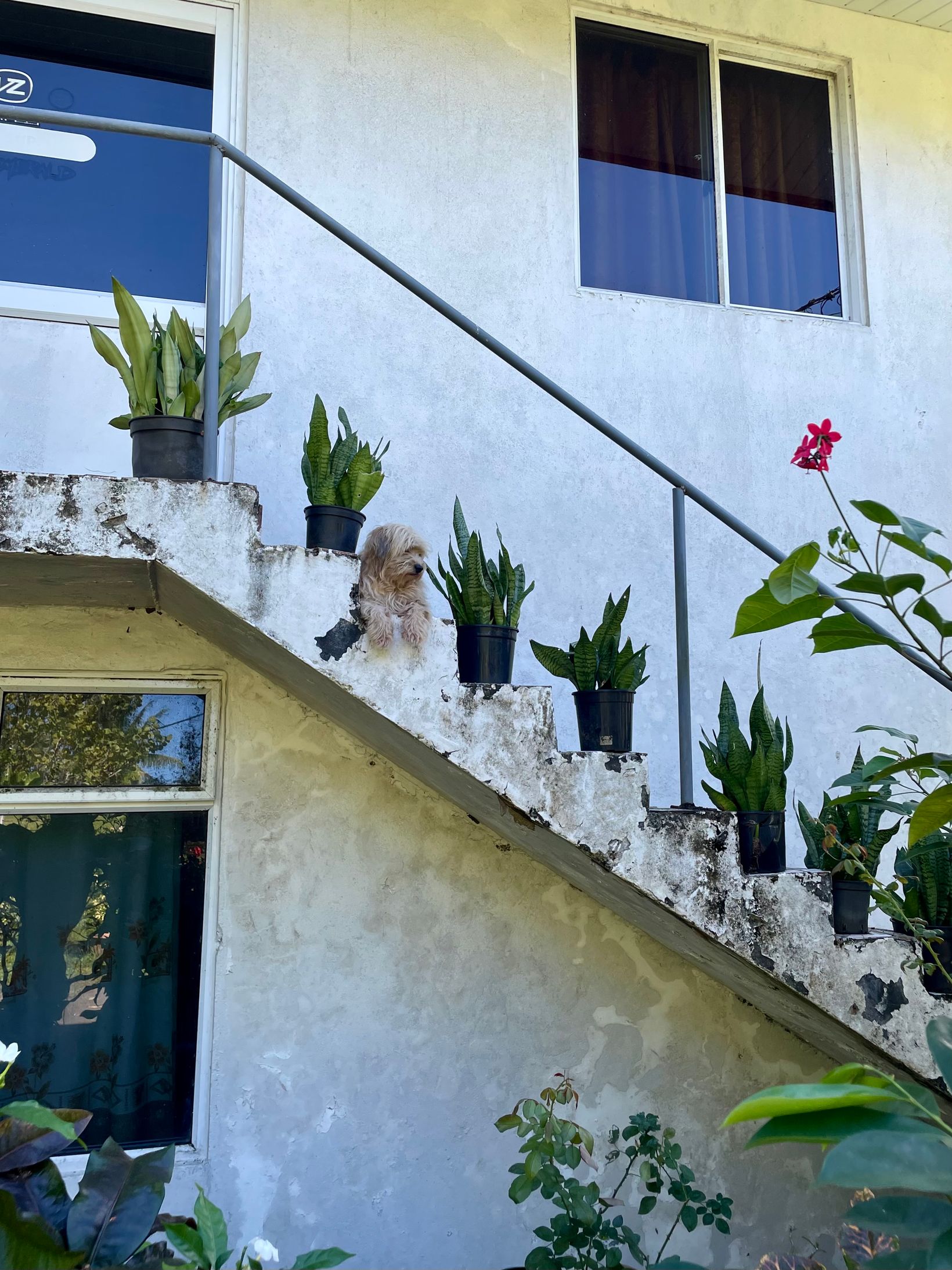
Despite all the beauty here, we’re taking a detour to Moorea before sailing back to Papeete to prepare for the arrival of family. We moore at the marina, where—after weeks of overcrowding—there’s actually a spot available for us. This makes the logistics easier and saves us from having to anchor somewhere dodgy. Anchorage spots are generally a major source of contention on Tahiti and throughout the Society Islands. Although there are designated spots, the regulations are often not in effect, or the locals simply don’t want boats in their line of sight. They chase away anyone who wants to spend the night in the official anchorage area, which can be booked via a website. All of this leads to a confusing situation and a lot of frustration on all ends. So anyone who manages to snag a spot in some of the few marinas can at least avoid these disputes. It’s better to save your energy for playgrounds and museums.
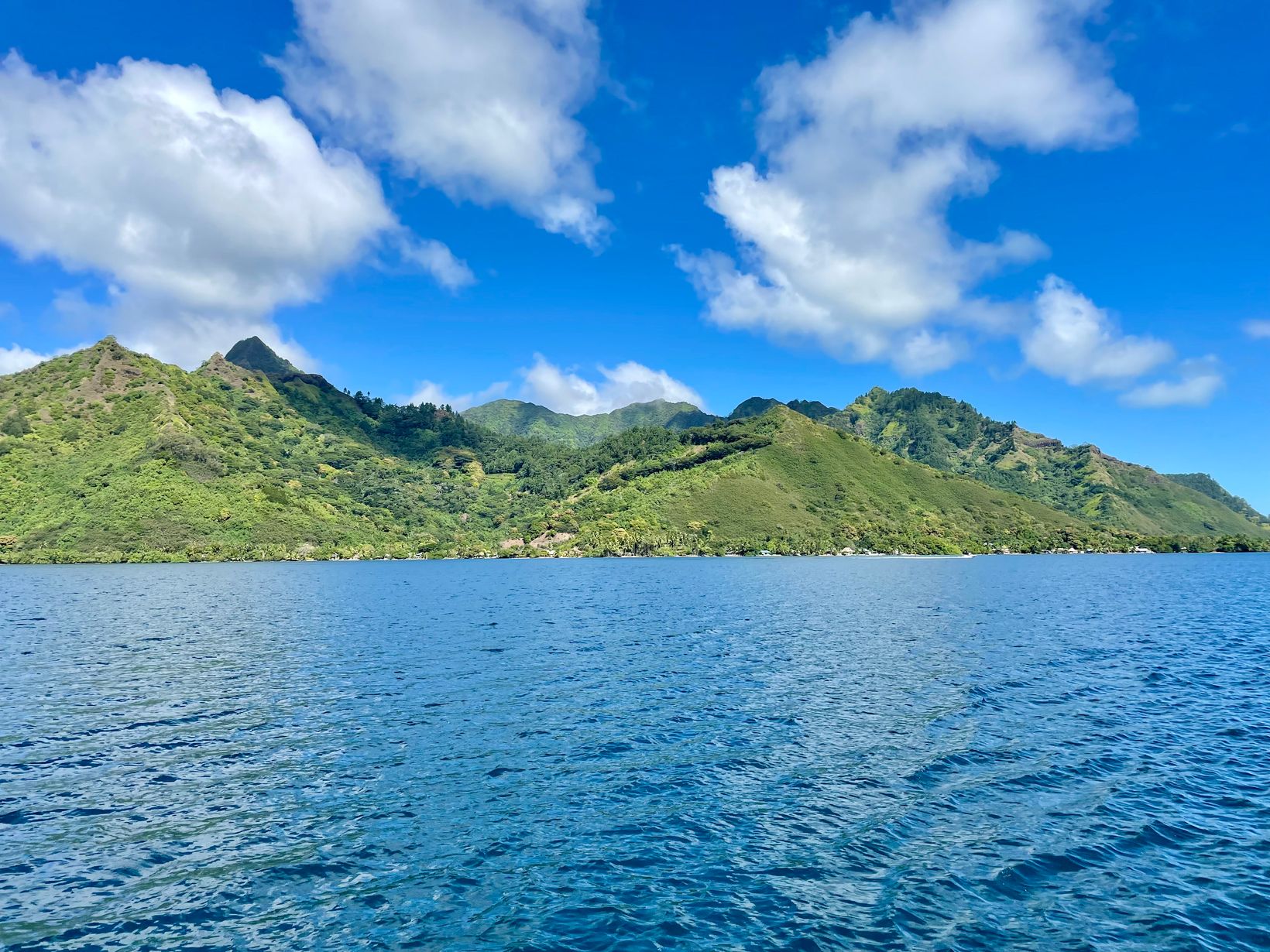
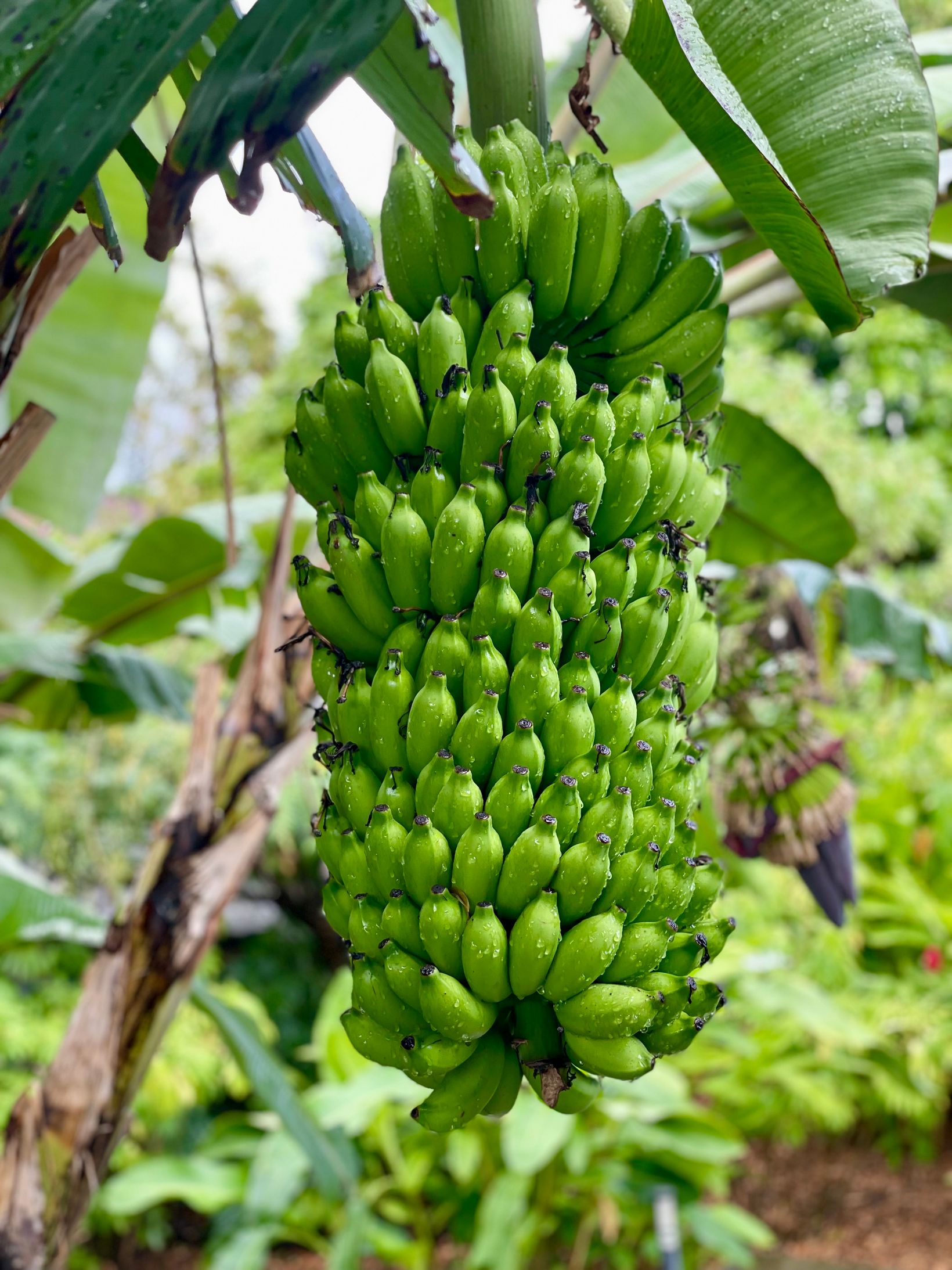
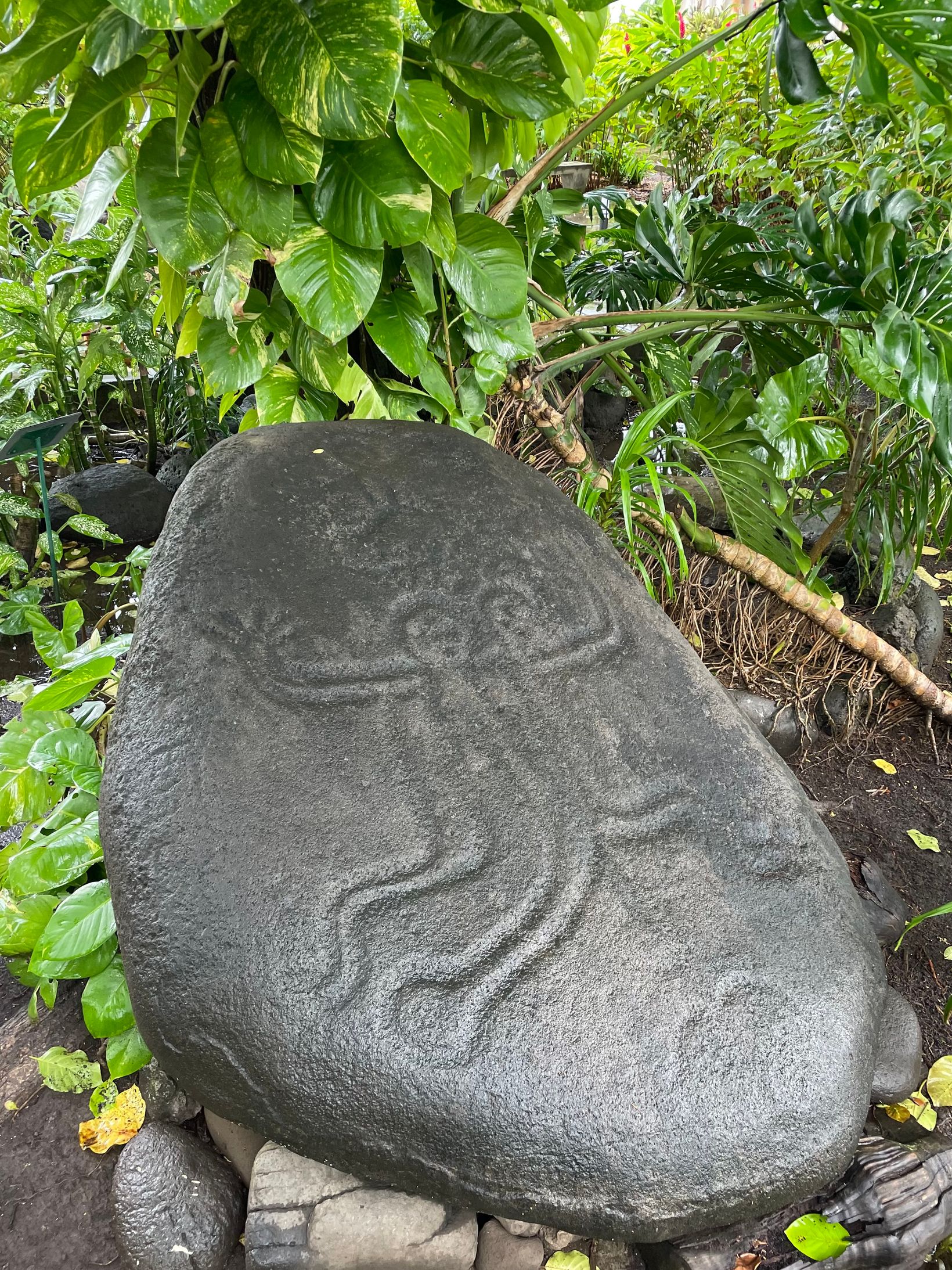
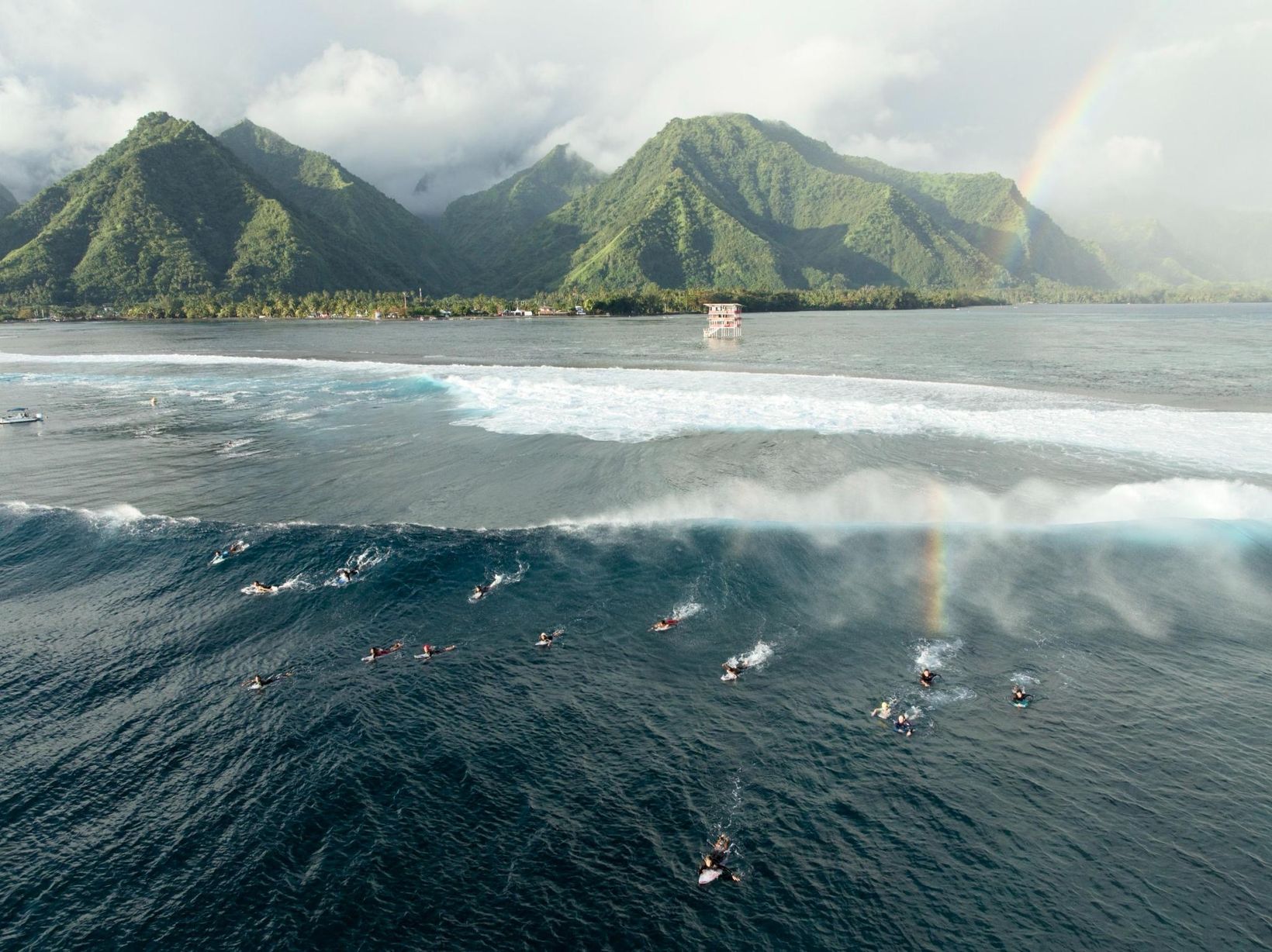
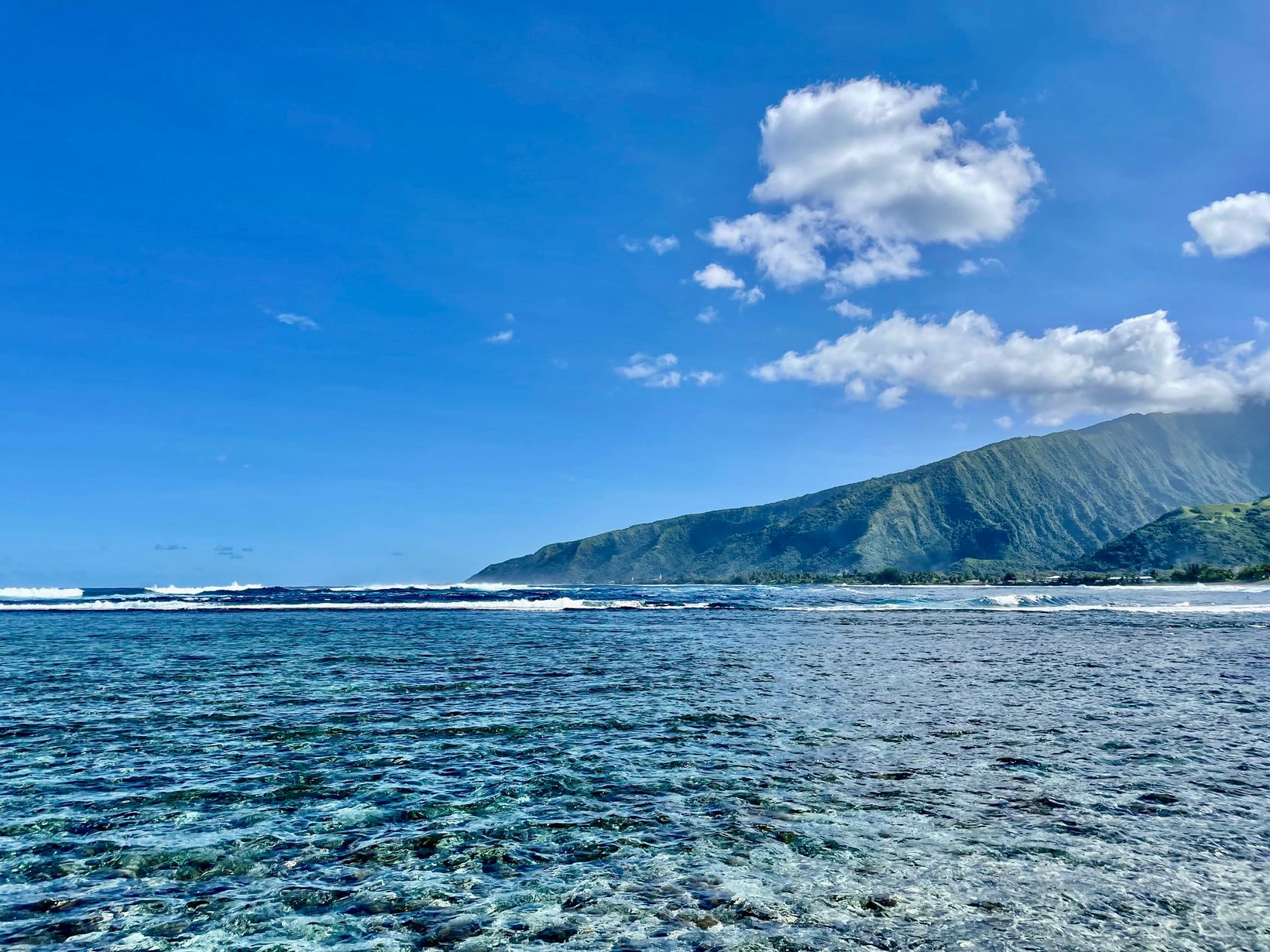
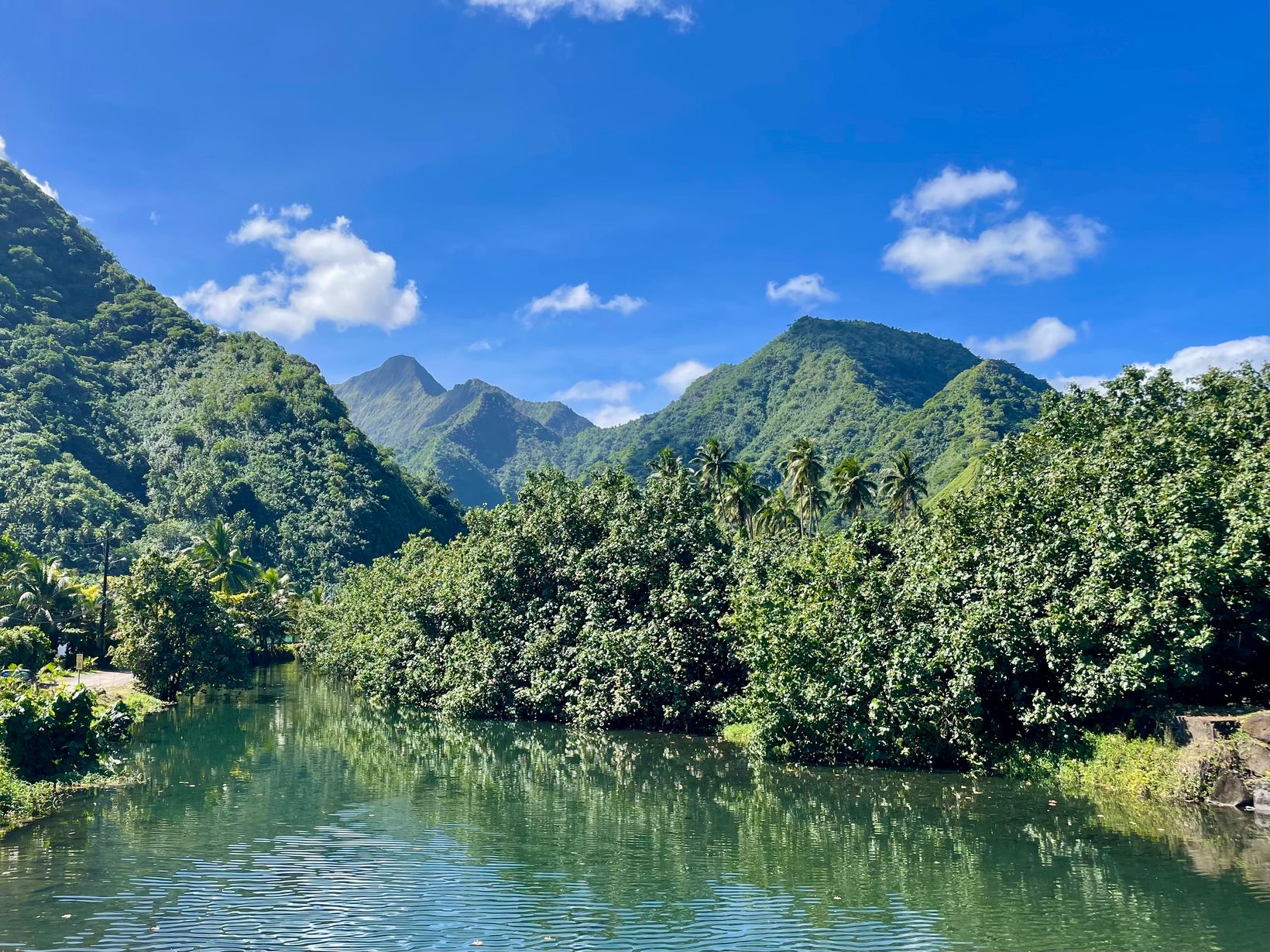
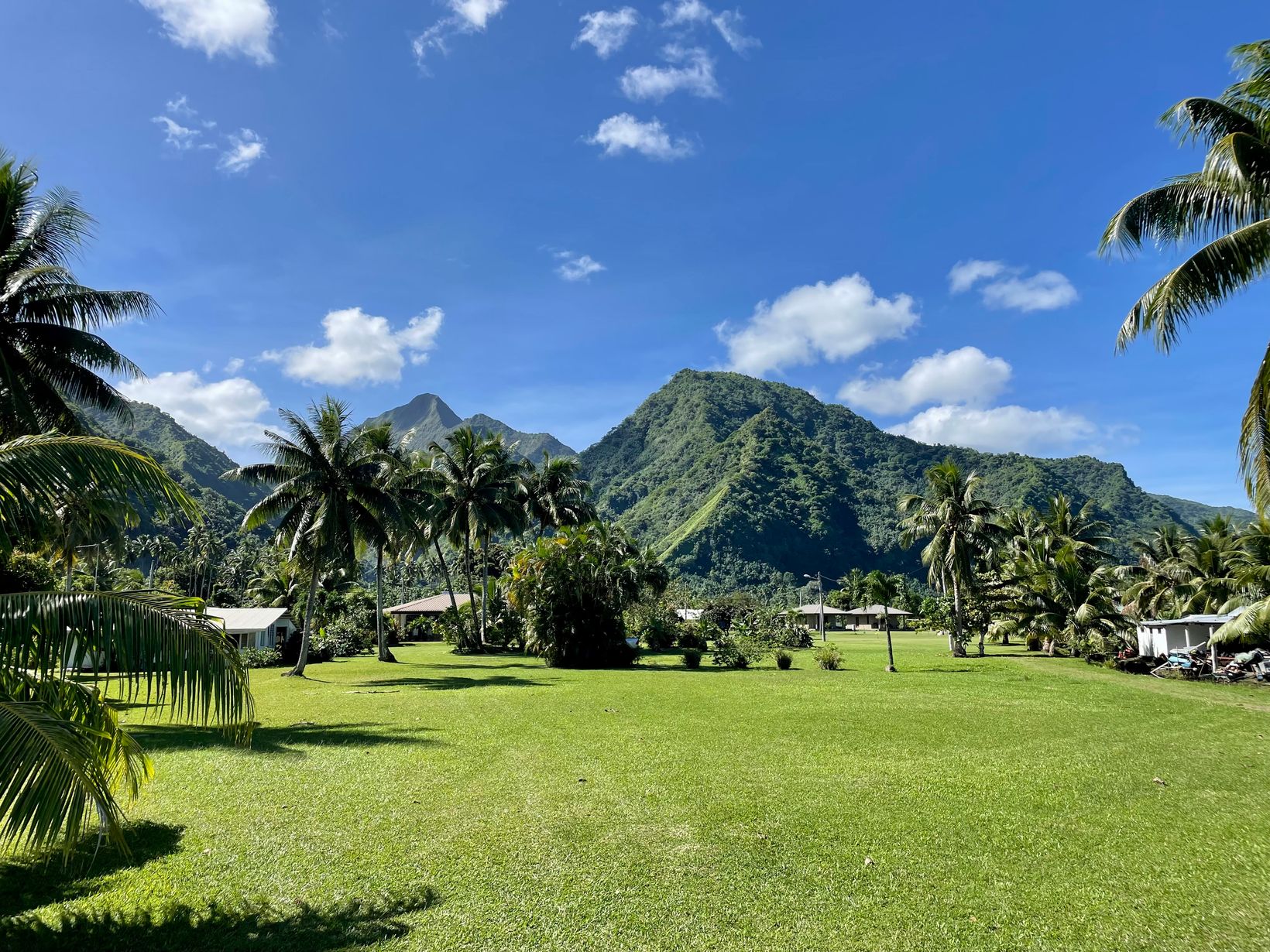
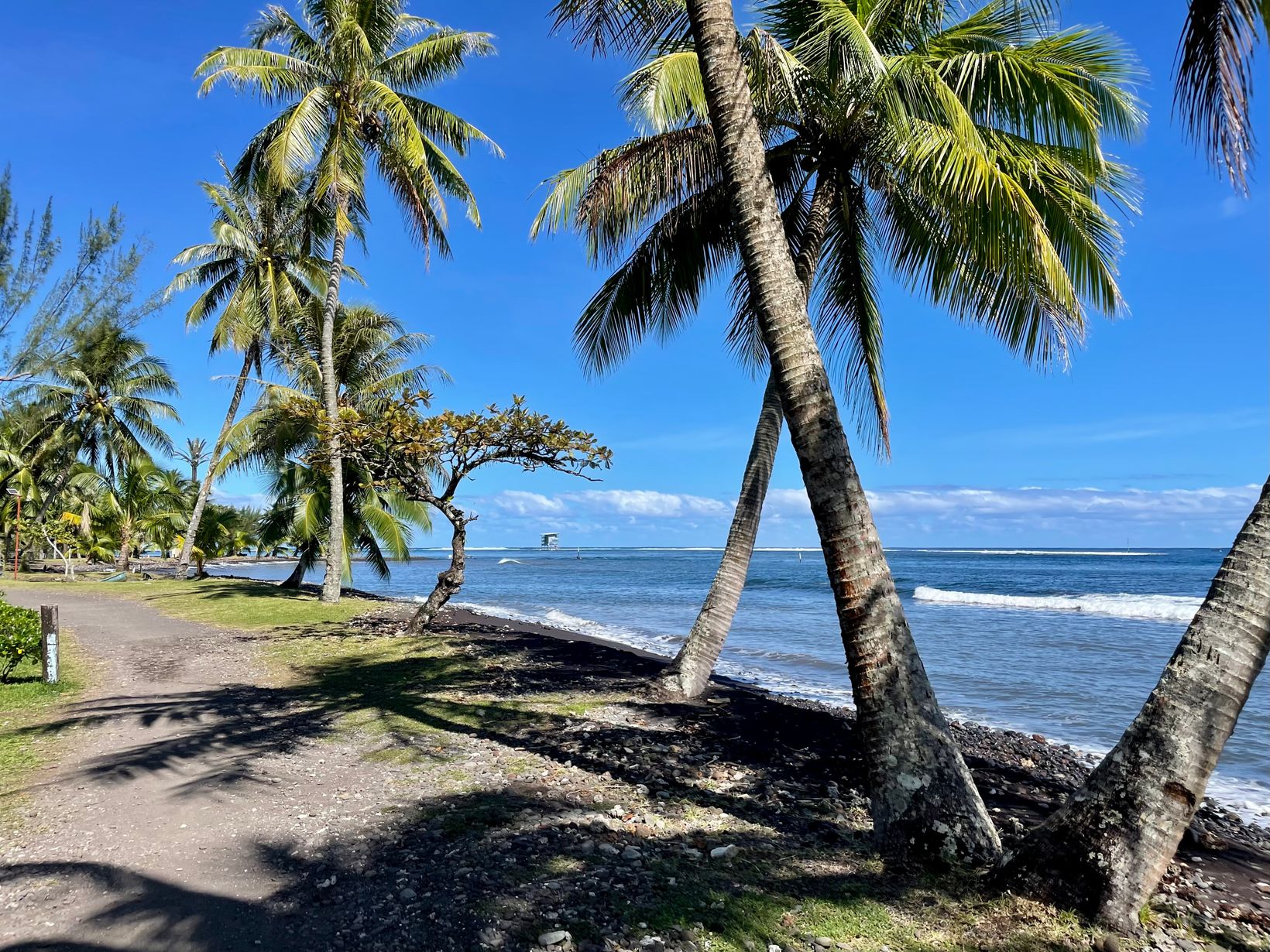
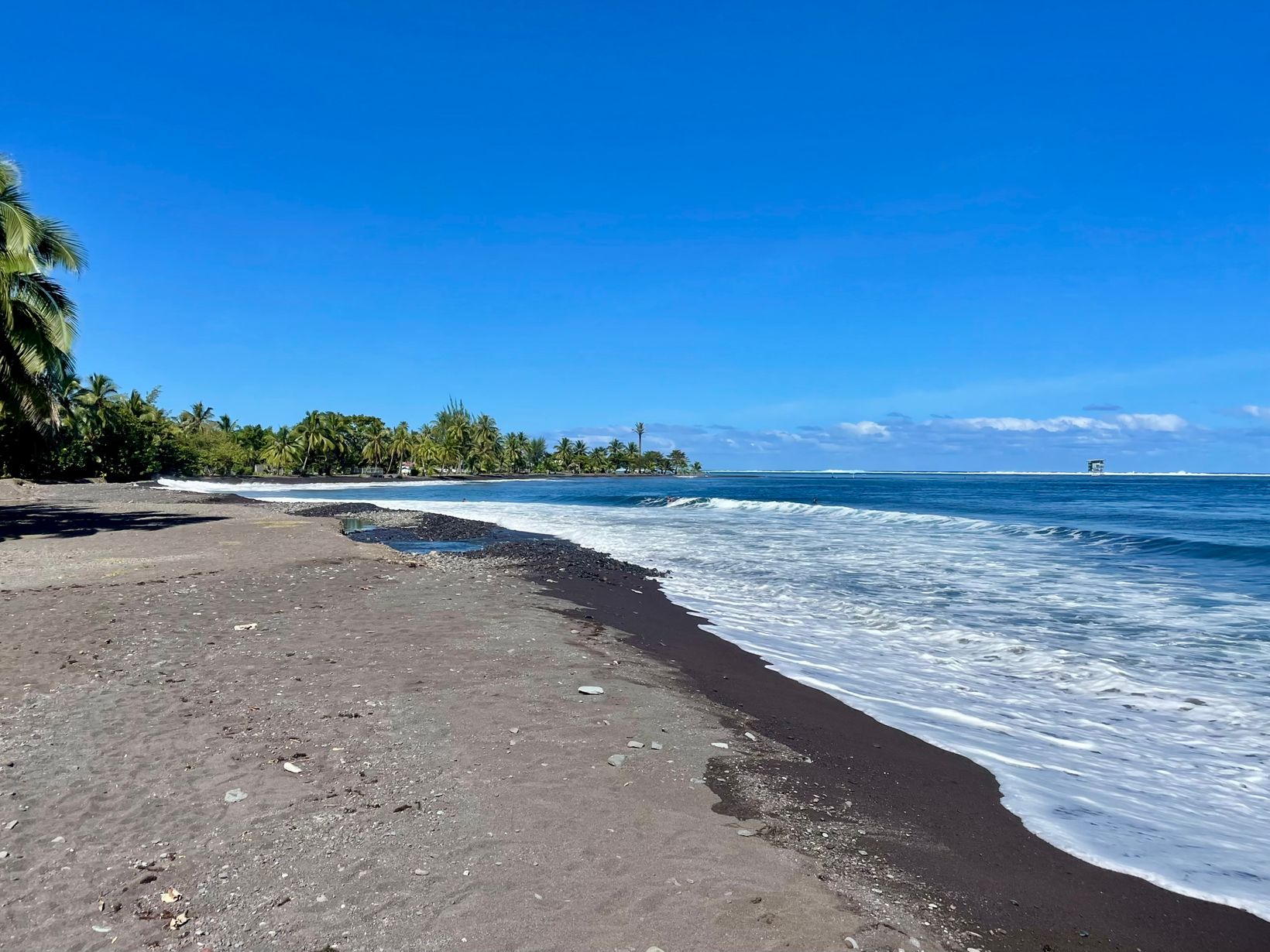
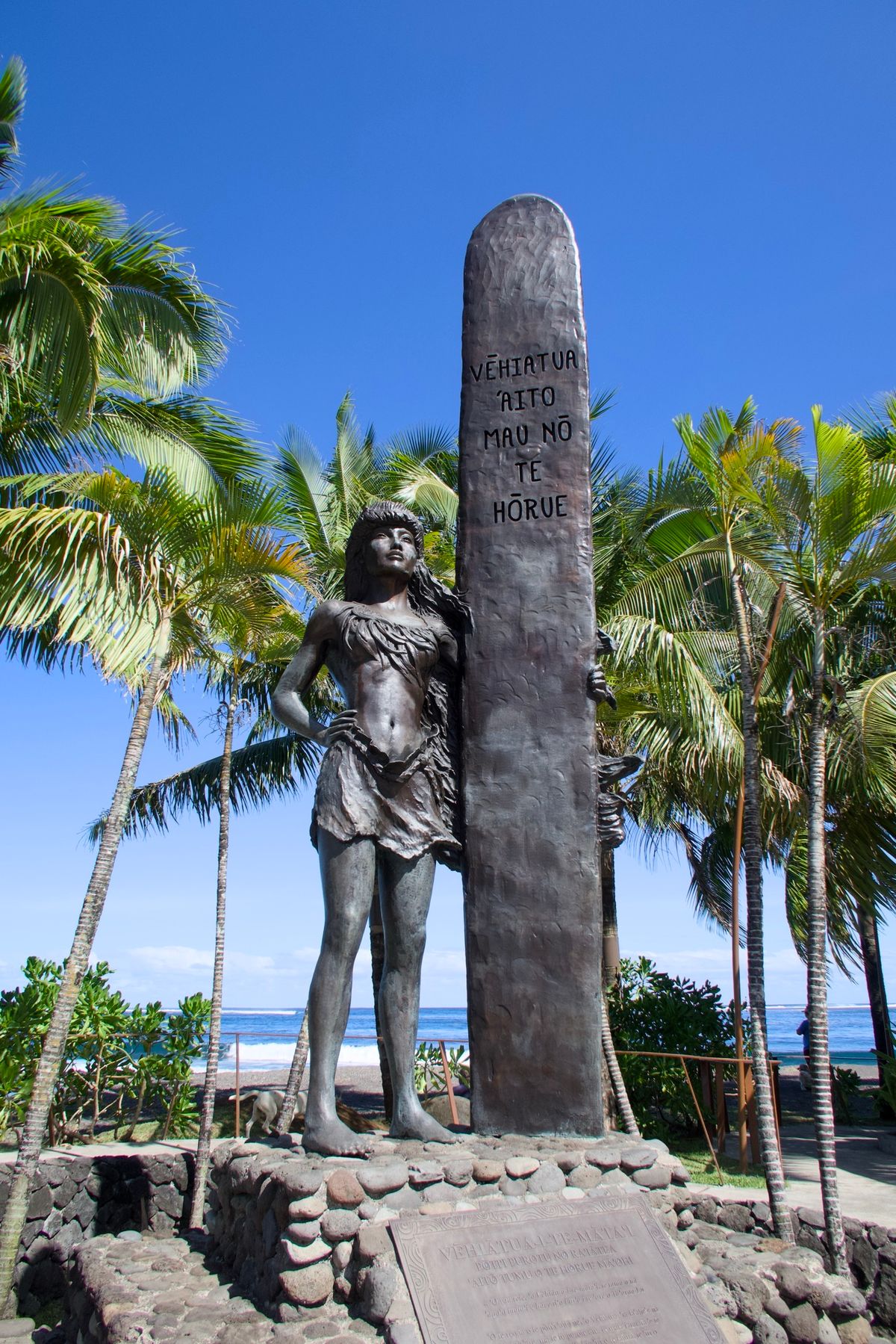
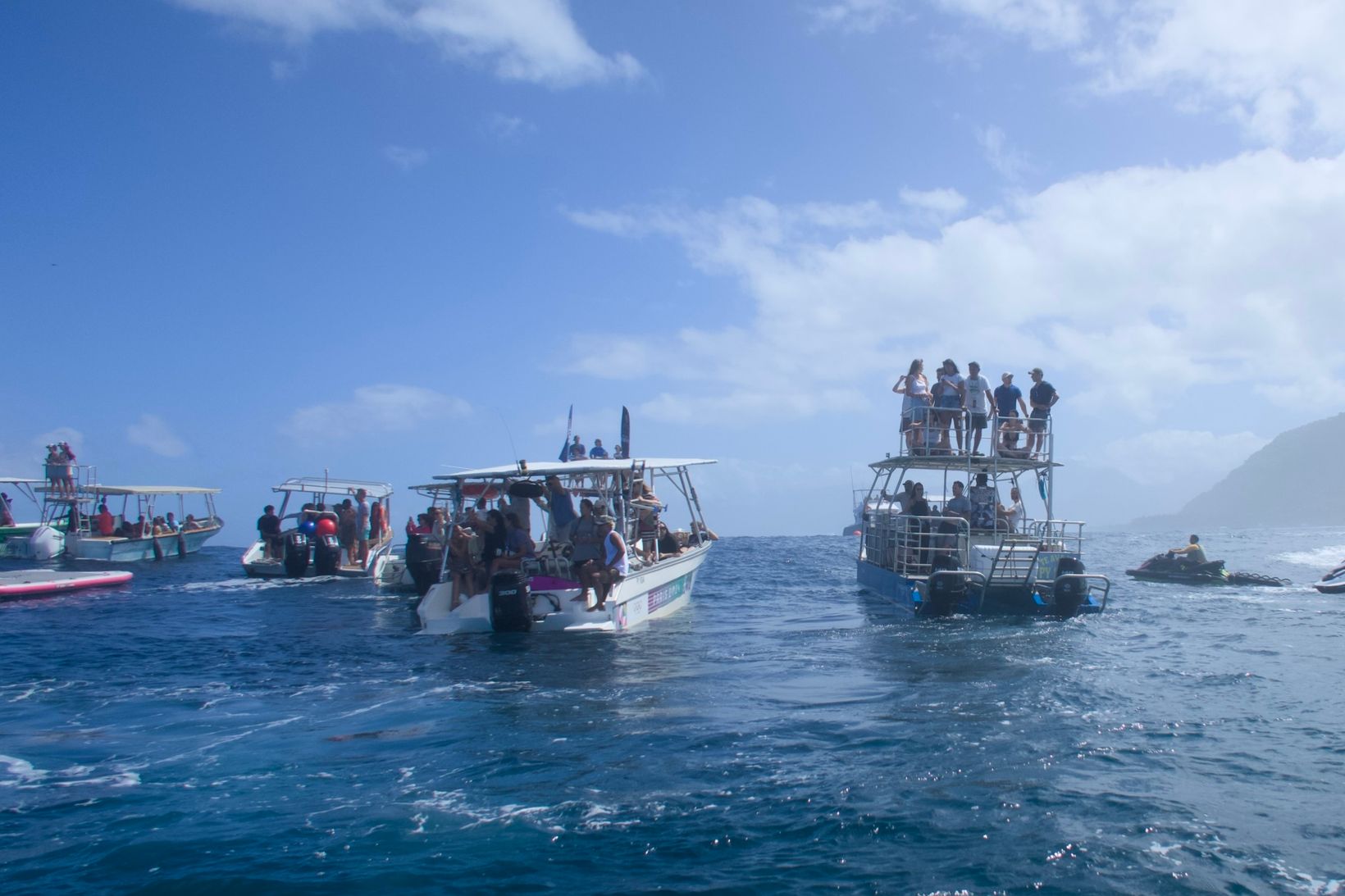
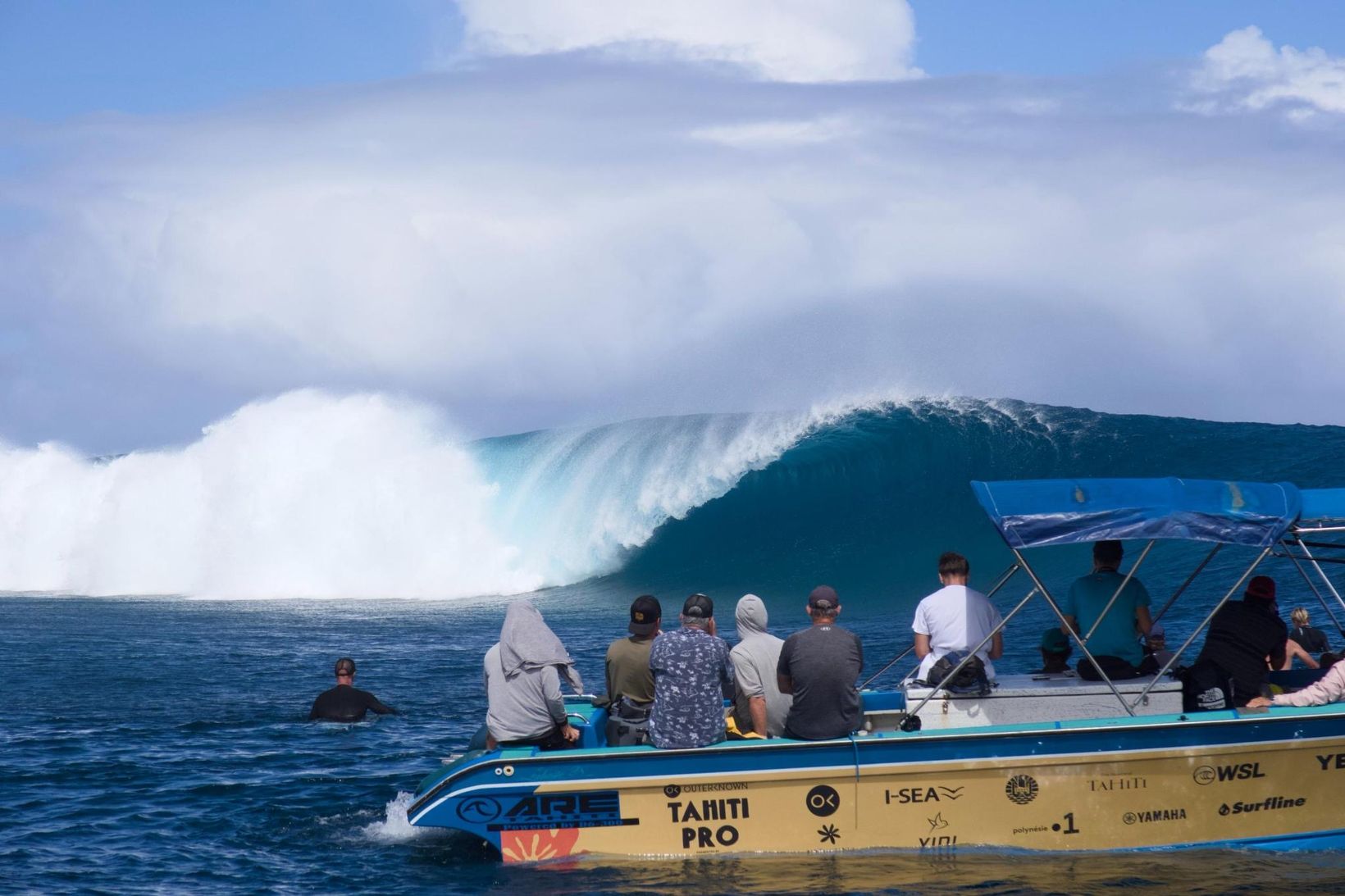
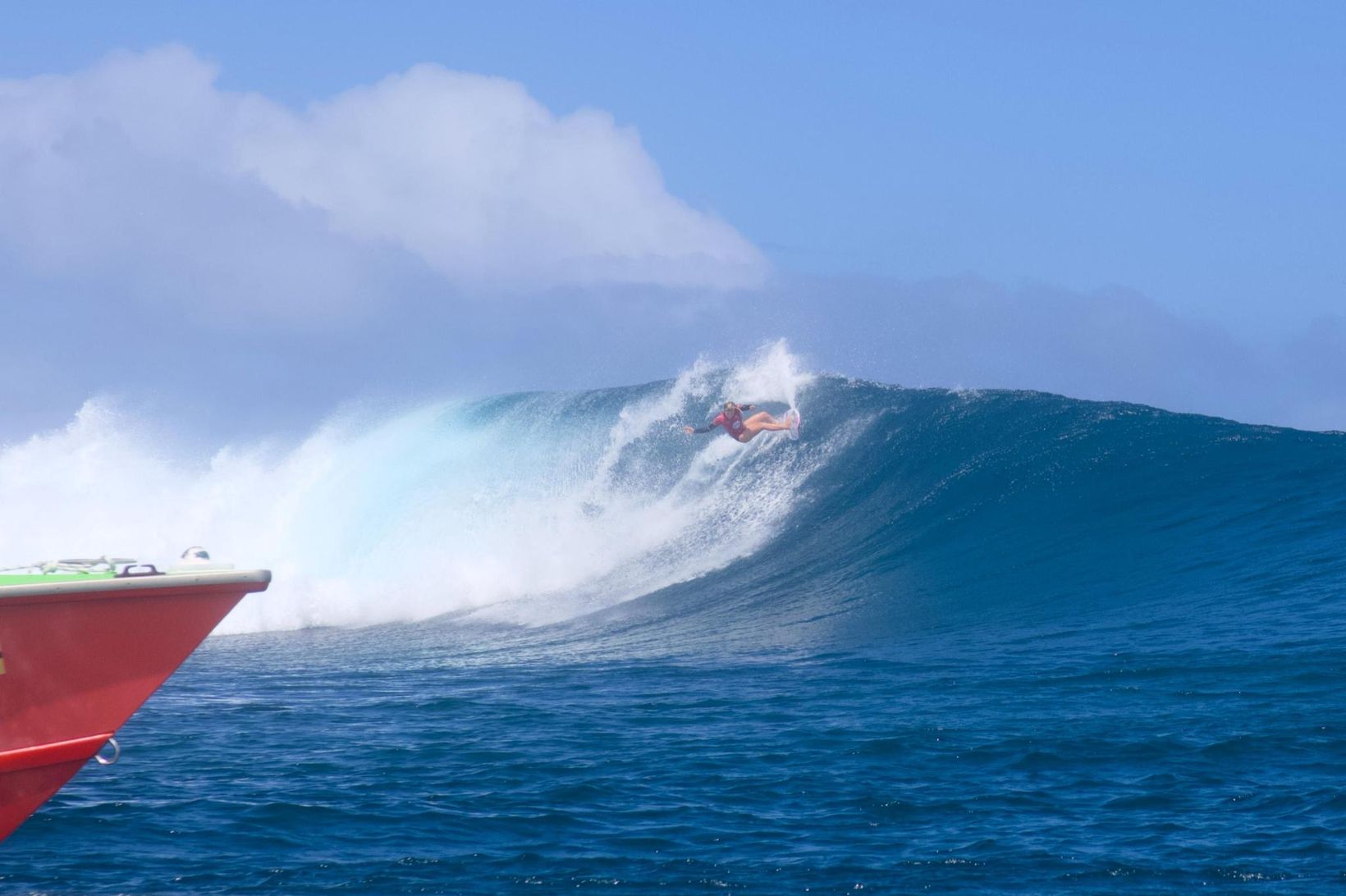
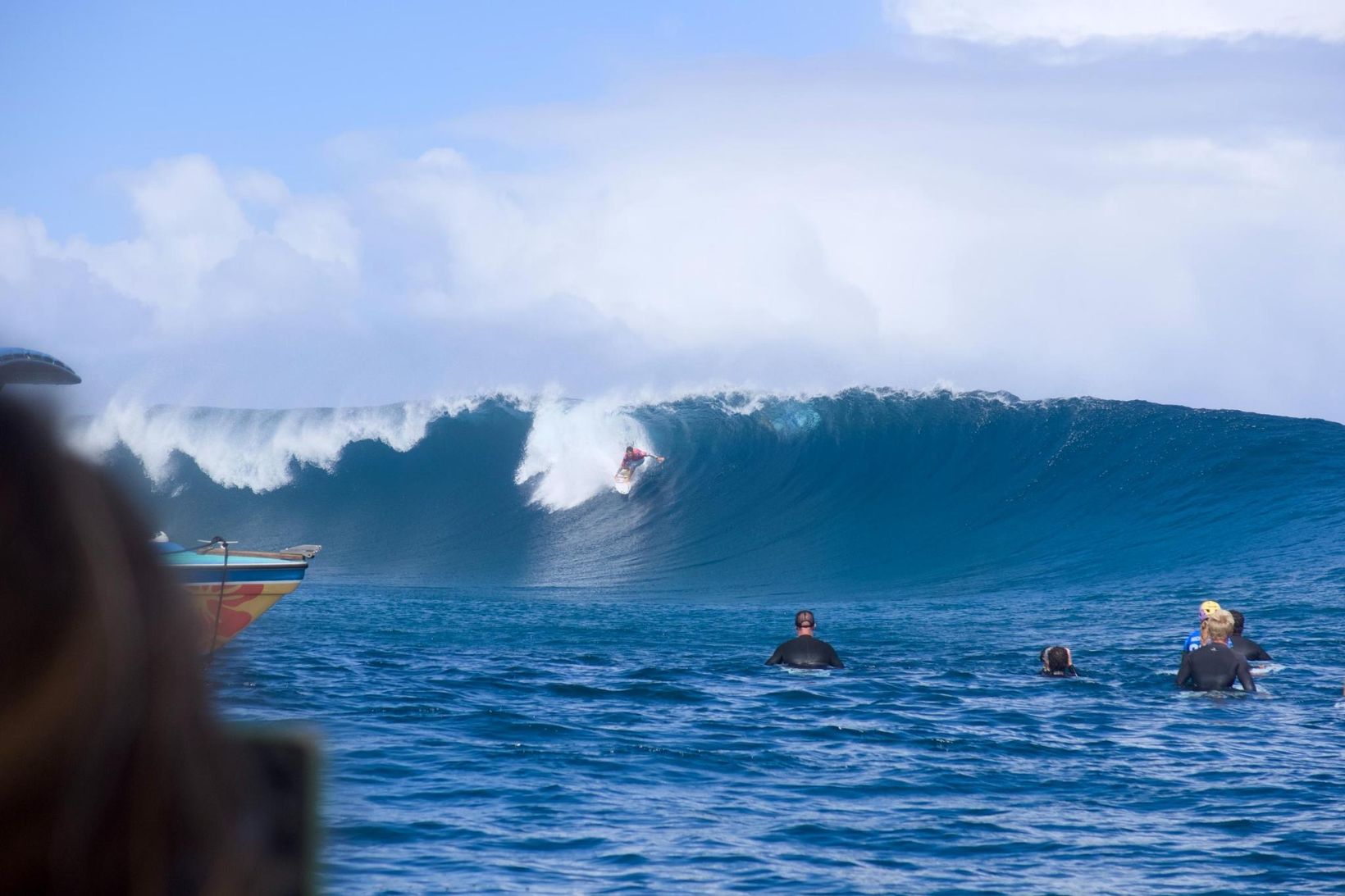
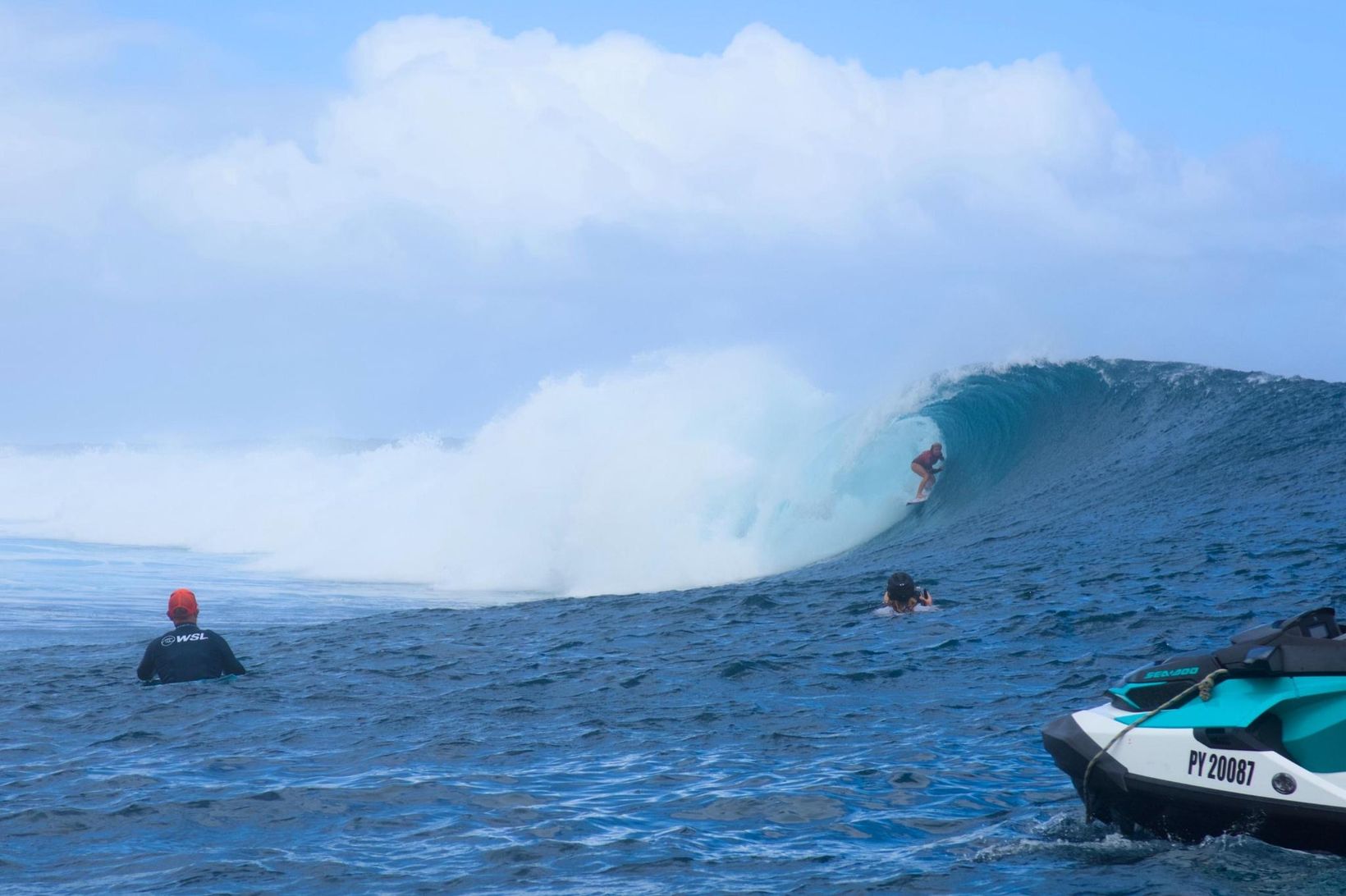
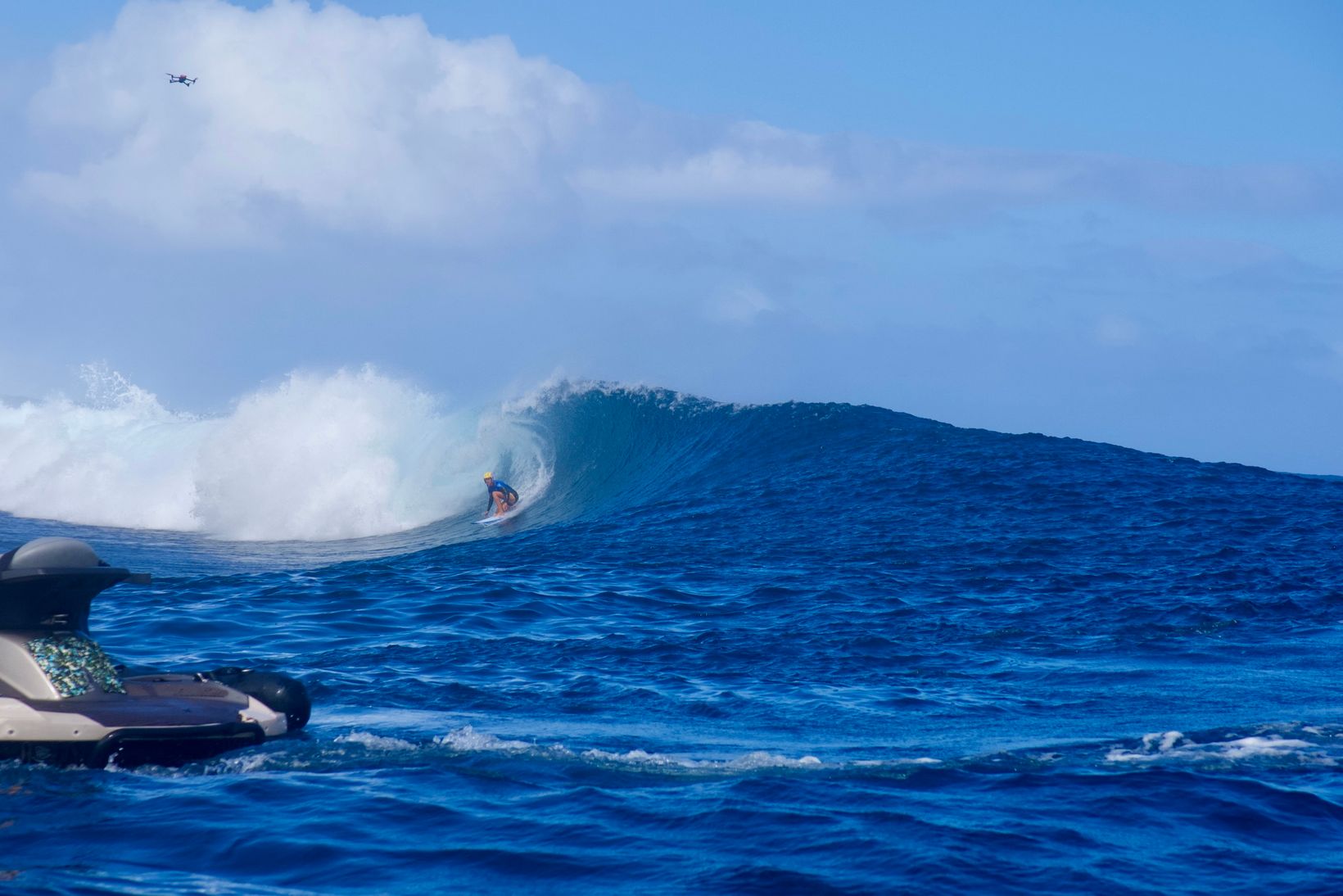
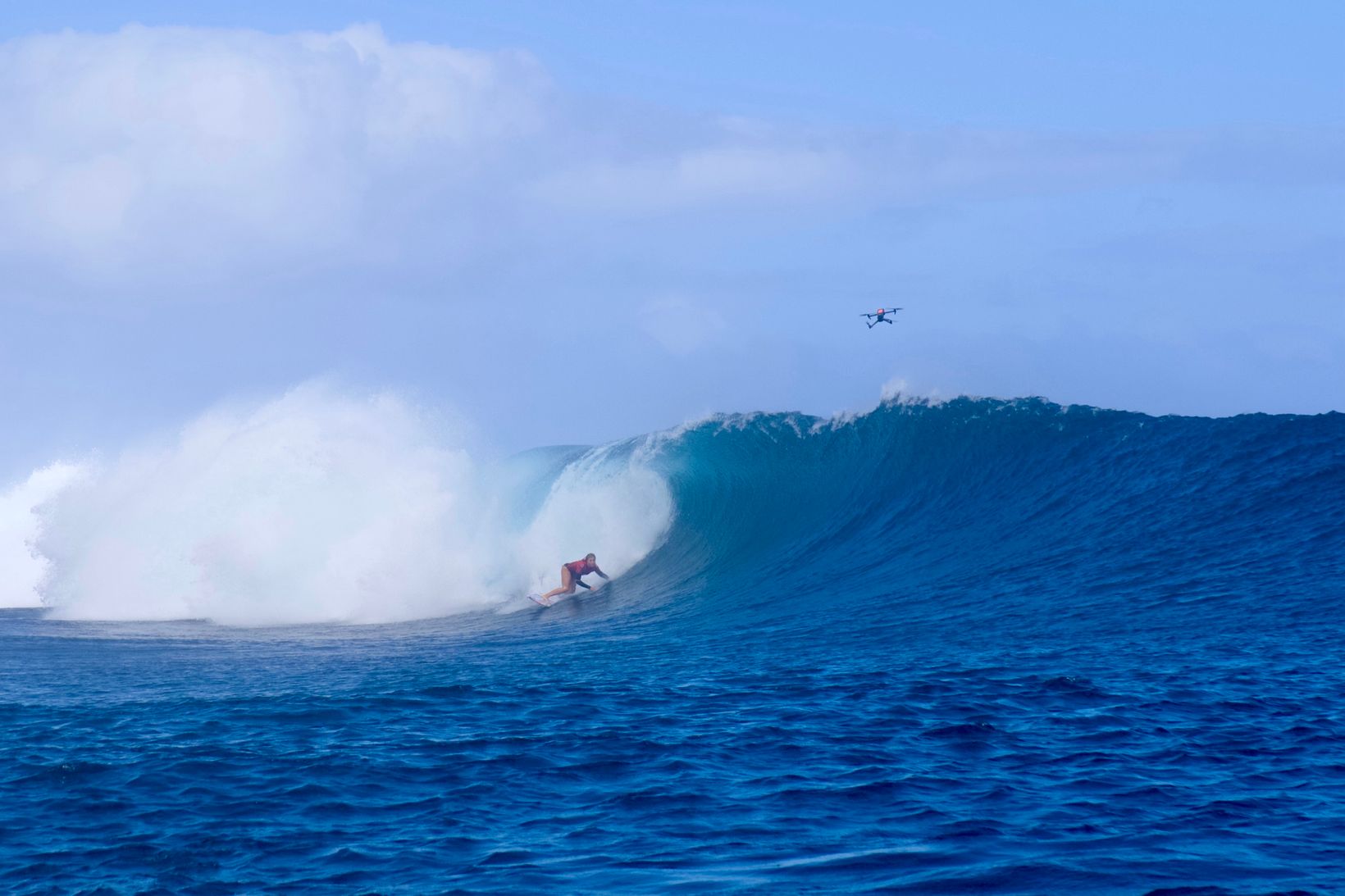
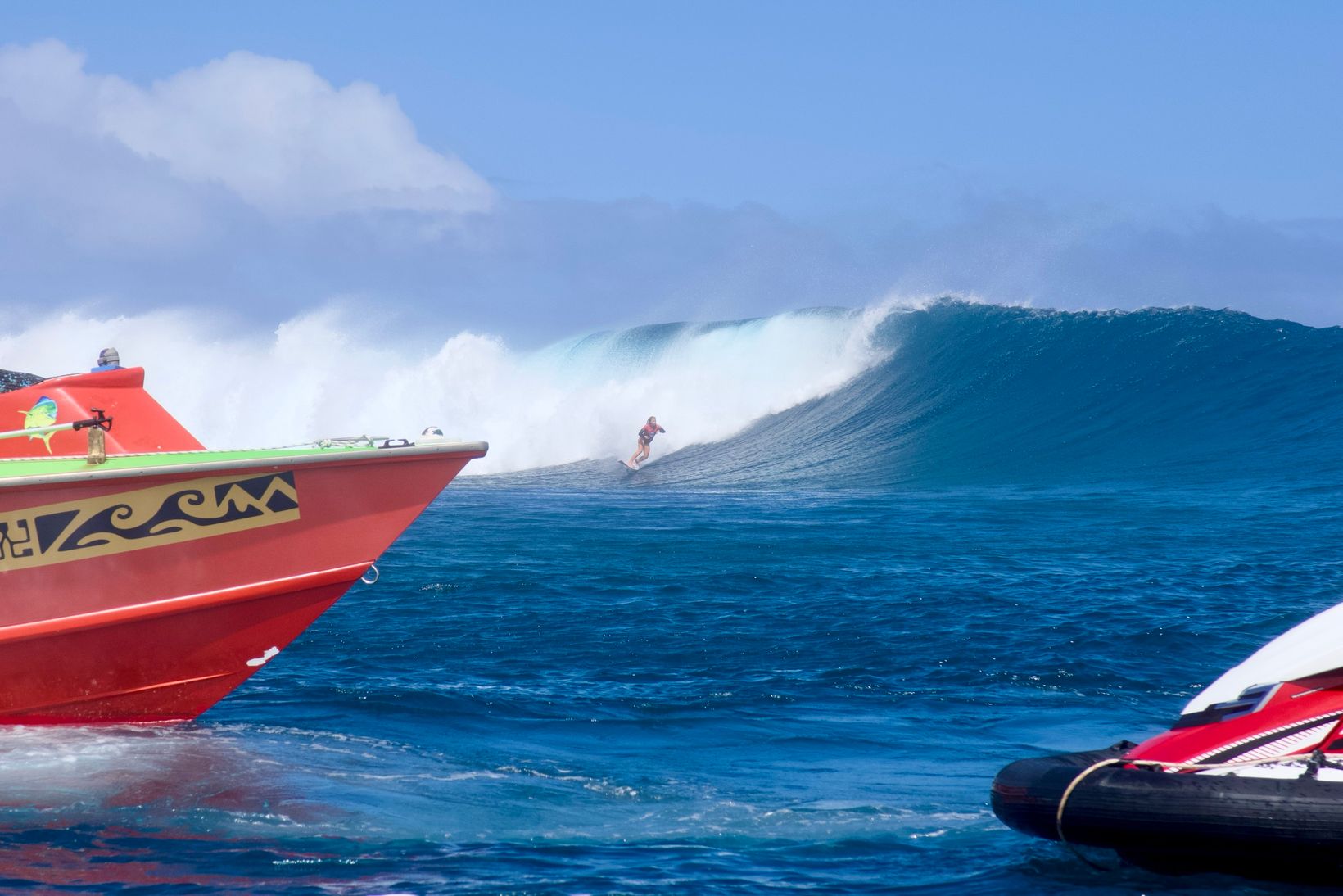
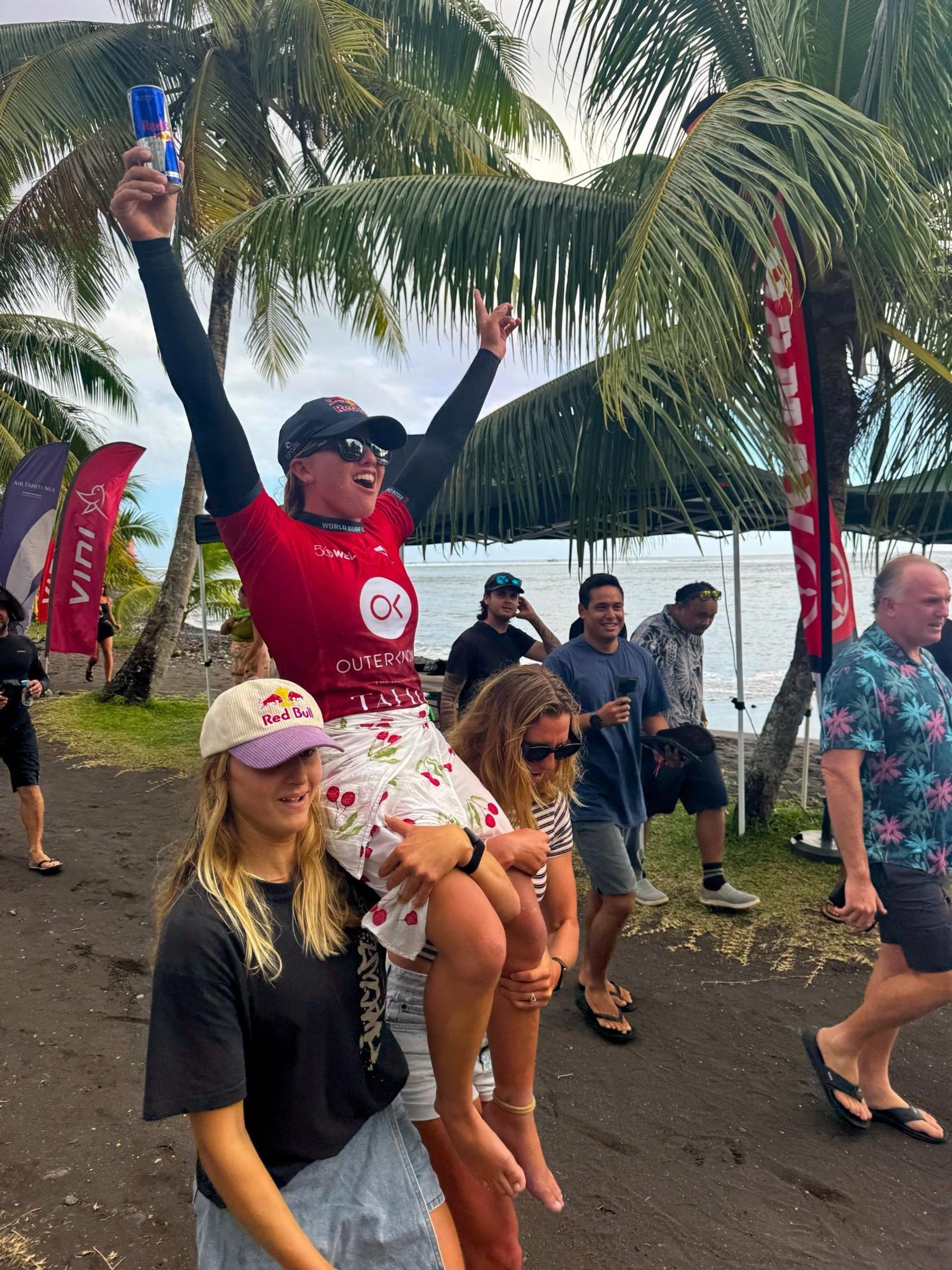
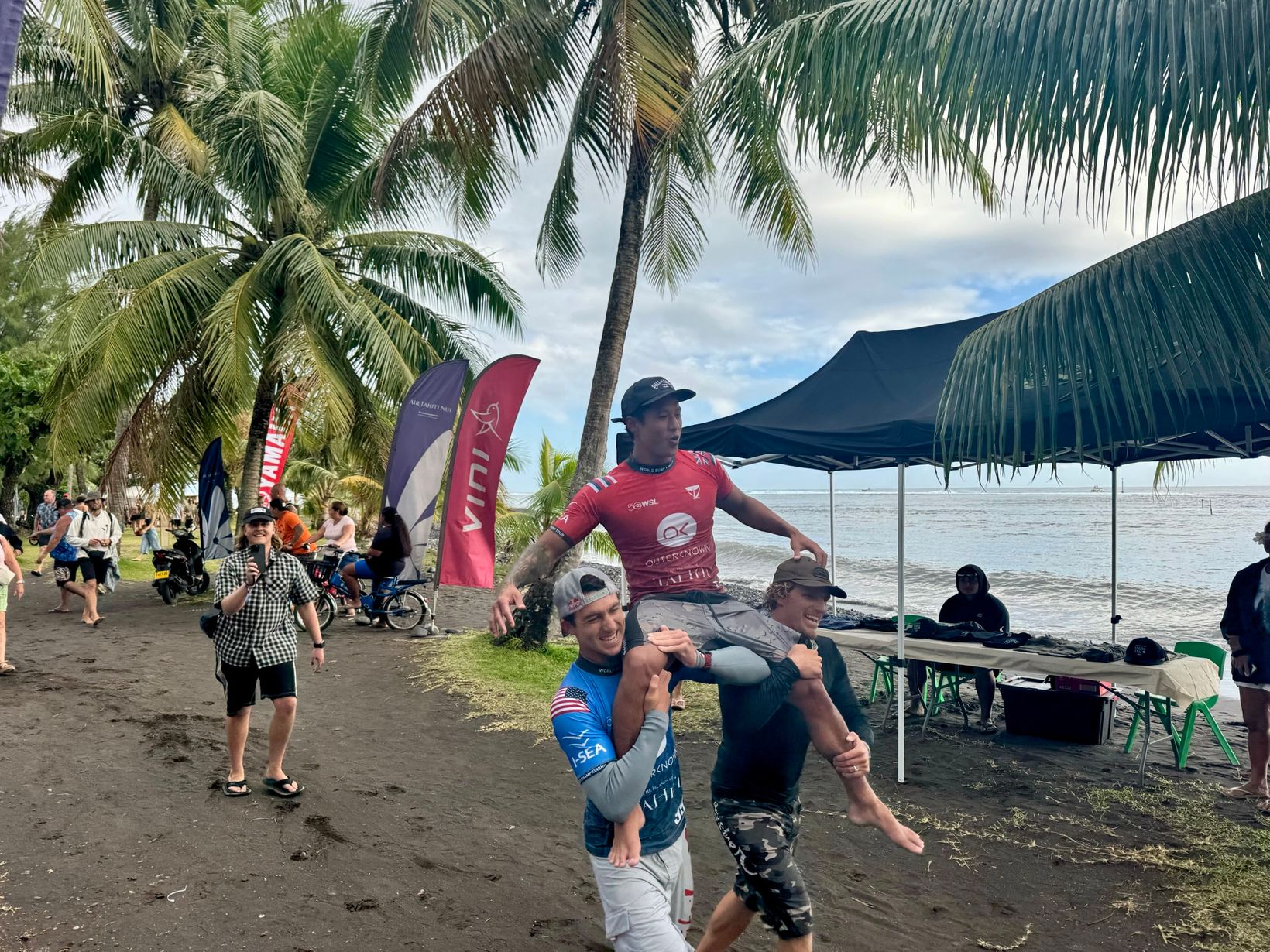
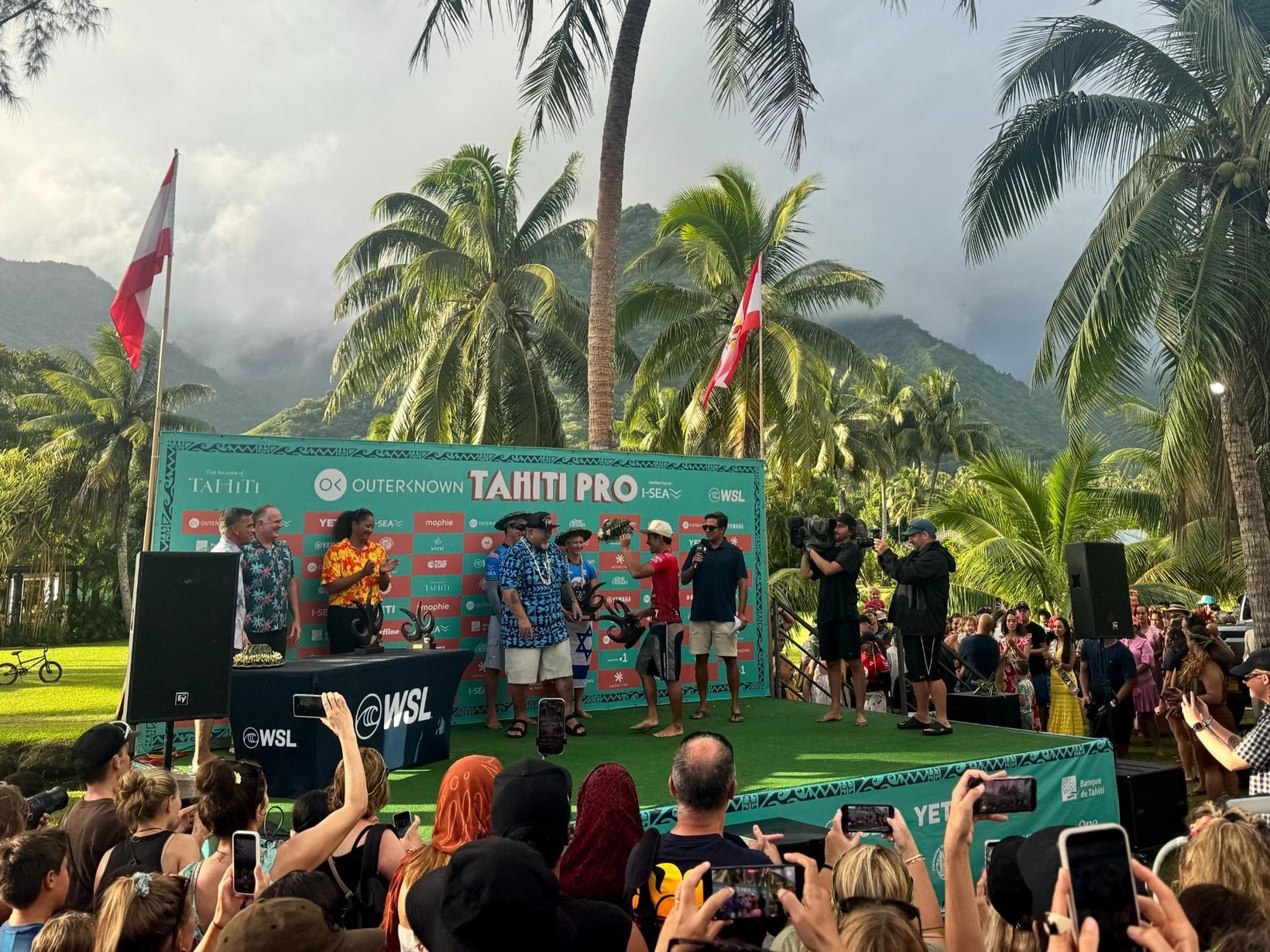
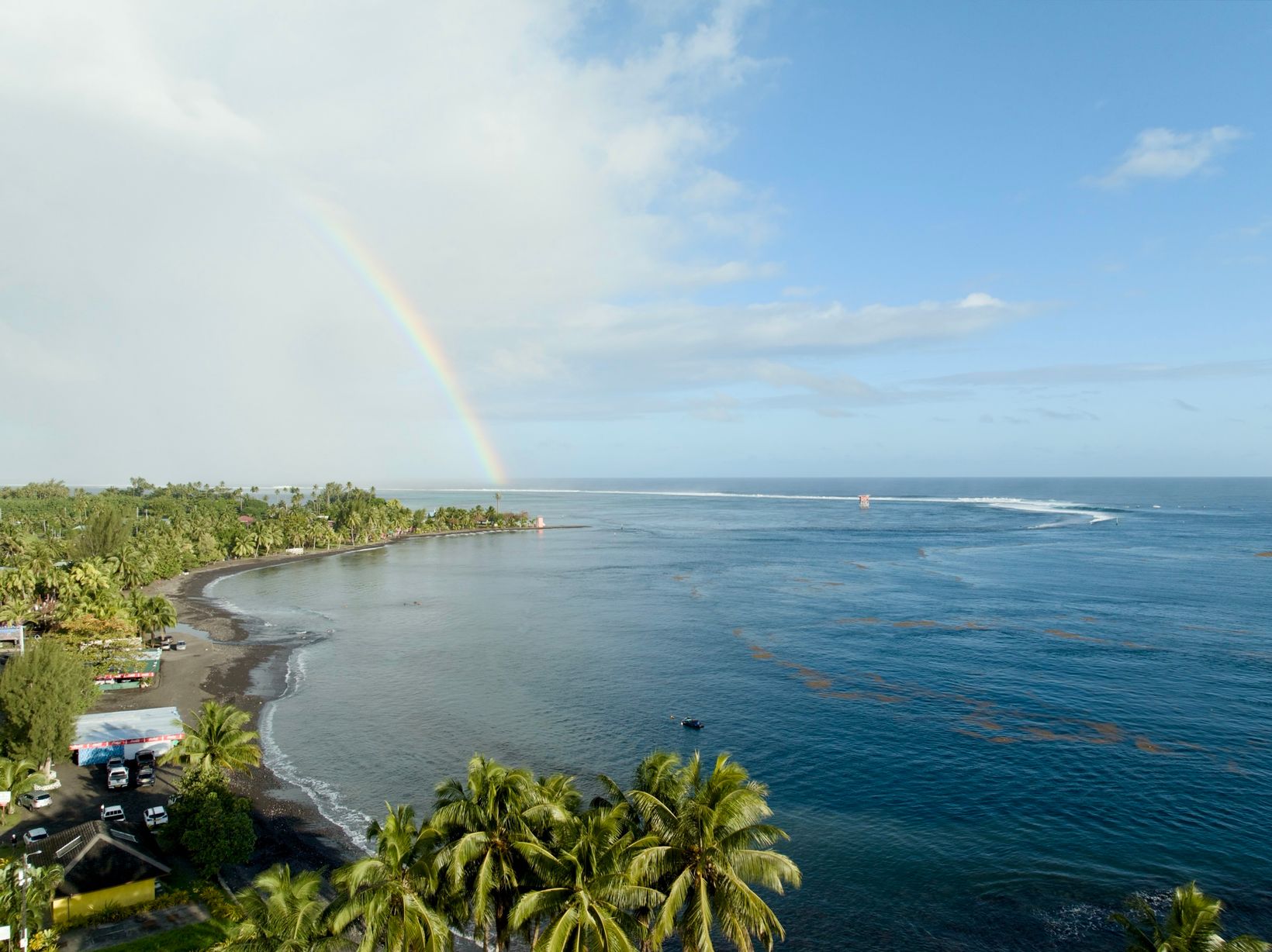
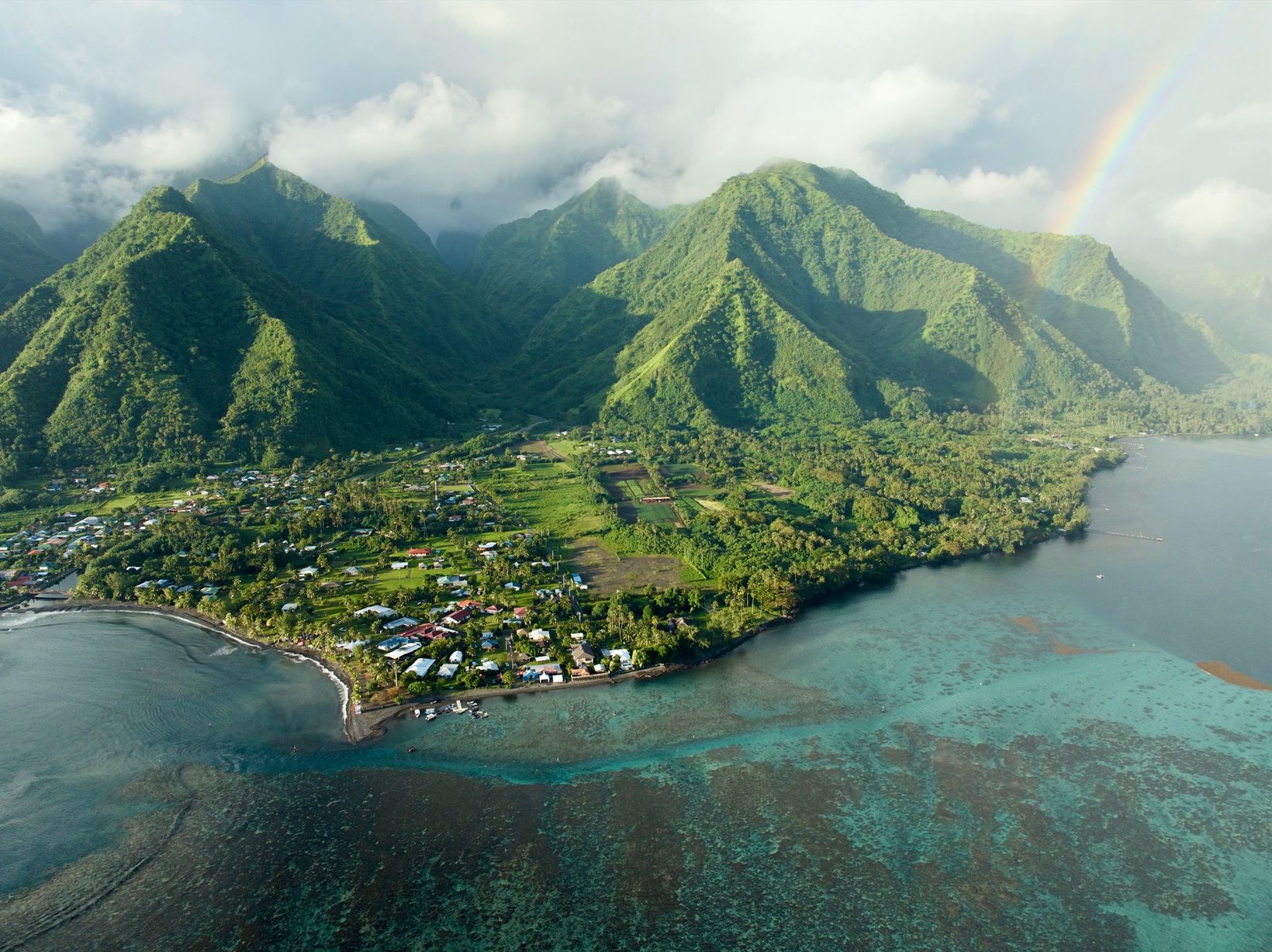
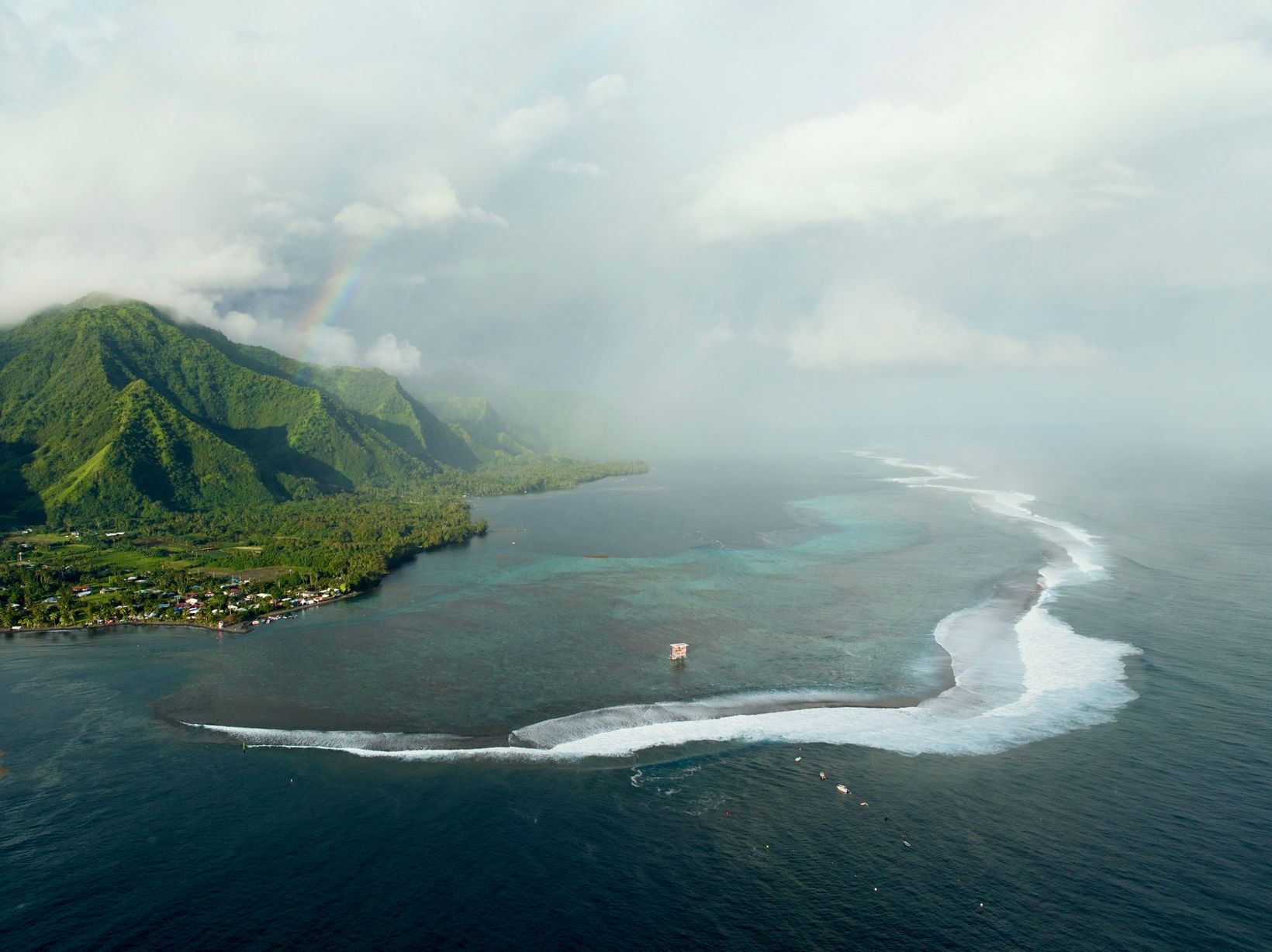
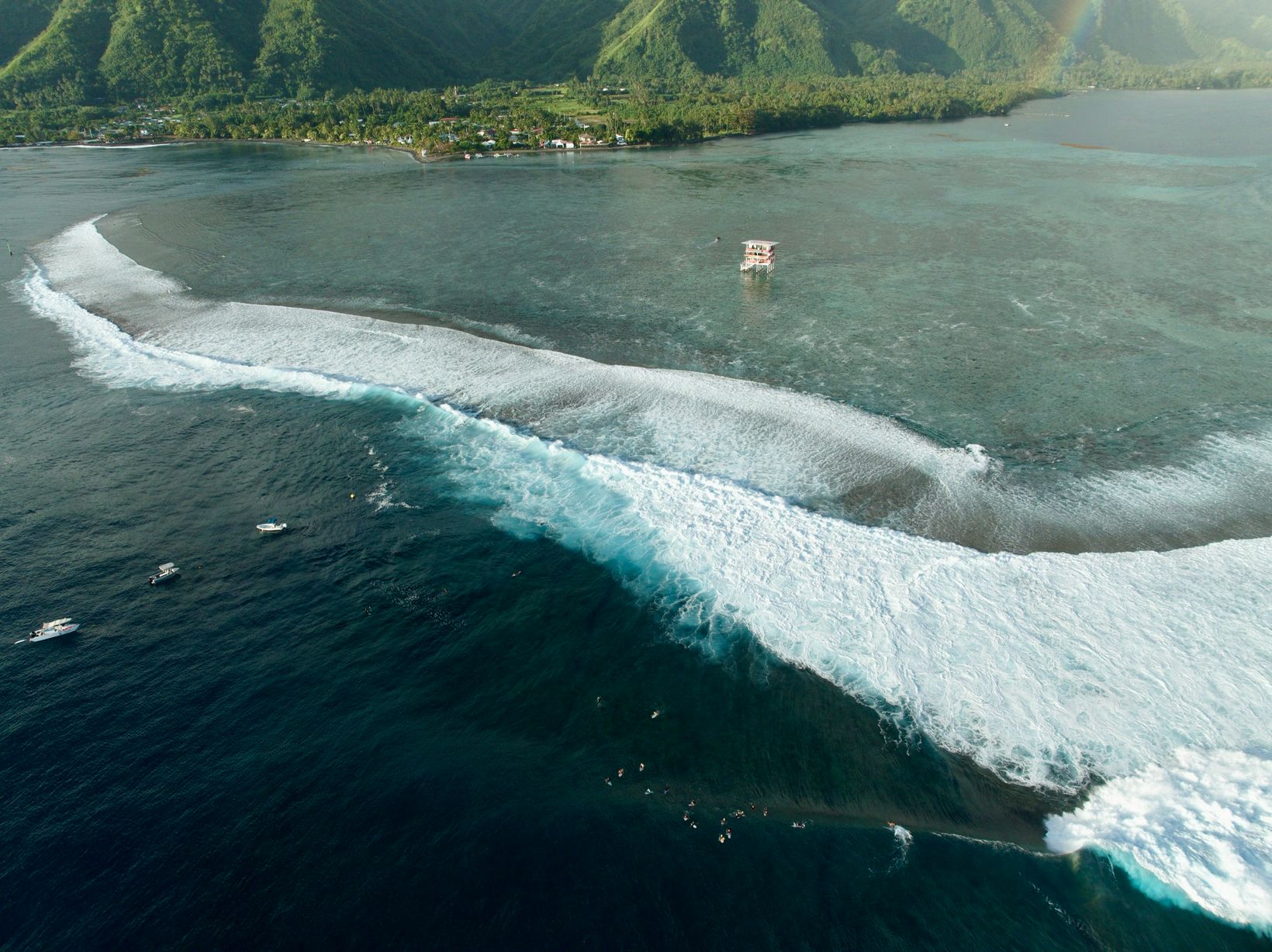
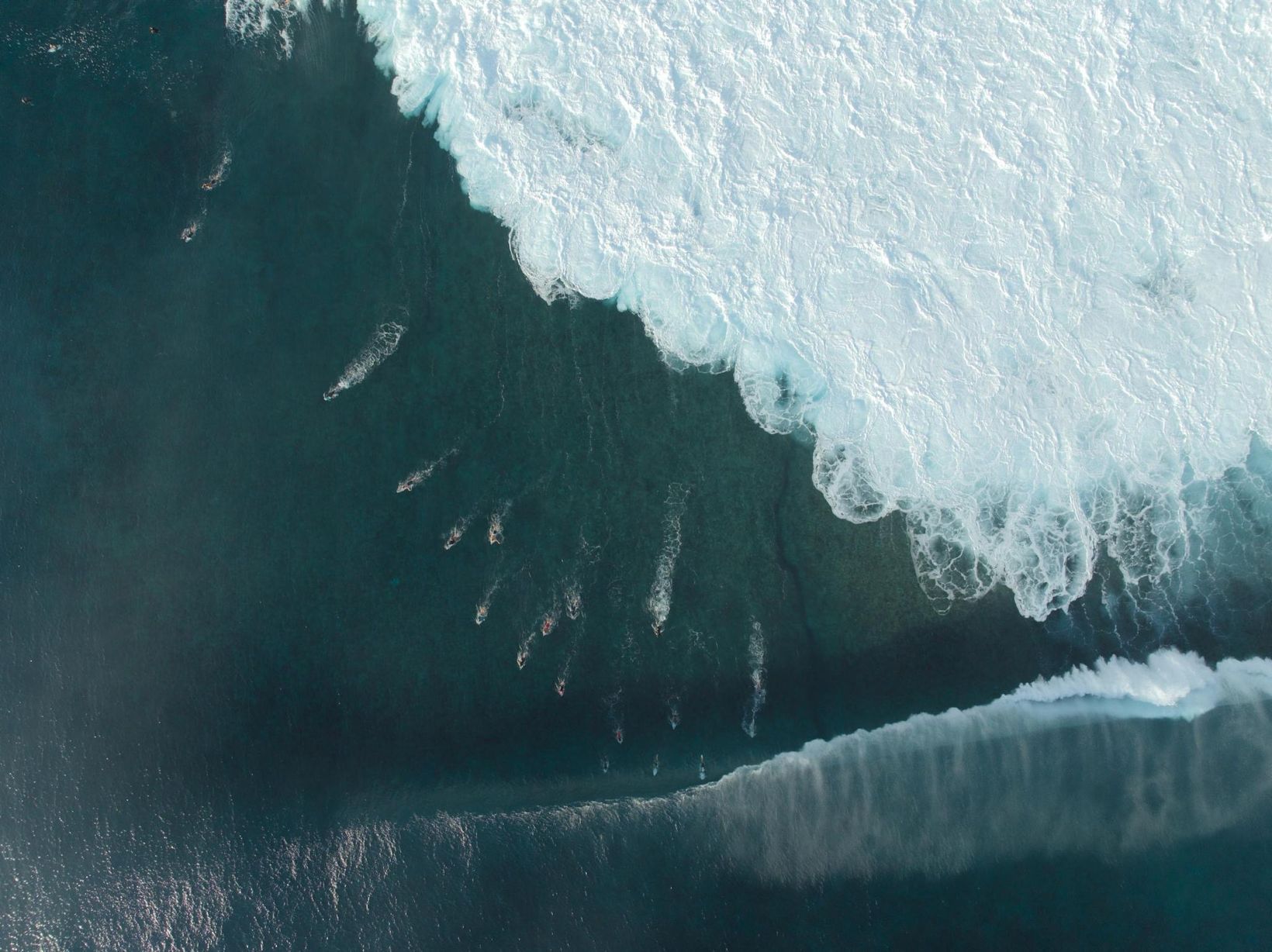
The road and our time in Tahiti comes to an end in Teahupoo, where some of the world’s best surfers will compete in the WSL Championship Tour. On the day of the finals, we take a taxi boat out to the wave to watch the action and be awed by the wave’s power. The wave breaks far out on the reef and is hard to see from the beach. That’s also why a small hut was built on the water for the competition judges, from which they can award their points. Teahupoo itself is a magnificent place that’s hard to describe. Above all, it leaves you with a feeling—a feeling of peace and immense beauty and power, or “mana,” as they say here.
Otherwise, the end of the road doesn’t really impress us, because the sea knows no paths. We set off for the next island.